Bhangarh - The Cursed Ghost Town in India Where You Don't Go at Night (12 photos)
India is full of mystical places shrouded in eerie legends. The most famous of these is the abandoned city of Bhangarh in Rajasthan, considered cursed for centuries. It hides many secrets and mysteries, luring curious tourists. However, locals prefer to avoid this place, especially after dark. What turned this once thriving trade and cultural center into a ghost town? 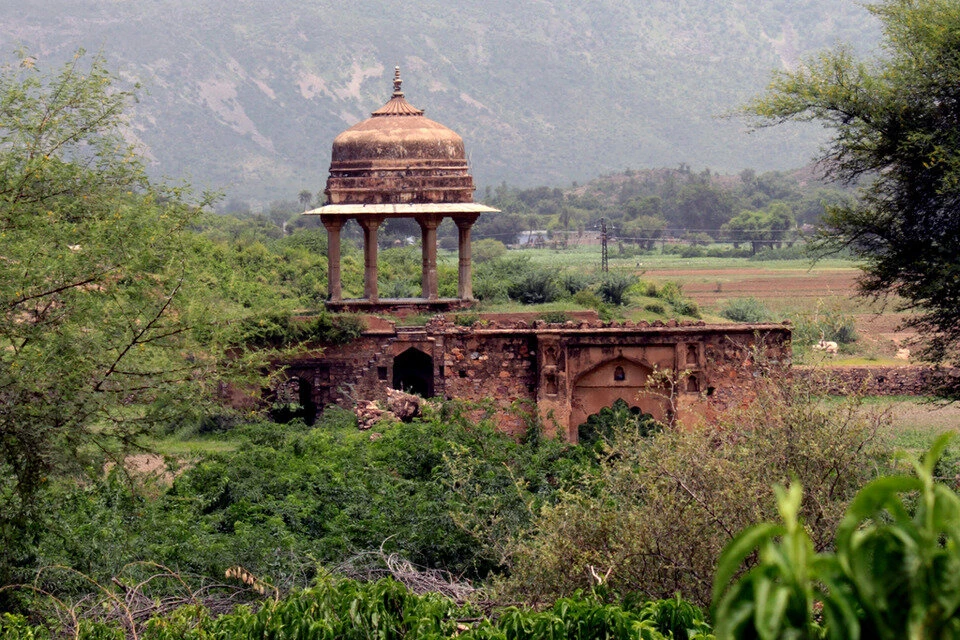
A Deal with an Elder Ascetic
The history of Bhangarh began in 1573. Maharaja Bhagwant Das of the Kachwaha dynasty founded the city as a gift to his favorite son, Man Singh I. The prince greatly appreciated his father's generosity and transformed the city into a thriving center. He built a powerful fort, erected temples to Gopinath, Shiva, Hanuman, and Ganesha, constructed a magnificent palace, and designated space for market stalls. Thus, Bhangarh became an important cultural and economic center in the region. 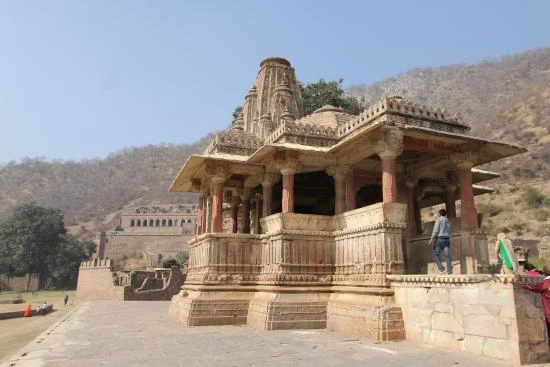
There is a curious legend associated with the origins of Bhangarh. It states that the powerful ascetic Guru Balu Nath lived on the land where the city now stands. His influence was so great that even Man Singh I approached him for permission to build. The elder agreed, but set a condition: not a single building in the city could cast a shadow on his humble dwelling. Otherwise, he promised, terrible disasters would befall the residents of Bhangar. 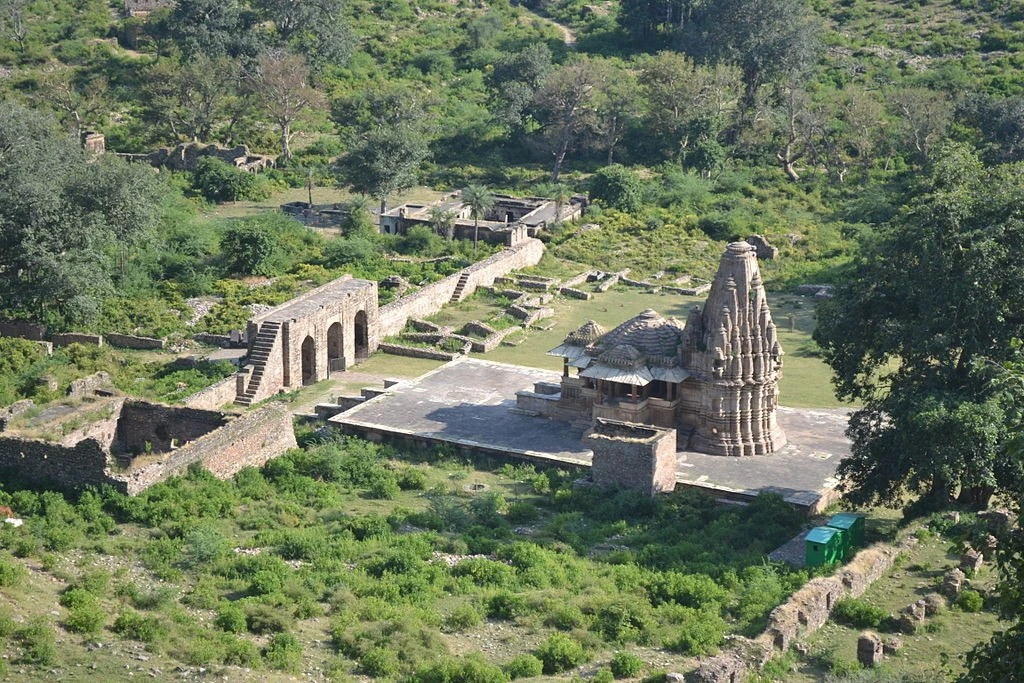
One of the city temples
The young ruler strictly adhered to this requirement, and the city began to flourish. It expanded rapidly, and its population soon reached ten thousand. Caravans from all over Asia arrived in Bhangar, and the locals quickly grew rich. This continued until 1614, when Man Singh died. By that time, the old man had also long since passed away, but the site of his hut was still considered sacred and was never overshadowed by buildings.
The Decline of the City
The ruler's successor, Ajab Singh, took the agreement with the old man lightly and stopped adhering to the established rules. The site of the ascetic's hut was now under construction, and the last vestige of him disappeared forever. This decision quickly had tragic consequences. The city was attacked by the troops of the ruler of Jaipur, Sawai Jai Singh II. 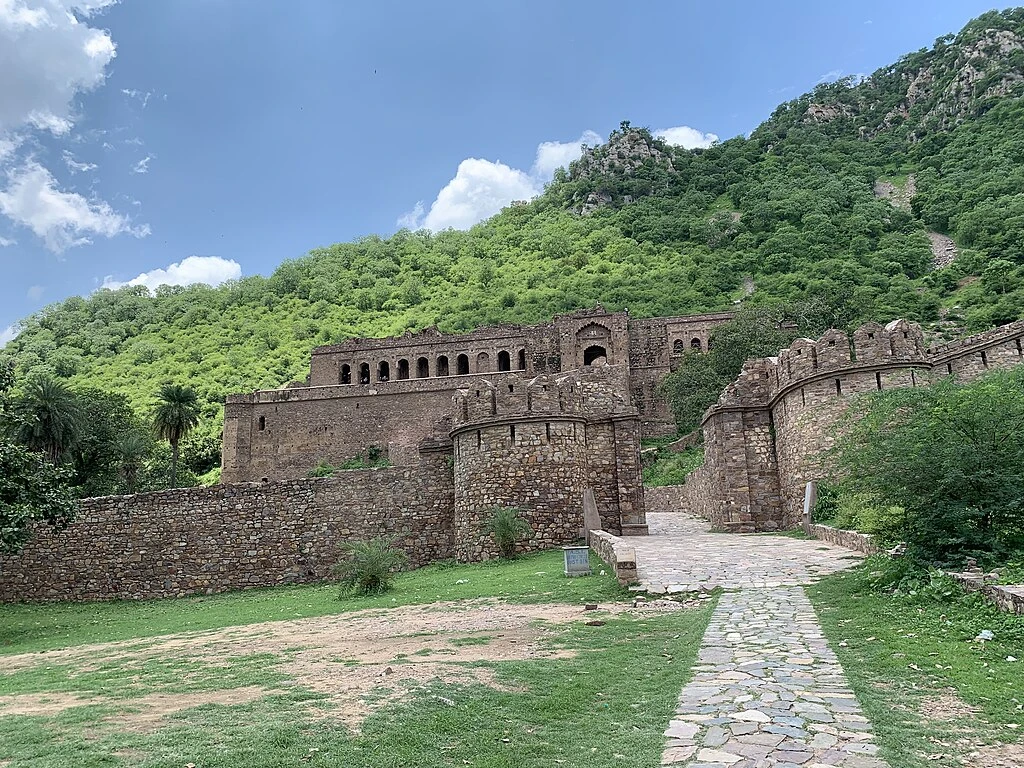
View of the city fortifications
After a lengthy siege, the enemy captured the citadel, partially destroyed it, and annexed the lands to their domain. The new ruler of Bhangar showed even less respect for the legends of the curse. He began constructing high fortress walls in place of the old ones and erecting majestic temples, seeking to perpetuate his name. 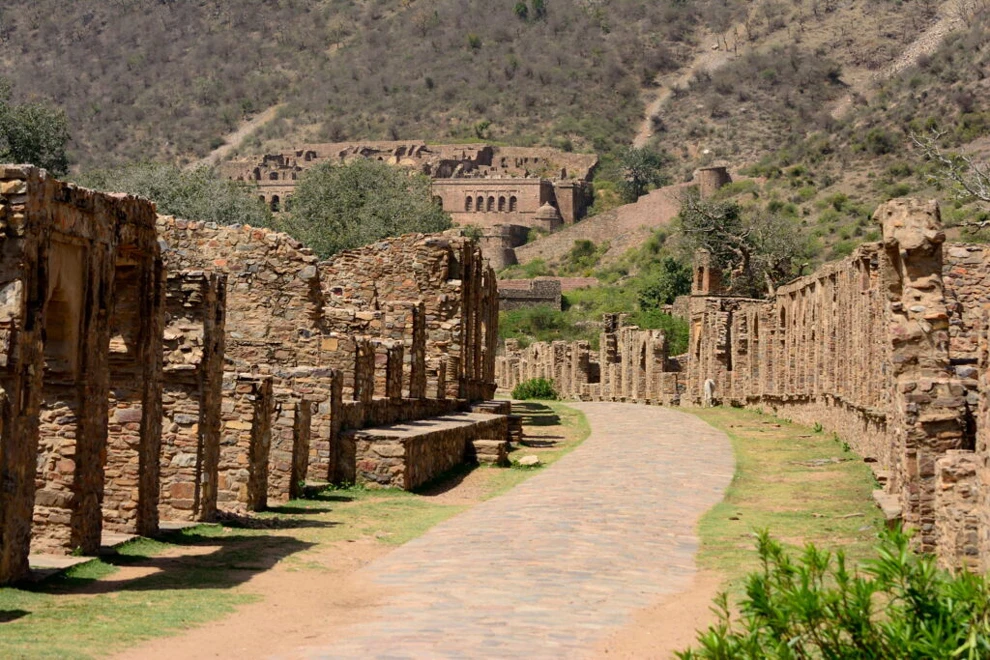
City Street
Nevertheless, no matter how hard Sawai Jai Singh II tried, his domain was plagued by misfortune. Trade caravans began to bypass the city, epidemics and famine decimated the population, and the survivors fled their homes in search of a better life. Furthermore, enemies intensified their raids on the weakened Bhangarh. 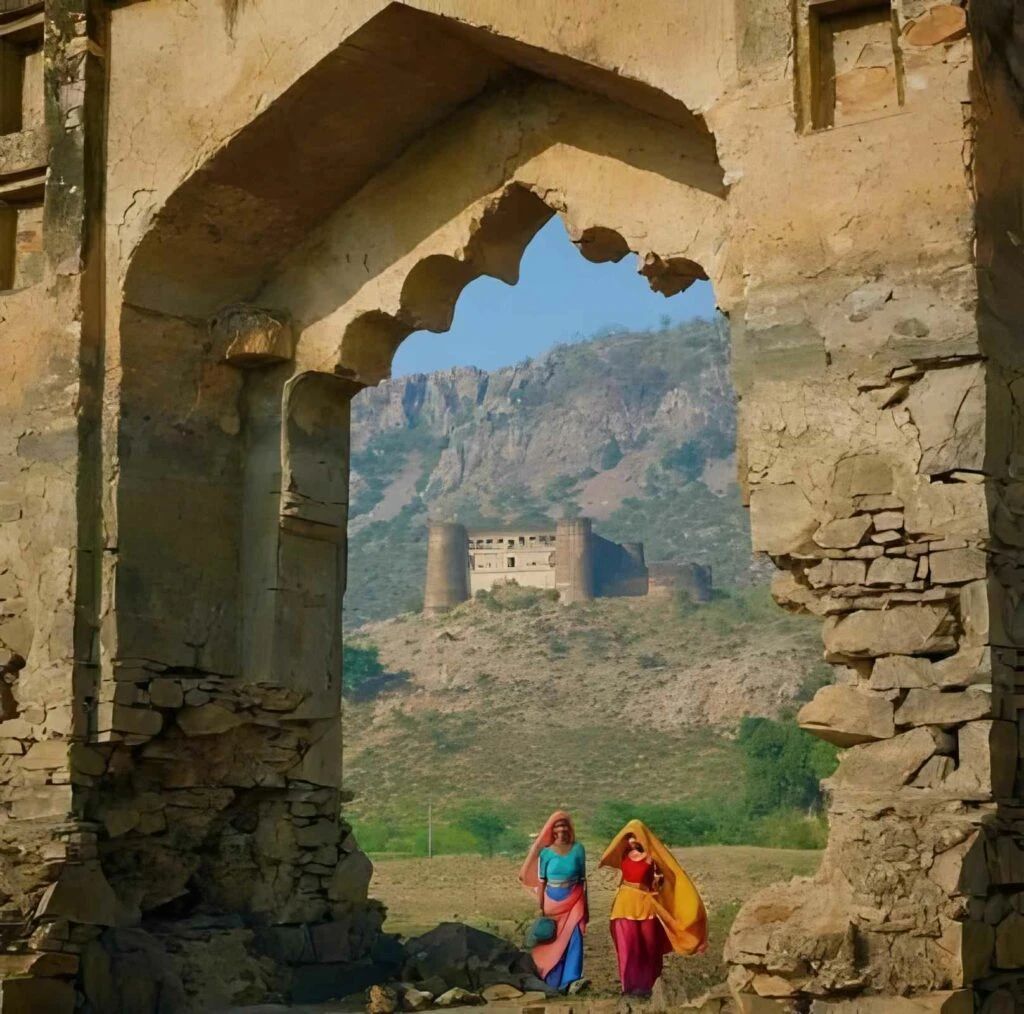
Some surviving architectural details suggest that Bhangarh was a very beautiful city.
All these disasters continued for several years, and then the city suddenly became deserted. Historians still cannot confirm or deny this legend. Local legends cite various reasons: from some natural disaster to the capture of the city by an enemy army, which killed the entire population.
The Legend of the Sorcerer and the Princess
Another legend tells of the beautiful princess Ratnavati, who lived in Bhangarh. Her beauty delighted everyone, including a powerful sorcerer named Singh. He loved her dearly, but he knew she would never reciprocate his feelings. So he decided to turn to magic. A sorcerer concocted a love potion in the form of body oil and planted it on the girl. But the princess, suspicious, threw the vial of liquid out the window. According to legend, the vial fell on a boulder near the palace and shattered. At that very moment, the boulder shifted, rolled down, and crushed the unfortunate sorcerer. 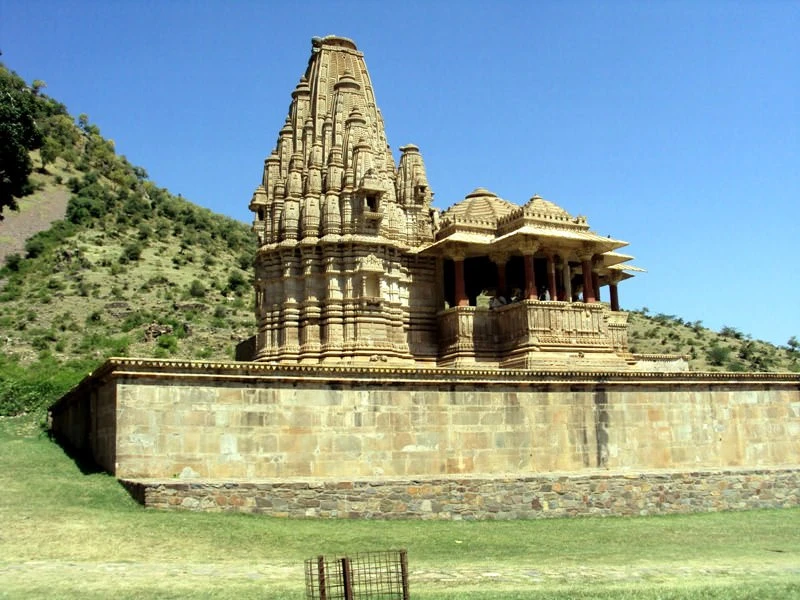
Before his painful death, the sorcerer Singh managed to curse the city, wishing for all its inhabitants to perish and for their souls to remain in Bhangarh forever. It is said that soon afterward, the city was captured by the Mughals, and Ratnavati and thousands of others perished in a bloody massacre. The curse proved so powerful that it continues to work centuries later, making Bhangarh dangerous to visit even today. Not everyone believes these ancient legends, but nevertheless, the ghost town has a poor reputation.
Bhangarh Today: A Tourist Gem with a Mystical Aura
Despite its gloomy reputation, Bhangarh attracts crowds of tourists during the day. They come to see the majestic ruins of the Gopinatha Temple, the Dance Palace, and the royal palace. Today, Bhangarh is one of the most visited mystical sites in India. The city's architecture, though battered by time, remains impressive. Tourists take photos by the high walls and stroll through the ancient streets, but they quickly leave at sunset. 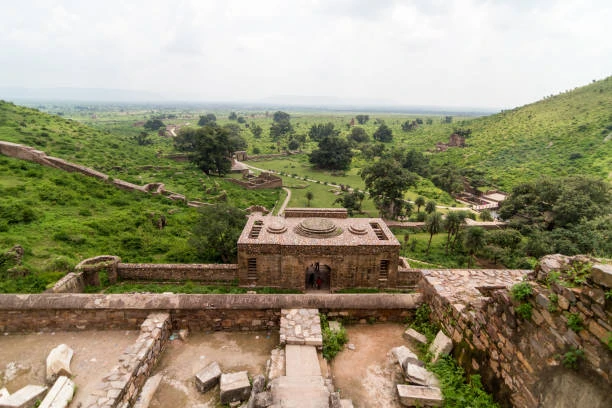
The city fort stands on a hill, and its walls overlook the entire valley.
Bhangarh is a place where history intertwines with mysticism. If you love mysteries, ancient architecture, and a chill down your spine, this ghost town is worth adding to your India itinerary. But remember: come during the day, enjoy the views, and leave before sunset. After all, in Bhangarh, they say, the night belongs to the ghosts.
Why people shouldn't visit Bhangarh at night
The Archaeological Survey of India has banned visitors to the ruins of Bhangarh at night. This decision was likely motivated by safety concerns: in the darkness among the ancient ruins, it's easy to get injured or even killed. However, this ban has given rise to a new, eerie story. It's said that once, a group of curious tourists broke the rule and entered the city after sunset. At first, everything was calm, but soon strange and frightening events began to occur. 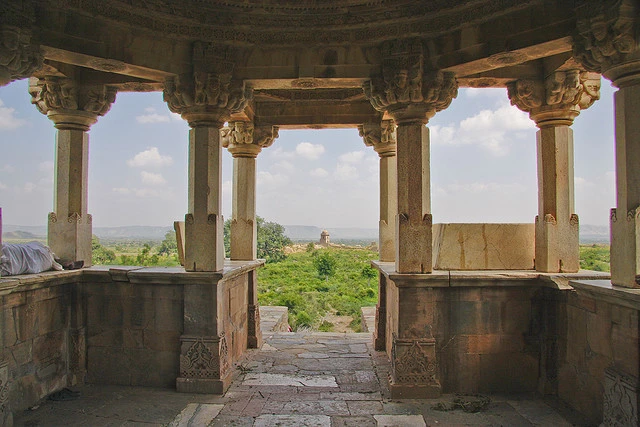
The violators reported seeing ghosts and hearing eerie sounds. One of them, overcome by fear, ran away but fell into a well in the darkness. Fortunately, he survived, although seriously injured. His friends helped him out and decided to take him to the hospital by car. But on the night road, the car crashed, and everyone involved died. Whether this story is true or not is unknown. Nevertheless, locals and tourists firmly believe in this legend. 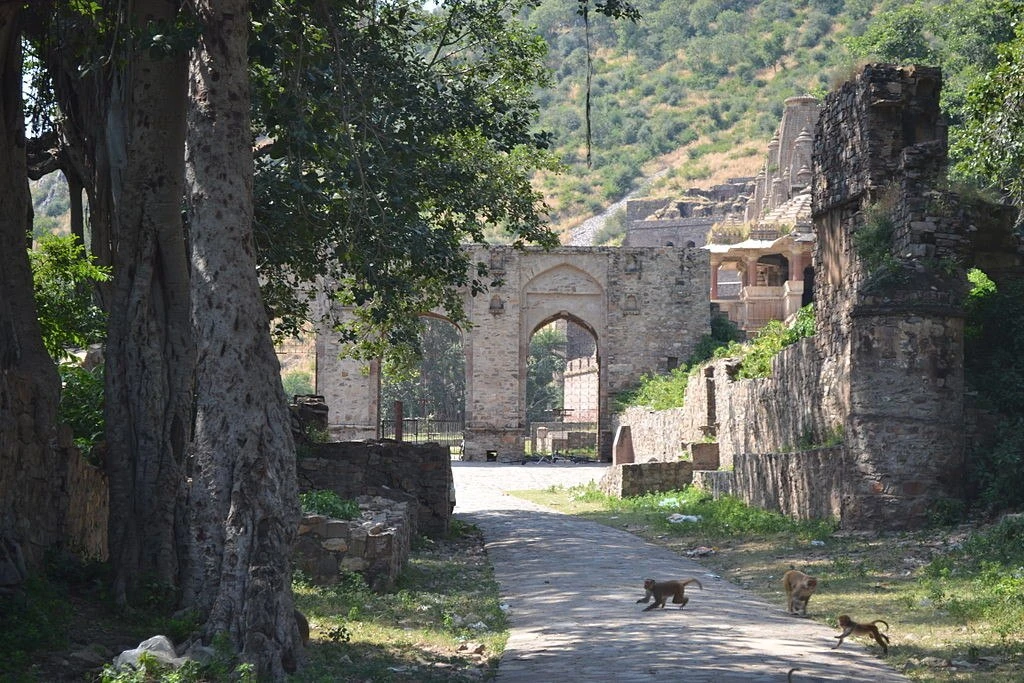
Currently, only troupes of monkeys live permanently in the town.
Hindus attribute the activity of the supernatural forces to the fact that the souls of all the dead residents remain in the town. Due to a curse, they were unable to find peace and now roam Bhangarh at night, seeking out the living to harm them. Rumor has it that state authorities, trying to prove the safety of the abandoned city, sent a police patrol there at night. But the guards steadfastly refused to approach the ruins after sunset, even when promised a large bonus.
Is the old man's curse still in effect?
Bhangarh has another mysterious feature unrelated to ghosts. Restoring the buildings in this dead city is impossible. All the structures are roofless and slowly deteriorate under the influence of the weather. Any attempts to install roofs end in failure. The structures collapse immediately after completion, leaving the already damaged buildings in even worse condition than before. 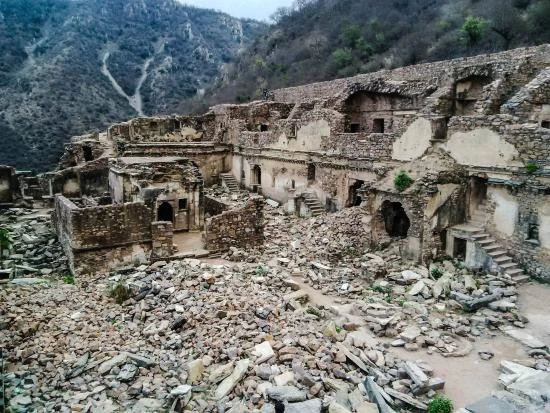
Most of the city's buildings lie in ruins.
Engineers have made no comment on this strange phenomenon. Local residents, for their part, are certain it is the result of the curse of the ascetic Balu Nath. They believe the elder's spirit still resists the city's buildings from rising and casting their shadows upon its land. Of course, whether this is true or not, no one knows. Nevertheless, the ghost town of Bhangarh remains in ruins, and there is no talk of its reconstruction. 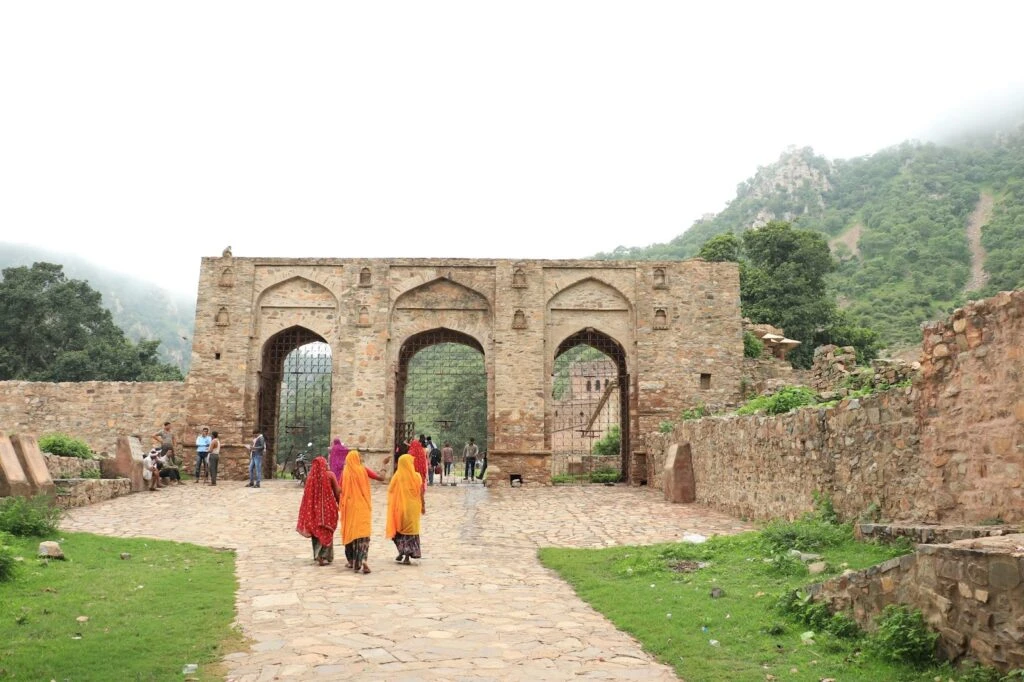
The legends of Bhangar are simultaneously terrifying and alluring, leaving more questions than answers. Can the series of misfortunes that have befallen the city be explained by mere coincidence, or do these stories truly conceal the power of an ancient curse? Do you believe in mysticism and cursed places—or do you believe that logic and chance are behind all these "miracles"? Share your opinion in the comments!