Why Do Bedouins Have a Reputation for Sloppiness, and Is It Deserved? (4 photos)
Once upon a time, hygiene wasn't as meticulously regarded as it is today. However, this doesn't apply to all ethnic groups, only to some. It's offensive when entire nations are slandered based on mere rumors and speculation. People living in deserts, such as Bedouins, are traditionally considered enemies of cleanliness. Yes, these people have suffered from water shortages for centuries, but are they really sloppy? 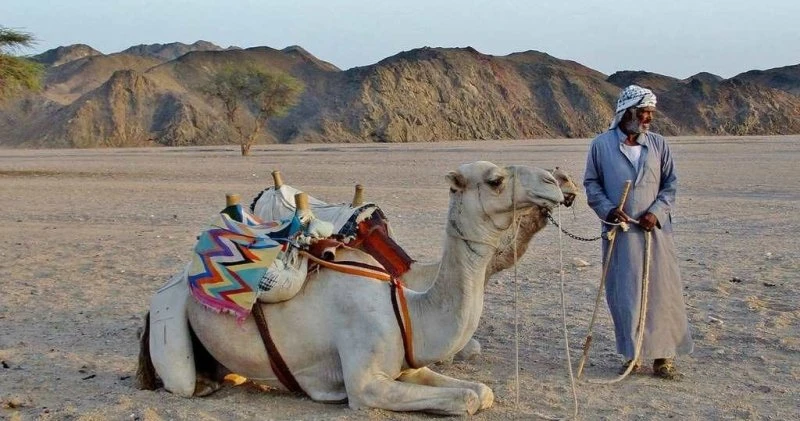
The claim that Bedouins live in filth has nothing to do with reality. Yes, desert people have their own views on hygiene, dictated by their living conditions. But if someone lives according to their own traditions, strange to us, are they any worse?
The inhabitants of North Africa and the Arabian Peninsula were first described as filthy in the Middle Ages. Participants in the Crusades found it advantageous to portray their enemies as unwashed, poorly civilized barbarians. Finding no rivers, lakes, running water, baths, or saunas in the desert, Europeans concluded they were dealing with people who washed only occasionally or who refused to bathe at all. 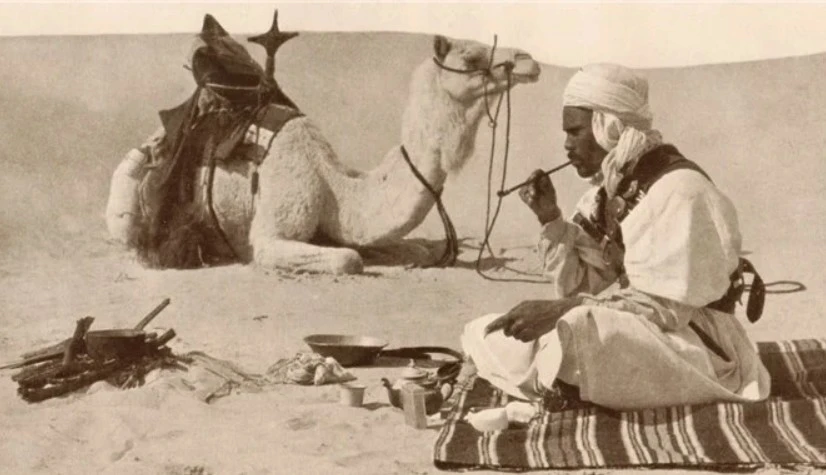
Rumor had it that only the most noble and wealthy Arabs could afford to wash themselves. Supposedly, the majority of Bedouins only occasionally wiped themselves with a damp cloth when the opportunity arose. Those who spread such rumors had a basis for this. They themselves almost never saw Bedouins bathing or even washing themselves. But this only indicated that the desert people kept outsiders away from their important secrets.
Secret Wells and Ritual Ablutions
In the desert, water is the most important resource. There are even countries completely devoid of bodies of water. It's well known that while a person can survive for many days without food, they can only survive for two or three days without water. In the desert, this period is even shorter. The Bedouins kept their wells secret. These were underground ditches, covered at the top and equipped with stone condensation reservoirs. 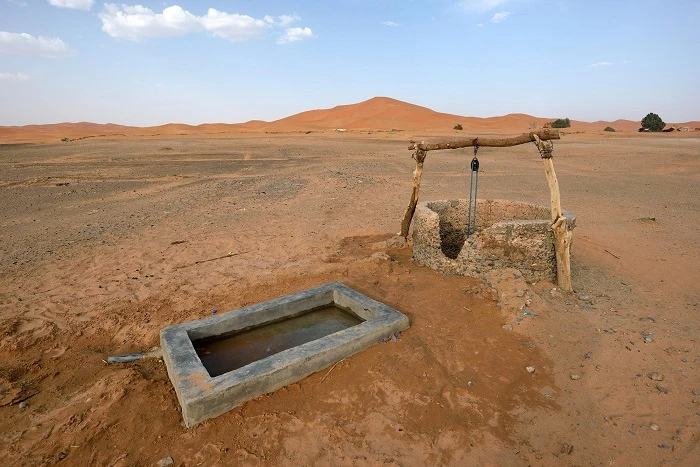
The lives of entire tribes depended on these small underground reservoirs. During wartime, destroying these wells was enough to put the Bedouins on the brink of life and death. It's not surprising that desert Arabs avoided visiting their secret pools in the presence of strangers. But as soon as the guest left, access to the water became available.
An important refutation of the rumors about the Bedouins' slovenliness is their very faith—Islam. It's difficult to say what life was like before its adoption and what kind of relationship pagans had with water. But for Muslims, five prayers a day, including the obligatory washing of the face and feet, are an important part of life. 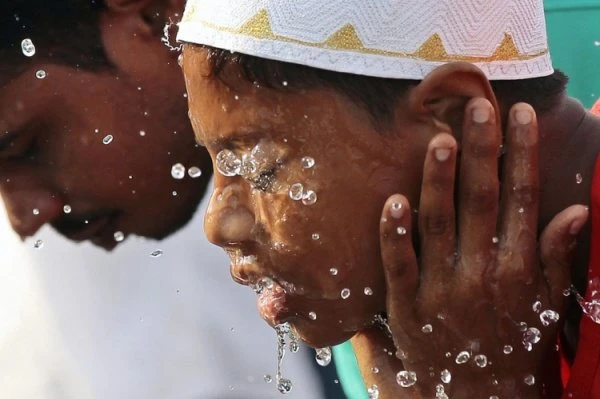
Yes, when Bedouins crossed the desert, they couldn't always afford to wash themselves five times a day. But they replaced water with sand—their faith allowed them to do so. It's unlikely that anyone uses this "old-fashioned" method these days. Modern technology makes it possible to carry substantial water supplies and use them as efficiently as possible.