Rice Renaissance: How Japanese farmers turned fields into giant canvases (10 photos)
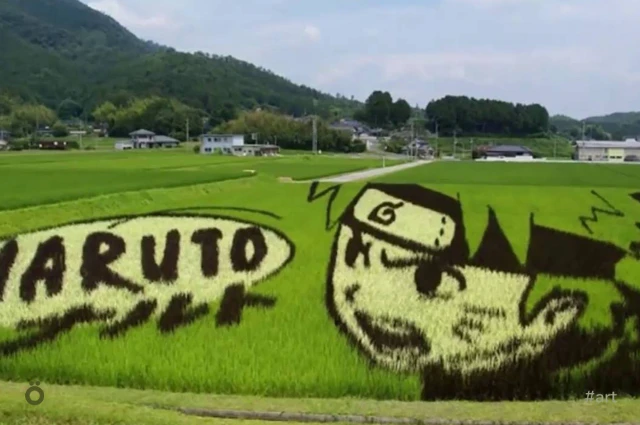
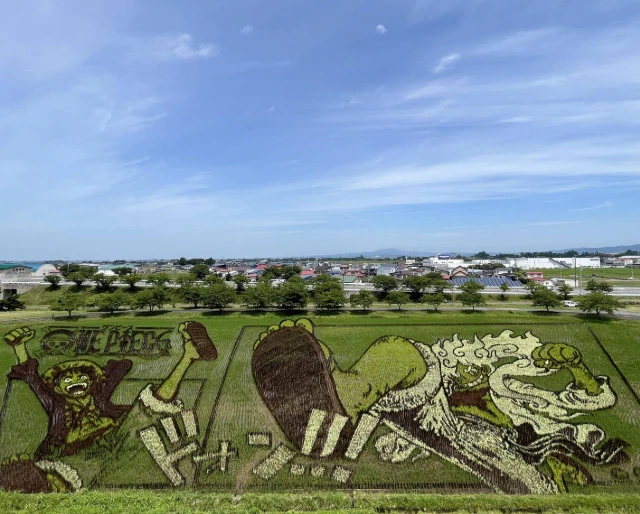
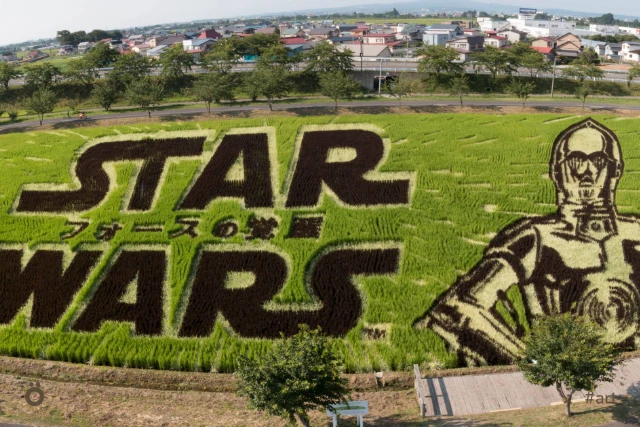
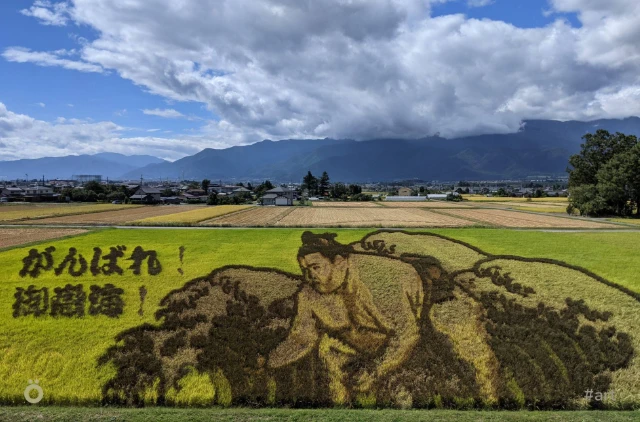
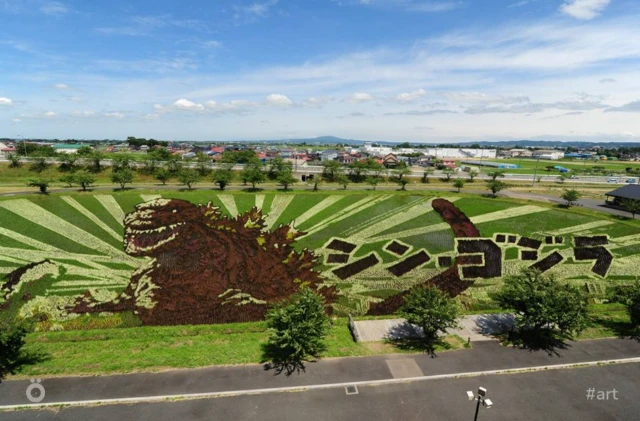
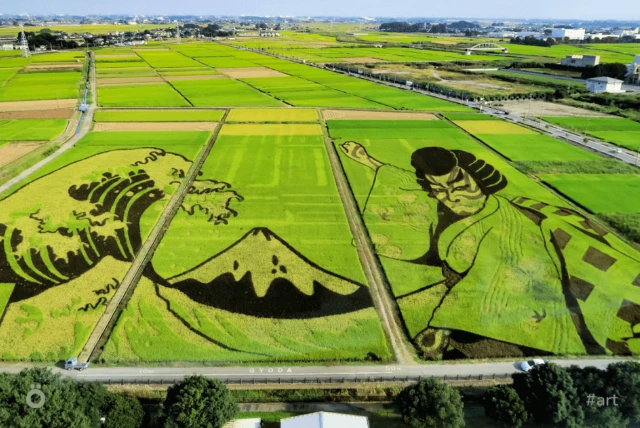
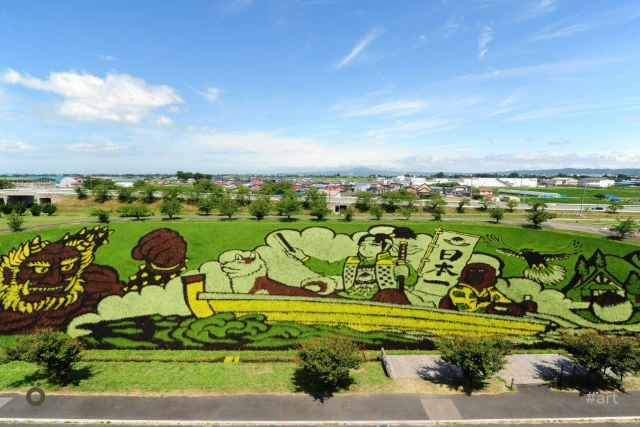
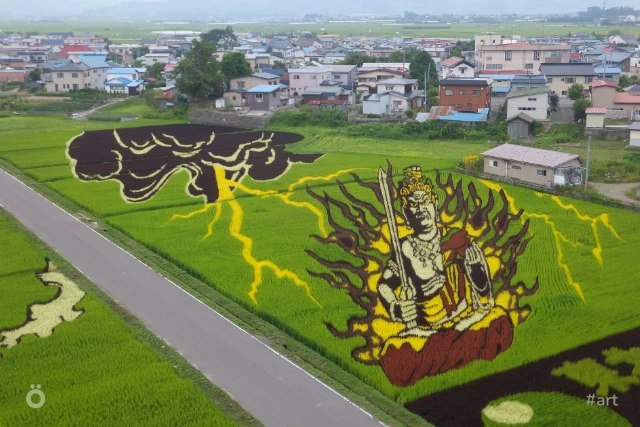
In the early 1990s, the village of Inakadate faced a classic problem for the Japanese countryside: young people were fleeing en masse to the cities, and the rice-based economy was on its last legs. Salvation came from an unexpected source: local official Koichi Hanada, inspired by school experiments with multicolored sprouts, decided to transform agriculture into a visual art form. Thus was born "tanbo art" – a unique method that uses rice in seven different shades instead of paint, and the brushes are replaced by the labor of over a thousand volunteers, painstakingly planting each sprout by hand.
Starting with a simple depiction of Mount Iwaki, the project quickly gained momentum: now the local fields "grow" images of the Mona Lisa, Godzilla, and iconic scenes from Star Wars. Today, this unusual art movement has spread to hundreds of locations across Japan, reaching as far as Korea and Taiwan. The irony is that these large-scale masterpieces are extremely short-lived: as soon as harvest time arrives, the "paintings" disappear, turning from art objects into ordinary lunches. Ultimately, they are a rare example of art that can be not only contemplated but also devoured with gusto. 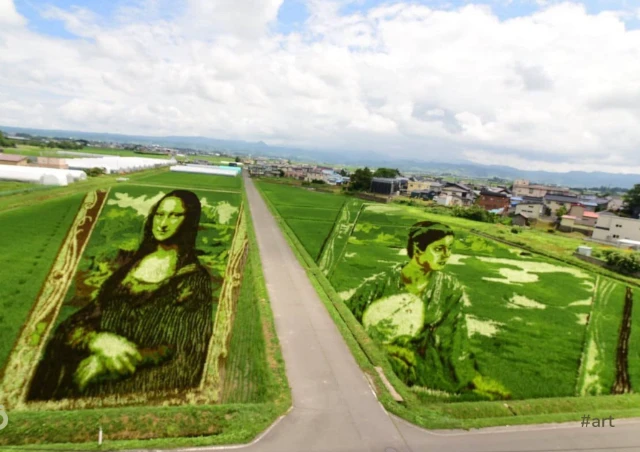
[thum b]219_files/269200_5_nevsedoma_com_ua_2-xy.webp[/thumb]