Sada Abe - the strangest female killer in history (10 photos)
The internet is full of horrific stories about serial killers, brutal maniacs, and rapists. And every time you read one, you wonder, "What was going on in these people's heads?"
The biography of Japanese woman Sada Abe is equally perplexing, particularly because she carried her lover's severed penis and testicles in her purse. Read our article to find out more about history's most unusual courtesan. 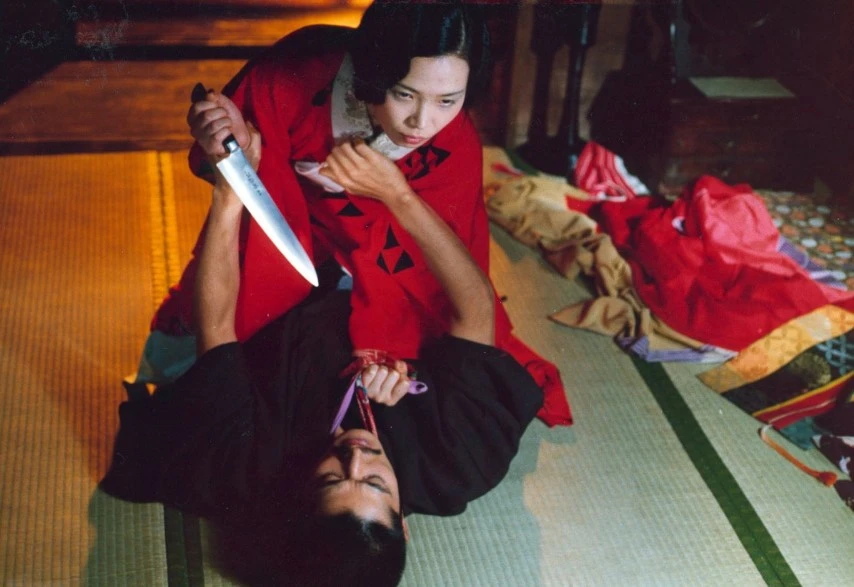
Sada Abe was born in 1905 to an average Japanese family, one of eight children of Shigeyoshi and Katsu Abe. They lived together in the Tokyo suburb of Kanda, where they made tatami mats.
Sada was the youngest daughter, which made her a special favorite with her mother. Her mother indulged her in almost everything—the girl knew nothing of prohibitions or punishments. It was with her mother's permission that, at a young age, Sada began taking singing and shamisen lessons—at the time, these activities were traditionally associated with geishas and prostitutes. 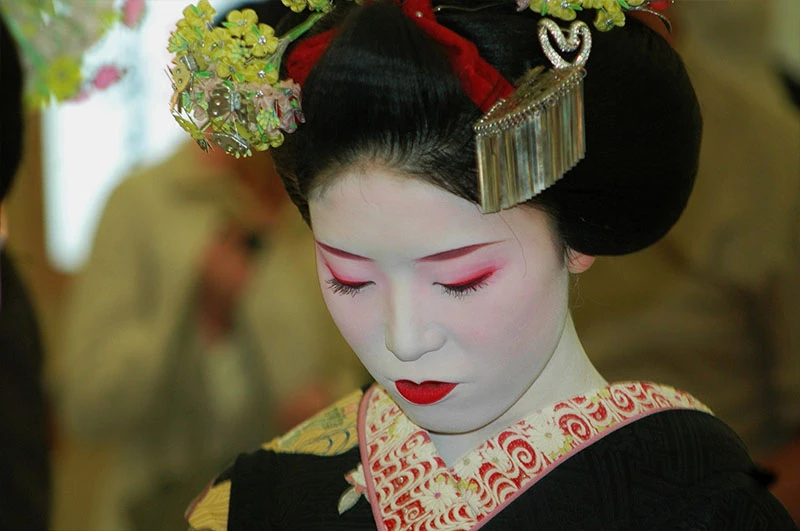
The image of a geisha always appealed to the future killer. She often skipped school to attend music lessons, even applying makeup along the way.
When the family was going through difficult times, the girl was sent away from home. One such day, Sada was raped by an acquaintance at the home of their mutual friends. She had just turned 15.
Over time, Sada became a truly difficult teenager – she completely disobeyed her parents and did as she pleased, skipping classes, leading a promiscuous sex life, and hanging out with bad kids. In 1922, having completely given up on guiding their daughter down the right path, her mother and father enrolled her in a Yokohama geisha school, hoping that at least this way she could find her place in society. 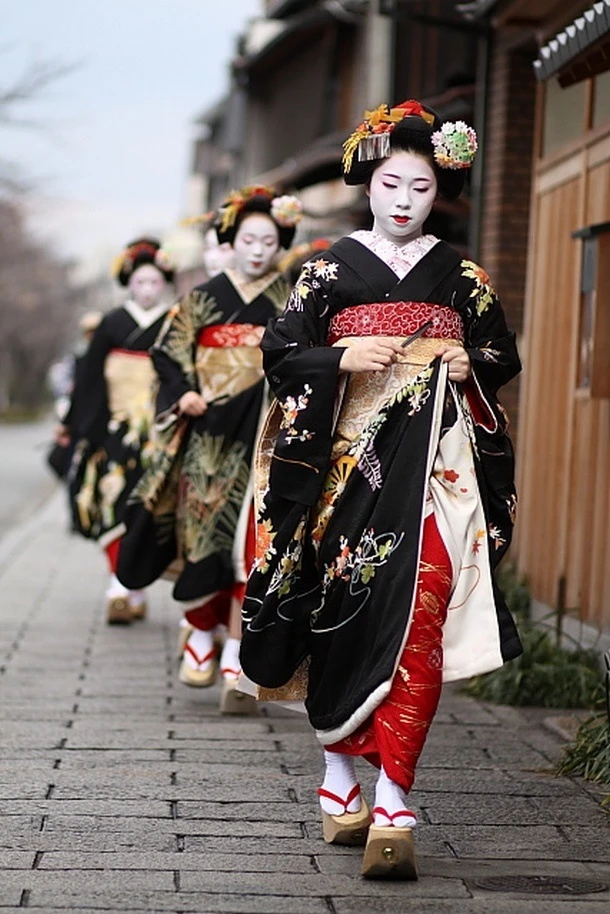
But in her very first days of training, Sada realized that the life of these women was not as simple as she had thought. Becoming a star among geisha required hard work—waking up early in the morning, attending dance, music, and ikebana lessons, learning other arts, and mastering customer service skills and engaging people. Most geisha trained from early childhood, so Sada didn't stand a chance. Instead, she became a machigeisha, or quasi-geisha, whose sole occupation was to satisfy men's sexual needs.
She worked there for five years until she contracted syphilis. Realizing she would now be regularly tested and examined, Sada decided to leave and find a better-paying job. Thus, she became a professional prostitute. 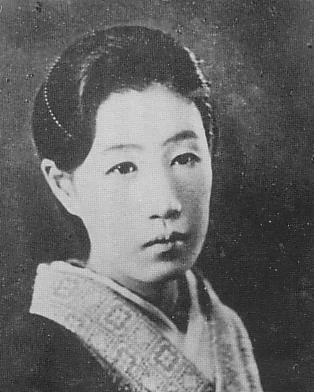
Sada's first refuge was a brothel in Osaka's notorious Tobita district. But she didn't stay there long—she soon earned a reputation as a "problem" prostitute, as she constantly tried to defraud clients, stole their money, and ran away several times. Two years later, she finally managed to leave the brothel and find work as a waitress in a café. Naturally, the new salary wasn't satisfactory, and Sada was forced to return to Osaka, where she resumed working as a prostitute.
A year later, Sada's mother died, and she went to Tokyo to visit her grave and her father. To earn money, Sada joined the local prostitution scene and became a paid mistress for the first time. A year later, Sada's father also fell seriously ill. She lovingly cared for him for ten days, but he died suddenly.
Then Sada continued working at the local brothel, where she met Kinnosuke Kasahara. He was so attracted to Sada that he bought her a house and began providing for her, but over time, Sada wanted more. She asked Kasahara to leave his family and marry her. 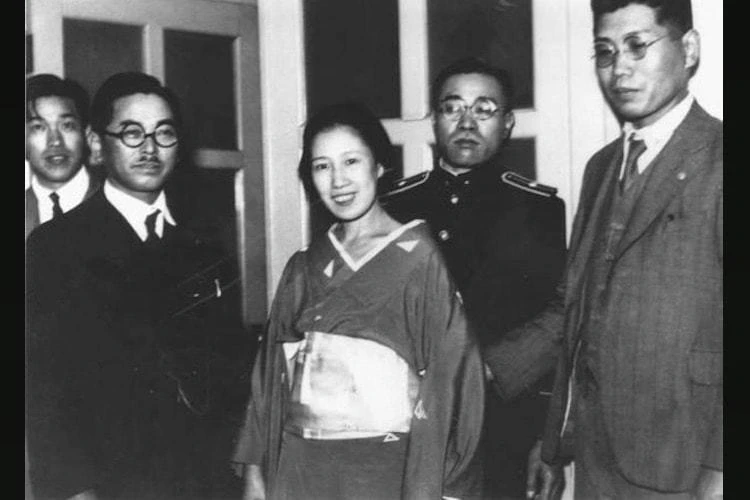
Kasahara didn't leave his wife, and eventually, the relationship between him and Sada ended. She moved to Nagoya, where she worked for a time as a waitress in a restaurant. It was there that the future criminal met Goro Omiya, a professor and banker who was planning to become a member of the Japanese parliament. A romance developed between them, and Omiya even suggested that she carve out her own niche in the restaurant business. He also paid for her treatment for syphilis at the Kusatsu resort, where she stayed from November 1935 to January 1936.
On Omiya's advice, Abe took a job as an intern at the Yoshida-ya restaurant, owned by Kichizo Ishida (whom she would later kill). A fierce passion flared between her and the owner—their first date, which was supposed to be short, lasted four days. Ishida and Abe literally didn't get out of bed, continuing to make love even when the wait staff entered their hotel room.
Later, Abe said she had never felt such feelings for any other man:
It's hard to even explain what was so attractive about Ishida. But it was absolutely impossible to say anything bad about him, about his appearance, the kind of lover he was, or the way he expressed his feelings. I had never met such a sexy man before. 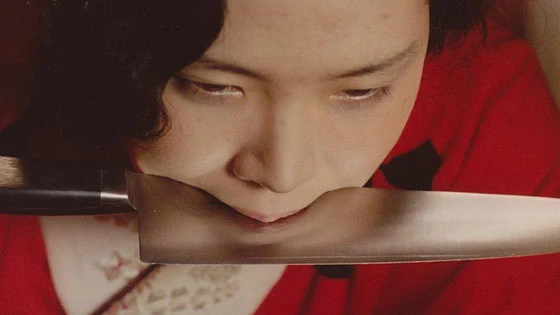
Stills from the film "In the Realm of the Senses," based on the biography of Sada Abe
But Ishida was married, and soon he and Abe were forced to separate. This breakup proved fatal for Abe. Afterward, she began drinking heavily, fell into a deep depression, and claimed that only with Ishida did she know true love.
One day, Abe attended a performance where she saw a geisha threaten a man with a knife, and she decided to repeat the stunt in real life. During her next encounter with Ishida, she grabbed a kitchen knife and held it to her lover's throat.
Kitty, you wore that kimono for your favorite client. I'll kill you for this," Abe said. 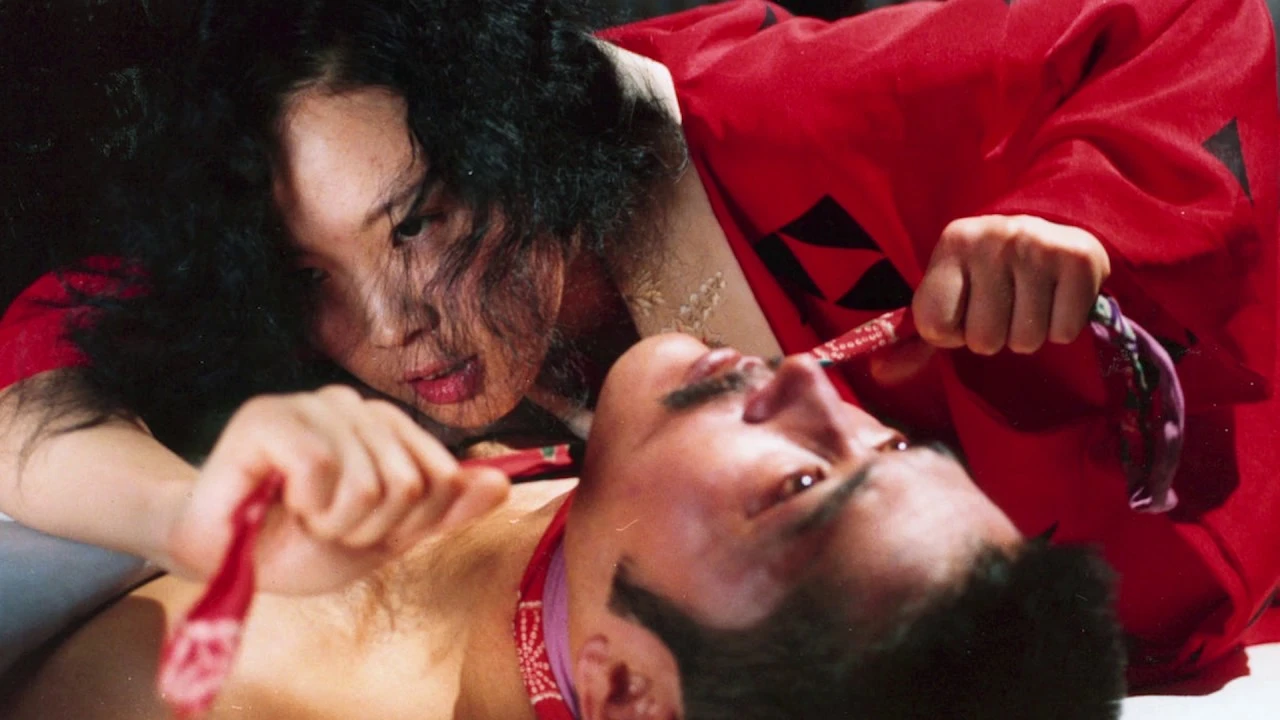
Stills from the film "In the Realm of the Senses"
The man was very surprised by what was happening, but at the same time, he liked it. In the future, he repeatedly asked Abe to hold a knife to him and strangle him, as this aroused him sexually. The girl allowed Ishida to do the same to herself.
Once again, Abe used her belt to strangle Ishida during orgasm, which excited them both greatly. But when she removed the bandage from his neck, the man felt intense pain. He took about 30 sedatives to alleviate the symptoms. Ishida began to fall asleep from the amount of Bromisoval. He then asked Abe to strangle him in his sleep and "not stop, because it hurts so much afterwards." 
Abe took it as a joke, but that night—May 18, 1936—she strangled Ishida. The killer lay for several hours beside her lover's body, then cut off his penis and testicles and quickly fled the scene.
It should be noted that Abe also scratched her name on Ishida's hand, wrote "Sada and Kitty together" in blood on the sheets, and put on his underwear before leaving the hotel. She wrapped the victim's genitals in newspaper and put them in her purse. When the police later asked why she did this, Abe replied:
Because I couldn't take his body or his head with me. I wanted to take the part of him that evoked the most vivid and enduring memories. 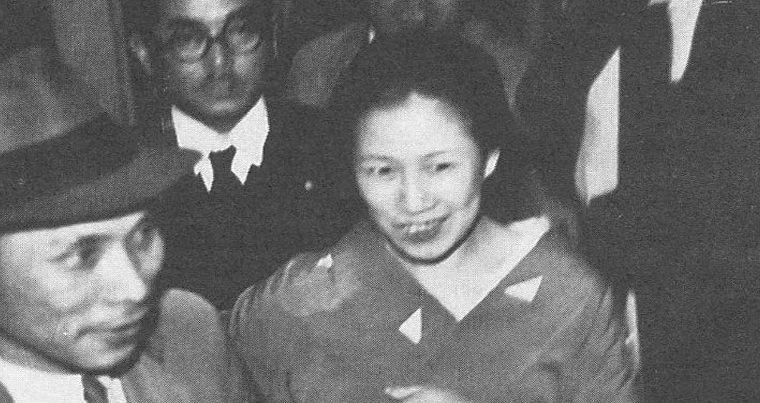
For some time, the police were unable to find Sada Abe, but on May 19, 1936, they finally tracked her down. That day, she went shopping and to the cinema, after which she planned to commit suicide by jumping from Mount Ikoma.
During her testimony, Abe admitted to having "played around" with Ishida's severed penis several times, taking it in her mouth and even trying to insert it into her vagina.
On November 25, 1936, Sada Abe's trial began, resulting in her guilty verdict. The presiding judge later admitted to experiencing an erection during the discussion of certain details of the case, but remained as fair as possible.
At the trial, Abe said the following:
What I regret most about this story is that I was misunderstood, like some kind of sexual pervert. There was never a man like Ishida in my life. There were men I liked, men I slept with without money, but none made me feel anything like what I felt for Ishida. 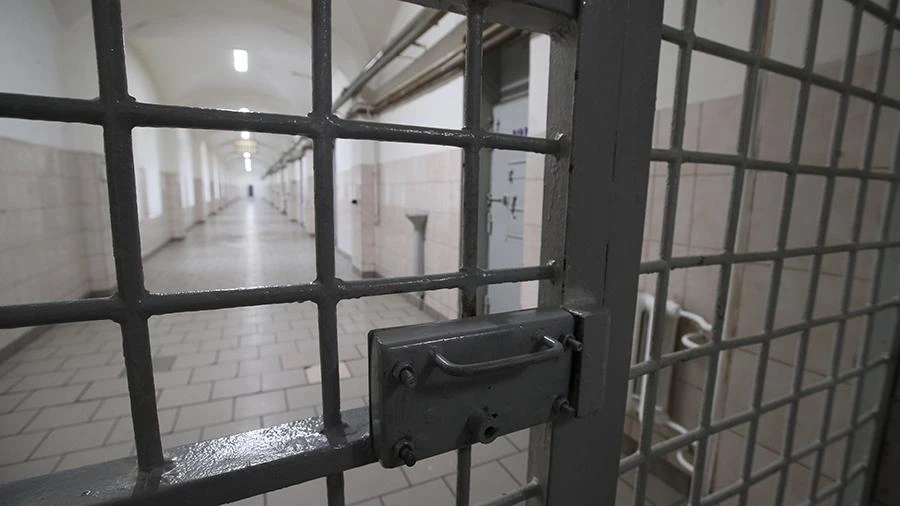
For the murder and dismemberment of Sada, Abe was sentenced to six years in a women's prison. On November 10, 1940, to mark the 2600th anniversary of Emperor Jimmu's accession to the throne, an amnesty was granted, and Abe was released from prison a year early.
After her release, Abe changed her name, moved to Saitama, and began a relationship with a wealthy man. However, with the public's attention focused on her at the time, she couldn't remain hidden for long. When her lover discovered her true identity, he severed all ties with her. Nothing is known about her subsequent life. However, Sada Abe's police interrogations and testimony became a national bestseller in Japan in 1936, and her image became deeply ingrained in culture. At least three successful films telling her story were released, and books were published.