What's the difference between olives and black olives? (8 photos)
Olives and black olives are often found on our tables, especially in salads and appetizers. Although these fruits look different, many are surprised to learn that they are the same fruit. As for the division between "olives" and "black olives," several questions immediately arise. What are the differences between them? Is it only the color, variety, or ripeness? Or are there other characteristics? Let's try to figure it out. 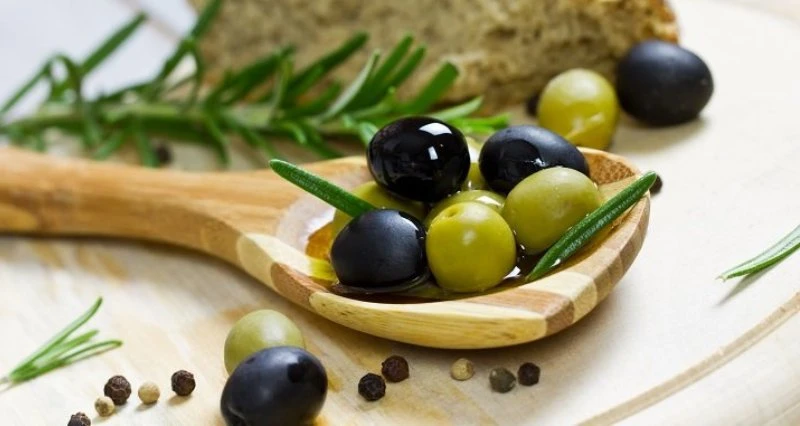
The Main Truth About Olives and Black Olives
Everyone knows that green fruits are olives, and black ones are black olives. However, many are convinced that these are the fruits of different plants. Some also believe that they are the same thing, but the fruits were picked at different stages of ripeness. 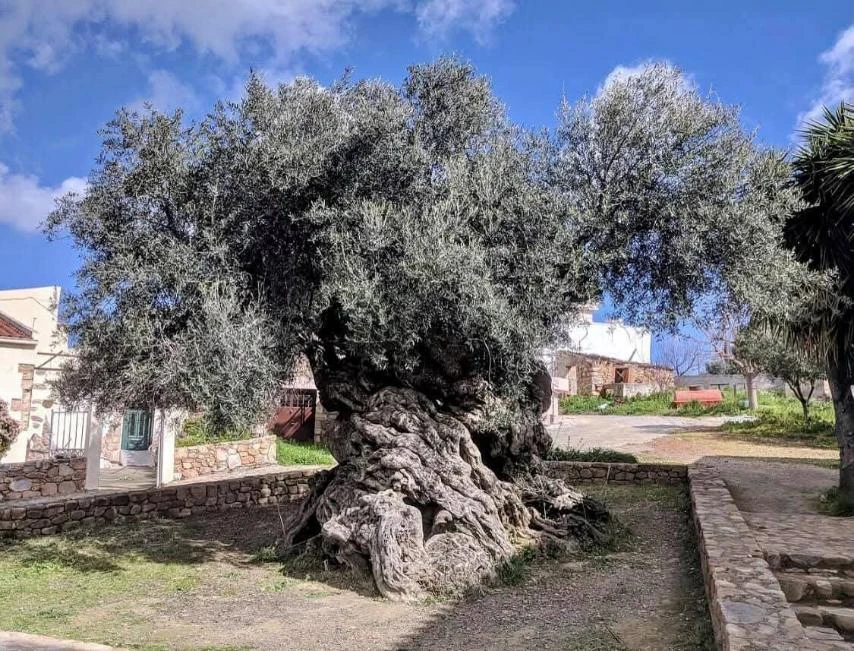
The oldest olive tree on the planet grows on the island of Crete. It is 3,000 years old and was still growing when Homer wrote the Iliad, and was already ancient when Christ was crucified.
In fact, both are fruits of the European olive tree (Olea europaea), more commonly known as the olive tree. Only unripe green olives are suitable for canning. The black, ripe fruits, however, are used to make olive oil. Interestingly, other languages often don't make this distinction between "olives" and "olives." For example, in English, both green and black olives are simply called "olives." 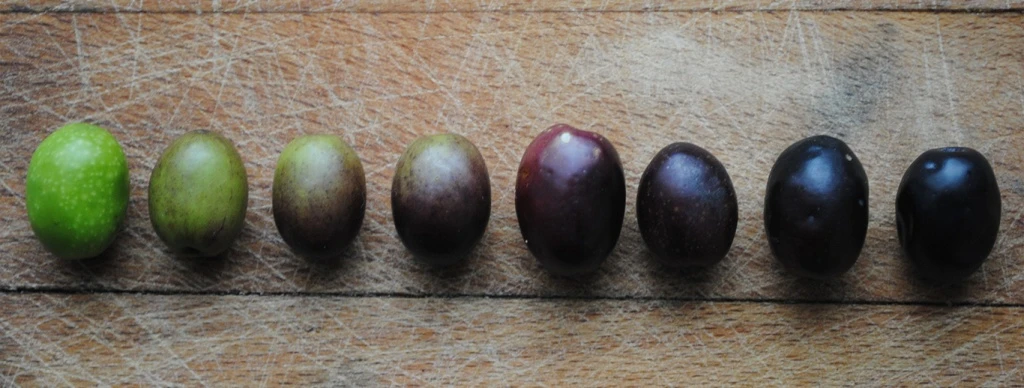
Olive Ripening Stages
Green Olives: Youth and Freshness
Green olives are the unripe fruits of the olive tree. They are harvested in September-October, when they are still firm and deep green. Fresh olives are bitter and inedible due to their high content of oleuropein, a substance that gives them a sharp flavor. Therefore, before reaching our tables, olives undergo processing: they are soaked, salted, or marinated.
Green olives are always treated with an alkaline solution, giving them a firm texture and a bright, slightly tart flavor. They are perfect for salads, martinis, and Mediterranean dishes. They contain more sodium due to the processing method, but still retain a maximum of nutrients. 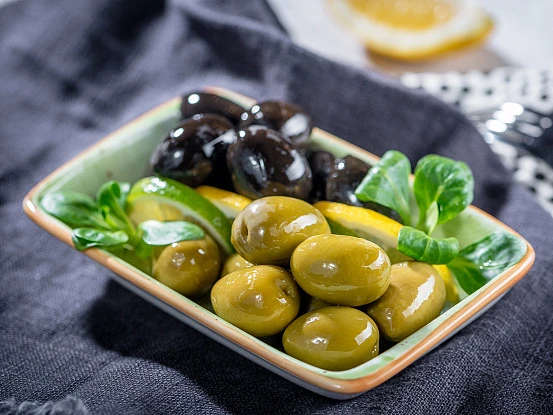
Black Olives: Ripeness and Richness
Black olives are the fully ripened fruits of the same olive tree. They are harvested later, in November and December, when they acquire a dark color ranging from purple to black. Ripe fruits are softer and contain more oil.
True black olives have a milder, butterier flavor without the bitterness. They are the perfect complement to pizza, pasta, and meat dishes. They are higher in fat but lower in sodium than green olives.
The Secret of Store-Bought Black Olives
Here's where it gets interesting! Most black olives in stores are artificially colored green olives. If green olives are pre-treated with oxygen and ferrous gluconate, they darken. Those that remain green are not subjected to this treatment. Producers use ferrous gluconate to impart a black color to unripe olives. 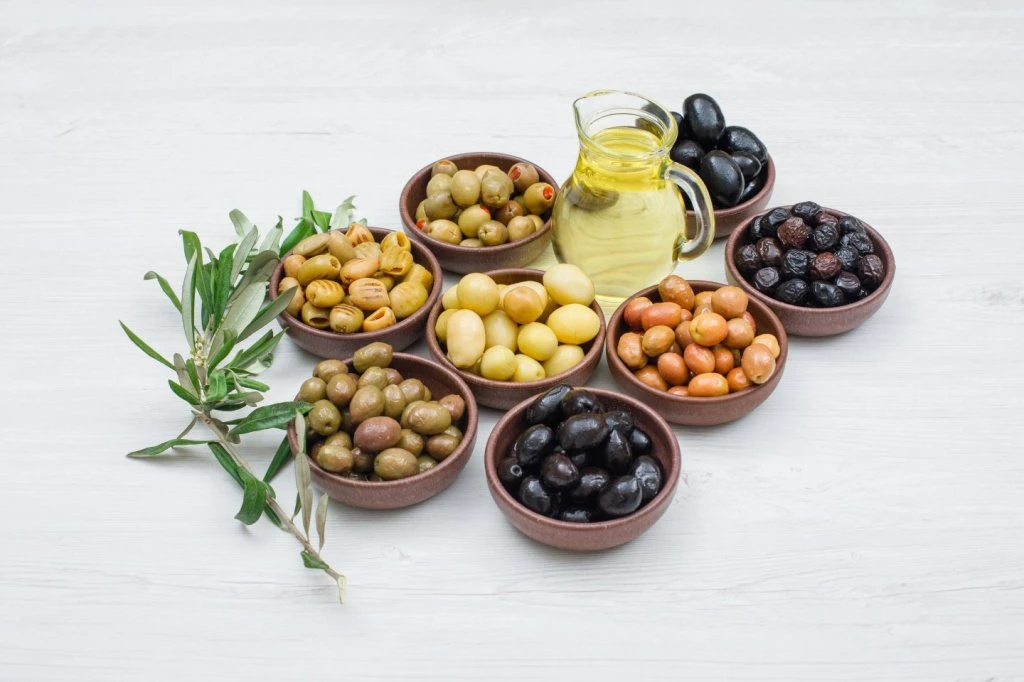
If unripe olives were dyed with ferrous gluconate, they can be recognized by their perfectly black color and relatively firm texture. Truly ripe olives have an uneven color with shades ranging from purple to brown and a softer texture. Natural black olives are more expensive, but their flavor is incomparable to artificially colored ones.
How are olives processed?
To make olives tasty, they undergo special processing. Freshly picked olives are bitter, so they are soaked in water, brine, or an alkaline solution. After this, the olives can be marinated with spices, herbs, or lemon to impart a unique flavor. Black olives are sometimes further fermented, which adds a richer flavor. 
Harvesting green olives for canning in Turkey
Processing also affects texture and flavor. For example, olives in oil or with pits often have a more pronounced flavor than canned pitted olives. The choice between olives and black olives depends on your preferences and the dish you're preparing.
Green or Black: Which Olives Are Healthier?
Both green and black olives contain a wealth of beneficial nutrients, including several types of fat, antioxidants, and trace elements. However, the nutritional value of canned olives differs due to different processing technologies. Green olives are rich in polyphenols—antioxidants that reduce inflammation in the body and protect cells from damage. 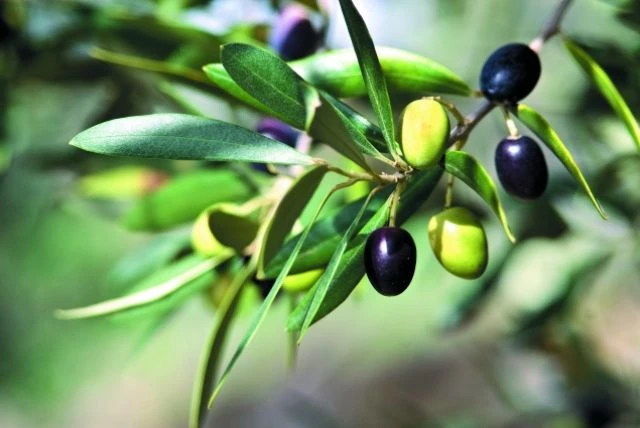
Green and ripe olives on the same branch
Furthermore, they are very rich in fiber, which helps normalize digestion and maintain optimal blood sugar levels. Black olives, which we call black olives, contain more fat. They are a source of monounsaturated fatty acids, which support cardiovascular health and lower "bad" cholesterol. 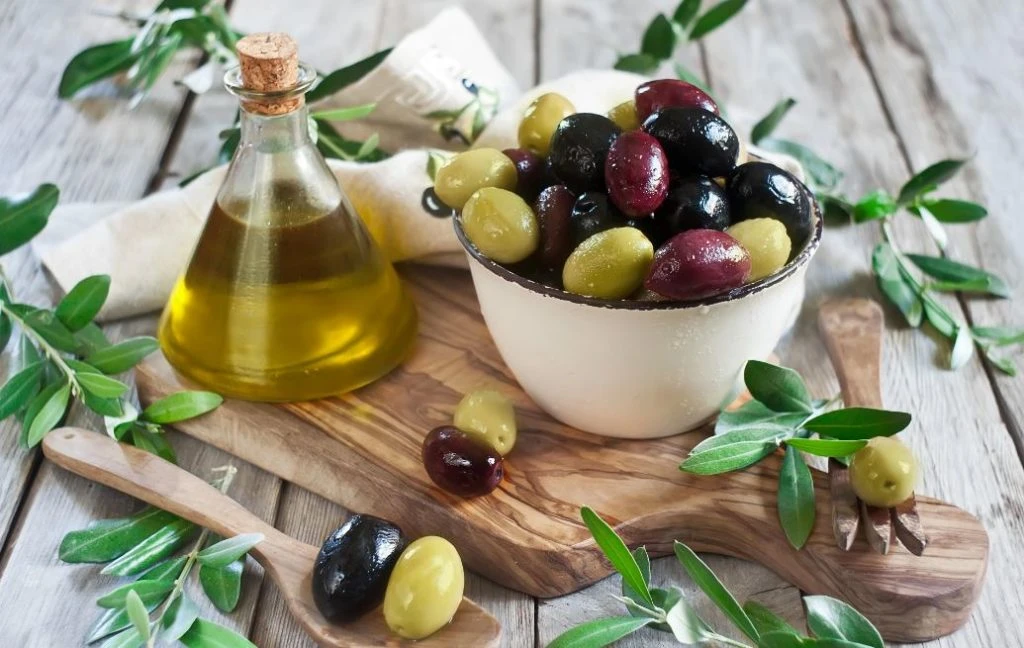
However, olives are not recommended for people with hypertension. They undergo alkaline processing, which leaves sodium in the fruit, which can raise blood pressure. Generally, both green and black olives are equally beneficial for healthy individuals. The key is moderation, as overindulging in either can cause an upset stomach.
Now that we've covered the real differences between olives and black olives, it's clear: the debate over which is healthier or tastier is largely a matter of habit and personal preference. Which olives are tastier, green or black, in your opinion? And why? Share your thoughts in the comments!