Bay of Fires: The Flaming Rocks That Deceived the Captain (26 photos + 1 video)
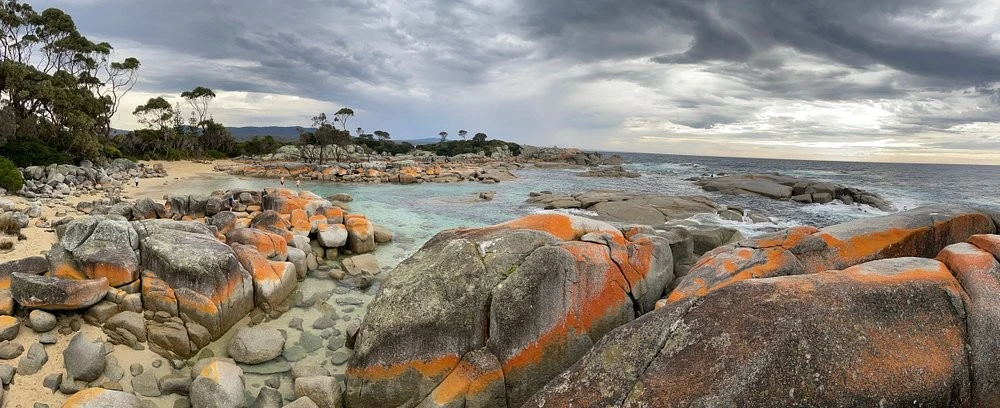
The Bay of Fires, located on the northeast coast of Tasmania, is a vast bay stretching nearly 30 kilometers from Bynalong Bay in the south to Eddystone Point in the north. 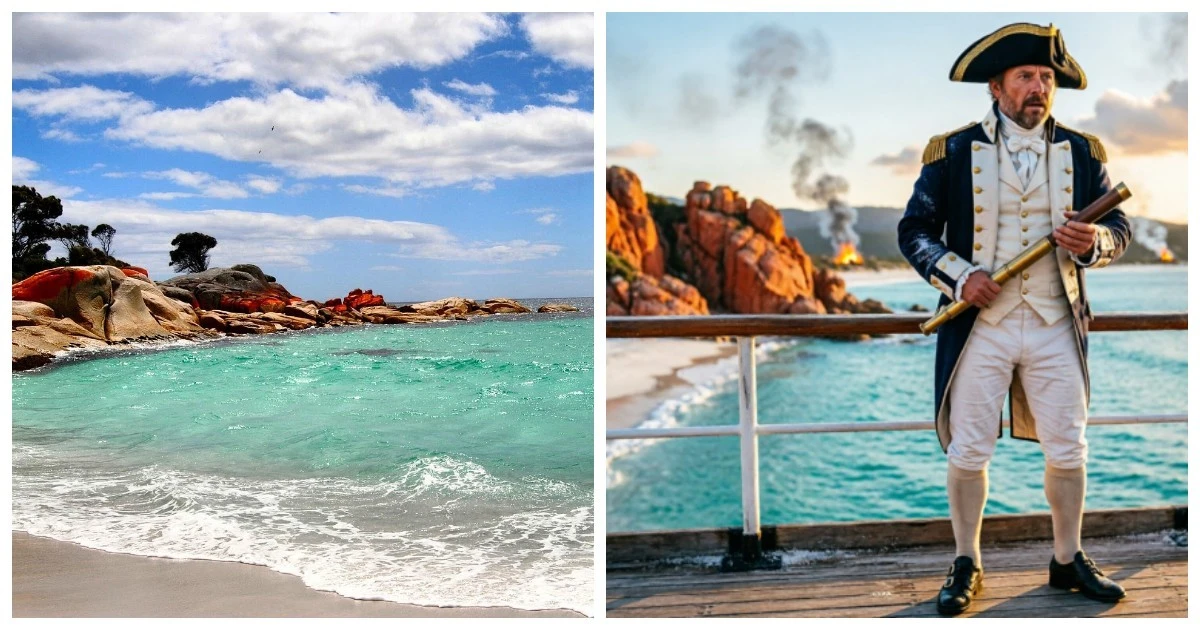
It received its name from the British navigator and explorer Captain Tobias Furneaux, who noticed numerous fires along the coast in 1773. The fires convinced the captain that the land was densely populated. And if he was right, traces of Aboriginal presence can still be found here. 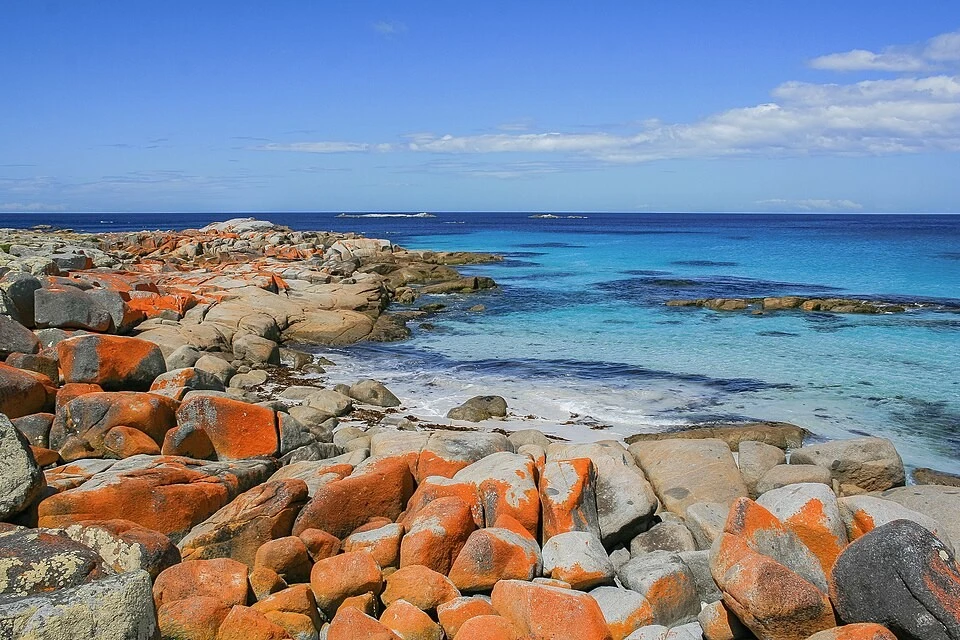
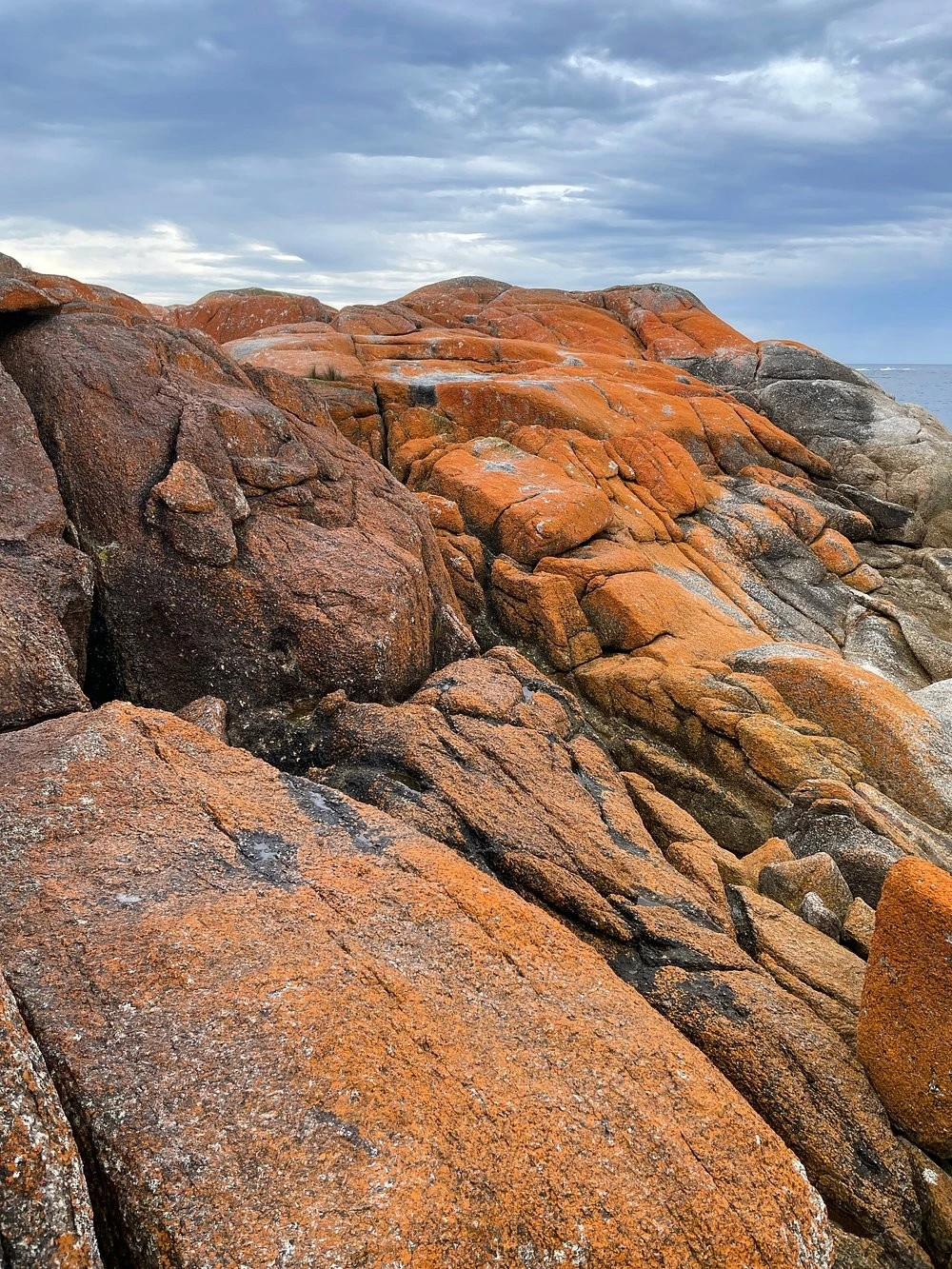
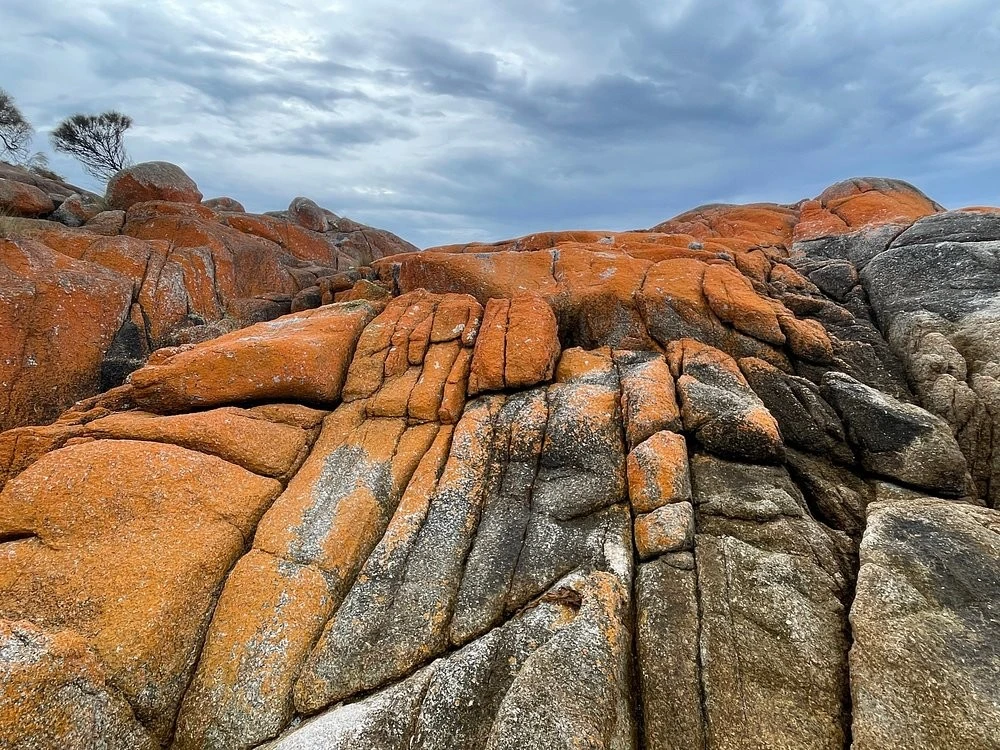
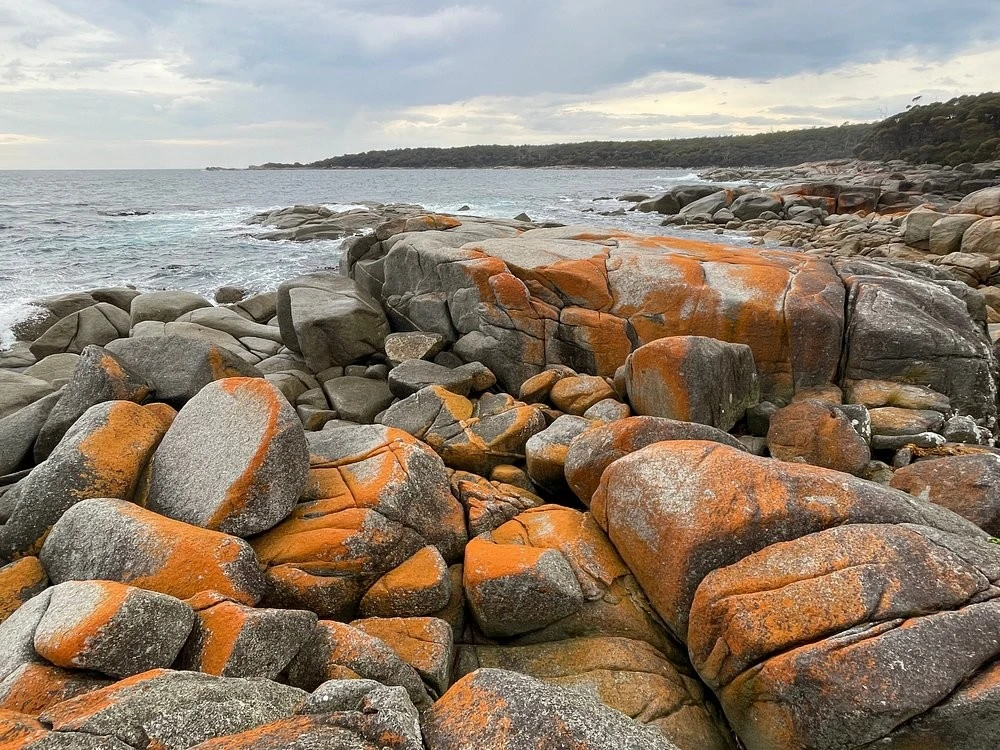
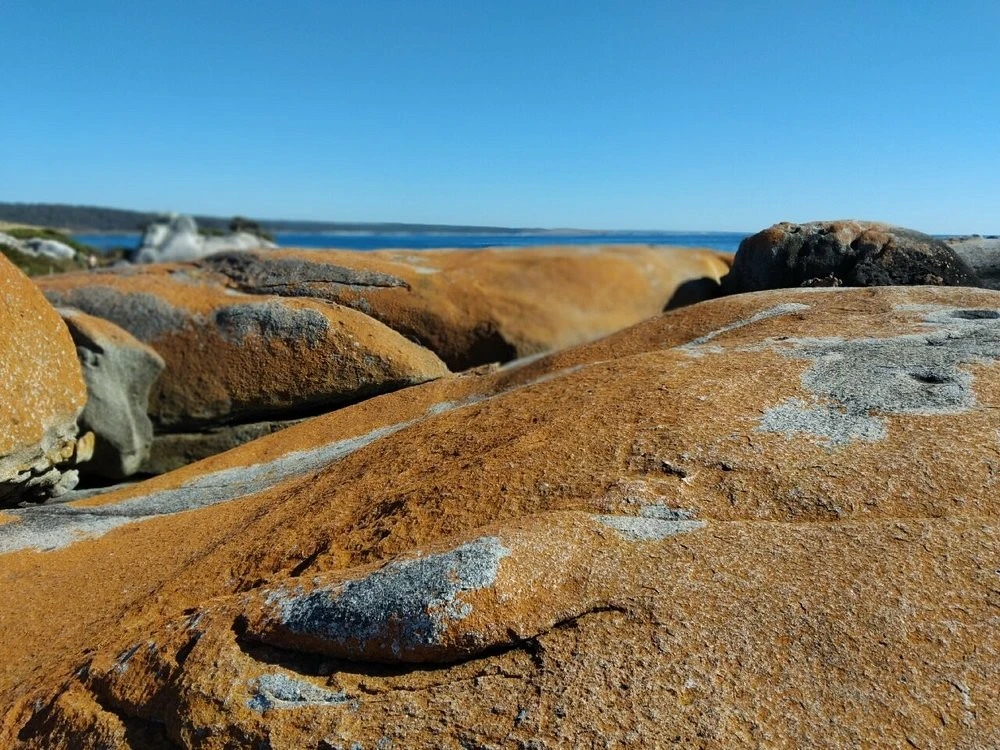
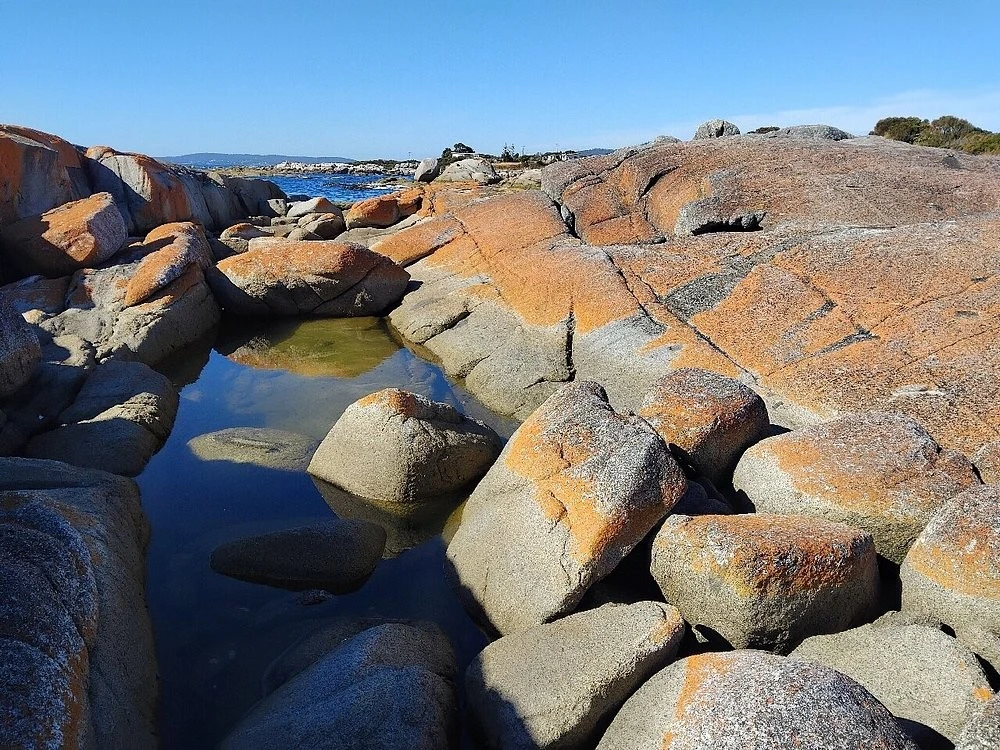
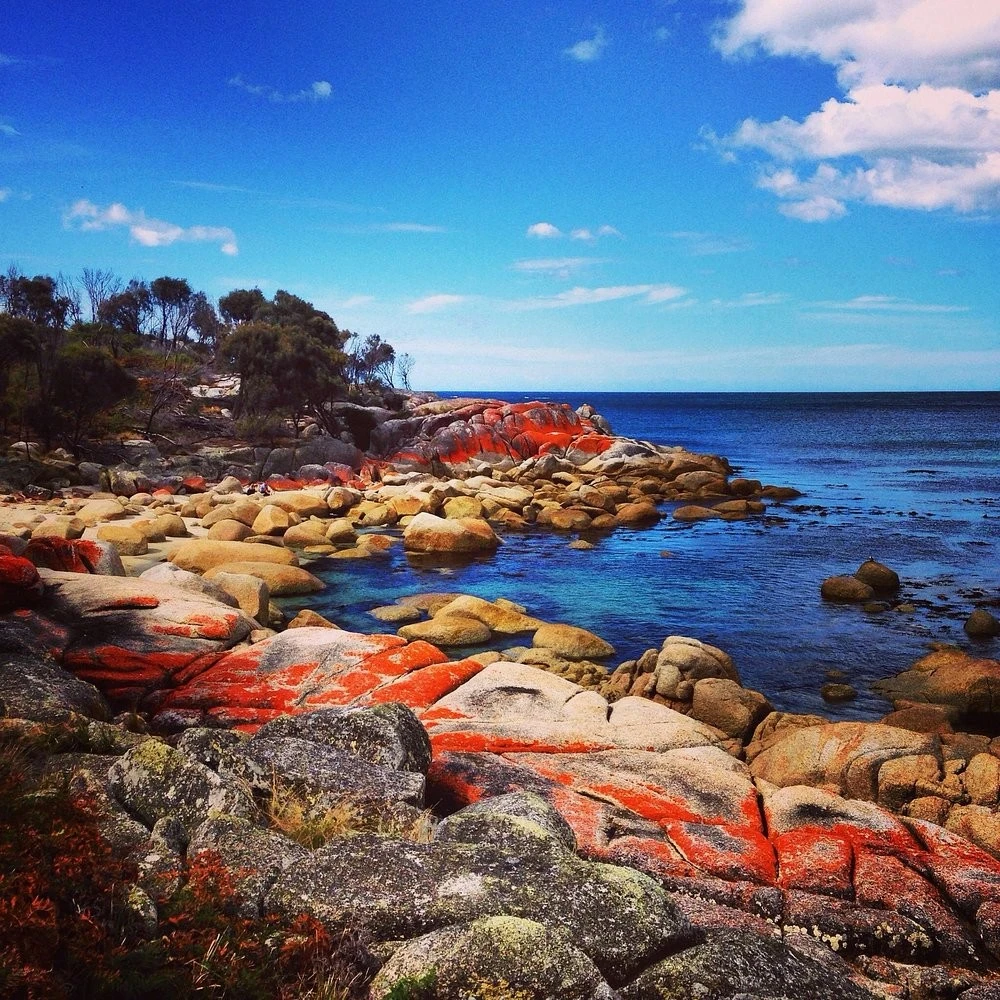
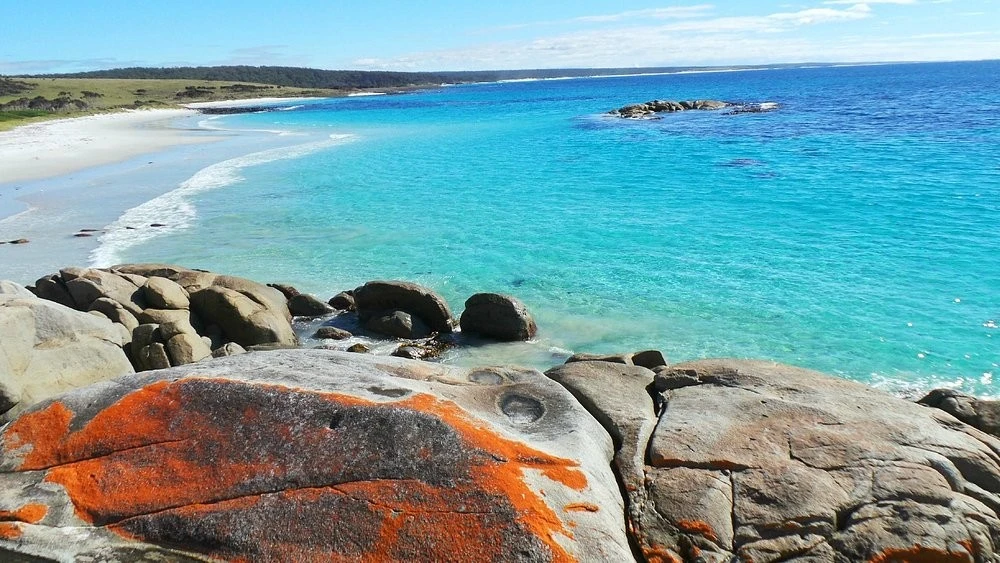
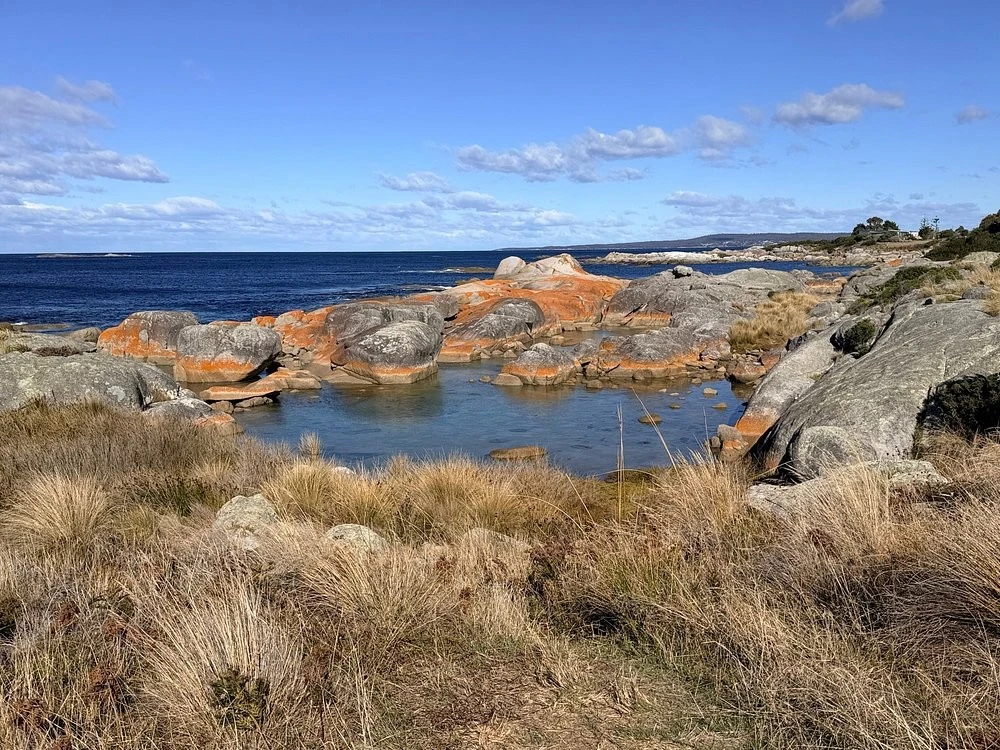
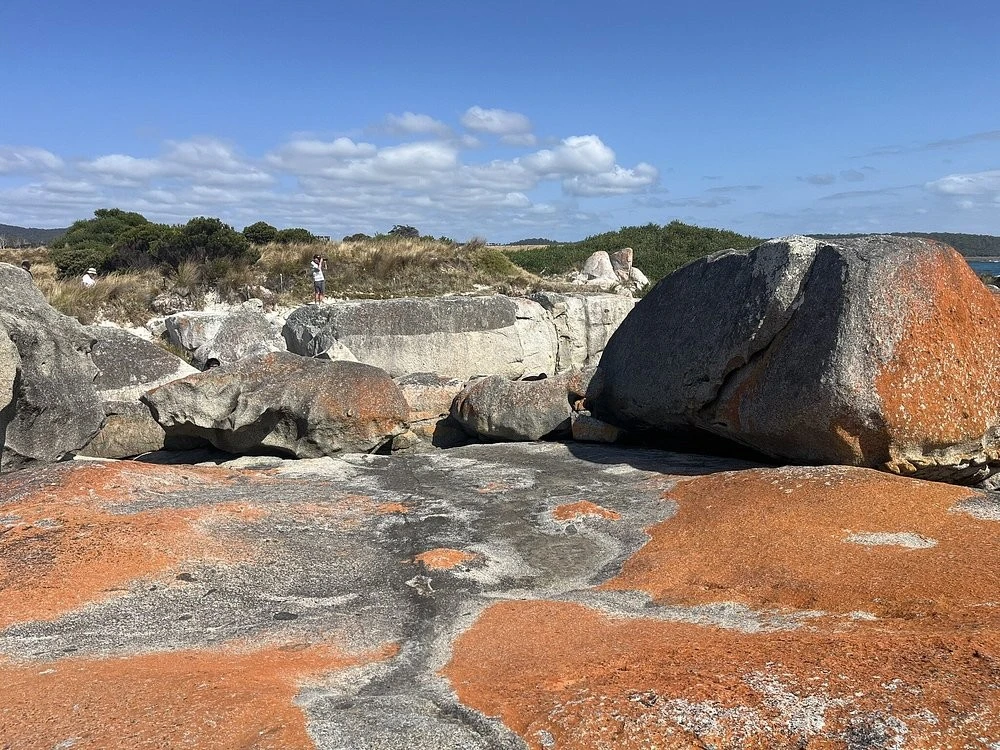
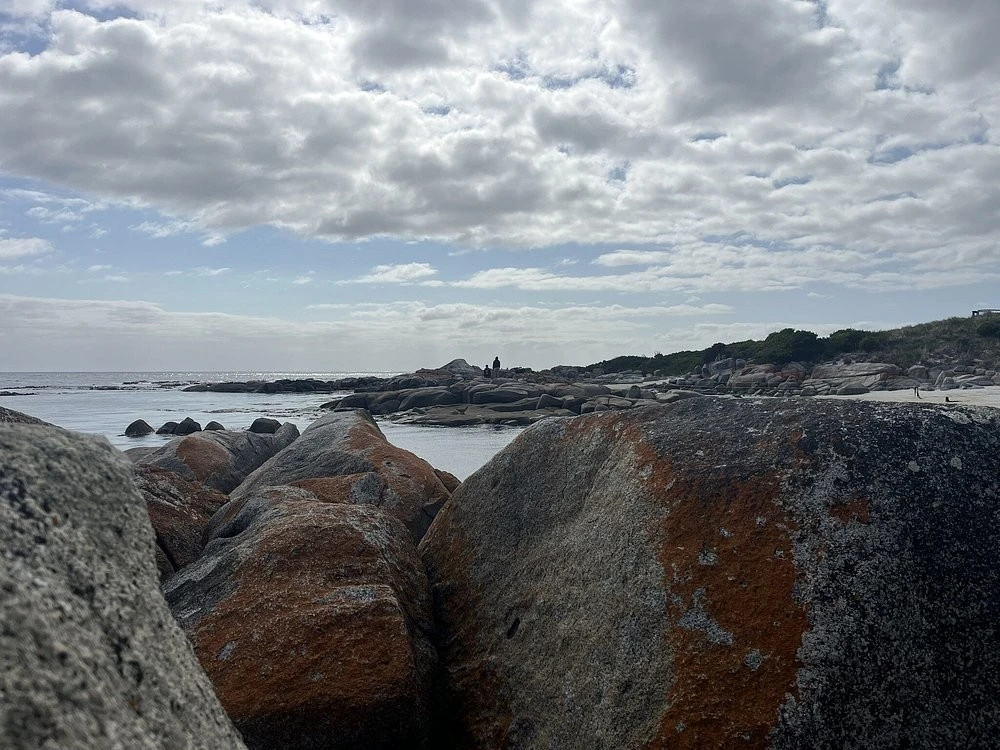
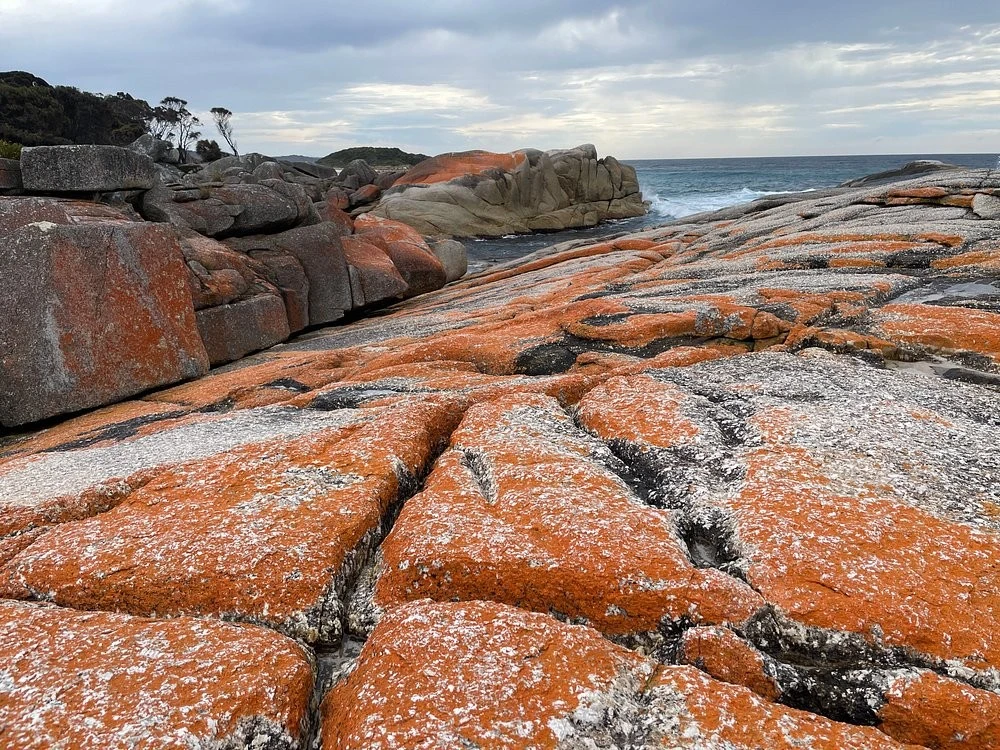
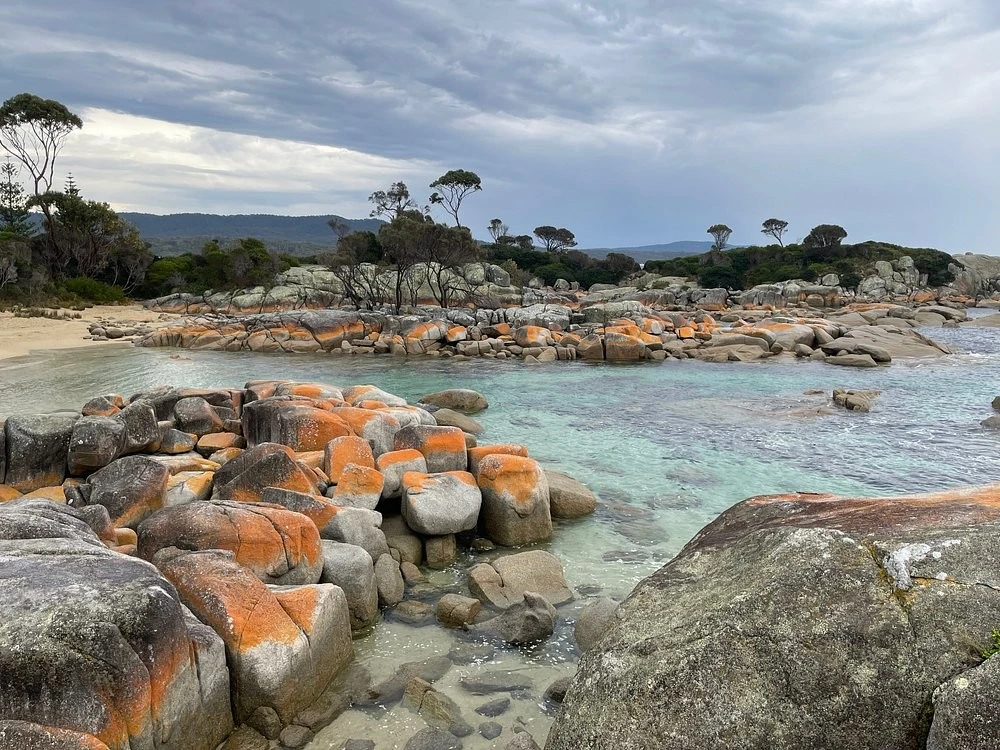
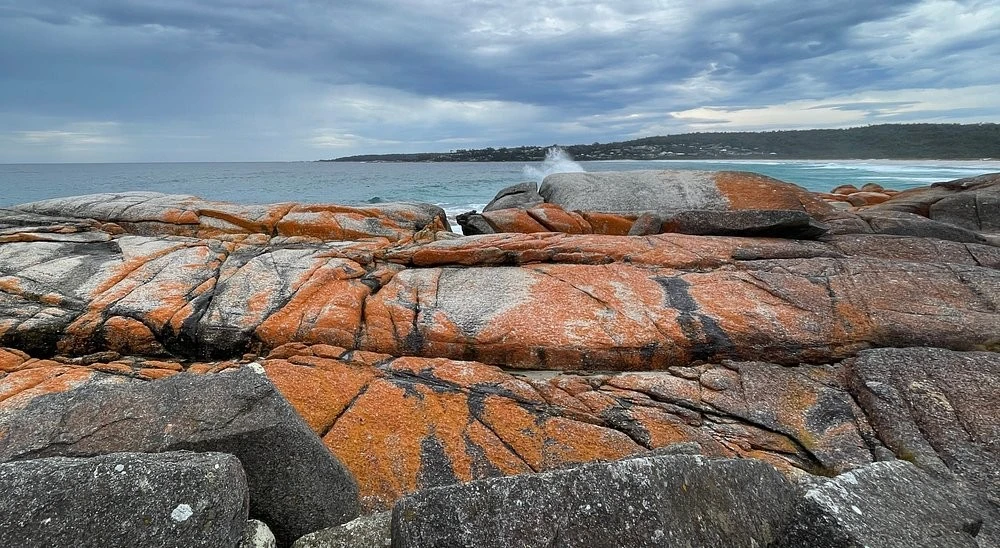
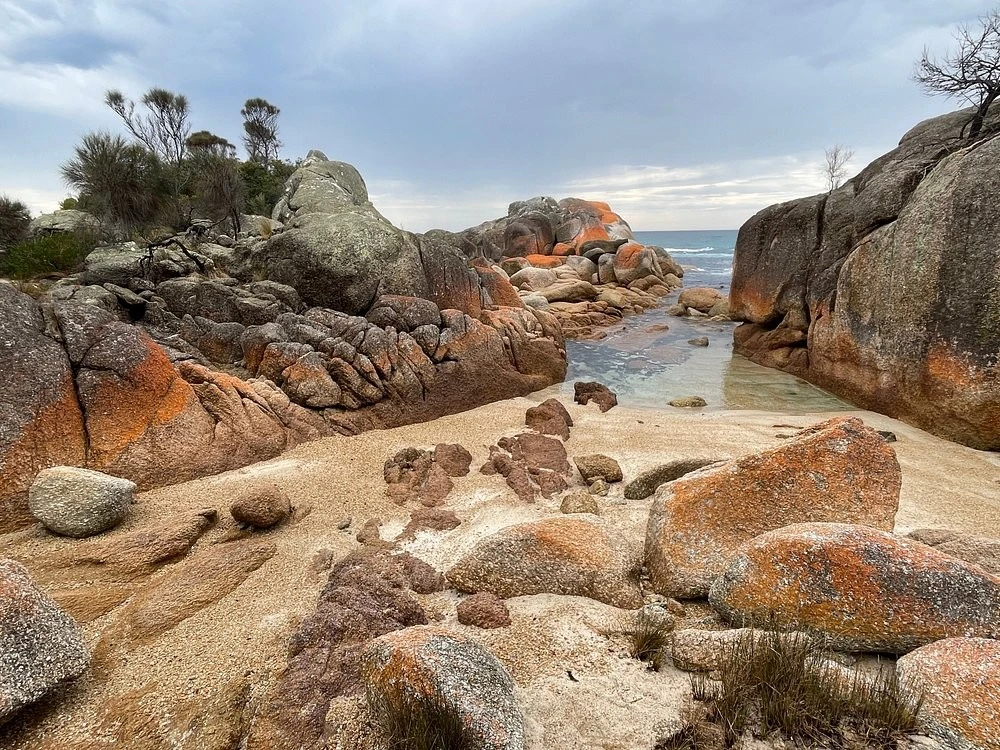
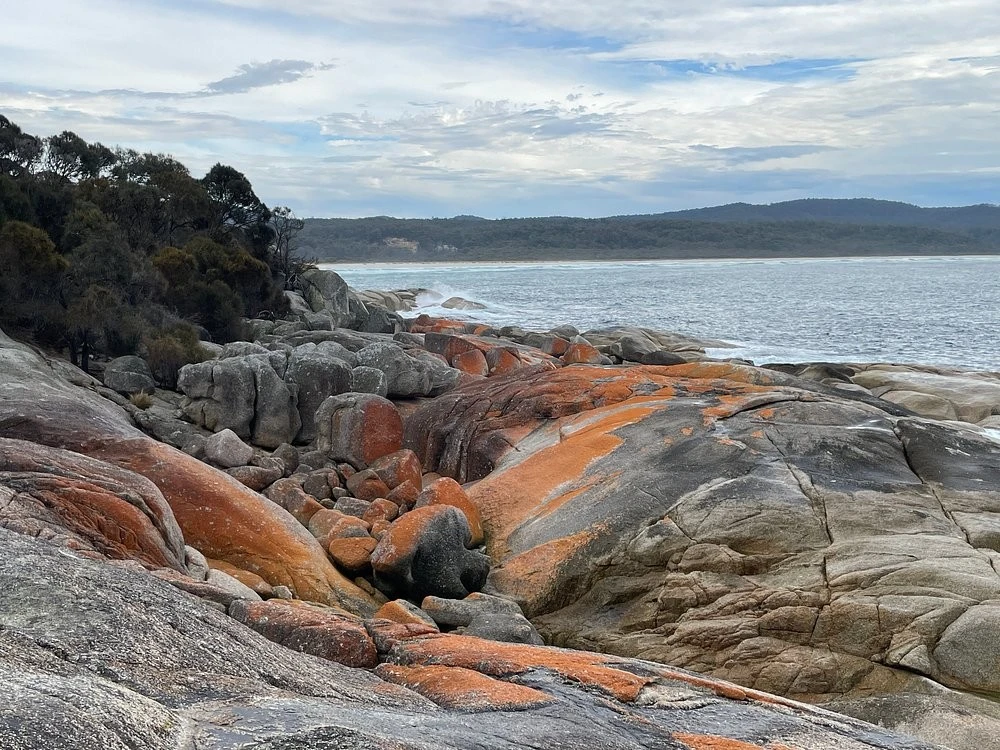
Today, the Bay of Fires is a place of white beaches, turquoise water, and enormous granite boulders covered in bright orange lichen. So bright that sometimes it seems as if Captain Furneaux named the bay after these glowing stones. But that's just a beautiful legend. In reality, the lights were something completely different—real.
Lichens: Not a Plant, but a Symbiosis 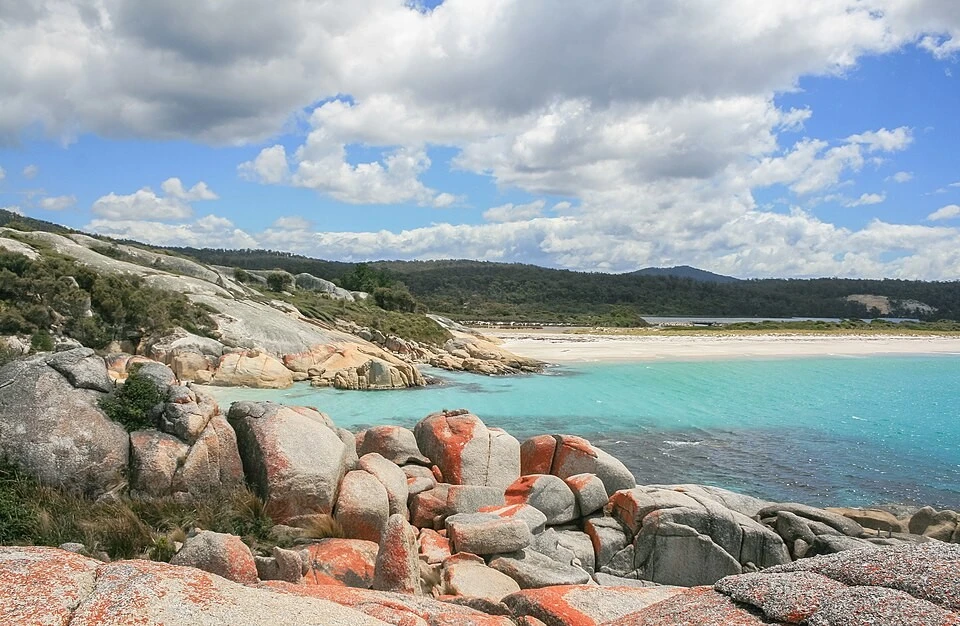
Lichens are a remarkable union of algae and fungi that live in close collaboration. The algae obtain food through photosynthesis, and the fungus creates a protective environment for them. This tandem produces properties that neither component possesses alone. Lichens are classified by their fungal component, and they receive their scientific name from the fungus, regardless of the specific algae that inhabits it.
Who Paints Rocks Orange? 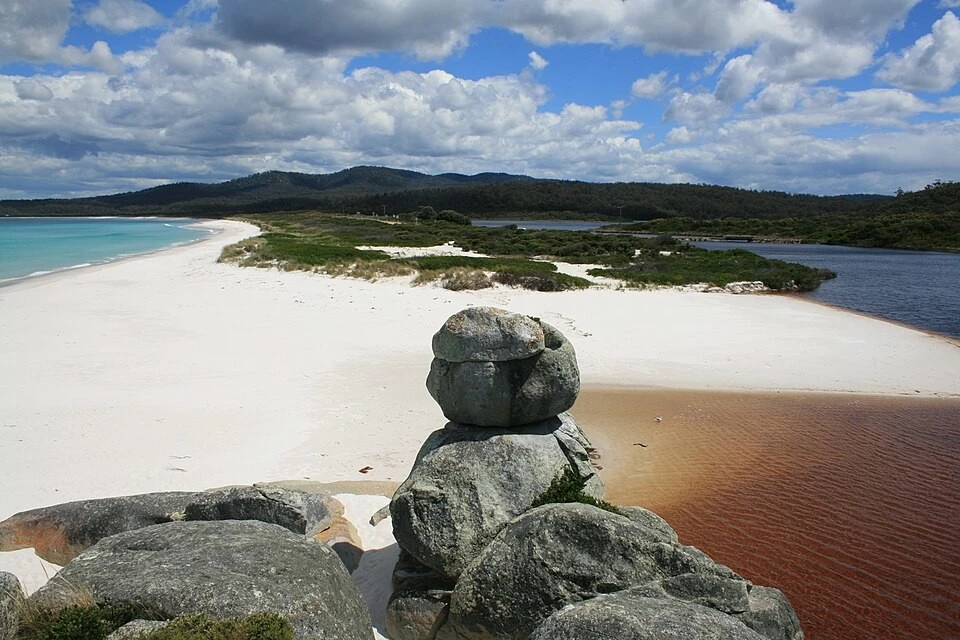
The fiery hue of the Bay of Fires rocks is due to lichens from the Hymeneliaceae family. Their color is contained in the thallus—the vegetative body, which is usually the most visible part of the lichen. It is by the type of thallus that lichens are most often classified, as it is the first thing that catches the eye. However, in some species, the thallus is difficult to distinguish, so many lichens remain unclassified. And this is an area for future discovery.
Not just rocks: what else lives in the Bay of Fires? 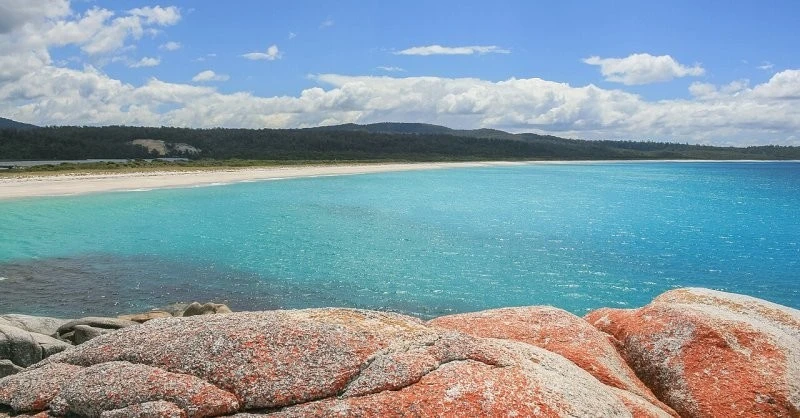
Life teems here: birds, corals, a rich underwater world attracted by the local reefs, as well as kangaroos, wombats, echidnas, and even Tasmanian devils. This region is a true wildlife sanctuary. 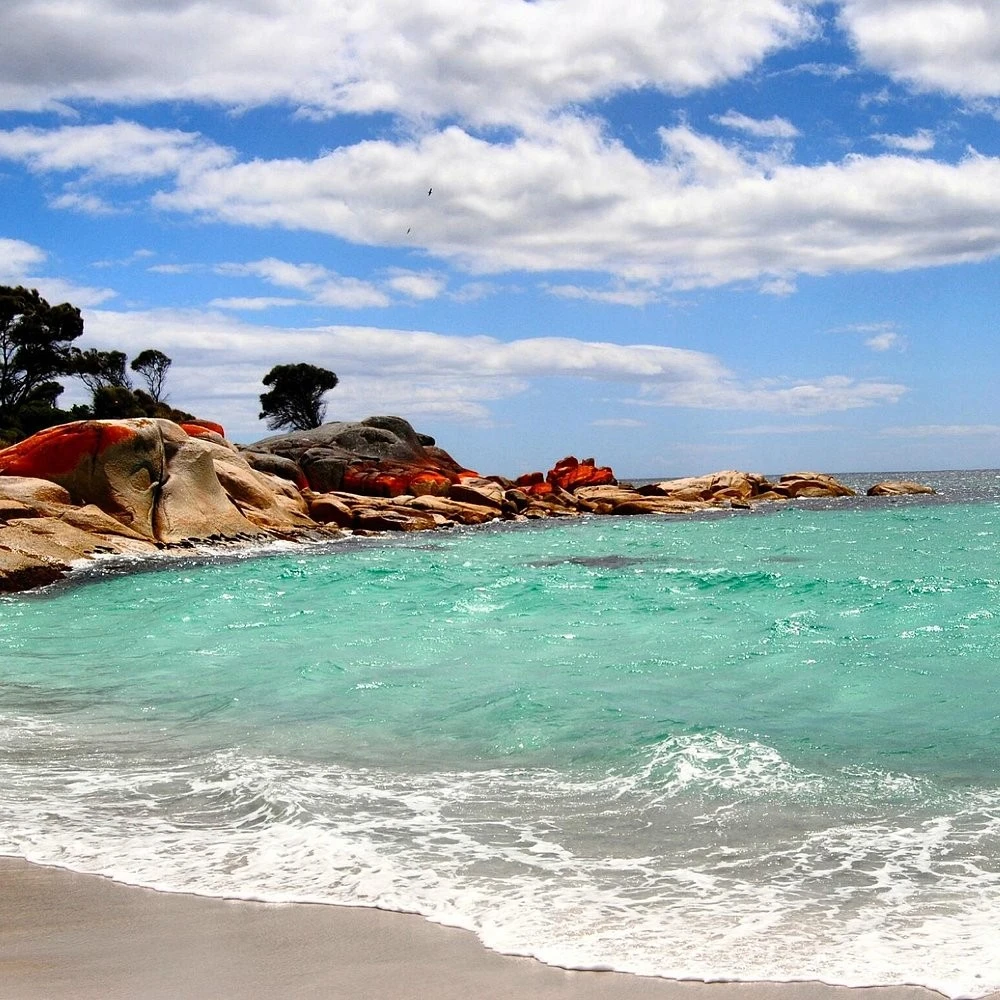
Today, the Bay of Fires is one of Tasmania's leading tourism brands. In 2025, it was named one of the top eight beach destinations. But most importantly, the very perception of this place is changing. 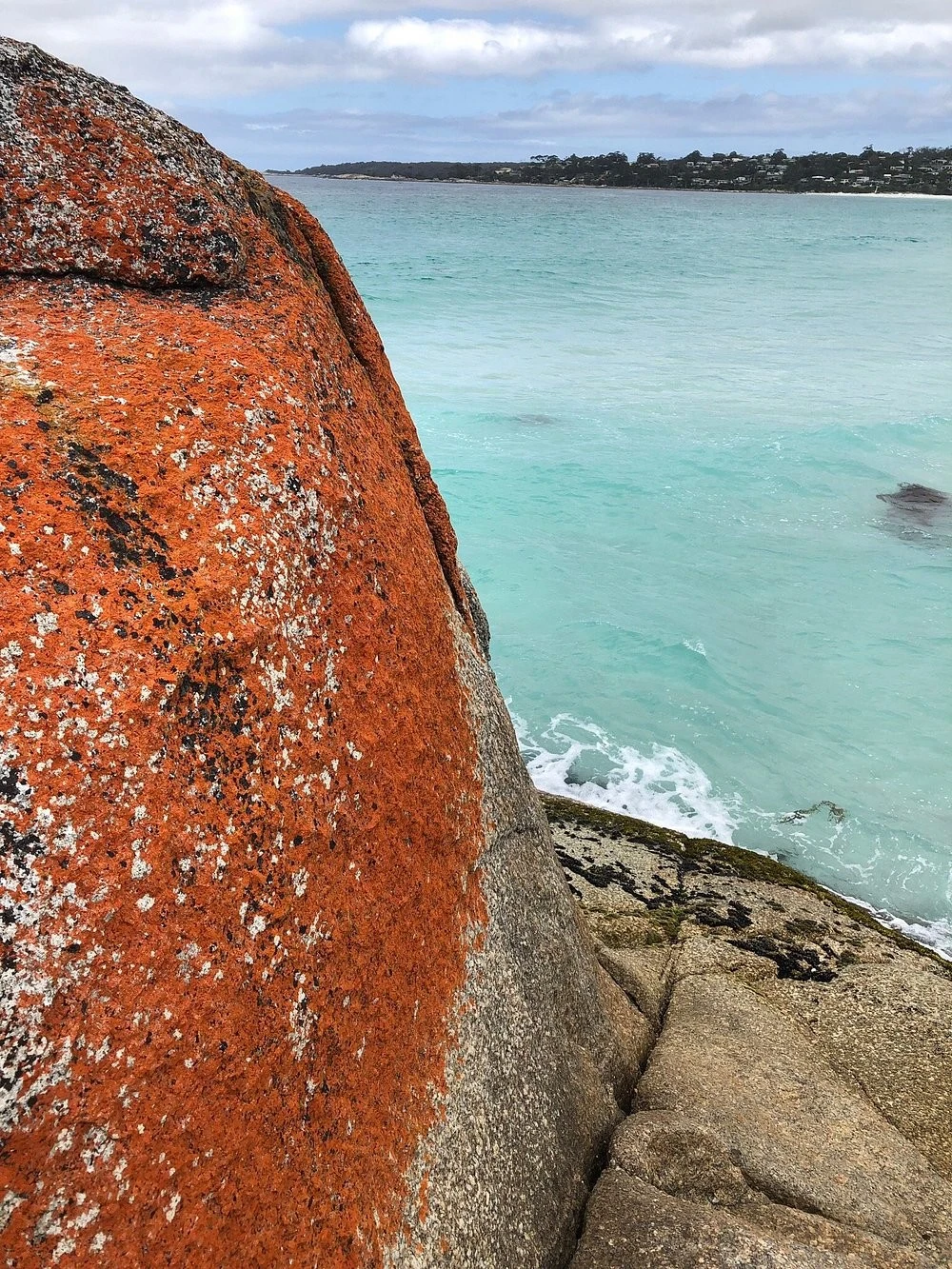
The Palawa Aboriginal community is increasingly vocal about its culture. In 2013, they launched the Wukalina Walk project—the first hiking trail entirely created and managed by Indigenous Tasmanians. It's a four-day hike where travelers not only admire the scenery, but also hear living stories, learn to identify edible plants, and understand that these shores have been inhabited for thousands of years. 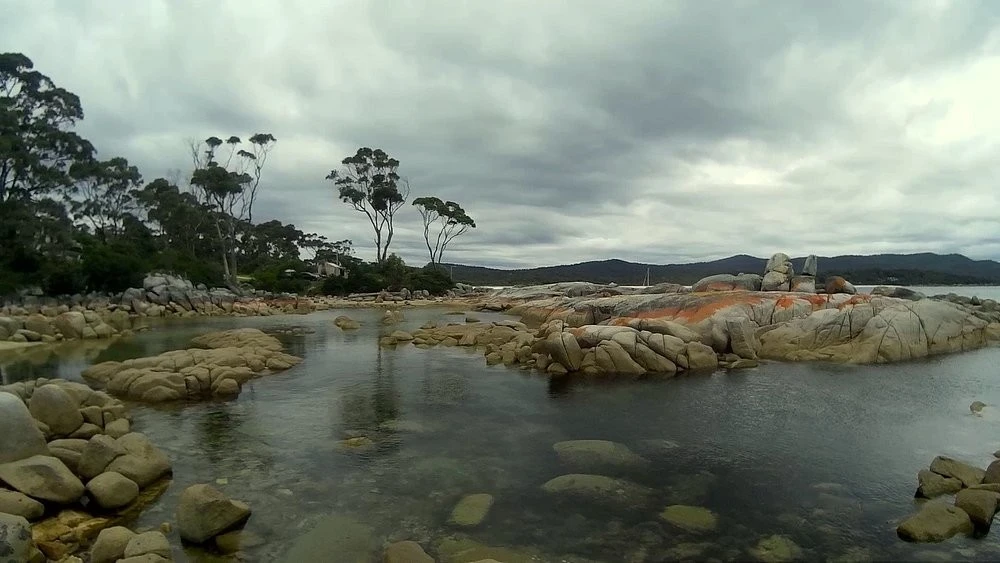
In the Palawa language, wukalina means "easy place to walk." And today, more and more people come here not just to photograph the orange rocks, but to see this land through the eyes of its first inhabitants. 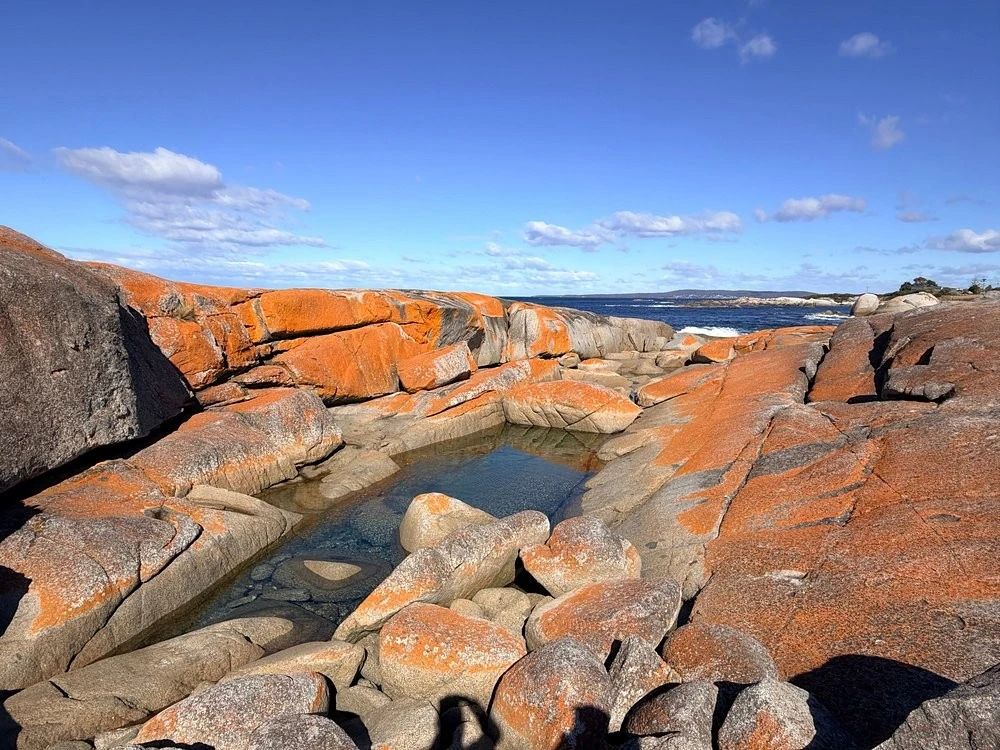
 < br>
< br>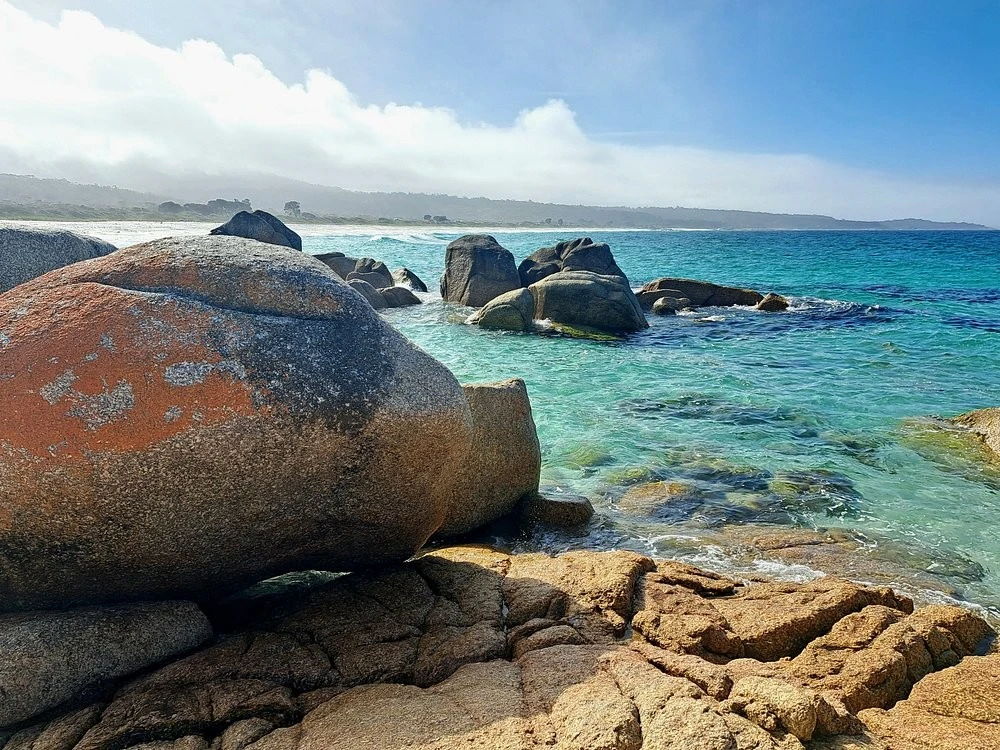
< br>