Get ready, it's going to be a little creepy! 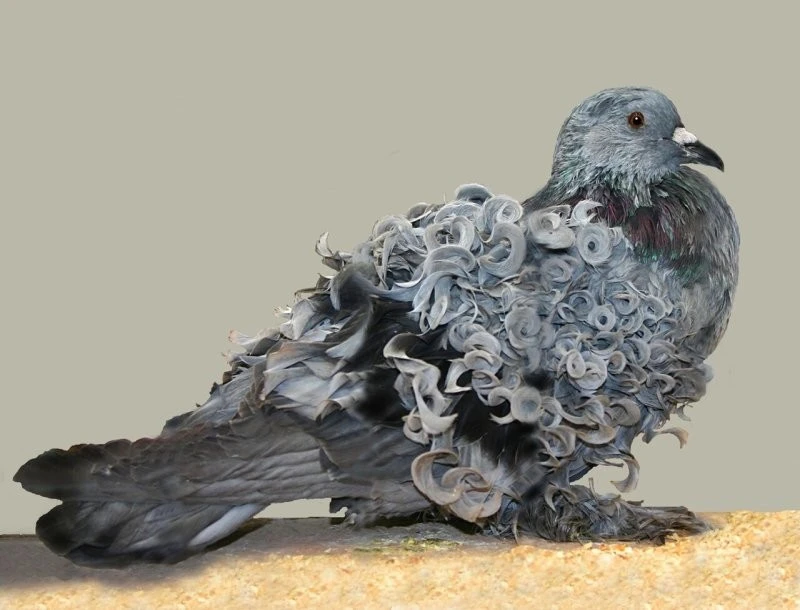
1. Jacobin (Jacobin) - It has a dense feather hood around its head, completely covering the side of its face, as if the bird were wearing a fur collar or a monk's hood. The beak is barely visible. This breed was bred purely for decorative purposes - the Jacobin is a mediocre flyer, but looks like a participant in a masquerade. 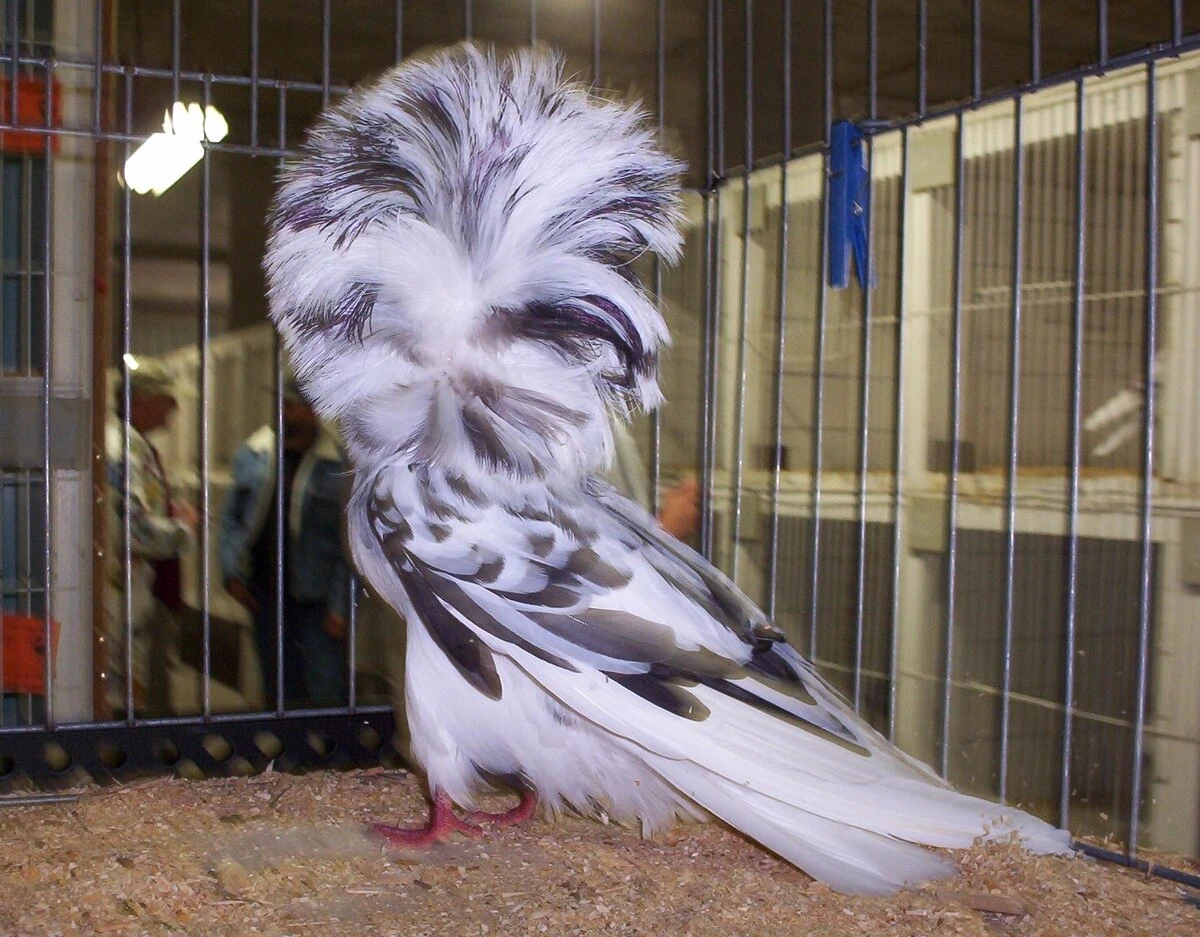
A typical teenager in the center of a big city. Summer, 2026.
2. Frillback – Its feathers are not smooth, but curled, like small curls or astrakhan. The curls on the wings and chest are especially spectacular. The mutation is purely aesthetic; the curls serve no functional purpose – simply a bizarre play of keratin genes. 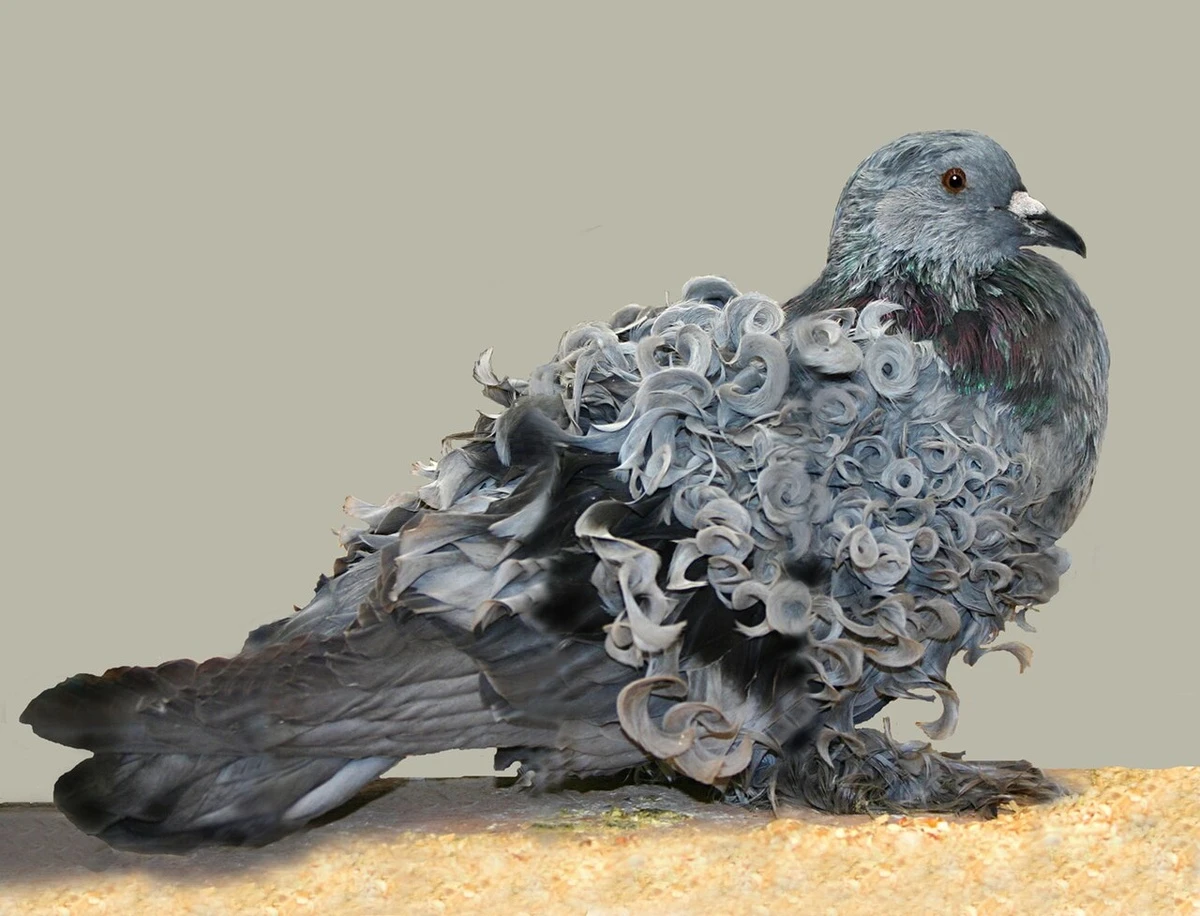
Overall, it's beautiful.
3. The English Pouter is capable of inflating its crop to a size visually larger than its body, and at the same time, it stands on abnormally long, thin legs, making its silhouette resemble a balloon on legs. The crop is inflated voluntarily, demonstratively—this is part of mating and status behavior. 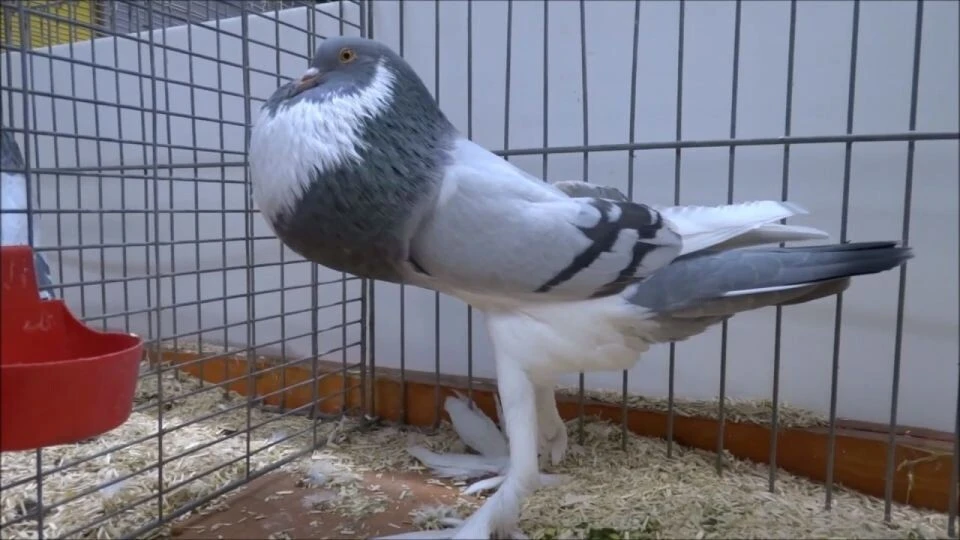
The textures are all messed up; the game designer was drunk.
4. Scandaroon — Its head profile is predatory, with a hooked, almost eagle-like beak, which looks anatomically unexpected for a pigeon. This ancient breed, presumably of Mediterranean origin, has been bred for centuries precisely for this "hawk-like" appearance. 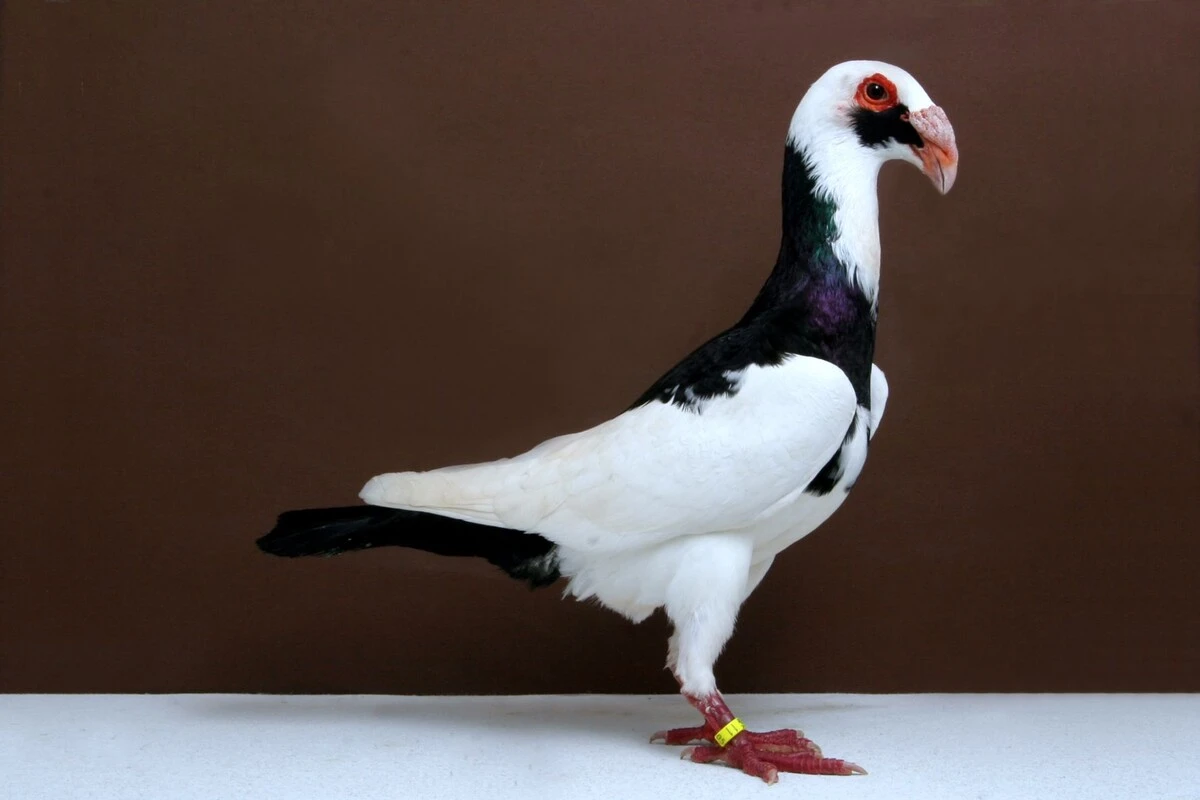
It's hardly even a pigeon...
5. Old Dutch Capuchin - a feathered hood almost like a Jacobean: a fluffy "ruff," as if the bird were wrapped in a fur boa. Plus, a characteristic proud posture with a raised chest. Personally, I like it. 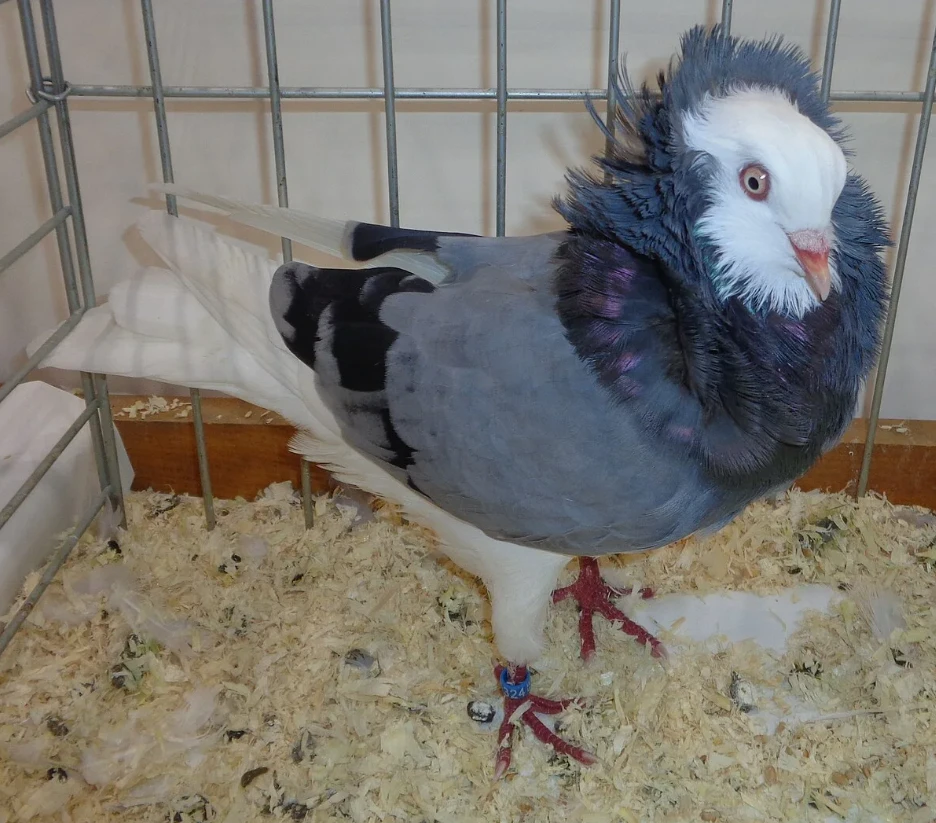
Hello, I'm Tatiana, your new accountant.
6. Indian Fantail - its tail is spread out in a vertical fan of 30-40 feathers (a typical pigeon has 12), and its head, due to the peculiar position of its neck, is slightly thrown back and trembles slightly. It waddles and can barely fold its wings properly. 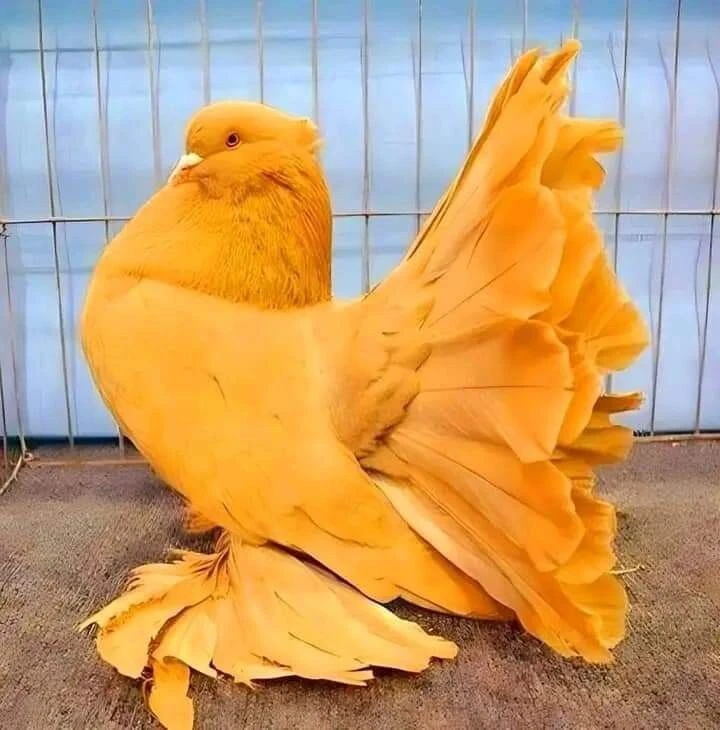
The firebird from Heroes 3. I'm going for it!
7. African Owl - despite its name, there's nothing African or owl-like in its ancestry. The head is compact and spherical, the beak is almost completely absent—reduced to a tiny appendage. Because of this, chicks often have to be hand-fed: the parents are physically unable to pass the food beak-to-beak. 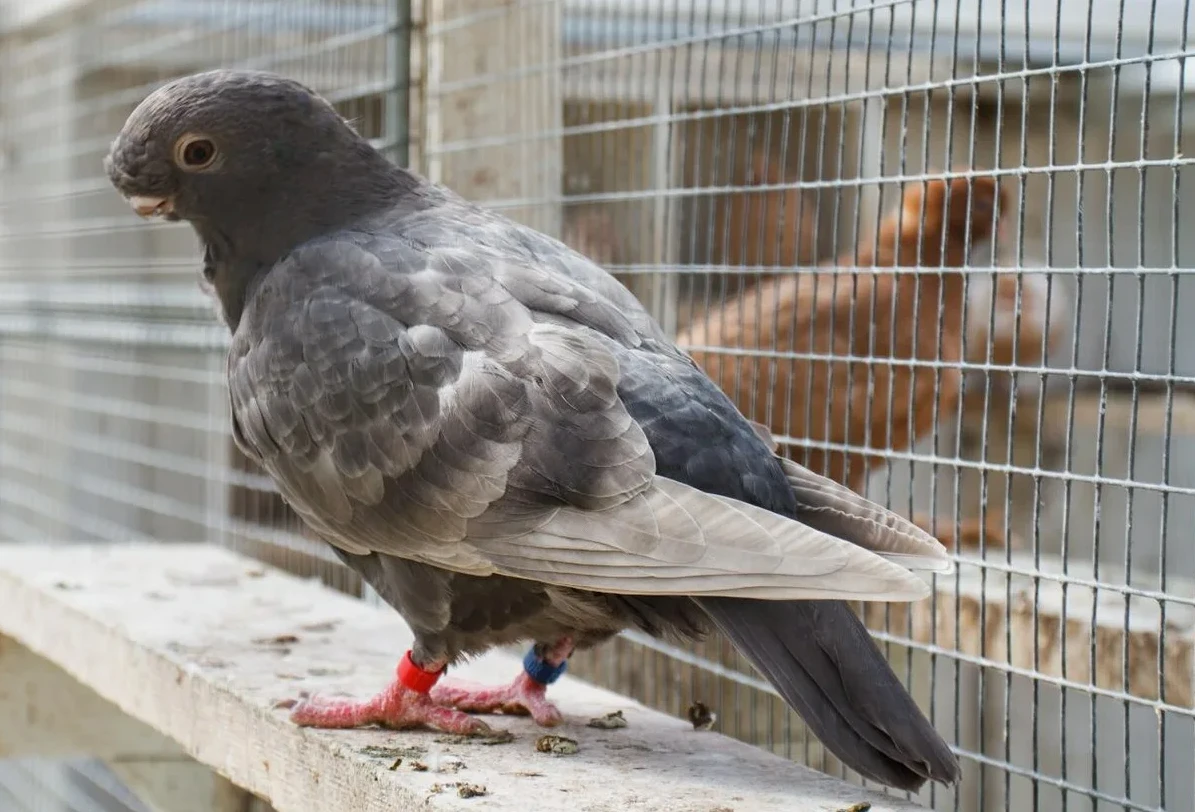
Who am I...
8. Bokhara Trumpeter — its legs are densely feathered right down to the toes, as if wearing fur boots, plus a distinctive crest on its head. The main oddity isn't its appearance, but its sound: the cooing has been selectively transformed into a drawn-out, drumming "laughter," quite unlike a pigeon's croaking. 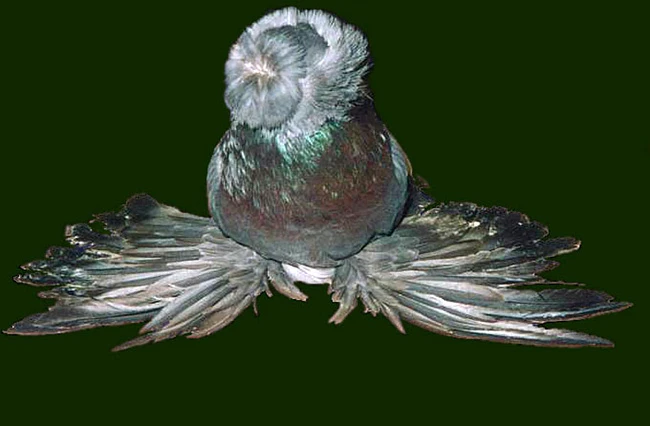
Okay, this is too much, time to take some schizophrenia pills.
Add your comment
You might be interested in:










Lexus unveiled the reborn LFA supercar (10 photos)

Mercedes released an electric bicycle at a modest price for

A Florida fisherman catches sharks with his bare hands and

16 unusual devices that can only be seen in specific places

Cool gifs. Issue 2760 (50 gifs)

Cool gifs. Issue 2738

Cool gifs. Issue 2748 (50 gifs)

Cool gifs. Issue 2741 (75 gifs)

Sony's Afeela electric car concept, which they are

Persistence in achieving a goal

A biker prevented a hit-and-run driver from escaping

Not everyone is having fun on the amusement ride
17 Photos That Will Stop You in Your Tracks (18 Photos)

The cutest lunch delivery ever

Stunning Views of the Martian Horizon from 400 Kilometers

A book titled "A Guide to Rebuilding

Young women, Dancing and George Michael: nothing superfluous

An apology delivered with a running start
