Living stones older than civilization: the history of the Hamelin Pool stromatolites (21 photos + 1 video)
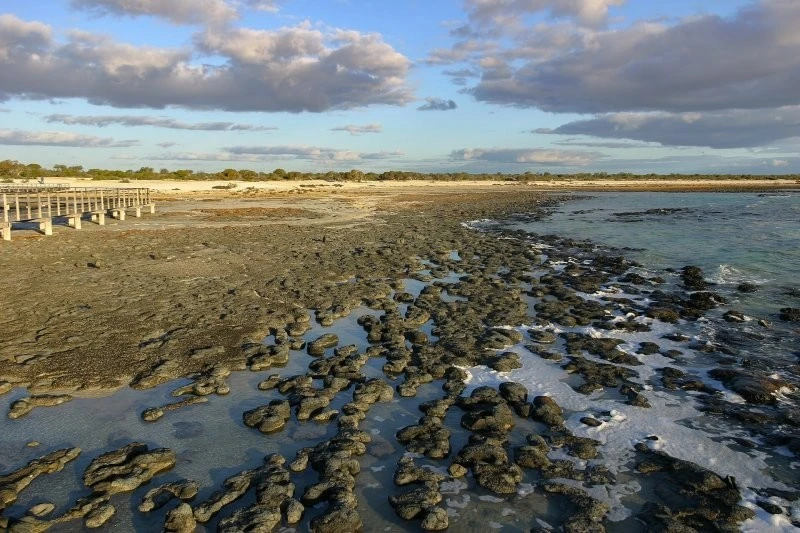
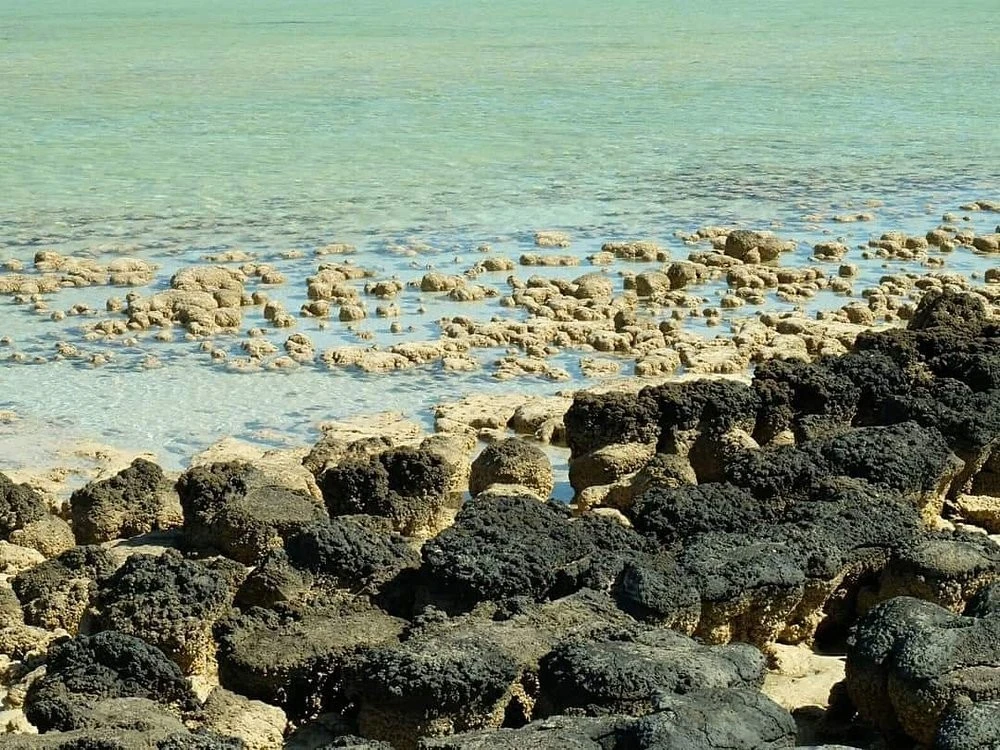
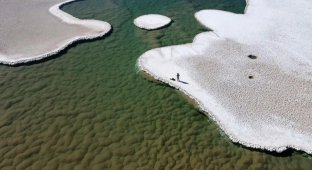
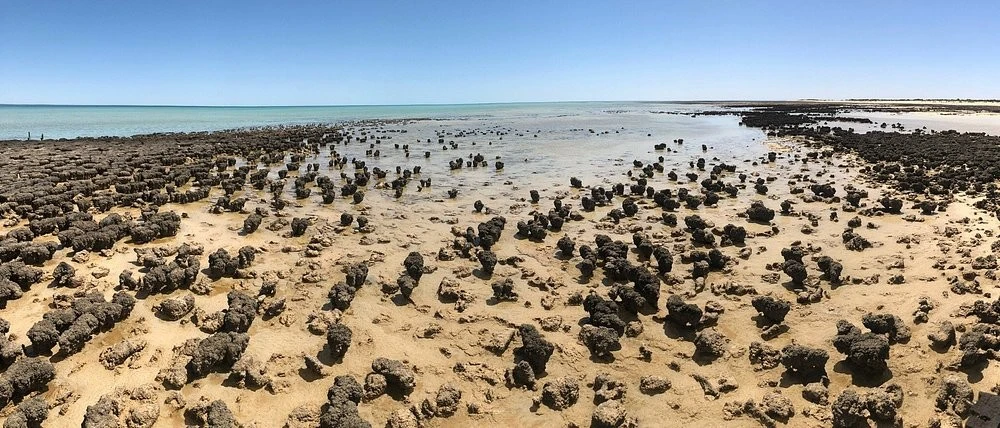
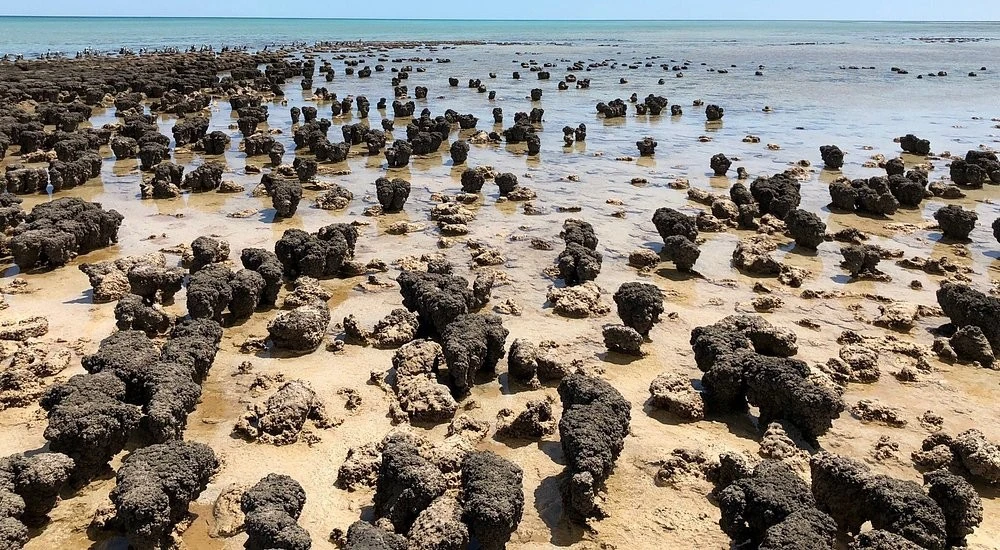
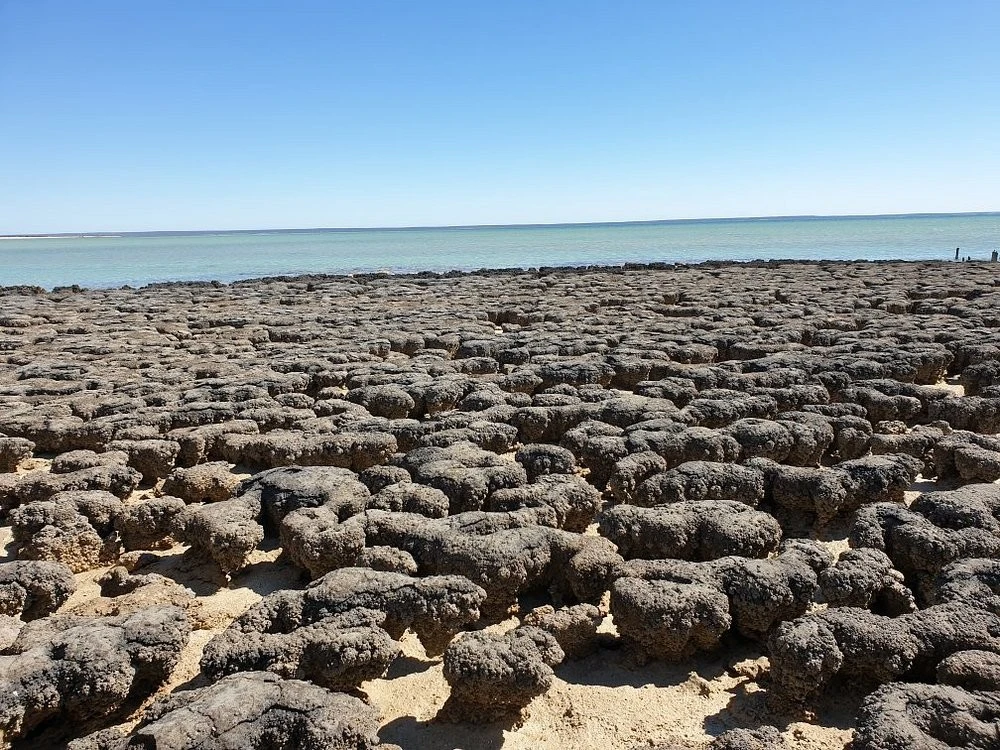
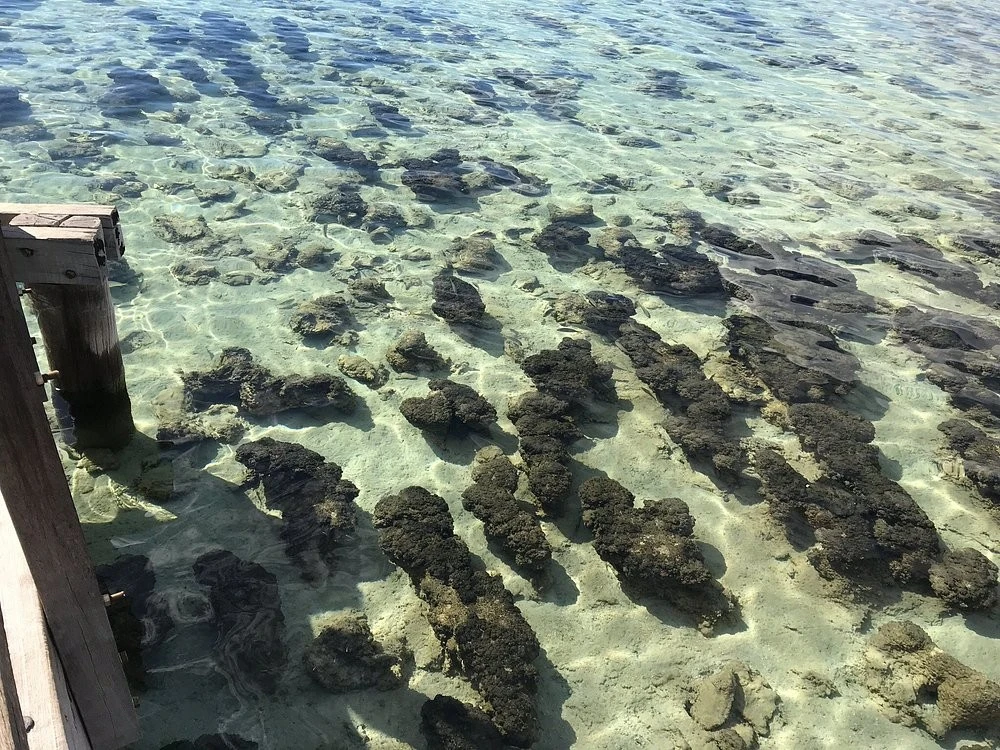
What appear to be rocks submerged in the hypersaline waters of Hamelin Pool at the base of Shark Bay in the Gascoyne region of Western Australia are not rocks at all. 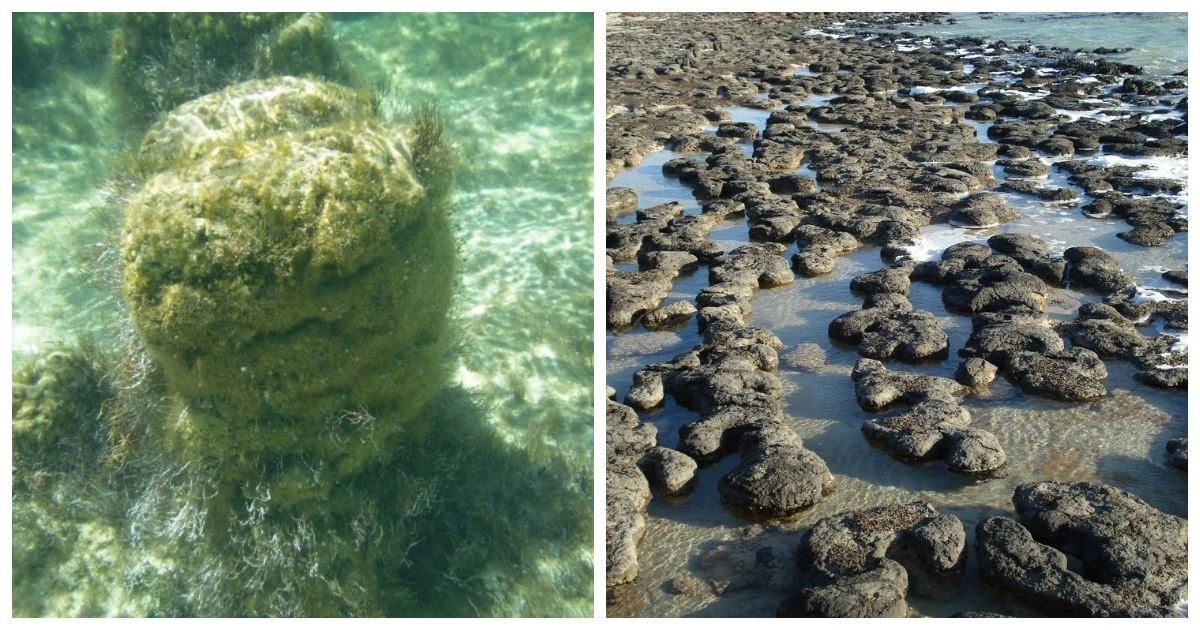
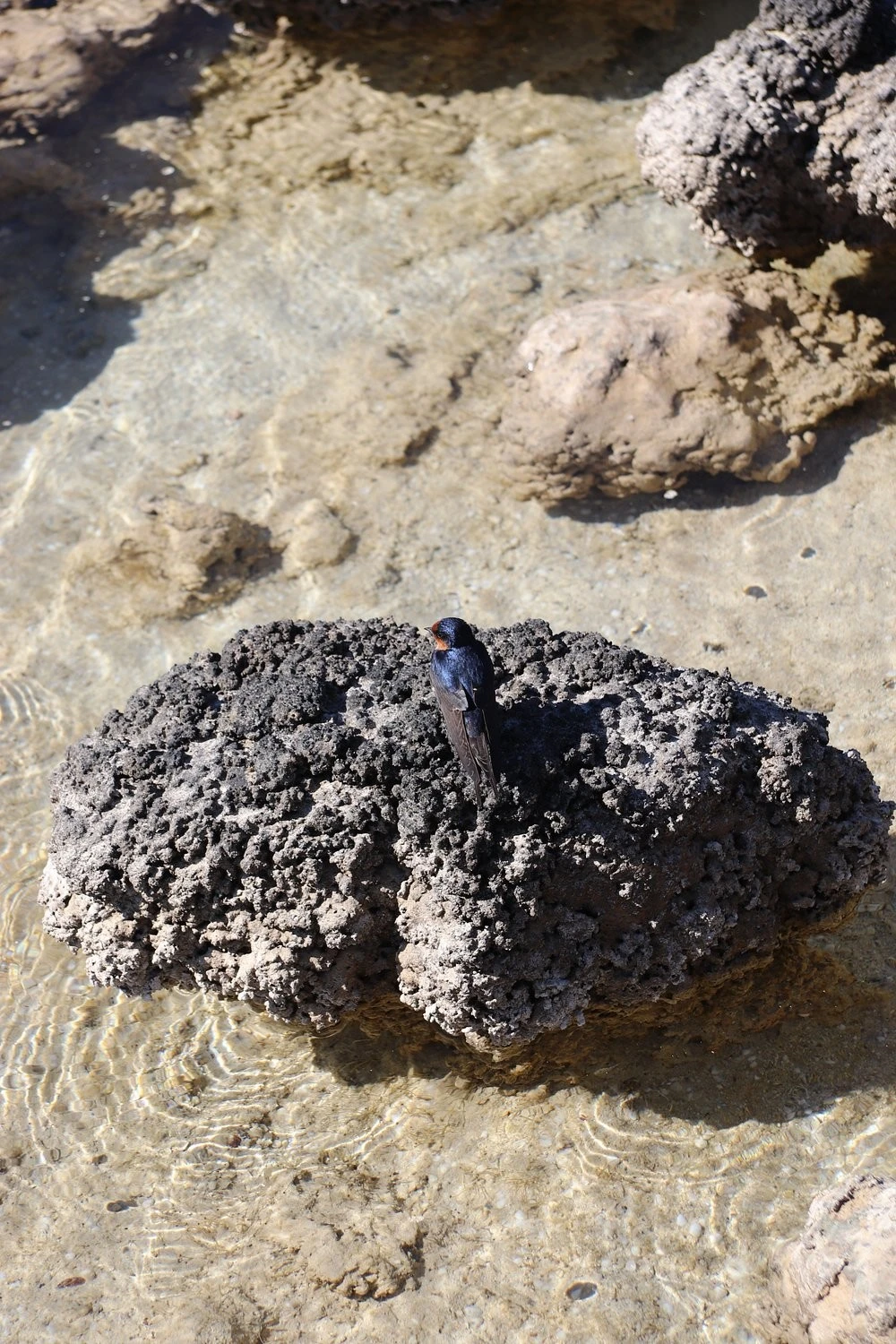
These are living creatures, stromatolites, created by tiny single-celled microorganisms called cyanobacteria (blue-green algae), some of the oldest forms of life on Earth. 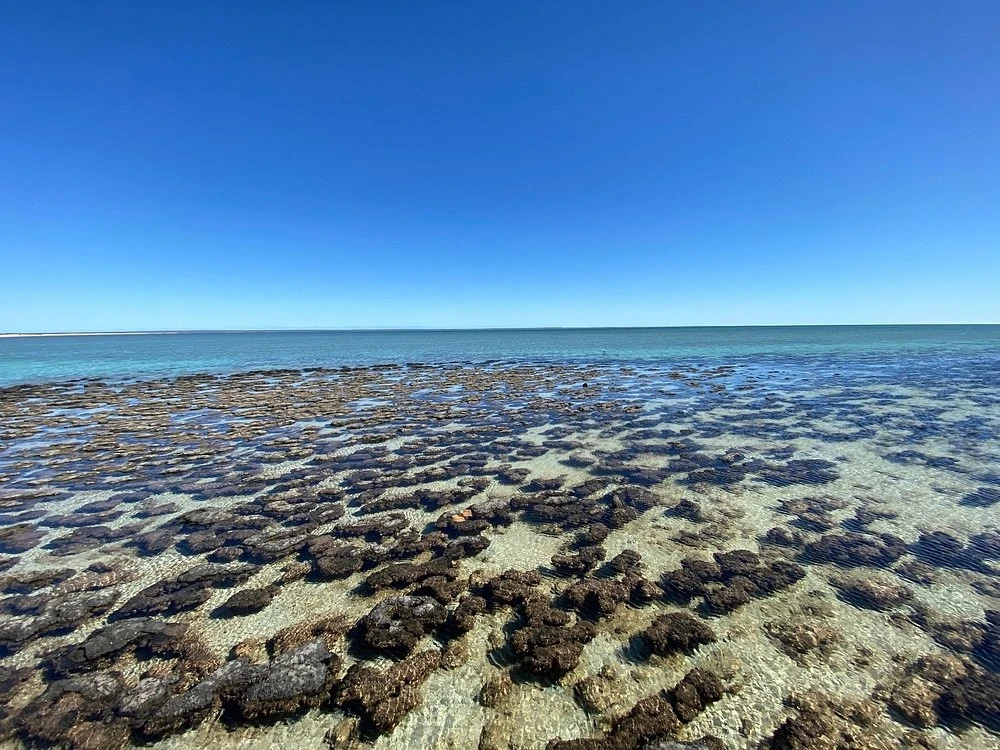
Stromatolites are formed by layers of cyanobacteria and sediment particles, which the microorganisms hold together with their sticky mucus membranes. These tiny particles are cemented together by calcium carbonate produced by the bacteria, gradually building up a stromatolitic structure. Although they don't appear alive, each structure is an extremely slow-growing microbial colony, which can grow at less than 1 mm per year. 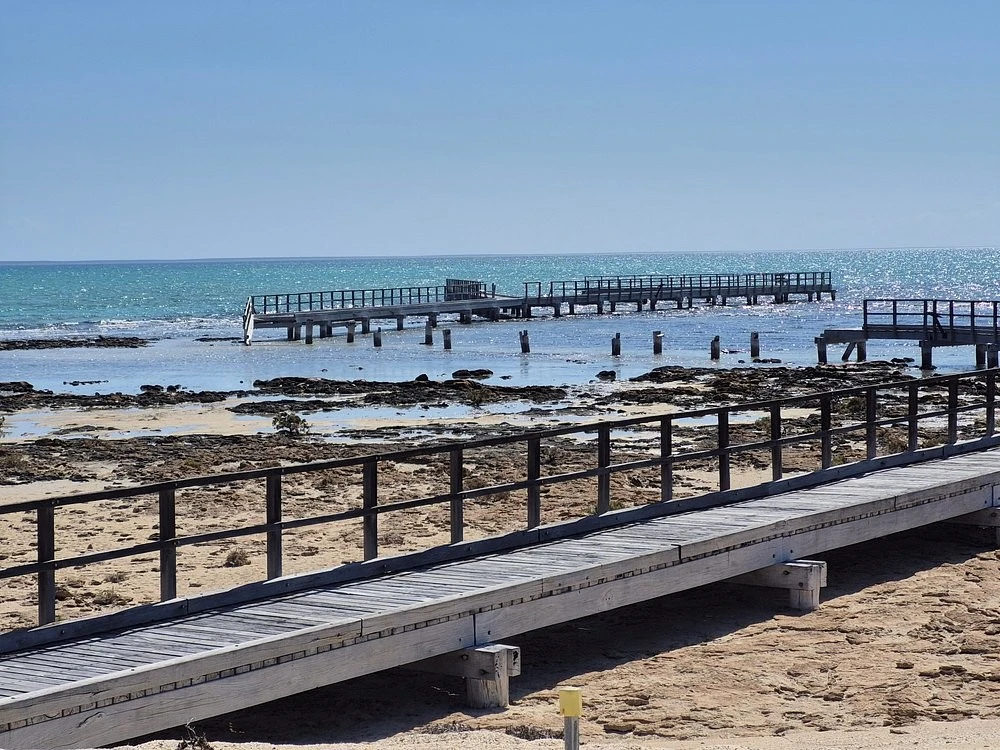
Cyanobacteria appeared on Earth about 3.5 billion years ago, when the planet was still young and the atmosphere was almost oxygen-depleted. Through photosynthesis, these organisms gradually converted the carbon dioxide-rich atmosphere into an oxygen-rich one, paving the way for the development of more complex oxygen-dependent life forms. However, over time, these life-giving cyanobacteria themselves became prey to the animals that ate them, significantly reducing their diversity and distribution. 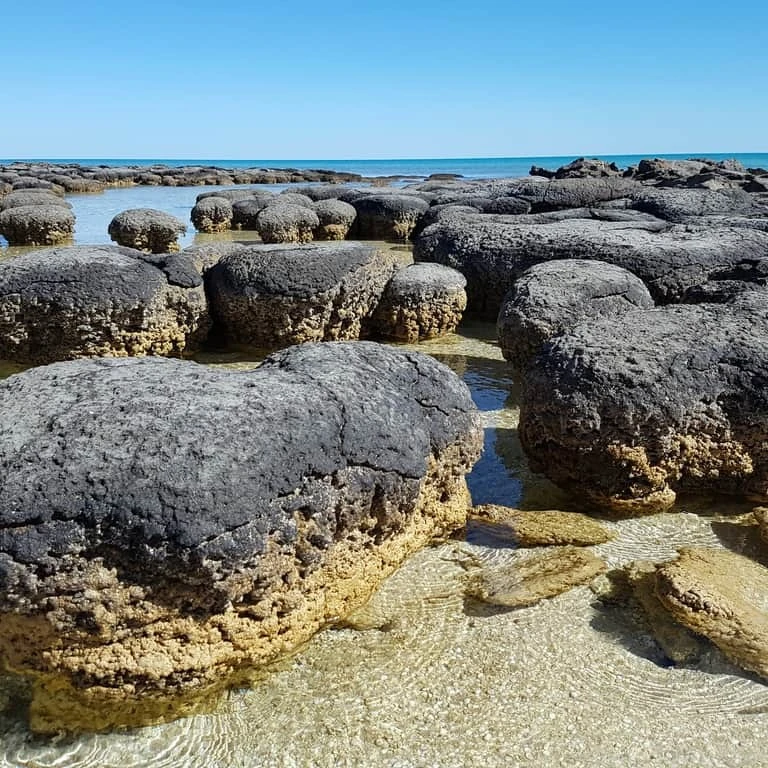
While fossilized stromatolites are found in many places on Earth, Hamelin Pool is one of the few places where living marine stromatolites have been preserved. Most animals that feed on the bacteria and algae that make up stromatolites cannot withstand the extreme salinity of Hamelin Pool. Therefore, stromatolites can grow unimpeded here. Some of these structures reach 1.5 meters in height and have been growing for millennia. Fossilized stromatolites approximately 50 meters tall and 30 meters in diameter, estimated to be over 3 billion years old, have been found in the Marble Bar area of Western Australia. 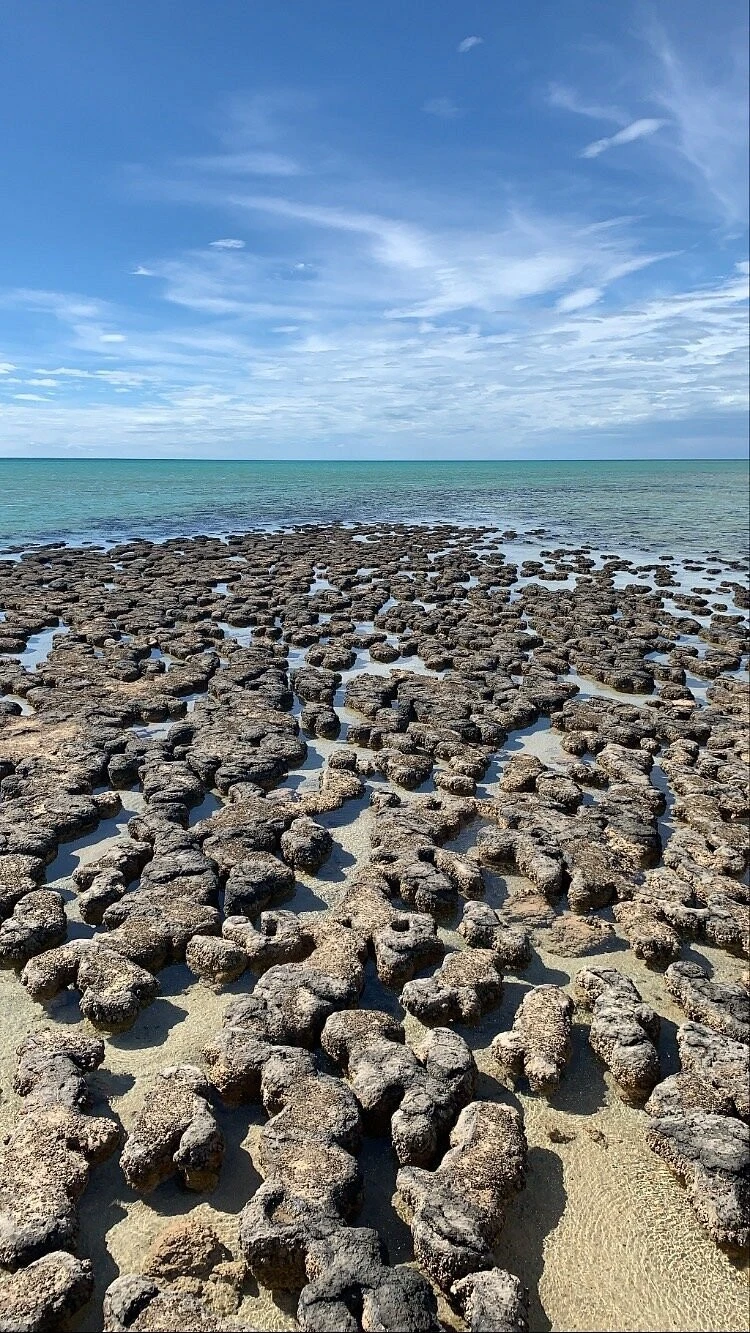
The presence of stromatolites was one of the main factors that led to Shark Bay being declared a UNESCO World Heritage Site in 1991. 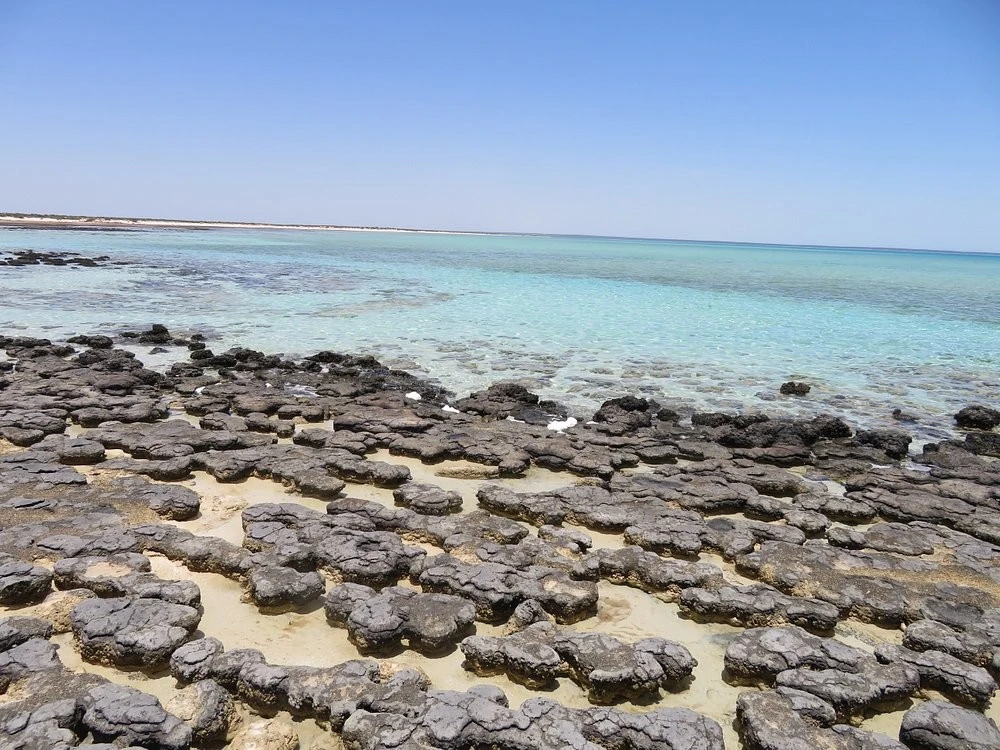
Hamelin Pool remains one of only two sites in the world where living marine stromatolites remain, attracting over 122,000 visitors annually. In April 2021, Cyclone Seroja destroyed the main 230-meter-long viewing boardwalk. The state government allocated AUD 4.6 million to build a new, 260-meter-long boardwalk, with work commencing in 2026. The new structure is designed to protect the fragile stromatolite ecosystem while simultaneously restoring tourist access to this unique site. 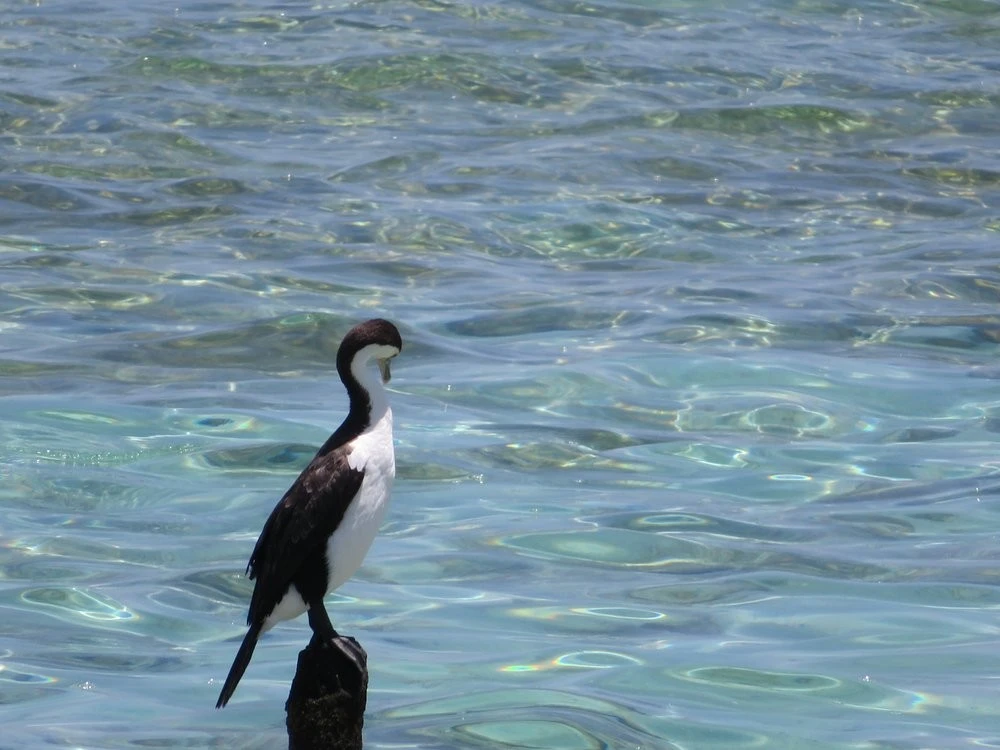
[thumb]https://cn22.nevsedoma.com.ua/p/29/2955/125_files/26609590c0313d547a86ec01619372b3_LwqD.web p[/thumb] 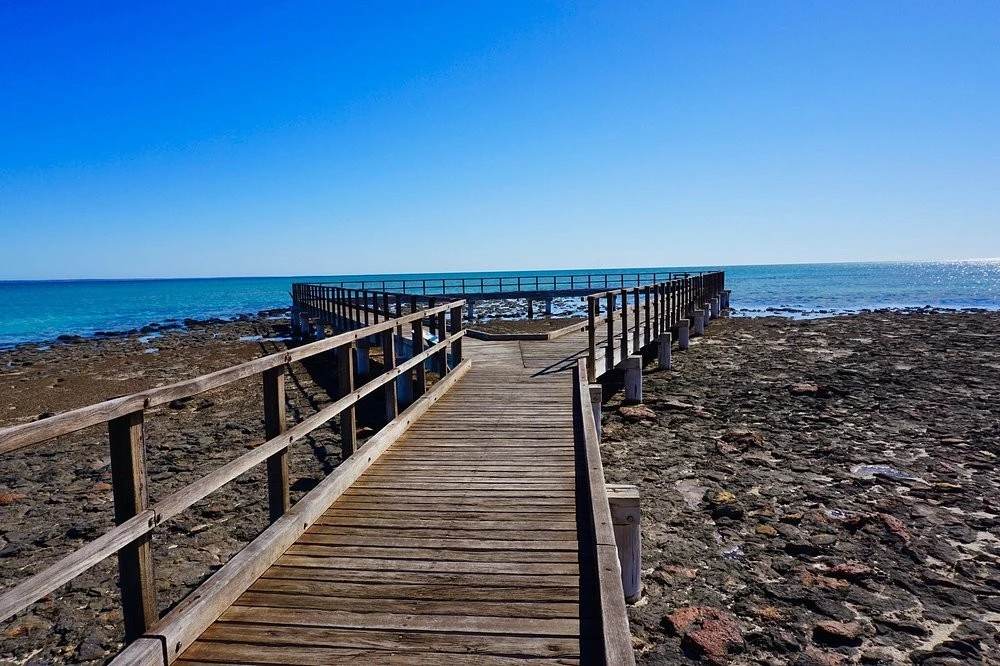
[thumb]https://cn22.nevsedoma.com.ua/p/29/2955/125_files/2a4df911b39387cc1d75614545b97ae 6_LwqD.webp[/thumb] 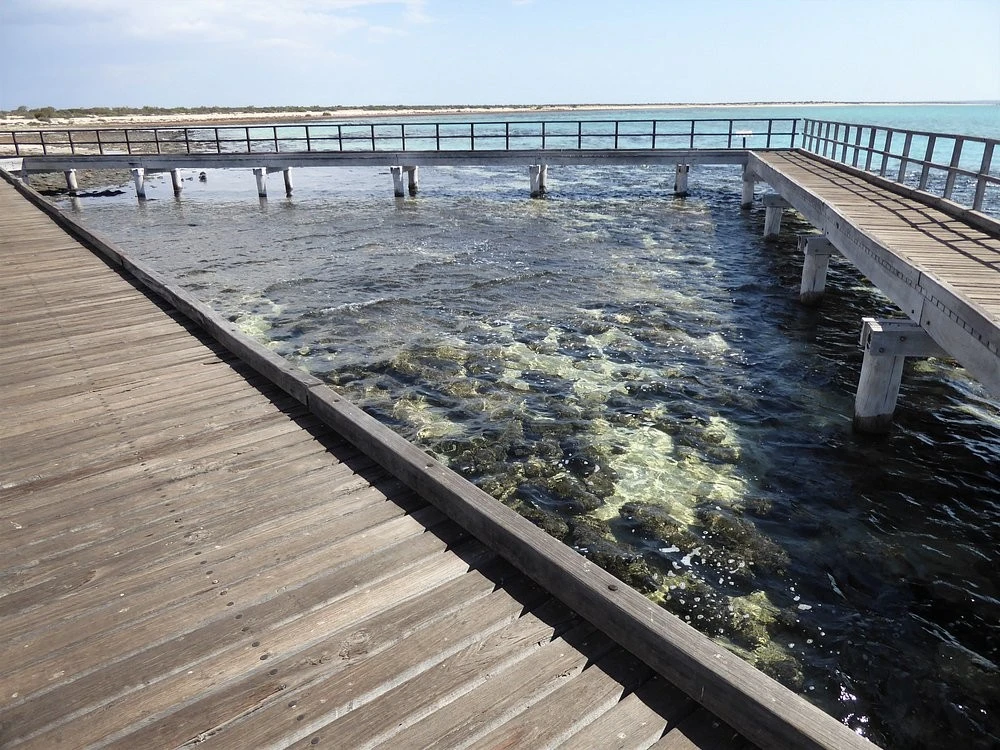
[thumb]https://cn22.nevsedoma.com.ua/p/29/2955/125_files/1c9c705f36b acad65656eb33c6e2b736_LwqD.webp[/thumb] 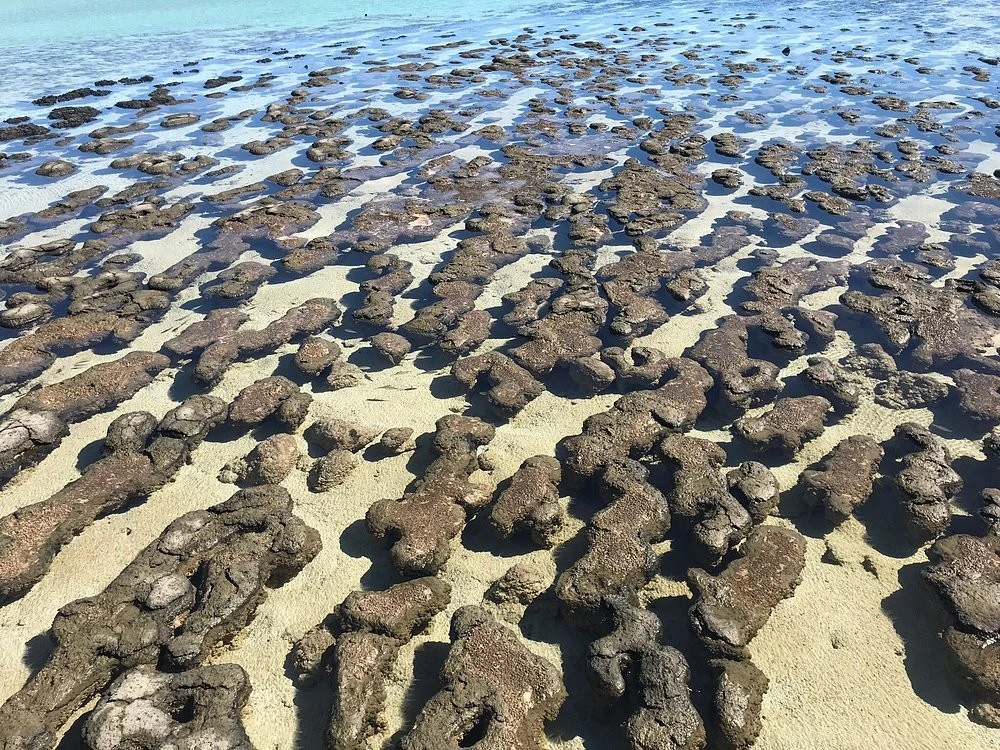
[thumb]https://cn22.nevsedoma.com.ua/p/29/2955/1 25_files/52f3647ab1e3cf260c772e3320099b8b_LwqD.webp[/thumb]