Tarantula molting: a process that gives you goosebumps! (8 photos)
If you've ever owned a tarantula or tarantula, or simply watched videos of them online, you've probably seen this moment—the spider lies on its back, completely motionless, its legs sticking up. Any normal person would assume the animal is dead. 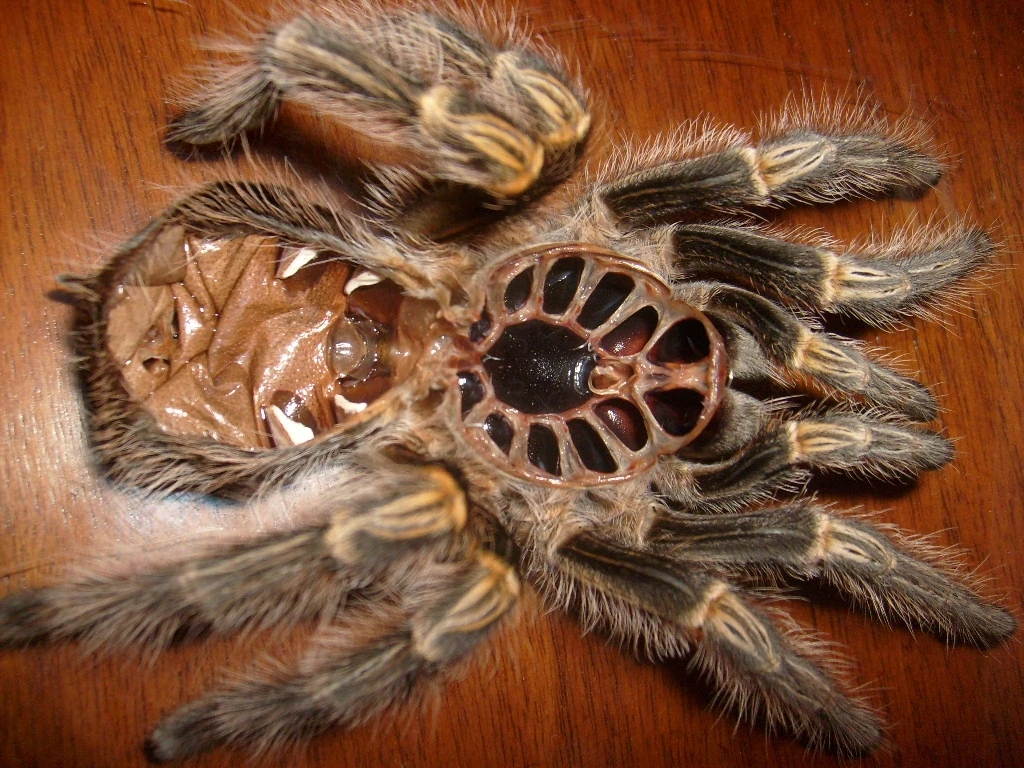
Tarantula owners say that at this moment, they want to do something immediately—touch it, turn it over, call the vet. This is absolutely forbidden, because the spider doesn't die. It molts. And this is one of the strangest processes in all of zoology. 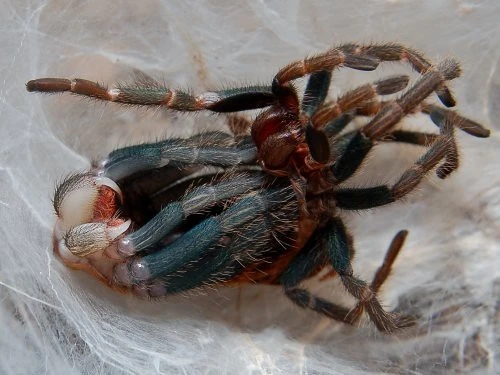
Reincarnation!
The tarantula—like all arachnids—wears its skeleton externally. The chitinous shell maintains the body's shape, protects internal organs, and serves as an attachment point for muscles. It does everything our bones do—on the outside, not the inside. The problem is that this shell doesn't grow with the animal. It's hard and fixed, and sooner or later the spider simply outgrows it.
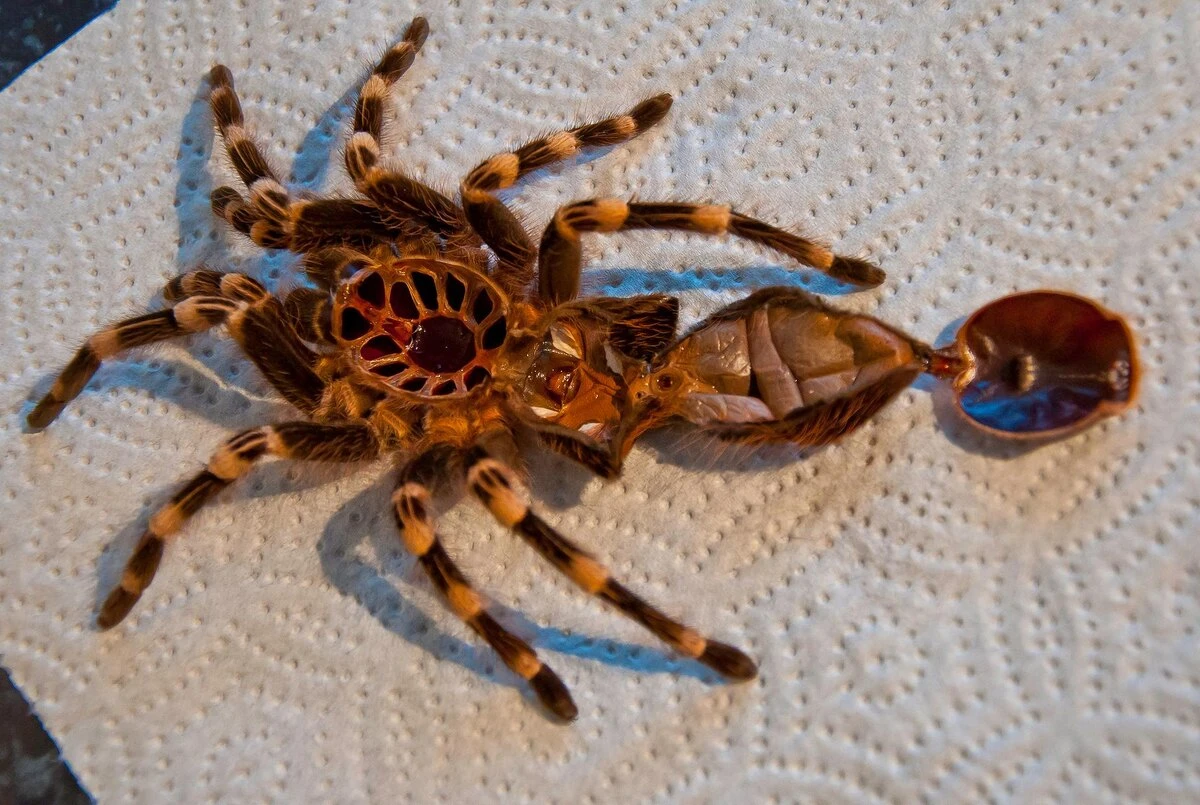
Then molting begins. A new shell—soft, elastic, and folded—forms in advance under the old shell. Then the old one bursts at the sides, the tarantula rolls over onto its back, and slowly, very slowly, begins to pull itself out of its shell—all eight legs one at a time, like a person pulling on a particularly tight pair of gloves. The entire process takes anywhere from several hours to half a day, and during this time, the spider is completely helpless. 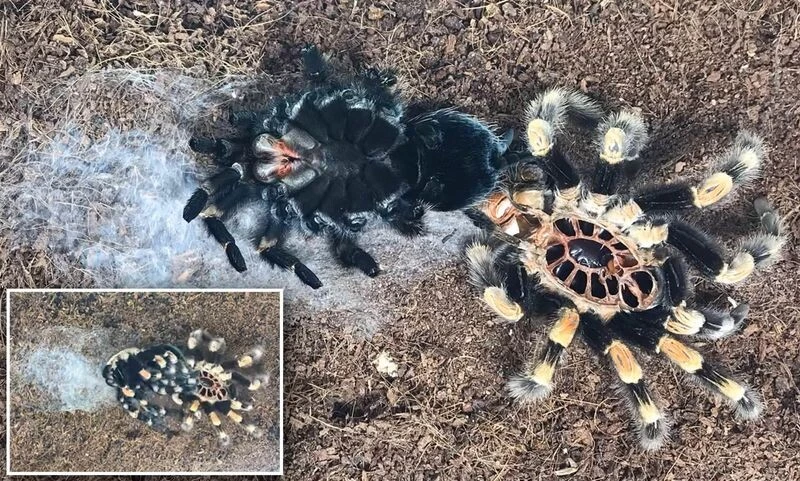
But the most unexpected thing happens next, when you look at what's left of the old shell. It's not just empty skin—it's an exact replica of the spider, including the stomach lining and the top layer of fangs. The fangs emerge soft and white, like baby teeth, and only then darken and harden again. The tarantula literally renews itself from the inside out. 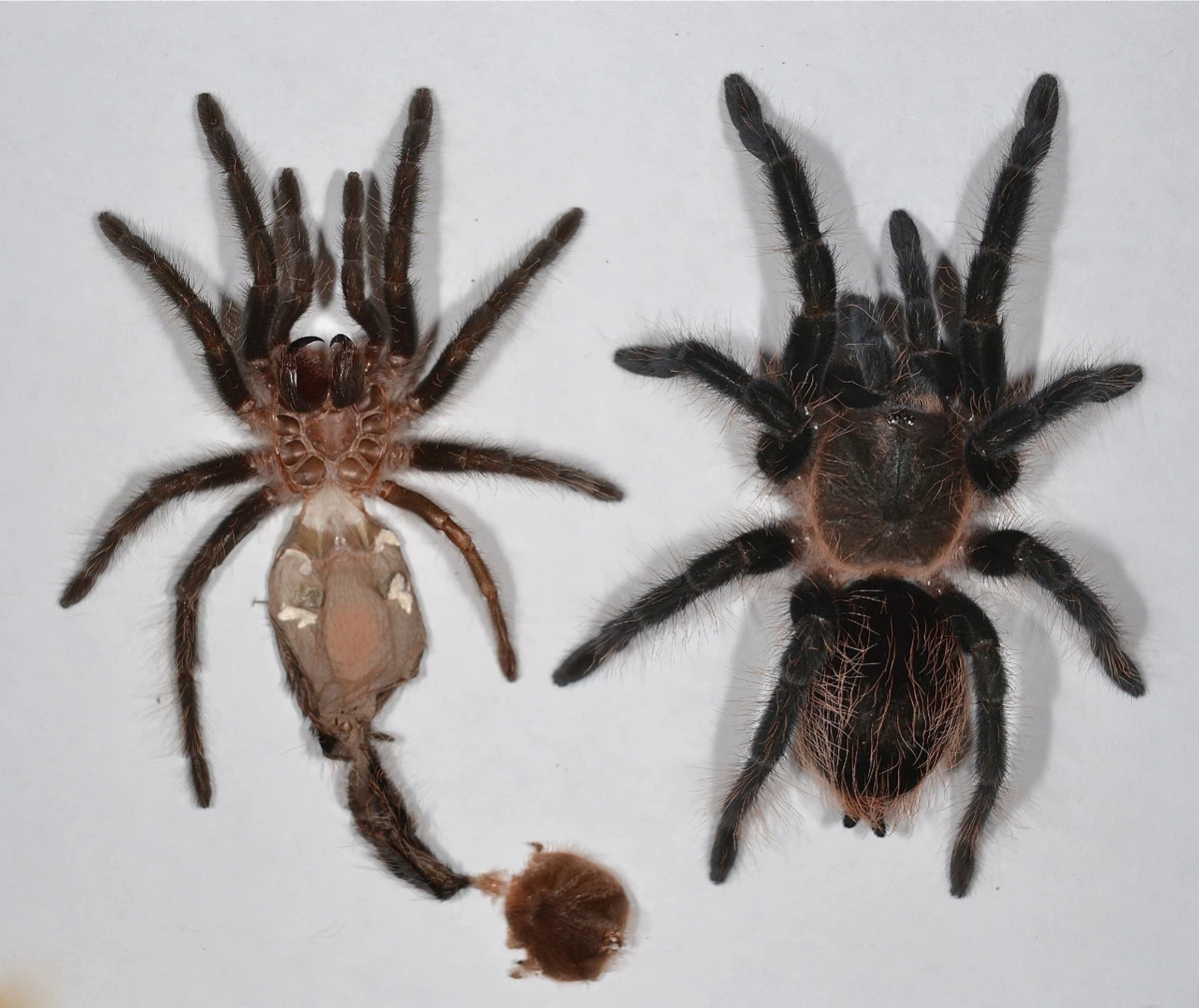
If a tarantula loses a leg—from a predator, an unsuccessful molt, or any other misfortune—it regrows it. Not immediately and not all at once, but it regrows. Inside the body, even before the next molt, the rudiment of a new limb begins to form, and during the molt it emerges—at first smaller than the others, but functional. With each subsequent molt, the leg grows until it matches the others. 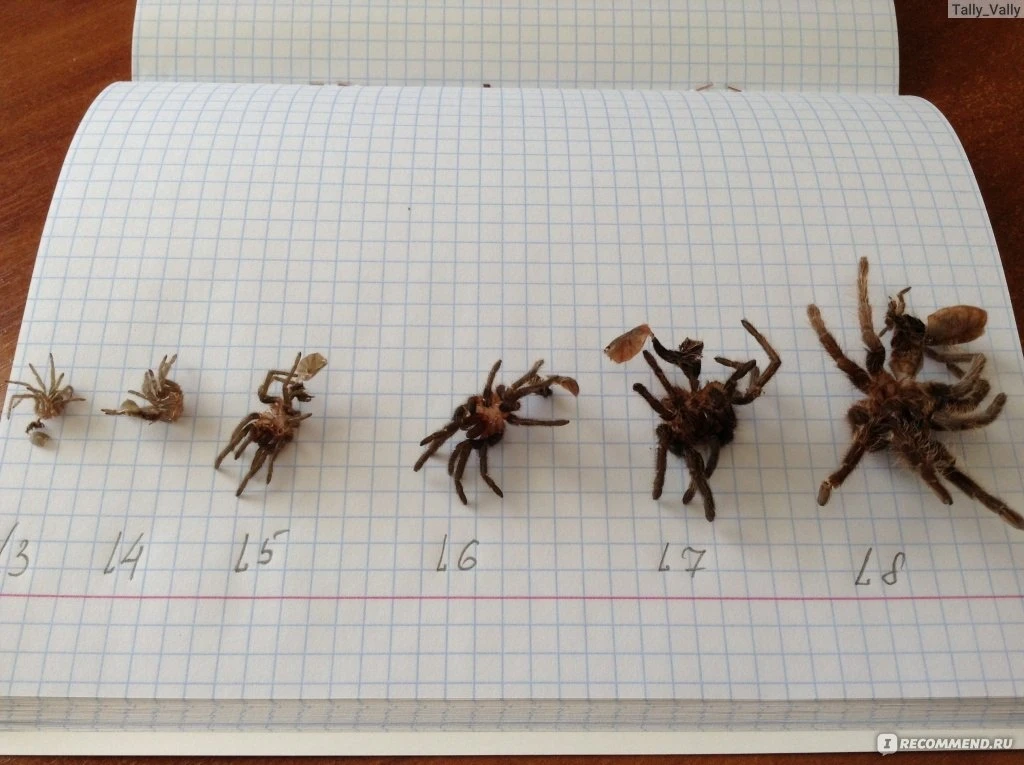
And there's one great biological injustice in the world of spiders. Male tarantulas reach sexual maturity—and then stop molting. Completely. The final molt is called the "final molt," and after it, the male lives for another year or year and a half, all the while preoccupied with one thing: finding a mate. Lost a leg? That's how you'll live. Old, worn out, worn out? There's nothing you can do about it; there won't be any new skin.
Meanwhile, the female continues to molt throughout her life—and lives accordingly. Females of some species live to be thirty or even forty years old, seemingly renewing themselves with each molt. There's a recorded case of a female spider surviving for two and a half years without any food at all—only with access to water—and surviving quite well. A male wouldn't have lasted that long even without fasting. 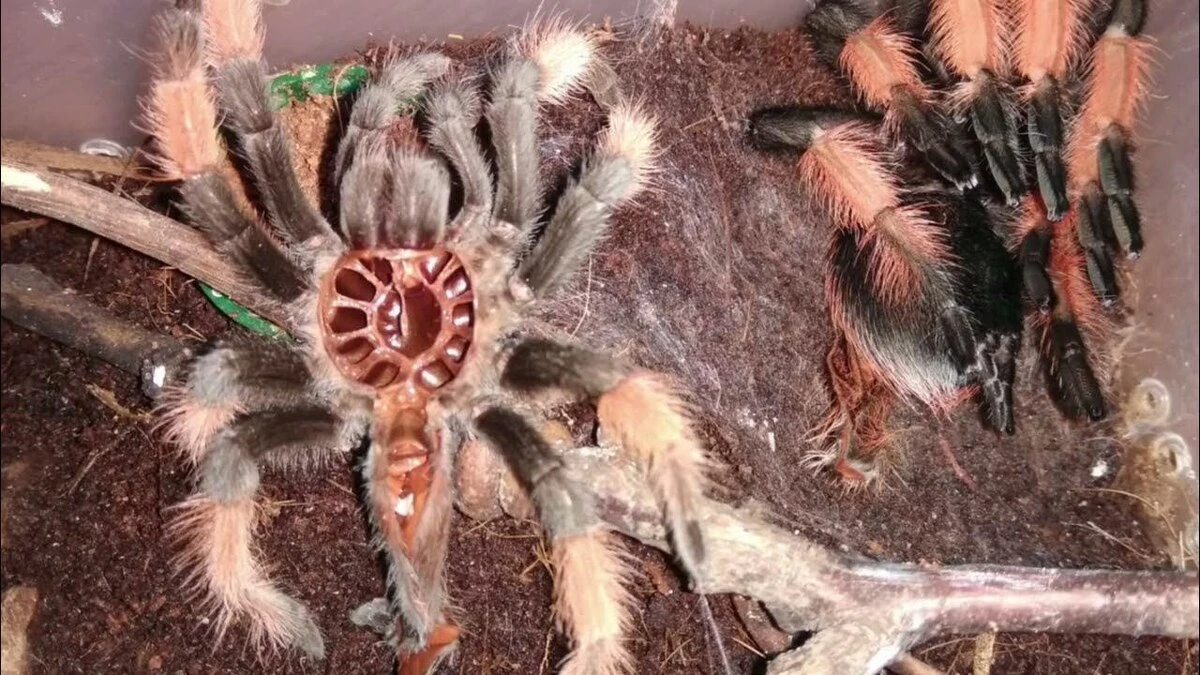
Immediately after molting, a tarantula is nothing like a formidable predator—a soft, pale, slow-moving creature with fangs that haven't yet hardened and are ineffective at biting. The new shell takes several days to harden, and during this time, the spider doesn't eat and tries not to move unnecessarily. If a live cricket were to appear in the terrarium at this point, it would be quite capable of biting the tarantula, not the other way around. Owners know: after a molt, remove the food and leave the spider alone for at least a week.