From the ocean depths to the starry distances: 10 incredible stories about things, people, and phenomena (11 photos)
Prepare to be amazed. We've compiled a selection of the most incredible facts from the world of nature, history, and science. 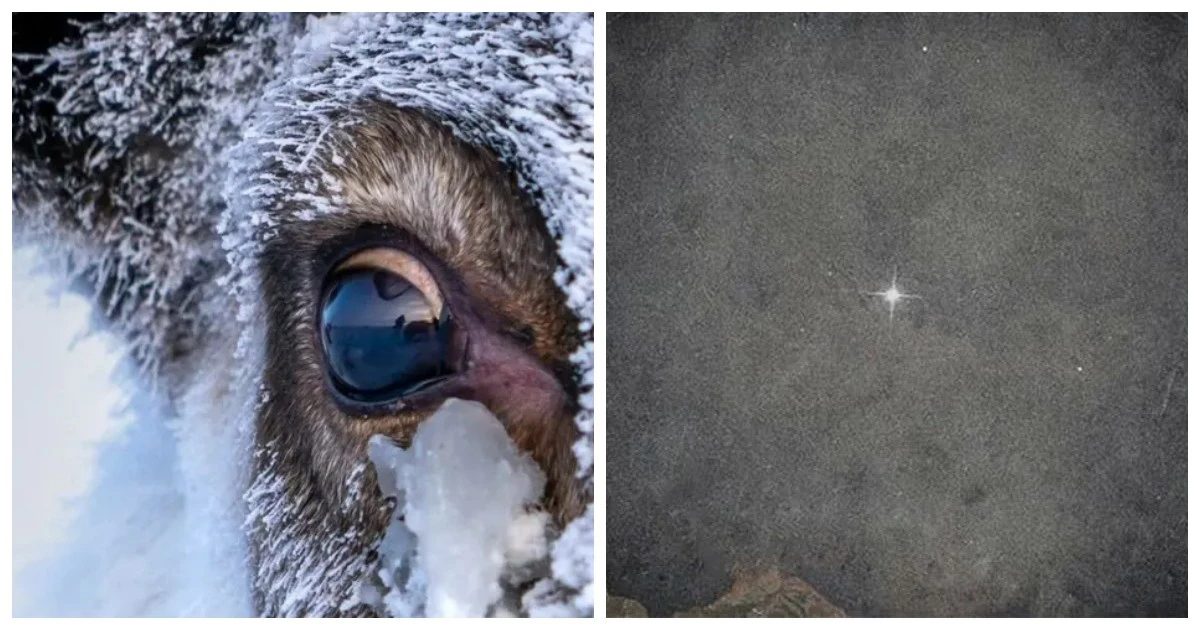
Here you'll learn who inspired Moby Dick and how many ships he sank, which animal's eyes change color depending on the season, becoming 1,000 times more sensitive, and which musical group featured a bird as its lead singer. These aren't just facts. These are stories that will make you rethink your understanding of the world.
1. The Prototype of Moby Dick 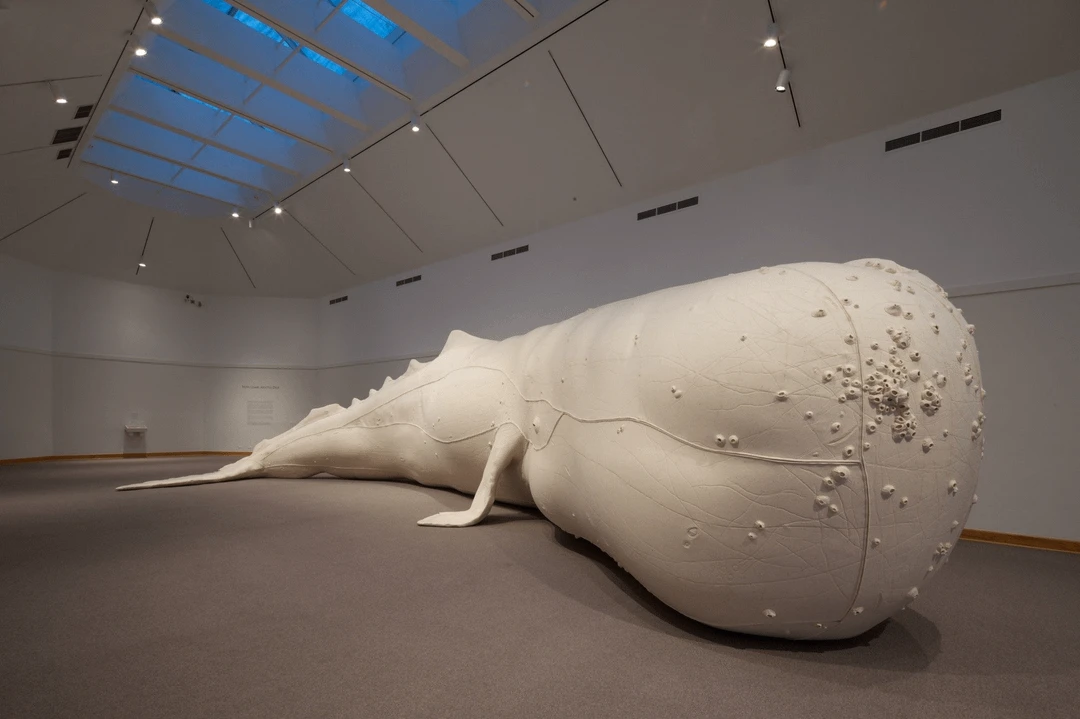
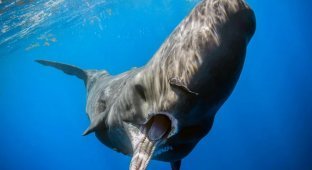
This is a sculpture of Moby Dick, the most famous whale in history, a 20-meter albino sperm whale who became famous in the 19th century for engaging in battles with approximately 100 whaling ships. He sank about 20 of them and eluded capture for three decades.
2. The Feathered Vocalist 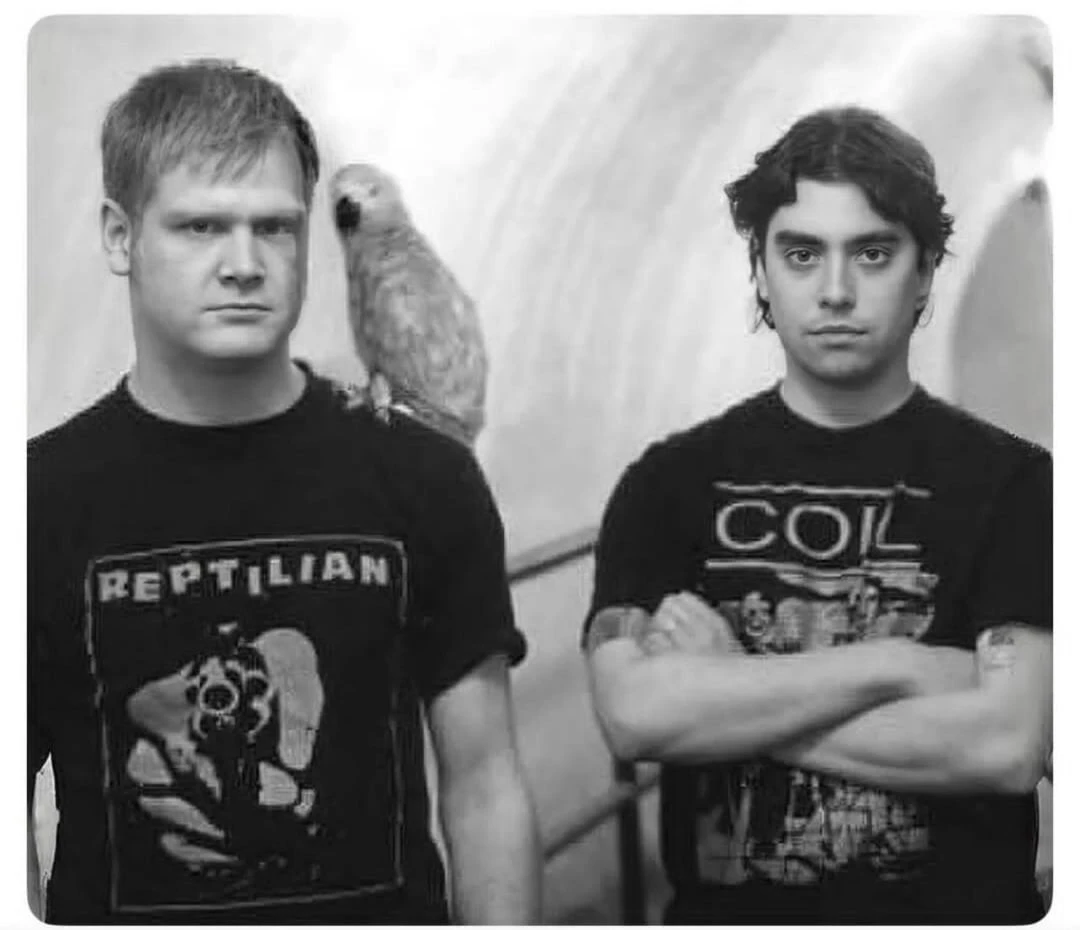
The American death metal band Hatebeak and their vocalist, a parrot named Waldo, are described as "furious and explosive death metal," and their sound has been compared to "a jackhammer under a steamroller."
Hatebeak never perform live, as it would be too painful for the parrot's ears. Waldo is named after the mynah parrot from the TV series Twin Peaks.
3. Changeable Color 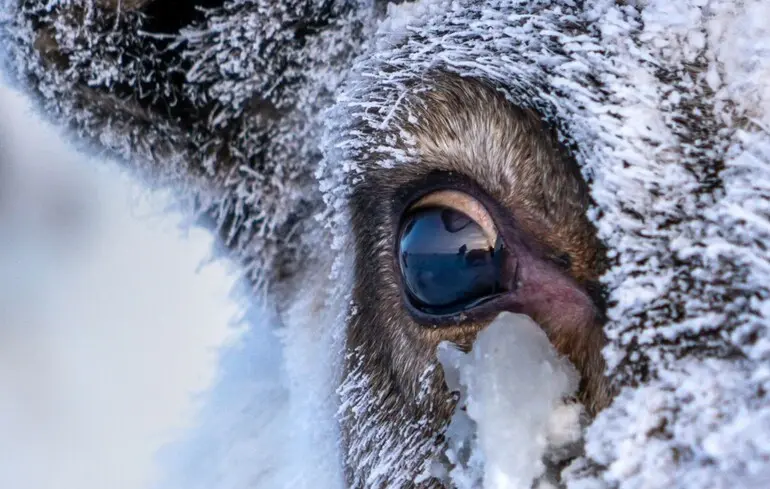
Reindeer are the only known mammals whose eyes change color seasonally: from golden in summer to deep blue in winter, making the eye more than 1,000 times more sensitive to light in near-dark conditions.
This effect helps reindeer see in conditions of dramatic changes in lighting—from long days of summer to the near-darkness of the Arctic winter.
4. Da Vinci's Unusual and Terrifying Design 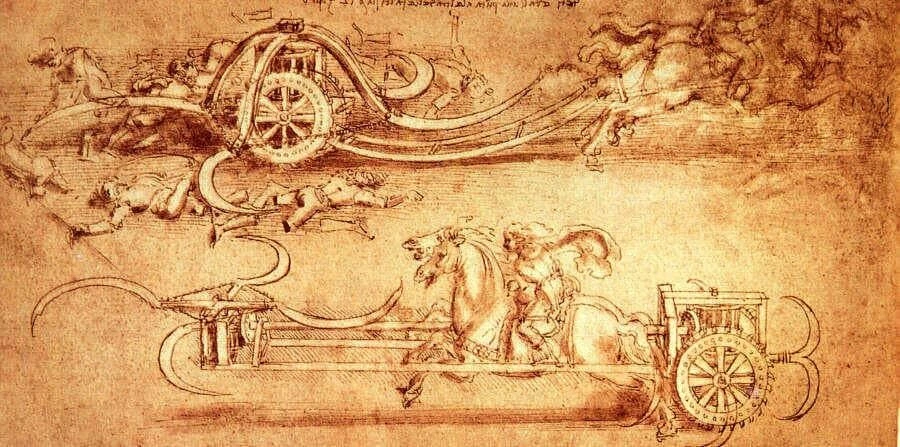
Da Vinci's "Scythe Chariot" concept is essentially a horse-mounted meat grinder for enemy infantry. The chariot was designed as an anti-infantry weapon. Scythes, mounted on the axles or at the front, were intended to literally mow down enemy ranks.
Leonardo himself recognized the risk to his own troops. In the caption accompanying the drawing, he writes: "When this [machine] passes through your men, you will want to raise the shafts of your scythes so as not to injure anyone on your side."
Scythe-equipped chariots had been used in battle long before Leonardo. They were employed by the Persians, Greeks, and other ancient peoples, for example, at the Battle of Gaugamela (331 BC). Unlike his tank, Leonardo's concept had no inherent design flaws—he simply took a well-known ancient idea and sketched it. Like most of his military vehicles, this chariot was likely never built.
5. The Actor and the Lion Tamer 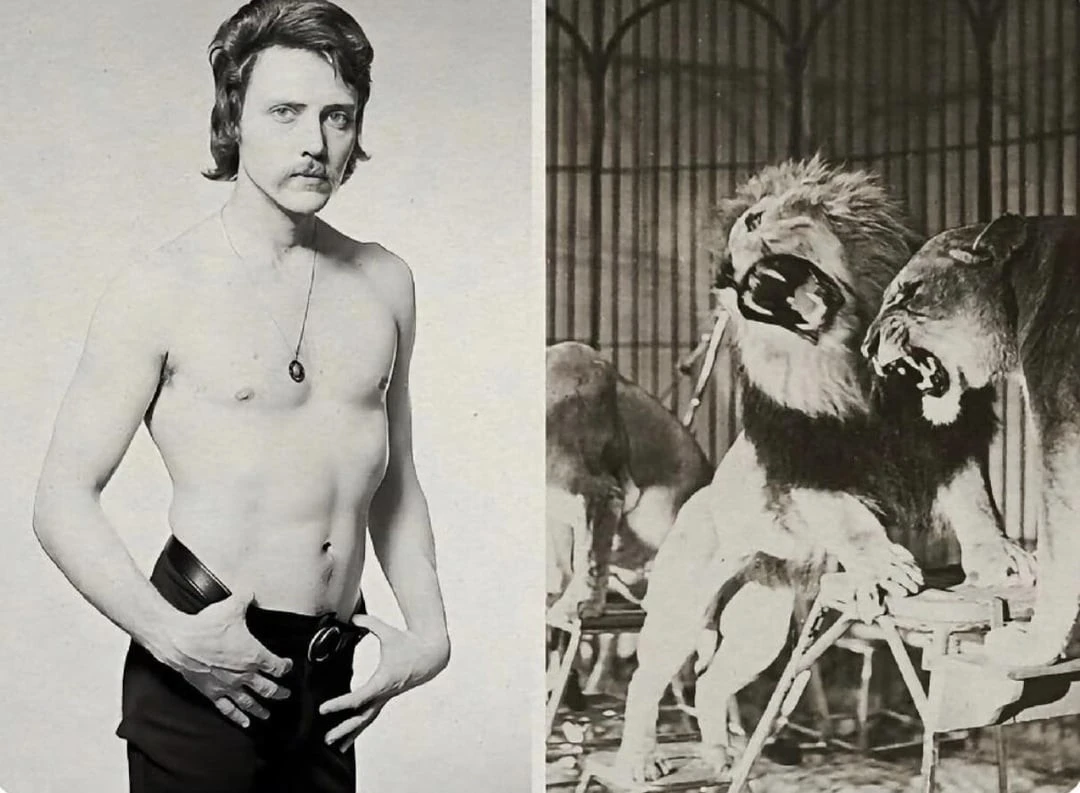
In his youth, Christopher Walken worked as a lion tamer. He worked with an elderly lioness named Sheba, who had almost no teeth, and described her as a "big dog."
6. The Galaxy of Trees 
There are more trees on Earth than there are stars in the entire Milky Way galaxy. While our galaxy contains an estimated 100 to 400 billion stars, Earth is estimated to be home to about 3 trillion trees.
7. Cow with a Porthole 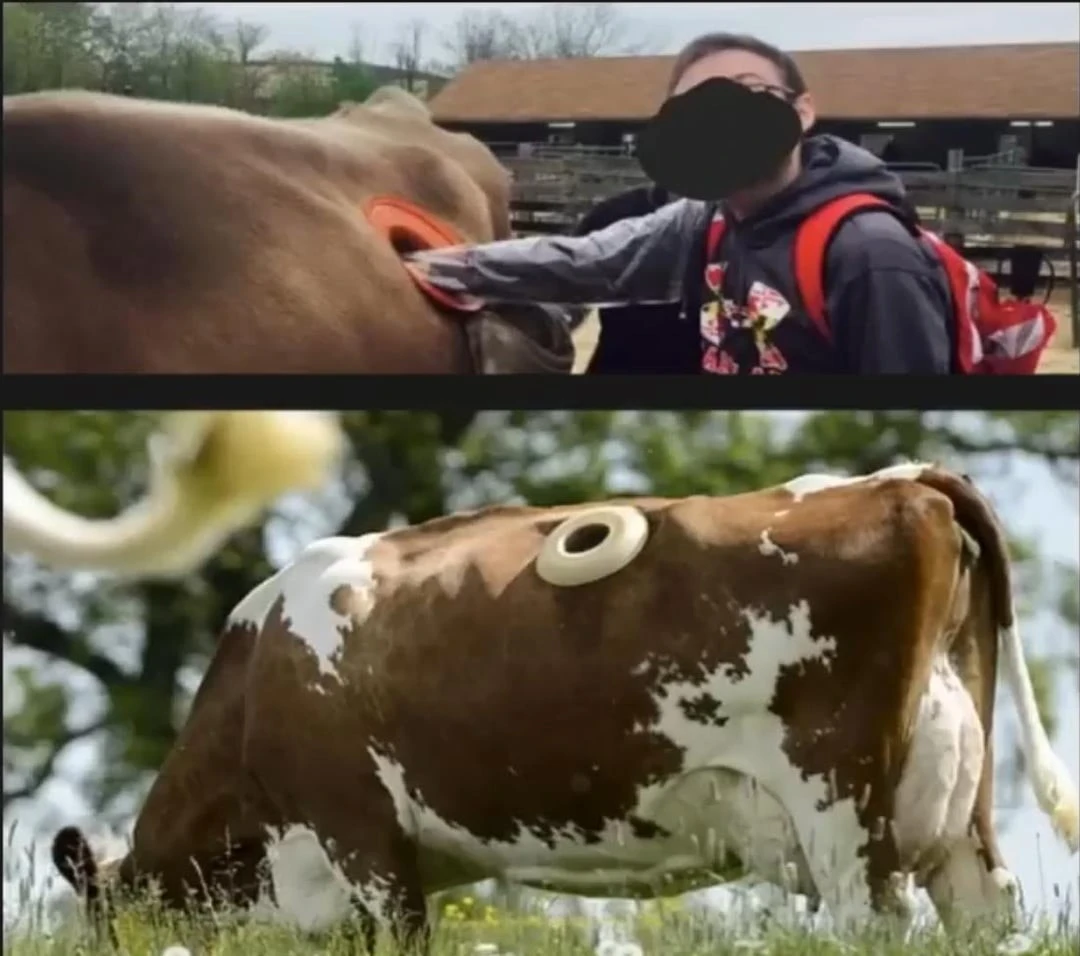
A cannulated cow is a cow that has had a cannula surgically inserted. The cannula acts as a kind of porthole, providing access to the rumen for research and analysis of the digestive system, and also allowing veterinarians to transfer rumen contents from one cow to another.
The surgery is performed under local anesthesia and takes about an hour. The opening is covered with the animal's skin, and the cannula is capped. After the surgery, the animals live normal lives on farms. This practice is standard in veterinary and animal science research worldwide.
8. Coconut Octopus 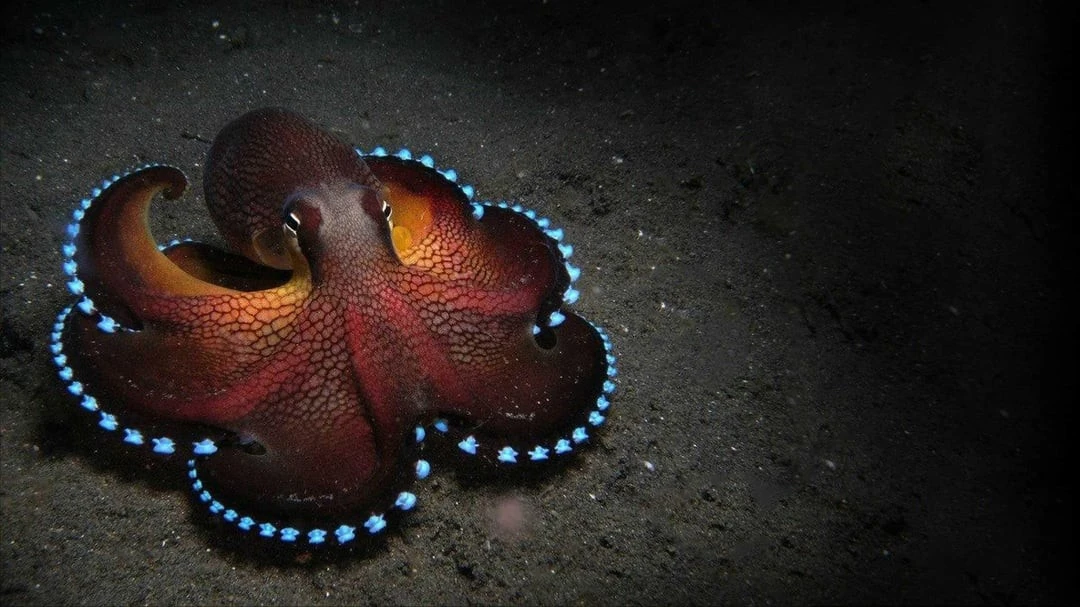
This is one of the few known examples of tool use in invertebrates. The octopus collects coconut halves or mollusk shells, carries them up to 20 meters, and uses them for shelter.
One of two octopus species capable of walking on two tentacles ("stilt walking"), mimicking a floating coconut. It exhibits signs of planning and forethought, cleaning and preparing hiding places for future use. These octopuses have been known to jump on scuba divers and attempt to steal their cameras.
9. Glass Eel 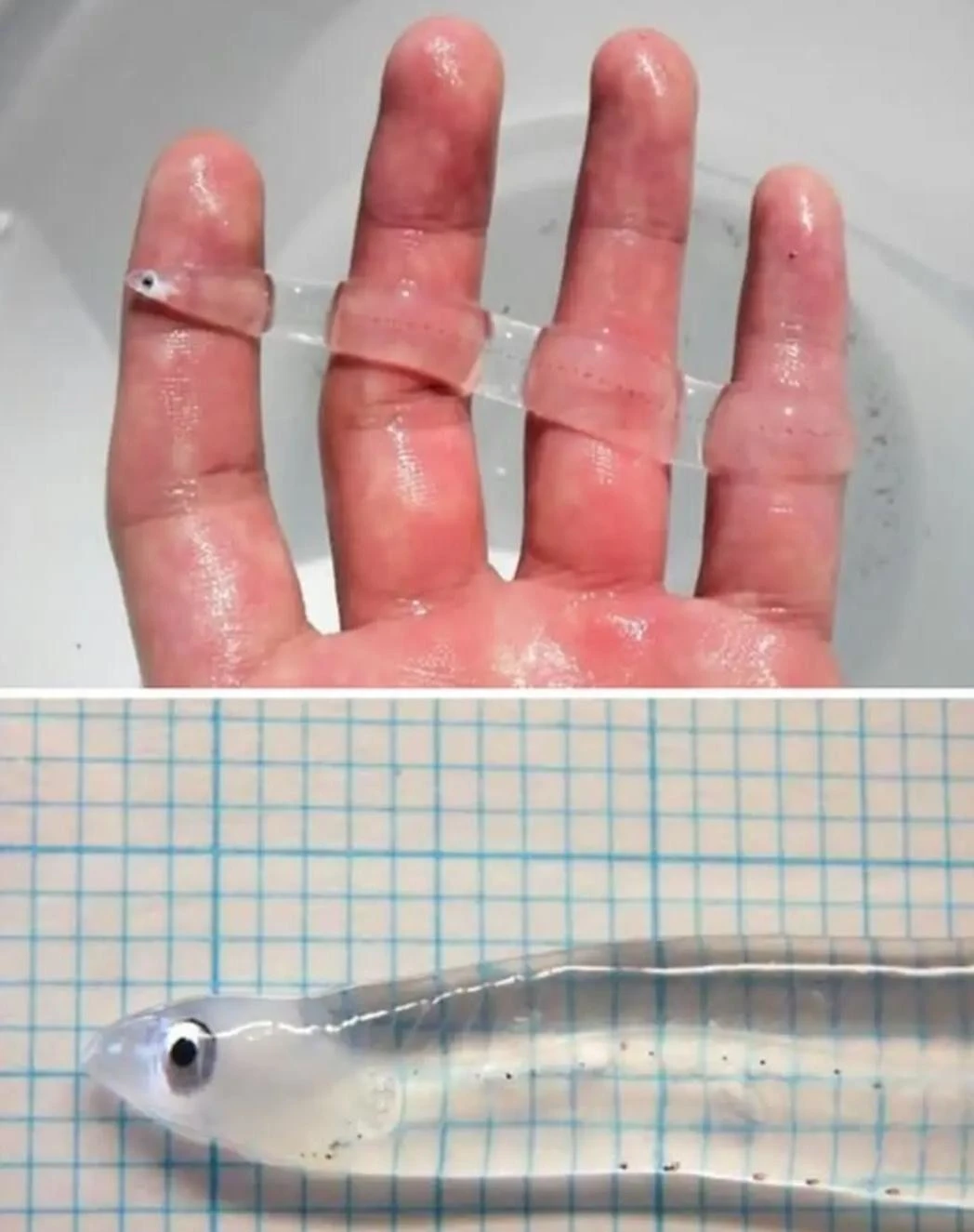
The glass eel is a stage of eel development. At this stage, eels are almost completely transparent, as they lack pigmentation. The spine and internal organs can be seen through the body.
Glass eels are approximately 5–8 cm long. At this stage, they migrate from the ocean to freshwater (rivers and lakes), where they will grow and live until sexual maturity.
Glass eels are extremely valuable in Asia (especially Japan) for aquaculture. Prices can reach thousands of dollars per kilogram, depending on the season and species.
10. The First Photograph of a Star 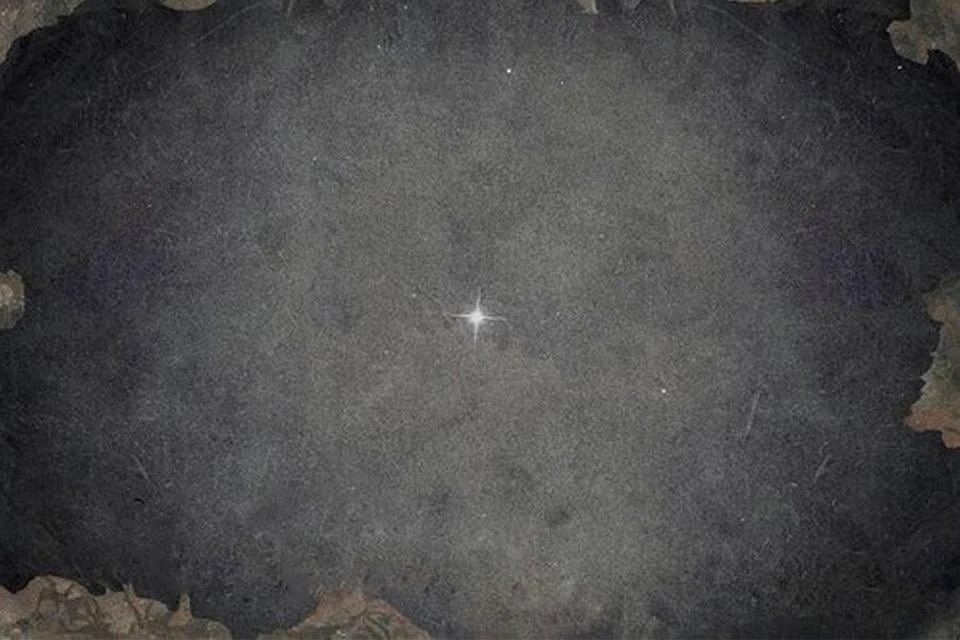
Vega, July 1850, daguerreotype taken with the 15-inch telescope at Harvard. According to various sources, the exposure time ranged from 90 seconds to 20 minutes. Different sources likely cite different times, as the process was experimental.
Vega is approximately 25 light-years from Earth. The silver plate was treated with iodine vapor, then exposed to the telescope, and finally developed in mercury vapor. The process was labor-intensive and toxic.