Cocaine Behemoths of Colombia, or Escobar's Ecological Sabotage (9 photos)
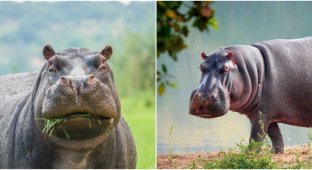
History's most notorious drug lord, Pablo Escobar, has wreaked havoc on the world. The Medellin Cartel claimed over 7,000 lives, and its cocaine profits amounted to billions of dollars. But beyond the direct damage to the state and society, the criminal left behind another legacy: an army of hippos, known in Colombia as "cocaine hippos." 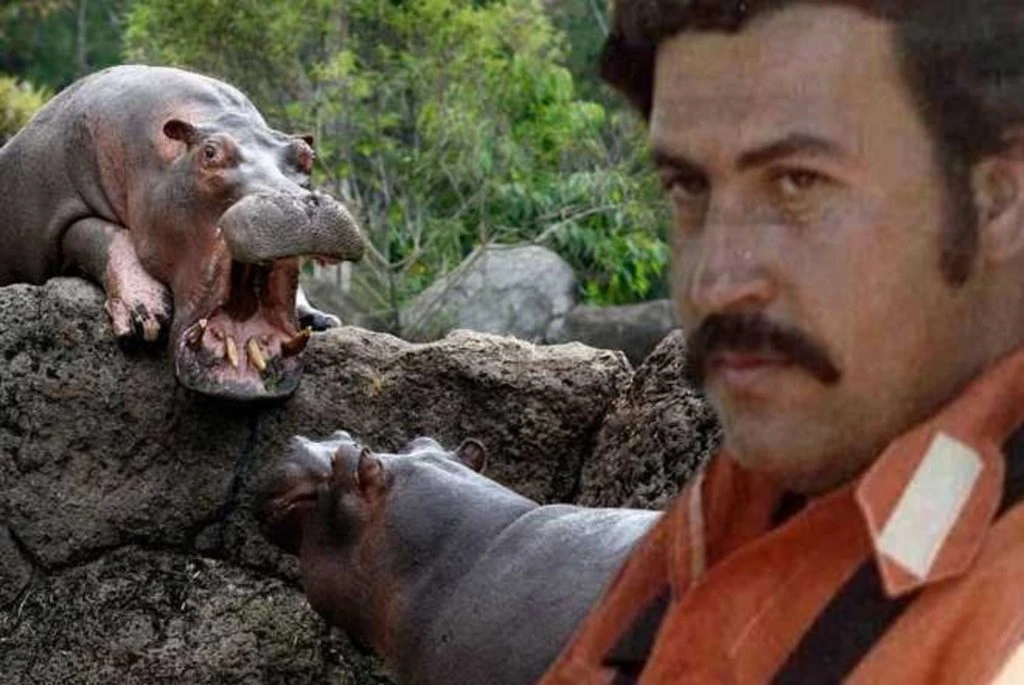
It's entirely possible that after the demise of humanity, hippos will inhabit vast areas of South, Central, and parts of North America. Besides humans, these river giants have no natural enemies on the American continents, and the climate, as it turns out, is quite suitable for them. The only god of the hippopotamus paradise, in this case, would be the late drug lord Pablo Emilio Escobar. 
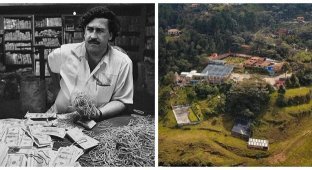
The story of the Colombian cocaine behemoths began in the mid-1980s, when the Medellin Cartel was at the height of its power. Escobar was so wealthy that he didn't know what to do with his money—witnesses claimed he spent up to $2,000 a month on rubber bands alone. 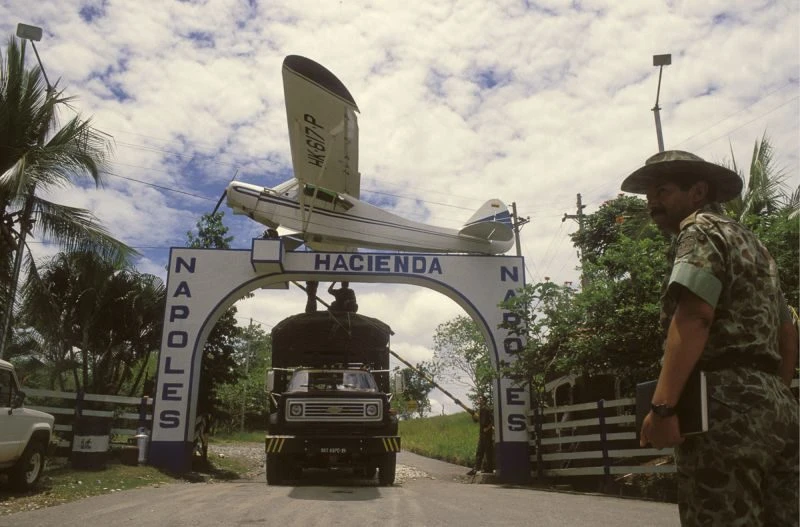
The personal zoo at the drug lord's residence, Hacienda Napoles, became one of the cocaine villain's whims. Animals were brought in from all over the world for Escobar. Giraffes and buffalo, ostriches and rhinoceroses, several species of antelope, and even an elephant roamed the vast area, in enclosures and fenced pastures. The zoo also had a separate stable for ponies, as Pablo had a particular affinity for these miniature horses. Four hippos were also brought to Hacienda Napoles. 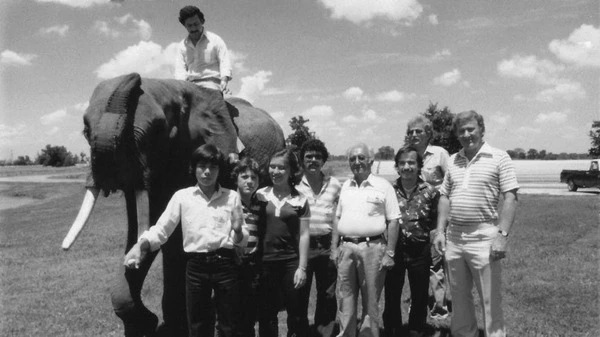
In 1993, when the drug cartel was destroyed, the animals were captured and placed in zoos and menageries across the country. It was decided not to bother with Escobar's hippos—the large and aggressive animals weren't easy to handle and weren't of much interest to exotic lovers. The animals were simply released into the jungle and promptly forgotten. 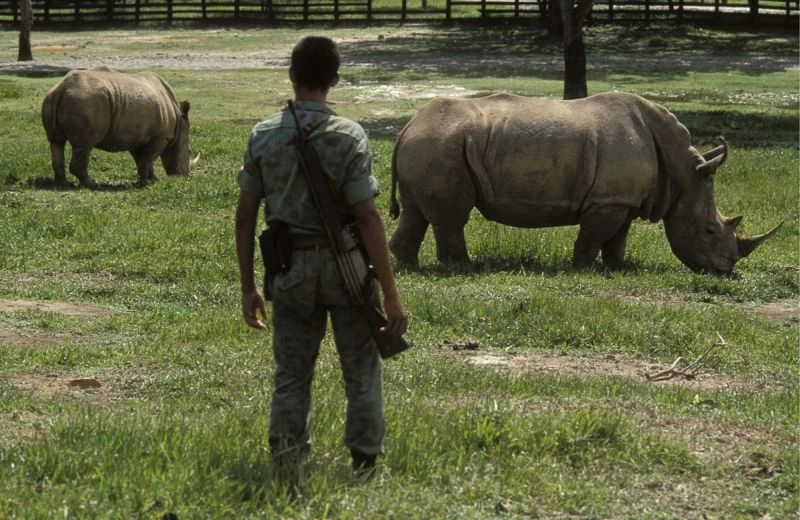
But many years passed, and the cocaine king's pets were remembered. There were no longer four hippos, but 40 to 60. The animals calmly cut through the water and land near local rivers, frightening local residents with their size and stern nature. So far, there have been no casualties, but sooner or later, disaster is inevitable. 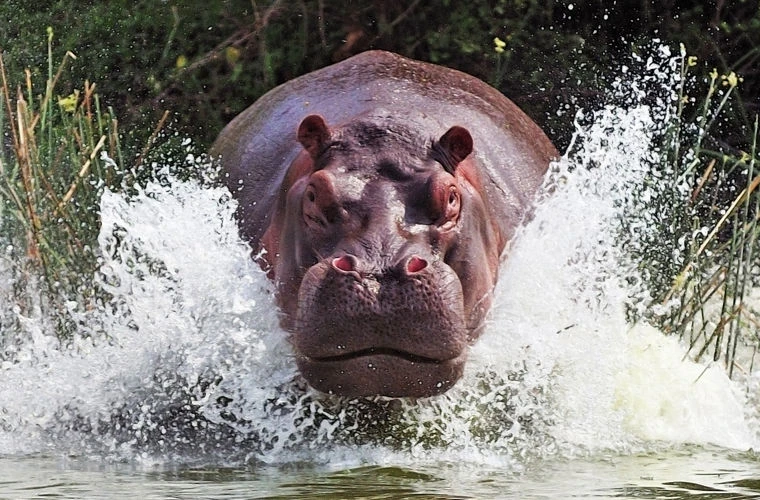
Hippos are highly aggressive, territorial animals that will not hesitate to engage in combat with any opponent. In Africa, only malaria-carrying mosquitoes can rival hippos in terms of the number of casualties among local populations. Fighting these thick-skinned aggressors is difficult—civilian firearms are practically useless against them. 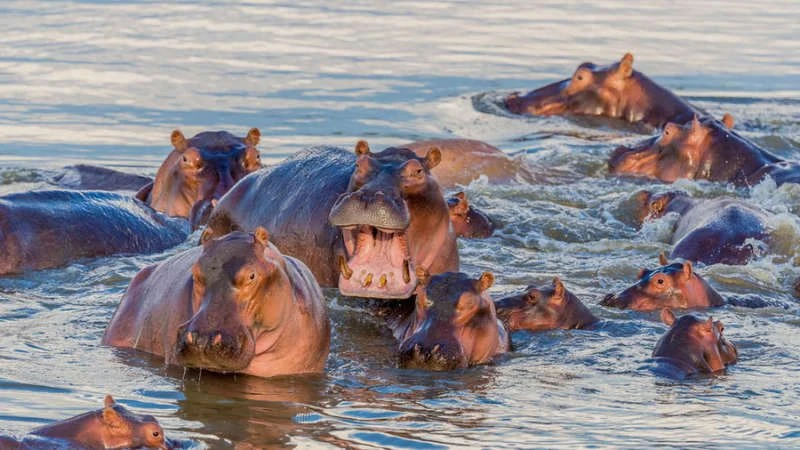
Currently, the Magdalena River floodplain is the natural habitat of Colombia's hippopotamus population. But these mammals are reproducing well, and their range is slowly but surely expanding. This unusual species in Colombia has already begun to negatively impact the ecosystem—otters and manatees have gradually begun to leave the rivers where they lived for millennia. Another problem has also arisen: the rivers are becoming shallow and overgrown with vegetation.
In scientific terms, hippos are ecosystem engineers, just like beavers. Although they don't build dams, they do alter their habitat through their lifestyle. These animals feed on the shore and defecate in the water, changing its chemical and biological composition. Fish, crustaceans, and mollusks native to Colombian rivers are simply dying out in the swampy waters, or are being replaced by other, less demanding species. 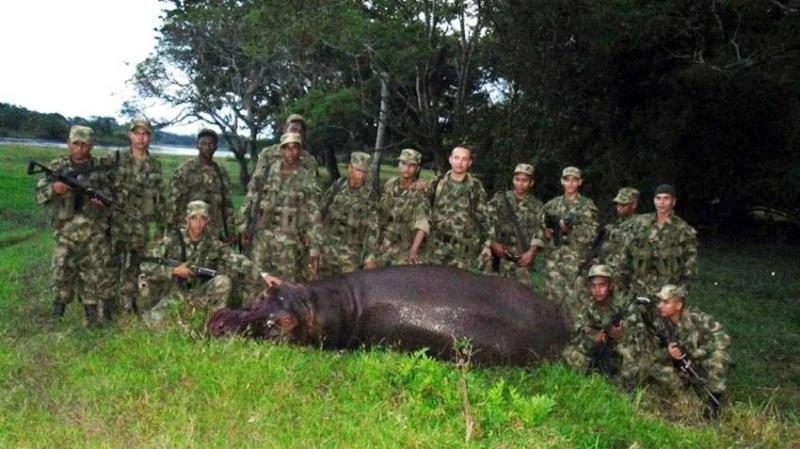
It's gotten to the point where the issue of "cocaine" hippos is being discussed at the highest levels. And then, suddenly, hippopotamus defenders have emerged. They've made compelling arguments for accepting the situation and leaving these animals alone. The fact is, about 10,000 years ago, Colombia was home to its own species of hippopotamus, whose population was later completely exterminated by humans.
Animal rights activists claim that Escobar's hippos represent a great opportunity to restore balance to the South American tropics and fill a vacant ecological niche. The country's government is not thrilled with these prospects and is seeking other solutions. 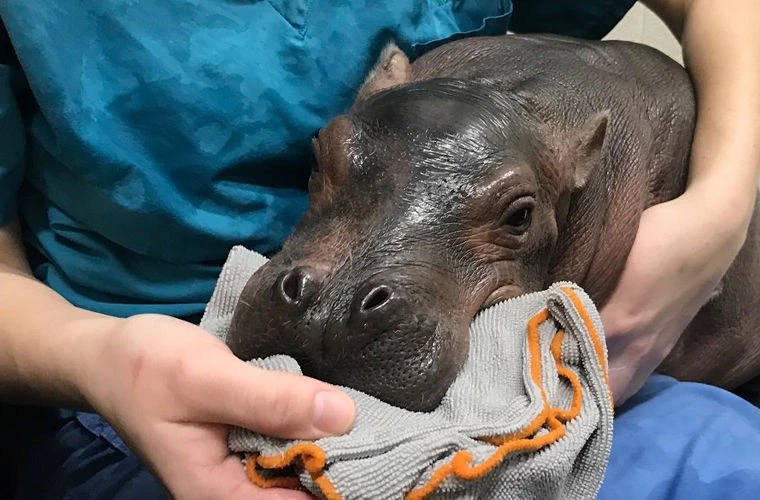
They once tried capturing hippos to sterilize them. It turns out this is no easy task. Dealing with one animal—that is, capturing it, sterilizing it, providing some care, and returning it to the wild—costs a whopping $25,000, and Colombia isn't prepared to pay that kind of expense.
However, due to the lack of natural predators and the favorable climate, the hippo population could reach 1,500 by 2040, after which their spread will become uncontrollable.
"Nobody likes the idea of shooting a hippo, but no other strategy will work," said ecologist Natalie Castelblanco-Martinez.
She explained that hippos disrupt the local ecosystem by liberally fertilizing the surrounding area, which is already causing increased phosphate and nitrogen levels in the water. These even-toed ungulates can also spread diseases and parasites that are dangerous to local wildlife and humans.