I Don't Want to Die!: Diary of a 15-Year-Old Jewish Girl Murdered in a Nazi Ghetto Found (15 photos)
The heroine of this heartbreaking story is Renia Spiegel, a 15-year-old Jewish girl from Poland. She was murdered in 1942, and her story remained unknown for a long time. But now, many years later, Renia's family has finally decided to publish her diary.
What was written in it, in the handwriting of a teenage girl, is deeply moving... See for yourself. 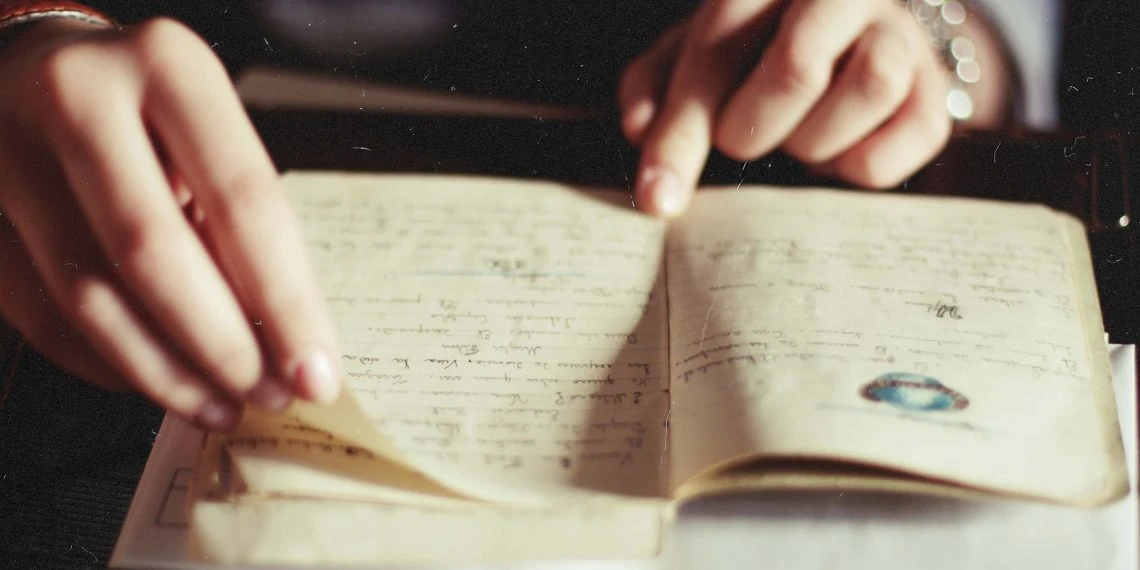
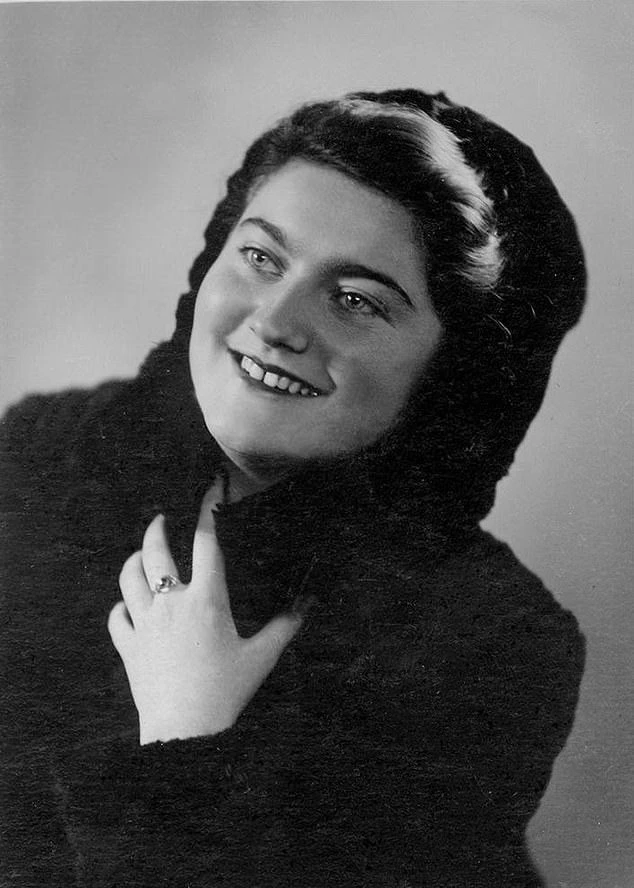
Renia Spiegel began keeping a diary in 1939, when she was 15 years old. For three years, until her death in 1942, Renia wrote in detail about her life, friends, and family, and described the horrors of the Nazi ghetto where she and her family were sent. 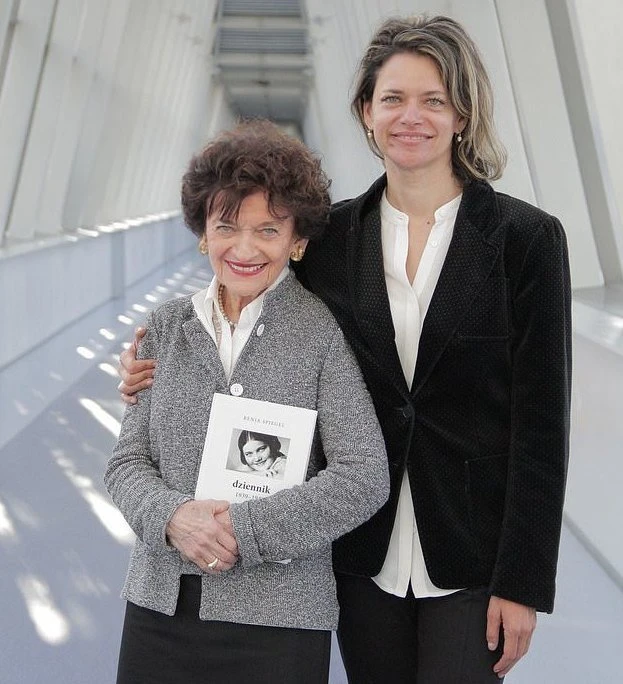
The photo shows Renia's younger sister, Ariana, and her daughter, Alexandra Bellak.
For a long time, the diary of the Jewish woman murdered in the ghetto was kept by her relatives. Ariana and her mother were hesitant to read Renia's notes, so the notebook lay untouched in the family archives for a long time. 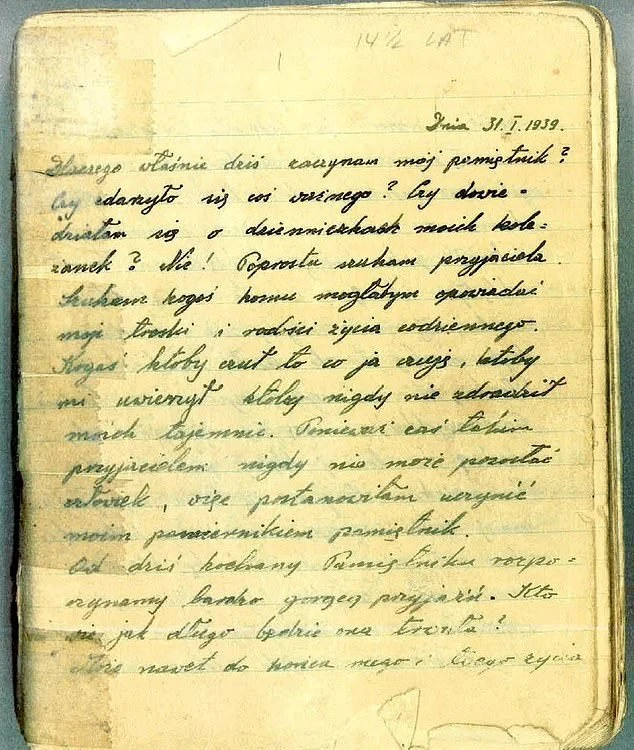
Renia's diary contains 700 pages in total. In 2018, the family of the deceased girl translated her entries into English and published them as a book depicting the horrors of the Holocaust.
The diary caused a sensation among readers. It allows readers to see the horrors of war through the eyes of an ordinary teenager who, by fate, found herself at the center of that nightmare. Renia's story has already been compared to the diary of Anne Frank. 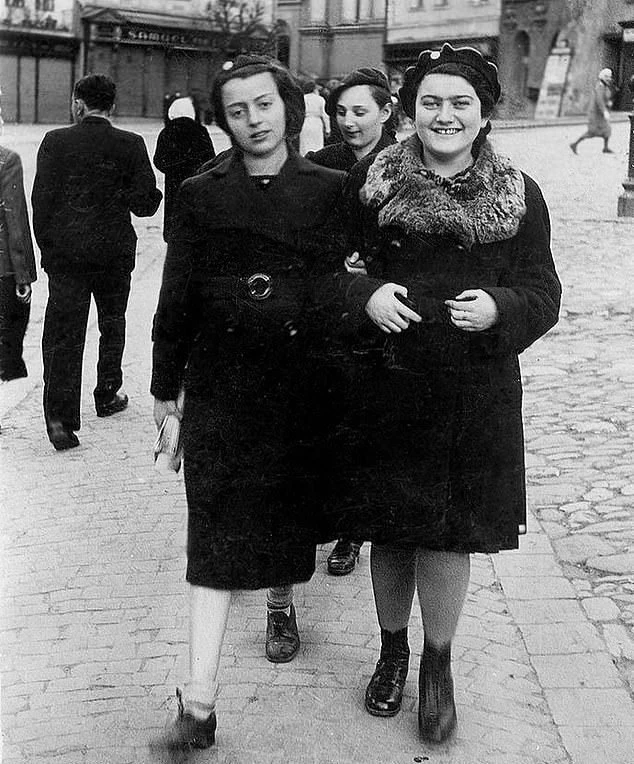
Ariana and Renia Szpigel lived with their parents in Skole, Poland (later Ukraine). Shortly before the outbreak of World War II, she moved to Przemysl, in the south of the country, to live with her grandparents. Her mother and Ariana remained in Warsaw.
Soon, the Nazis occupied Lviv and Przemysl. Jews were forced to wear special armbands, and rumors spread that a ghetto would be established. Pogroms began. Renia, her family, and 20,000 other Jews were resettled in the ghetto, and the Nazis forbade all contact with the outside world. 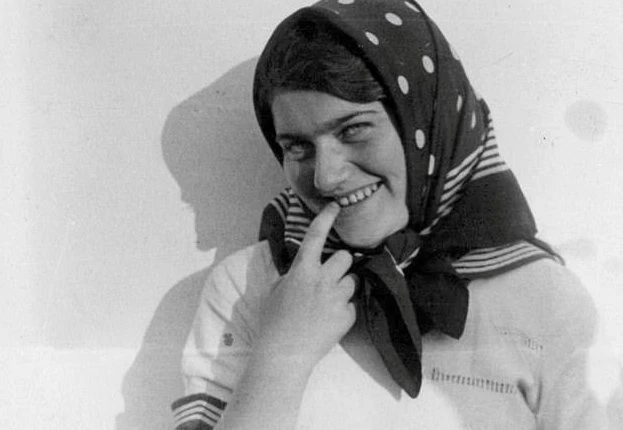
In her diary, Renia describes the nightmarish months in the ghetto, but she also had happy moments, such as evenings with her beloved Zygmunt. 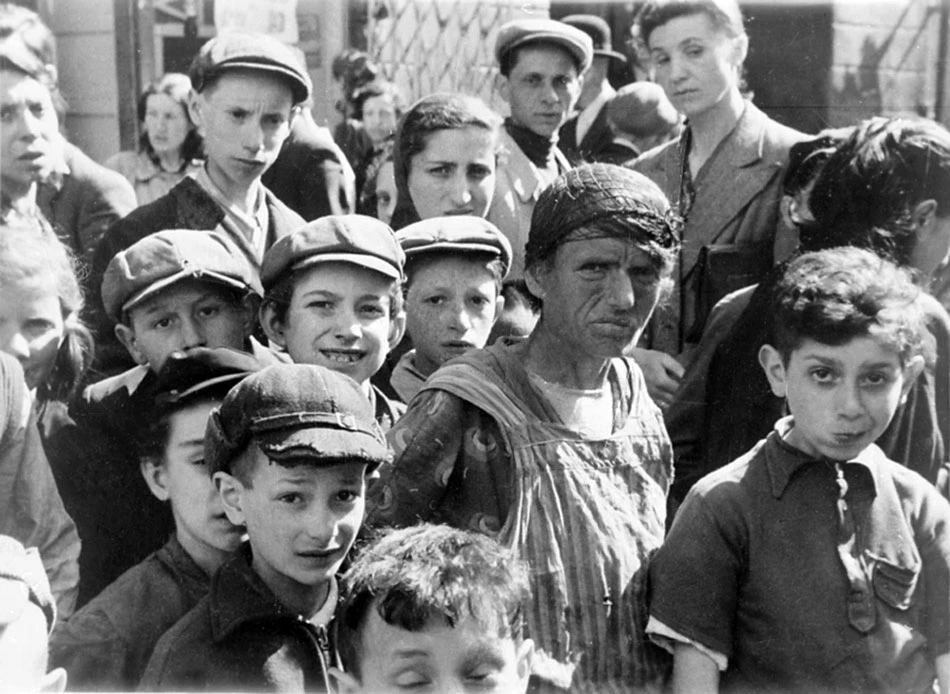
A group of Jews in the Warsaw Ghetto
In 1942, the difficult but peaceful life ended. The Nazis issued an ultimatum to the ghetto residents, demanding payment "for providing protection." Those who refused to pay were sent to concentration camps.
In her diary entries, Renia talks about her pre-war dream of becoming an actress, her fear of being sent to a camp, the occupation, and her own fear of death. The diary also records that Renia met a boy, Sigmund S., who became her first and only love. It is thanks to him that the girl's diary has been preserved. 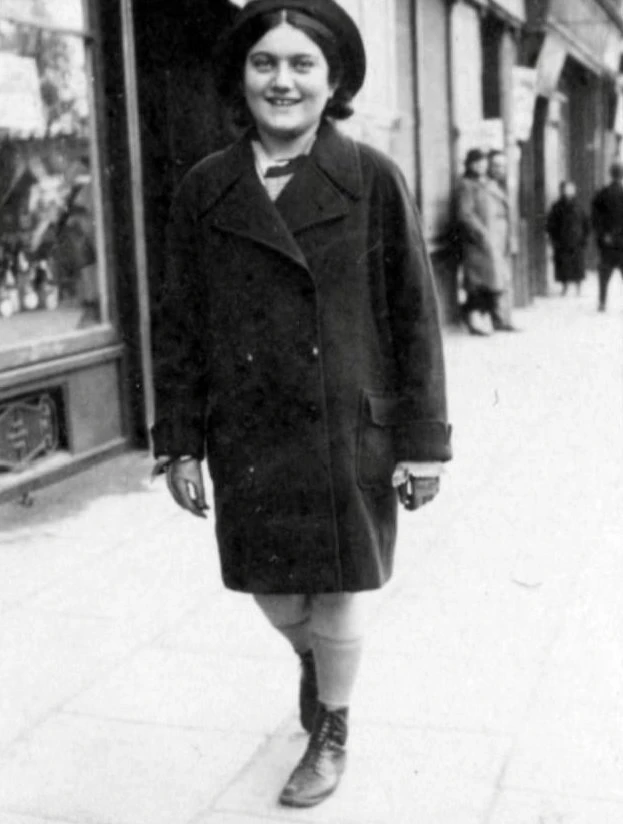
The first entry in the diary is from January 1939, when Renia turned 15, and the last is dated July 30, 1942, the day she was killed. 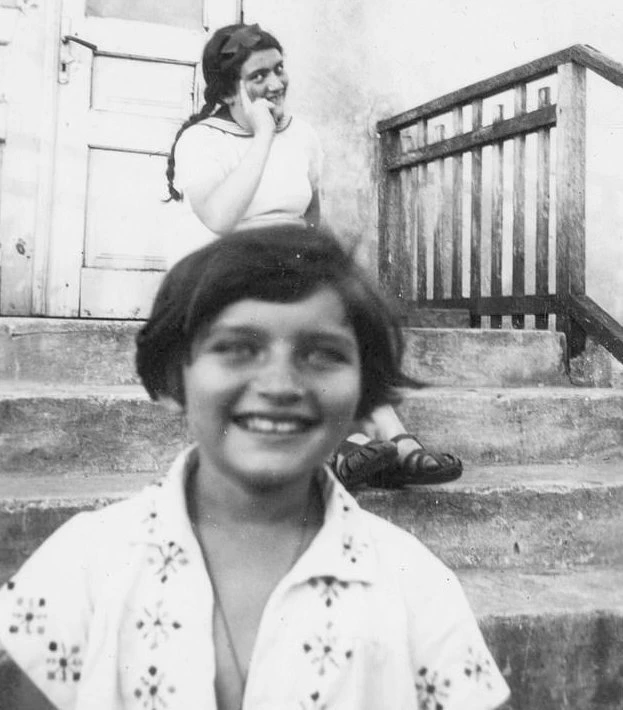
"Wherever you look, there's blood," Renia wrote on June 7, 1942, two months before her death. "Terrible pogroms. Constant murders. Almighty God, I beg you again: help us, save us! Lord, let us live, I beg you, I so want to live! I've known so little in this life. I don't want to die; death terrifies me. It's all so stupid, so petty and insignificant. Today I'm worried about being ugly; tomorrow, it's quite possible, I won't have to worry at all." 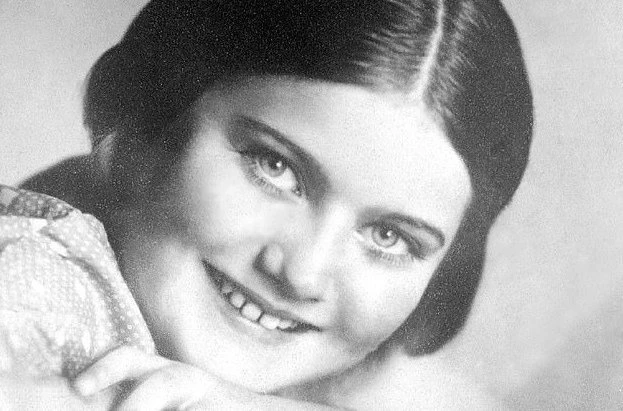
In her diaries, Renia devotes much attention to her affair with Sigmund. Their feelings gradually unfold, and they grow closer, despite all the horrors of wartime.
On June 20, 1941, the young girl described their first kiss. Later, the following note appeared in her diary:
"I love his green eyes. Today we kissed for the second time. It was so wonderful," writes Renia. "But, you know, there was nothing wild or unbridled about this feeling. Everything was very tender, cautious, almost fearful—as if we were afraid to kill the feelings that were between us." 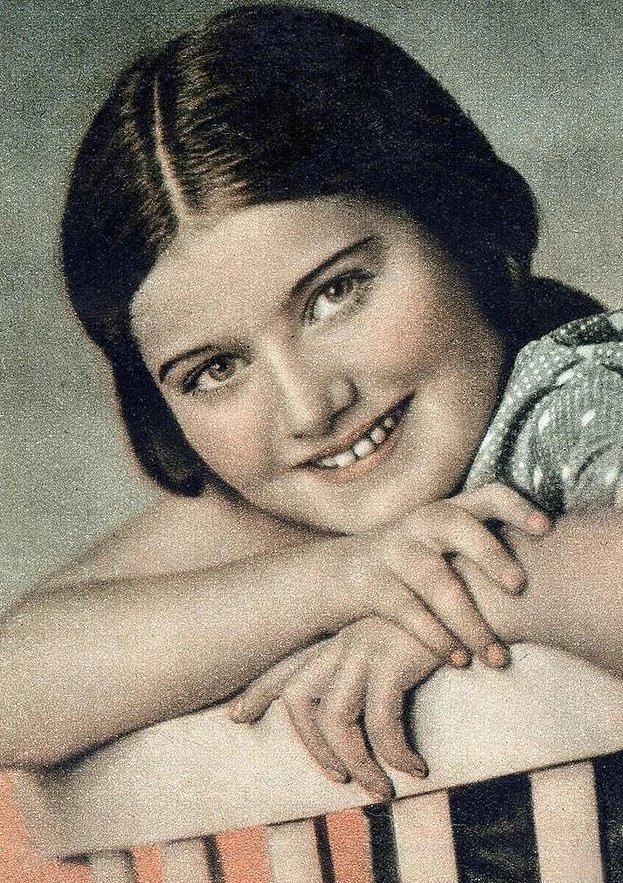
A few days later, the following entry appeared in the diary:
"I can't write. I have no strength, I'm scared. It's war again, a war between the USSR and Germany. The Germans were here, but then they left. We spent several terrible days in the basement. God, please give me my mother back, protect everyone who remains here and those who left this morning. Save us, save Sigmund." 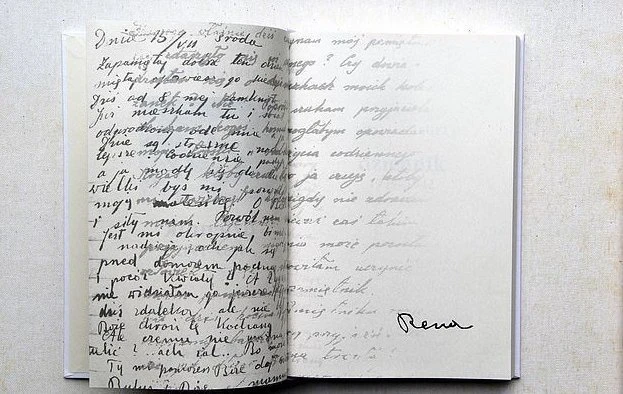
The last entry in Renia's diary is in Sigmund's handwriting. He tried to get his parents and beloved out of the city, but the fugitives were caught. On July 30, 1942, he writes the following:
"Three shots. Three ruined lives." It happened yesterday, at half past 11. Fate has taken away those closest to me; I have no reason to live anymore. In my ears—only gunshots, gunshots, gunshots... My beloved Renusia, your diary is finished." 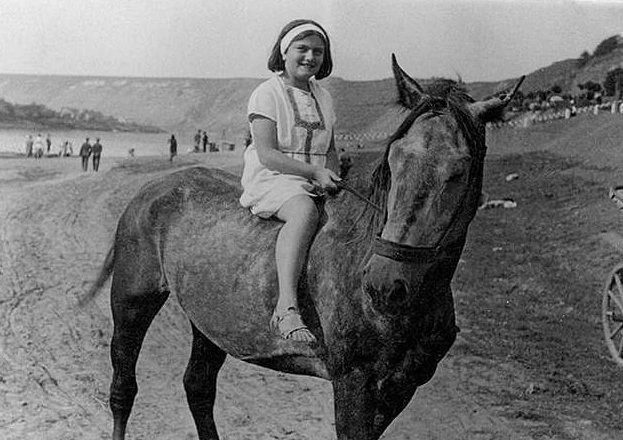
However, Sigmund survived. He survived the horror of Auschwitz and ended up in Dr. Mengele's program. After the war, he flew to New York, where he began a new life.
Renia's mother, Rosa, and her sister, Ariana, also survived that nightmare. Despite converting to Catholicism and living under assumed names, Sigmund managed to find them in the 1950s. He gave them Renia's diary, but the women couldn't find the strength to open it and read it. 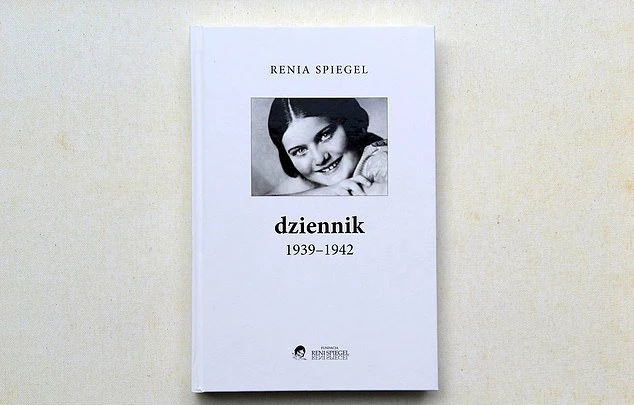
Until 2012, it lay untouched in a bank vault. This continued until Ariana's daughter, Alexandra, became obsessed with the idea of publishing Renia's notes. She gave the diary to a Polish student for translation. He completed his work in 2014, and the notes were published in 2016. A film was then made based on the girl's notes, and a plot for a theatrical production was written. 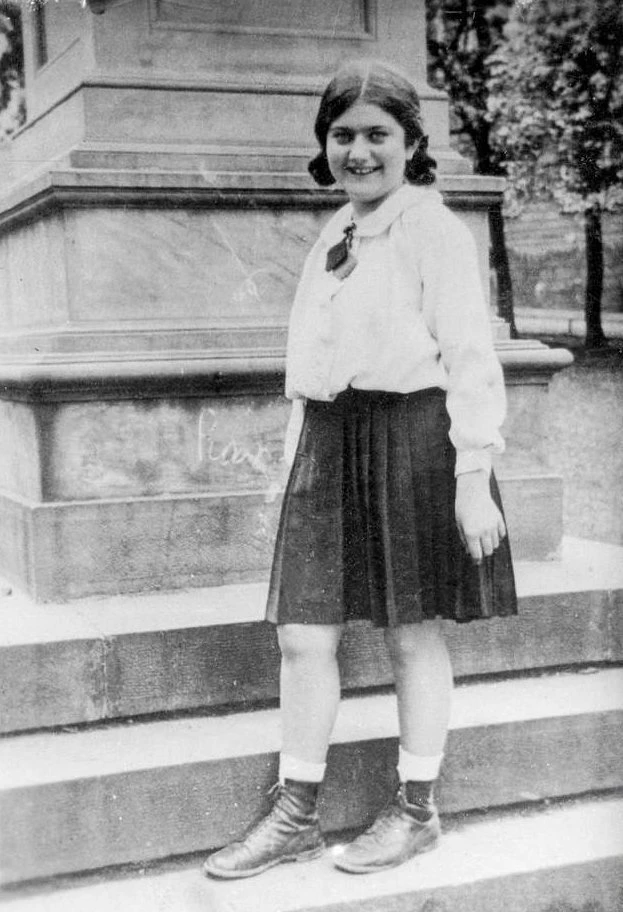
Renia's diary was recently published in English translation for the first time. In the foreword, Robin Shulman writes the following:
"These entries can be compared to the diary of Anne Frank. Renia was a little older, more educated, and often wrote poetry. However, the girl lived a recluse even among her own people. This diary is a reminder that every Holocaust victim was an individual. Now, as those horrific events recede into history, and even the youngest victims have aged, Renia's voice is especially powerfully reminiscent of the past. It's as if it were a living report of those events."