In spring and summer, fields and forests offer more than just lush greenery and birdsong. Dangerous "friends"—ticks—lurk in the grass and branches. Their bites can cause encephalitis or Lyme disease, so it's important to know how to protect yourself from these common arthropods in our climate. We've prepared 7 truly effective tips to help protect yourself from tick bites. 
1. Choose the Right Clothes 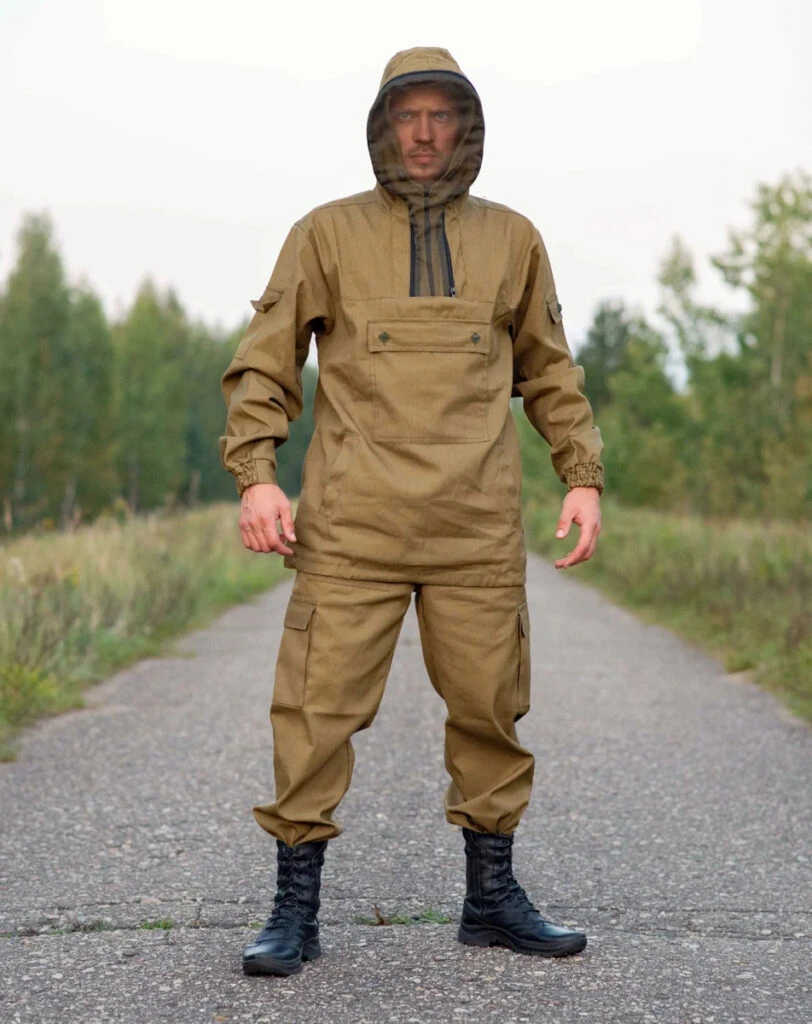
The best protection against ticks is special anti-encephalitis suits. But unless you're a geologist or a taiga hunter, you're unlikely to have such clothing in your wardrobe. Therefore, you'll have to adapt your existing clothing for the outdoors. Tuck your trousers into your boots or shoes, and tuck your sweater or shirt into your trousers. A great option is clothing with elastic bands at the wrists and ankles. These cuffs will prevent ticks from reaching the body.
2. White or solid color 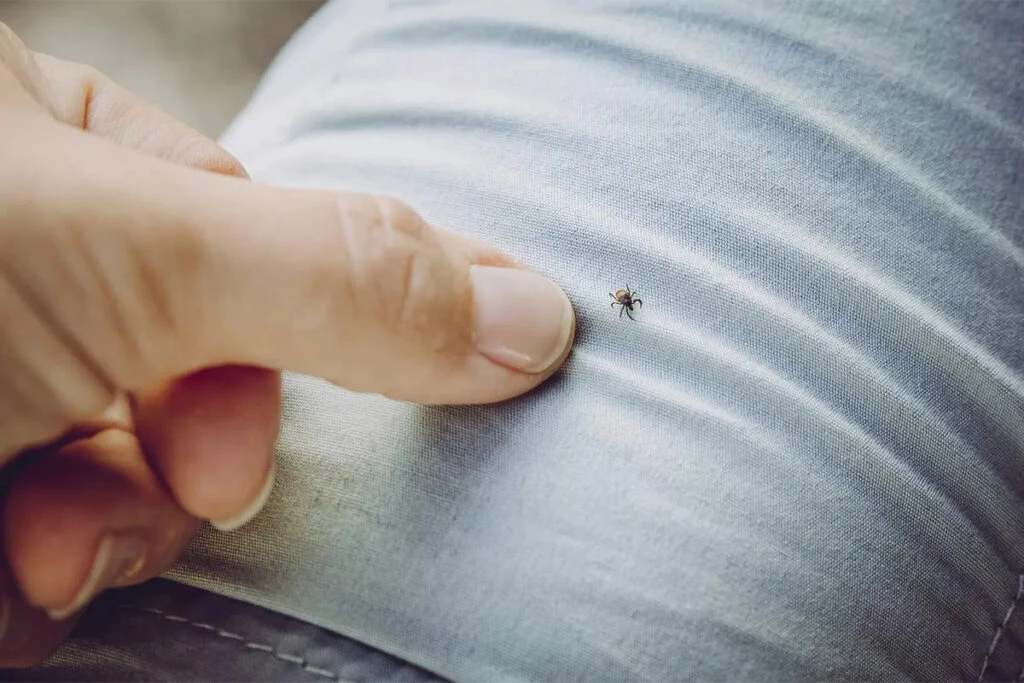
It's best to choose white clothing for hiking, or at least a light, solid color. This is because ticks are much more visible on light-colored clothing. They can be spotted and removed quickly, preventing them from getting under your clothing and causing a bite.
3. Head Protection 
Ticks can target any unprotected area. This includes the scalp under the hair. Therefore, in the spring, it's best to wear a hat or jacket with a hood when going into the woods. In the summer, a cap or scarf can help protect you by tucking your hair under it. A voluminous hairstyle or long, flowing locks of hair increases the risk of becoming a tick victim.
4. Special Products 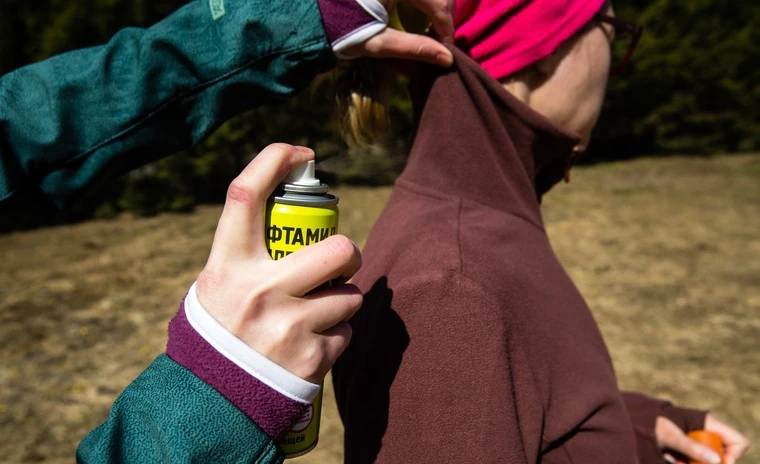
Experts recommend treating clothing with special chemicals that protect against insects and ticks. These are insecticidal and acaricide repellents that can be purchased at pharmacies and camping equipment stores.
5. Inspecting Clothing and Body 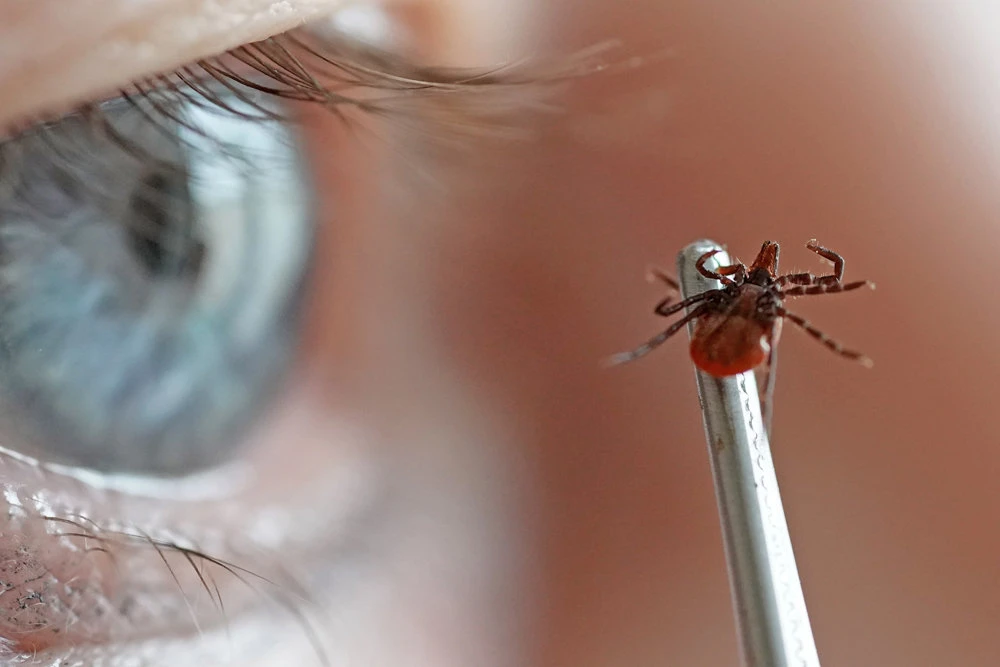
To reduce the likelihood of being bitten, it is recommended to regularly inspect your clothing while outdoors. Although it may not sound tempting, it is best to do such inspections every 10-15 minutes. It is also essential to thoroughly inspect your clothing and body after returning home.
6. Choosing a Campsite 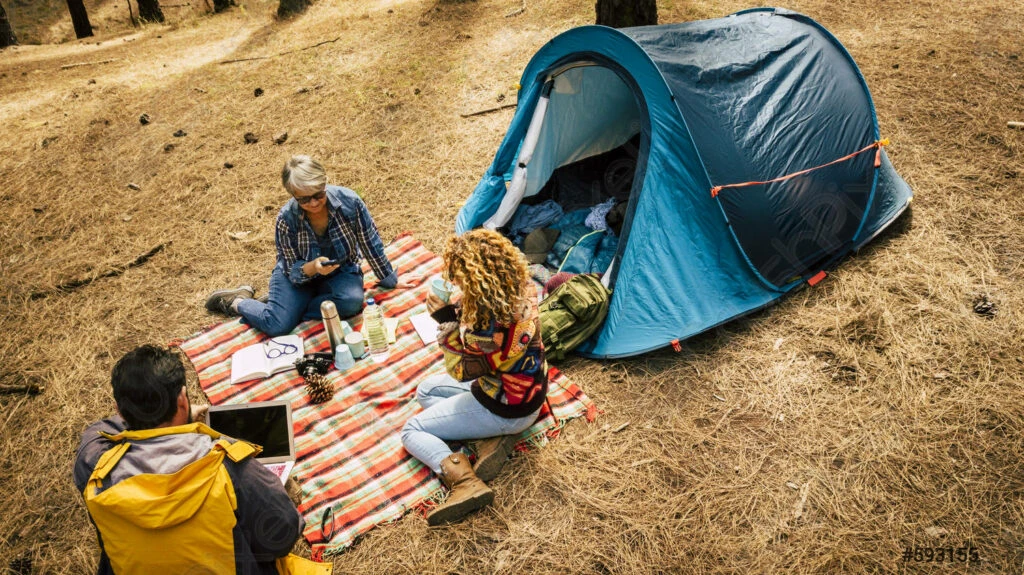
Experienced hikers recommend choosing pine forests growing on sandy soils for campsites and tents. These areas have little grass, which could carry ticks. However, even in this case, it's important to remain vigilant and follow all the rules listed here.
7. Vaccination 
The most effective way to protect yourself from the consequences of a tick bite is vaccination. Vaccination will not protect you from the bite, but it will prevent the development of diseases that can cause serious harm to your health and even death.
Add your comment
You might be interested in:
















Persistence in achieving a goal

A biker prevented a hit-and-run driver from escaping

Not everyone is having fun on the amusement ride

The cutest lunch delivery ever

Stunning Views of the Martian Horizon from 400 Kilometers

A book titled "A Guide to Rebuilding

Young women, Dancing and George Michael: nothing superfluous

An apology delivered with a running start

A steam locomotive for "big boys"
