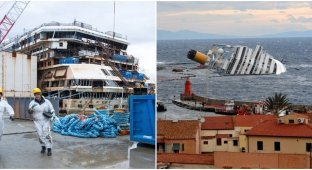
Get back on board, f*ck!: How a cowardly captain drowned 32 people and became the shame of Italy (16 photos)
A voice comes over the night airwaves. One is a coast guard officer. The voice is cold and collected. The other is the captain of a huge liner. He mumbles something about darkness. "Get back on board, damn it!" (Vada a bordo, cazzo!)—this phrase from De Falco will be printed on T-shirts all over Italy in a few days. Meanwhile, it's the night of January 14, 2012. The Costa Concordia, the largest passenger liner in the history of shipwrecks, is sinking off the coast of Giglio Island. There were still people on board. But the captain was gone. This is the whole story: from the fateful maneuver to the prison cell where Francesco Schettino still sits. 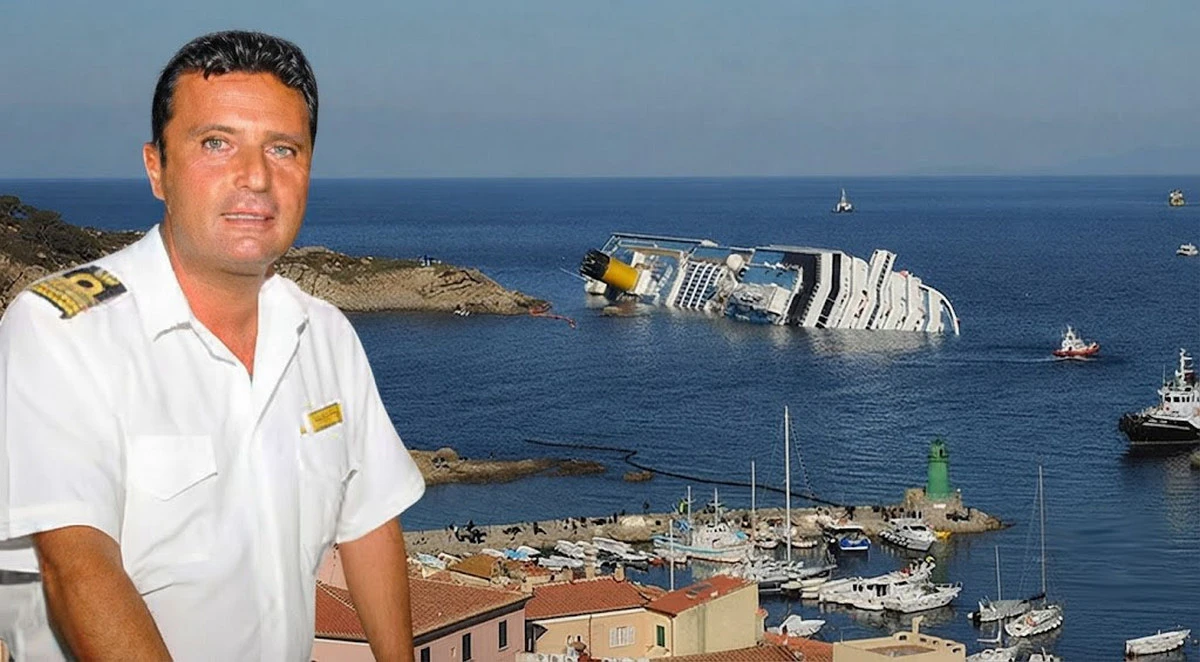
"Inchino": A Risky Tradition
On January 13, 2012, the Costa Concordia departed from the port of Civitavecchia. It was the beginning of a seven-day Mediterranean cruise. There were 4,229 people on board: 3,206 passengers and 1,023 crew members. The ship was commanded by 51-year-old Captain Francesco Schettino. He took command of the Concordia immediately after her launch in 2006. 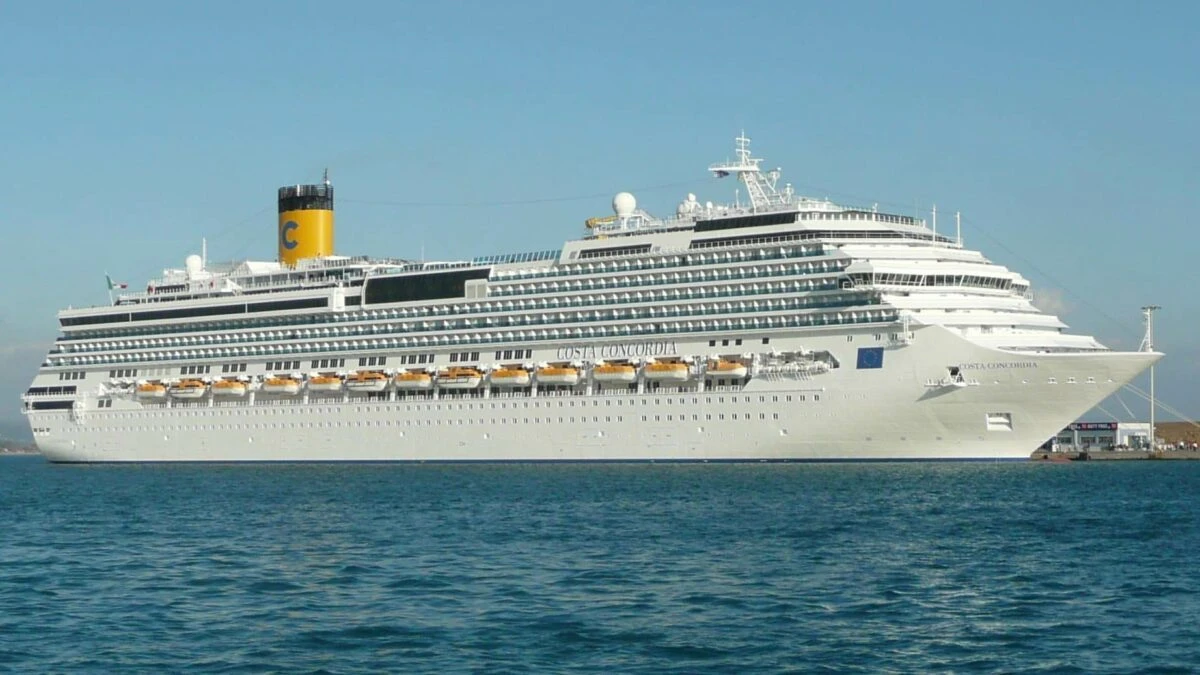
The Costa Concordia was the first and largest ship in its class.
Late in the evening, Schettino decided to perform an "incino." This is the Italian slang for a ceremonial passage of a ship just offshore—a sort of naval bow. The tradition was unofficial. Captains performed it to greet island residents or to show passengers a beautiful view of the coast. Schettino himself had performed something similar before, including at Giglio. Each time, the maneuver had been carried out without consequences.
This time, the reason was a request from the ship's maitre d', Antonello Tievoli. He was from the island and wanted to see his home from the deck. Before approaching the shore, Schettino called his mentor, former captain Mario Palombo. It was Palombo who had once initiated the tradition of such passes at Giglio. He advised limiting himself to a horn blast from a safe distance. Schettino took a different approach.
Dancer on the Bridge
At the time of the maneuver, the regular crew wasn't the only ones on the bridge. Standing next to Schettino was 25-year-old Moldovan dancer Domnica Cemoritan. She had boarded without a ticket. Later, in court, under threat of contempt of court charges, she confessed that she and the captain had been lovers. 
The Concordia's normal route off Giglio was 8 kilometers from shore. That night, Schettino brought the ship to a distance of about 300 meters.
The presence of strangers on the bridge distracted the captain from steering. The ship was traveling at 16 knots—too fast for such a maneuver. Schettino himself navigated not by a current large-scale nautical chart, but by his own memory of his own experience. At 9:45 PM local time, the ship's port side struck the Le Scole ridge. The official investigation determined the exact length of the hole: 53 meters. It tore through the hull in several watertight compartments. The flooding paralyzed the generators. The ship immediately lost power and was unable to move.
Hour of Lies
After the impact, Schettino did not issue a distress signal. Instead, passengers were told over the public address system that there had been a generator failure, a minor technical issue. People in the restaurants continued to dine. Some even joked about the ship being slightly rocked. 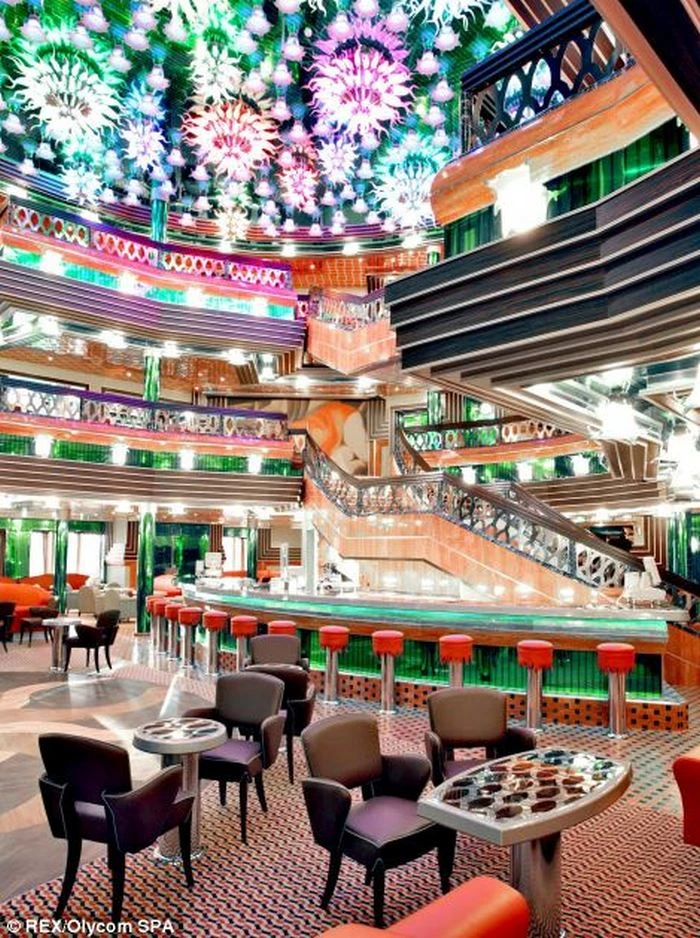
Dinner in the liner's restaurants continued long after the collision with the rock.
Meanwhile, the lower decks were rapidly filling with water. Passengers trusted the captain and did not rush to the assembly points. This delay cost precious minutes: the ship was still listing more or less evenly, and an orderly evacuation could have taken place. Schettino only sounded the general alarm about an hour after the collision, when the list had already reached a critical point. 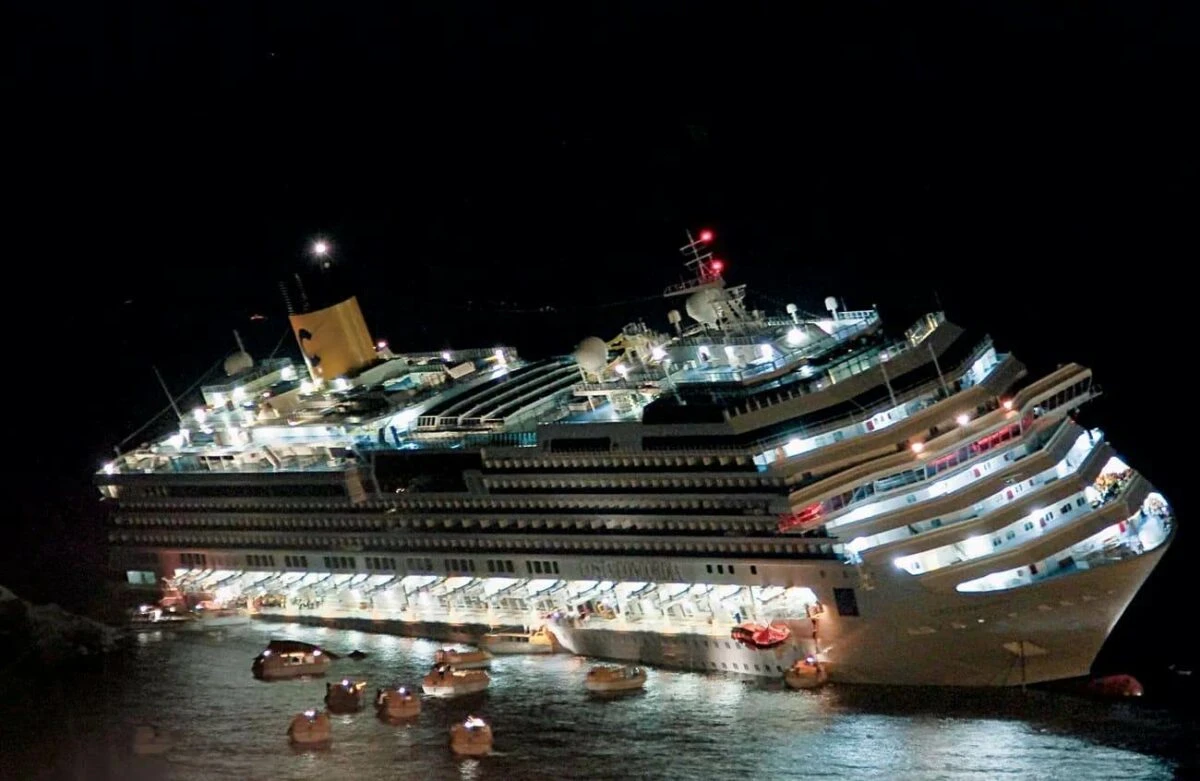
By the time the evacuation was announced, the ship's corridors had become sloping tunnels.
By this time, the list had exceeded 20 degrees and was continuing to increase. It would later reach 70-80 degrees. People scrambled in the darkness along the tilted corridors, clinging to handrails and walls that suddenly became the floor. Witnesses recalled screams and a crush near the lifeboats. There were no clear commands from the crew: no one was prepared for such an outcome.
The captain goes first
The Italian Maritime Code, like international maritime practice, requires one thing: the captain remains on board until the last passenger has been evacuated. According to the investigation, Schettino abandoned the ship by 11:30 PM. Less than two hours had passed since the impact. Hundreds of people were still on board. 
The ship listed onto its starboard side, making the evacuation extremely difficult.
During interrogation, the captain changed his version of what happened. He claimed to have fallen into the lifeboat when the ship suddenly listed. Another time, he said he directed the rescue from the shore. None of the versions explained the main thing: why he didn't return to the sinking ship, where about 300 people still remained. They were later rescued by helicopters and boats. 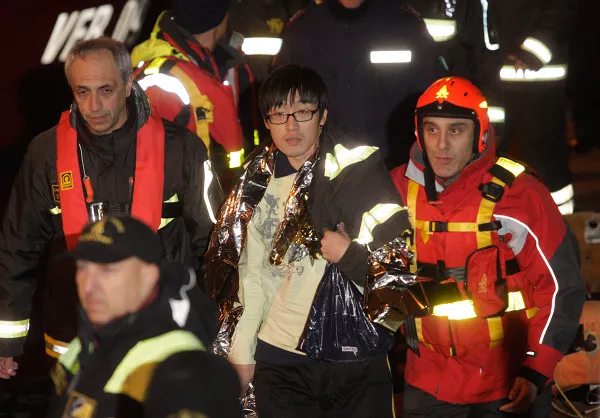
The rescue operation off the Costa Concordia lasted several hours.
At 12:32 AM, and then at 12:42 AM, the captain contacted the Livorno coast guard. He reported that he was in the starboard lifeboat with other officers. Formally, this meant he had already relinquished command of the ship. The evacuation was not yet complete. Some people continued to search for a way out in the darkness and chaos.
"Get back on board, damn it!"
At 1:46 a.m., Schettino called Gregorio De Falco, head of the Livorno Coast Guard's operations section. Judging by the conversation, De Falco didn't yet fully grasp the scale of what was happening. The liner was lying on its side, partially submerged. And the captain was not on board, but in a lifeboat offshore. 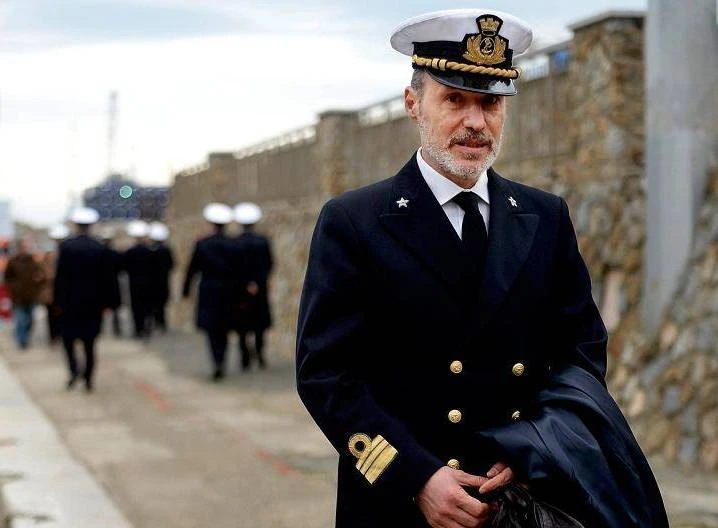
Gregorio De Falco coordinated the rescue operation from Livorno.
De Falco ordered the captain to board via the ladder. Then report how many people were still inside—including children, women, and those in need of help. Schettino stalled. He claimed that another lifeboat was stuck, that he needed to wait for other rescuers, that it was dark and impossible to see. De Falco responded to each excuse with a new demand: return to the ship immediately and coordinate the rescue of people from there, not from the water.
The conversation lasted several minutes and became extremely heated. The coast guard officer bluntly told the captain that he would ruin his reputation and answer for what had happened. The climax was the phrase that became symbolic of the entire tragedy: "Vada a bordo, cazzo!"—"Get back on board, damn it!"
How the whole world heard this phrase
The conversations between Schettino and the coast guard were recorded as usual, like all official communications of this kind. A few days after the sinking, the audio recording fell into the hands of a journalist from the Florence edition of Corriere della Sera. The editors published it publicly. This occurred around January 16-17, 2012. 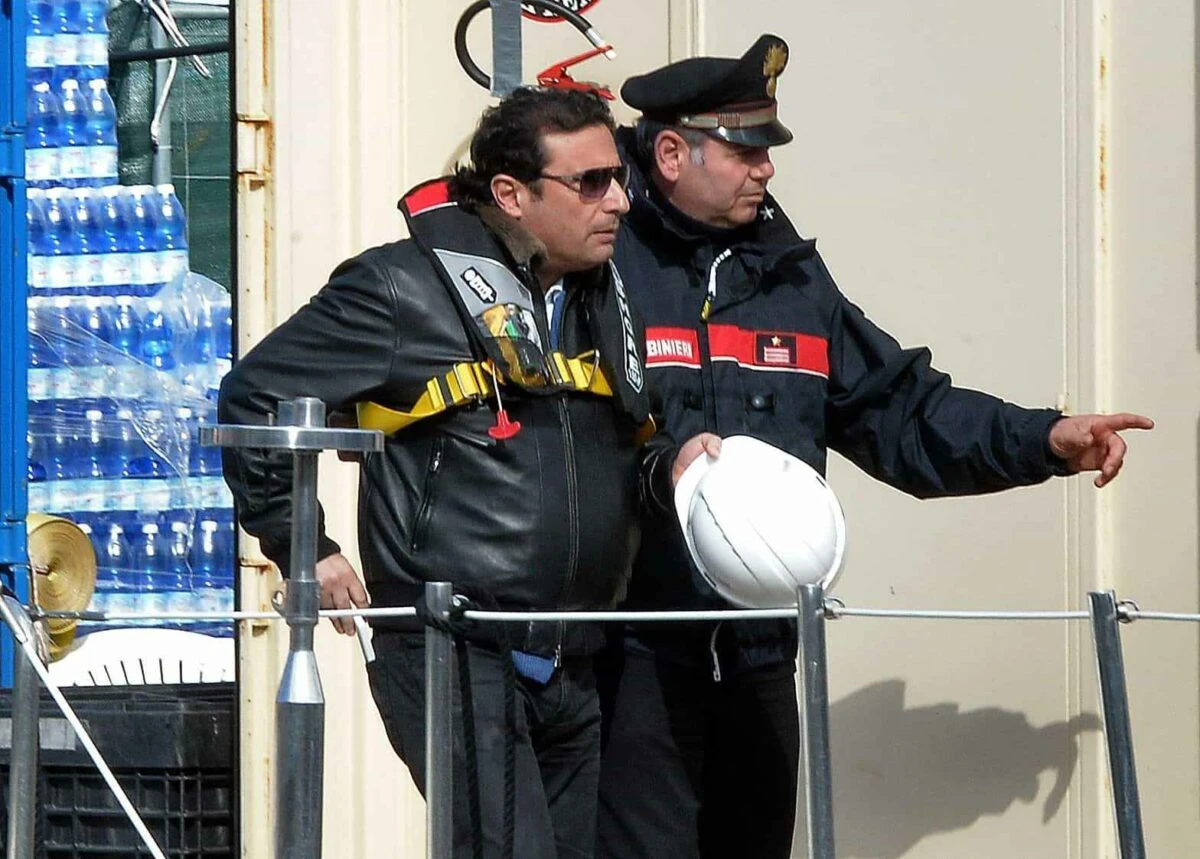
Schettino returned to the sunken liner as part of the investigation, weeks later.
De Falco repeated the word "cazzo" several times in conversation. In Italian, it has long ceased to be a mere swear word. In colloquial speech, it serves as an emotional intensifier—like "damn it" or a cruder version. Linguists noted another detail: throughout the entire conversation, de Falco addressed Schettino as "you" (lei). This is a formal, polite form, required by military protocol between a senior and a junior officer. This formal politeness, combined with fierce commands, created an effect that many Italians perceived as the highest form of professional contempt.
Two Captains
Italian society was tired of endless corruption scandals. In this recording, they saw an unexpected image of decency. Corriere della Sera columnist Aldo Grasso called Schettino and de Falco "the two souls of Italy." One was a lost coward running from his duty. The other was a man who instantly recognized the gravity of the situation and reminded the first of his responsibilities. 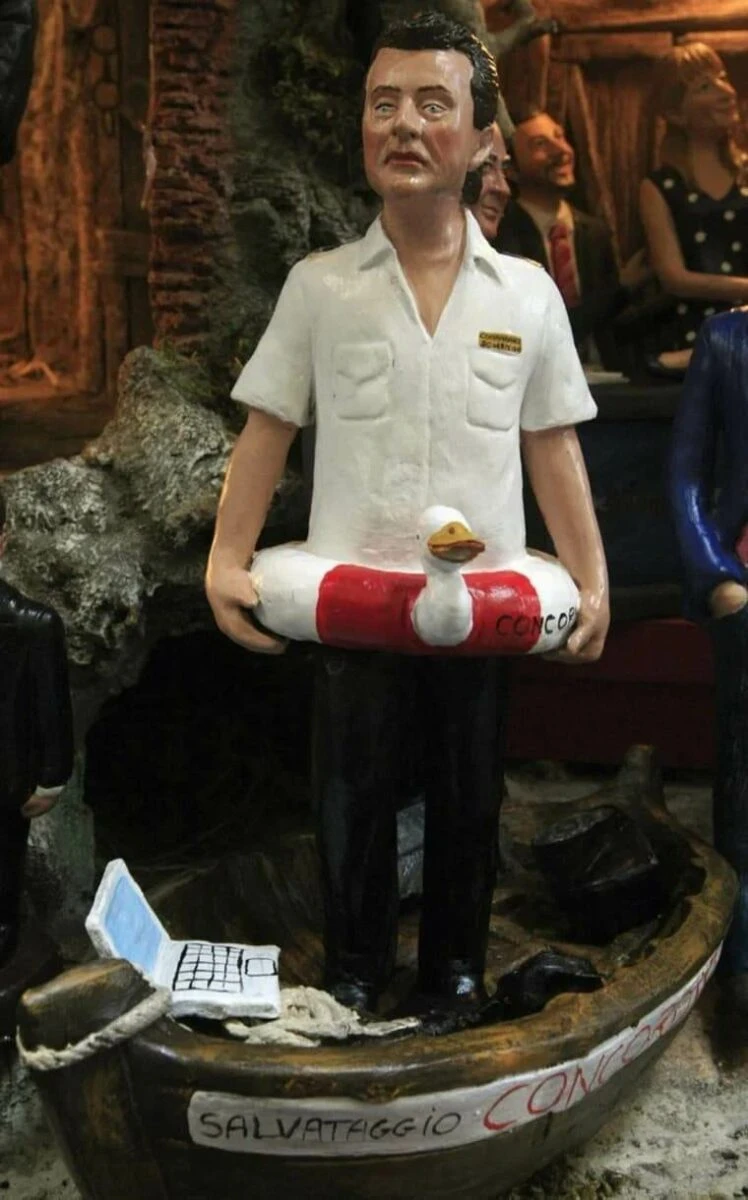
The image of the cowardly captain quickly became a souvenir and meme.
The phrase "Vada a bordo, cazzo!" became a national meme in a matter of hours. It was printed on T-shirts, turned into hashtags, and featured in songs and cartoons. De Falco, previously an ordinary coastguard officer, suddenly became a national hero. In September of that year, Lloyd's of London presented the Costa Concordia crew, including De Falco, with the "Seafarers of the Year" award for their behavior during the disaster. 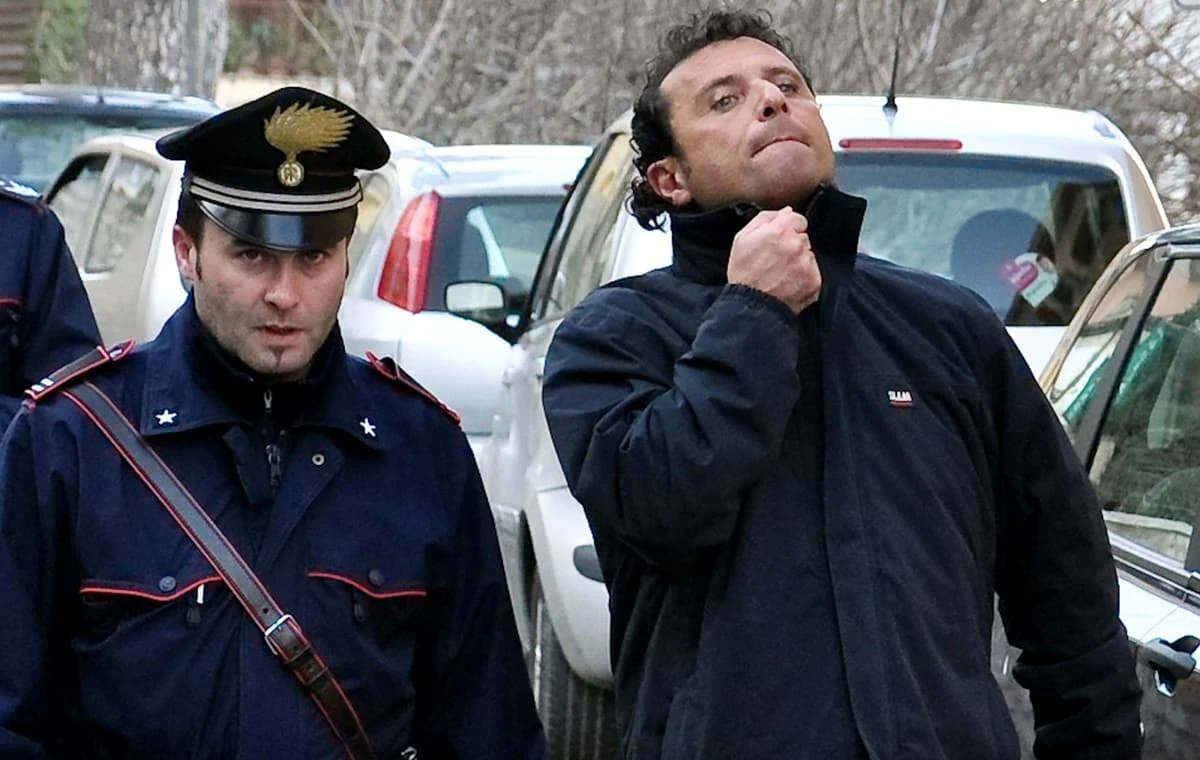
The press dubbed Schettino "Captain Coward" and "Captain Disaster"
Schettino became an object of universal scorn. He was nicknamed Captain Coward and Captain Calamity. The tabloid press dubbed him "the most hated man in Italy." The contrast between the two captains became a metaphor for the choice many Italians regularly face as a whole: personal comfort versus public duty.
A Three-Year Trial
The trial against Schettino began in 2013. It lasted 19 months. The prosecution had sought a 26-year sentence for the captain. Five of his subordinates—including first mate Ciro Ambrosio and helmsman Jacob Rusli Bean—had previously pleaded guilty in plea bargains. They received sentences ranging from 18 months to less than 3 years in prison. 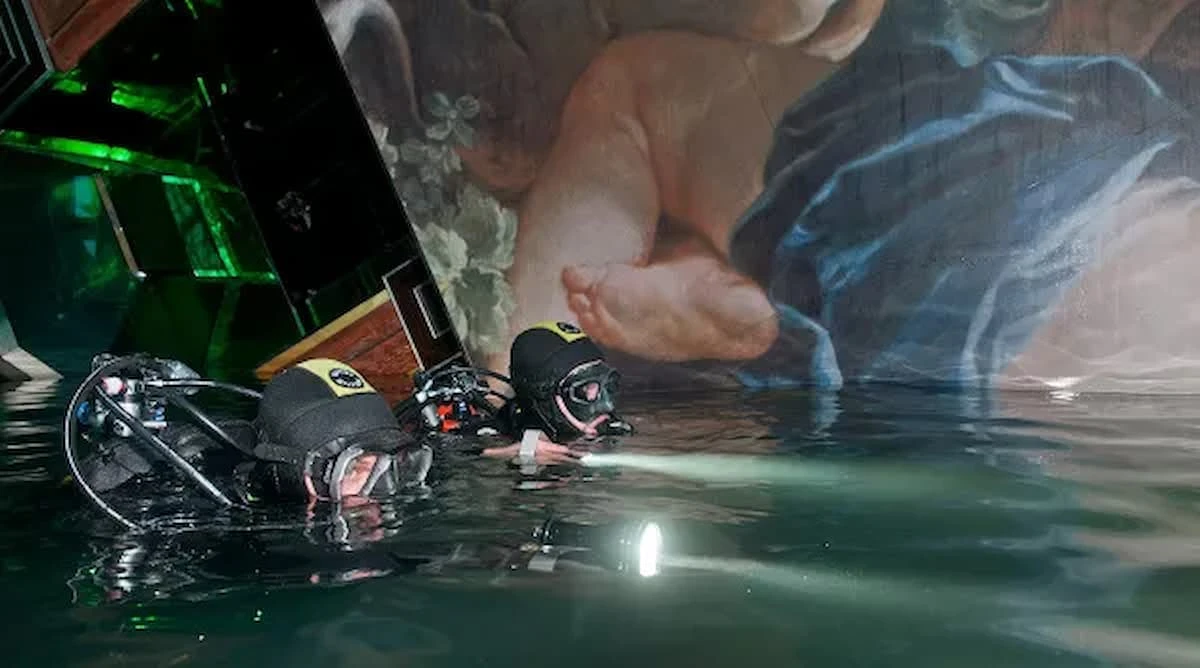
The search and rescue operation continued for several weeks after the sinking.
Schettino himself denied any wrongdoing. He blamed the helmsman for incorrectly following orders due to his poor knowledge of Italian. He cited faulty generators. He claimed the rock was missing from the nautical charts. The captain repeatedly cried during the hearings. He called himself a "scapegoat" and claimed to have spent three years in a "media slaughterhouse." 
The trial was held in a converted theater in Grosseto due to the overwhelming media interest.
On February 11, 2015, the Grosseto court found Schettino guilty on all key charges. He received a sentence of 16 years and one month in prison: 10 years for manslaughter, five years for causing the shipwreck, and one year for abandoning ship. In May 2016, the Florence Court of Appeals upheld the sentence. On May 12, 2017, the Italian Supreme Court issued its final decision. That same day, Schettino surrendered to authorities and was sent to Rebibbia Prison in Rome, where he remains to this day.
Attempt at Freedom
In January 2025, almost 10 years after his conviction, Schettino's lawyers filed a petition with a Rome court. They asked for the captain to be transferred to a regime of "semi-freedom." Under Italian law, this is possible after serving at least half of his sentence and with good behavior. By that time, 64-year-old Schettino was already receiving 45 days of vacation per year. He was working on digitizing court archives, including the case file on the murder of politician Aldo Moro. 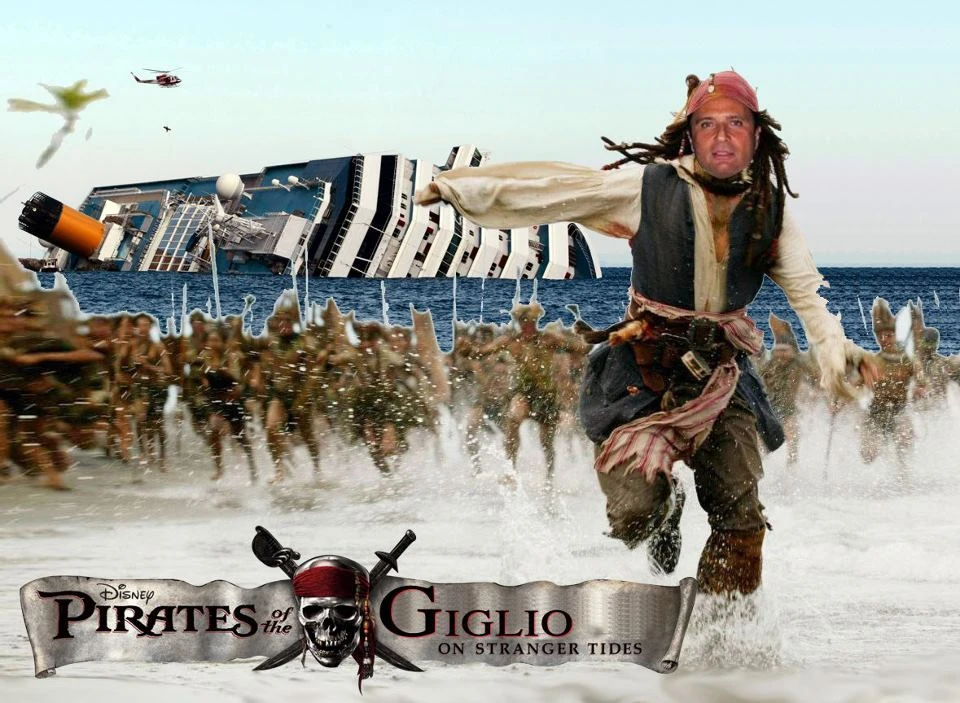
Captain Schettino became the subject of numerous memes.
The petition hearing was scheduled for March 4, 2025. The news sparked outrage among the families of the victims. But on April 8, 2025, before a hearing of the Rome Supervisory Court, Schettino withdrew his application. According to his lawyer, the reason was simple: the job offer outside of prison did not meet his requirements. He could reapply if suitable conditions arose.
For the relatives of the victims, even the very attempt at freedom was a painful reminder. One of the survivors, commenting to the press, noted that regardless of the court's decision, the burden of the tragedy would remain with the former captain for the rest of his life. She called it the most severe punishment possible.
Consequences of the Disaster
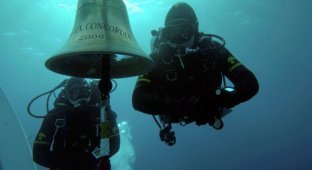
The lifting and removal of the Costa Concordia's hull alone cost $800 million. It is the largest and most expensive ship salvage operation in history. Including all payments to victims, dismantling, and disposal, the total damage exceeded $2 billion. This cost more than three times more than the liner itself cost to build. The ship was raised in 2013 and towed to Genoa. By 2017, it had been completely dismantled for scrap. 
The operation to raise the liner took 19 hours and was the largest in the history of shipping.
The disaster forced the International Maritime Organization to revise its passenger ship safety regulations. Previously, evacuation drills were allowed to be held within 24 hours of departure. This is why approximately 600 Costa Concordia passengers never completed a drill—including those who boarded in Civitavecchia on the day of the disaster. As early as 2012, cruise lines began voluntarily conducting pre-departure safety briefings. In 2015, this requirement was formalized in amendments to the SOLAS International Convention. 
July 10, 2026 — Premiere of the documentary "Shipwrecked: Nightmare at Sea" on Netflix
On July 10, 2026, the documentary "Shipwrecked: Nightmare at Sea" will be released on Netflix. It features survivor testimonies and previously unseen footage from that night. Interest in this story hasn't waned 14 years later, perhaps because the central question remains unanswered: what exactly happens to a person at the moment of disaster, what drives an experienced professional to abandon everything and flee, forgetting about the people they were supposed to save?
Do you think Schettino's cowardice was a character trait that would have surfaced sooner or later in any critical situation? Or was it created by the cruise industry itself, where captains are more of a showman than a sailor responsible for thousands of lives?