Secrets of Eskimo Women: Face Tattoos, Fur Thongs, and Sex with Strangers (8 photos)
All Inuit men unanimously believe that their women are the best. This is why Inuit rarely marry women from other nations. They say that northern women are dark, slender, strong, and very passionate, so what's the point in seeking happiness elsewhere? What else do people living in the most extreme conditions on the planet value in their women? 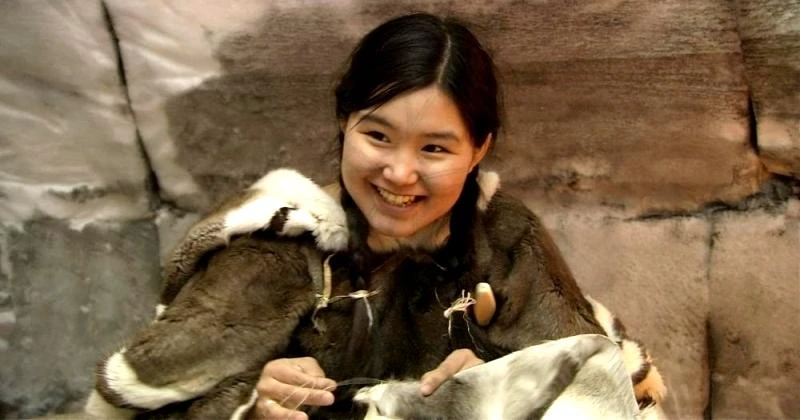
Amulet Tattoos
Today, it's rare to see a tattooed Inuit woman, but 50-70 years ago, things were very different, and the tattoos on women's faces and bodies were considered extremely important. Anthropologist Sergei Rudenko, who studied the life and culture of the Chukchi in the 1940s, described this interesting phenomenon in his scholarly work "Tattoos of Asian Eskimos." 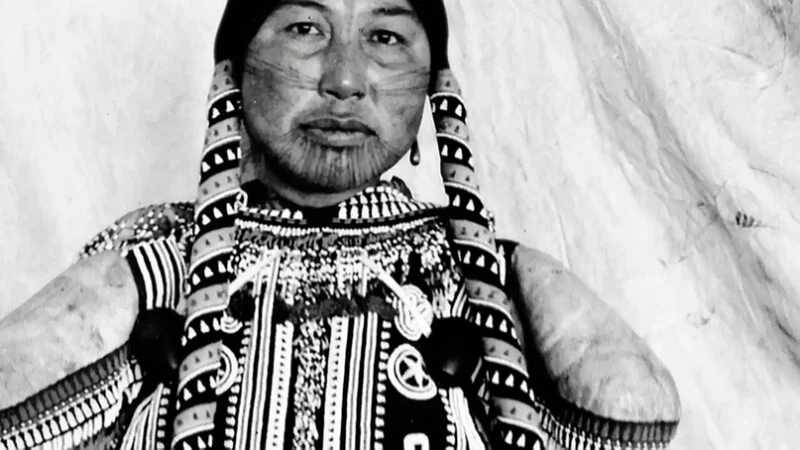
The scientist wrote that in 1945, most northern women were tattooed, and men found them very attractive. Rudenko reported that the designs covered not only the bodies of girls and women, but also their faces. Asian Eskimo women drew broken lines on their chins and cheeks, and placed circles at the corners of their mouths.
The anthropologist also noted that the type of design depended on the woman's region of residence. Along the coast from Cape Chaplin to the settlement of Sirenik, Chukchi women had the most intricate facial tattoos, covering a large area of their faces. Lines ran from the eyes along the nose to the chin, and also extended across the forearms and hands. On the forehead above the eyebrows were "crow's feet," and on the cheeks were intricately intertwined "cosmic" patterns.
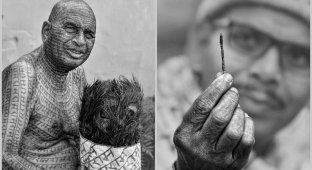
Rudenko learned that such tattoos weren't just for beauty. They were considered powerful amulets against illness and aided women during childbirth. Girls were given these designs before marriage, and finding a good husband without a tattoo was very difficult. The designs were applied in a special way, using a thread—it was rubbed with soot and then pulled under the skin. This procedure is very painful, but women don't tolerate anything for the sake of beauty and family happiness. 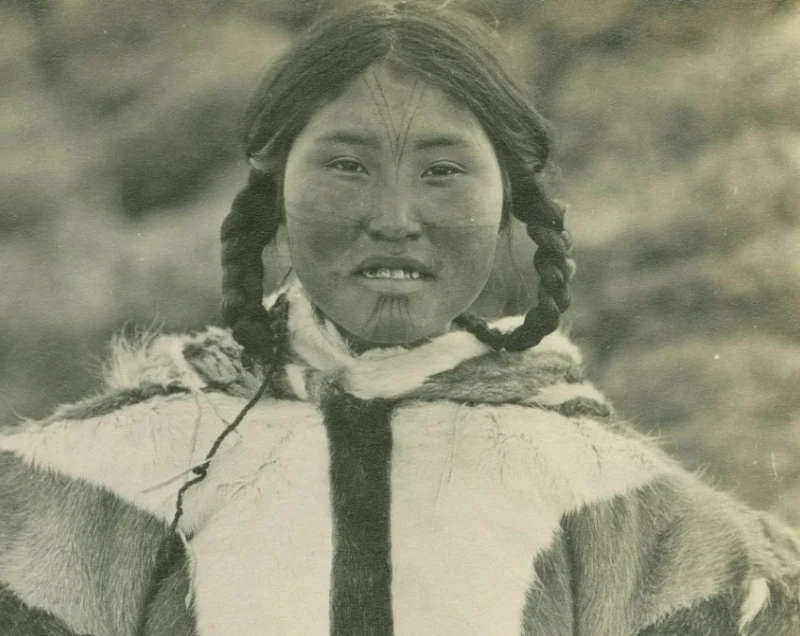
Alaskan Eskimo (Inuit) women tattooed vertical stripes on their chins, foreheads, and cheeks. Inuit women also covered their hands and forearms with lines. Sometimes, in addition to lines, more complex patterns were also seen, such as ovals, V-shaped elements called "whale tails," and tridents.
Today, tattoos are still popular in some areas of Chukotka and Alaska, but they are mostly worn by older women. Young women have abandoned ancient traditions, and if they do get tattoos, they prefer decorative designs common to young people around the world that carry no sacred meaning.
Stone Piercings
Piercings have been popular among the peoples of Chukotka, Taimyr, and Alaska, as well as some Native American tribes in North America, since ancient times. Women were the most common adorners, piercing and cutting their noses, lips, and even cheeks. 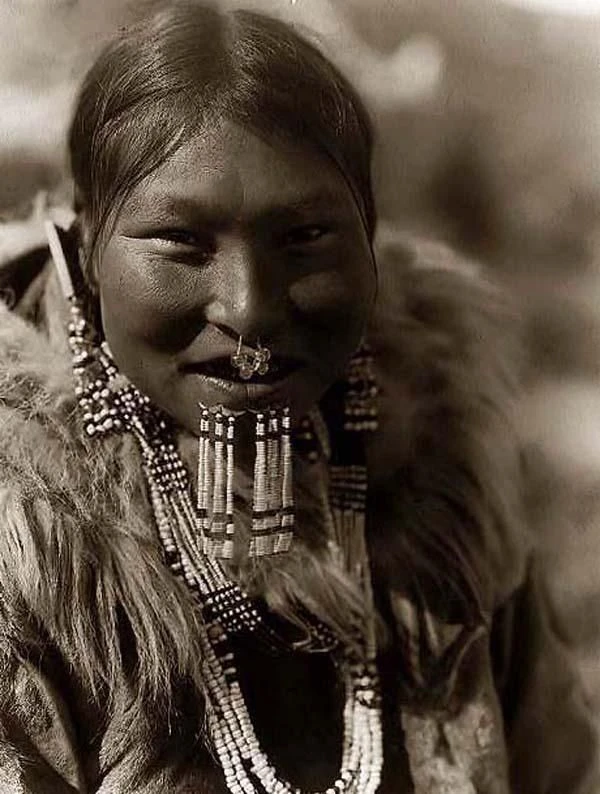
Traditional piercing jewelry in the North is called labrets and is made from the bones of marine animals and stone. In 2016, Krasnoyarsk archaeologist Danila Lysenko discovered two stone labrets—one worn on the cheek and one on the lip—at the site of an ancient camp in Taimyr. Similar finds have also been made in Kamchatka.
Many travelers in the first half of the 20th century mentioned the custom of Eskimo women wearing labrets made of mammoth or walrus ivory. The jewelry was very intricately designed, and some had three holes drilled into the cheeks and lips. Some of this piercing jewelry was also equipped with pendants.
Strength and Health
The Chukchi and Inuit lived for centuries in extremely difficult conditions, where they had to fight for survival daily. This left its mark on their attitudes toward women. Both Asian and American Eskimos always chose strong and resilient women as wives.
A skinny and sickly Eskimo woman couldn't count on a good marriage and most often ended up as a farmhand in other people's families. Many Eskimo tales and legends tell of strong women capable of pulling loaded sleds with one hand and hunting polar bears or walruses with a spear and knife. 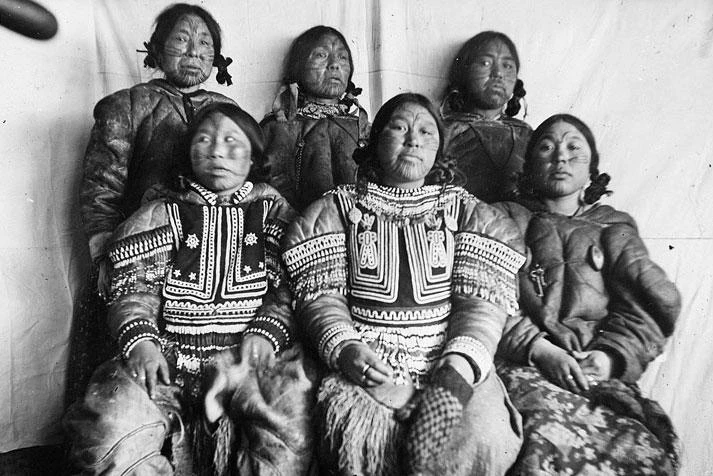
It's common for the woman in an Eskimo family to be taller and physically stronger than the man. This is normal for people in which women perform most of the heavy physical labor, while the husband hunts, fishes, and trades. Moreover, when famine struck a camp, the man, as the breadwinner, was the first to be fed. If the breadwinner weakened or died, the entire family perished.
Eskimo Women and Sex
Few people know that thongs first appeared... in Greenland. The Eskimos living on the icy island have long worn naatsit—small panties made of short, smooth fur from sealskins. These polar thongs had little practical use and were worn by women as summer clothing. 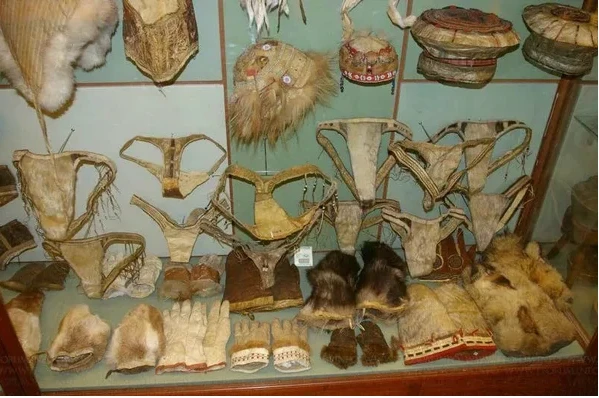
Wearing such fur thongs, the wearer could work near the yaranga and even go berry picking. The only plausible purpose of the naatsit was to win men's hearts, and to make these swimming trunks even more attractive, they were embroidered with red, white, and yellow beads.
Surely, a dark-skinned, slender beauty in a thong, picking berries in the tundra or butchering a reindeer, is a very exciting sight for a northern man. Sex plays a significant role in Eskimo life, especially during the winter, which lasts up to eight months. Women typically gave birth to children one after another, but not all survived the harsh conditions. 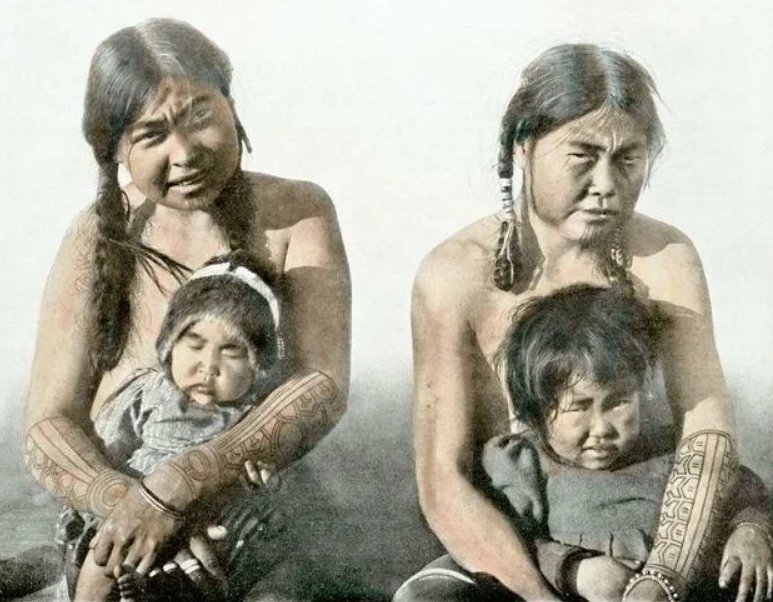
There are also true legends about the promiscuity of Eskimo women. Allegedly, women of Chukotka and Alaska willingly give themselves to strangers with their husbands' consent, observing the laws of hospitality. These stories are based on tales of the ancient northern custom of "areodyarekput," the existence of which is dictated not by lust, but by the harsh conditions of life.
While not all northern beauties can count on a successful marriage, Eskimo women generally have no problems with sex. It's no wonder that men from Alaska, Greenland, and Chukotka unanimously claim that "sex is the best thing in the world." A woman of any age, social status, and appearance can receive her share of male affection—Eskimo machos are very amorous. 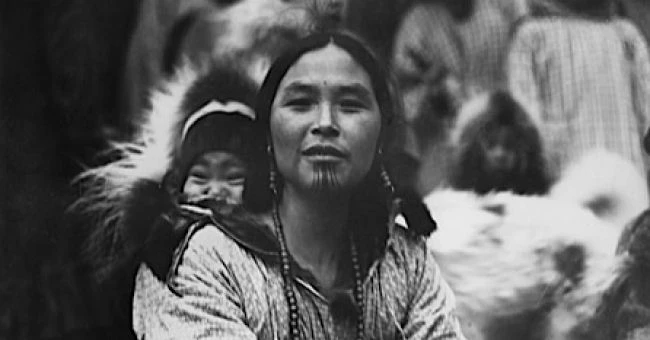
Asian and American Eskimos don't have the concept of "virgin"—they simply say "not yet used by a man." A single woman will never be called an "old maid" or "abandoned woman," but will be called, with extreme tact, "living separately." Eskimos also don't pry into other people's personal lives or gossip behind their backs—we could learn a thing or two from them.