Look closely at the faces of Europeans from the past: here are their joys, anxieties, daily routines, and celebrations. These are not merely photographs—they capture the very breath of a bygone Europe, its sincere and living moments. 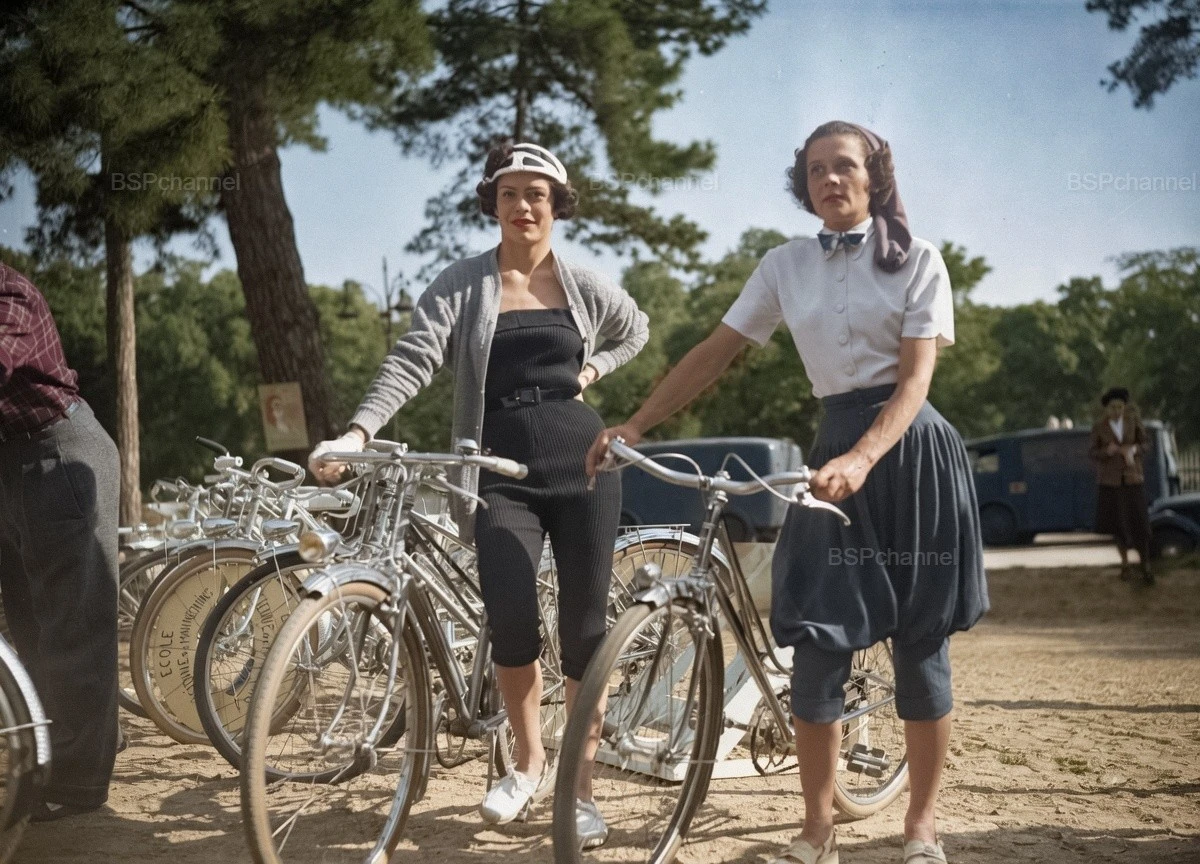
A German Federal Railways worker thaws frozen rails using a flamethrower. January 1963. 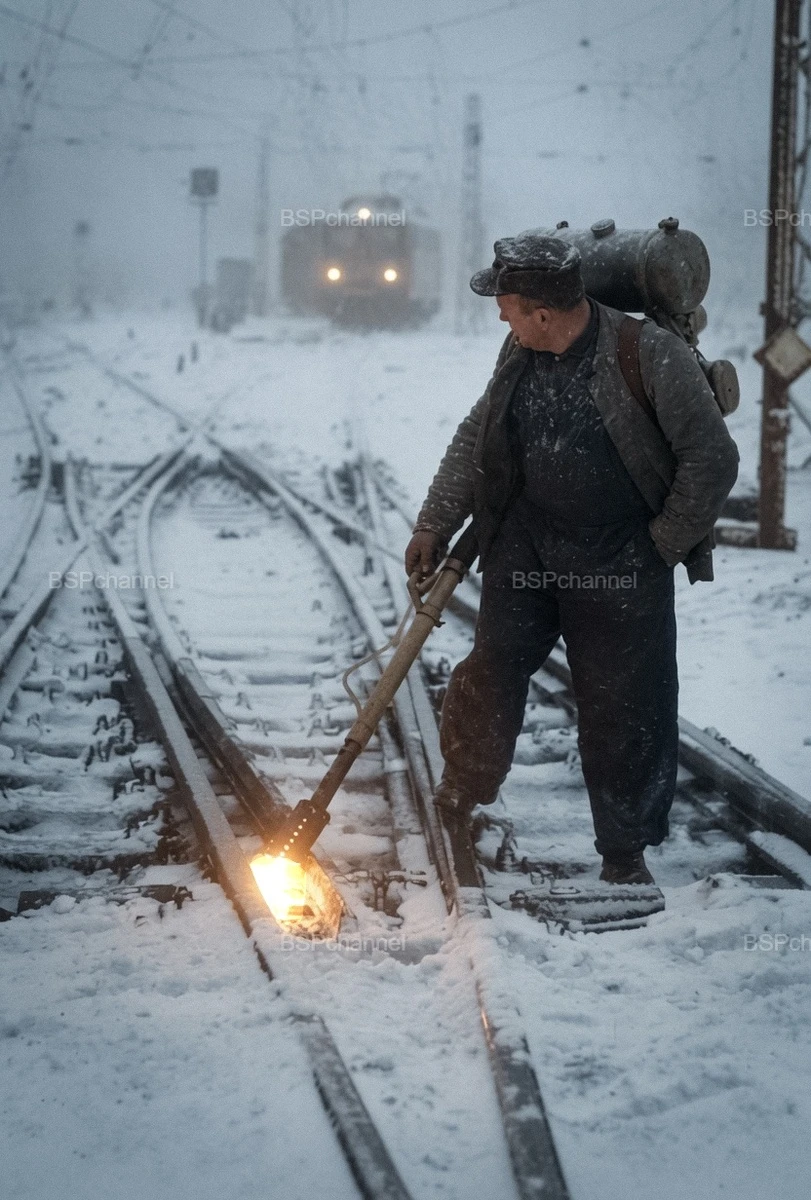
Photographer: Klaus-Dieter Heirler
A railway switch is a key element of railway infrastructure. Ensuring its uninterrupted operation during the cold season requires preventing ice buildup and snow accumulation around the switch points. To minimize the risk of schedule disruptions, track maintenance crews once used a thermal treatment method involving open flames on the switch mechanisms. Today, handheld flamethrowers and kerosene burners—like the ones seen in this historical photo—are rarely used, typically only during extreme snowfall or at remote stations. Modern railways employ automatic heating systems for this purpose.
Young Pioneers learning to use a computer. Czechoslovakia, 1986. 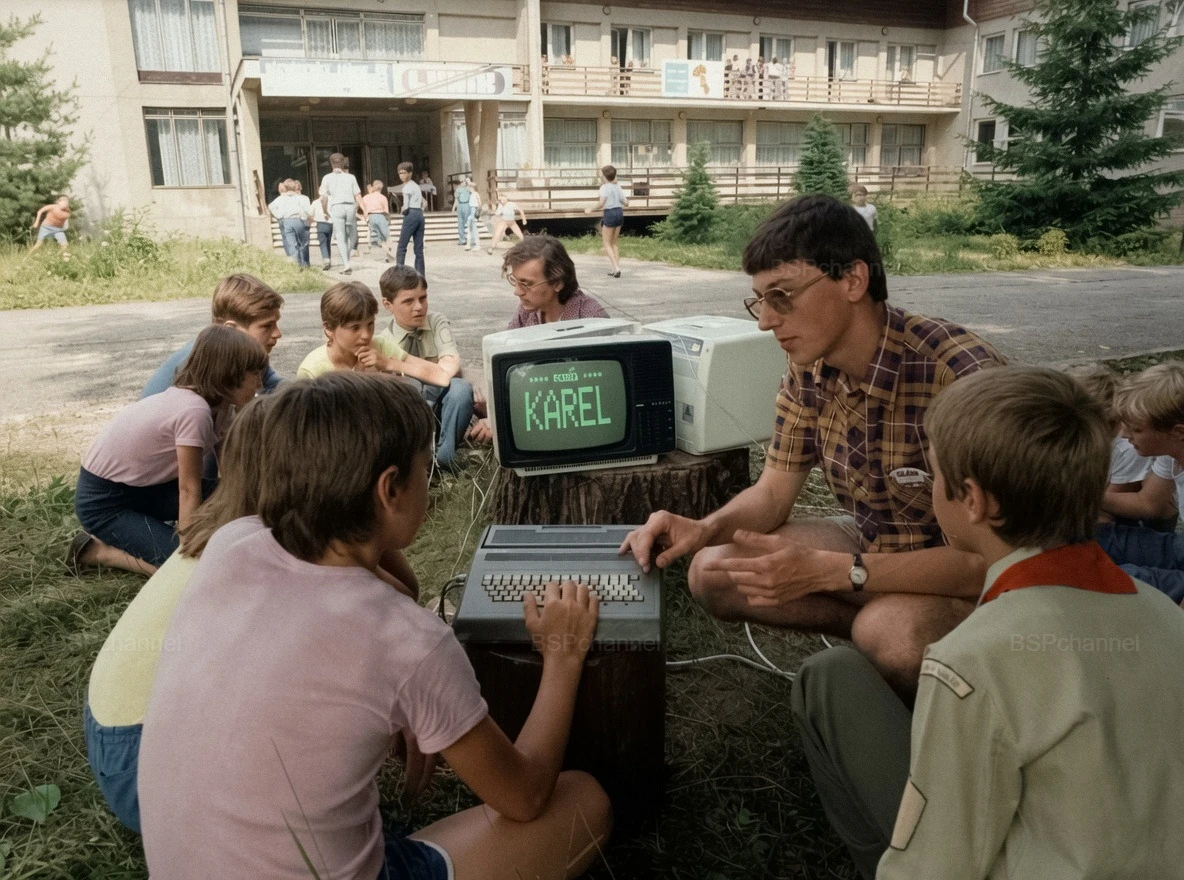
In this photo, taken at a Pioneer camp in Czechoslovakia, children are learning to use a computer. The educational tool being used is the PMD-85, an 8-bit computer manufactured by the Czechoslovak company Tesla. Karel is a programming language for beginners, created by Richard E. Pattis in 1981 and described in his book *Karel the Robot: A Gentle Introduction to the Art of Programming*. Pattis used the language in his courses at Stanford University. It was named after the writer Karel Čapek, who coined the word "robot." The software-based robot moved through a maze (a coordinate grid), stepping over obstacles and placing or collecting special markers.
Tuna fishing, Sicily, Italy, 1991. 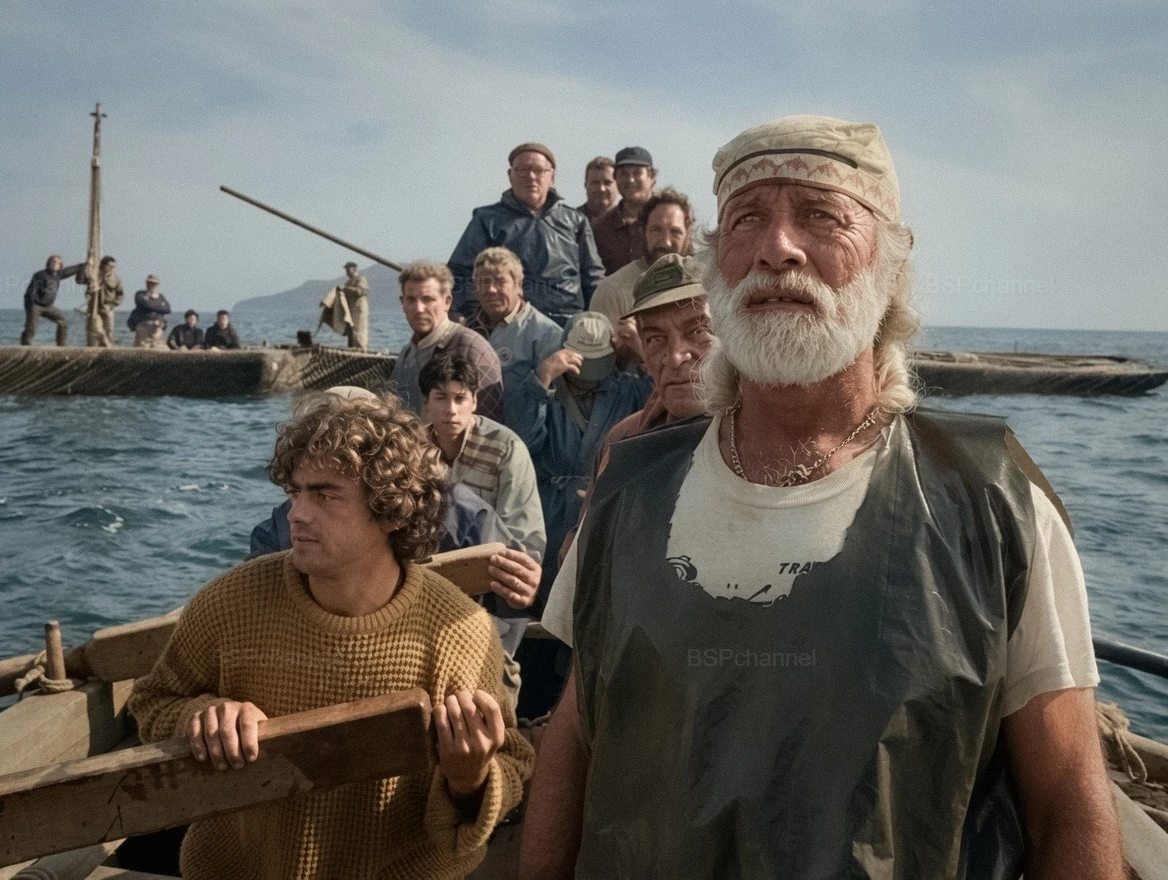
Photographer: Sebastião Salgado
In the foreground, wearing a plastic apron, a charismatic older man with a sun-bleached beard is captured in the frame. This is Gioacchino Cataldo (1941–2018), the legendary *rais* (head or captain of the fishermen) of the local Sicilian *tonnara* (tuna fishery), who became a symbol of this traditional maritime trade. This image is part of Salgado’s monumental, long-term photo series *Workers: An Archaeology of the Industrial Age* (1993). In this series, the artist documented vanishing manual labor around the world, celebrating the dignity of working-class people. The photographer captured a moment of preparation for the *mattanza*—an ancient method of collective tuna fishing using a complex system of net traps. Today, due to industrial overfishing in the Mediterranean, this centuries-old Sicilian tradition has all but disappeared.
Barcelona, Spain, 1951. 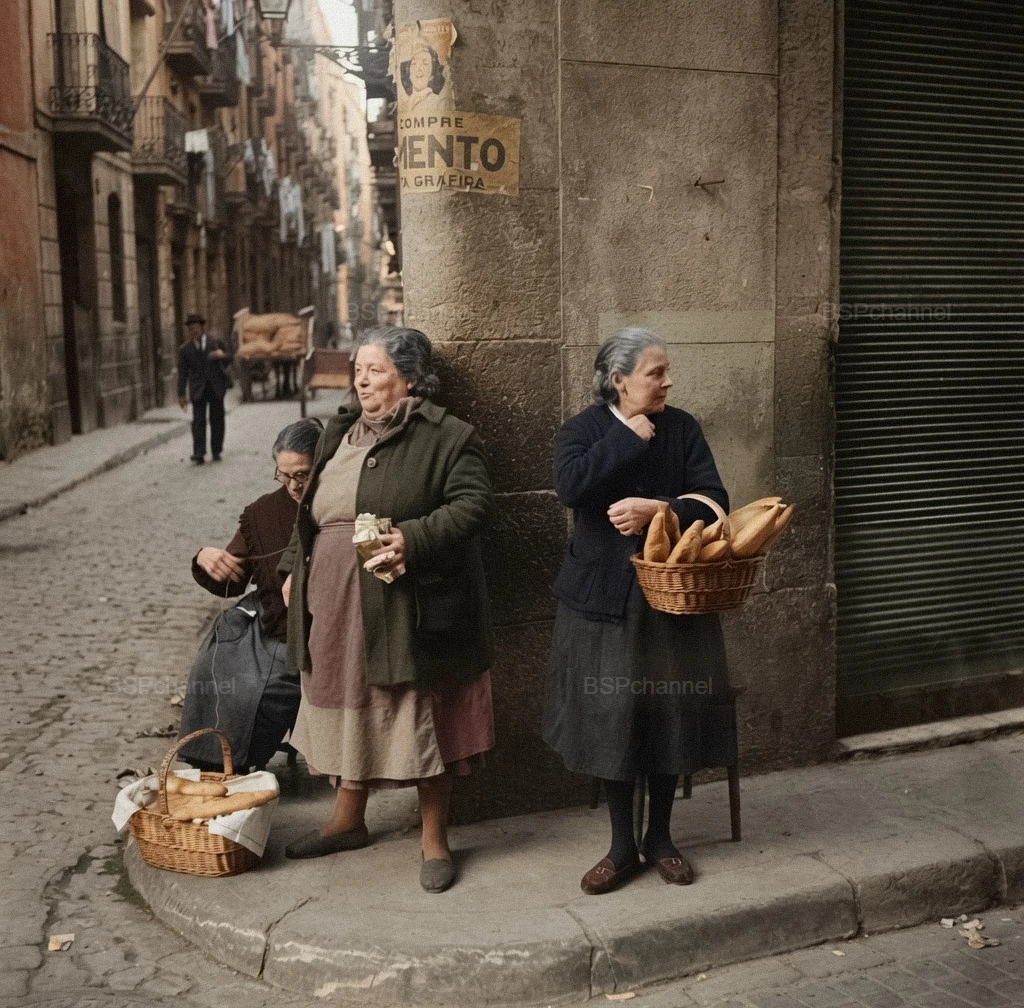
Photographer: Bert Hardy
The photograph shows women selling bread on a street corner in the historic El Raval district of Barcelona. At that time, under the rule of General Franco, Spain still enforced a strict food rationing system; consequently, an underground, illegal trade in essentials—including ordinary white bread—flourished. Local vendors were forced to stand on street corners, constantly keeping an eye out for the police so they could flee in the event of a raid.
Paris, 1950. 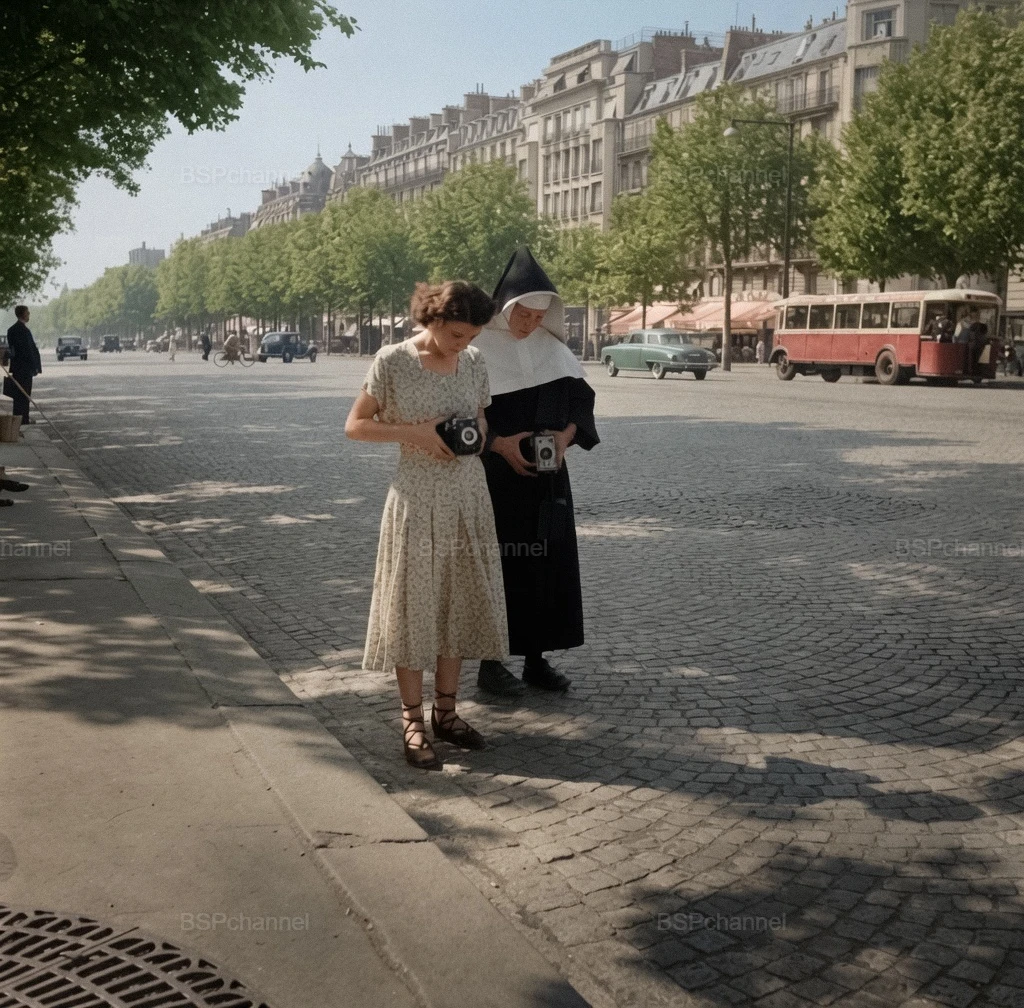
Photographer: Tore Johnson
Nassaukade, Amsterdam, 1968. 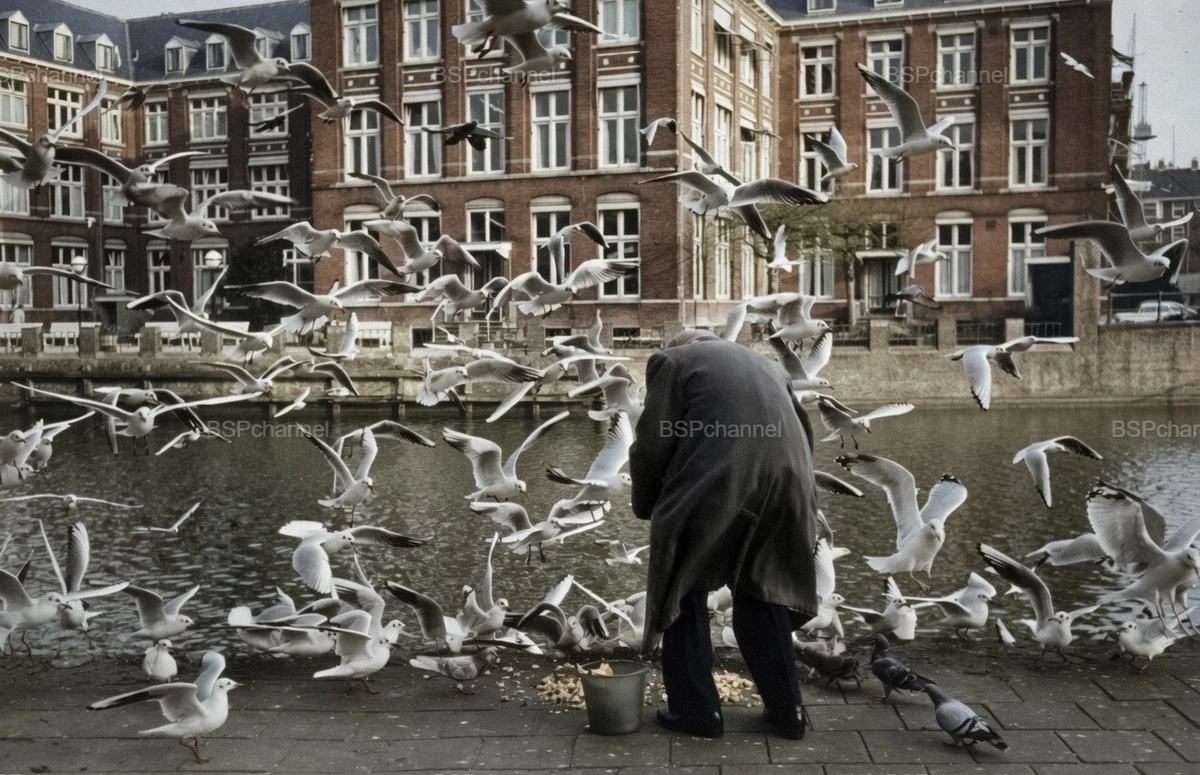
Photographer: Ed van der Elsken
Fishmongers. Portugal, 1950s. 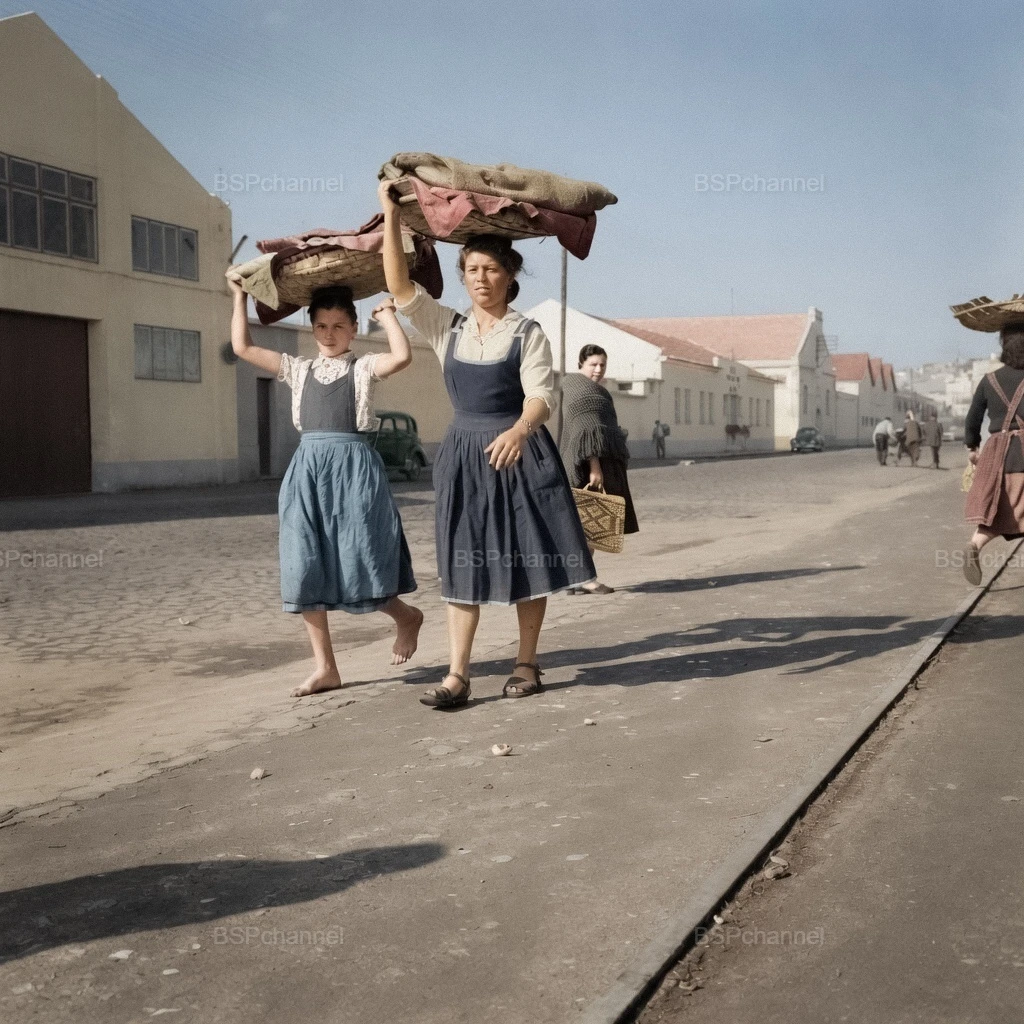
Summer camp. A housekeeper serves dinner in the mess hall. Italy, 1946. 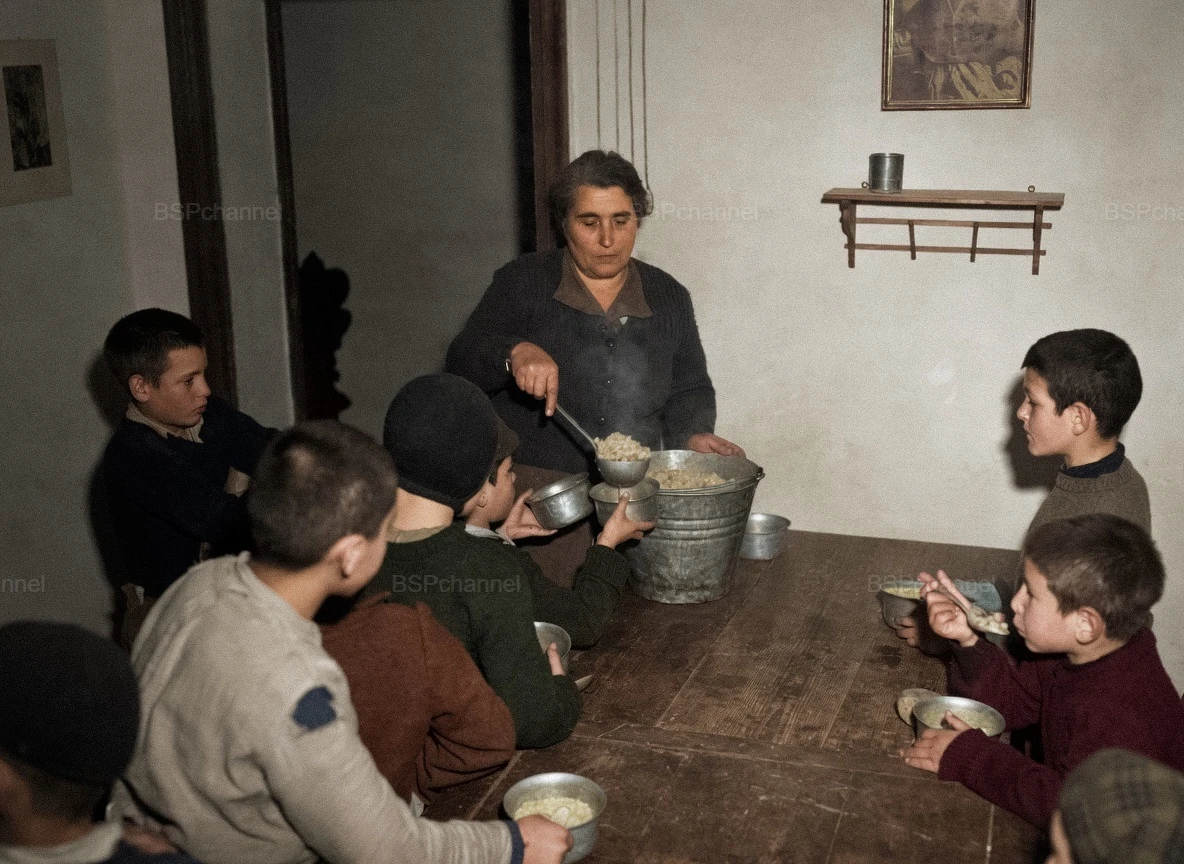
This shot was taken immediately after the end of World War II. During this period, Italy—like most European countries—was in a state of profound economic crisis and devastation. Hundreds of thousands of children had been orphaned or left homeless. Networks of orphanages, soup kitchens, and summer camps—often supported by the Catholic Church or international humanitarian missions—became their only chance to receive proper, regular meals.
Photograph for *Jours de France* magazine. Anna Karina, Paris, 1959. 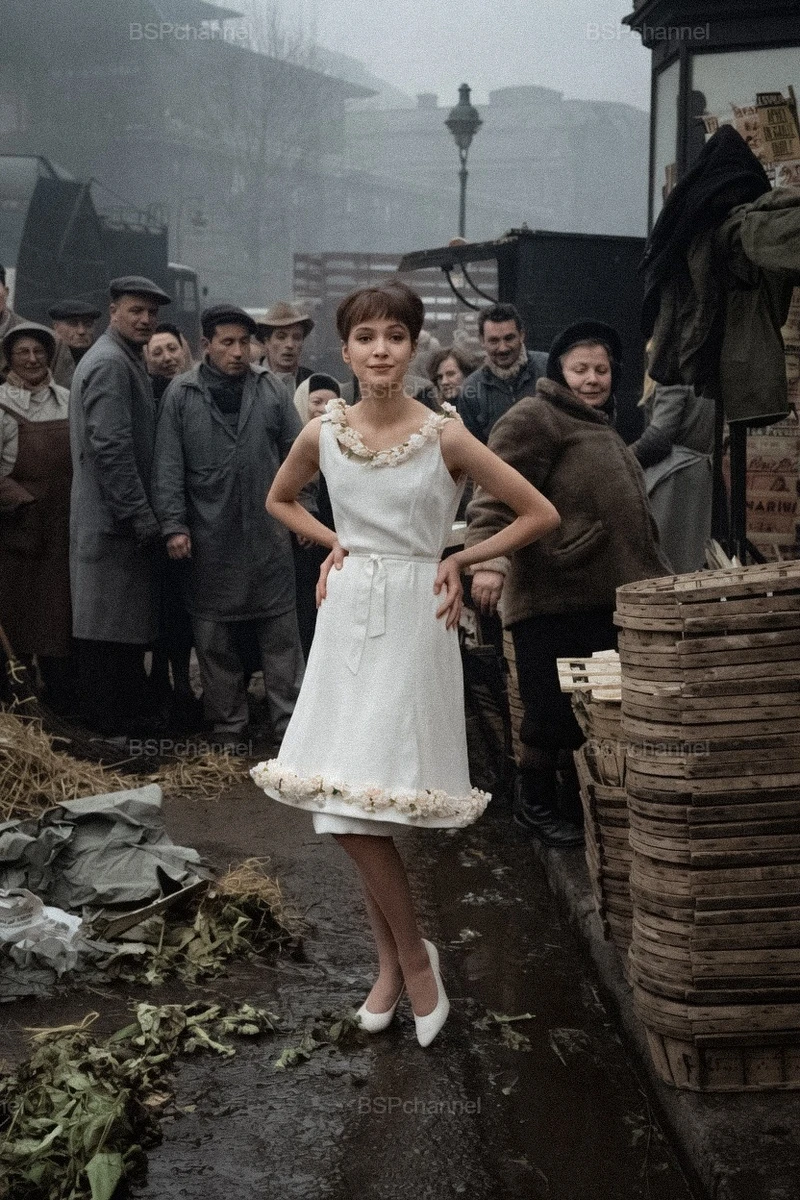
Photographer: Frank Horvat
In this shot, the sophisticated Danish-French actress and model Anna Karina—wearing an elegant white cocktail dress with floral detailing—poses against a backdrop of grimy, damp asphalt, wooden vegetable crates, and a crowd of ordinary porters and buyers at Les Halles market, a place ironically dubbed the "Belly of Paris" in those years.
A homeless man sits in a cart being pulled by one of his companions. Paris, 1955. 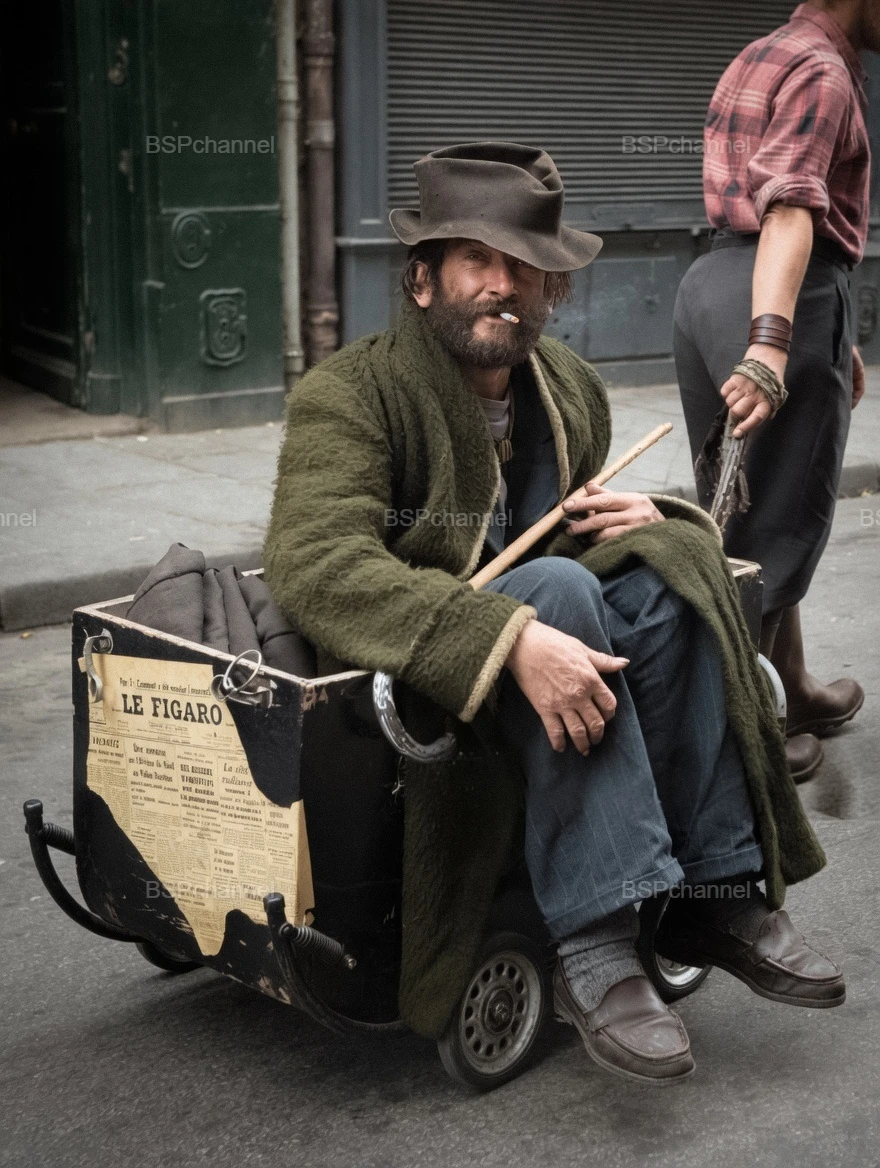
Photographer: Robert Doisneau
The famous French newspaper *Le Figaro* is pasted onto the front of the cart, adding a touch of subtle humor and social contrast to the image: a poor man reading the bourgeois press, much like an aristocrat in his own car.
Austria, 1953. 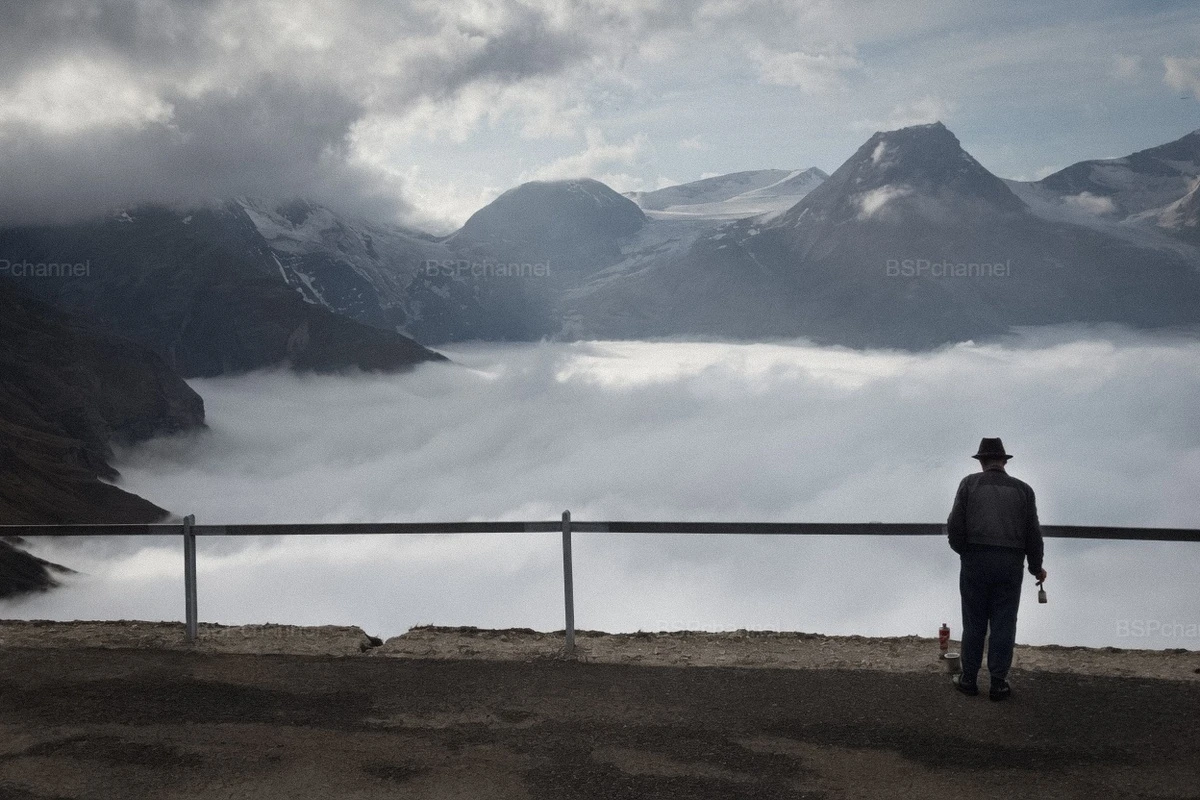
Photographer: Henri Cartier-Bresson
A parade of World War I veterans with disabilities. Paris, France. 1950. 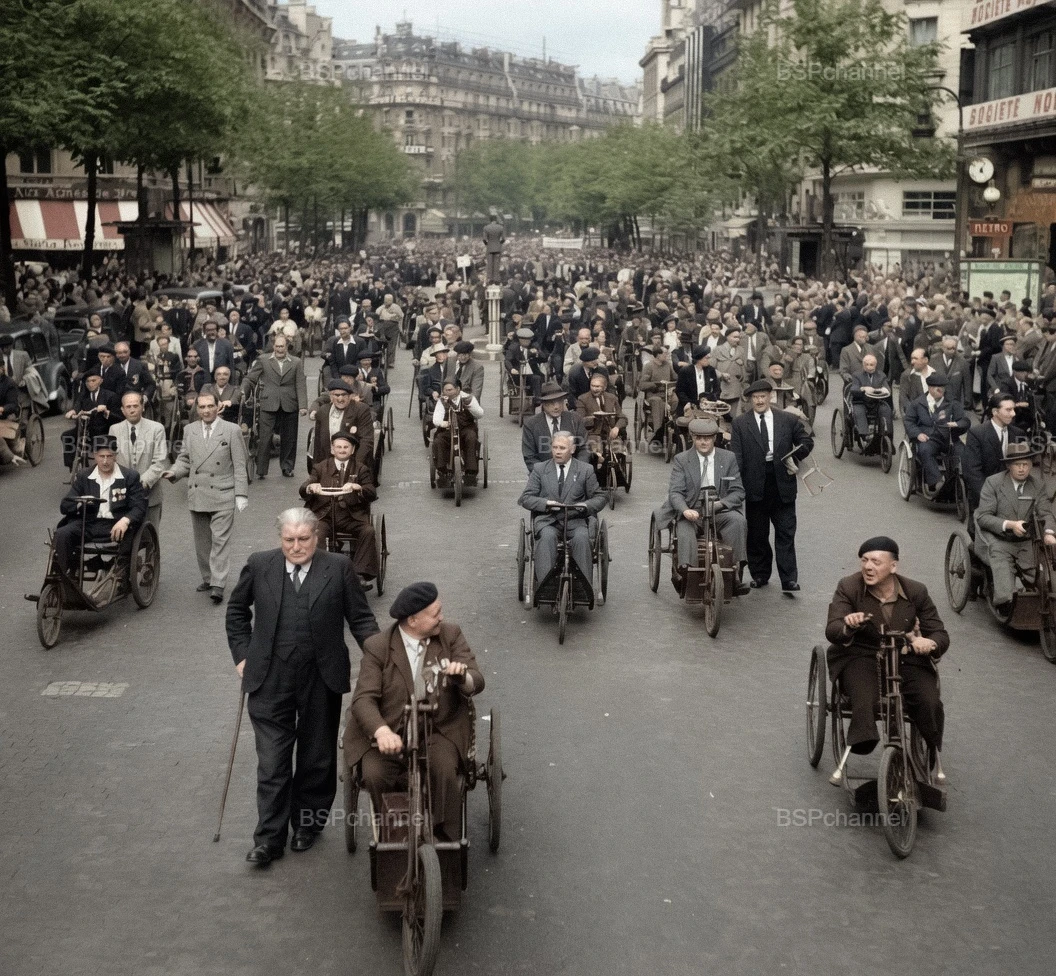
In post-war France, the issues of rehabilitation, social integration, and the payment of adequate benefits to disabled veterans were extremely pressing. Such marches of solidarity and protest regularly drew thousands of participants, reminding society and the state of the cost of peace and the immense human toll.
Women participating in an elegance contest during a cycling event at the Jardin d'Acclimatation in the Bois de Boulogne. Paris, 1949. 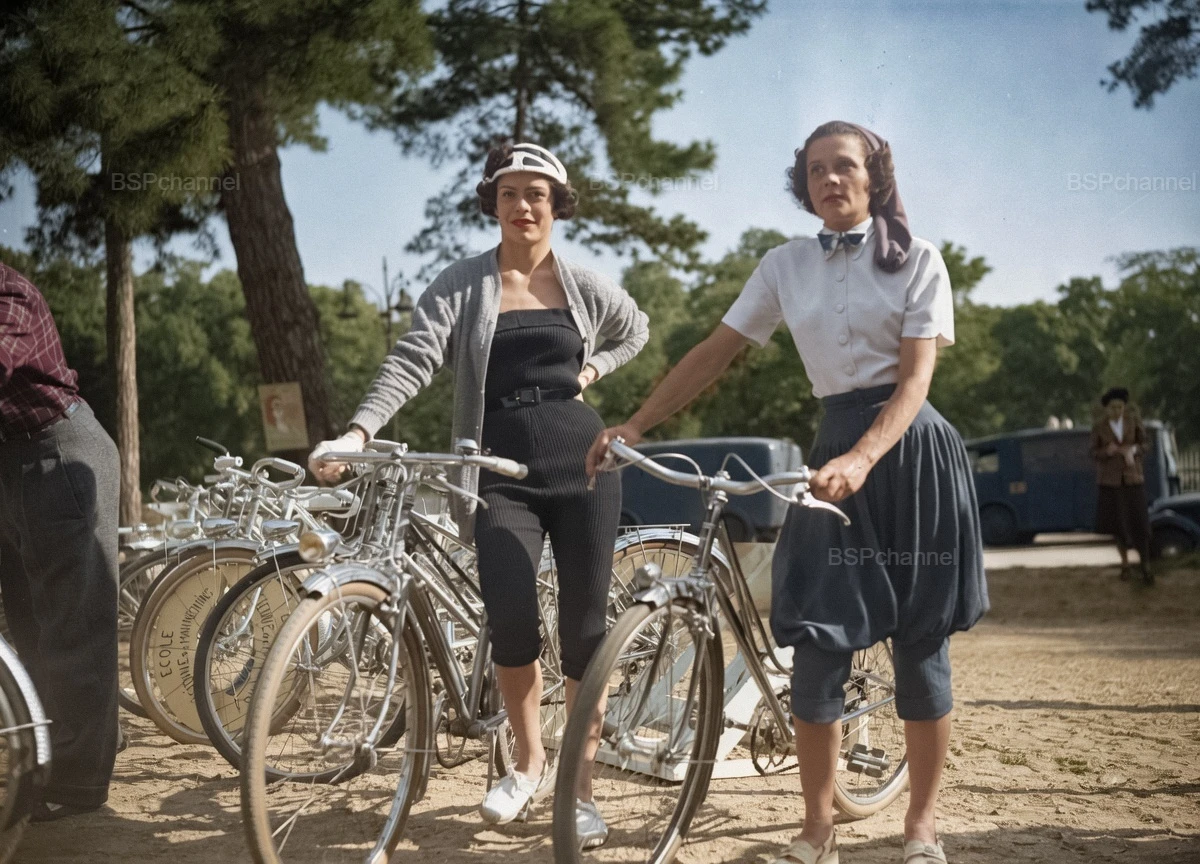
A beach covered in foam. Zandvoort, Netherlands, 1954. 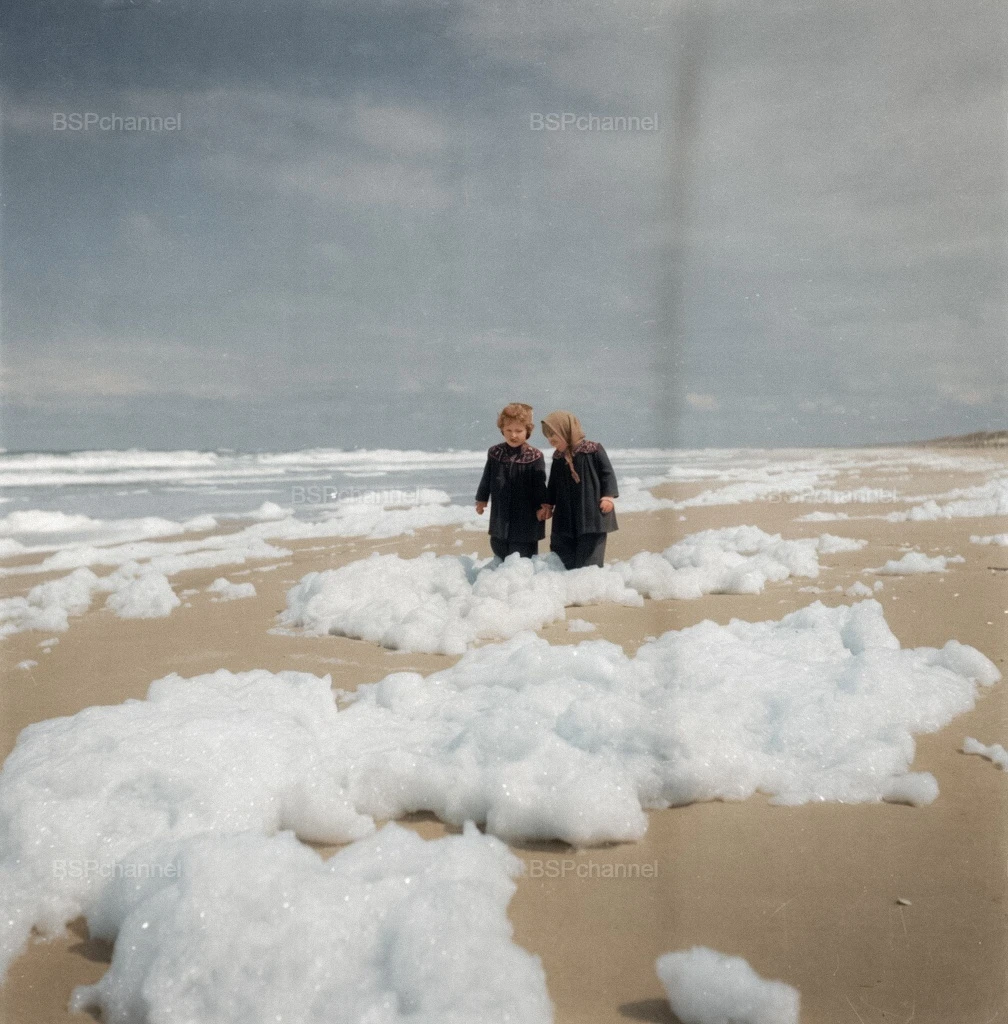
Photographer: Dolph Kruger
Children stand amidst huge clumps of dense sea foam. This is a rare but natural phenomenon often referred to as "sea cappuccino." It occurs after severe storms, when strong winds and waves literally whip up coastal water rich in organic matter—such as microscopic algae, salts, and plankton—turning it into a thick, persistent foam. On the Frisian Islands—which include Terschelling—this phenomenon occurs regularly due to the stormy North Sea.
Spring on the Rokin, Amsterdam, 1958. 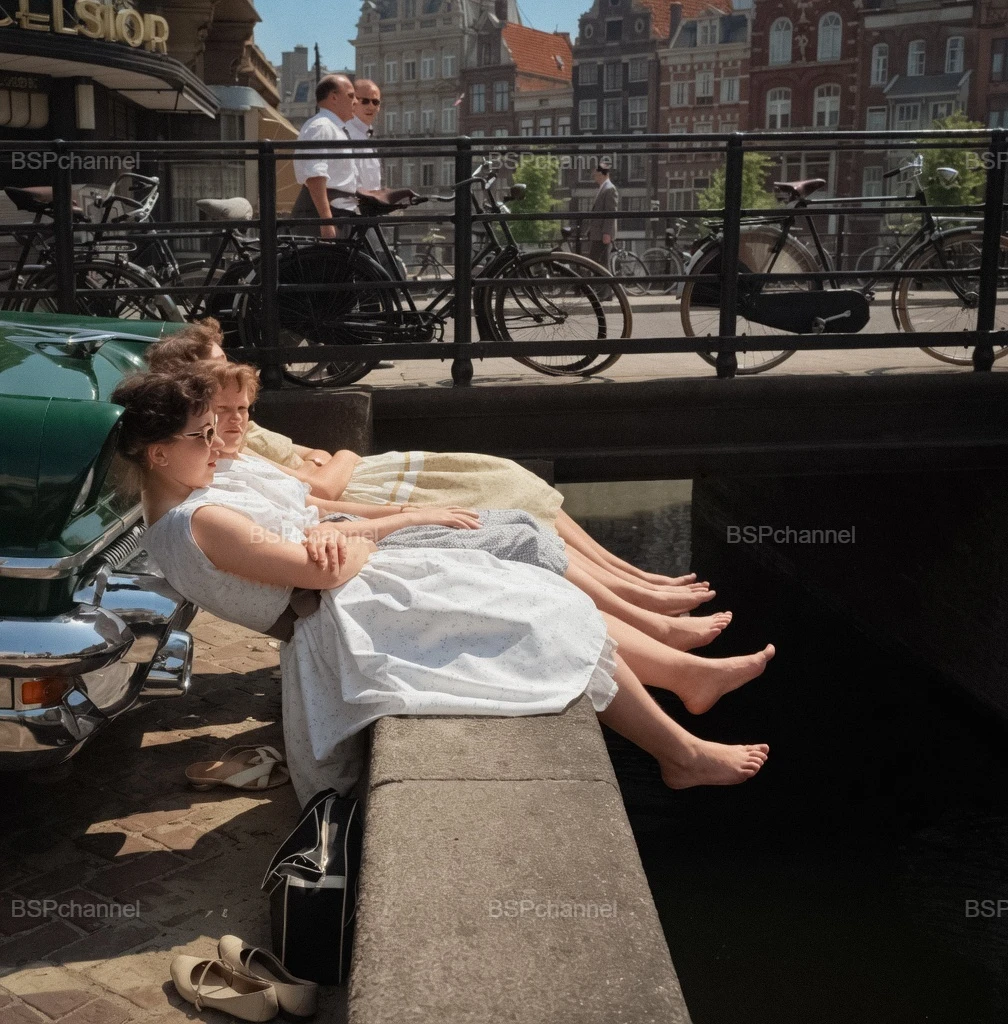
Photographer: Aart Klein
Gustav Karlsson’s bathtub, Småland, Sweden, 1969. 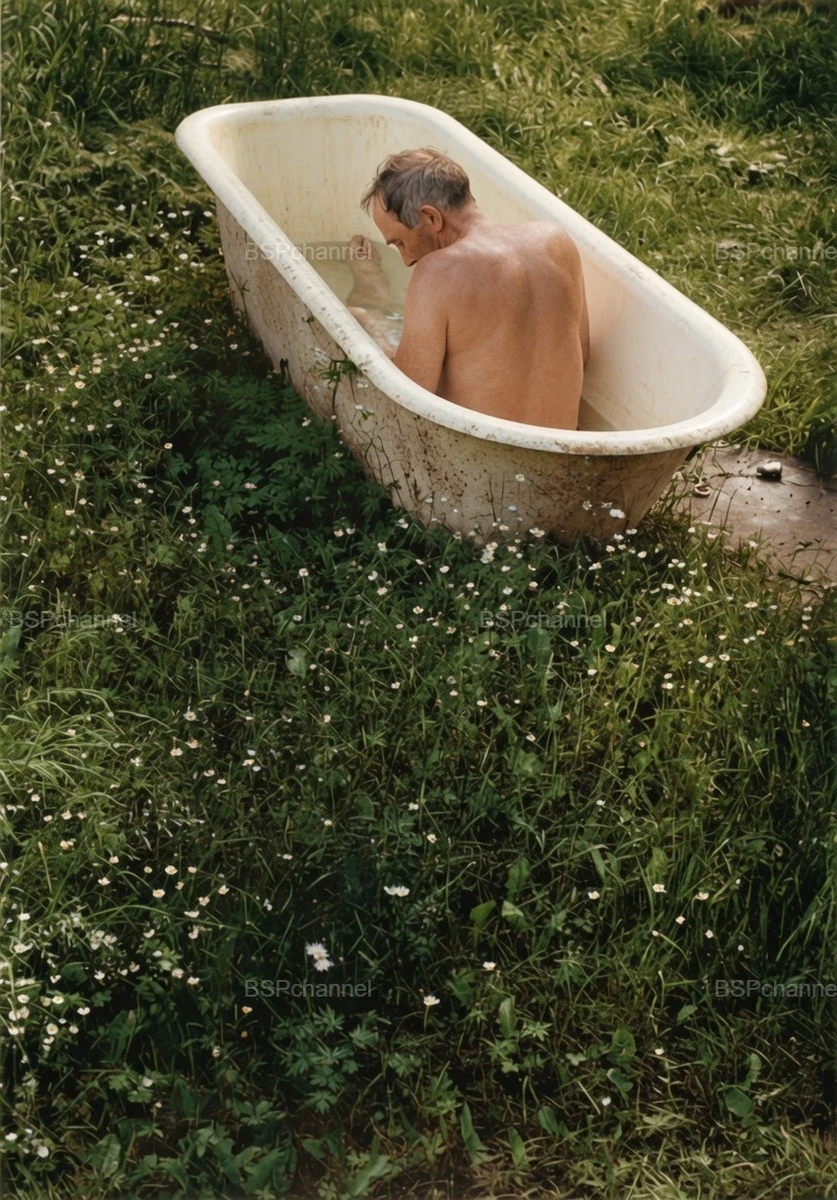
Photographer: Sune Jonsson
Throughout his life, photographer Sune Jonsson documented the vanishing rural way of life, the lives of farmers, and the countryside landscapes of northern and central Sweden. His style is often compared to classic American social documentary photography from the Great Depression era.
Lovers with daffodils. Paris, 1950s. 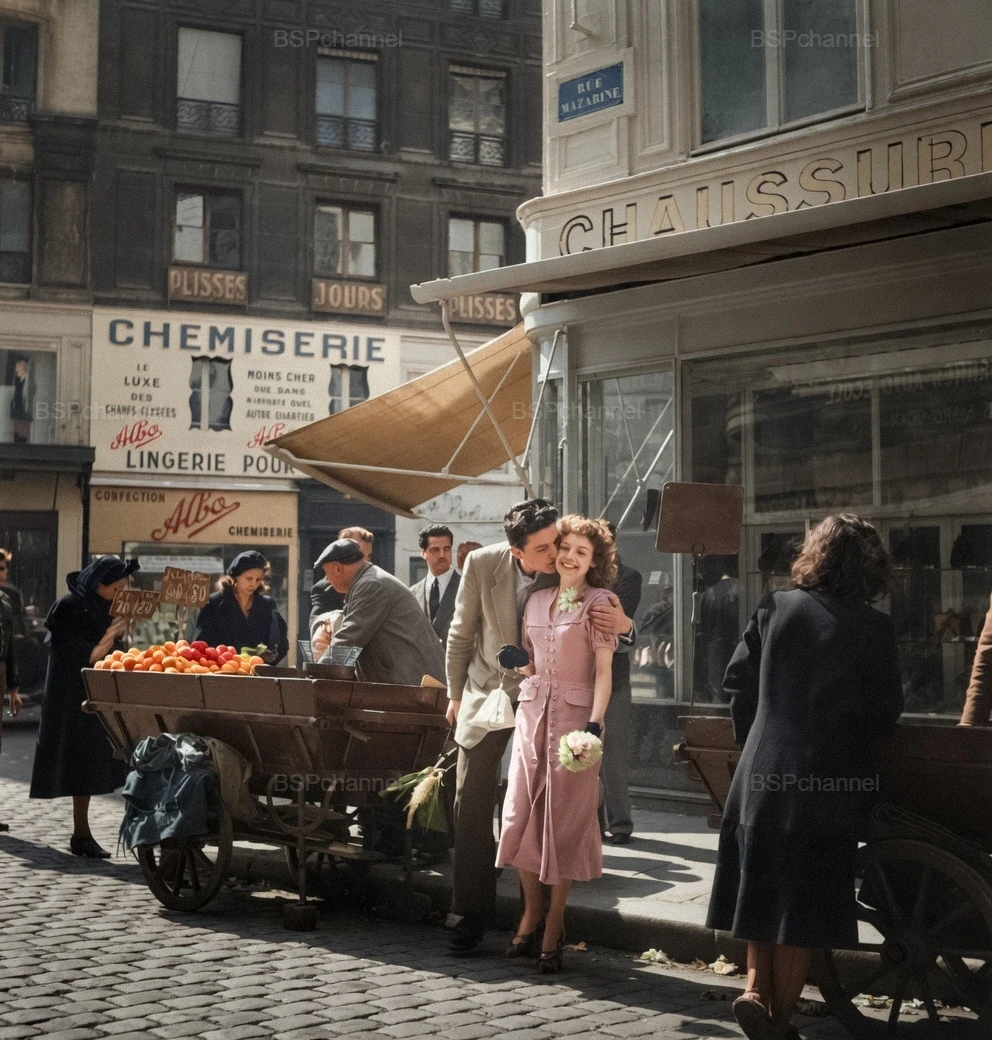
Photographer: Robert Doisneau.
Doisneau took this photograph on assignment for the American magazine *Life* for a photo essay about lovers in Paris. For his shoots, the photographer often hired young actors or drama students to recreate the genuine atmosphere of romantic Paris on film.
Women of Amorgos Island. Greece, 1911. 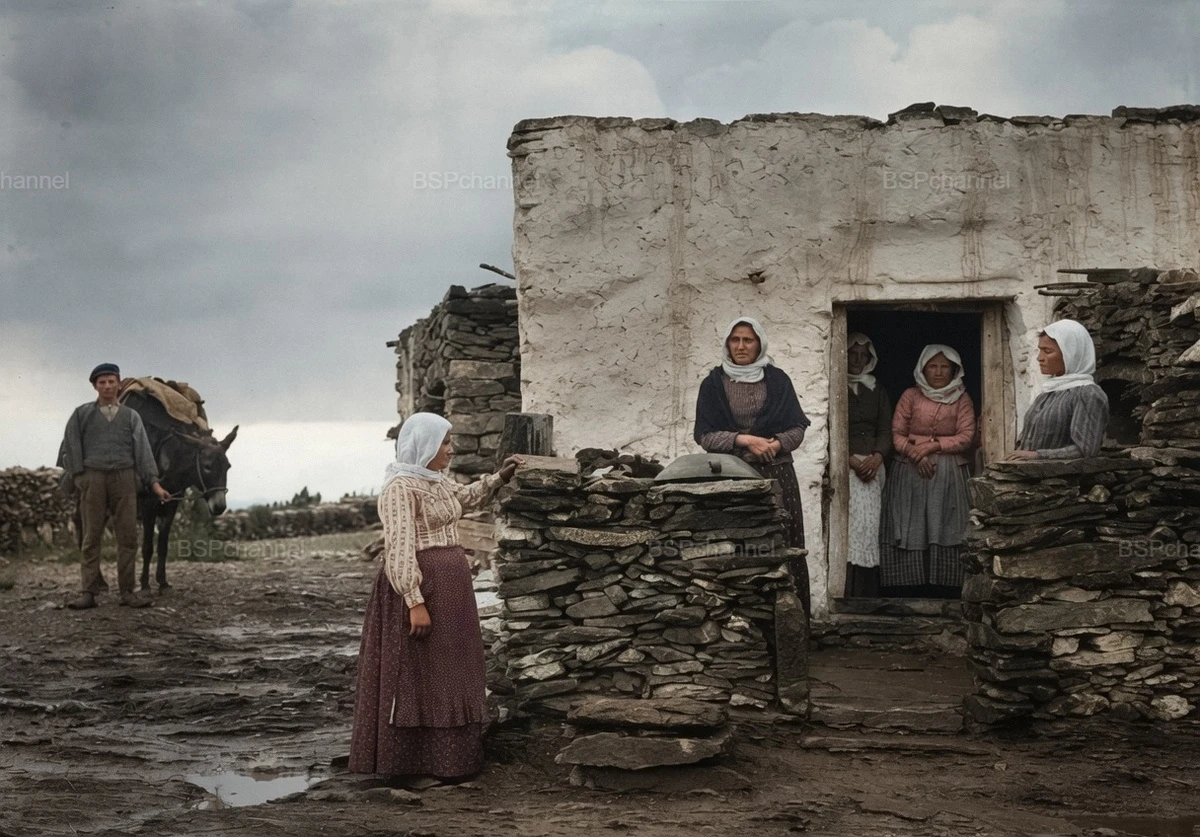
Photographer: Frédéric Boissonnas
A couple in love in a small café. Italian Quarter, 1932. 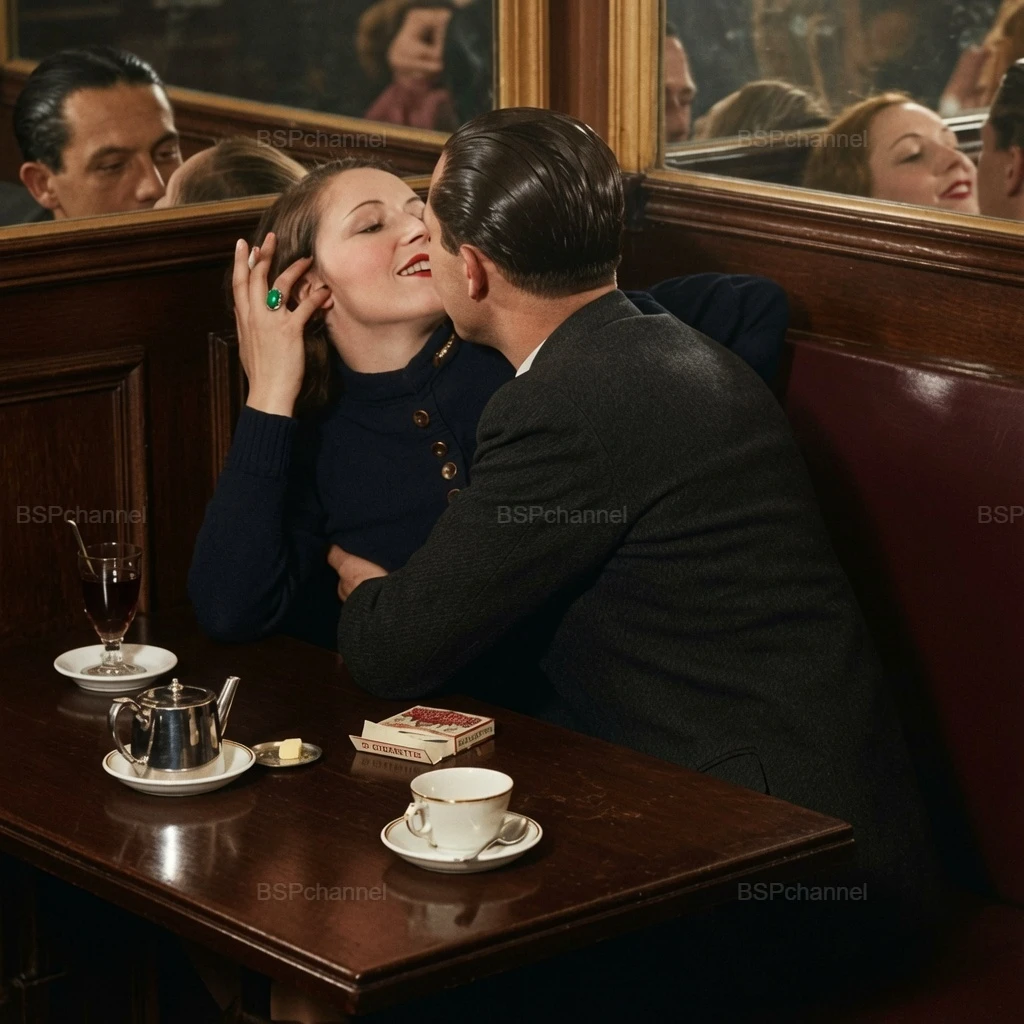
Communion of young girls and boys at the Church of Saint-Sulpice. Paris, 1960s. 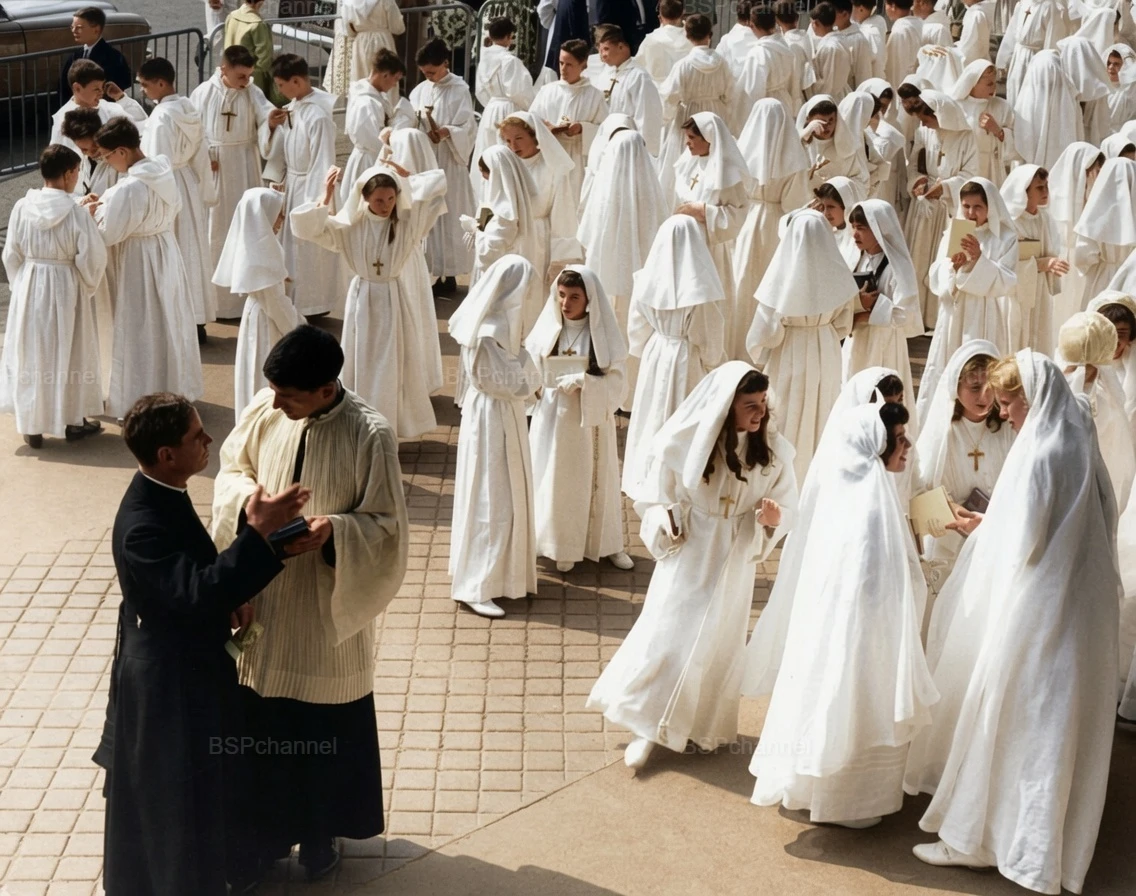
Photographer: Charles Ciccione
The photograph shows French Catholic boys and girls dressed in white albs (long liturgical robes). The girls traditionally covered their heads with white veils (or hoods), symbolizing purity. This is one of Paris's largest and most famous historic churches. For decades, its parish gathered hundreds of children from across the district for the celebration of solemn church sacraments.
Add your comment
You might be interested in:












How to start a 102-liter engine

Protective film Removing it with a power screwdriver

How metal buckets are made in Pakistan

When a child plays hide-and-seek at a professional level

Man sets up bedroom camera and discovers the reason for his

Super dads who swoop in to save the day

Athlete in Bavarian dress flies over a lake on a hydrofoil

Precision carpentry

Looks like it's time to buy WinRAR
