The golden alchemist: how an unassuming bacterium turns poison into 24-karat gold (4 photos)
In the Middle Ages, alchemists unsuccessfully tried to turn lead into gold. Nature proved more cunning, creating a true living alchemist. Meet Cupriavidus metallidurans—a microscopic bacterium that literally shits pure 24-karat gold. 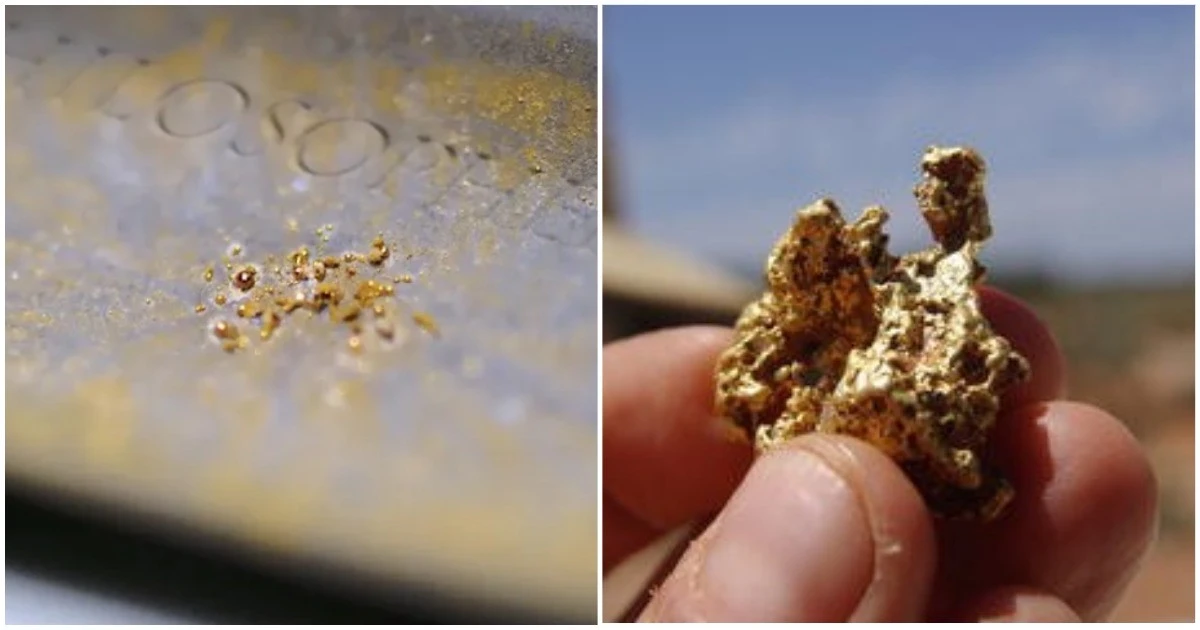
This amazing creature lives where all living things instantly perish—in soils oversaturated with toxic heavy metals. How does a fragile cell survive in such a deadly cocktail, and what does the precious metal have to do with it?
For most creatures, copper and gold ions in high concentrations are pure poison. However, C. metallidurans has learned to utilize them for its metabolism. The problem arises when copper levels in the soil become excessive.
In an attempt to protect itself from excess copper, the bacterium activates a special cellular pump. But this same pump inadvertently begins pumping dissolved gold compounds into the cell. A toxic trap is created: both metals penetrate deep into the cell, threatening to destroy it from the inside. 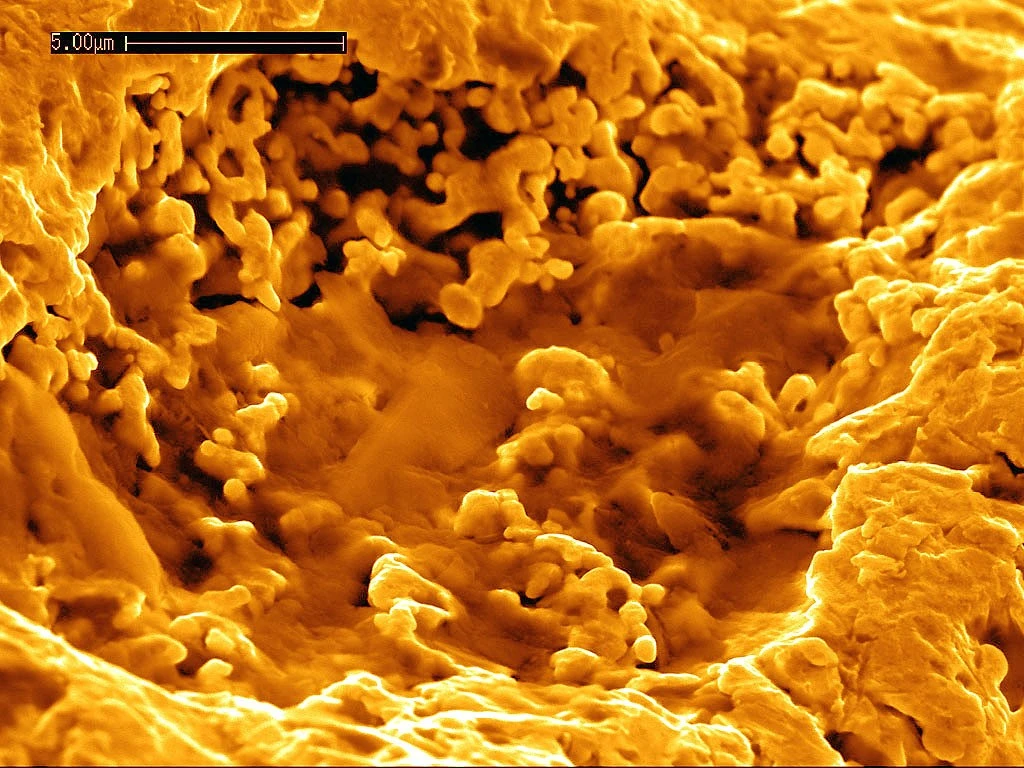
To survive, the bacterium activates a unique defense mechanism. It activates an enzyme called CopA. This biochemical "shield" performs a true miracle. It converts copper compounds into forms that the cell can safely excrete. It also chemically reduces dangerous, soluble gold ions to a stable, solid form.
This process converts toxic gold into harmless metallic nanoparticles just a few nanometers in size. The bacteria simply "push" them onto its outer shell. 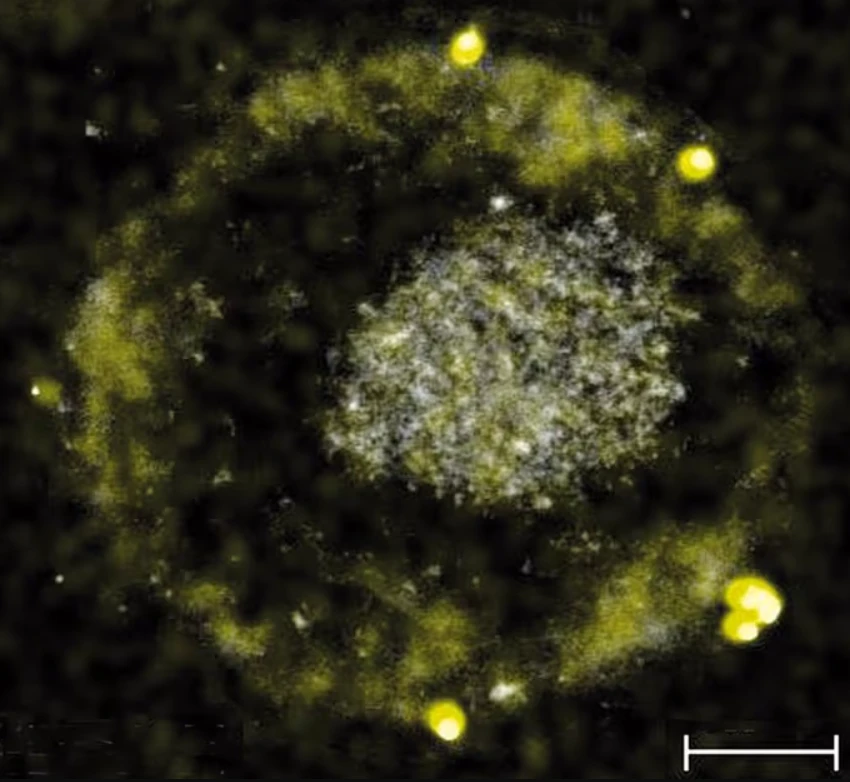
In nature, these bacteria live in colonies, forming thin biofilms on mineral surfaces. As billions of microbes spend centuries detoxifying themselves, the gold nanoparticles they shed gradually accumulate.
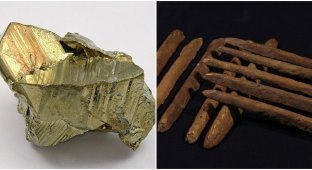
Scientists have proven that C. metallidurans and similar microorganisms (for example, Delftia acidovorans) play a key role in the formation of secondary gold nuggets in nature. The shiny nugget we see in a stream is often the result of the vital activity of trillions of invisible workers. 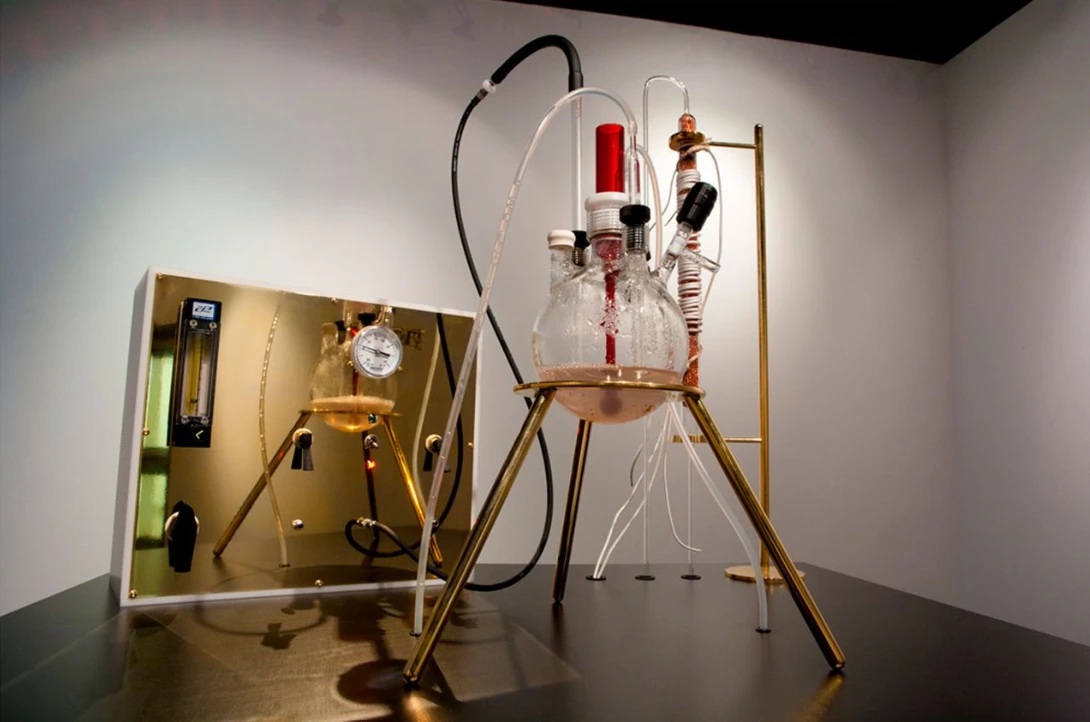
Glass bioreactor containing a biofilm formed by Cupriavidus metallidurans
Today, scientists are trying to tame the "golden" bacteria. They want to use it for biomining—the environmentally friendly extraction of gold from low-grade ore or the recycling of old smartphones and computers. Unlike traditional industrial methods, these microbes don't require deadly cyanide or mercury. They perform the same work, requiring only a small amount of nutrient medium.
C. metallidurans has proven that alchemy is possible. The key is the right biological approach.