The Incredible Story of Lina Cavalieri: From Music Hall Singer to World-Famous Opera Diva (10 photos)
In the late 19th century, a young girl with an angelic face and a crystal-clear voice took the stage at a Roman cabaret. No one could have guessed that in just a few short years, this cheap music hall singer would rise to become one of the most celebrated opera divas of her era, her portraits gracing the palaces of European aristocracy. 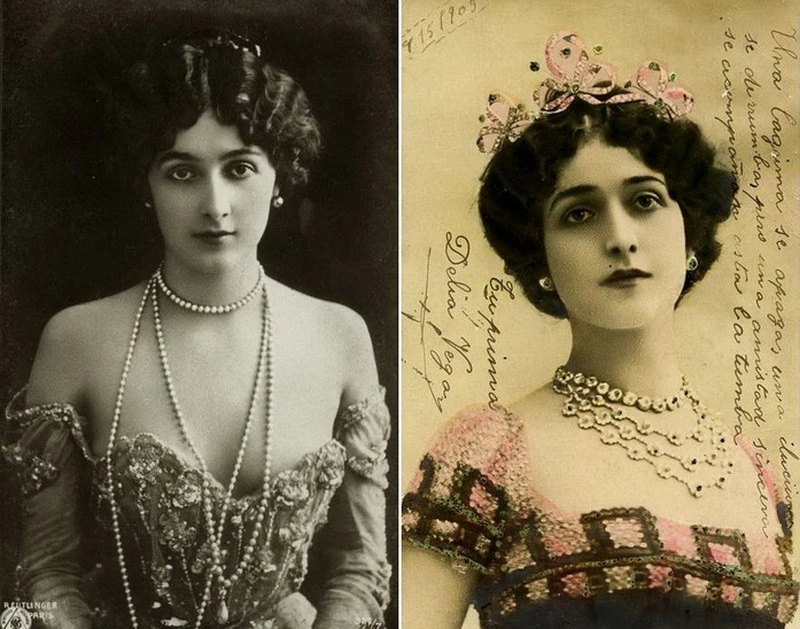
A Childhood in the Slums of Rome
Lina Cavalieri was born Natalina Cavalieri on December 25, 1874, in an impoverished neighborhood of Rome. Her father was a simple bricklayer and her mother picked up odd jobs. The family barely made ends meet, making formal music lessons out of the question. Her childhood was far from easy—she sold flowers, assisted a seamstress, and packed newspapers at a printing press long before she ever dreamed of a career in music. 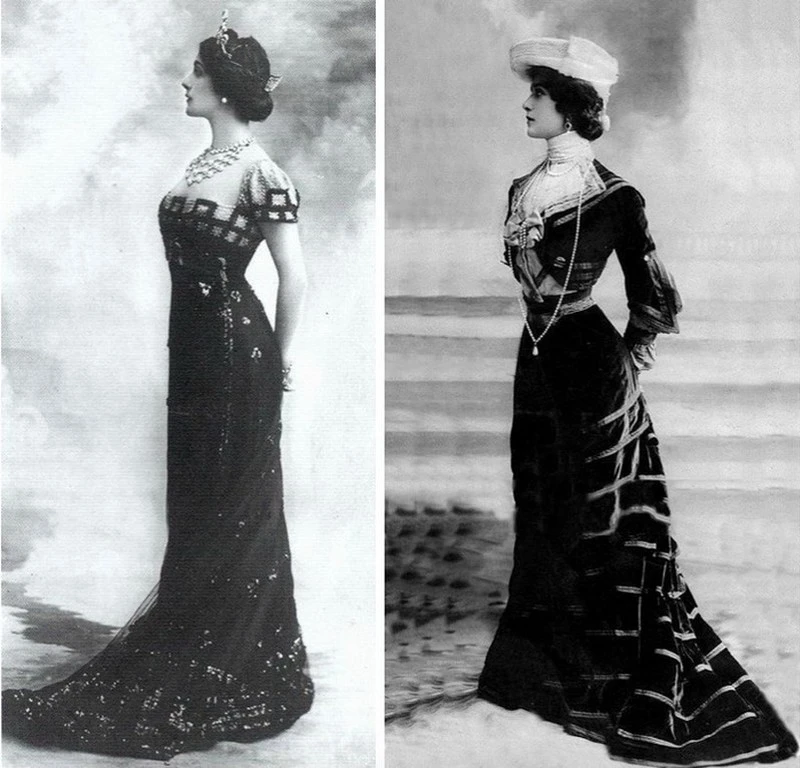
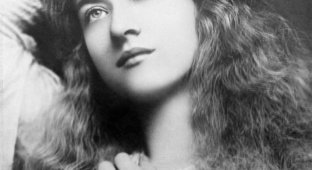
The refined and elegant look of Lina Cavalieri
Lina's singing career began thanks to a neighbor who worked as a music teacher. Overhearing the young girl humming simple tunes, he offered to give her lessons. Realizing she possessed genuine natural talent, he arranged an audition for her with a local restaurant owner.
By the age of fourteen, Lina was singing in Roman cafes to help support her family. Her stunning looks captivated patrons just as much as her voice did. Performing in smoky halls to crowds often more interested in wine than music proved to be a tough trial by fire, but it was there she mastered stage presence and learned how to enchant an audience.
First Step Toward the Big Stage
Lina’s performances consistently drew packed houses. Before long, Rome's premier venue owners were offering her generous fees. Her career was flourishing, yet she dreamed of a grander stage—the world of cafe-concerts no longer held any charm for her. 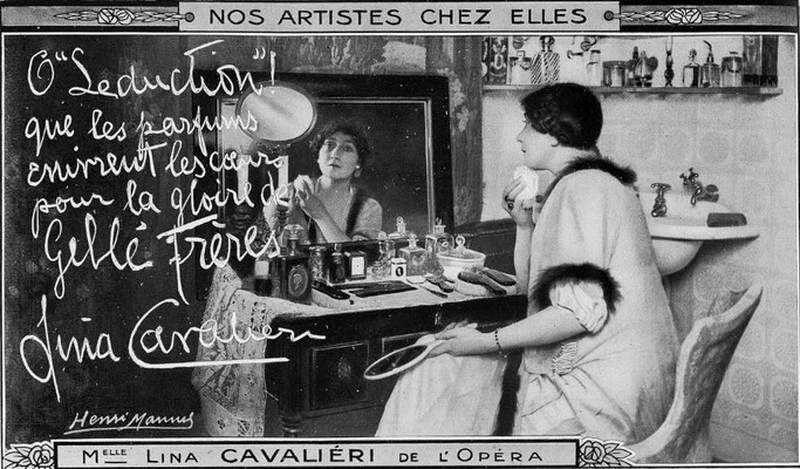
In 1890, sixteen-year-old Cavalieri caught the eye of an influential impresario. He saw beyond her beauty and light-entertainment appeal, recognizing her potential as an opera star. Lina was given the opportunity to take voice lessons with a professional instructor. Her voice proved far more powerful and rich than anyone anticipated; her natural soprano simply needed proper training. She threw herself into her studies with fierce determination, knowing this was her sole ticket out of poverty.
Opera Debut and a Scandalous Romance
In 1900, Lina Cavalieri made her operatic debut in Giacomo Puccini's "La Bohème" in Lisbon. Critics were astonished: the former cabaret singer performed with the skill of a conservatory-trained artist. Her voice boasted a rare tone, and her captivating stage presence eclipsed any minor technical flaws. 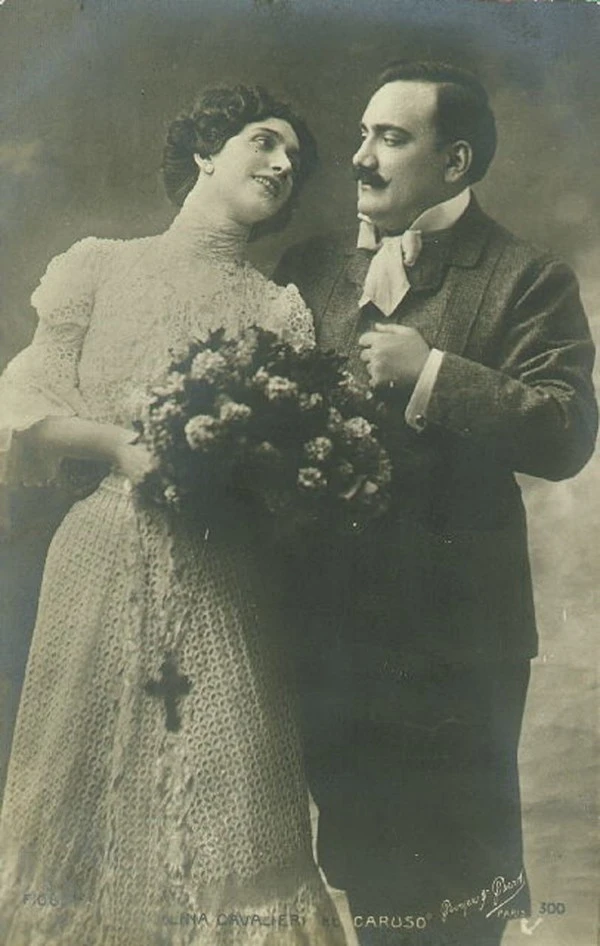
Lina Cavalieri and Enrico Caruso in duet
The success was overwhelming, leading to a flood of offers. Cavalieri performed in Madrid and Paris, and in 1906, she conquered New York, singing the title role in Umberto Giordano's "Fedora" at the renowned Metropolitan Opera. 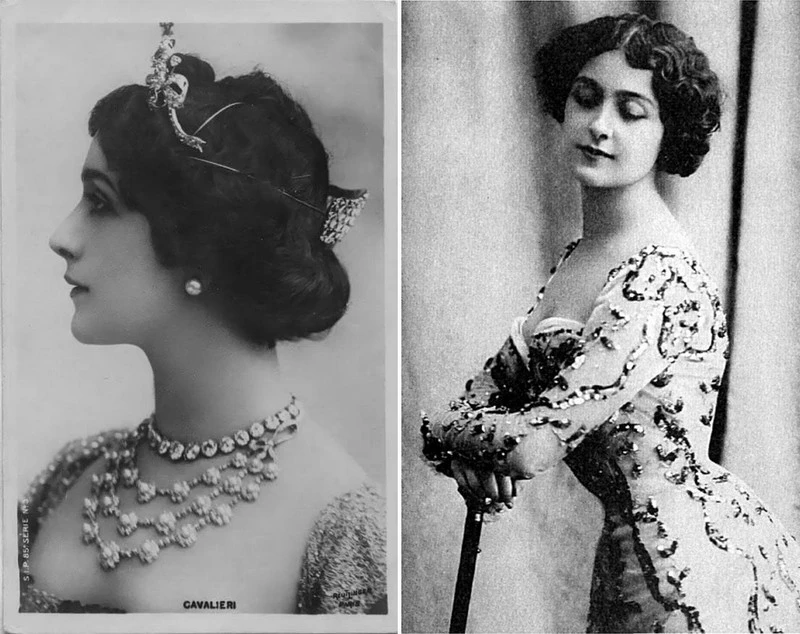
Yet it wasn't just her singing that captivated the public. Hailed as the most beautiful woman in the world, her image appeared on millions of postcards. Photographers idolized her, dubbing her the quintessential beauty of the Belle Époque. Postcards featuring her image were everywhere, selling by the millions. Even so, Cavalieri maintained strict control over her image, famously insisting that all photoshoot portraits remain tastefully modest. 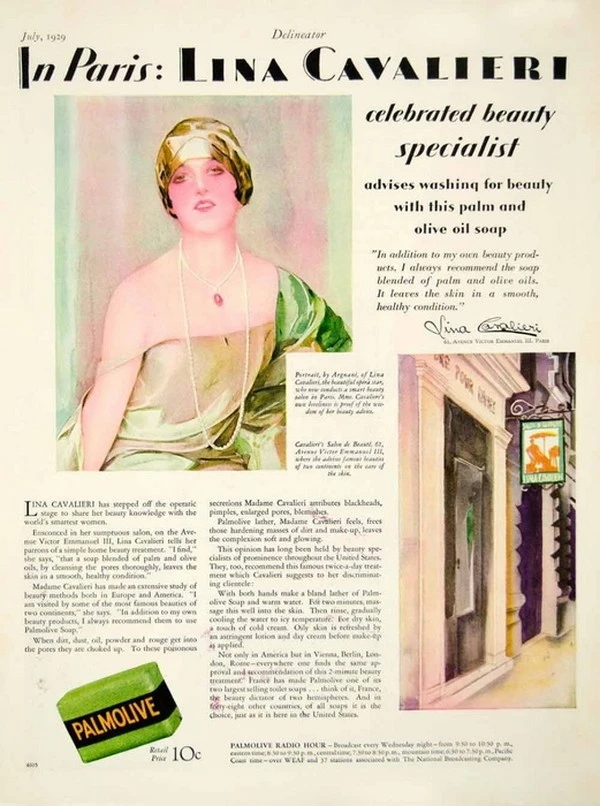
Lina Cavalieri in a Palmolive cosmetics advertisement
Four Marriages and Immense Fortunes
Cavalieri also dominated high-society gossip columns through her high-profile romances with princes, counts, and millionaires. Her love life was as dramatic as any opera plotline. She married four times, with each union sparking a public sensation. 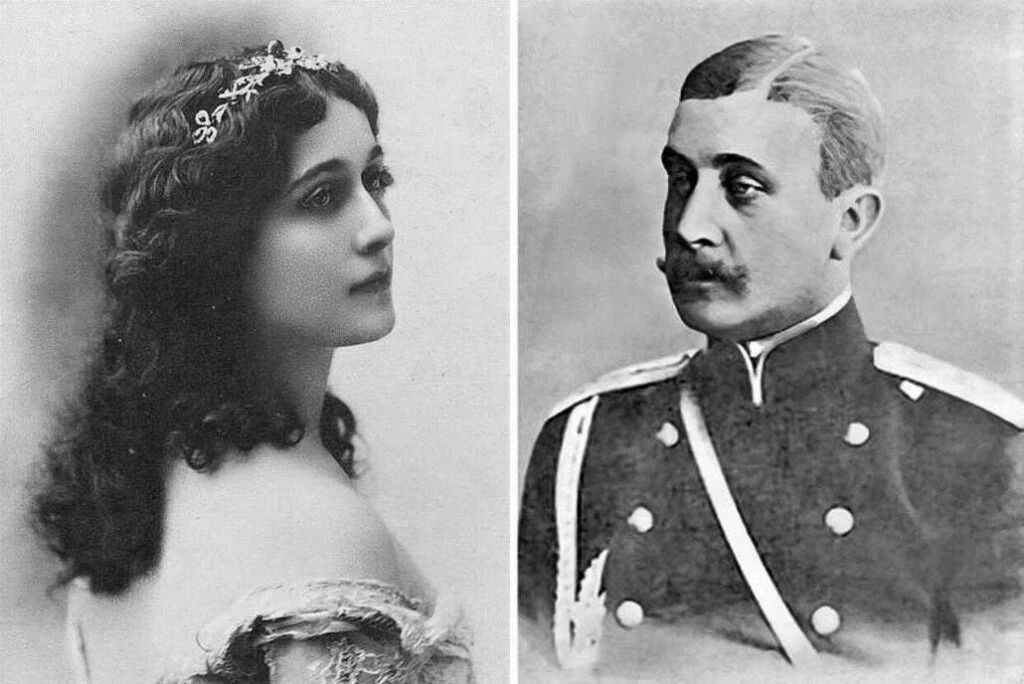
Lina Cavalieri and Prince Alexander Bariatinsky
Her first husband was Prince Alexander Bariatinsky, whom she married in Paris in 1910. The marriage lasted only a few months—the aristocrat and the prima donna proved incompatible. Nonetheless, the prince granted his ex-wife a generous financial settlement.
Her second husband was the French tenor Lucien Muratore, though that union was equally short-lived. In 1913, Cavalieri married Italian tenor Paolo Giachetti, but the couple separated after just a few years.
Her fourth marriage was perhaps the most unexpected. In 1926, at the age of fifty-two, the singer wed Paolo d’Arvanno, an Italian aristocrat with whom she spent the remainder of her life.
A Beauty Worshiped by Artists
Cavalieri's striking features inspired more than just photographers; the era's leading painters also rendered her portrait. Her face adorned advertising posters, postcards, and magazine covers, turning her into one of the world's first modern, globally recognized celebrities.
Postcards featuring Lina Cavalieri were sold by the millions
Remarkably, Cavalieri was a savvy entrepreneur who actively monetized her beauty. She launched her own cosmetics line and wrote skincare advice columns for women's magazines. In 1914, she published her book, "My Secrets of Beauty," which quickly became a bestseller. Cavalieri wasn't just a legendary beauty—she knew how to turn her iconic image into a thriving business.
Career Sunset and a Tragic End
By the early 1920s, Cavalieri's vocal power began to fade. She gradually retired from opera, favoring concert performances before making her final stage appearance in 1926. After stepping away from opera, she starred in ad campaigns, tried her hand at film acting, penned beauty columns for fashion magazines, opened a beauty salon, and published her autobiography. 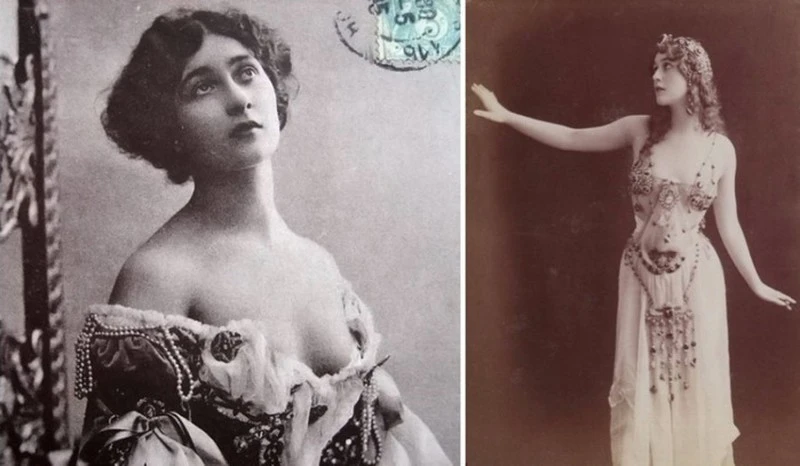
Cavalieri settled into a luxurious villa in Florence, living a quiet high-society life, hosting guests, and engaging in charity work. Nothing seemed to presage tragedy.
On February 7, 1944, during World War II, an Allied air raid struck Florence. A bomb scored a direct hit on Cavalieri’s villa. The seventy-year-old former diva and her husband were killed in the rubble of their own home. It was a tragic end to the life of a woman who had risen from poverty to global renown.
The Legacy of the Beautiful Lina
While Lina Cavalieri’s name may not be widely known today, her story remains an extraordinary testament to how talent, beauty, and an iron will can transform one's destiny. The girl from the Roman slums became an icon of the Belle Époque—a timeless symbol of feminine beauty and artistic triumph. 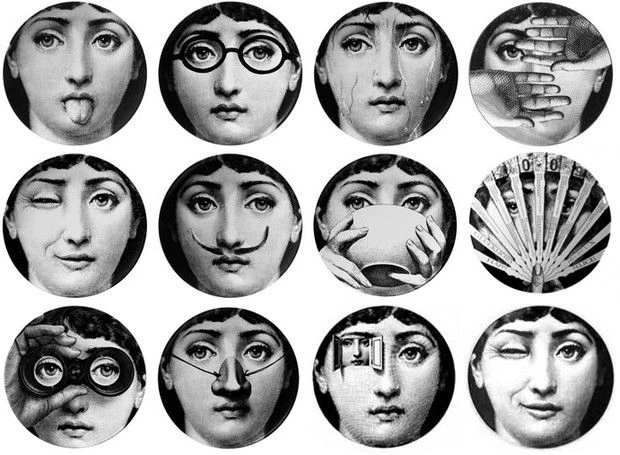
Her image continues to inspire to this day. In 2011, the Italian design house Fornasetti released a home decor collection featuring Cavalieri's iconic face. These plates, cups, and vases have become cult design classics, giving the singer's timeless beauty a second life nearly a century later.
Had you heard of Lina Cavalieri before? What do you think played a bigger role in her success—her extraordinary voice or her breathtaking beauty?