38 years, 161 rooms, and one woman who built a sanctuary for ghosts (31 photos)
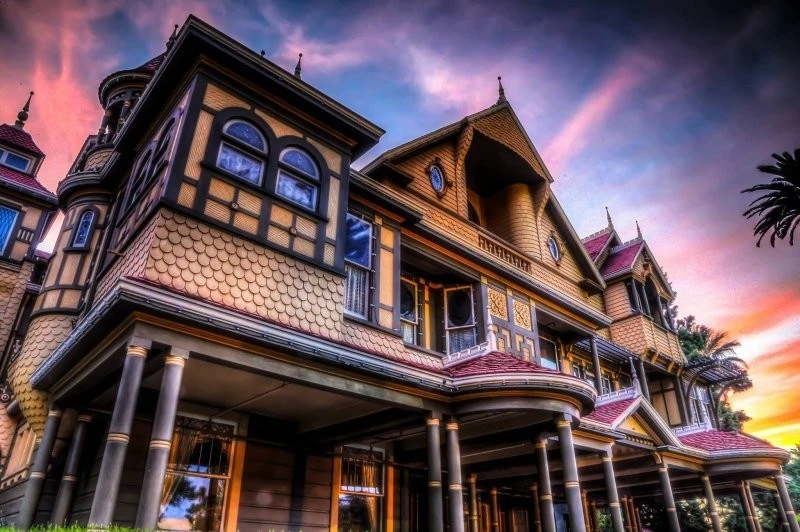
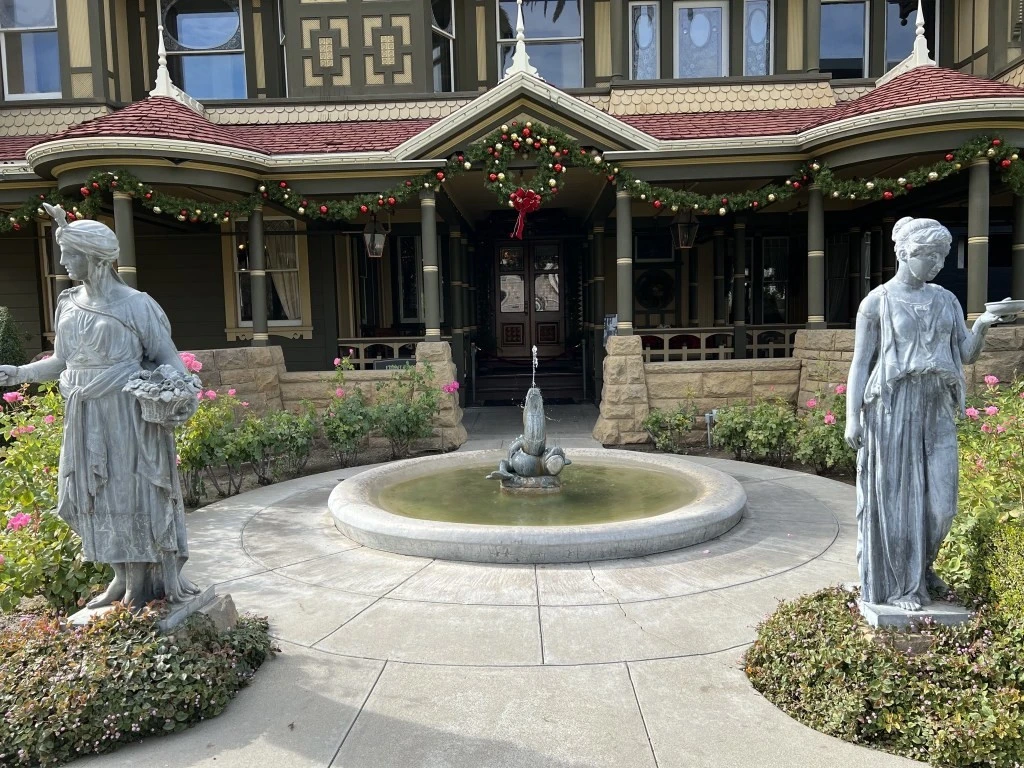
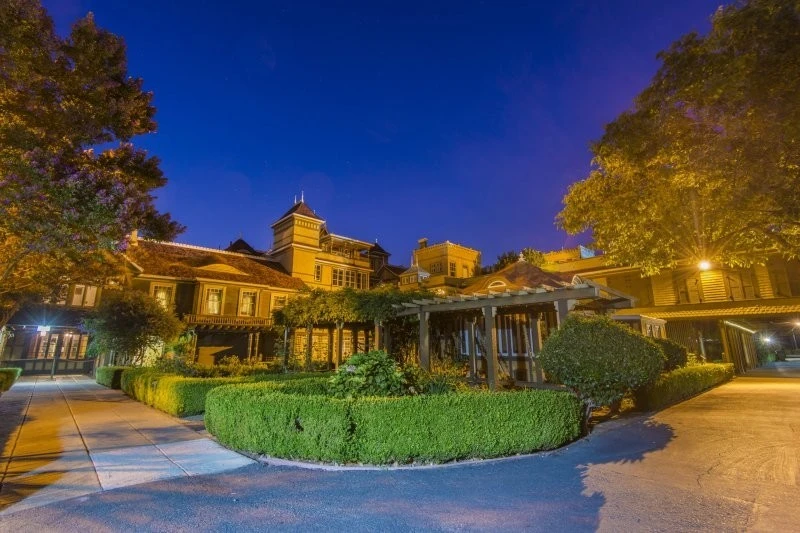
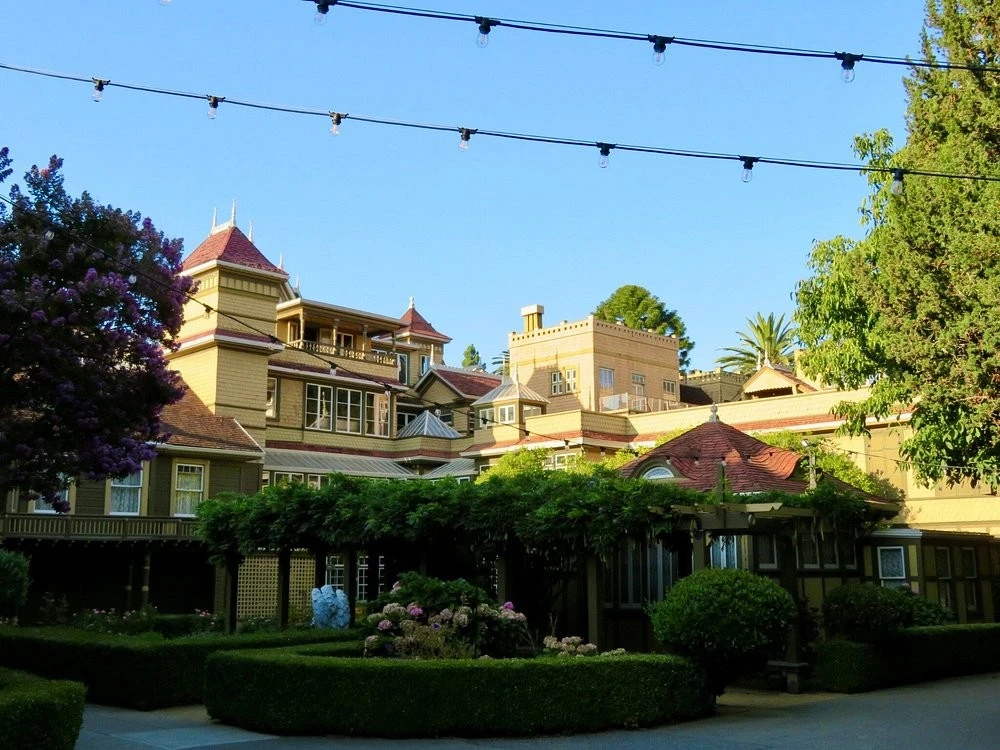
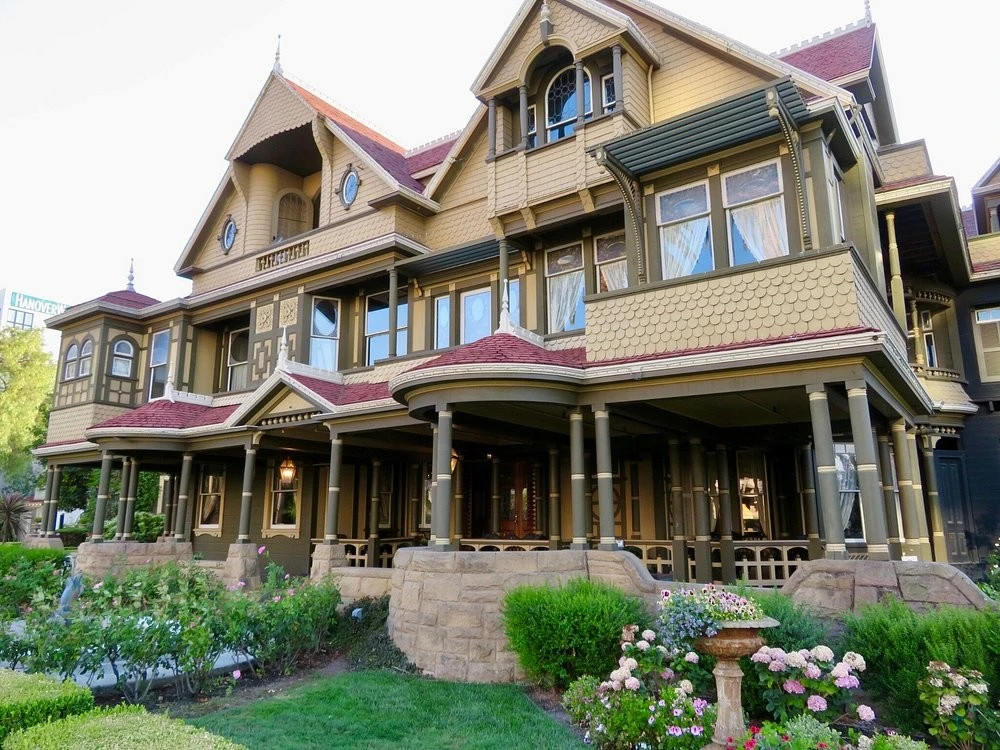
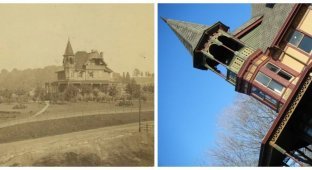
In the heart of suburban California, amidst the manicured gardens of San Jose, stands a Victorian mansion. From the outside, it exudes calm and serenity. But the moment you step across the threshold, reality crumbles like a house of cards. 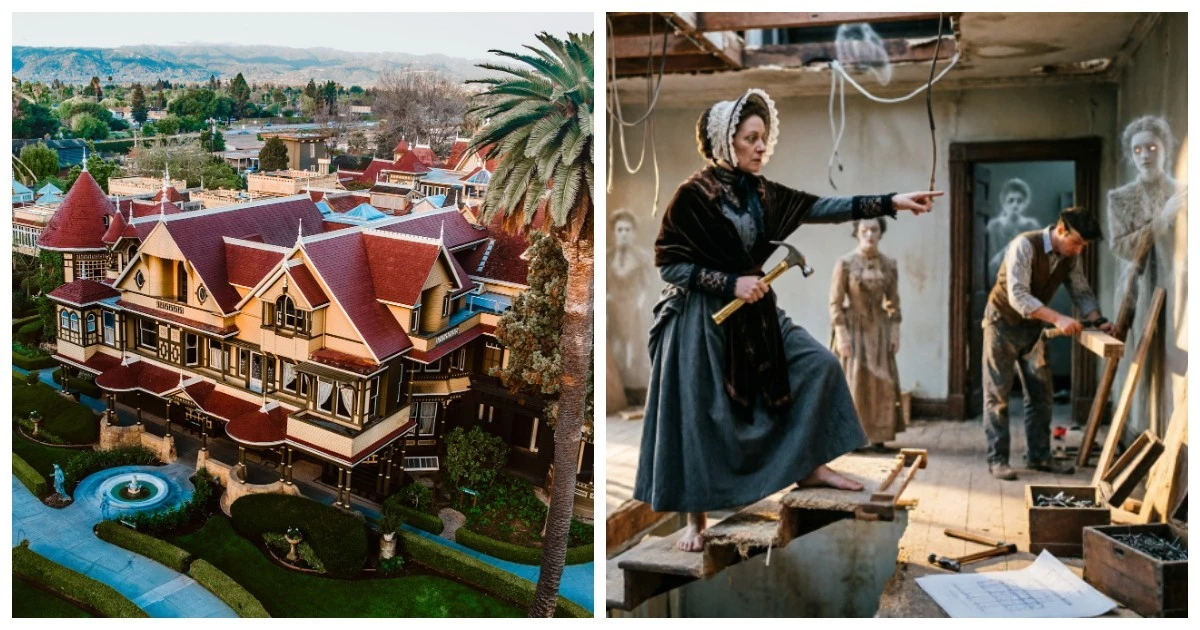
This house is the brainchild of Sarah Winchester, widow of firearms magnate William Wirt Winchester. And it is, perhaps, one of the strangest buildings on the planet. 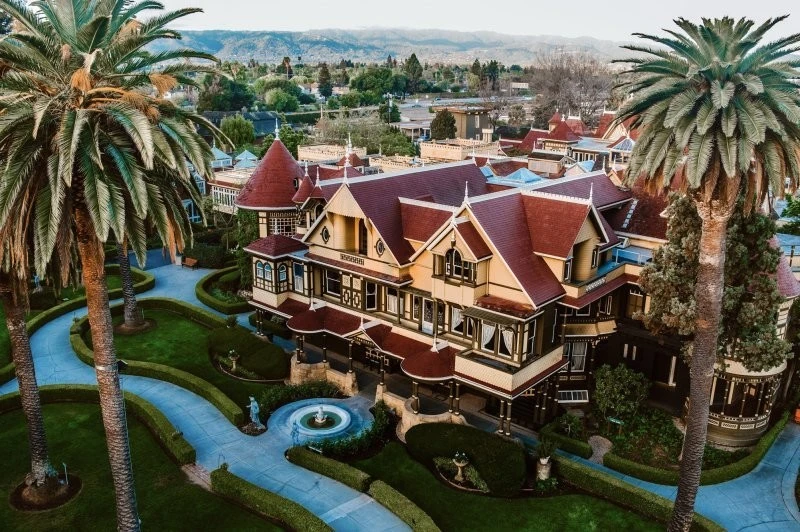
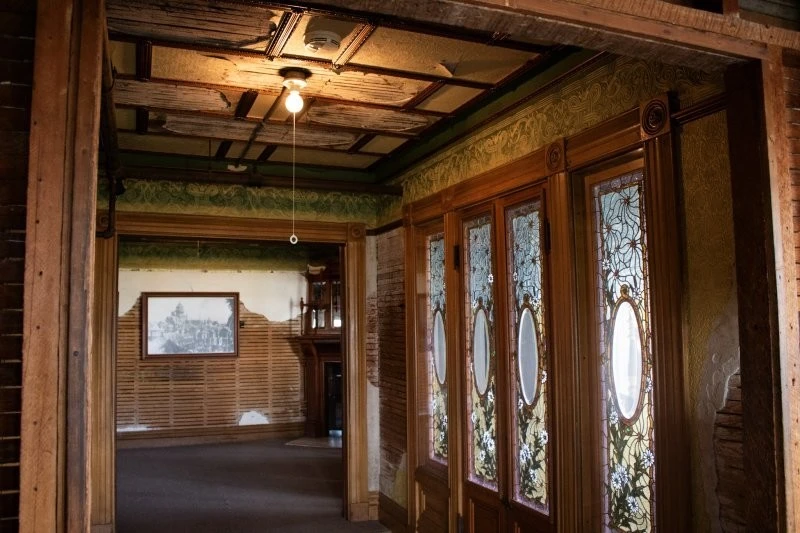
Seven stories, over 160 rooms, and in each one, an architectural absurdity: staircases that dead-end at the ceiling, doors opening into thin air, windows looking into adjacent rooms, and fireplaces that don't reach the roof. It was as if an obsession drove Sarah to build and rebuild this mansion ceaselessly for 38 years. 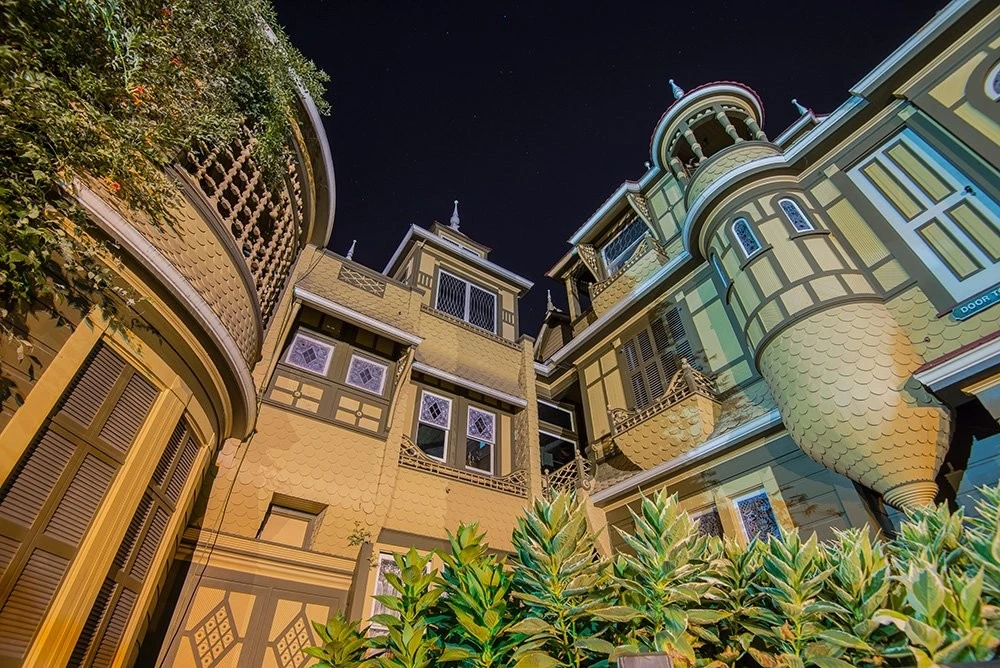
It all began with a tragedy. In 1881, her husband died, leaving Sarah a fortune—over $20 million and nearly half the shares of the Winchester company—which generated an income of a thousand dollars a day. It was a vast sum for the time, yet it offered no solace to the widow, who had also lost her young daughter fifteen years earlier. 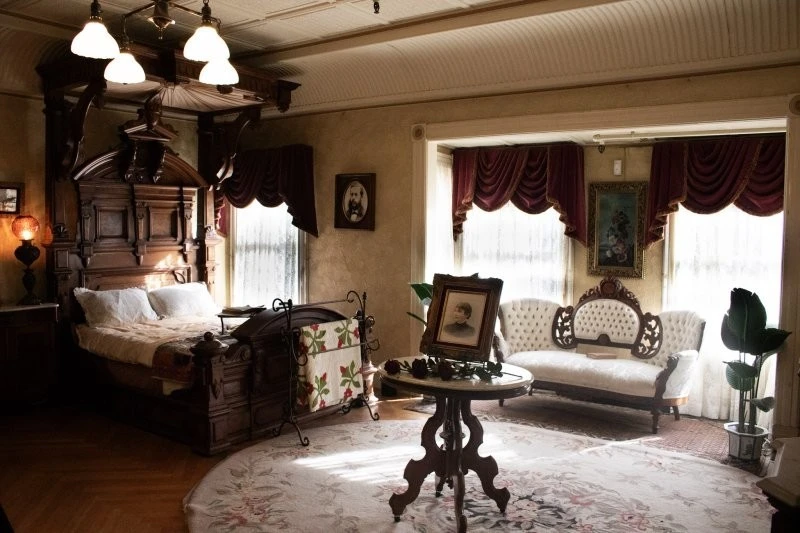
Driven mad by grief, legend has it that Sarah consulted a medium. She heard a terrifying revelation: the Winchester family was being haunted by the souls of everyone who had fallen to their rifles—the very spirits that had claimed her husband and daughter. There was only one way to save herself: move West, build a home for the spirits, and never cease construction. That is how Sarah ended up in San Jose. 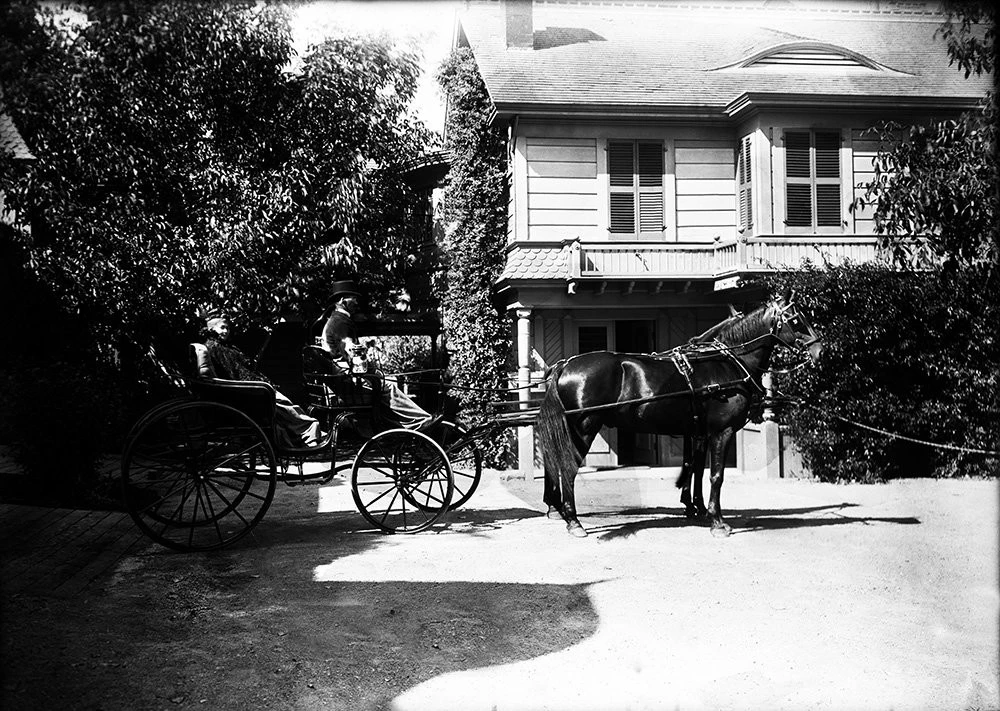
She hired no architect and had no master plan. Every morning, Sarah would show the foreman new sketches, and construction would begin. If an idea didn't work, sections were rebuilt, walled off, or demolished. This resulted in doors leading nowhere and corridors that looped back on themselves. Some say Sarah was trying to confuse the ghosts within this stone labyrinth; others suggest she was simply seeking a way to lose herself in this peculiar work. 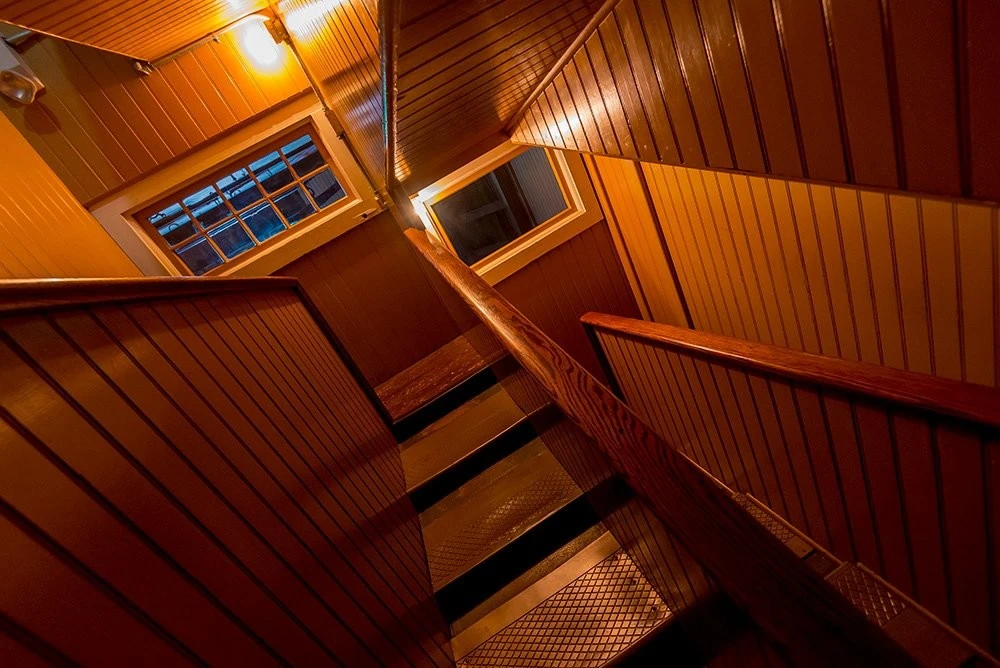
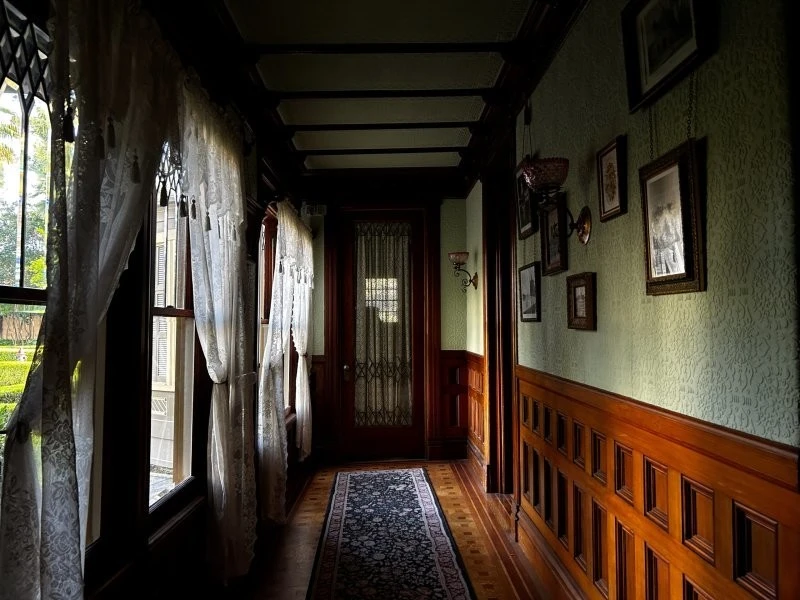
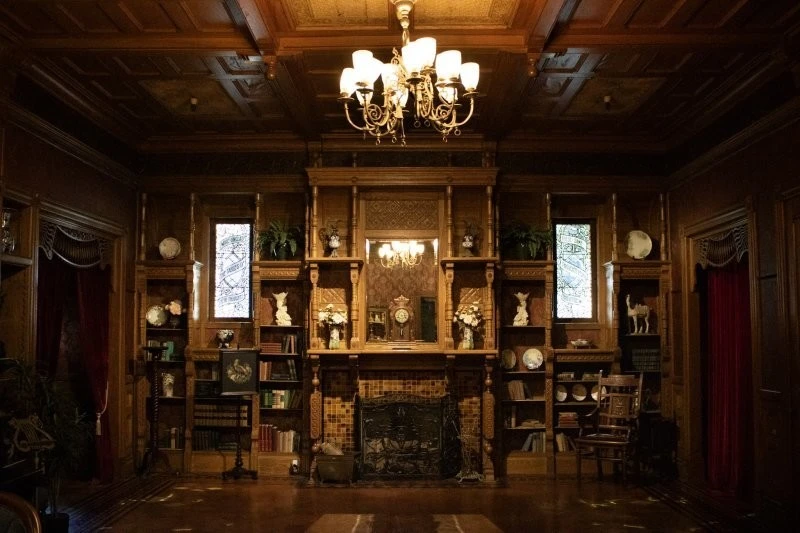
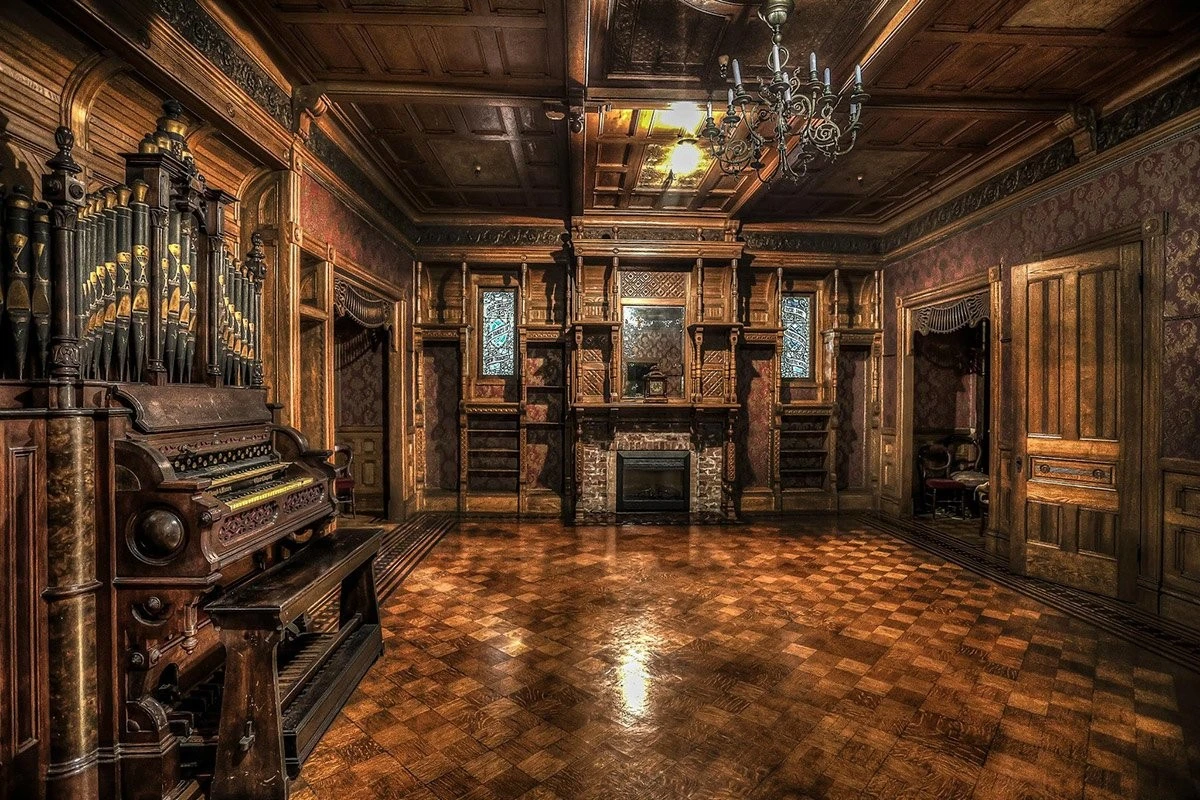
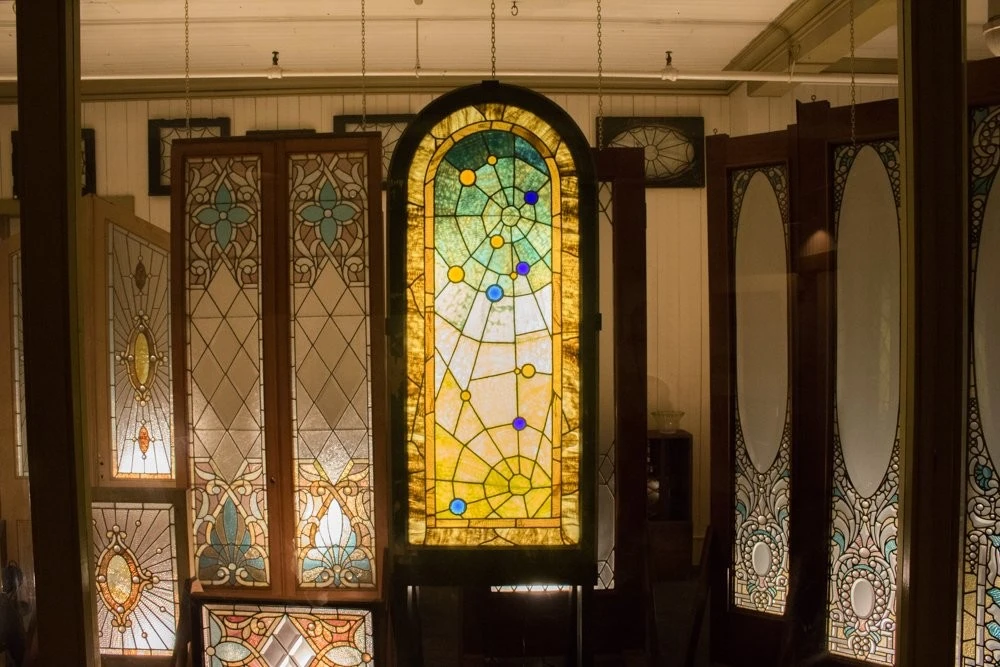
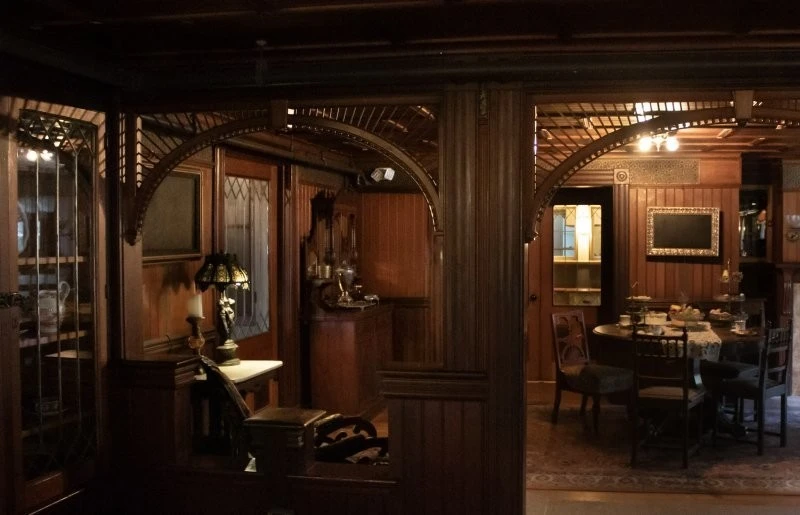
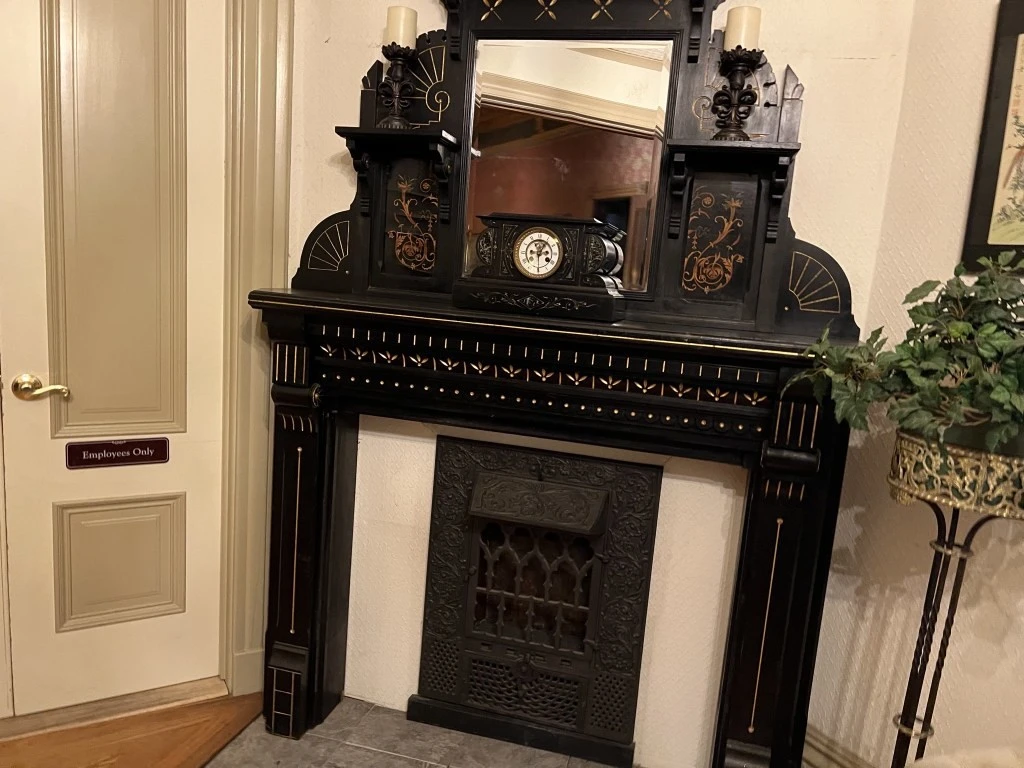
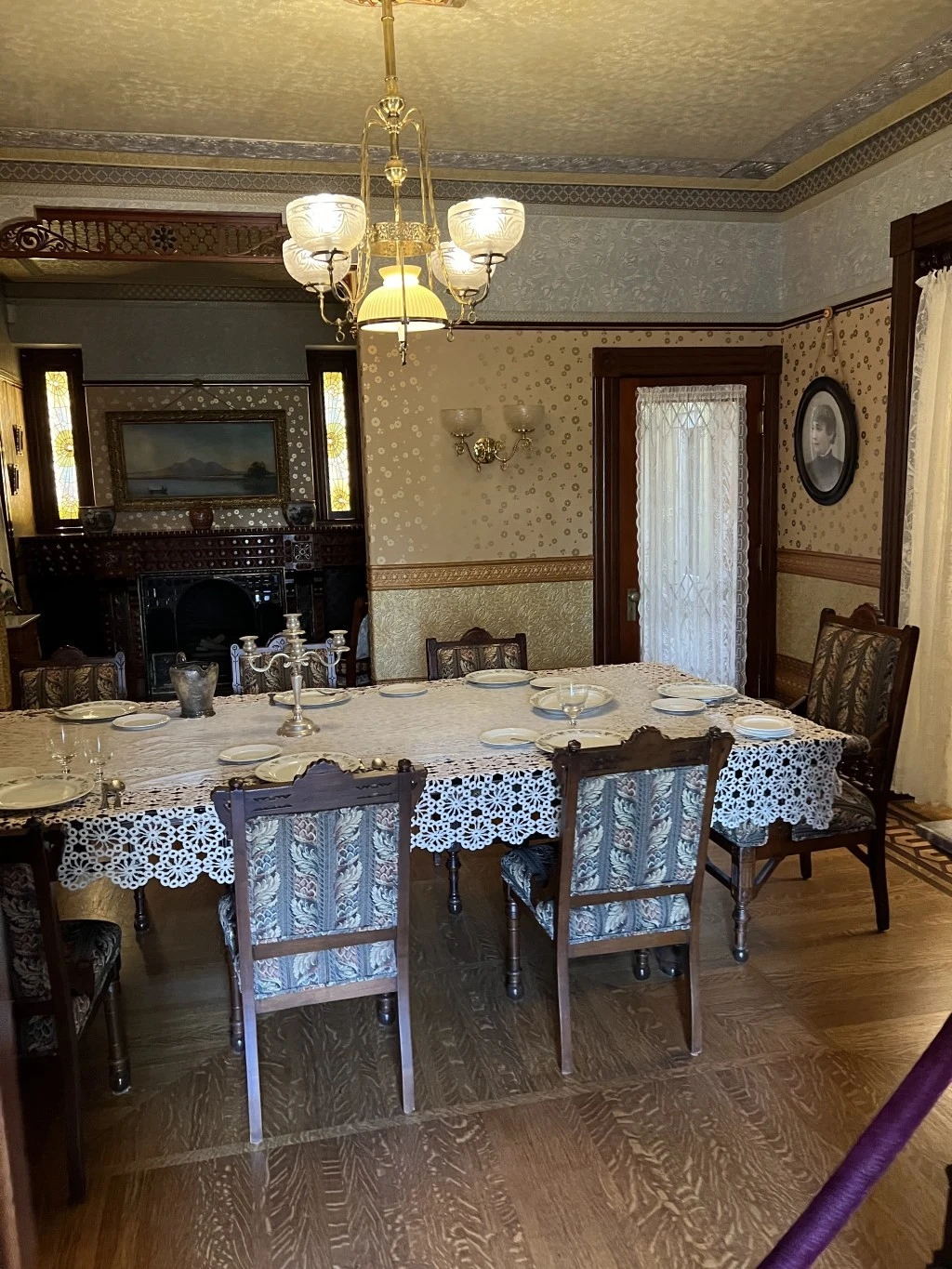
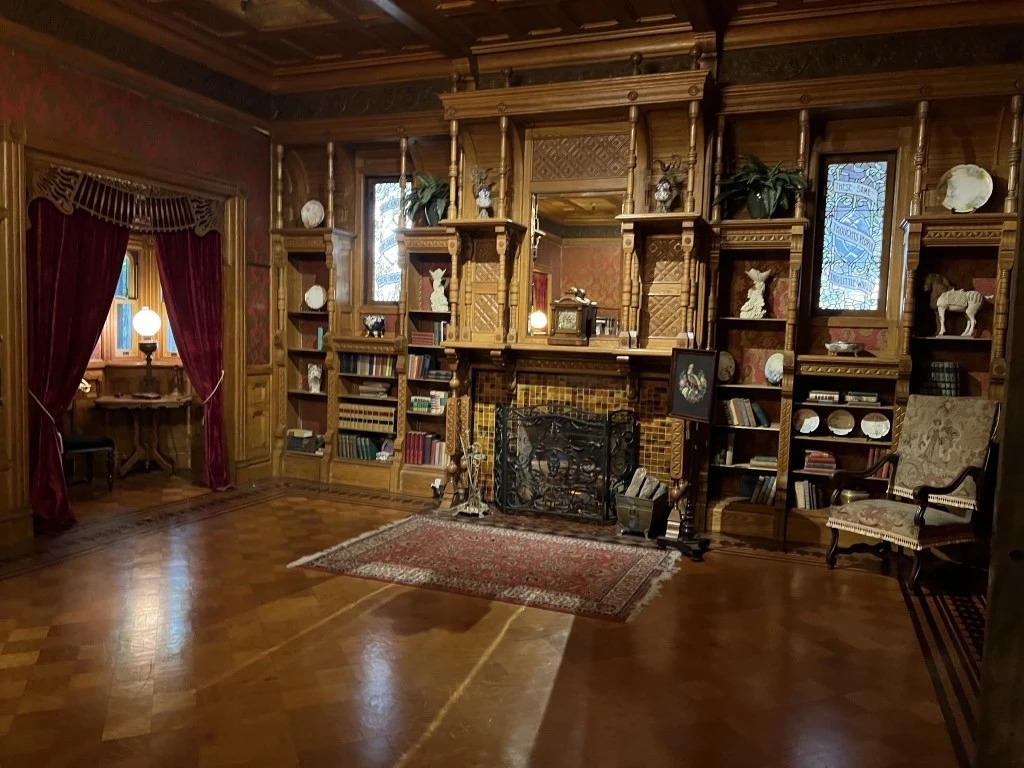
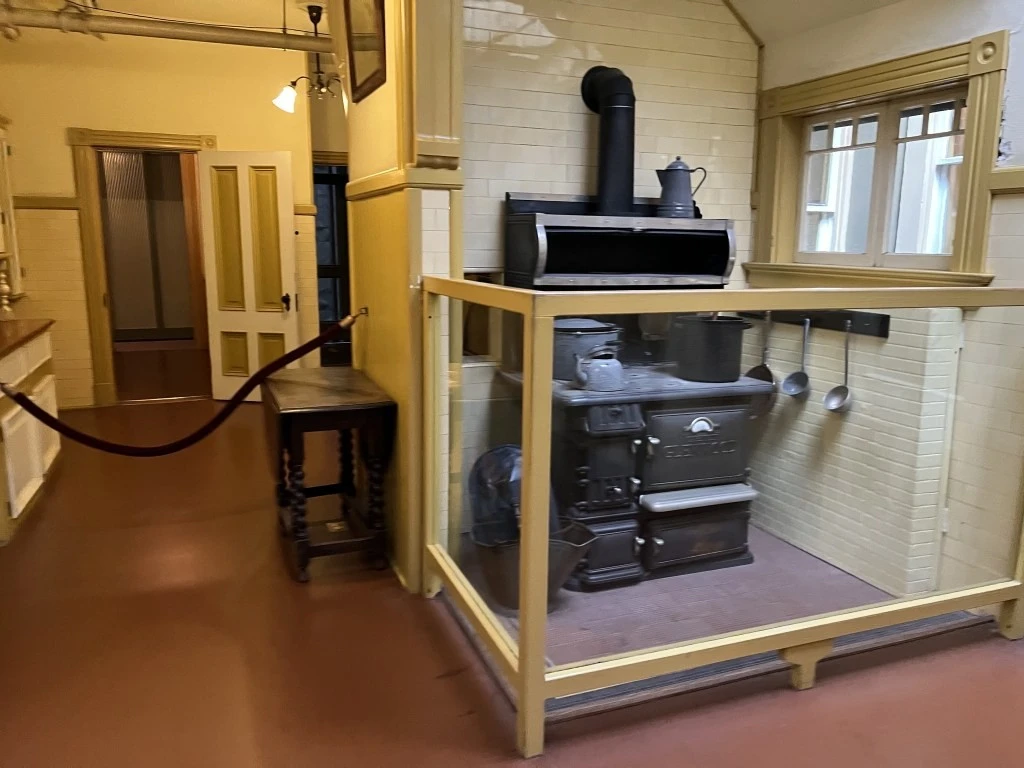
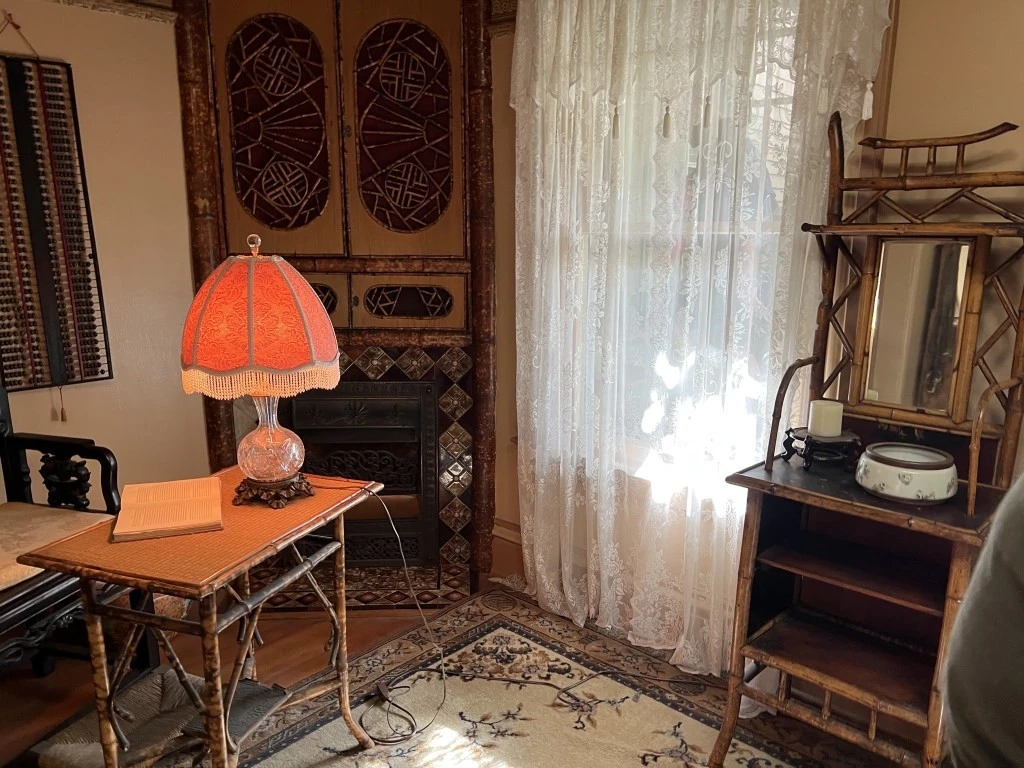
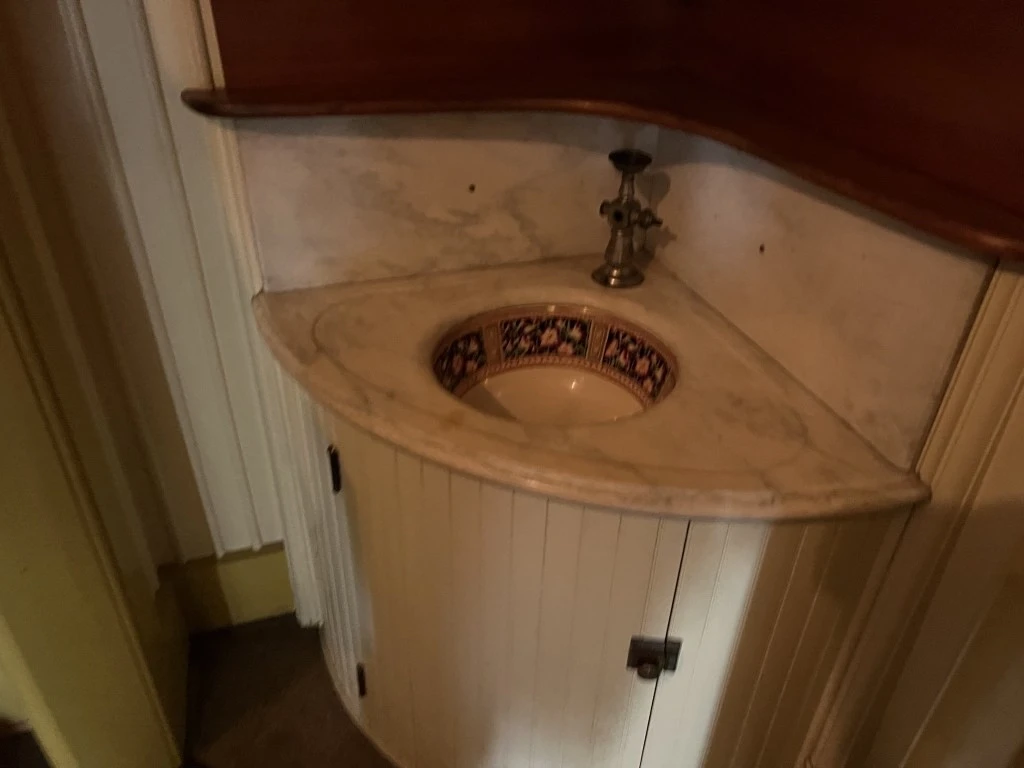
Remarkably, the house was a true breakthrough for its time: it featured private toilets and indoor plumbing, hot-water showers, steam heating, gas lighting, and even hydraulic elevators. There were gold and silver chandeliers, handcrafted parquet flooring, and doors inlaid with German silver and bronze. Master cabinetmakers spent years crafting chests and dressers for her collection of rare silks, embroidered linens, and Persian fabrics. 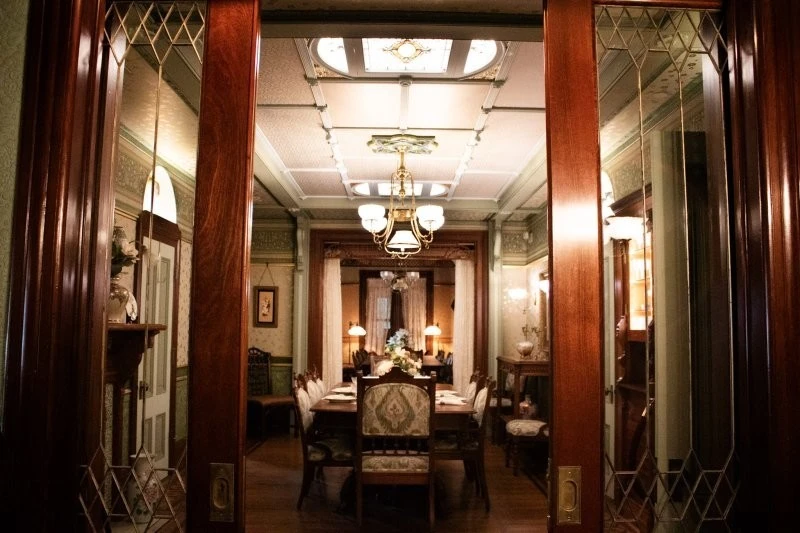
Construction continued right up until Sarah’s death on September 5, 1922. Legend has it that carpenters froze mid-swing with their hammers raised upon hearing the news. 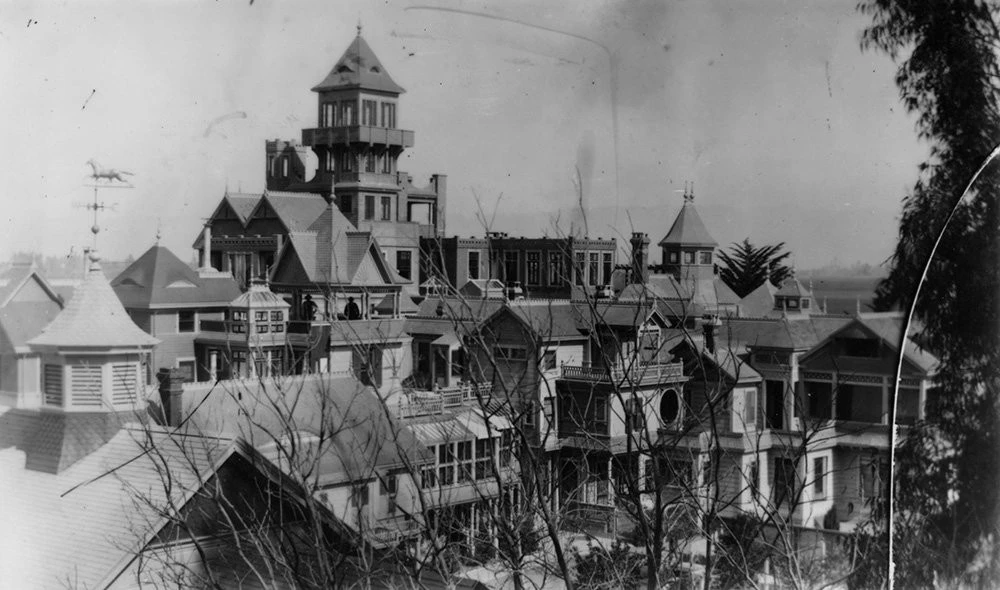
By the time she passed away, the house spanned nearly two hectares, and its layout was so convoluted that every room count yielded a different result. At first, there was talk of 148 rooms, then 160. It wasn't until October 2016 that yet another room was discovered in a sealed-off attic—the very space where Sarah had been trapped following the 1906 earthquake. Now there are 161 of them. Sarah spent $5.5 million on construction, yet the mansion sold for just $135,000 at the auction following her death. By 1924, it had become a tourist attraction, and in 1974, it was added to the U.S. National Register of Historic Places. 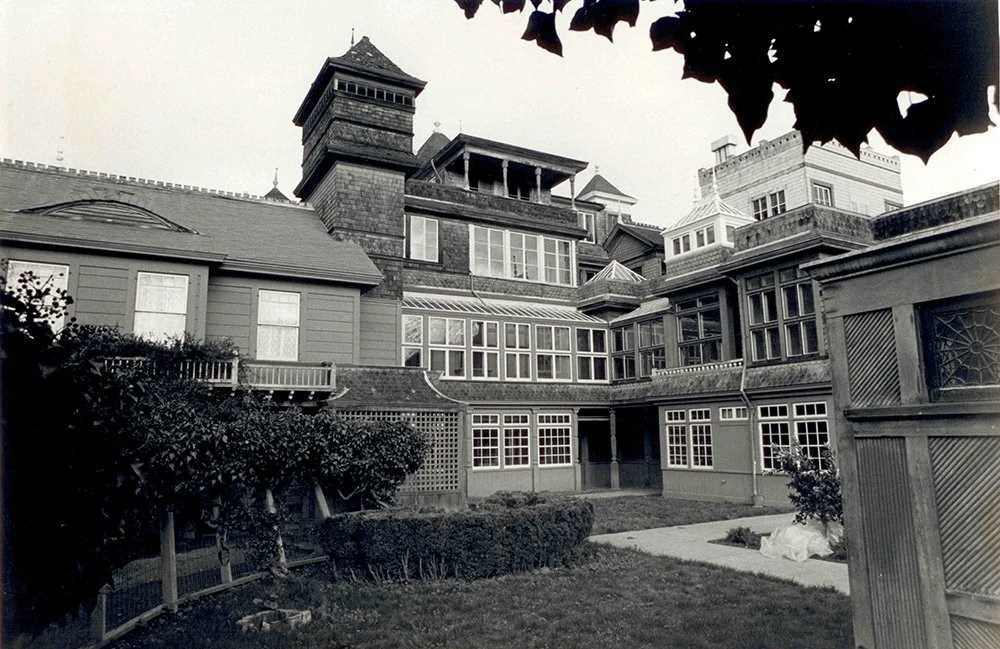
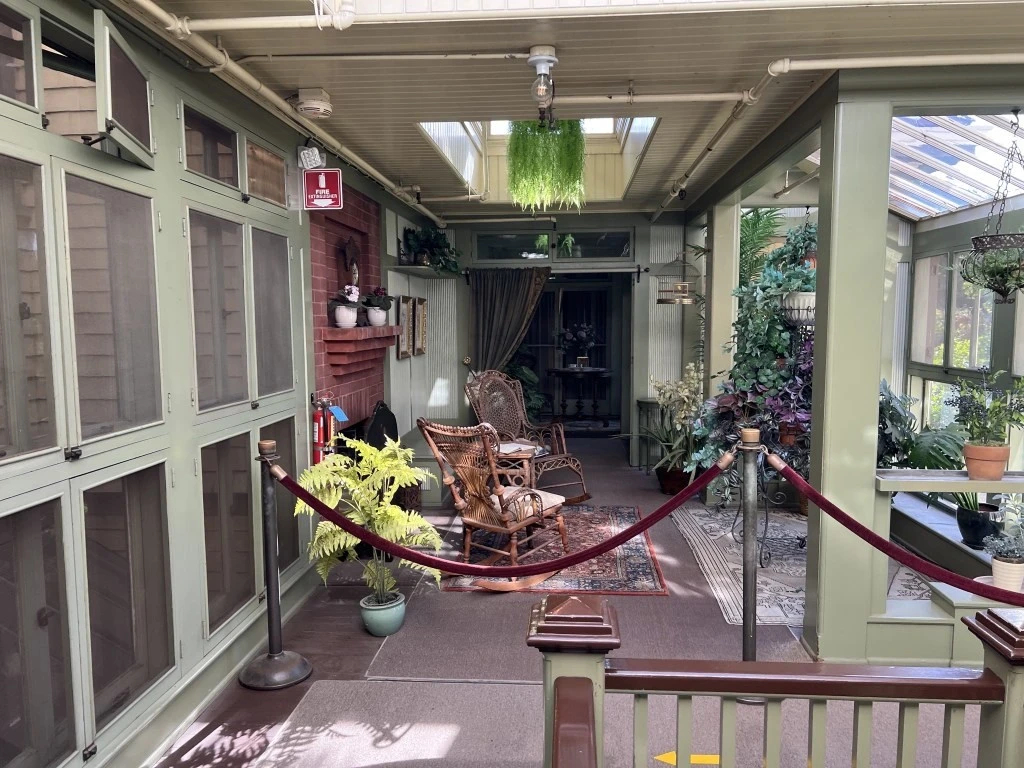
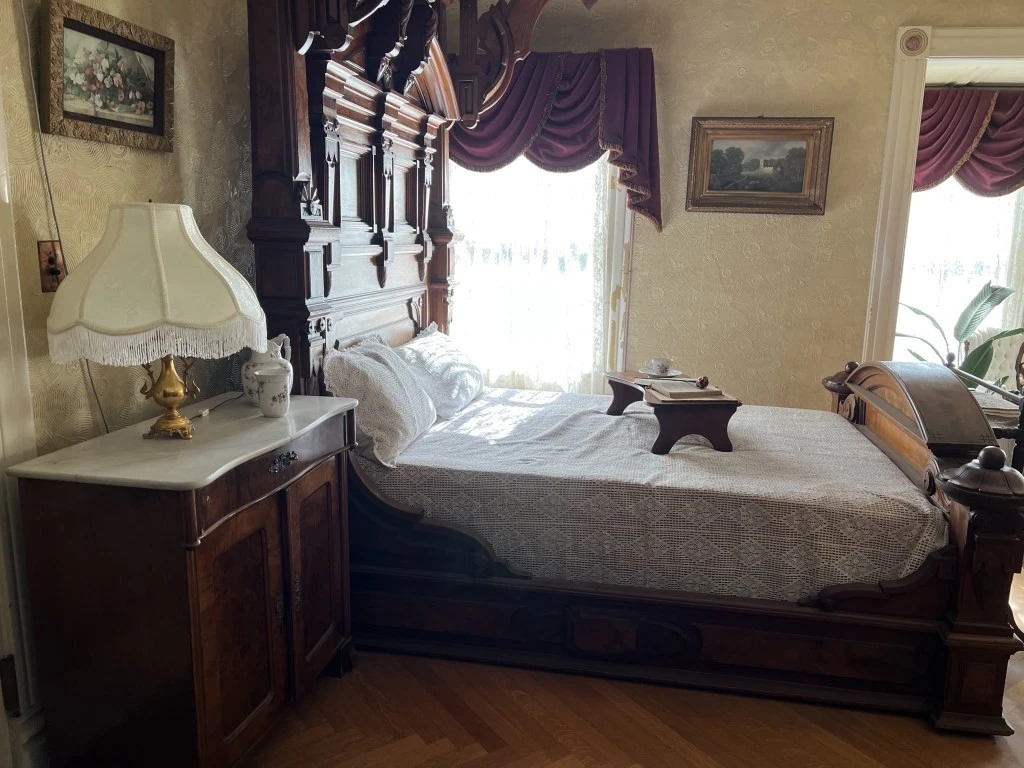
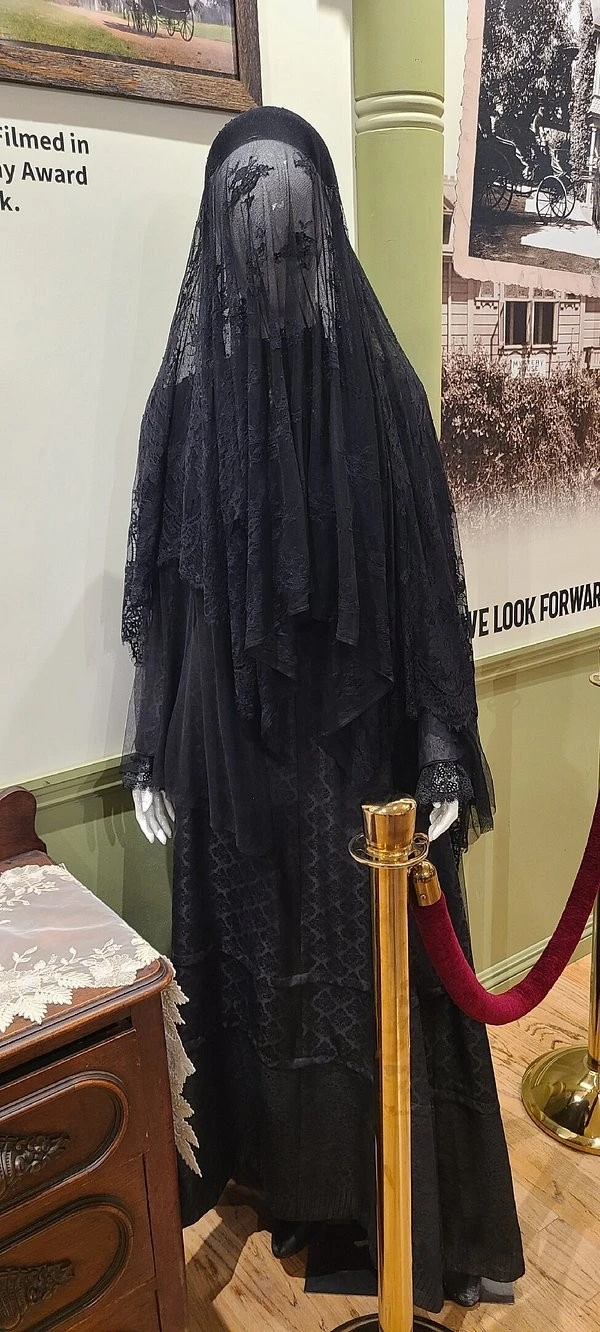
Today, the Winchester House is one of San Jose's major attractions. It is not merely a museum but a full-fledged visitor attraction. Tourists can tour 110 rooms during a 65-minute guided visit, while the bravest among them can take flashlight tours of the basements and attics. The grounds feature Victorian gardens, as well as cafes and gift shops. In June 2026—marking the mansion's 103rd anniversary—a blouse that once belonged to Sarah was put on display in her bedroom. Rumors of ghosts persist, and many visitors report hearing strange sounds or seeing shadows on the staircases that lead nowhere.