Cognac is celebrated worldwide as a noble, sophisticated spirit. Connoisseurs appreciate its subtle flavor nuances, but even seasoned drinkers rely on the bottle label when choosing a blend. XO, VS, VSOP—what do these mysterious letters actually mean, and why do they matter? 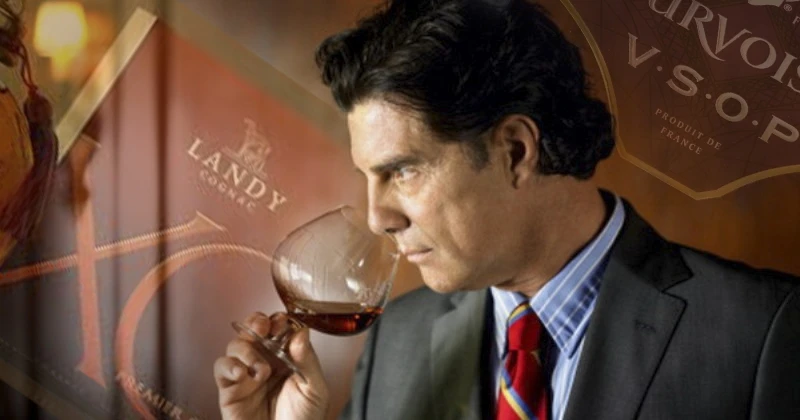
Unless you're a master distiller, a seasoned taster, or psychic, you probably can't tell a cognac's age just by its color, aroma, or taste. Yet the time it spends aging in an oak barrel is precisely what defines its character. 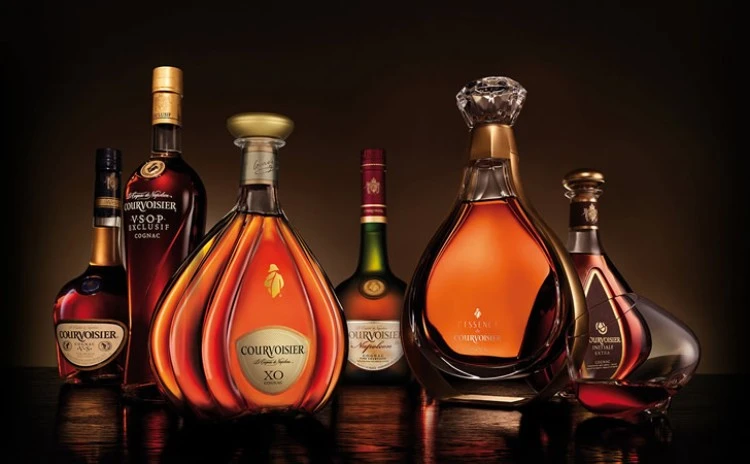
Luckily, you don't need a degree in spirits production to make sense of it—everything you need to know is printed right on the label. Naturally, this applies to authentic, high-quality cognac, not cheap knockoffs off the bottom shelf.
How Cognac Aging Works
First, it is worth noting that a cognac’s age isn't measured from when it enters the barrel to when you pop the cork. It counts only the time spent in direct contact with oak wood. Once transferred from the barrel into glass or another container, cognac stops aging—a bottle stored for ten years remains virtually identical to the day it was bottled. 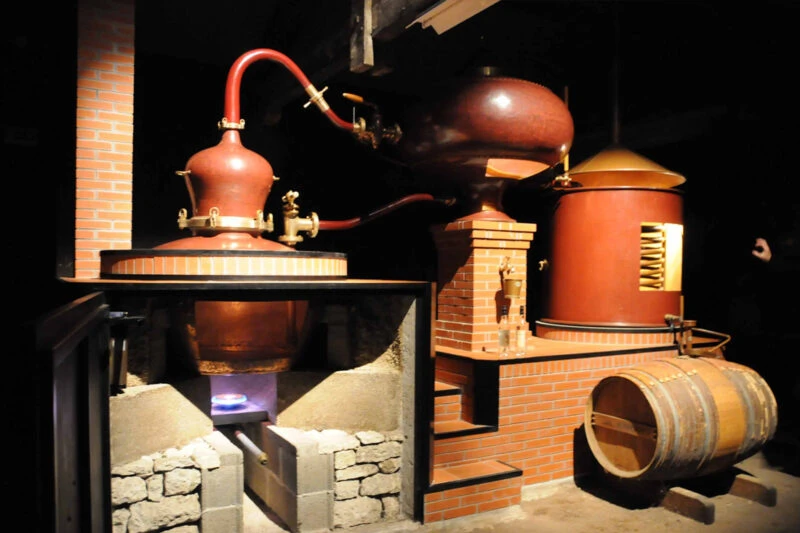
Cognac distillation equipment
Legend has it that cognac was invented by the Norsemen who settled along the French coast in the 9th century. The Scandinavians took a liking to French wine and stocked up on large quantities before setting sail on long voyages.
To make transport easier, they devised double distillation to concentrate the young wine into a spirit intended to be diluted with water later. But the seafaring raiders enjoyed the undiluted spirit so much that they drank it neat, calling it
brandjiwin
—or "burnt wine." While not quite cognac yet, it was the forerunner of the spirit we know today.
Over time, sailors noticed that grape spirit left in wooden casks during months at sea actually improved. After a few years, it was transformed beyond recognition. Cognac eventually became France's flagship spirit—and by strict international law, true Cognac can only be produced in that specific region of France. 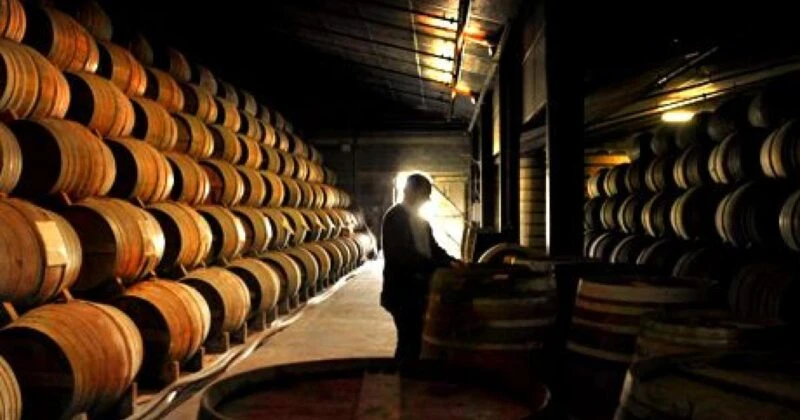
How cognac is aged in France
French production and labeling standards are legally protected, prohibiting foreign distillers from using the designation. Although Armenian brandies—famously favored by Winston Churchill—are held in high esteem, they follow their own traditional labeling systems.
Official designations like VS, VSOP, and XO are regulated exclusively by France's
Bureau National Interprofessionnel du Cognac
(BNIC). Any spirit produced outside the region using these names is, technically speaking, an impostor.
Many people gauge cognac by the stars on the label, which usually range from three to five. Contrary to popular belief, these stars don't represent years. Each star actually stands for 10 months spent in sealed oak casks. Interestingly, cognac aging officially begins at the exact same moment every year: 1:00 AM on April 1st, after the grape distillate has been distilled and transferred into oak barrels to mature. 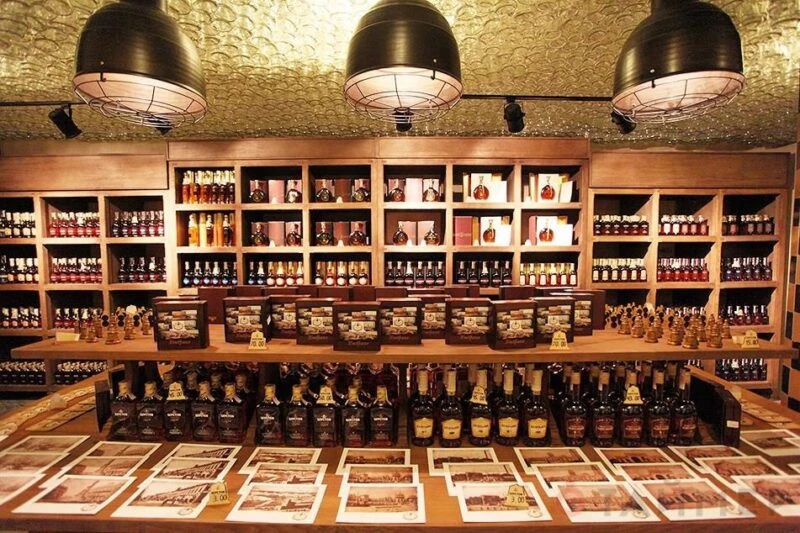
Standard brandies feature at least three stars, denoting a minimum aging period of 30 months. However, simple age counts don't tell the whole story, which is why French distillers created a more nuanced and informative labeling system.
Decoding French Cognac Labels
Letter codes often appear on cognac bottles worldwide. While popular myths abound regarding what they stand for, the official meanings are quite straightforward:
C (Cognac) — cognac
E (Special) — special
O (Old) — old
V (Very) — very
S (Superior) — superior
P (Pale) — pale
X (Extra) — extra
Memorizing these terms is a great way to show off your spirits knowledge at a dinner party. But understanding how these letters combine will truly make you sound like an expert. 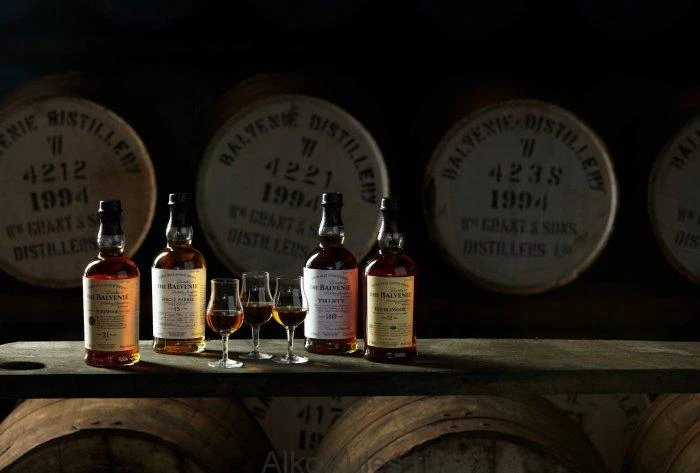
Things get a bit more detailed here. For example,
VS
(Very Special or Very Superior) refers to a cognac aged in oak barrels for at least two and a half years. This tier is also known as
Trois Étoiles
("Three Stars"). Another common designation,
VO
(Very Old or Reserve), indicates a spirit aged for at least three years.
VSOP
stands for
Very Superior Old Pale
. To earn this designation, the cognac must age for at least four years, though many producers age it much longer. A rarer classification,
VVSOP
(
Very-Very Superior Old Pale
or
Grande Reserve
), requires at least five years of aging. 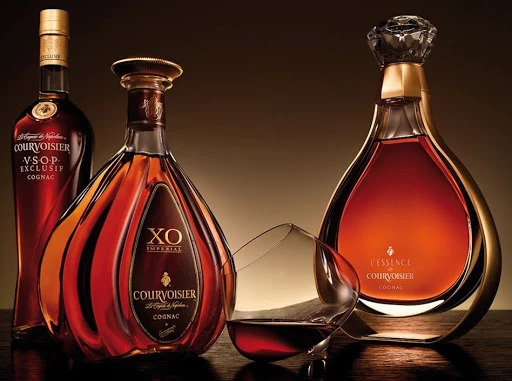
Step up to the legendary
XO
(
Extra Old
), synonymous with luxury and prestige. By law, XO requires a minimum aging period of over six years. This is essentially the peak official category—even if a cognac is aged for 20 years, it generally falls under this classification.
But why does official classification stop after a certain age? Spirits experts note that longer aging doesn't automatically mean better flavor. Because extreme barrel age can overpower the subtle nuances of the blend, French law historically capped official age designations on labels to prevent misleading marketing. 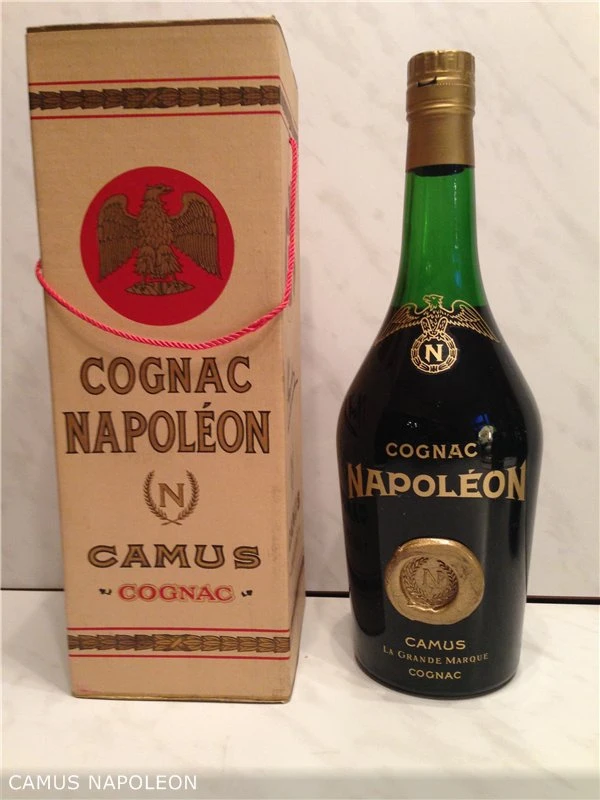
By the way, terms like
Extra
,
Napoleon
, or
Grand Reserve
on French labels are neither brand names nor product titles. They are official quality and age indicators designed for connoisseurs.
Soviet and Post-Soviet Brandies
While authentic Cognac comes strictly from France, producers in other regions historically used the term "cognac" (
konyak
) for domestic brandies—a practice widespread during the Soviet era that continues in some local markets today.
Armenian brandy was widely regarded as the gold standard across the USSR, earning praise even from French winemakers. This rich tradition explains why major European spirits houses continue to partner with top Armenian distilleries. 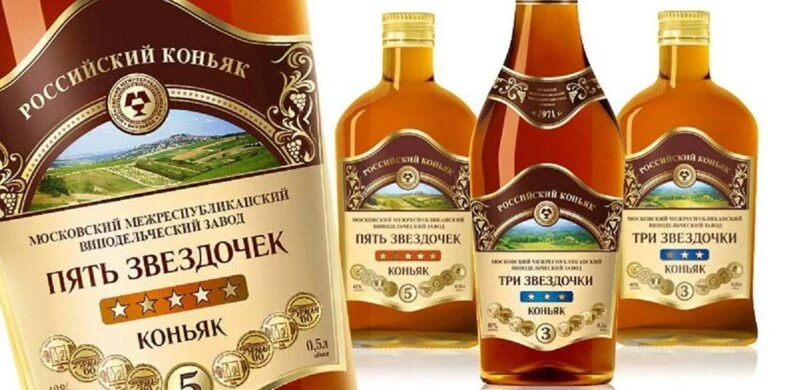
The domestic classification system created in the Soviet era mirrors the French framework in some ways, but has key differences. Most notably, each star on a local bottle represents a full year of oak aging rather than ten months.
Three stars is the modern baseline for standard brandies, though Soviet-era bottles ranged from one to five stars. Premium aged brandies used letter codes similar to the French system:
KV
(
Konyak Vyderzhannyy
/ Aged Brandy): Aged in oak barrels for at least 6 years.
KVVK
(
Konyak Vyderzhannyy Vysshego Kachestva
/ Superior Quality Aged Brandy): Aged for over 8 years.
KS
(
Konyak Staryy
/ Old Brandy): Aged for 10 years or more.
OS
(
Ochen Staryy
/ Very Old Brandy): Aged for 20 years or more, often matured in classic cellar reserves. 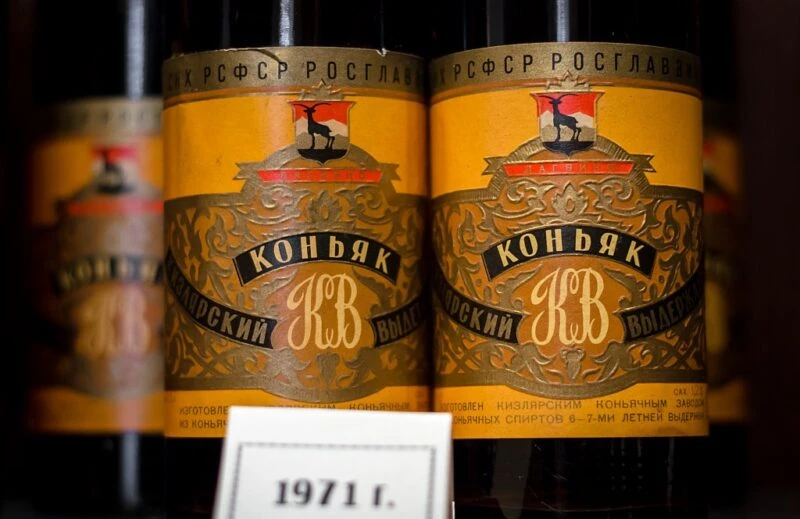
As you might expect, these "very old" brandies are the most prized, with prices frequently rivaling luxury French cognacs. Beyond commercial bottles lie rare collector's editions—spirits aged for a lifetime or more. Rarely opened even for special occasions, these prized bottles are auctioned worldwide for small fortunes.
Add your comment
You might be interested in:
















Protective film Removing it with a power screwdriver

How to start a 102-liter engine

When a child plays hide-and-seek at a professional level

Man sets up bedroom camera and discovers the reason for his

Super dads who swoop in to save the day

Precision carpentry

Looks like it's time to buy WinRAR

How to hang wallpaper neatly

Athlete in Bavarian dress flies over a lake on a hydrofoil
