Ranking the adaptations of *Murder on the Orient Express*: from the perfect villain to a caricature (14 photos)
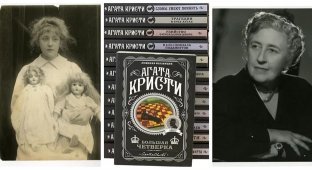
In 1934, Agatha Christie gave the world a detective story that revolutionized the genre. "Murder on the Orient Express" isn't just a twisted case with a surprise ending. It's a cruise through human weaknesses, secrets, and guilt, packaged in a luxury car, where a killer lurks behind every table. 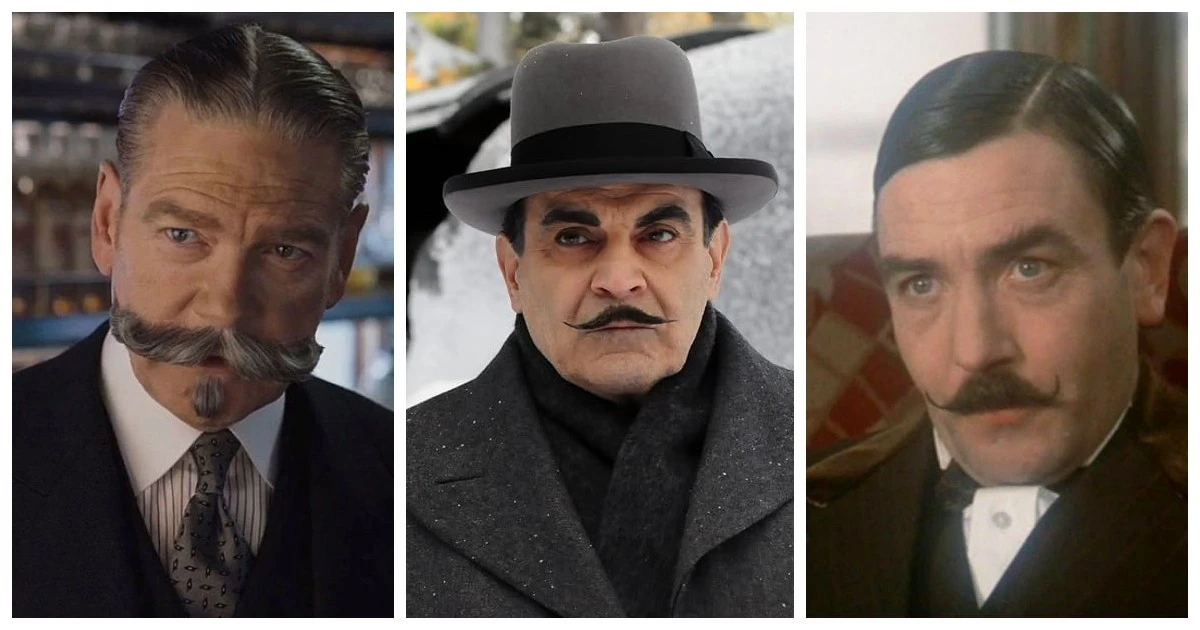
And, of course, literary sleuth Hercule Poirot shines here in all his glory, adjusting his starched collar and turning to his inner man.
Over its nearly century-long history, the novel has been adapted for the screen numerous times. Glossy blockbusters and intimate television plays have been made, some have been set in modern times, others have been left in the atmospheric 1930s. Each version has its own stars, its own accents, and its own flaws. We've reviewed all the significant adaptations, ranked from worst to best. And, please note: the highest-budget version isn't always the best.
5th place. "Murder on the Orient Express" (2001) – A Failure to Transition into the 21st Century 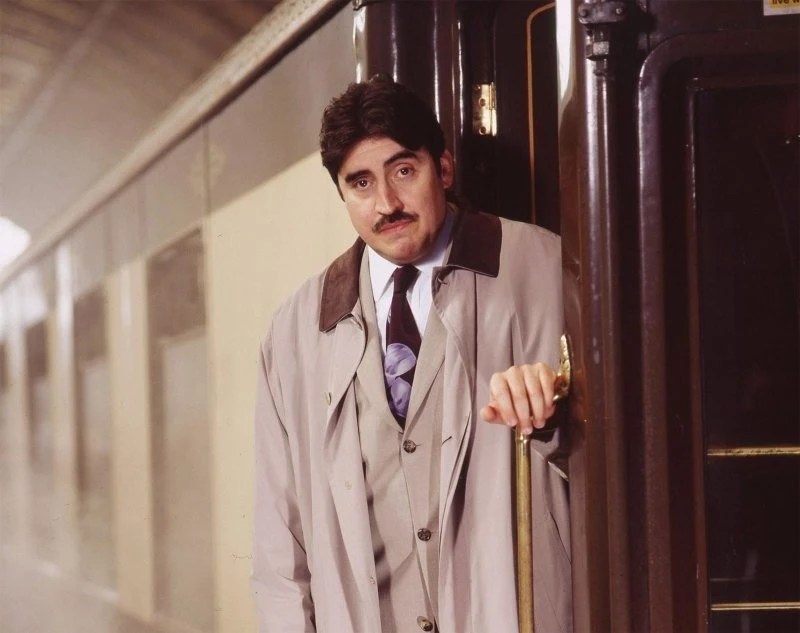
This TV movie starring Alfred Molina as Poirot is a prime example of how a good idea can be ruined by poor execution. The creators decided to set the action in modern times. It seemed like a fresh take on a classic, but in reality, it felt like trying to force a teenager into wearing a vintage dress – rather awkward, and the essence of the story was lost. 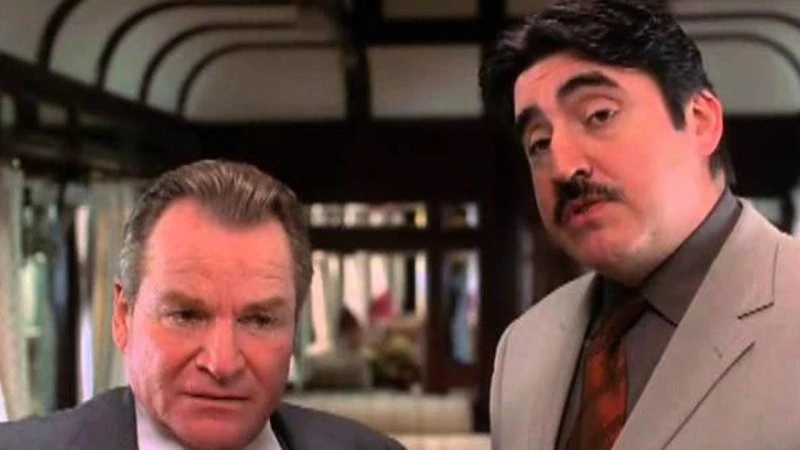
Molina, with all due respect to his talent, pales in comparison to his great predecessors. His Poirot is too simple, lacking the grotesque mannerisms that make a Belgian truly Belgian. Instead of aristocrats and governesses, there are fitness trainers and businessmen, but this makes the story feel less modern and less satisfying. Critics panned the film, noting that modern laptops and mobile phones add neither intelligence nor soul to the film. It's a nearly forgotten adaptation that, thankfully, never became the face of the franchise.
4th place. Audible Audio Play (2017) – The Magic of Voices 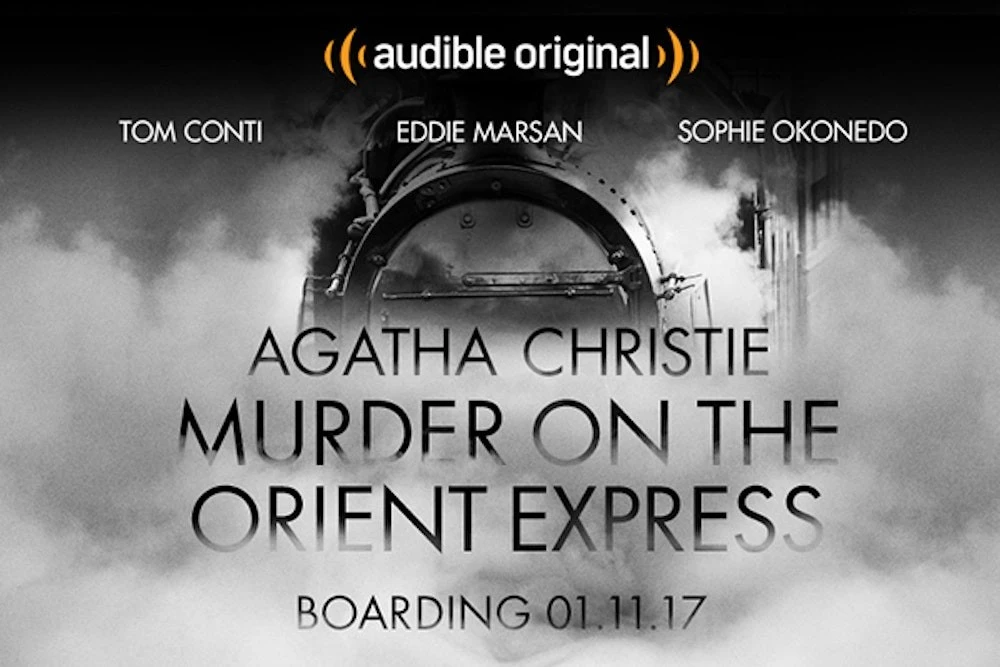
Audio formats are tricky, and not everyone enjoys them. But if you're destined to listen to "Orient Express," there's no better version. In 2017, Audible released a dramatized audiobook, which immediately won the hearts of fans and won the CAMEO Award for Best Audio Adaptation. 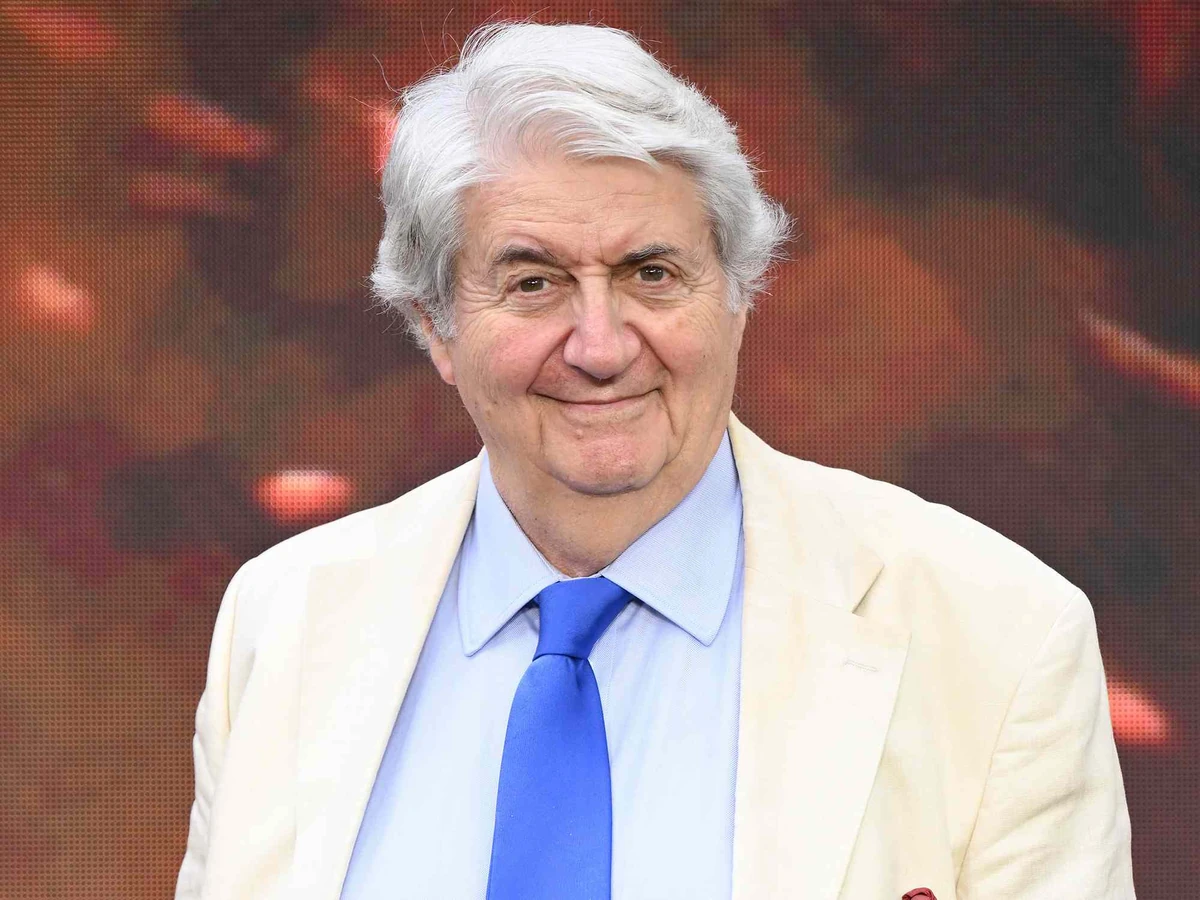
Tom Conti
The title role is played by Tony Award-winning Tom Conti, whose Poirot is soulful and charismatic. He is surrounded by Sophie Okonedo, Eddie Marsan, Jane Asher, and other stars of the British stage. What's unique about this production is that the sound effects were recorded on the actual Orient Express—the clatter of the wheels and the hum of the carriage create a completely immersive experience. This isn't just a narrator; it's a full-fledged theater experience in headphones, leaving boring, monotonous recordings far behind.
3rd place. "Murder on the Orient Express" (2017) – Kenneth Branagh's Gloss 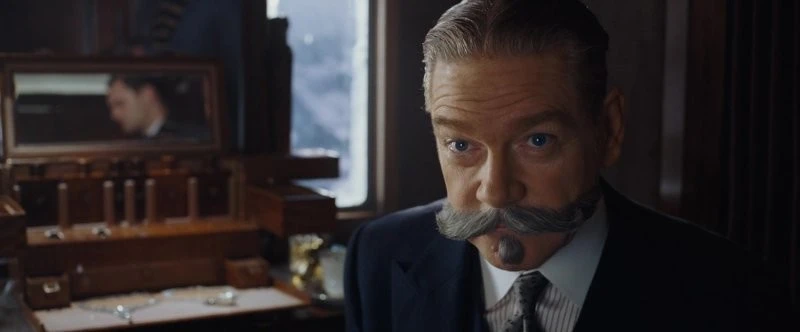
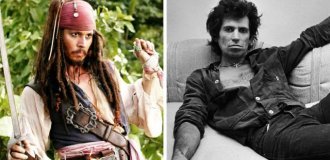
Kenneth Branagh, both as director and as Poirot, has embraced scale. His version is the highest-grossing film in Agatha Christie history, grossing over $350 million worldwide. The star-studded cast is a delight: Judi Dench, Johnny Depp, Michelle Pfeiffer, Penélope Cruz, and even Sir Derek Jacobi. Every frame exudes luxury: the sumptuous costumes, the snowy landscapes, the cinematography. 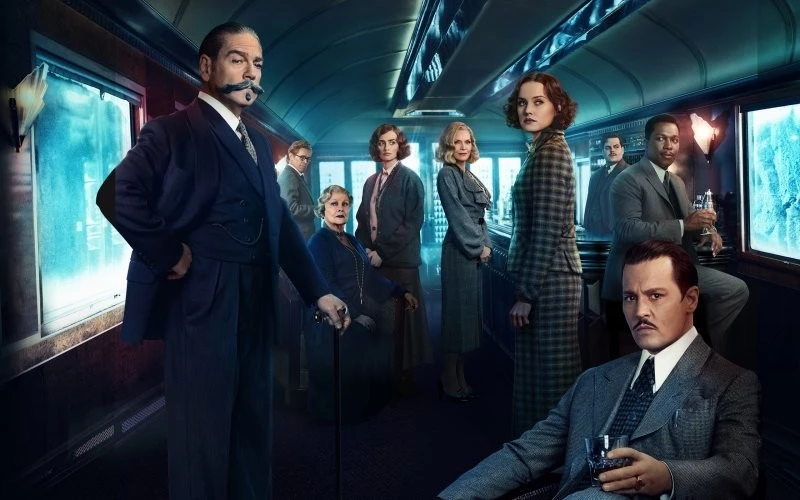
But why isn't this film ranked higher? Because the essence is often lost in the glitz. Branagh's Poirot is dapper, energetic, but at times a bit cartoonish. His mustache is practically a separate character, and the action scenes (the fire in the tunnel, the chases) seem out of place in this genre. Reviews were lukewarm. Yes, the film is beautiful, but it leaves you feeling like you've watched an expensive postcard, not a detective story. This is a film for the general public, not for those who appreciate those gray cells.
2nd place. Agatha Christie's Poirot: Murder on the Orient Express (2010) – A Standard Series 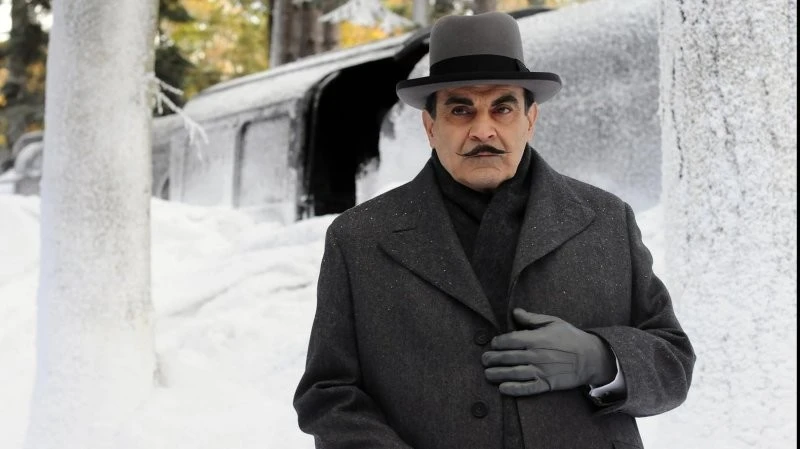
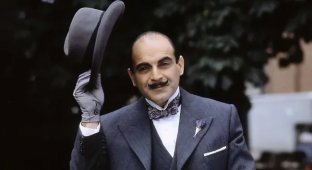
If you're looking for the iconic Poirot, this is definitely it. David Suchet, who played the Belgian in 70 episodes, became the voice and face of Christie's hero for millions. This version isn't just a film adaptation, it's an event. 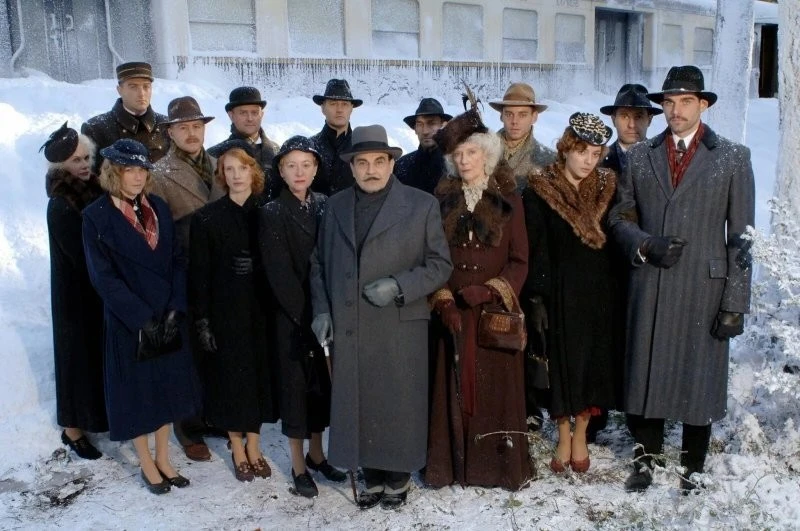
Suchet masterfully conveys Poirot's moral dilemma. He's torn between duty and justice. This film is less flashy, more dark and tense, as if the cast itself is trapped not in the snow, but in the detective's own mental anguish. The stellar British cast (Jessica Chastain, Barbara Hershey, Toby Jones) only adds to the weight. Many fans consider this adaptation the closest to the source material, especially in the final monologue, where Suchet literally tears the soul apart.
1st place. "Murder on the Orient Express" (1974) is an unrivaled classic. 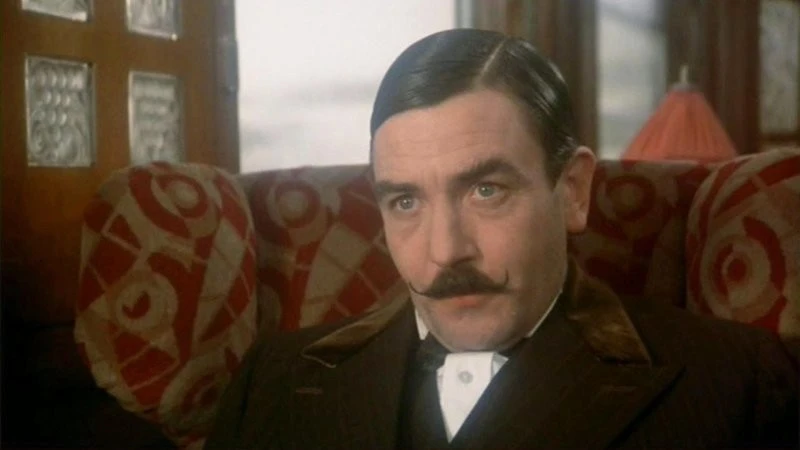
This isn't just a film adaptation, but a masterpiece that influenced the entire genre. Sidney Lumet, director of "12 Angry Men," created an atmosphere of claustrophobia and total suspicion, where pain lurks behind every smile. Critics unanimously agree: this is the best version. 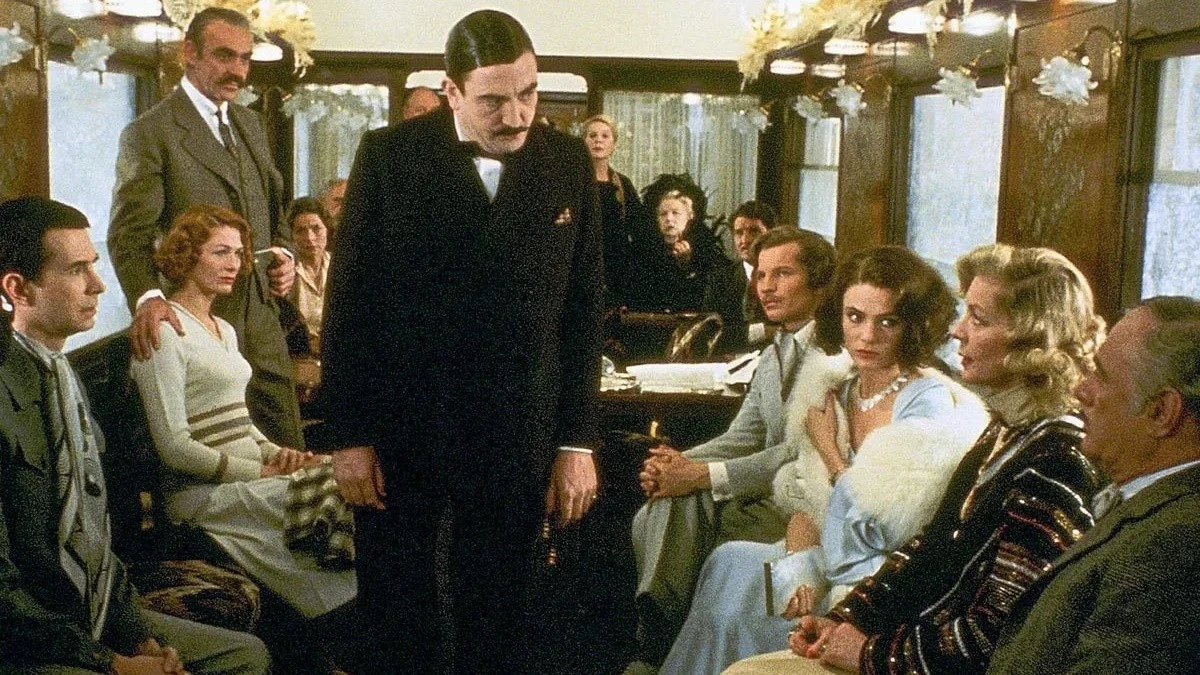
The cast is an absolute triumph. Albert Finney won an Oscar as Poirot and will forever remain in history, although Christie herself wrote that her character was supposed to have "the best moustache in England," but in the film it wasn't magnificent enough, which she considered an unfortunate mistake. But even this doesn't spoil the impression. Ingrid Bergman, who played the modest Swedish missionary Greta Ohlsson, appeared on screen for only a few minutes, but her four-minute monologue, filmed in one take without editing, earned her her third Oscar. It is one of the shortest Oscar-winning performances in history. 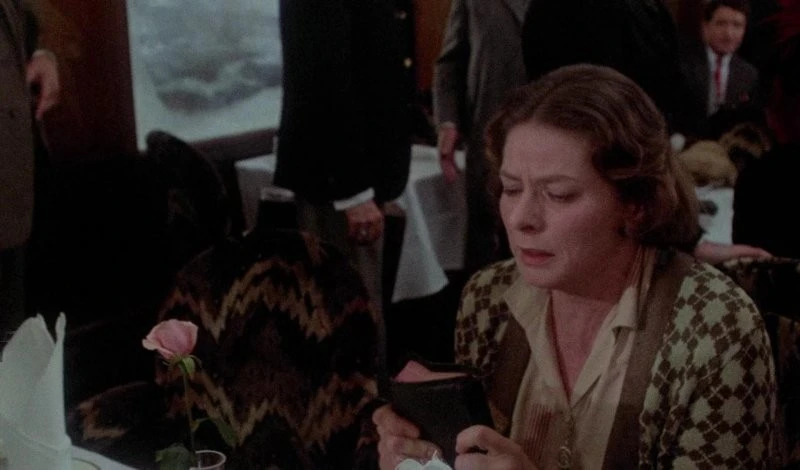
Ingrid Bergman
Lumet wanted to give Bergman a more dramatic role, but she insisted on this one. And she was right. The film received five Oscar nominations and became not only the hit of the year, but also a favorite of Agatha Christie herself, who placed it on par with "Witness for the Prosecution."
Each era finds something unique in "Murder on the Orient Express." In 1974, it was a lavish Hollywood blockbuster with a slew of stars, in 2010, a dark and psychological TV version starring David Suchet, and in 2017, a glossy entertainment directed by Kenneth Branagh. But the list doesn't end there. 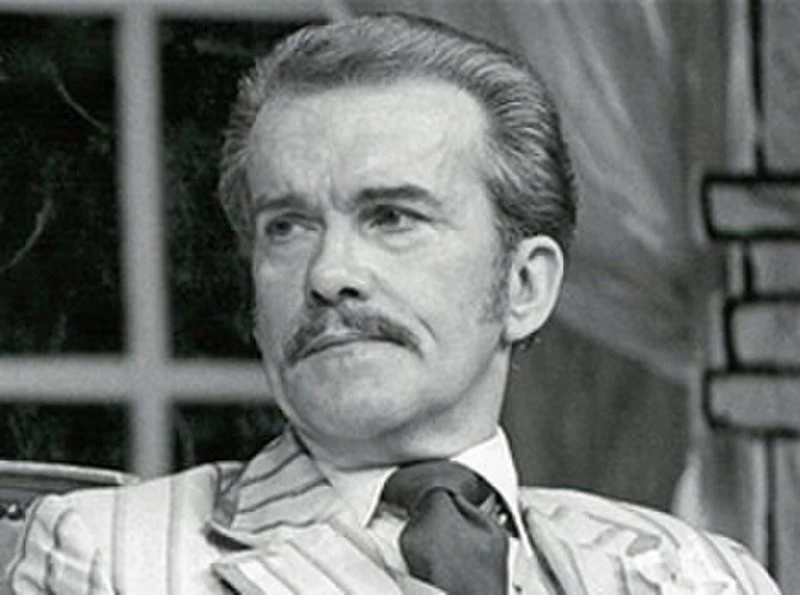
John Moffat
Other, lesser-known but no less worthy versions are worth mentioning. The 1992 BBC radio production starring John Moffat as Poirot is a benchmark example of how voice and sound create an entire world, where the imagination adds more than the camera can show. 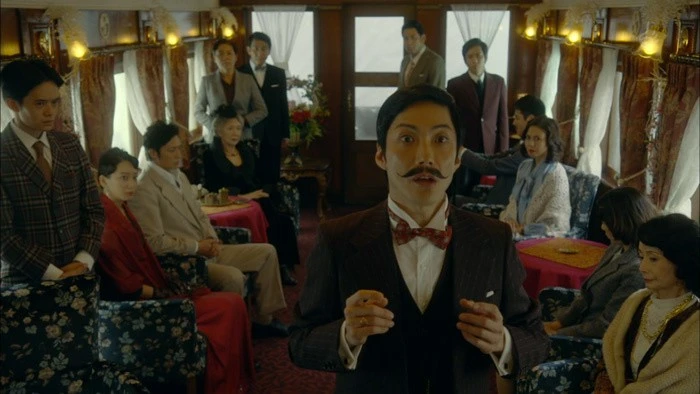
The two-part Japanese adaptation from 2015 is a unique experiment, moving the action to Japan and reimagining the classic plot through the prism of Eastern aesthetics and cultural codes. While many fans still debate the success of this adaptation, the fact remains: Christie's story lives and breathes in the most unexpected formats.
Which adaptation do you prefer?