Powered by Pond Scum for 6 Years: British Researchers Create an 'Everlasting' Bio-Battery—With One Major Catch (5 Photos)
Yes, those famous British scientists—this time from the University of Cambridge, in collaboration with startup e-Pho—have developed a living "Biocell" capable of generating electricity through the photosynthesis of common blue-green algae. Pitched as an eco-friendly, everlasting alternative to lithium batteries, one of their lab test units has been continuously powering a microprocessor 24/7 for six straight years. 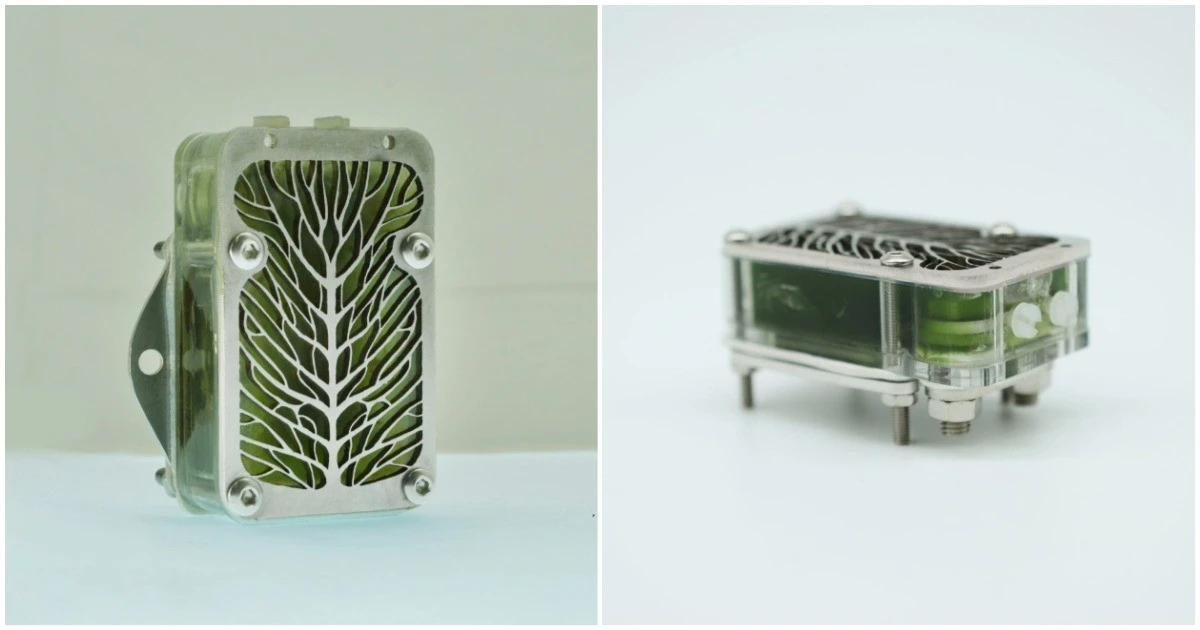
The device looks futuristic: a fully transparent casing allows light to reach the algae inside. It houses a porous aluminum electrode, which the cyanobacteria grow into over time, transferring generated current directly into the circuit. 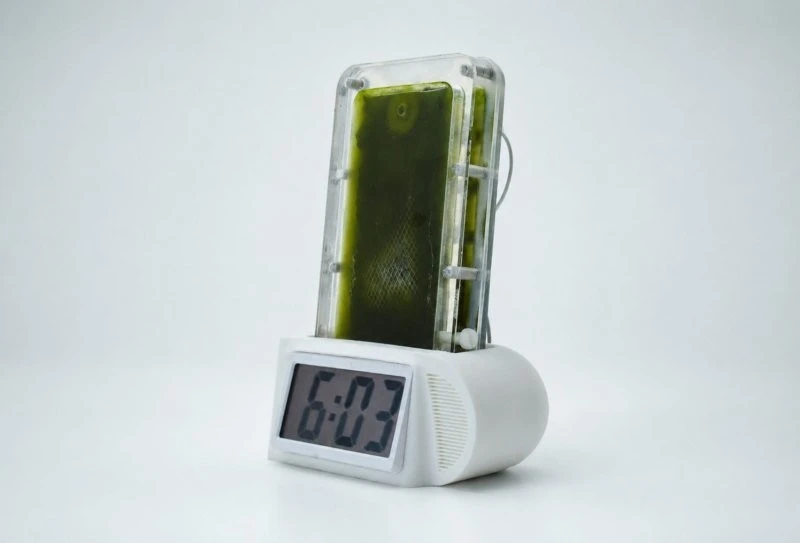
A specialized membrane prevents water inside the battery from evaporating. Even at night, the algae don't go dormant; instead, they process reserves built up during the day, ensuring uninterrupted power generation. The team has already built initial commercial prototypes, powering desk clocks and smart home sensors on an "algae diet." 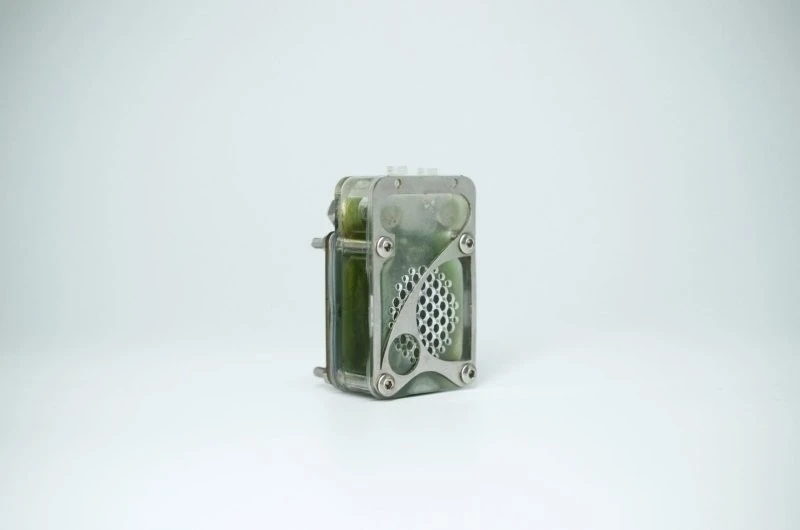
Strip away the flashy headlines, however, and the real-world utility of this technology looks far less impressive.
The core issue is power output—or lack thereof. Output is measured in mere microwatts. To charge a standard smartphone, you would need to fill an entire room with jars of pond scum. Powering a typical home computer would require a massive setup of 333 million individual cells. To match the power of a cheap AAA battery, a single bio-cell would need to be the size of a large mug. Factor in the high cost of porous nano-electrodes, and mass production simply makes no financial sense compared to dirt-cheap alkaline alternatives. 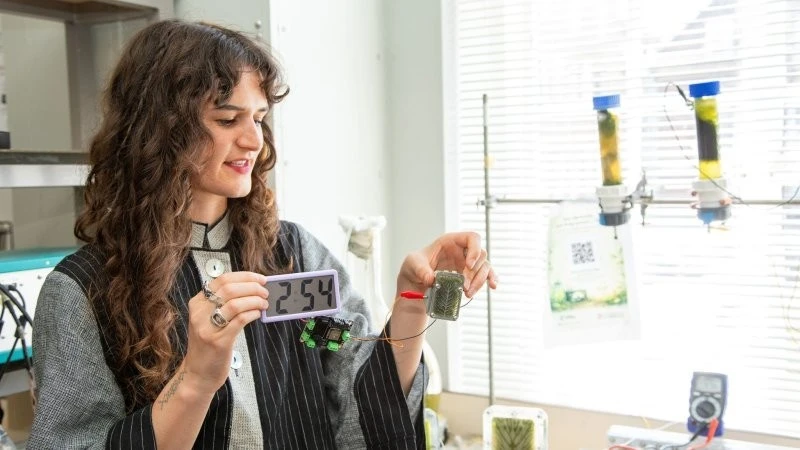
Moreover, the battery only functions as long as the bacteria stay alive. During winter, when daylight dwindles to a few short hours and sunshine is scarce, photosynthesis slows dramatically. Without artificial lighting, the algae powering your devices would simply starve to death.
To top it off, researchers keep the algae in strictly sterile laboratory conditions. In everyday use, any slight crack in the casing or mild overheating would allow unwanted bacteria or mold inside, instantly wiping out the delicate "useful" ecosystem. 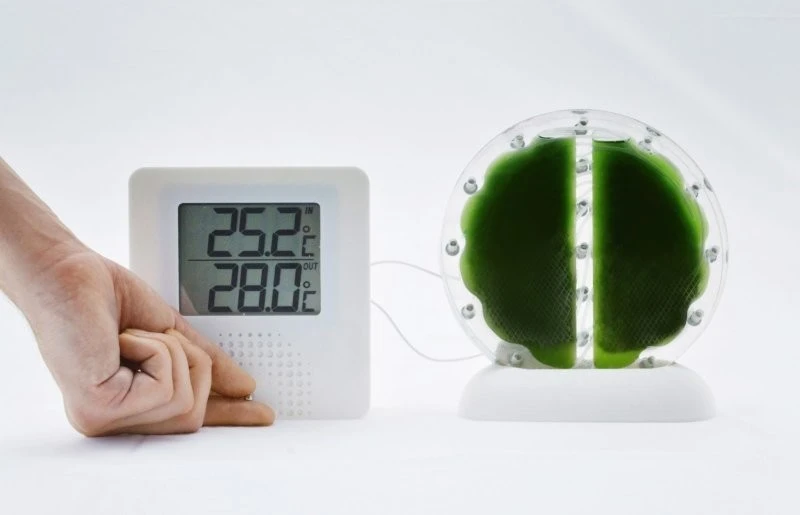
In the end, the technology looks great mostly on paper. Pond scum won't be replacing the batteries in your TV remotes or household sensors anytime soon. At best, it might power off-grid weather sensors in the depths of the Amazon rainforest for about six years—until some mutant strain emerges, devours the forest ranger, and turns the whole project into a sci-fi thriller "based on true events."