Anyan Valley: filled with "white gold" and defying gravity (16 photos + 2 videos)
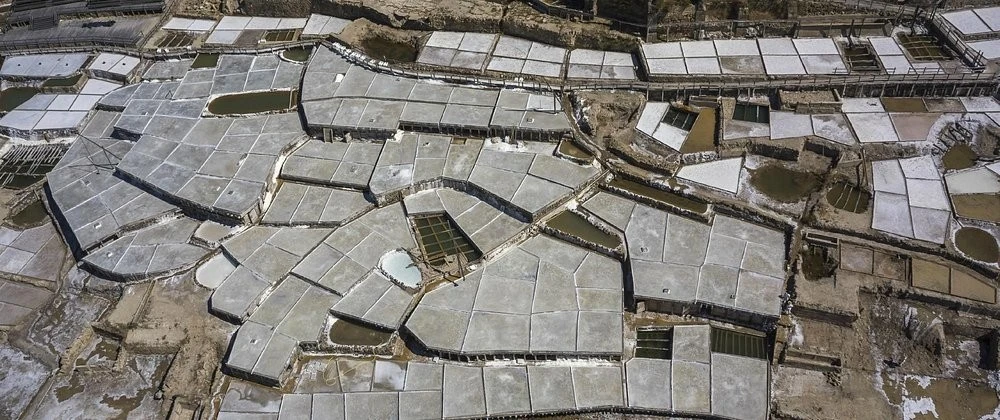
In the Spanish province of Álava, in the Salado Valley near the town of Añana, salt is not just a resource, but the very essence of the landscape. However, the land here is harsh: steep slopes, a lack of level areas where the sun could evaporate moisture, leaving a precious white coating on the rocks. 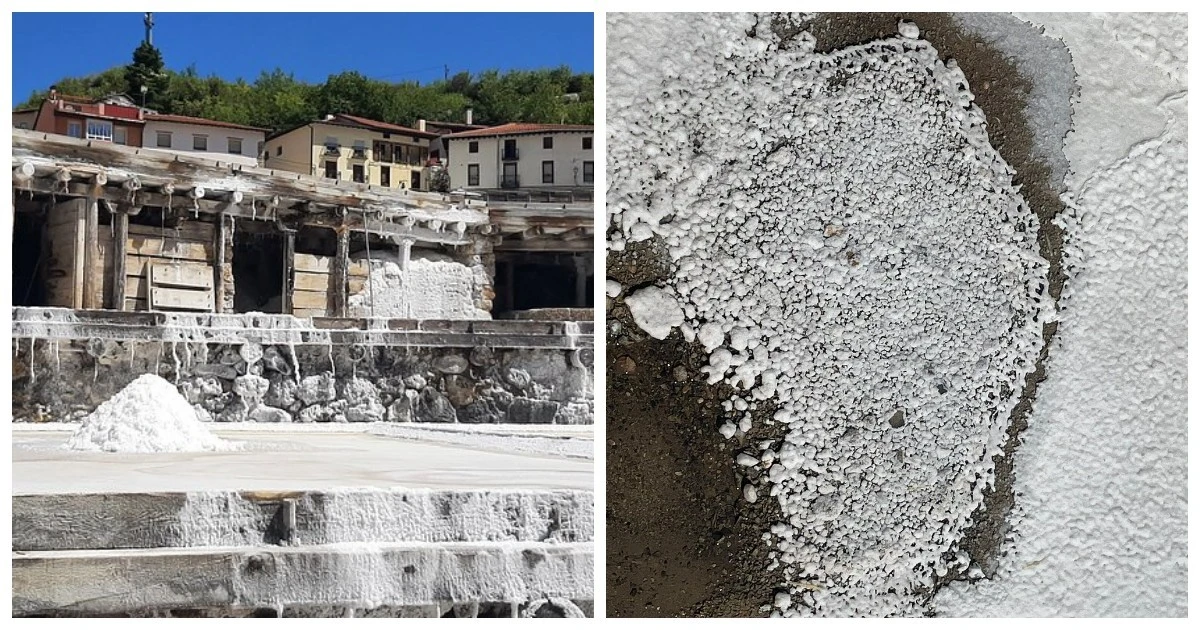
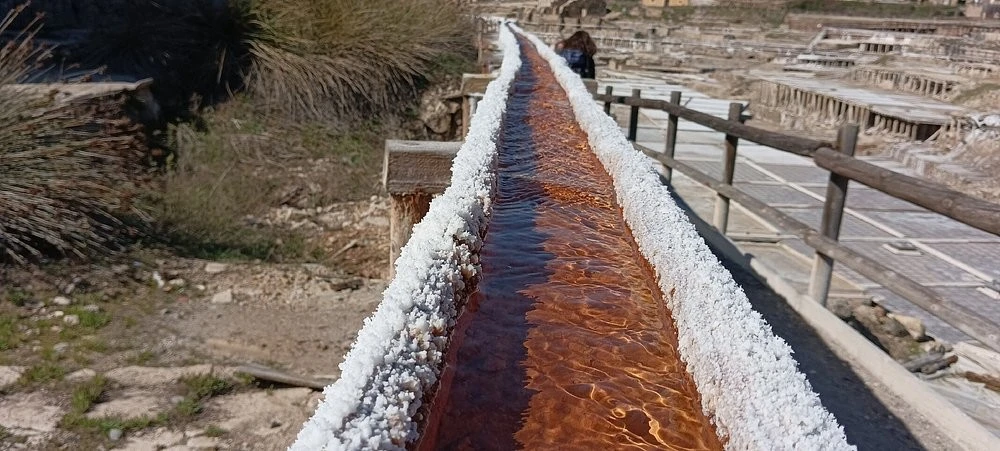
But man doesn't look for easy ways; he creates them. To tame the unruly terrain, local salt workers have constructed a unique engineering marvel: cascading terraces of stone, wood, and clay. Salt water flows by gravity from the springs through wooden troughs, like veins, to these artificial fields, where, under the sun and wind, the great mystery of liquid crystallization takes place. 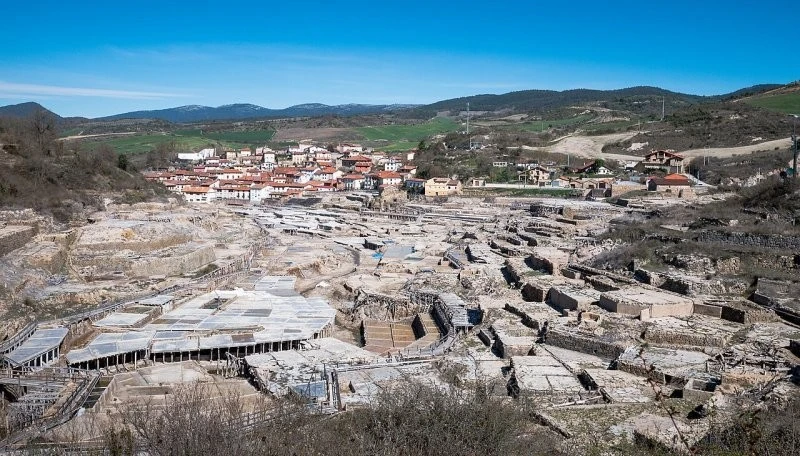
This landscape, cut into terraces and crisscrossed by wooden arteries, is not just a production facility, but one of the most spectacular and best-preserved cultural landscapes in Europe, a true monument to human ingenuity. 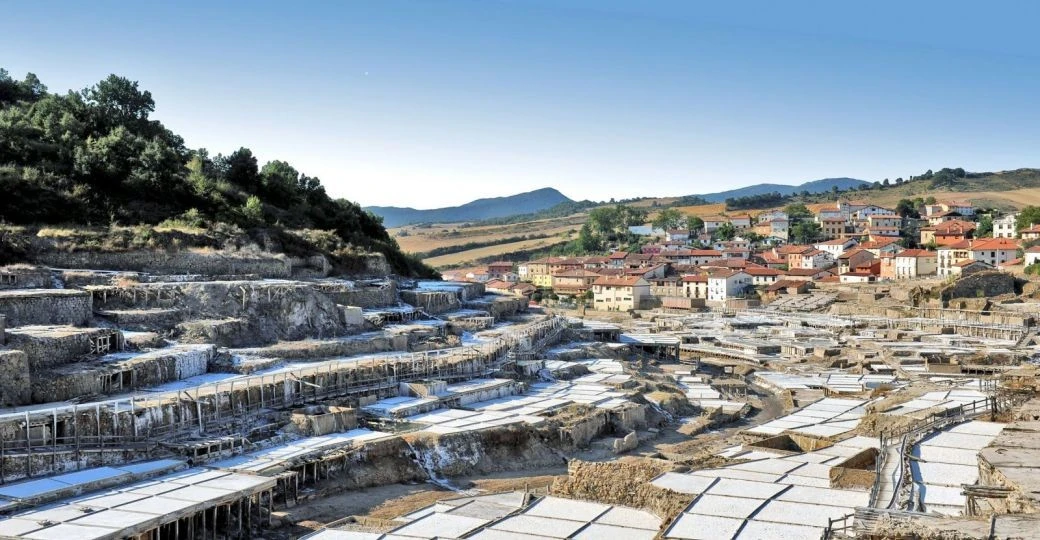
Salt has been mined here for six thousand years, although the process was different in ancient times. Archaeologists indicate that as early as the mid-fifth millennium BC, brine was evaporated in large ceramic vessels by boiling them over a fire.
Everything changed with the arrival of the Romans in the first century BC. They moved production outdoors, abandoning fire in favor of the sun, and laid the first compacted clay pools with raised edges, giving rise to the famous terraces. Later, clay gave way to wood, and eventually the number of salt pools reached an impressive figure of over 2,000. 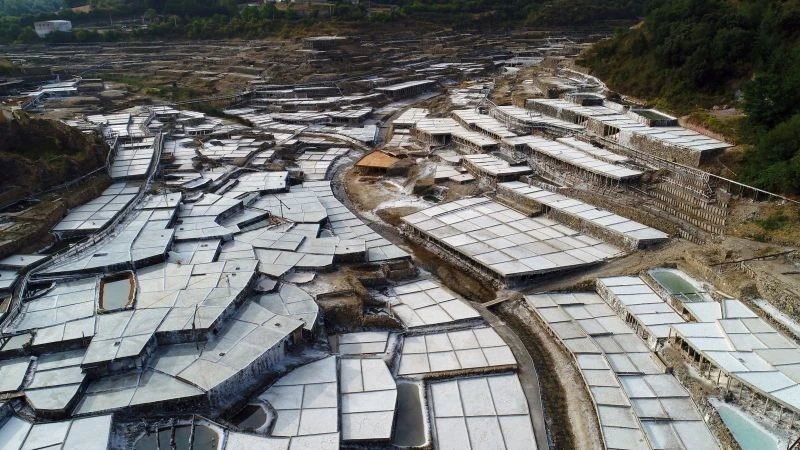
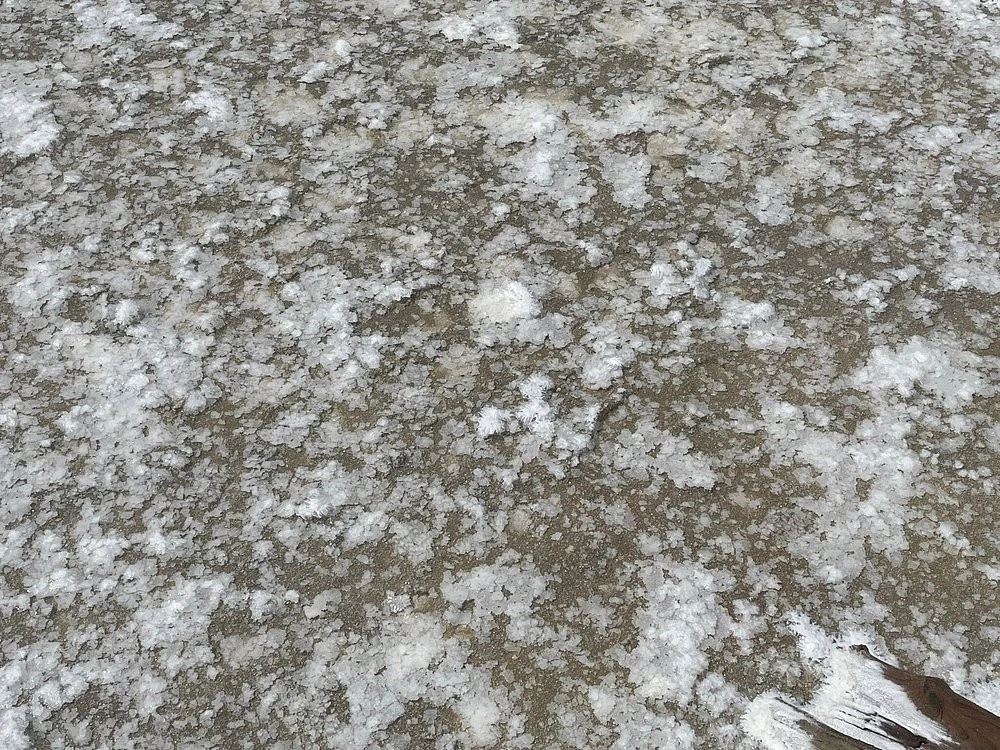
Salt in these parts is as old as the dinosaurs. It was deposited about 200 million years ago, during the Triassic period, when the vast ancient sea that covered this valley dried up, leaving behind vast underground deposits. Unlike stone mines, the salt here rises to the surface naturally, thanks to natural springs that bubble up from the depths. The water in these springs is extremely saturated: up to 210 grams of salt per liter. 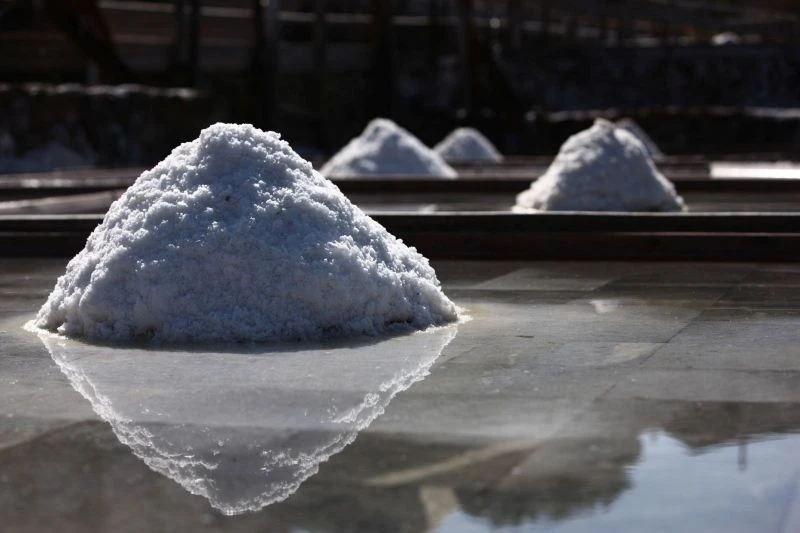
Work intensifies only during the warmer months, from May to September. When the days become shorter and rain becomes more common, crystallization slows, and the season ends. The remaining months are spent repairing and restoring the wooden structures and stone terraces to prepare them for the next harvest of "white gold." Packaging of the extracted salt continues year-round, as demand for this unique product never dries up. 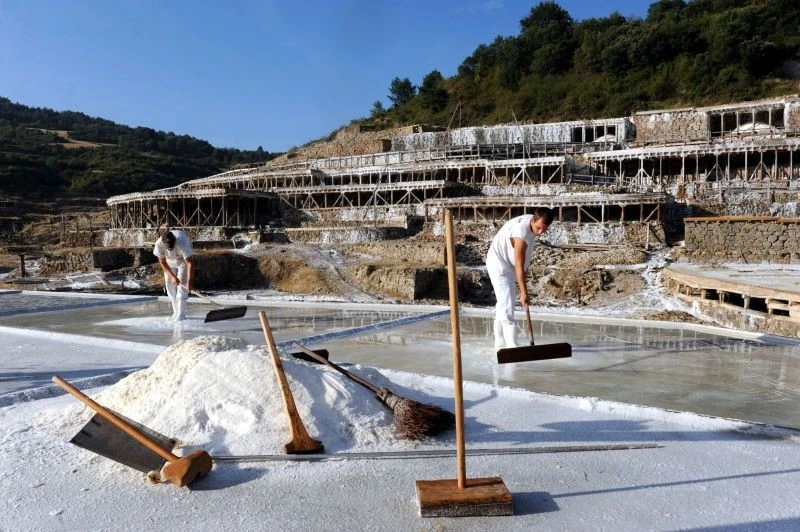
The Salado Valley is experiencing a renaissance these days. At the end of the 20th century, production declined, and the saltworks were on the verge of disappearing, but in 1998–1999, the Gatzagak Saltworkers Association was established, which, together with the foundation, undertook the restoration of the complex. 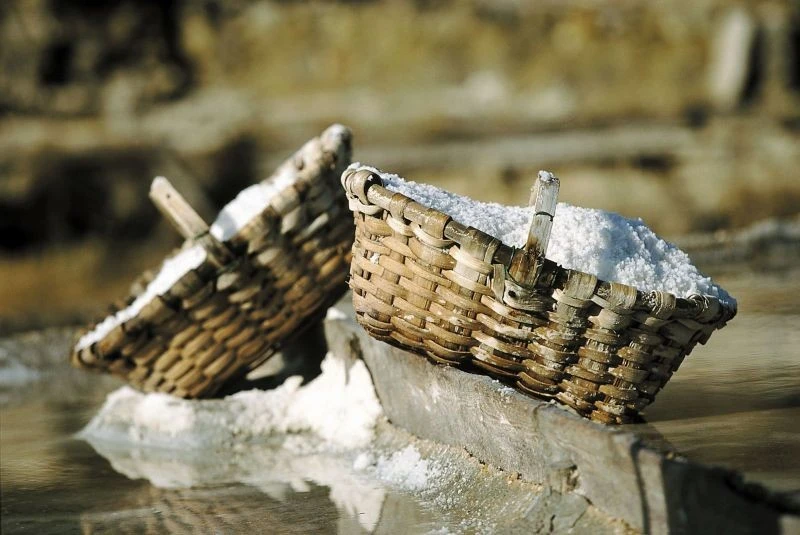
Today, it is not only an active production facility renowned for its floral salt, prized by the world's best chefs, but also a popular tourist attraction.
Visitors can see the unique system of delicate wooden troughs through which the brine rises up to 10 meters, and even dip their hands in the healing brine in the outdoor spa pool. This living open-air museum is the region's main attraction, and is vying for UNESCO status. 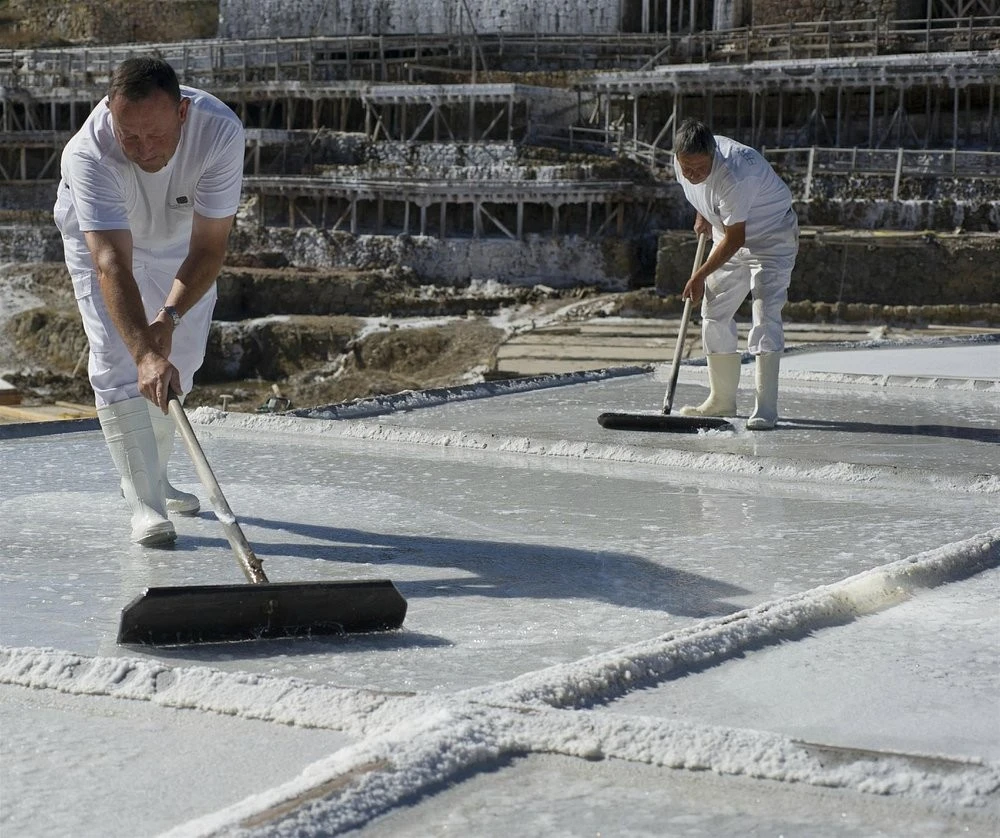
[thumb]https://cn22.nevsedoma.com.ua/p/29/2952/21 7_files/3fd387b8cbd325d5a87dd1b4b2992025_ekHQ.webp[/thumb] 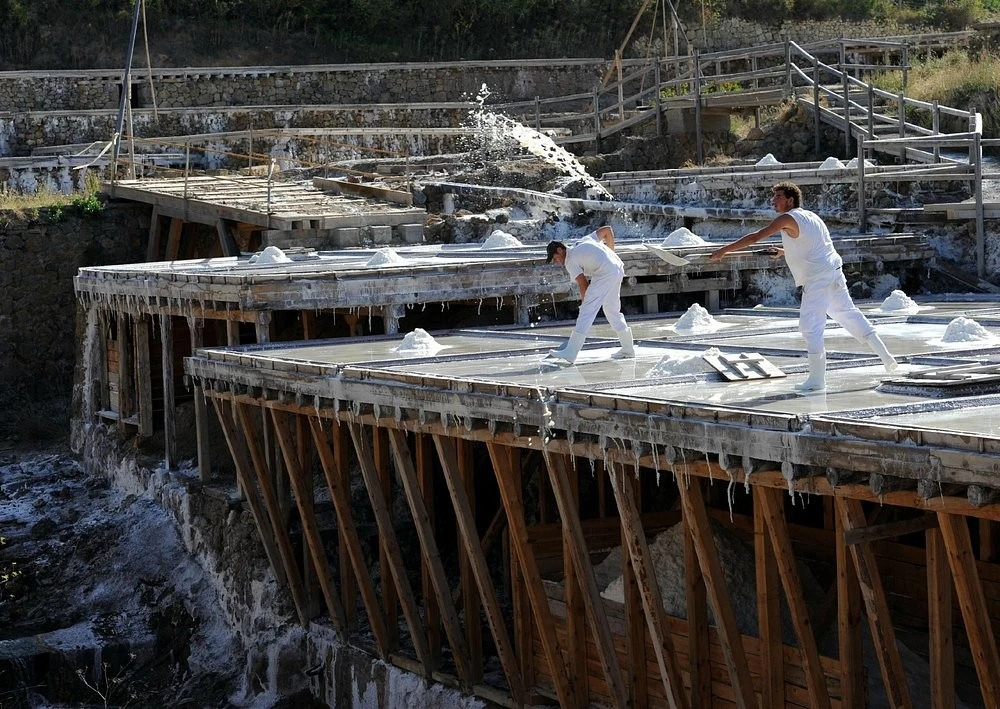
[thumb]https://cn22.nevsedoma.com.ua/p/29/2952/217_files/3da3fa29b57 ea644c03576cbd92e5211_ekHQ.webp[/thumb] 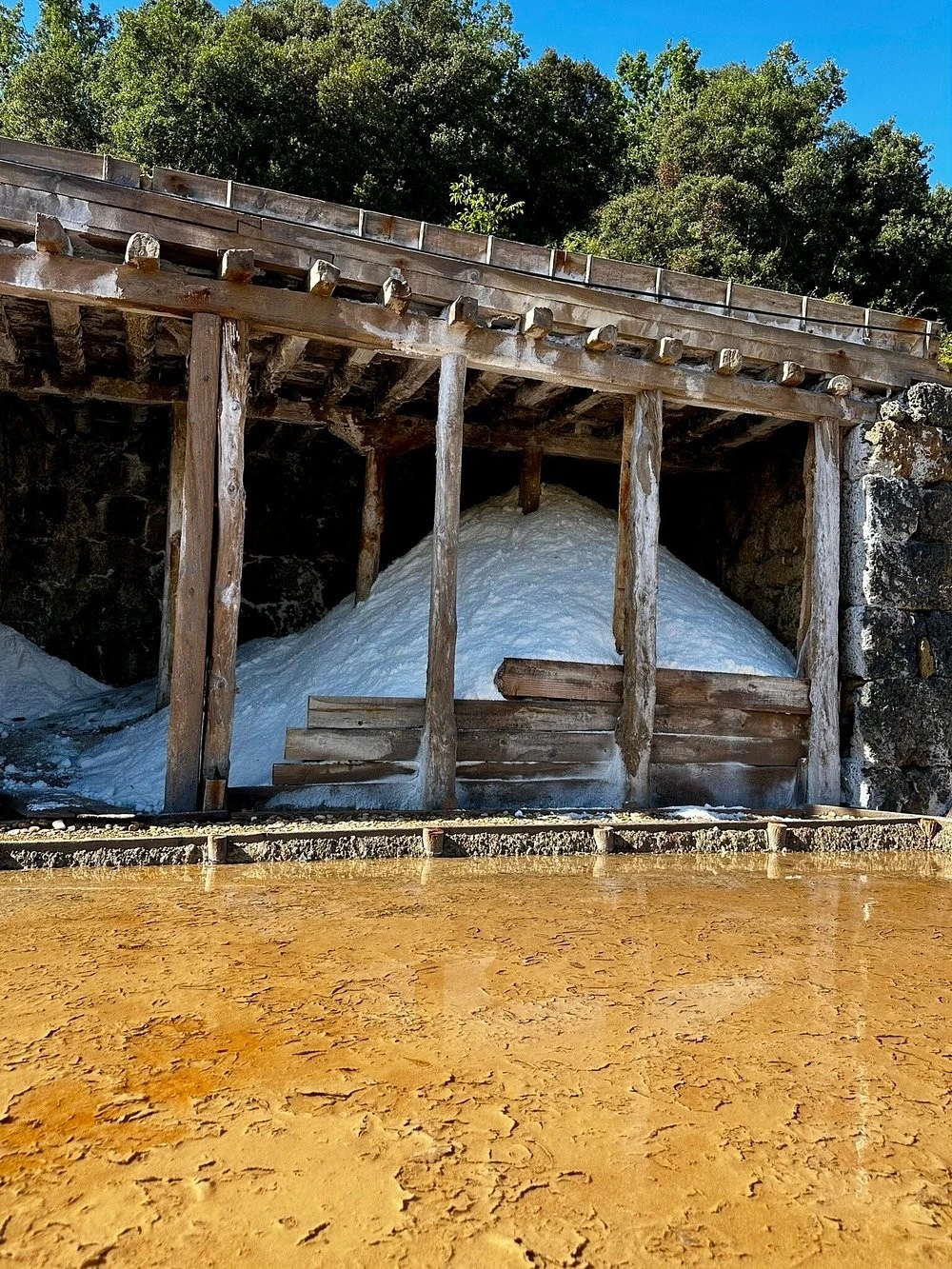
[thumb]https://cn22.nevsedoma.com.ua/p/29/2952/217_files/abf5c8b894fa99be59d263103afc8f 61_ekHQ.webp[/thumb]