Bastøy Island: The Norwegian High-Security Prison That Every Inmate Dreams Of (13 photos)
Norway has long been famous for its remarkably humane penal system, making Bastøy Island the single most coveted destination for inmates across the country. It is home to what might be the closest thing to a prison paradise on Earth. 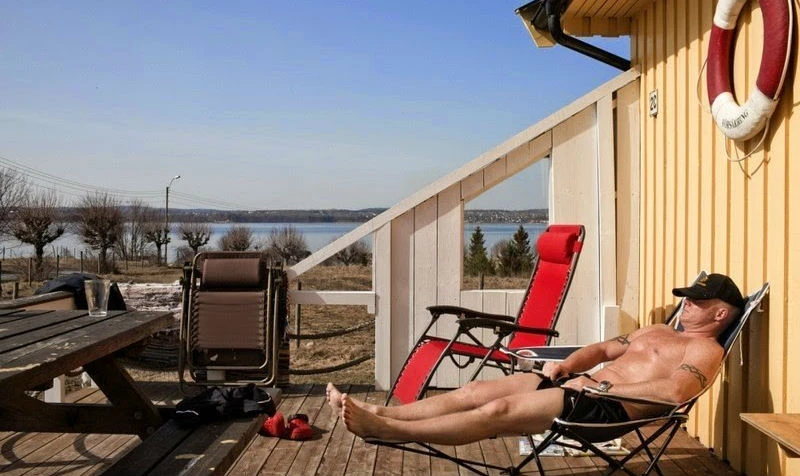
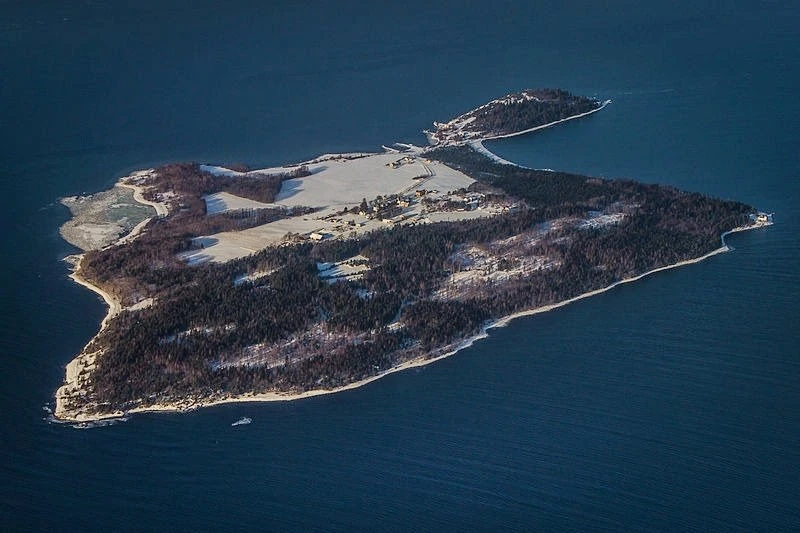
Located just an hour's drive from Oslo, Bastøy Island is a picturesque sanctuary accessible only by boat. The island boasts several beaches, tennis courts, and even a sauna.
The island's prison houses murderers, rapists, drug dealers, and fraudsters. Yet, there is a long waiting list among Norwegian inmates to get here. Rehabilitation takes place through forestry work, gardening, and caring for farm animals. Bastøy Prison also holds the distinction of being the world's first "organic prison."
In 2009, Norway's Ministry of Justice concluded a ten-year experiment testing open-prison conditions on Bastøy. The program was declared a resounding success, paving the way for similar facilities across the country. 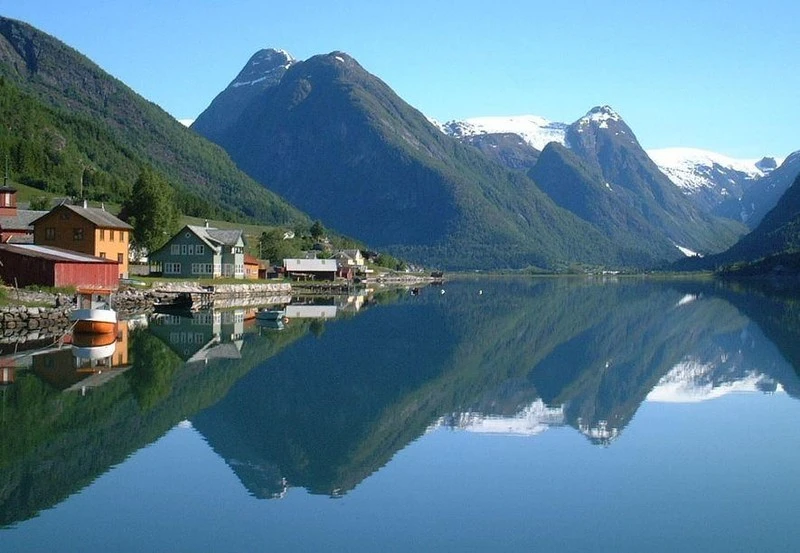
Instead of sitting behind bars, the 115 inmates at this unique facility live in comfortable wooden cottages.
The experiment was conceived by Norwegian criminologist Nils Christie. His theory suggests that every crime has two victims: the person who suffered from it and the person who committed it. Therefore, an offender deserves not just punishment, but a chance at reform—true reintegration into society.
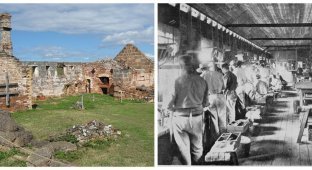
Bastøy Island is situated in the Oslofjord, roughly 76 kilometers from Norway's capital and just over two kilometers from the resort town of Horten. The island covers an area of 2.6 square kilometers. It previously housed one of Norway’s harshest juvenile detention centers (pictured below in the 1930s), which local parents used to warn misbehaving children about. 
What you won't find on Bastøy, however, is razor wire or grim guards armed with assault rifles and attack dogs—even though its inhabitants include some of the country's most notorious criminals, from drug kingpins and fraudsters to rapists and murderers.
Today, Bastøy is dubbed the "Island of Freedom for Inmates." It houses offenders convicted of severe crimes by Norwegian standards—murderers, rapists, pedophiles, white-collar criminals, and drug traffickers. Even Arnfinn Nesset, Norway's only documented serial killer, spent time here. A former nursing home director, Nesset was convicted of poisoning 20 elderly residents ("to end their suffering"). After serving 15 years on the mainland, he was sent to Bastøy to finish the final 18 months of his sentence. Upon his release, authorities issued him a new identity and provided plastic surgery to protect him from public backlash.
As of early 2011, the island held 116 inmates. The staff numbers 70, though only five or six guards remain on overnight duty. None of the officers carry weapons. In the prison's 11-year history, only five inmates have ever tried to escape: three turned themselves in, and two were captured and transferred back to maximum-security mainland prisons. 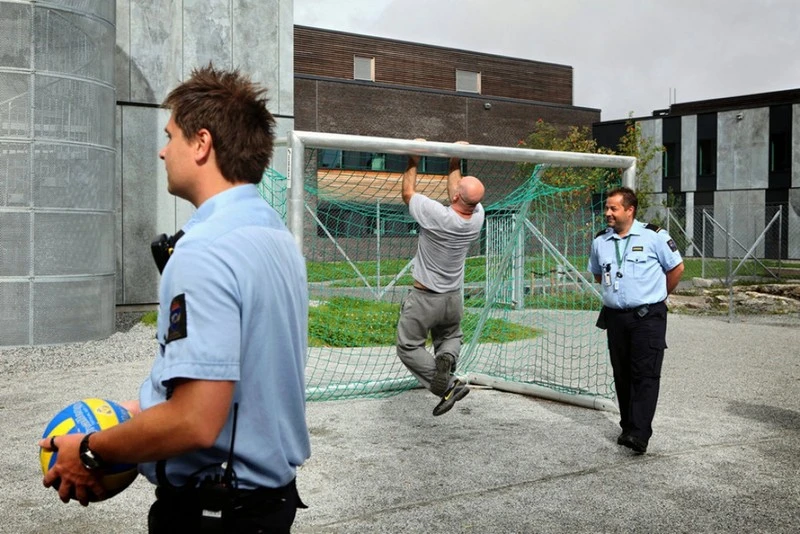
As for daily routines, work is the main obligation for every prisoner. All inmates hold jobs with hours from 8:30 a.m. to 3:30 p.m. They earn a daily allowance of $10, which can be spent at the local grocery store to prepare their own breakfasts and dinners as they see fit.
Norwegian prisoners actively apply for a spot on the island, and a lucky few are transferred here to serve out the final stretch of their sentences (usually one to three years). So what makes Bastøy so attractive to inmates?
At Bastøy, inmates enjoy open-air conditions. They live in wooden cottages (eight men per house, each with a private room) and can freely roam the island. With few exceptions, all inmates are entitled to 18 days of leave per year. There is even a 21-day paternity leave if an inmate fathers a child while serving time (family visits are allowed weekly for up to 12 hours).
In addition, inmates receive mandatory psychological counseling, while prison staff work alongside them as peers. Labor is a cornerstone of the rehabilitation process, and nearly all of it takes place outdoors. Norwegians—and Christie in particular—believe that farming and forestry are the best ways to ground a person and clear their head. The island is home to 45 sheep, 22 cows, 10 horses, 230 chickens, and 20 rabbits, alongside plots for potatoes, vegetables, and raspberries. This agricultural focus also serves self-sufficiency; one reason the Ministry of Justice deemed the experiment a success was that operational costs per inmate were 2.5 times lower than in standard Norwegian prisons. 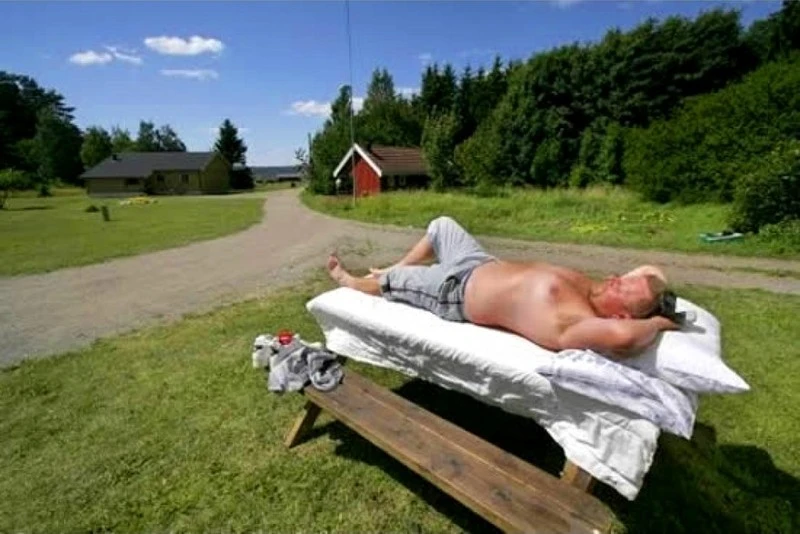
Lunch is mandatory for everyone and is prepared by the island's chef for inmates and guards alike. Prisoners are also required to check in several times a day. The goal of Bastøy Island is not to coddle criminals at the expense of law-abiding citizens, but to rehabilitate offenders and facilitate their return to society.
The state provides each inmate with a daily allowance of 50 kroner to cover breakfast and dinner ingredients (lunch is provided free, with guards eating the exact same meal as inmates), household goods, clothing, and other essentials. Given Norway's high cost of living, it's hardly luxurious. However, produce and goods produced on the island are distributed fairly based on individual contributions. As a result, hard-working inmates can earn up to an additional 10,000 kroner per month.
Beyond agriculture, fishing is a major activity on Bastøy, yielding up to 100 kg of cod and haddock daily. The island also manufactures furniture from local timber. Selective forestry—felling only old or diseased trees—provides wood fuel to heat the cottages. 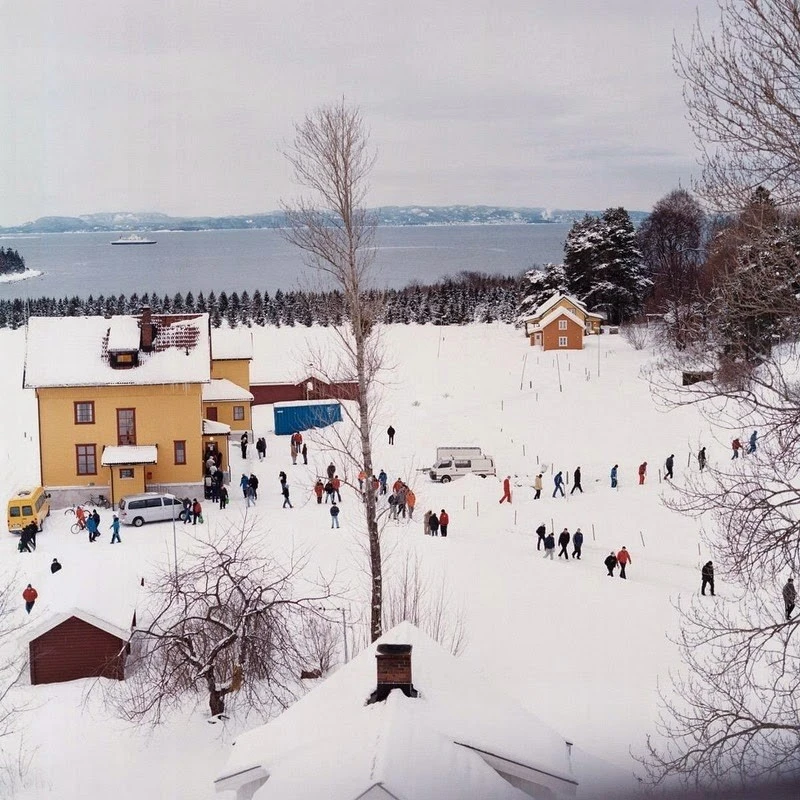
Inmates are counted twice daily, in the morning and evening.
In 2010, Bastøy became the world's first official "organic prison." All waste—excluding plastic, which is banned on the island—is composted. Only organic fertilizers and natural pest controls are used. The facility relies on solar panels, heats boilers with wood pellets made from waste timber, and runs its vehicles and tractors on rapeseed-based biodiesel.
Wake-up call is at 7:00 a.m. Work begins at 8:00 a.m., followed by a two-hour lunch break, and wraps up at 4:30 p.m. In the evenings, inmates are free to pursue their interests: browsing the 10,000-book library, spending up to two hours online, watching television (four channels are available), playing sports, or joining the island's rock band or drama club. Lights out is at 10:00 p.m. Drugs and alcohol are strictly forbidden, with mandatory weekly drug screenings; any infraction results in an immediate transfer to a mainland prison. 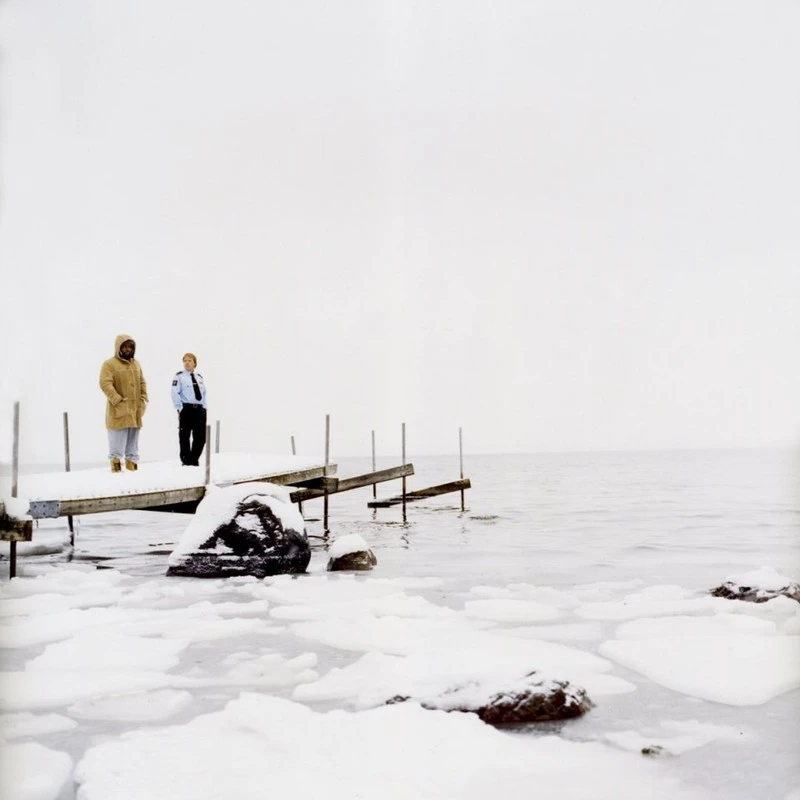
Remarkable as it may sound, this idealistic approach delivers real results. Overall, 20% of offenders released from Norwegian prisons reoffend within a few years. Among those fortunate enough to serve their sentences on Bastøy, the recidivism rate drops to just 16%.
What explains this success? After all, Norway's penal system as a whole is exceptionally humane. For instance, there is a "waiting list for prison"—about 20 to 25% of Norwegians sentenced to short terms (under five years) remain free until space opens up, with that time counting toward their sentence (5% end up serving their entire term at home). Inmates who have served over half of their sentence for serious crimes—or right from the start for minor offenses—can apply for daytime release to work or study (two-thirds of such requests are granted, though inmates must return to sleep at the prison). Minor infractions aren't even handled by courts, but by "reconciliation counselors." If an offender demonstrates genuine remorse, they receive a fine, probation, or a full pardon. Once a year in Lillehammer, the Minister of Justice, parliamentary deputies, and inmate delegations (50 to 70 prisoners) gather at a mountain hotel for three days to discuss how to improve prison life and rehabilitation. 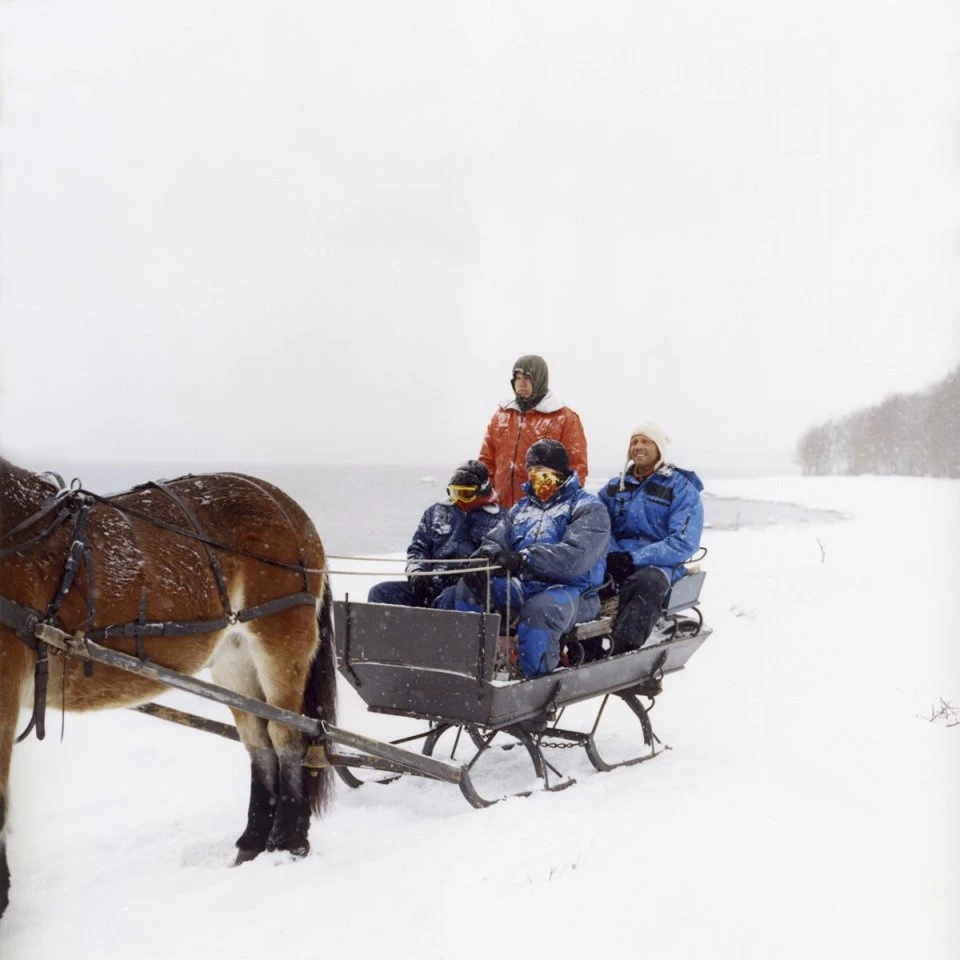
"The key is to create an environment where prisoners can discover a new side of themselves and regain their self-respect," says prison governor Arne Kvernvik Nilsen.
Yet Bastøy Prison has proven even more effective than the Norwegian government's other humane initiatives. Criminologist Christie was convinced that the secret to reintegration lies in collective outdoor work. Early in the experiment, he revealed that his idea was inspired by an 1850 speech by Native American Chief Seattle, who warned white settlers that they had "disconnected from nature, seeking to conquer it rather than live in harmony with it."
"We give prisoners a sense of harmony with nature. It turns them away from violence," Christie explained. 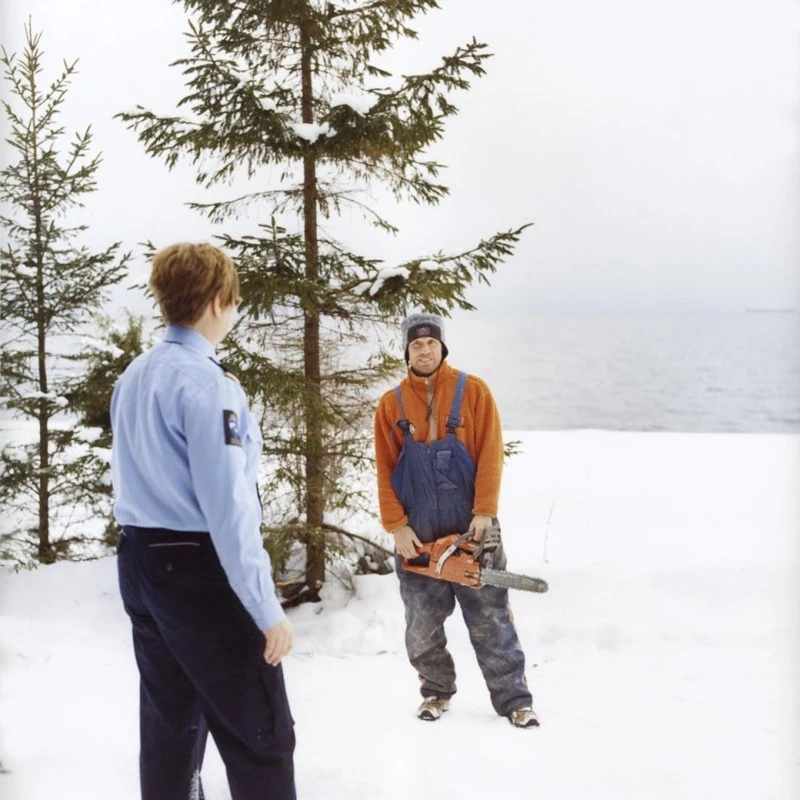
An inmate (holding a chainsaw) works alongside guards in the woods on Bastøy Island.
"Skeptics might ask: isn't this just about Norwegian culture?" After all, prisoners in Soviet labor camps also worked outdoors in forestry details, surrounded by criminal subcultures, yet it hardly led to rehabilitation. Perhaps what matters most is the sense of personal freedom and shared effort—where the fruits of labor are shared equally. And inmates who refuse to adapt to this community are promptly transferred to stricter facilities. 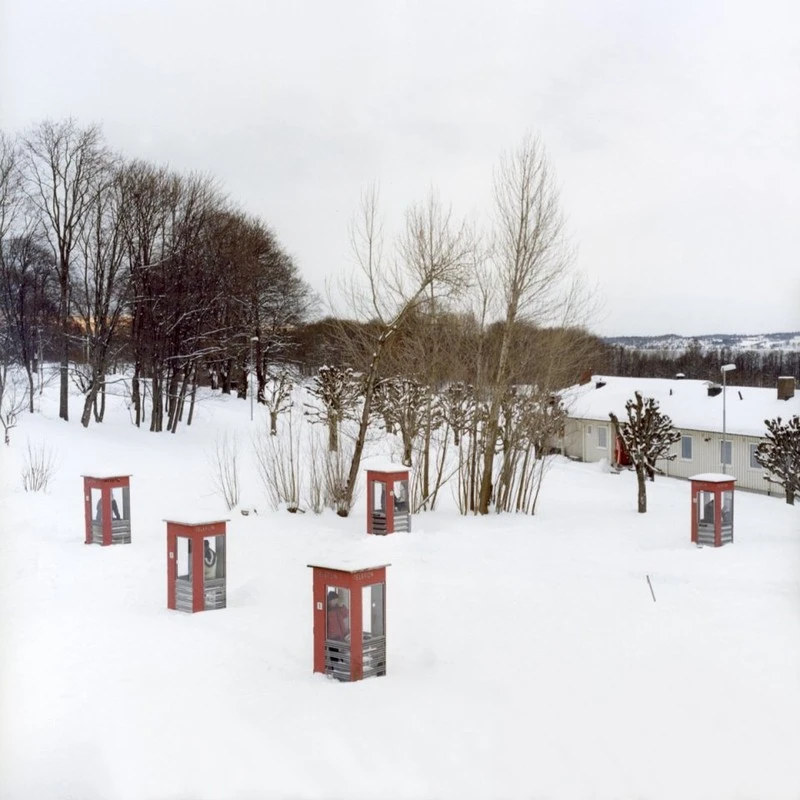
Payphones on the island. Inmates are permitted to make phone calls twice a day, in the morning and evening. 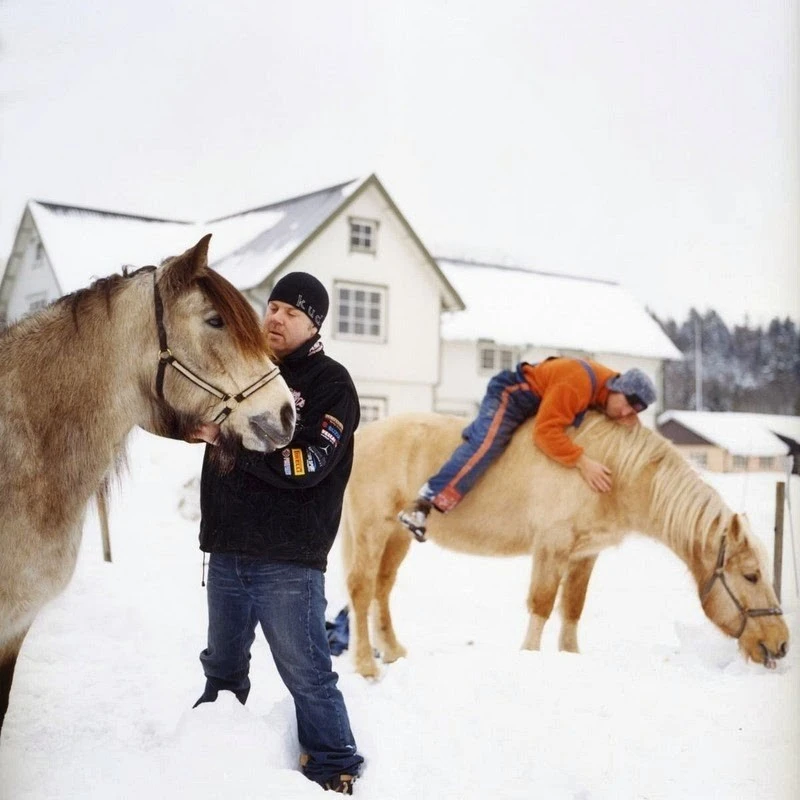
An inmate convicted of child abuse working with a horse. 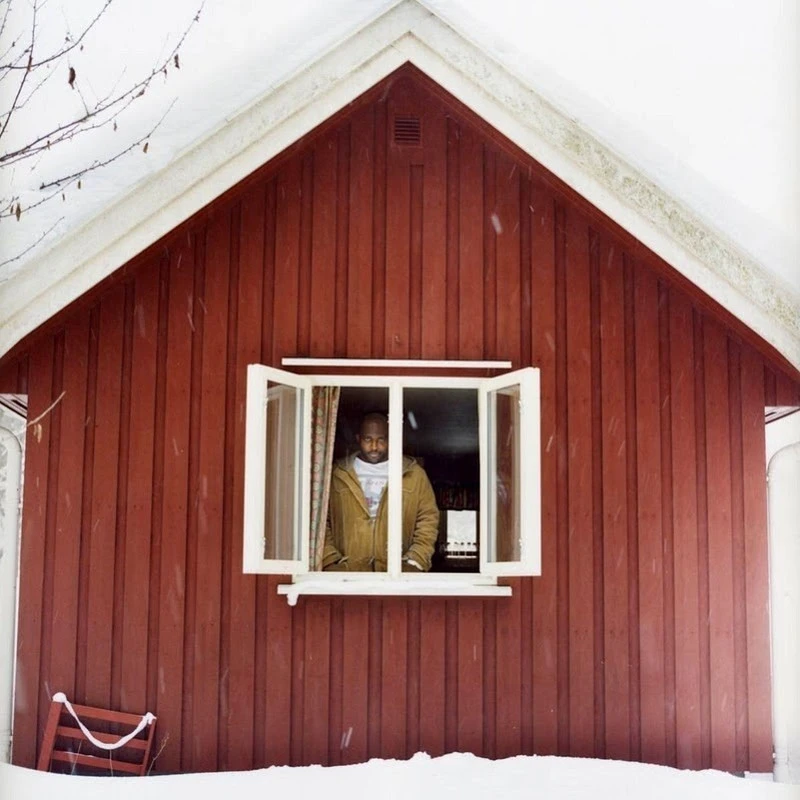
A Nigerian national convicted of drug offenses. He lives alone in a private cottage on the island, while all other inmates reside in shared housing.