Inside the oldest inhabited house in Occitanie—a home that witnessed the Crusades (9 photos)
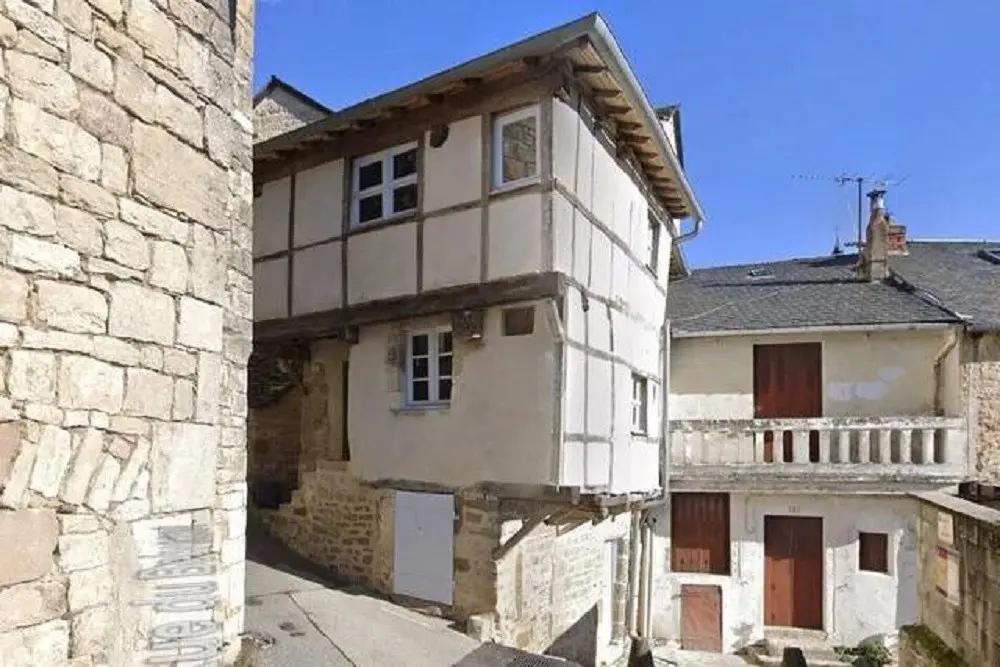
In the heart of Occitania, a region in southern France steeped in history, lies a true architectural gem that has endured for centuries, becoming a bridge between the past and the present. "The Maison de Jeanne" is a unique architectural landmark, built in the 14th century and preserved in its original form. This Crusade-era residential building is unassuming on the outside, yet conceals a medieval authenticity. 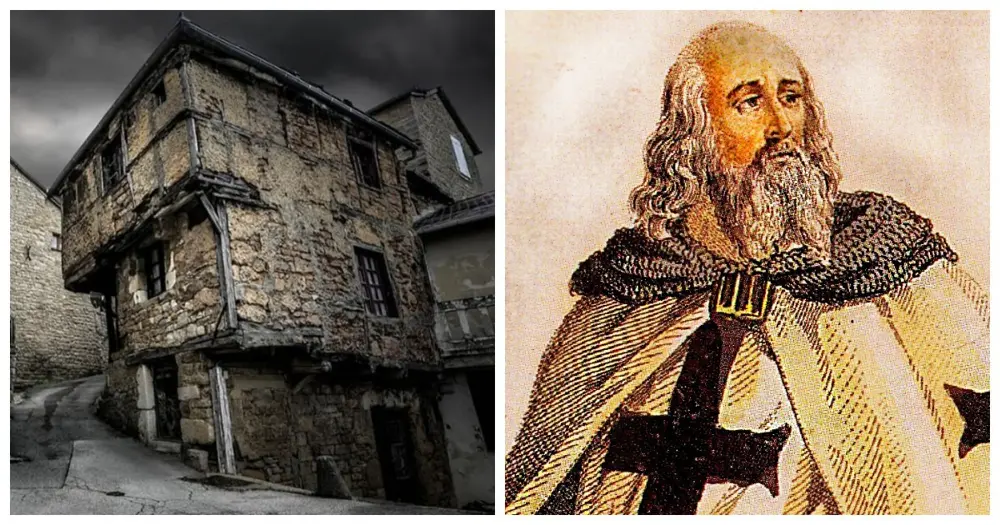
"The Maison de Jeanne" is located at 10, rue de Belvezette, Séverac-le-Château, Aveyron (a department in southern France). The house resembles a ready-made set for a fantasy film. Some consider it the oldest in the entire country. But the modest locals don't want to take on more than they can handle. So they clarify: no, the house is the oldest only in the Occitanie region, which includes Aveyron. 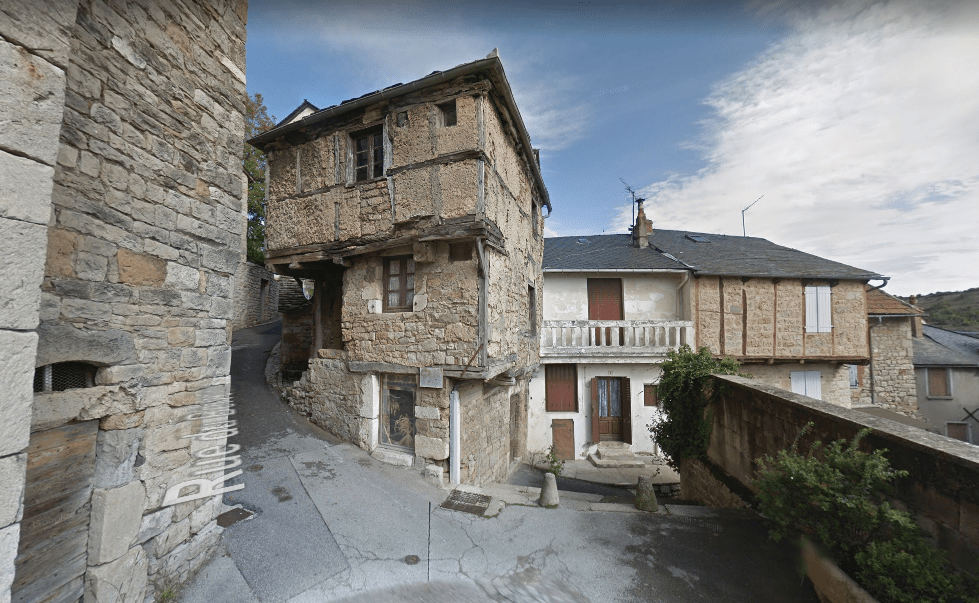
But in any case, the house dates back to the Crusades and retains the spirit of its unique architecture. Incidentally, it is precisely the building's unusual geometry that draws attention: with each successive floor, the house becomes wider. 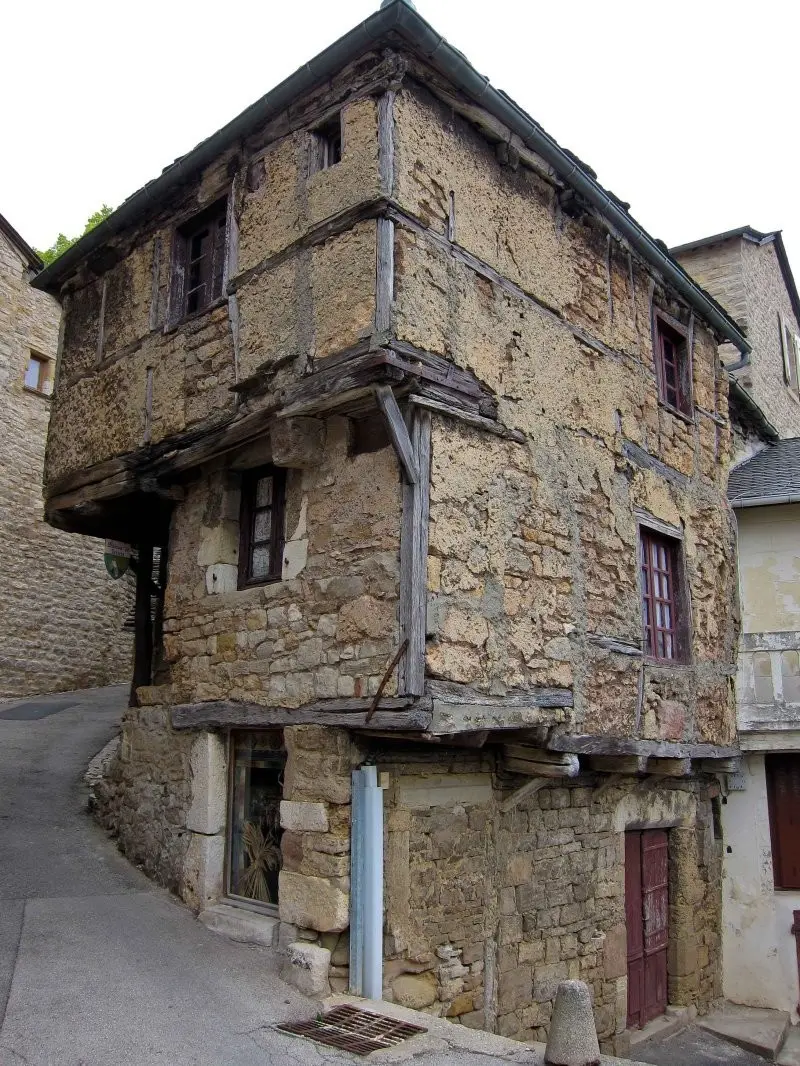
This isn't surprising. The fact is that in the Middle Ages, land taxes were very, very high. Which makes sense: construction was limited to buildings within the city walls. Of course, you could build beyond the walls. But how long would you live there? That's why houses grew taller, not wider. This way, developers saved on taxes. 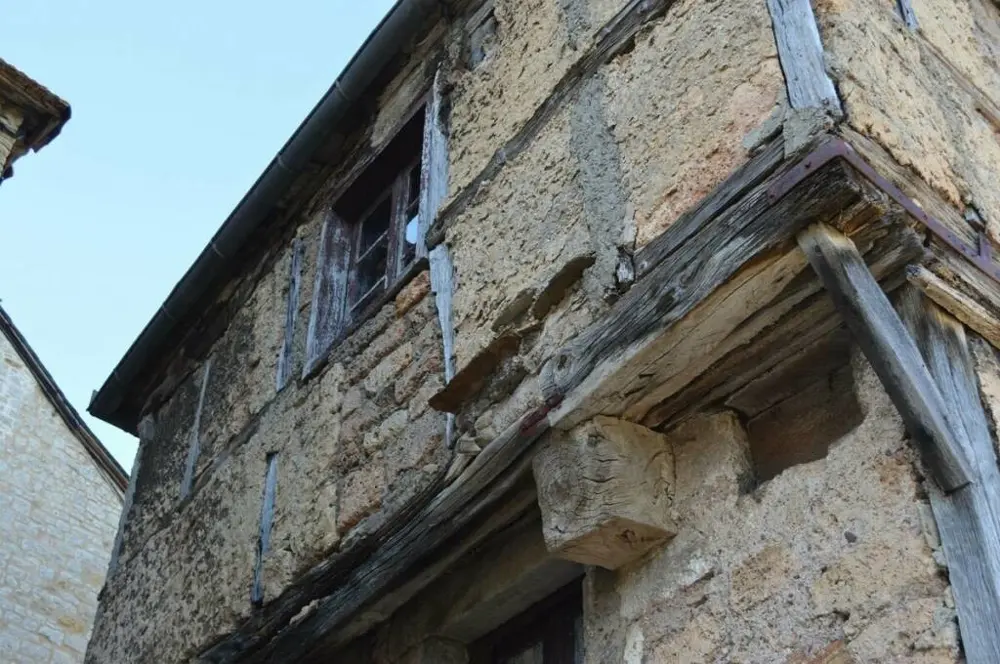
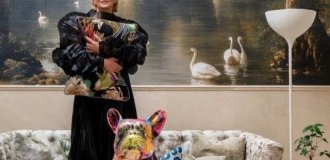
Consequently, the buildings weren't very aesthetically pleasing. Furthermore, the overhanging floors made the streets very gloomy and shadowy. This building's fame came unexpectedly: it appeared in a wedding photo. It sparked such genuine interest among internet users that within a week, the post had garnered over 1.7 million likes! 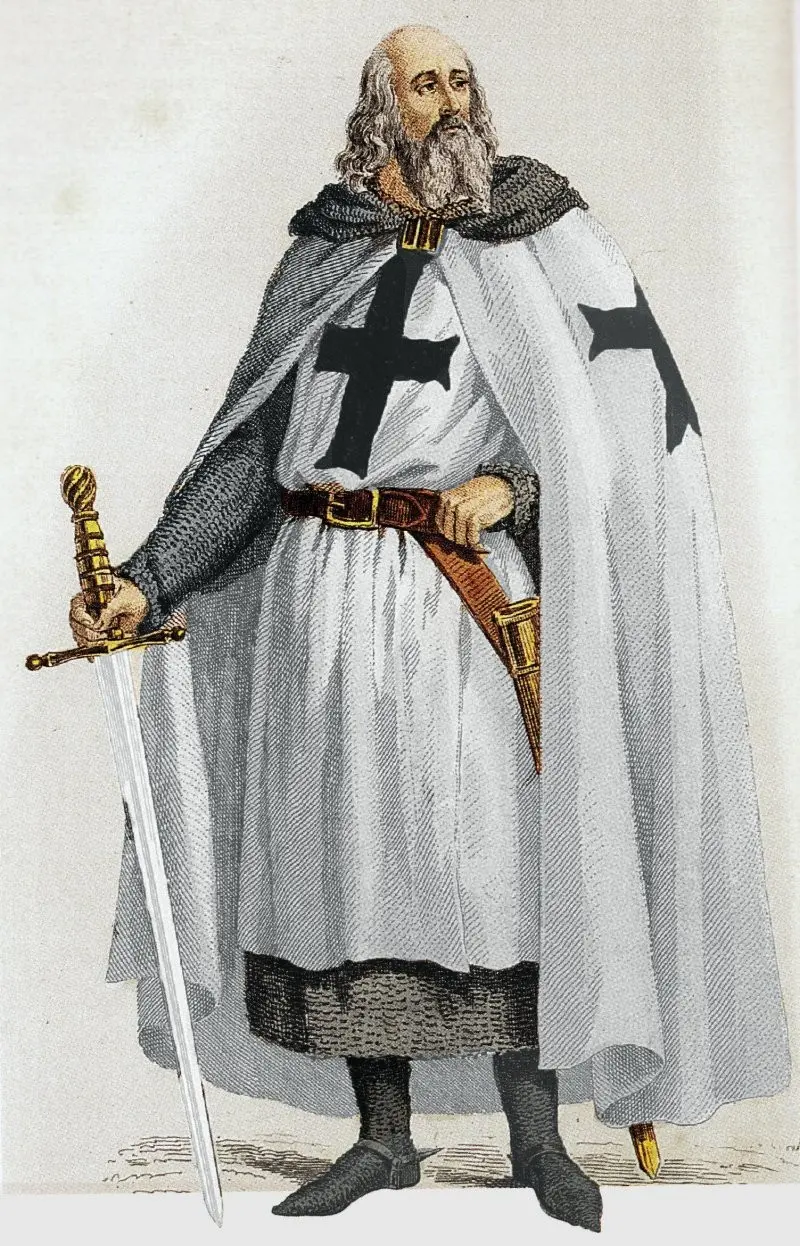
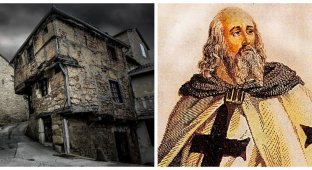
Jacques de Molay
First, locals flocked to "Jeanne's House," and then visitors followed. After all, there's a palpable, eerie atmosphere here, in which, if you listen carefully, you can hear the breath of the 23rd and last Grand Master of the Knights Templar. Jacques de Molay died in 1314, so he may well have been somewhere in the area. Or even visited the house itself. 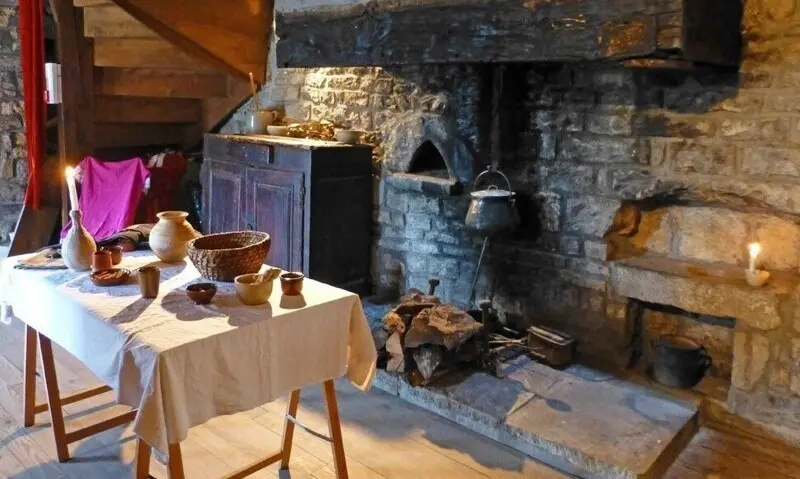
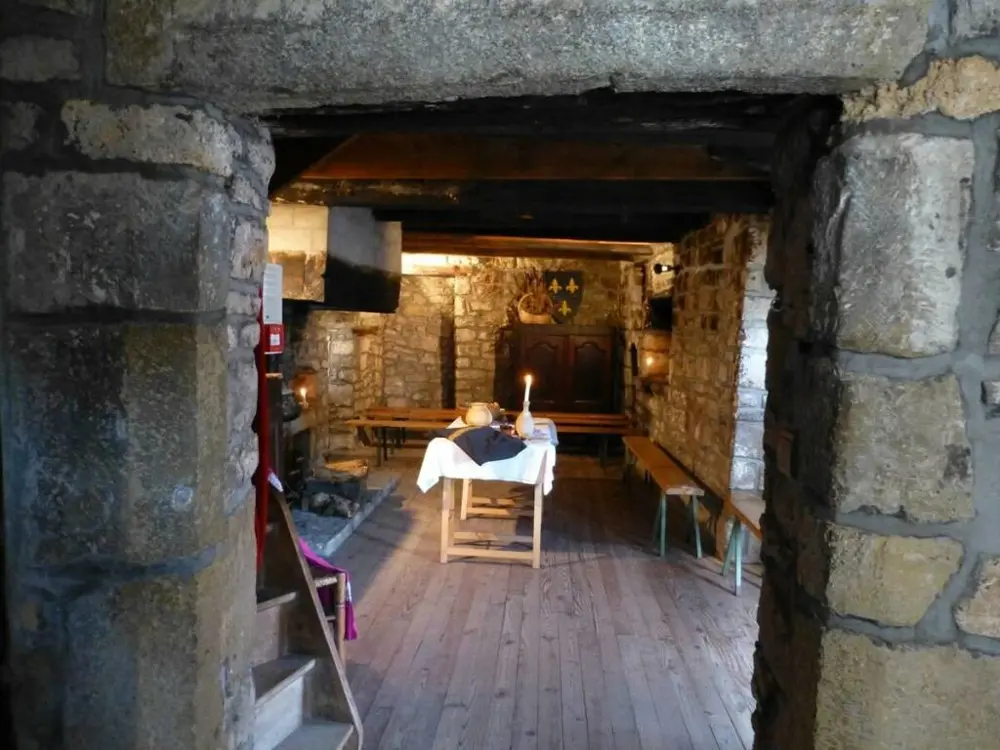
The house, now a tourist attraction, was named after its last owner, the artist Zhanna. The vaulted basement originally housed a stable, which the owners tried to preserve as authentically as possible. The second floor houses a kitchen with a fireplace, and the third floor houses a bedroom. 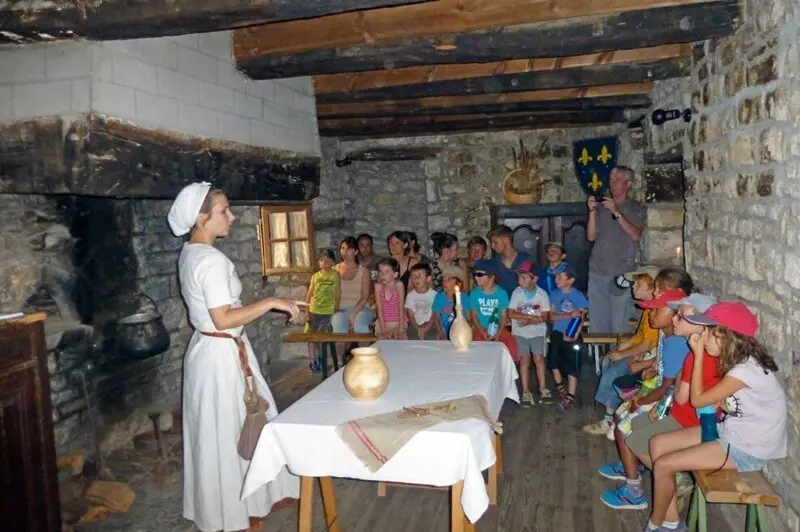
In the summer, the town hosts themed events dedicated to the Middle Ages. The house is also open for tours and visits. However, the owners had to carry out an exterior renovation to preserve the interior's authenticity. After all, the building is the material vessel for the spirit of history, and the outer shell must be preserved and maintained by any means necessary.