Truffles are considered the most expensive mushroom in the world. They are sold at auction, and the price per kilogram often exceeds 3,000 euros. A confident second place goes to the exotically named matsutake, which also has a more prosaic name: the scaly-sided rowan. Japanese connoisseurs are willing to pay almost as much for a truffle per kilogram of this forest gift. What is the value of this unassuming mushroom? 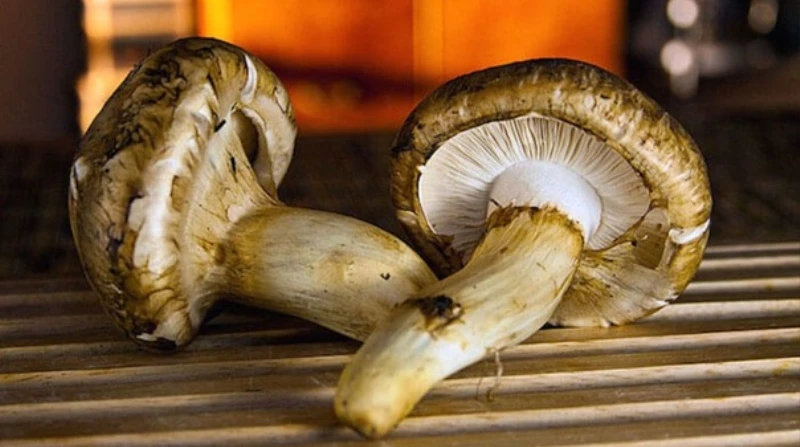
Matsutake grow in pine forests at the very base of the trees. They are found in Japan, the Far East, Siberia, and Scandinavia. However, finding these mushrooms is not easy, as they are very rare in the wild. Matsutake is considered a valuable mushroom everywhere. But the most expensive ones are collected in Japan, near the trunks of Japanese red pine trees. 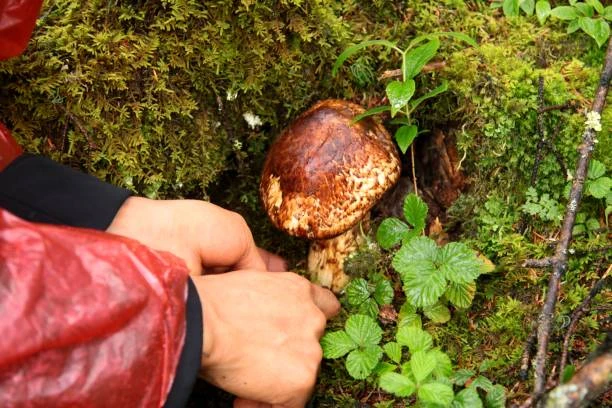
These mushrooms are not easy to collect. Only young matsutake are prized, as their fruiting bodies are almost entirely buried. Only the cap remains above ground, often hidden under a layer of fallen needles. Therefore, the mushrooms must be literally dug out of the ground. 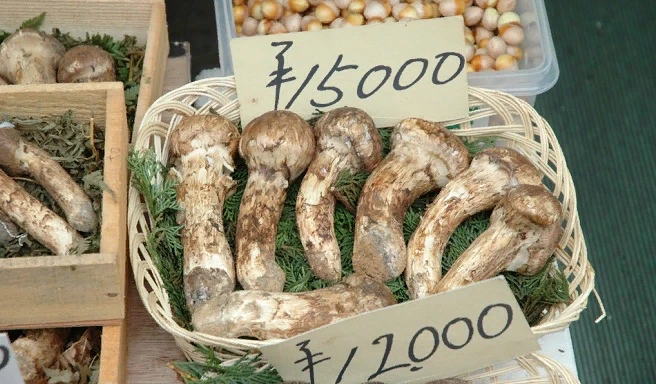
Residents of the Land of the Rising Sun prize this mushroom for its aroma. Traditional Japanese cuisine isn't particularly rich in aromas. Therefore, matsutake is a true treasure for gourmets. It has a unique, sweet aroma, imparted by the octyl alcohol, or mushroom alcohol, it contains. 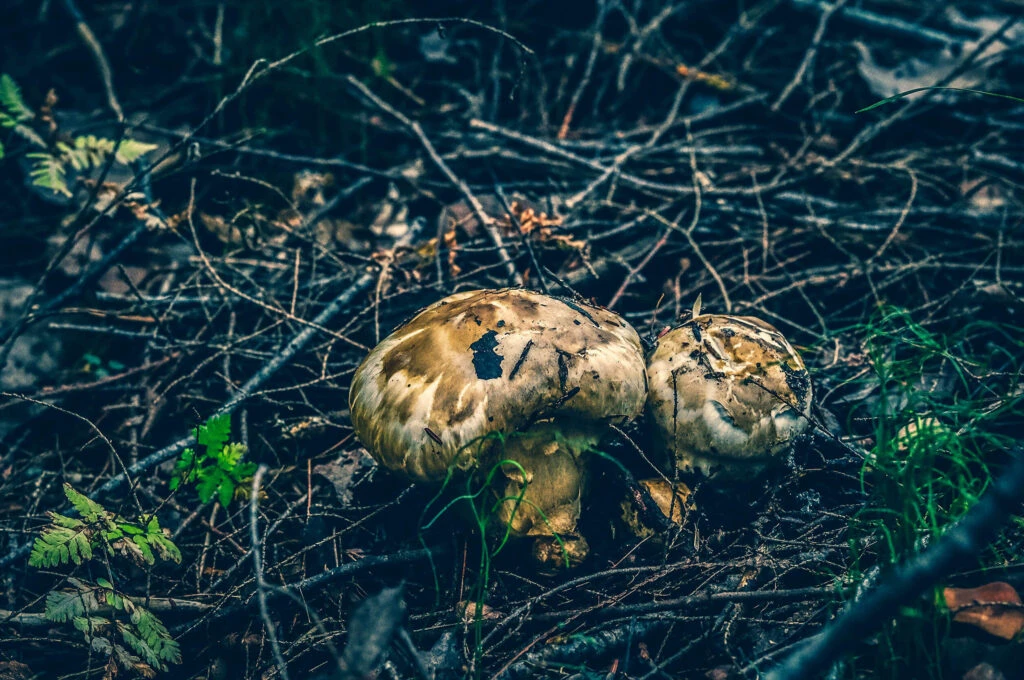
The mushroom's flavor is also very unusual. Those who have tried matsutake find it difficult to describe. It has notes of cinnamon and pine resin, and its body is similar in density to tender meat. It is believed that the mushroom's special properties are due to the fact that its mycelium forms a symbiotic relationship with the root system of pine trees. 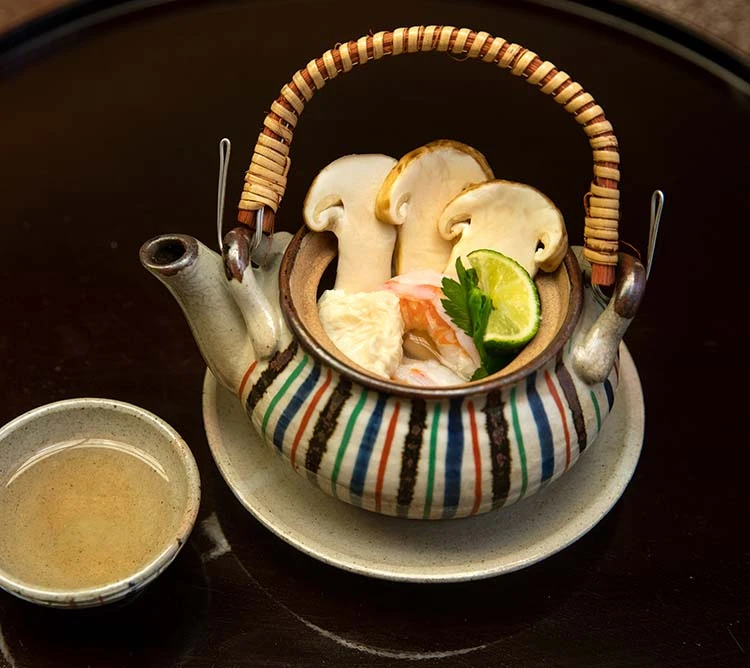
In Japan, matsutake is the king of autumn delicacies. Those who can afford it certainly strive to enjoy dishes made with these mushrooms before the frost sets in. Those who don't have time will have to wait until next fall. Matsutake quickly loses its unique properties during storage, and farmed mushrooms are completely different from those picked in the forest. 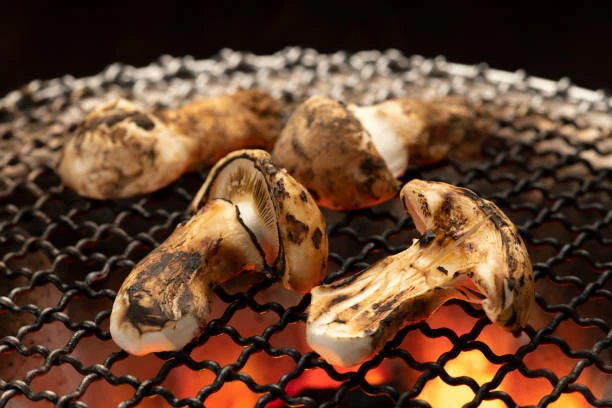
Mushrooms as Money
Mushrooms have been valued in Japan since ancient times. One written source from the 8th century lists matsutake among gifts given to the emperor. During the Edo period, which lasted from 1608 to 1868, mushrooms could be used to pay taxes instead of money. The lucky owner of the land where this forest treasure grew could not sell it at his own discretion. Authorization was required. 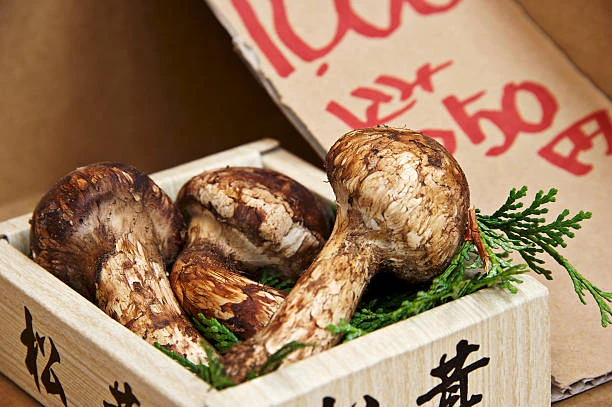
Matsutake mushrooms were once more common in the mountain forests of the Japanese islands than they are today. Their numbers have declined due to the decline of red pine forests. For thousands of years, this tree served as fuel for traditional Japanese stoves and raw material for charcoal production. Therefore, villagers near pine trees tended them and planted new trees to replace those cut down. 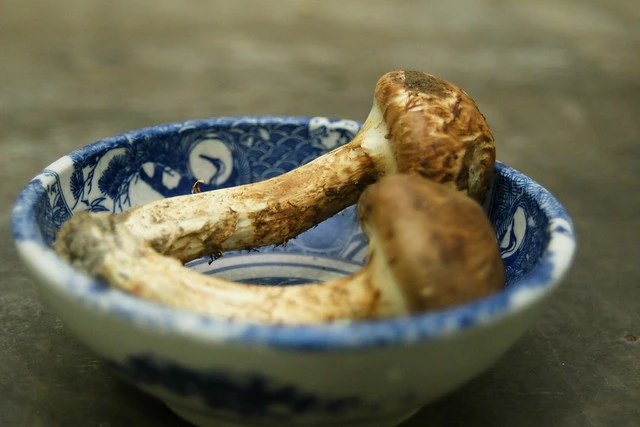
This continued until the 1970s, when Japan began to rely heavily on petroleum products. Red pine trees began to be treated as ordinary, worthless trees. As a result, forest cover began to shrink. Along with the pines, matsutake trees also began to disappear. Recently, the Japanese have come to their senses and have once again begun to respect the relict forests, but it will be a long time before things return to normal. 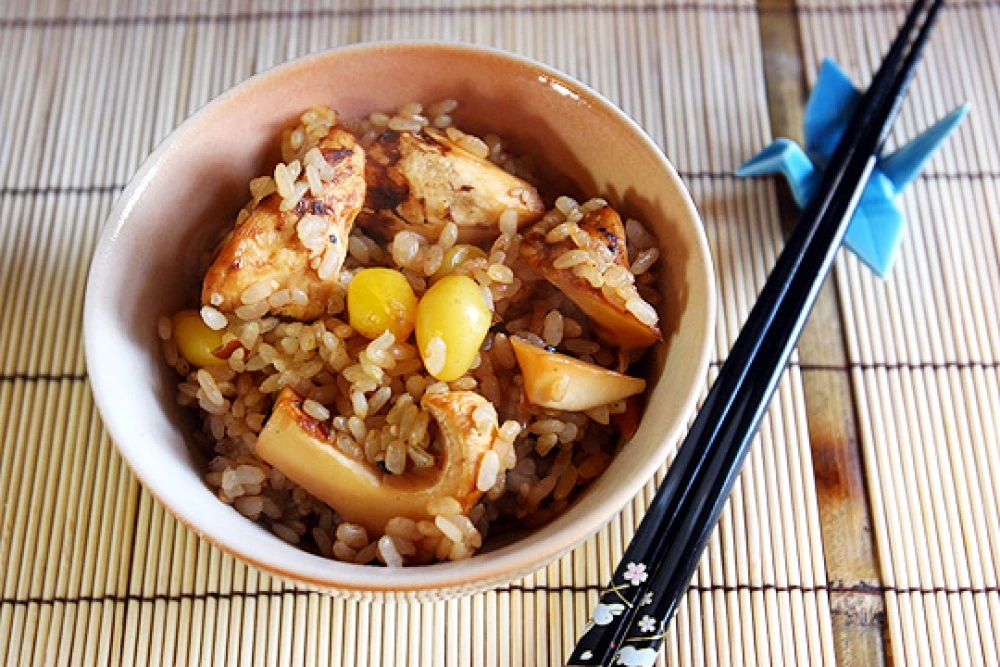
In Japanese cuisine, matsutake mushrooms are cooked with rice or simply grilled. They are delicious on their own, so they don't require elaborate or elaborate side dishes. The key when preparing dishes with this delicacy is speed. Japanese chefs say that fresh mushrooms lose their aroma and flavor literally with every minute.
Add your comment
You might be interested in:













Protective film Removing it with a power screwdriver

How to start a 102-liter engine

When a child plays hide-and-seek at a professional level

Man sets up bedroom camera and discovers the reason for his

Super dads who swoop in to save the day

Precision carpentry

Looks like it's time to buy WinRAR

How to hang wallpaper neatly

Athlete in Bavarian dress flies over a lake on a hydrofoil
