People often find solace in alcohol during difficult times. Prohibition, enacted in the United States in 1920, deprived Americans of this solace and condemned many to very, very hard times. Many dark secrets of that time are still unknown to everyone. 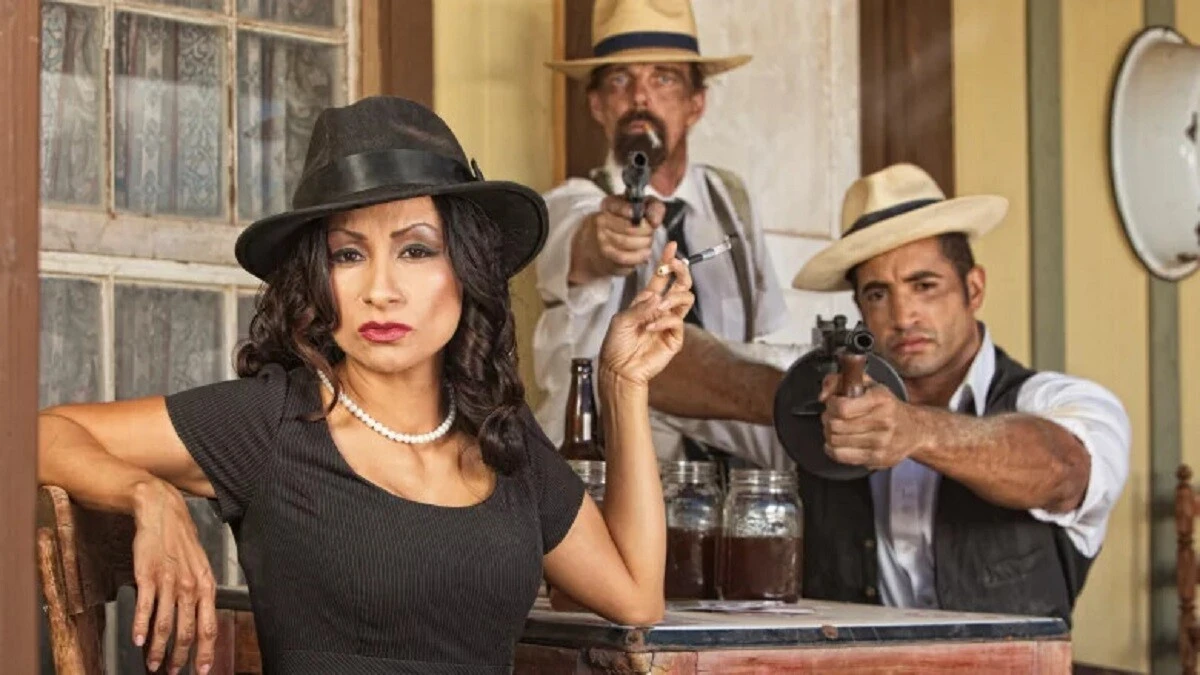
The US government poisoned hundreds of people to enforce Prohibition
Bootleggers, secretly supplying citizens with illegal alcohol, appeared in the very first weeks of Prohibition. Some of them distilled their own alcohol in secret distilleries, while others operated on a larger scale, purchasing barrels of industrial alcohol used in the manufacture of paints, household chemicals, and medical supplies. 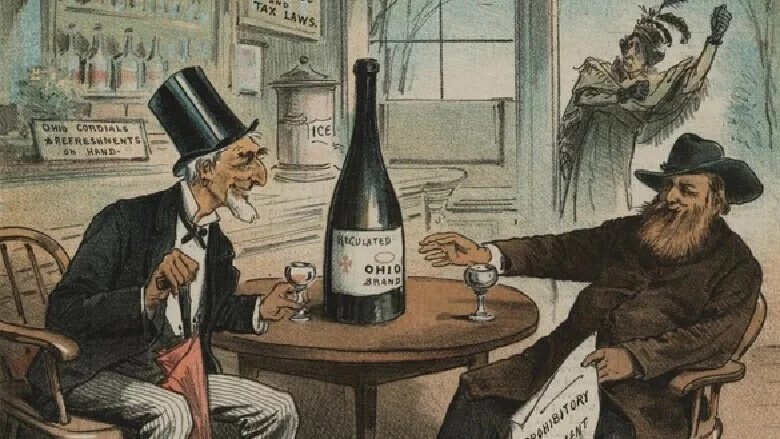
Upon learning of this, government agents began adding poisons—formaldehyde, quinine, and mercury salts—to the industrial alcohol. The first fatal poisonings from bootlegged alcohol were recorded on Christmas Eve 1926: 31 people died in New York City from industrial alcohol poisoning. Despite this, the poisoning of industrial alcohol continued, but this did not stop bootleggers. In total, around 10,000 people died during Prohibition due to government-contaminated alcohol.
During Prohibition, apple orchards were cut down en masse in America.
Before Prohibition, apple cider was the most popular alcoholic drink in rural America. To prevent farmers from drinking the "green serpent," these orchards were ruthlessly cut down, nearly wiping out the country's apple trees. 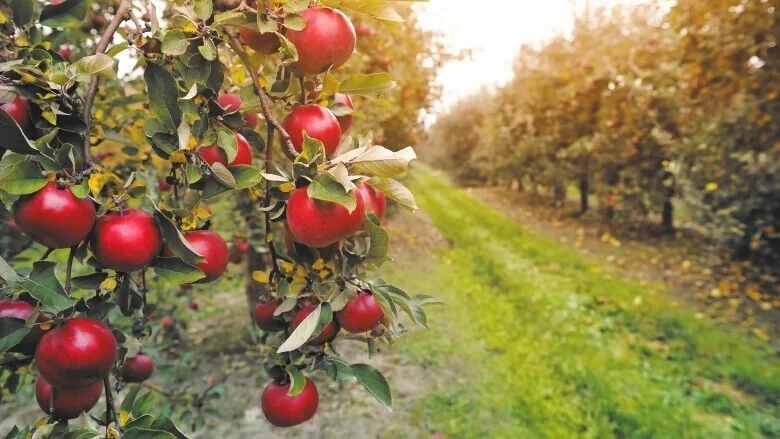
Fortunately, only apple trees of varieties too small and sour to eat and used exclusively for cider were cut down, but such orchards constituted the majority of the country's orchards. Even the legendary orchard of American legend Johnny Appleseed suffered: it, too, was intended for cider apples and was destroyed root and branch.
Breweries and distilleries learned to produce by-products
Prohibition affected not only drinkers but also breweries and distilleries. Prohibition brought them to the brink of collapse, and to survive, they urgently needed to find a new business. Everyone did what they could. 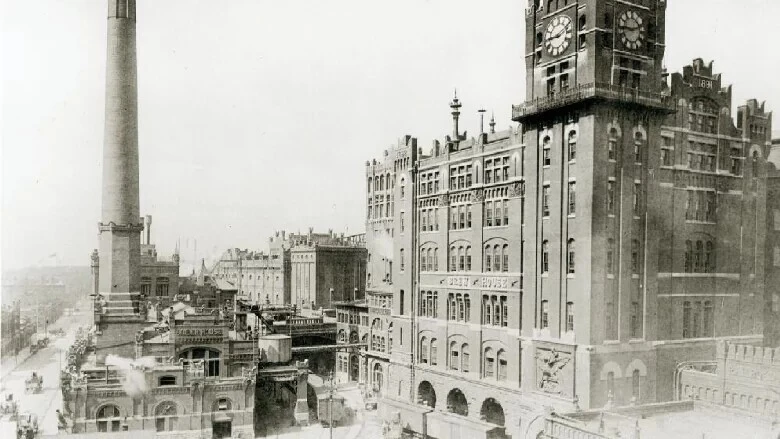
San Antonio Winery in California, founded just a few years before Prohibition, found an excellent specialty by producing wine for religious institutions. The Yuengling company began making ice cream, which it still sells today, while Anhauser & Busch even began producing truck beds and a grain-based soft drink called Bevo.
Coors began making industrial ceramics, stamping everything from tea sets to spark plugs. Miller began producing malt syrups, milk, and carbonated drinks, but business was poor and the company nearly went bankrupt. Other companies, such as Lion Brewery and F&M Schaefer Brewing, began producing paints. Since the technology and techniques were similar, some companies used the paint business as a cover for illegal alcohol production. One such enterprise, Heller & Merz, produced $35,000 worth of illegal moonshine daily.
Alcohol was available by prescription.
The law's authors permitted the consumption of alcohol for medicinal purposes and its purchase with a doctor's prescription. Distilleries took advantage of this, using bureaucratic tricks to obtain licenses for "medicinal production." Special licenses for the production of this vital medicine were issued to the whiskey brands Old Fitzgerald, JW Dant, and Old Hermitage. 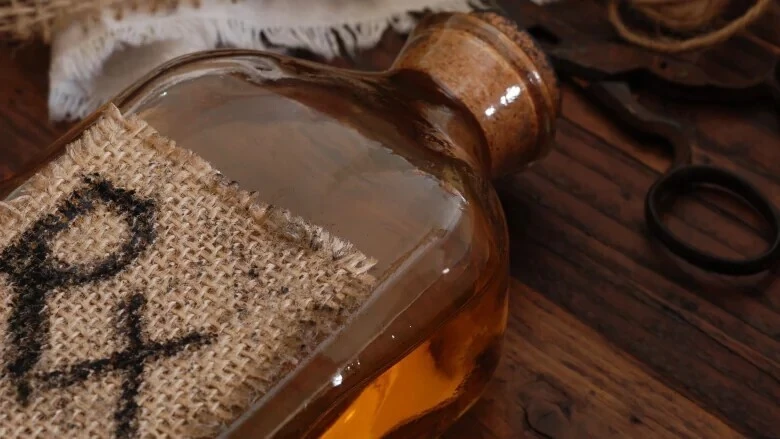
Theoretically, each pint should have been labeled for medicinal use only, but in reality, many didn't even bother to comply with this formal requirement. The prescription itself cost $3 (about $36 today). Most patients who received them had no medical need whatsoever. Doctors were just people, too, and they sometimes prescribed whiskey to patients "in case of emergency."
The Ku Klux Klan was the most active in fighting bootleggers.
The Ku Klux Klan was one of the most active forces supporting Prohibition. They did so using their traditional methods. They burned saloons, destroyed speakeasies, hunted down bootleggers, and tarred and feathered them. They even murdered the most persistent lawbreakers. 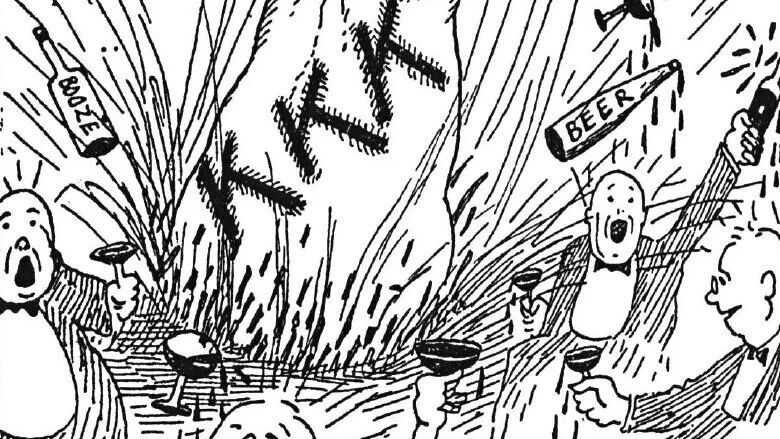
At the same time, in the 1920s, the Ku Klux Klan was quite popular in society and actively made inroads into legislative bodies. The Klan's programs included the active promotion and expansion of Prohibition: the list of proposed punishments for alcohol consumption included exile to concentration camps, public confinement in cages, sterilization, and execution of the offender and all his descendants for four generations.
Grape growers saved their plantations by selling grape concentrate
The fate of US grape plantations during Prohibition was roughly the same as that of Soviet ones during Gorbachev's crackdown on alcoholism. Numerous plantations were razed to the ground. Yet, grape growers still tried to preserve their businesses—and so they invented grape concentrate. 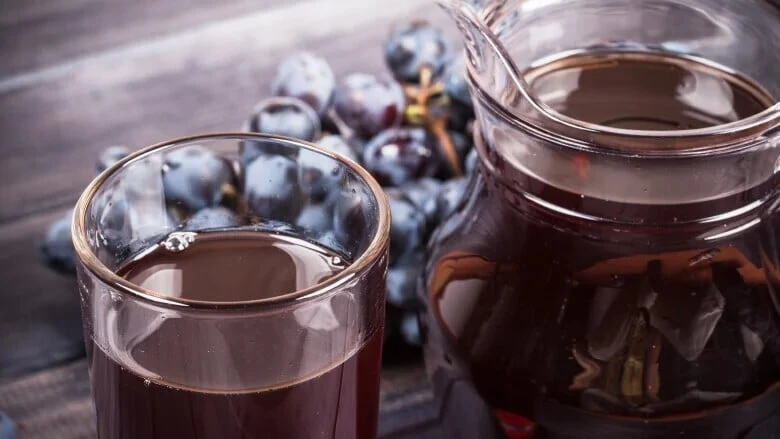
It consisted of dried grapes pressed into a brick. Buyers could dissolve the concentrate in water to obtain natural grape juice. The concentrate came with detailed instructions, warning, among other things, that the jug of diluted concentrate should never be stored in a cool, dark place for 21 days, lest, God forbid, it turn into wine. This precautionary approach made the product a huge success. And since many winegrowers also destroyed their grapes, prices for the remaining harvest skyrocketed—by more than 3,800 percent. The concentrate business proved successful.
Some politicians also protested
Not only ordinary Americans but also many American politicians protested Prohibition. Congressman Fiorello LaGuardia, for example, actively participated in protests against Prohibition, calling it stupid and illogical. 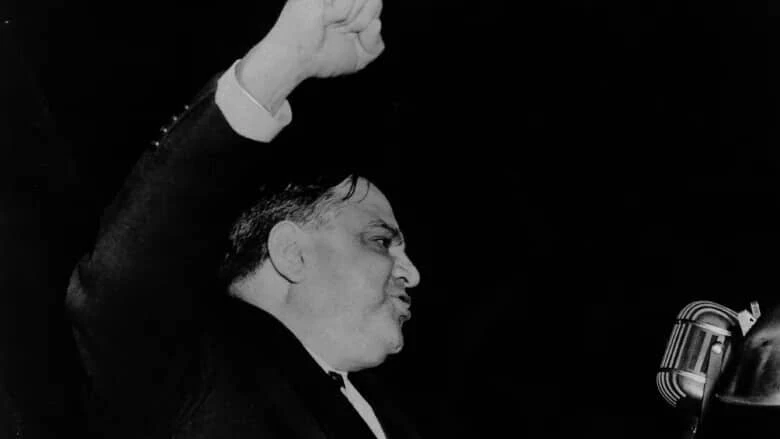
This won him such popularity among New Yorkers that in 1934, immediately after the repeal of Prohibition, he easily won the mayoral election and held the position for 11 years.
Prohibition supporters weren't very knowledgeable about the topic.
One of the main advocates of Prohibition was the Women's Christian Temperance Union, a social organization that considered the fight for sobriety its primary goal. 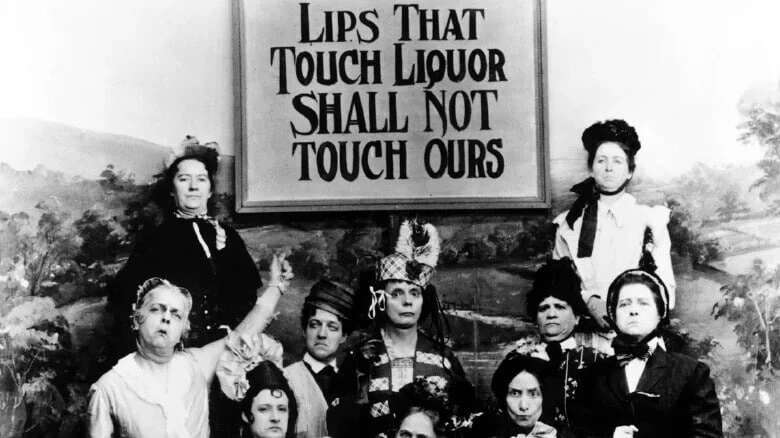
"Lips that have touched liquor will not touch our lips!" was one of the organization's main slogans.
The ladies did their utmost to promote Prohibition to the masses—albeit with rather strange arguments. They claimed that alcoholism was a hereditary disease, that alcohol stunted children's growth, turned blood into water, and could convert food ingested into poison. But the main horror story was that a drinker could spontaneously combust and burn out from the inside due to the alcohol's interaction with the body's tissues.
Congress Had Its Own Bootlegger
American congressmen, of course, voted for Prohibition—but many of them weren't temperance advocates at all. They simply believed the law didn't apply to them, and a drink or two certainly wouldn't hurt them. So by 1920, congressmen had their own trusted bootlegger—World War I veteran George Cassidy. 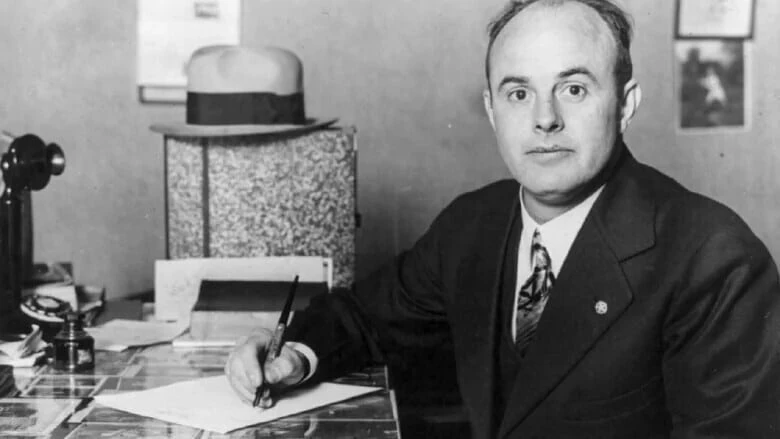
First, someone in Congress used his services, then colleagues recommended the taciturn and effective specialist… Gradually, Cassidy accumulated so many clients in Congress that one of his patrons quietly allocated him an office in the Congressional Building, where he accepted orders and distributed them to recipients. When the scam was uncovered and Cassidy was expelled from the House of Commons, he moved to the Senate. Cassidy was arrested in 1929 and spent some time in prison. Upon his release, after the repeal of Prohibition, he worked in a modest position in a shoe factory. He died in 1967.
America also had its own "hawthorn"
In America during Prohibition, "Jamaican Ginger" was particularly popular. It was genuine moonshine, infused with ginger, but to make it suitable for sale in pharmacies as a medicine, the creators of the recipe added triorthocresyl phosphate. 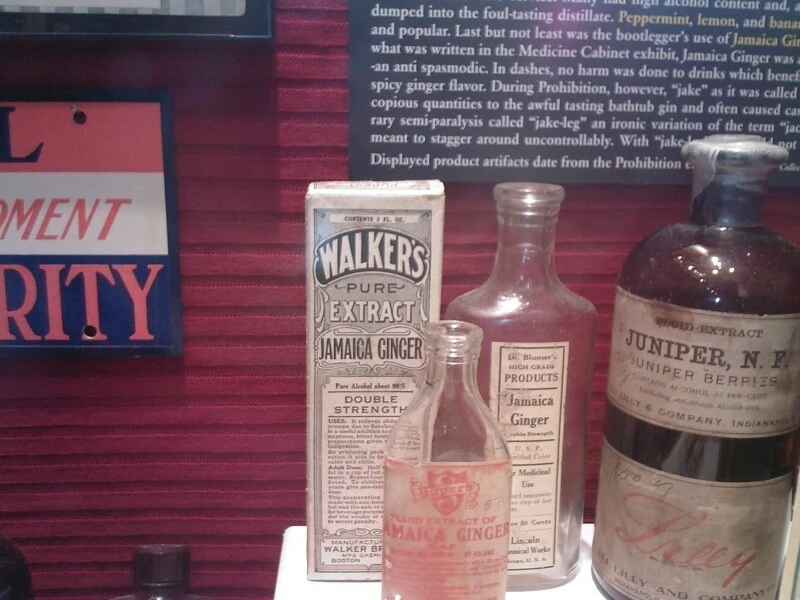
The mixture turned out to be lethal—and, unfortunately, in the truest sense of the word. Those who consumed the tincture as directed—that is, orally—experienced convulsions, tremors, and paralysis of the lower limbs. As a result, approximately 100,000 people were affected, of whom about 10,000 were permanently paralyzed.
Add your comment
You might be interested in:







How to start a 102-liter engine

Protective film Removing it with a power screwdriver

When a child plays hide-and-seek at a professional level

Man sets up bedroom camera and discovers the reason for his

Super dads who swoop in to save the day

Precision carpentry

Looks like it's time to buy WinRAR

How to hang wallpaper neatly
How metal buckets are made in Pakistan
