5 myths about the Middle Ages that everyone seems to believe (6 photos)
The Middle Ages are one of the most fascinating and mysterious eras in human history. Many people—especially fantasy fans—believe they know practically everything about the Middle Ages. However, this is not true: there are several very common misconceptions that completely distort our view of this historical period. 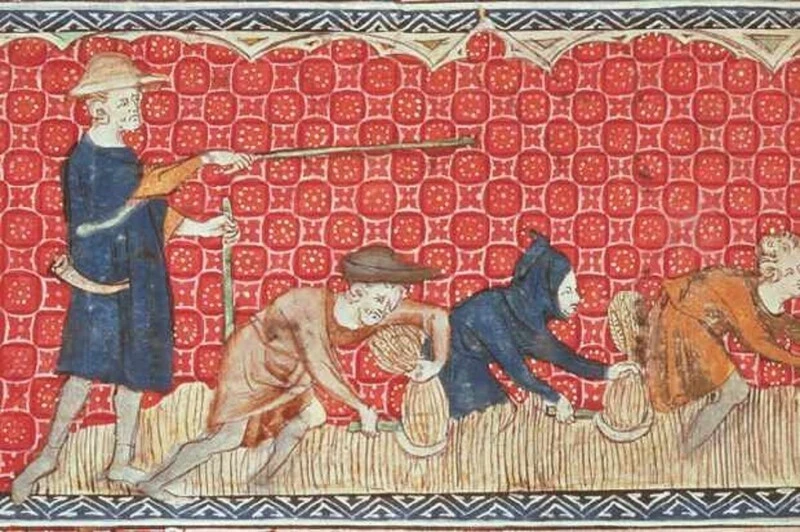
By the age of 30, people became old and began to die.
Many sources indicate that the average life expectancy in the Middle Ages was around 30 years. 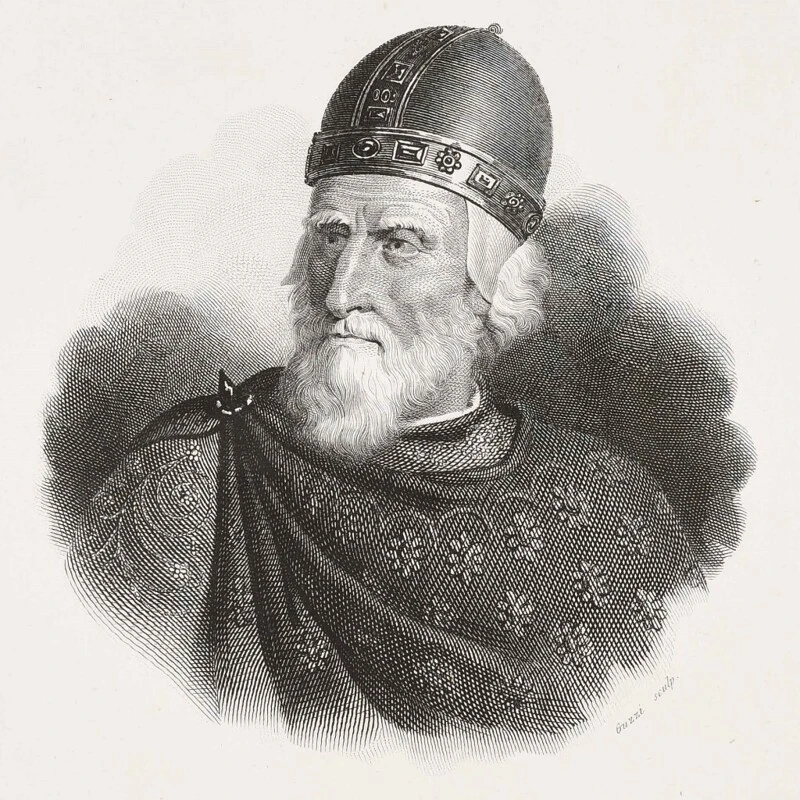
Because of this, many people think that people matured very quickly back then: by 15, they started a family and had children, by 20, they had gained experience, and by 30, they were ready to pass away due to illness and hardship. However, this is not true.
The low life expectancy in the Middle Ages was primarily due to high infant mortality. Children indeed died en masse during childbirth, from disease, or malnutrition. But those who managed to survive the first couple of years lived, on average, to 50-60 years: shorter than today, but much longer than most of our contemporaries imagine.
Women caught practicing witchcraft were invariably killed on the spot.
Witch hunts and burnings in the Middle Ages are mentioned in a wide variety of sources, from Walter Scott's Ivanhoe to the comedy Monty Python and the Holy Grail. 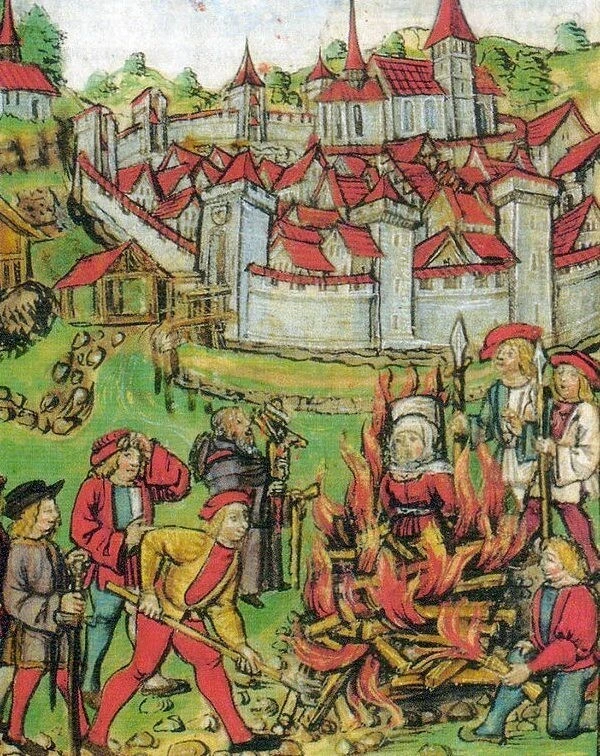
Meanwhile, witch burnings were much more common during the Renaissance, considered a more enlightened era. In the Middle Ages, the church's official stance on witches and witchcraft was simple: it claimed that nothing of the sort existed.
Priests considered belief in witchcraft a superstition and fought it as best they could. Alas, reason failed to prevail: the most ignorant turned out to be the most stubborn, gradually forcing the Catholic Church to change its position—but only at the very end of the Middle Ages.
Due to their heavy armor, medieval knights could not move quickly.
In Mark Twain's "A Yankee in King Arthur's Court," the hero managed to defeat a heavily armored knight on the battlefield because the heavy armor made the knight so ungainly that the hero could literally run around his opponent, who was unable to turn. 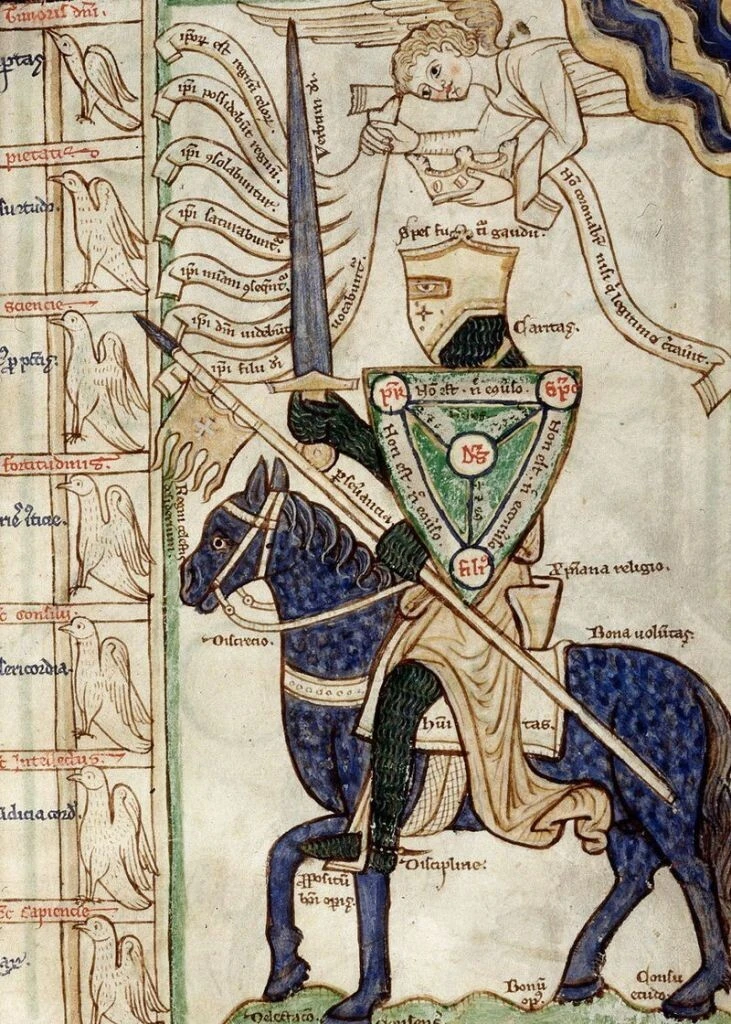
In fact, armor didn't hinder knights' agility and strength in battle. High-quality armor weighed 25-30 kilograms, was well-fitted, distributed over the entire body, and was worn by trained warriors who had spent their entire lives training to fight in it. Thus, a knight in metal armor could run, jump, climb over walls, and perform virtually any physical exercise.
Medieval people didn't believe in science
This misconception originates from the Renaissance, when scholars began calling the Middle Ages the "Dark Ages." According to many contemporary scholars, after the Roman Empire and until the Renaissance, world science not only failed to make progress but, on the contrary, regressed. 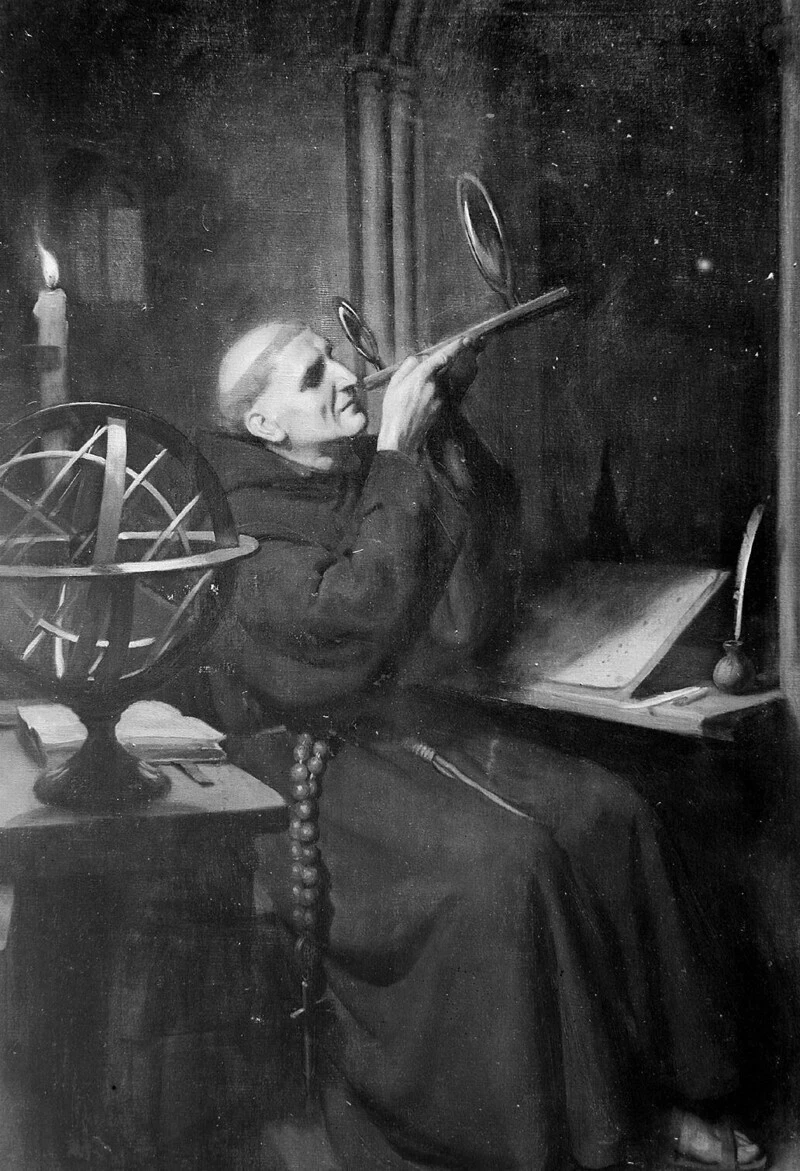
But this isn't entirely true. Indeed, at the dawn of the Middle Ages, science practically halted its development—largely because, in the chaos that followed the fall of the Roman Empire, many cities and monasteries that had served as refuges for learned men were destroyed.
However, beginning with Charlemagne, who came to power in the 9th century, the "Carolingian Renaissance" began, with scholars seeking out and rediscovering ancient texts, and new schools and universities opening across Europe. By the 12th century, scholars lecturing in university classrooms undertook long tours across Europe, moving from college to college. So, a university education was quite valuable in the Middle Ages!
Women in the Middle Ages were not allowed to pursue a career.
It is generally believed that women in the Middle Ages were nothing more than men's property. They were married to strangers, after which they merely bore children and embroidered napkins. If this did not suit her, she could become a nun—if her father permitted it. 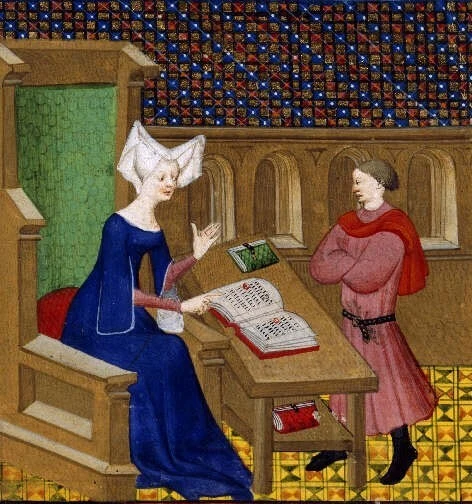
However, in reality, things weren't so straightforward. In Europe, a woman often became her husband's partner in the family business, working and managing the hired staff alongside him. If the husband died, the woman continued the business independently. Sometimes women started their own businesses—for example, textile manufacturing or beer brewing—and ran them so successfully that they refused to marry altogether.
The wives of the nobility managed large households on their own, often in the absence of their husbands, who disappeared for months on military campaigns. And although women had far fewer rights than men, they had many opportunities to demonstrate their organizational talents and skills in various trades.