The Mystery Under the Forge: Who Really Created Edinburgh's Underground Labyrinth? (13 photos)
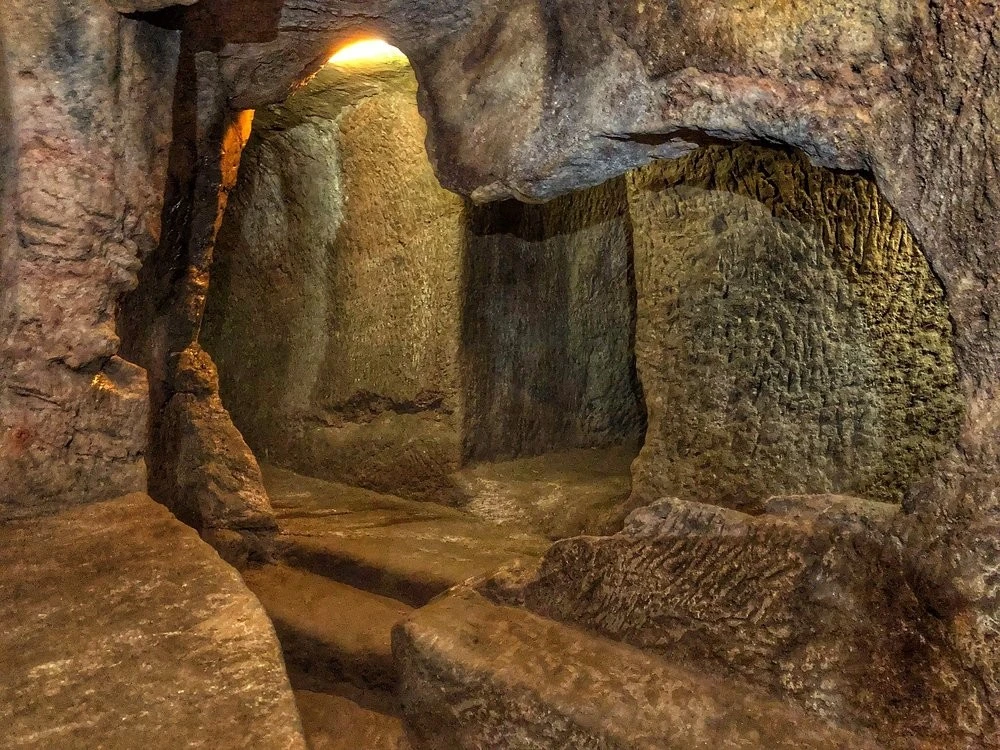
Beneath the streets of Gilmerton, a former mining village on the southern outskirts of Edinburgh, a man-made labyrinth lies just a few meters underground. The corridors and chambers were carved out of sandstone by hand, without the aid of explosions or machinery. 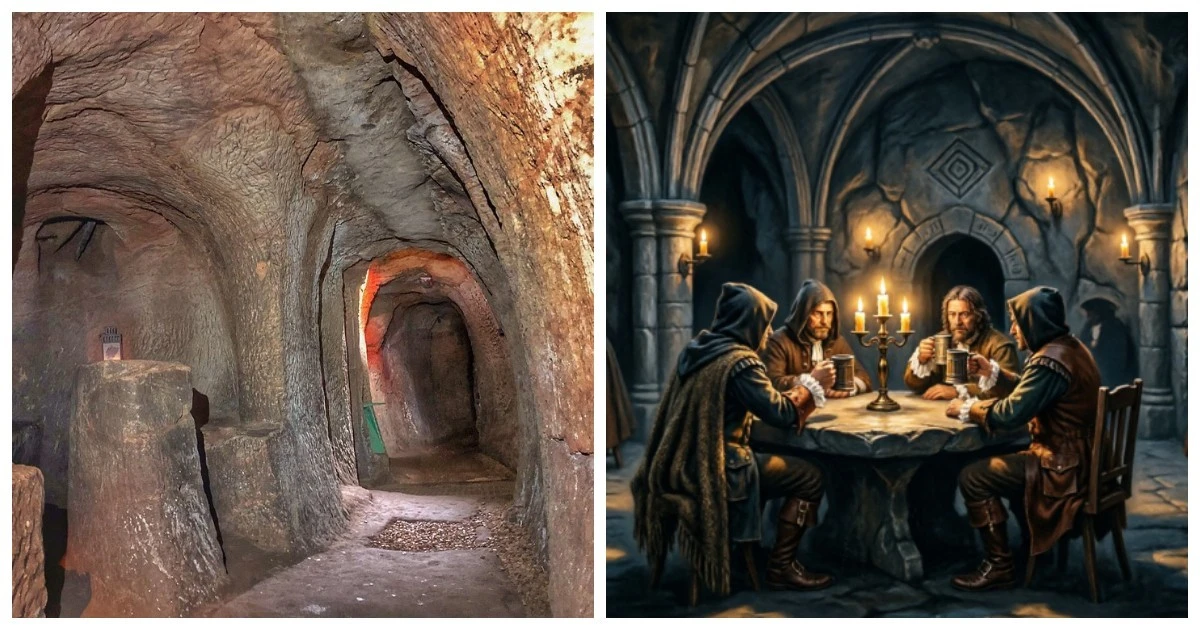
This is Gilmerton Cave. It has been known about for centuries, but who carved these passages and why is a mystery that has vexed ten generations. 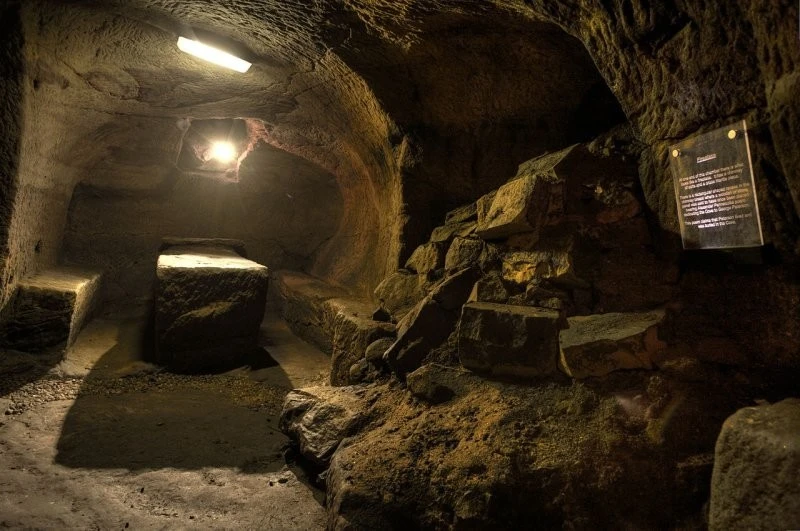
Traditionally, the cave was created by George Paterson, a local blacksmith. In 1724, after five years of solitary hard labor, he completed his underground dwelling. Inside are carved stone tables and benches, light wells, drainage channels, and a mysterious deep vertical shaft. 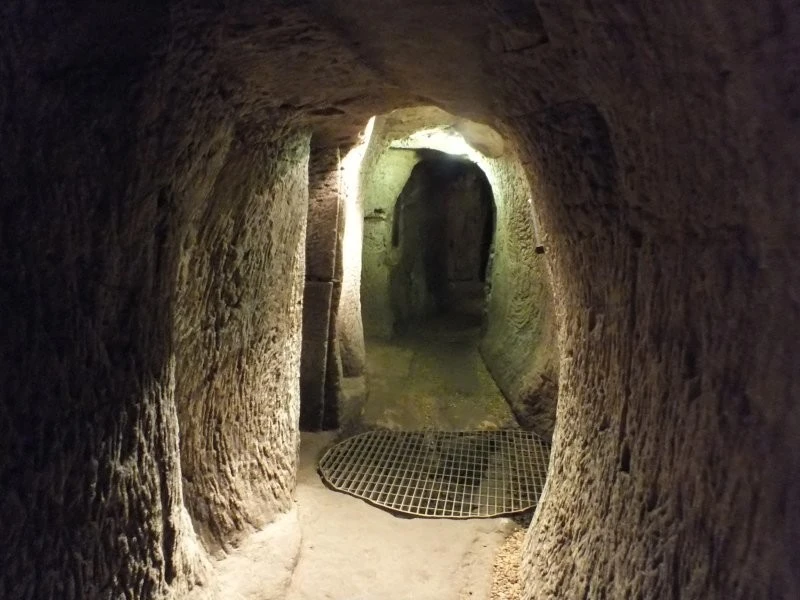
Paterson is known to have used the cave as a tavern. On Saturdays (a day of strict rest), local gentlemen would secretly descend underground to drink, out of sight of the devout. 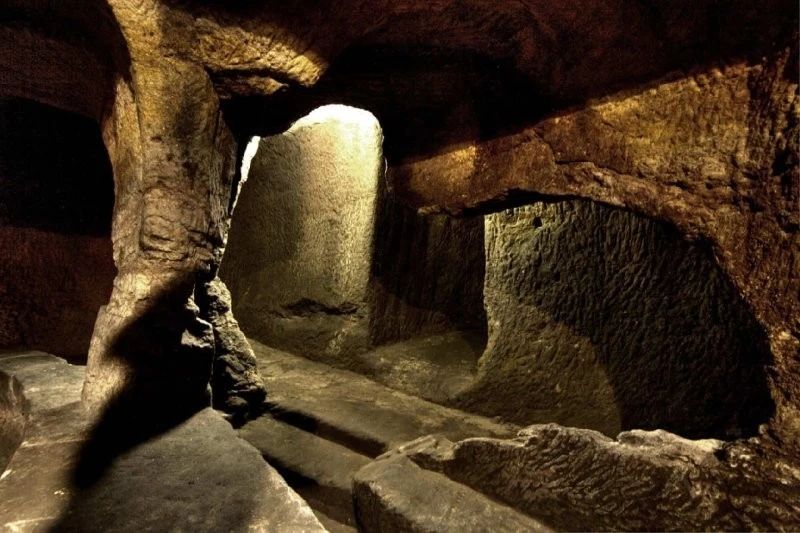
But there's one problem. Archaeological research at the turn of the 19th and 20th centuries revealed that the cave was carved long before Paterson was born. The blacksmith most likely simply discovered ancient passages, expanded them, and adapted them to his own needs. 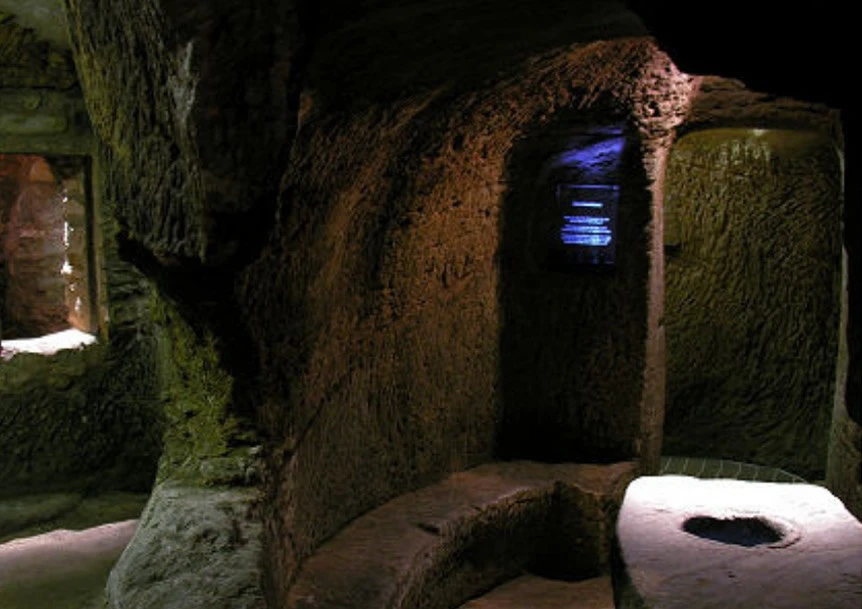
Who are the real masters of the dungeon? 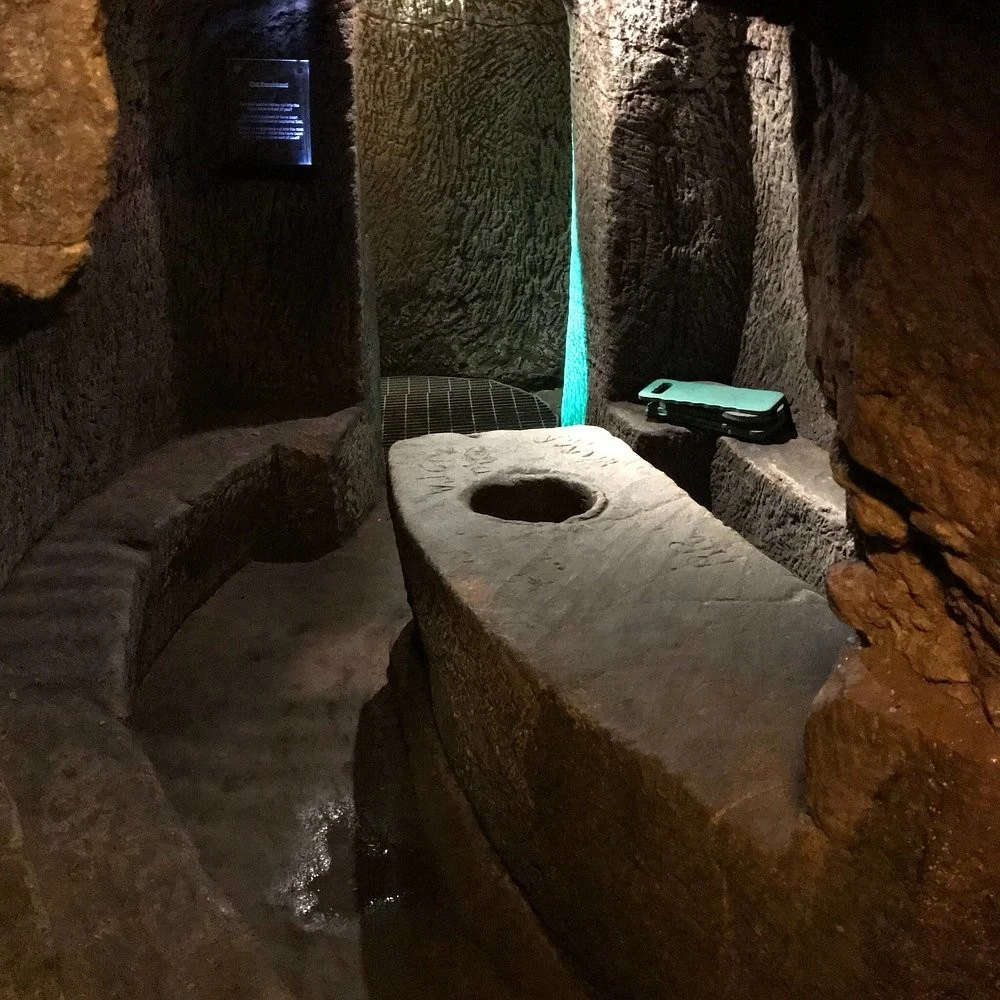
There are dozens of theories. And each one sounds like the script for a Hollywood thriller:
The Templars—knights who fled persecution and hid their secrets in Edinburgh.
The Freemasons—the symbolism and layout are too complex for a simple cellar.
The Druids—the vertical well is very similar to the ritual shafts of the ancient Celts.
Smugglers—the perfect hiding place for whiskey and goods that circumvent excise duties. 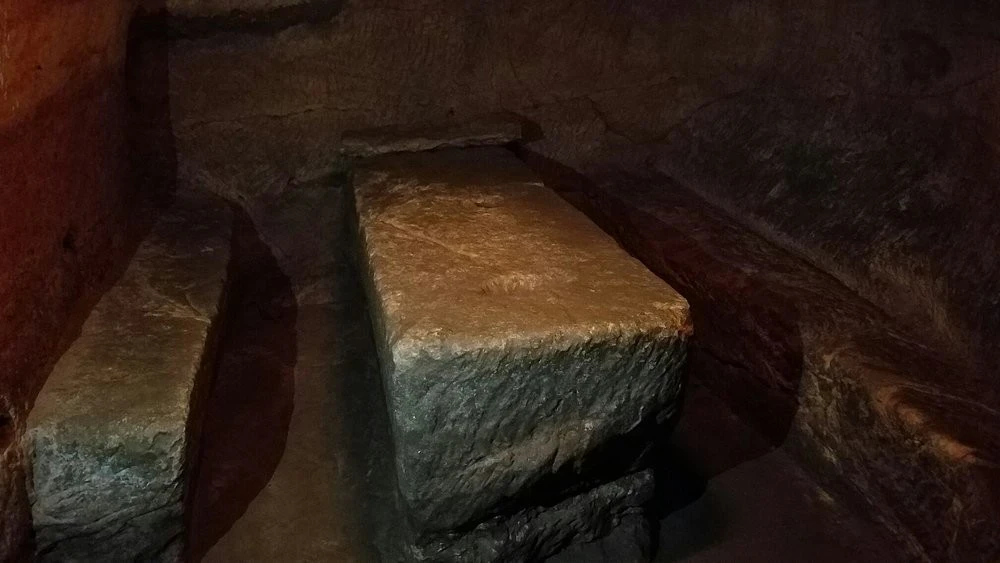
A comprehensive study in the 2000s reached a disappointing conclusion: the cave had been so extensively used and rebuilt over the centuries that all significant archaeological traces of its origins had been irrevocably destroyed. There were simply too many people eager to leave their mark. 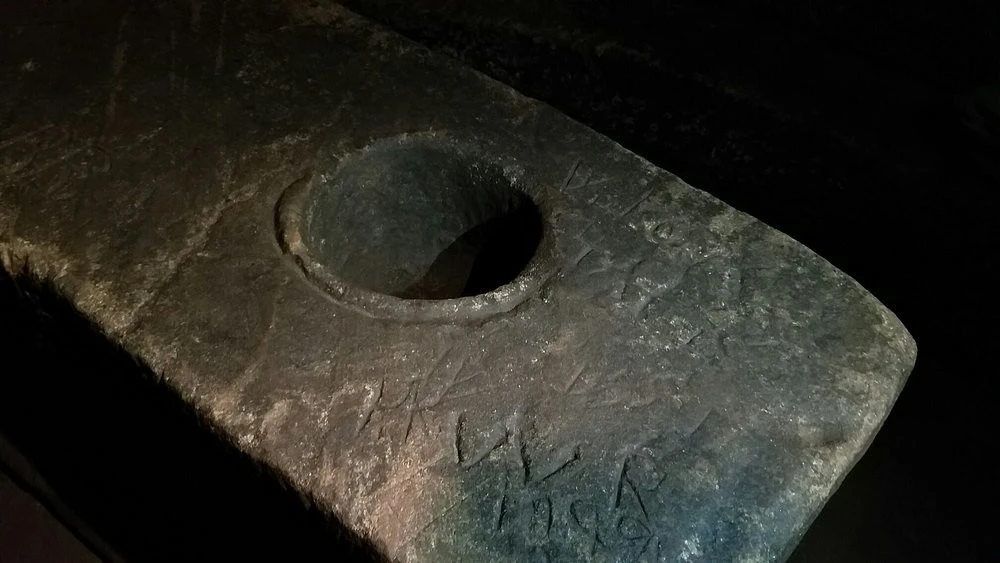
Gilmerton Cave is owned by the Gilmerton Heritage Trust and was open to visitors until 2023, who could descend into this underground world, touch the carved benches, peer into the black well, and attempt to unravel what scientists had failed to unravel. 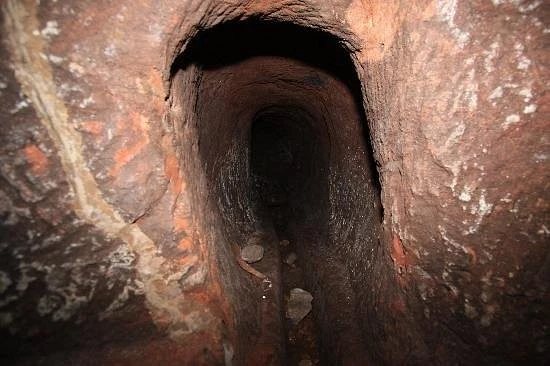
After the pandemic, it never reopened. However, a plan to save this unique site has emerged. Scientists and local activists have not abandoned the cave. 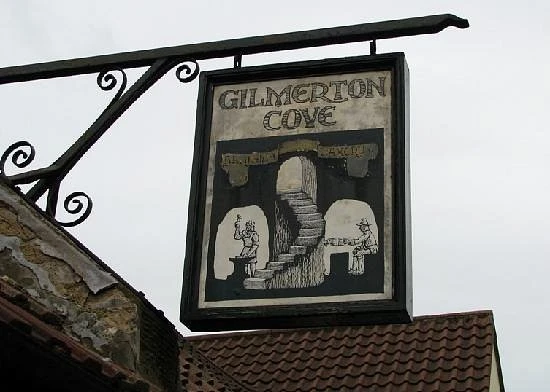
In July 2025, a community survey was launched to discuss ways to bring the cave back to life as part of a large-scale renovation project in the Gilmerton Historic District. The project includes not only repairs but also educational programs for students. 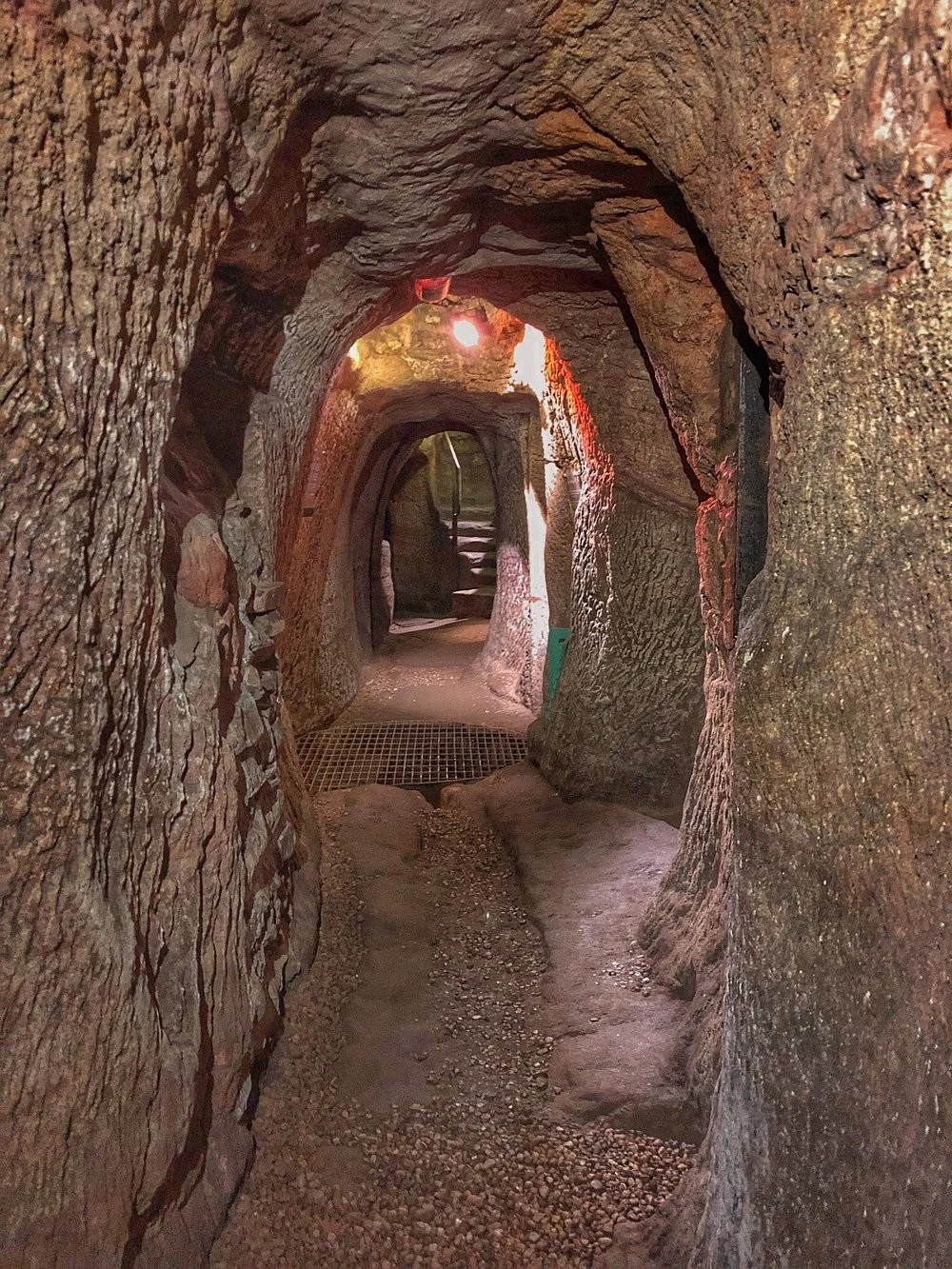
In 2026, the cave remains closed, but local enthusiasts are looking for ways to breathe new life into it. 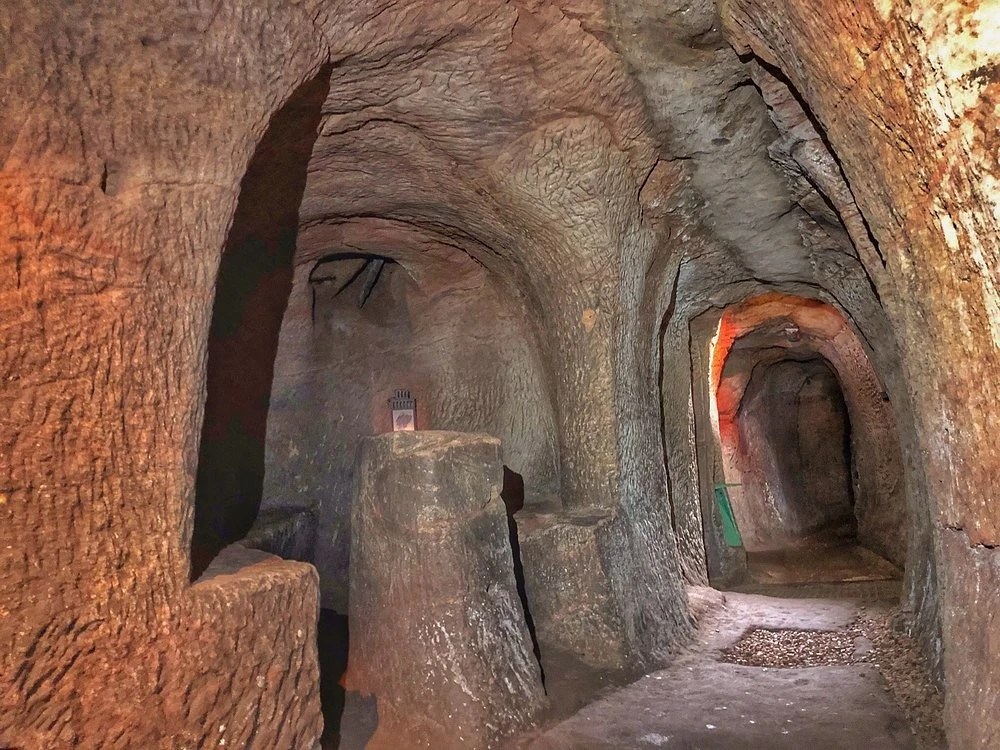
Perhaps this year or next, mystery lovers will have the chance to unravel its secrets for themselves.