High in the mountains of Bolivia, there are houses that will make you believe in aliens (13 photos)
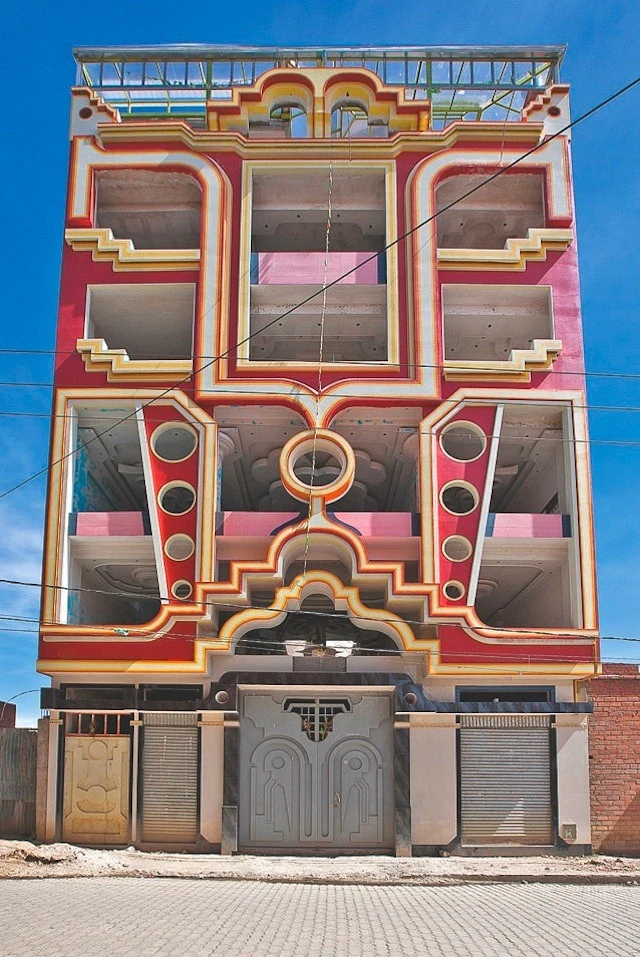
At 4,000 meters above sea level, the city of El Alto sprawls in the mountains of Bolivia. Predominantly ochre-red, it's filled with thousands of low, matchbox-like brick houses, their unfinished and unpainted facades lining dusty, unpaved roads. The landscape is so bleak, monotonous, and oppressive that locals have begun to brighten it with splashes of color wherever possible. They've begun decorating their homes, transforming them into strangely shaped structures, more reminiscent of alien dwellings. 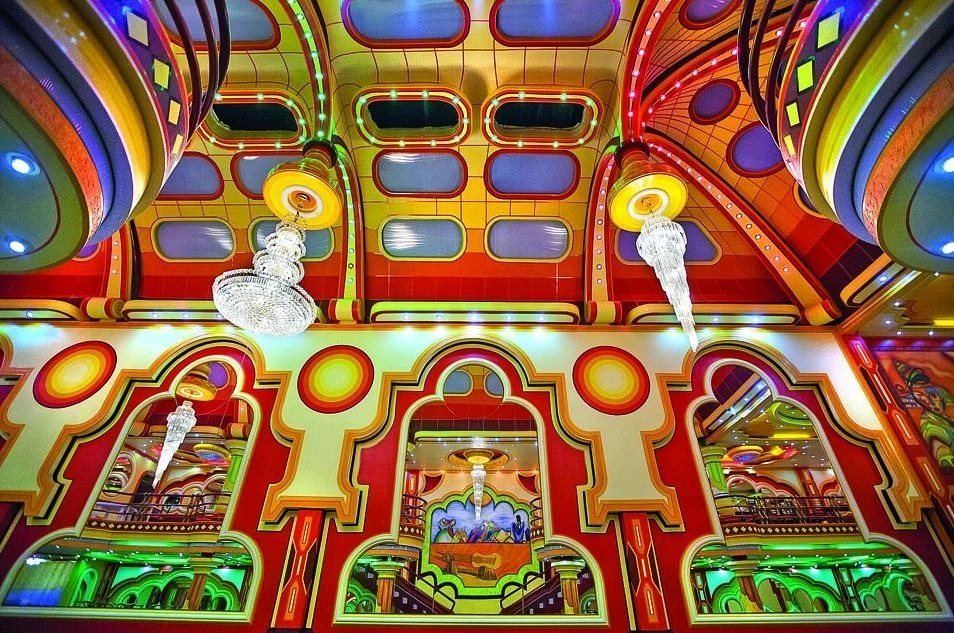
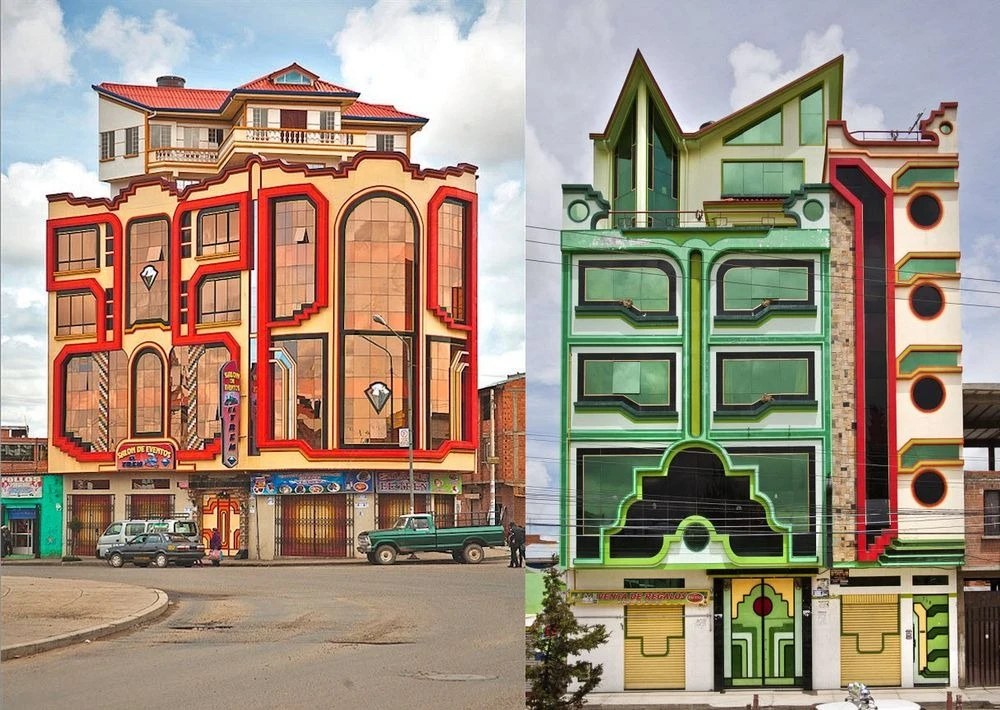
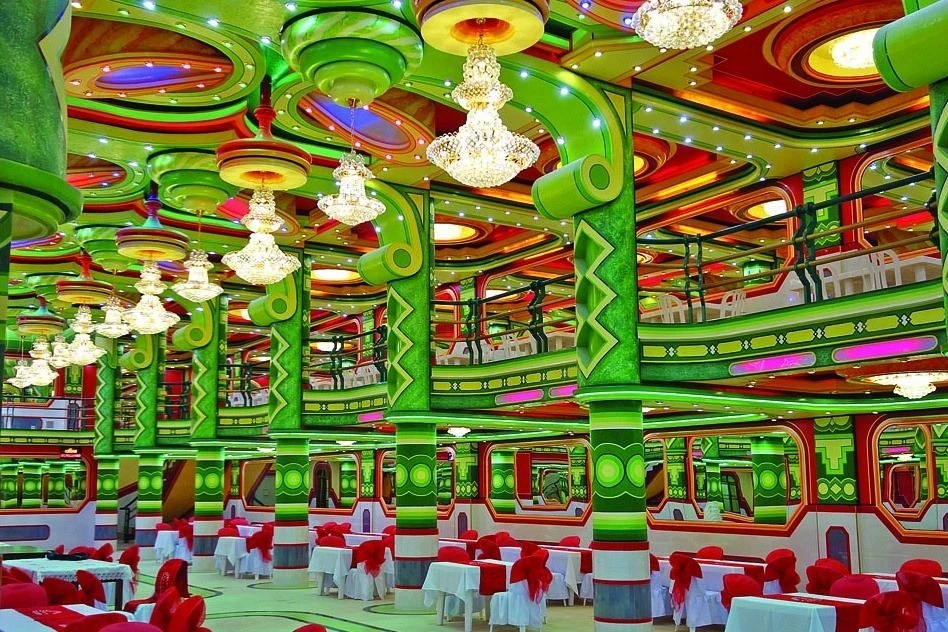
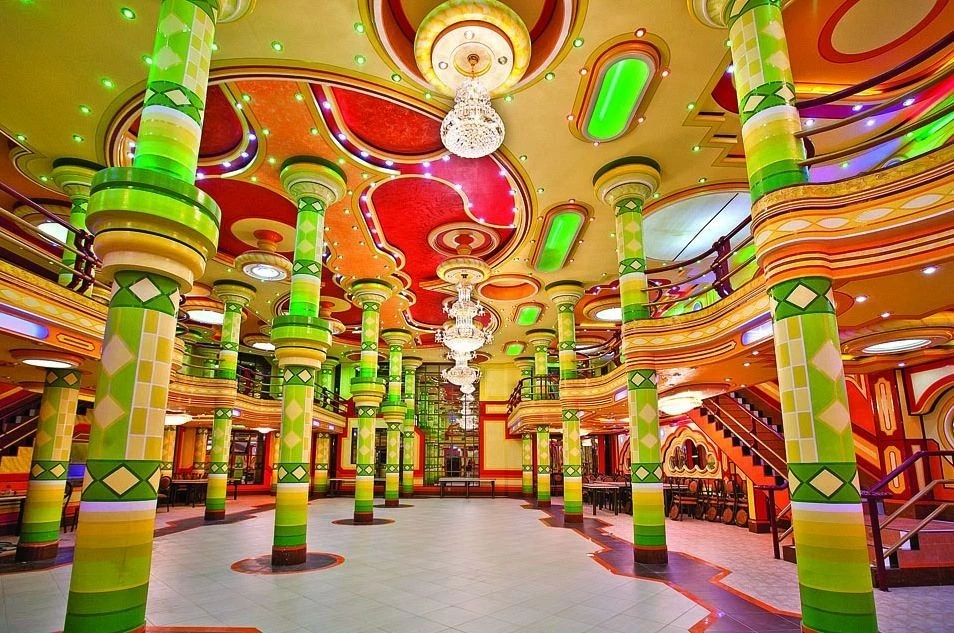
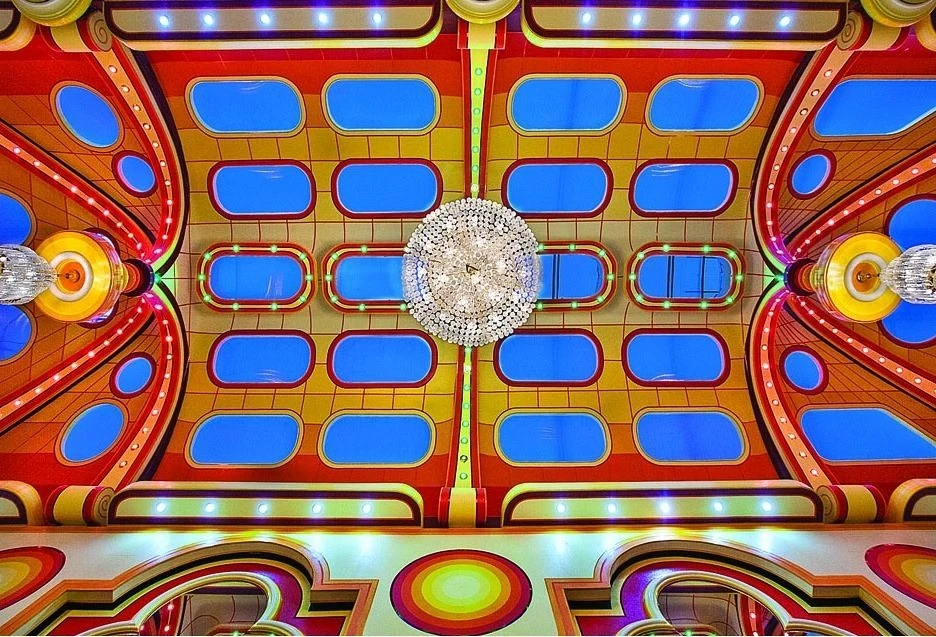
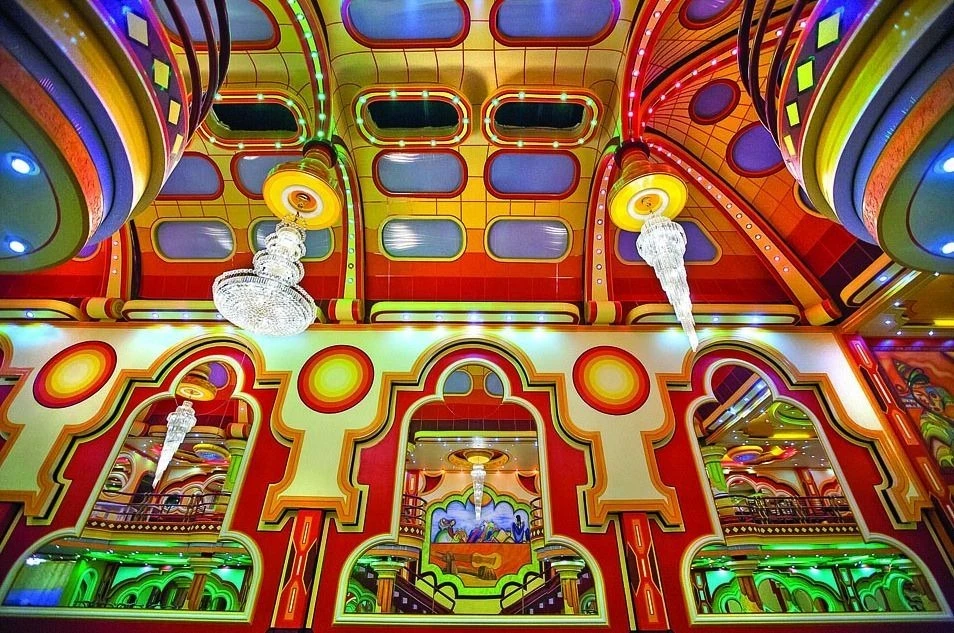
At the forefront of this local architectural revolution is self-taught architect Freddy Mamani Silvestre, whose pretentious buildings and garish color combinations are vying to take over El Alto. These structures are called "cholets," a portmanteau of "chalet" (a large house) and "chola," a term used to describe the local Aymara Indians. 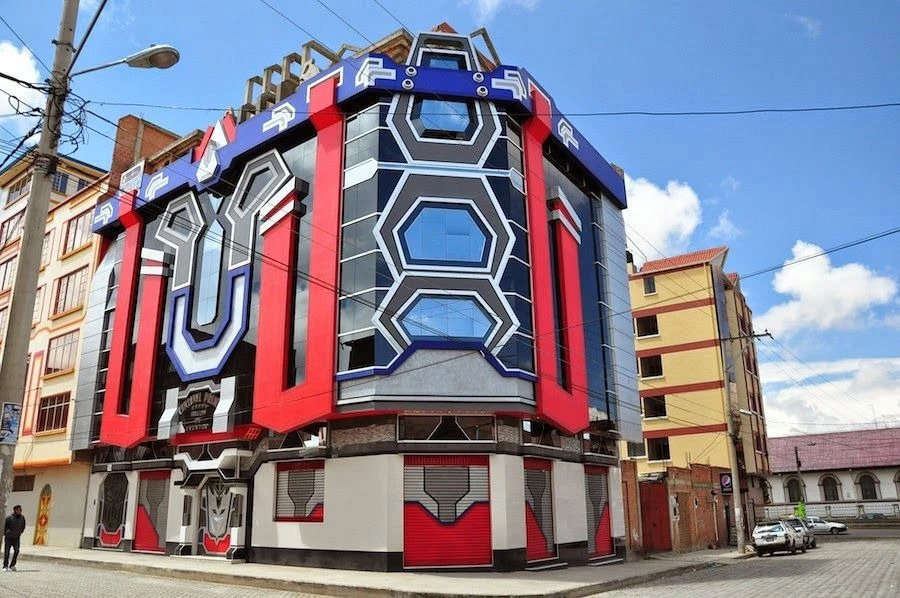
The city of El Alto was founded over a hundred years ago and was originally a slum on the outskirts of Bolivia's capital, La Paz. However, in recent years, the suburb has outgrown La Paz and become the second most populous city in the country after Santa Cruz. It is also one of the highest metropolitan areas in the world and the fastest-growing city in South America. 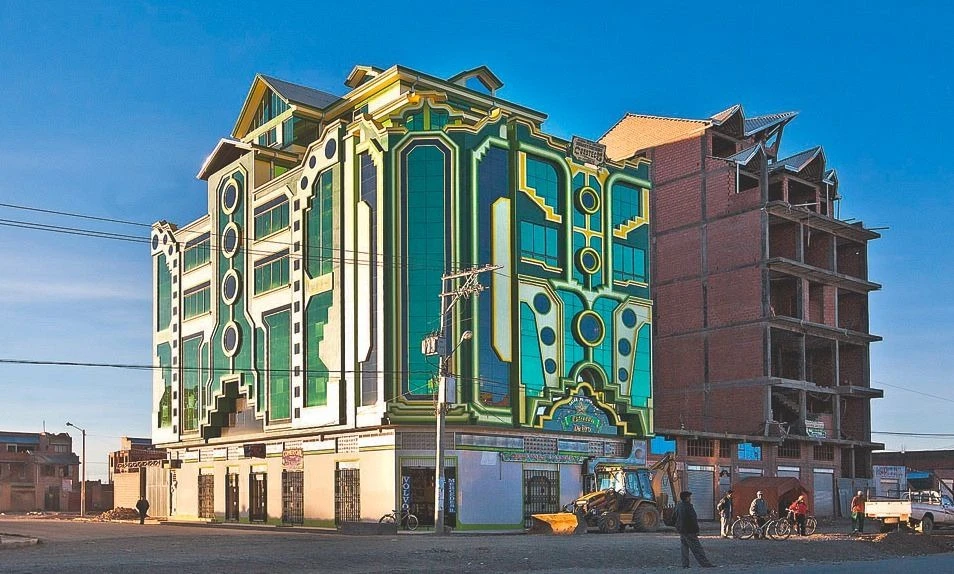
Changes began in 2005 with the arrival of current Bolivian President Evo Morales. The president is of Aymara descent, and his election has given the Aymara people greater self-confidence. He has granted indigenous groups greater political autonomy and supported their participation in commercial activities. Under Morales's leadership, the number of citizens living below the poverty line has fallen by one-third in the past ten years. By 2012, approximately 1.2 million Bolivians had entered the middle class. The architecture of Freddy Mamani Silvestre is a symbol of this newfound self-confidence and economic recovery. 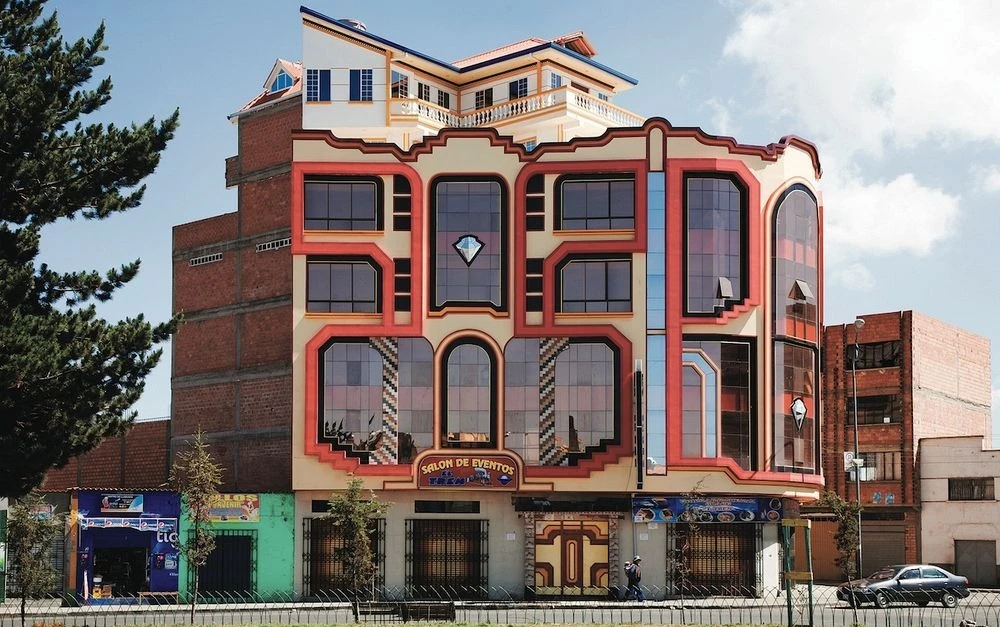
Some Aymara have improved their situation so much that they can afford to build their own chalets. Homes designed and decorated by Freddy Mamani Silvestre cost between $300,000 and $600,000, with some costing even more. Among wealthy Aymara merchants, the architect's work is a status symbol. 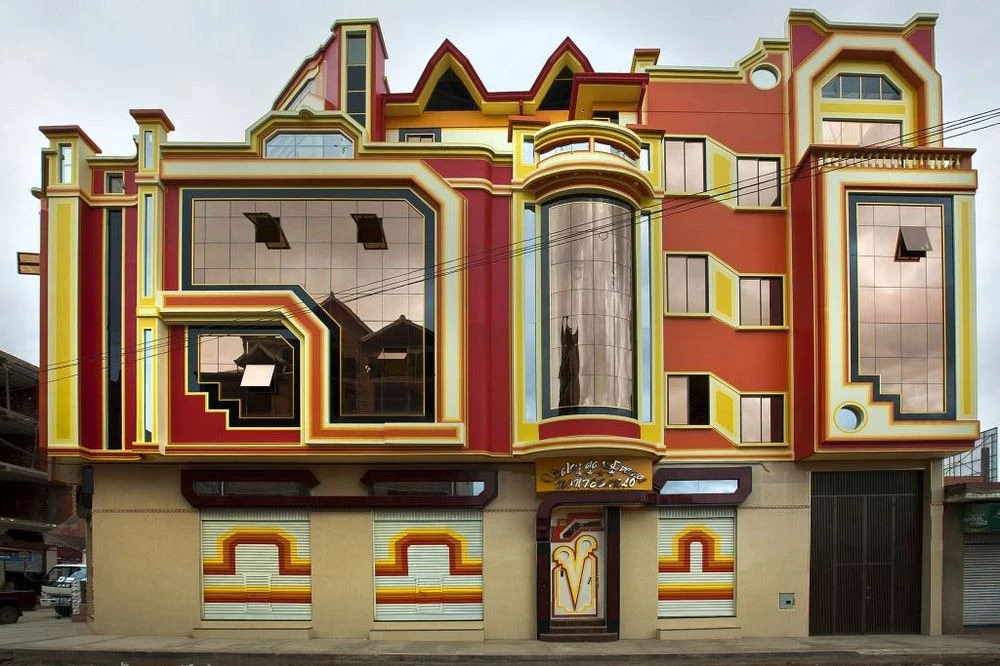
Freddy Mamani Silvestre has designed sixty or seventy buildings in El Alto, with over a dozen more under construction. The architect has ambitious plans: he wants to design city squares, bus stops, and boulevards. 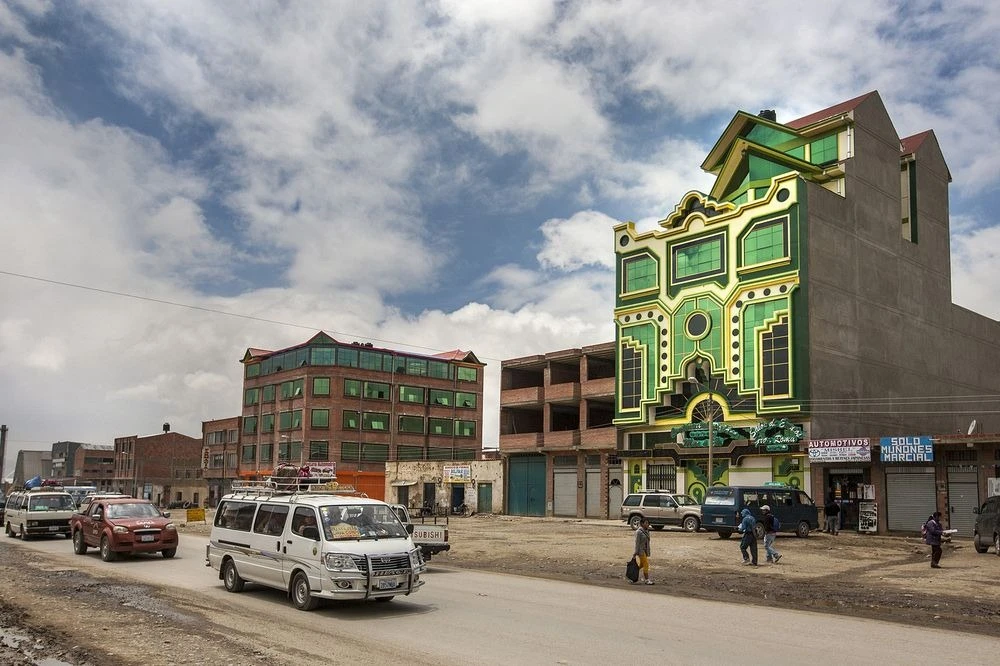
While critics criticize his bright colors and extravagant designs, calling them kitsch, others compare him to Friedensreich Hundertwasser, the Austrian-born New Zealand artist and architect. Some believe Mamani is capable of doing for El Alto what Antoni Gaudí did for Barcelona and Oscar Niemeyer did for Brasilia—completely transforming the city's form and aesthetics. 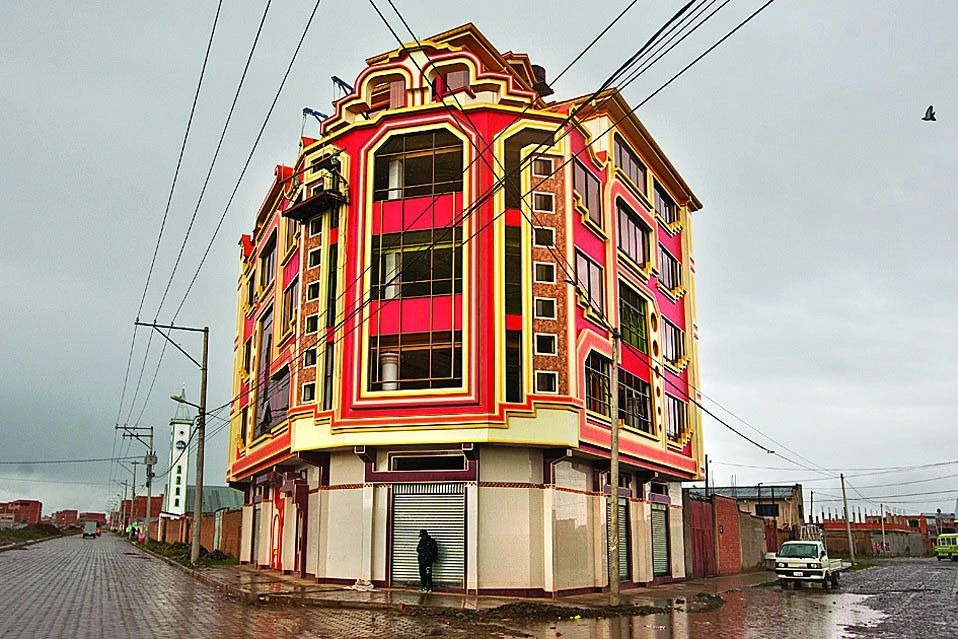
The architect himself is full of confidence: "In 20 years, half the houses here will be built in my style."