A Fugitive from Venice Who Became a Grand Duchess: The Rise and Mysterious Death of Bianca Capello (17 photos)
Bianca Capello lived a life unlike any other. At 15, she fled one of Venice's wealthiest houses with a minor clerk and stolen jewels. A Venetian court sentenced her husband. The Republic declared her an exile. Thirty years later, the same Republic called her "the daughter of St. Mark." And eight years later, Bianca died in terrible agony in a country villa. It took scholars four centuries to determine the cause of her death. 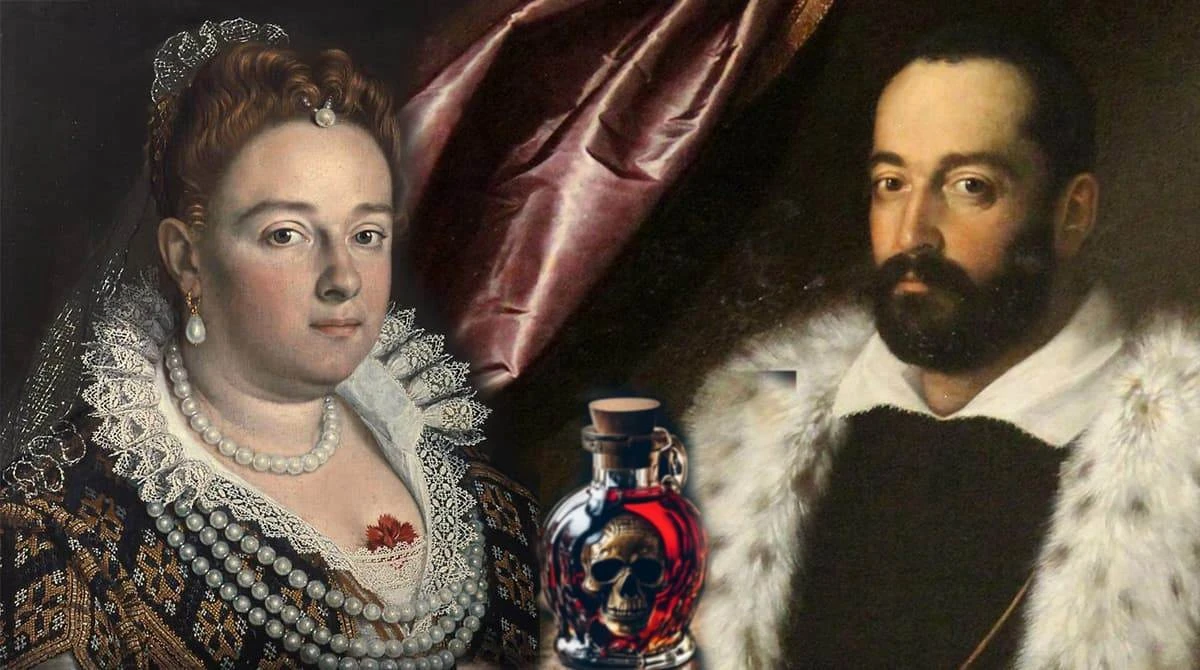
Escape from Venice: Shame and a Challenge to the Republic
Bianca Cappello was born in 1548 in Venice. Her family was among the wealthiest and most influential in the republic. Her father was the patrician Bartolomeo Cappello. Her mother was Pellegrini Morosini, from an equally noble family. Her uncle was Giovanni Grimani, Bishop of Aquileia. Her mother died young, and her father remarried. Her stepmother neglected her stepdaughter, and Bianca was raised by governesses. Her father exercised strict control over her: she was only allowed to leave the house for church.
At 14, Bianca was betrothed to the son of Doge Priuli. The usual life of a Venetian lady awaited her: children, courtship, evenings among other matrons. The Capello women knew no other life—and Bianca seemed ready to accept it. 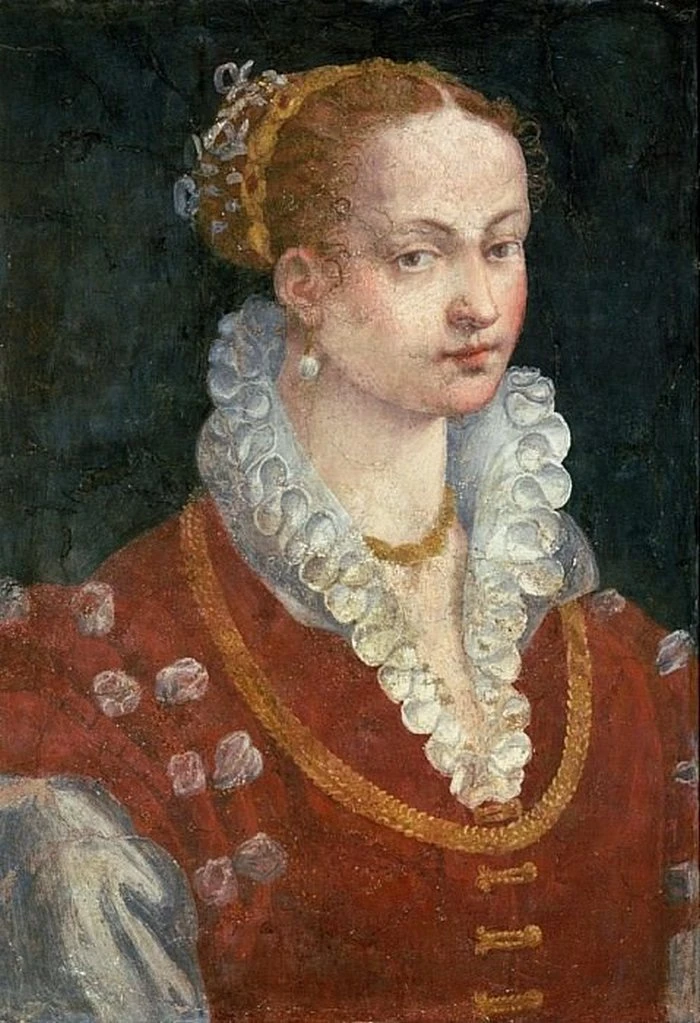
Portrait of Bianca Capello. Artist: Alessandro Allori. 1585
Pietro Bonaventuri changed everything. He came from Florence—a clerk for the Salviati banking house, whose building stood directly across from the Capello palace. They apparently met in church. Pietro was poor and ambitious. To attract Bianca's attention, he stole money and bought a purple silk beret and matching jacket. The girl noticed him. 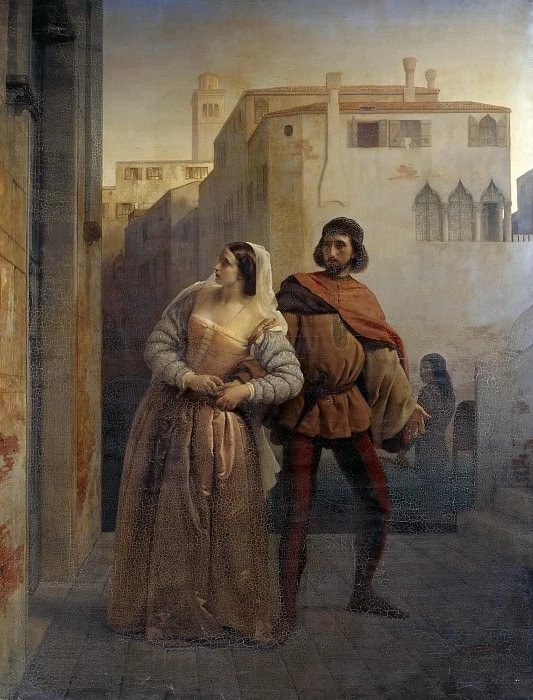
The Escape of Bianca Capello. Artist Francesco Hayez. 1853
Passion flared quickly. On November 28, 1563, taking her father's jewels, 15-year-old Bianca secretly fled with Pietro to Florence. The date is confirmed by the court archives of Venice.
The scandal was deafening. The Senate of the Republic sentenced Pietro to death. His uncle was thrown into prison and died there. A reward of a thousand ducats was offered for the capture of the fugitives. Bianca's father added the same amount. It seemed the fugitives would not survive. 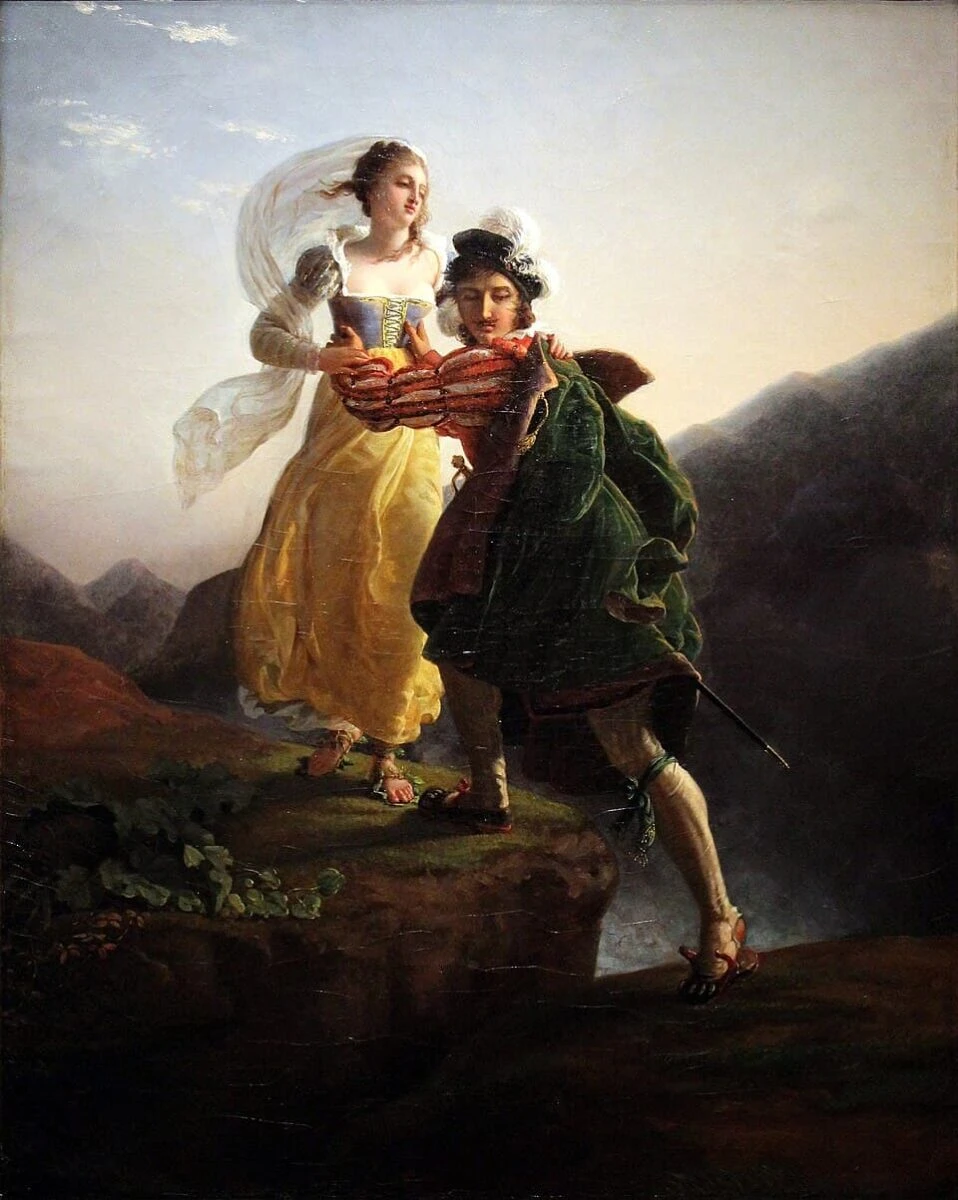
Bianca Capello flees with her lover. Artist Jean-Louis Ducis. 1824
But Grand Duke Cosimo de' Medici took them under his protection. With the help of the Florentine envoy and the papal nuncio, he settled most of the republic's claims. He secured payment of Bianca's late mother's dowry—six thousand crowns, confiscated after her escape. The fugitive's exoneration was not entirely successful. But her life was saved.
Poverty, betrayal, and a view from the window
Life in exile was far from romantic. The Bonaventuri family huddled in poverty. Pietro's mother was unable to leave her bed for years due to a joint ailment. Her father-in-law was the sole breadwinner for his wife, son, daughter-in-law, and granddaughter. In 1564, Bianca gave birth to a daughter—she was called variously Virginia and then Pellegrina. There was no money left for a servant.
Pietro quickly lost interest in his wife. He had affairs, got involved in intrigues, and spent money on himself. Bianca lived in a poor neighborhood with a child in her arms. Her beauty and intelligence were of no use to anyone here. 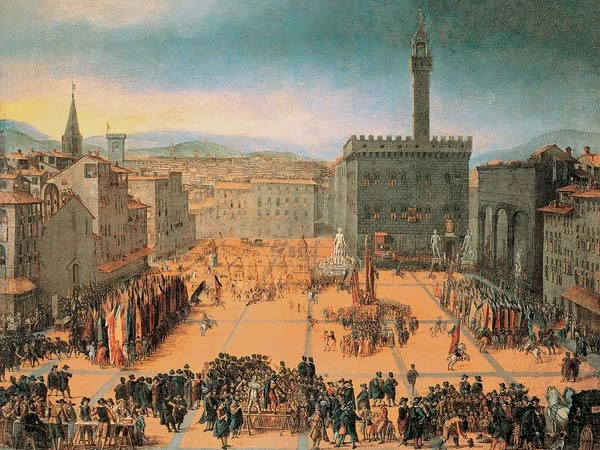
Piazza della Signoria in Florence. Copy of an unknown 15th-century painting
One glance from the window changed everything. Francesco de' Medici, heir to the Tuscan throne, was driving past the Casa Bonaventure on his way to the Church of the Annunziata when he looked up. A woman was standing in the window. He couldn't forget her. He found out who she was and took action. Thus began an alliance that lasted more than twenty years. 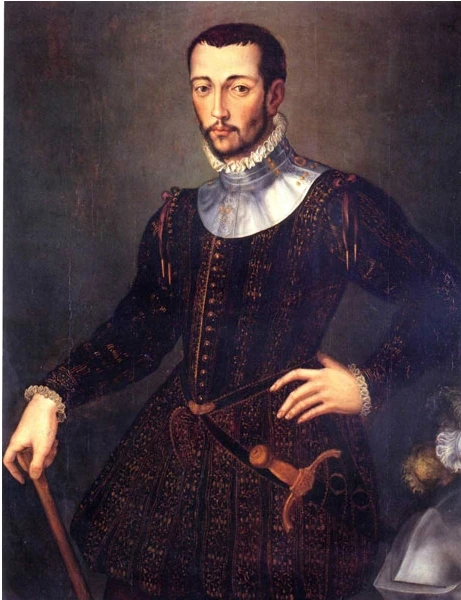
Duke Francesco de' Medici. Artist Santi di Tito. Second half of the 16th century
Francesco found support in Bianca. He made no secret of his feelings and openly maintained his mistress. The architect Bernardo Buontalenti rebuilt a magnificent palazzo on Via Maggio, just a stone's throw from the Palazzo Pitti, especially for her. Francesco had a legal wife: Archduchess Joanna of Austria, daughter of Emperor Ferdinand I. The marriage, concluded in 1565, was a politically expedient one. Joanna experienced 11 pregnancies over 13 years. Of the children, only two daughters survived—Eleanor and Maria, the future Queen of France. The Florentines pitied the quiet duchess and hated Bianca increasingly. 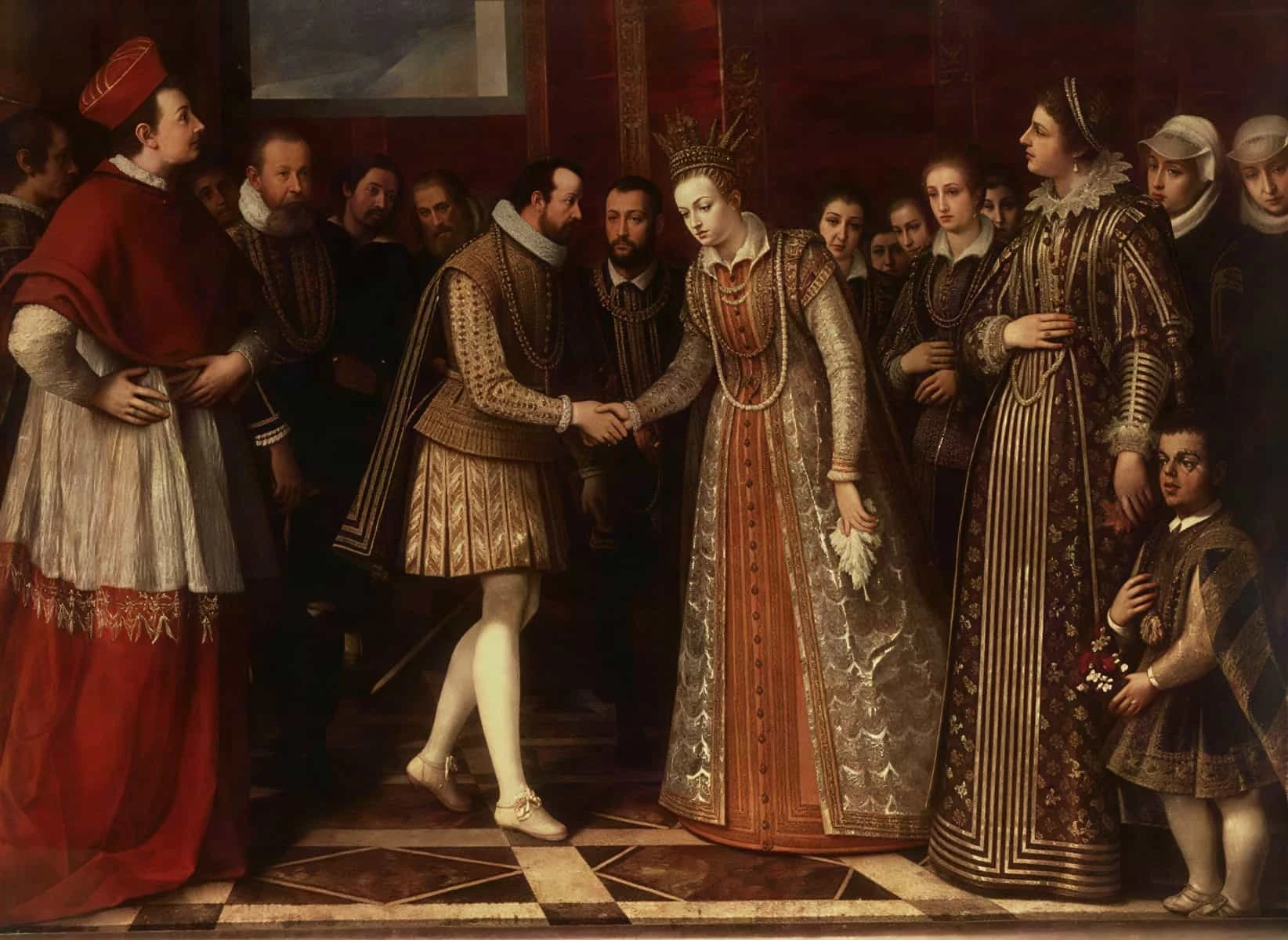
Painting "The Marriage of Francesco de' Medici and Joanna of Austria" by Jacopo Ligozzi
Meanwhile, Bianca's husband was becoming a nuisance. Pietro had received a high position and a handsome salary from Francesco. The money turned her head: rich friends, mistresses, shady dealings. In 1572, Bonaventuri was stabbed to death on the street in Florence—according to one version, because of a love affair. The killers were never found. Many believed Francesco was involved: according to chaplain Gian Battista Confetti, the Duke himself admitted to involvement in the murder.
The Son Who Never Was: Bianca's Main Scam
The Florentines disliked Bianca. The Venetian foreigner lived in honor at court while the legitimate duchess suffered. She was nicknamed the "Witch of Venice" and accused of witchcraft. Bianca herself had serious cause for concern: without a son, her position at court was completely unsecured. 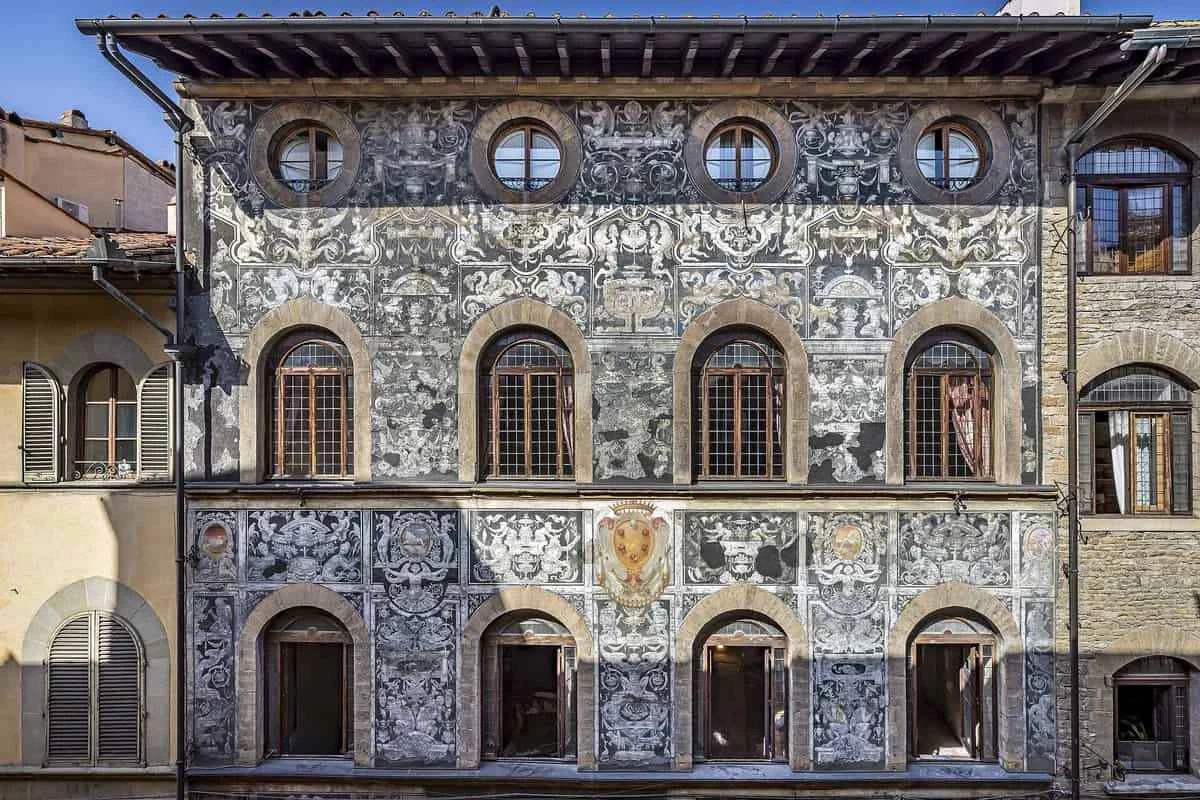
Palazzo di Bianca Cappello, given to his lover by Duke Francesco de' Medici
The situation worsened. In 1574, Grand Duke Cosimo died, and Francesco ascended the throne. He still had no legitimate male heir. In 1576, Bianca announced her pregnancy and soon "gave birth" to a son, Antonio. In fact, according to later accounts, she feigned the pregnancy. With the help of a doctor and a servant, she procured the newborn from unknown sources and presented him to Francesco as their son. The Duke accepted the child, although he hesitated for a long time to officially recognize him. 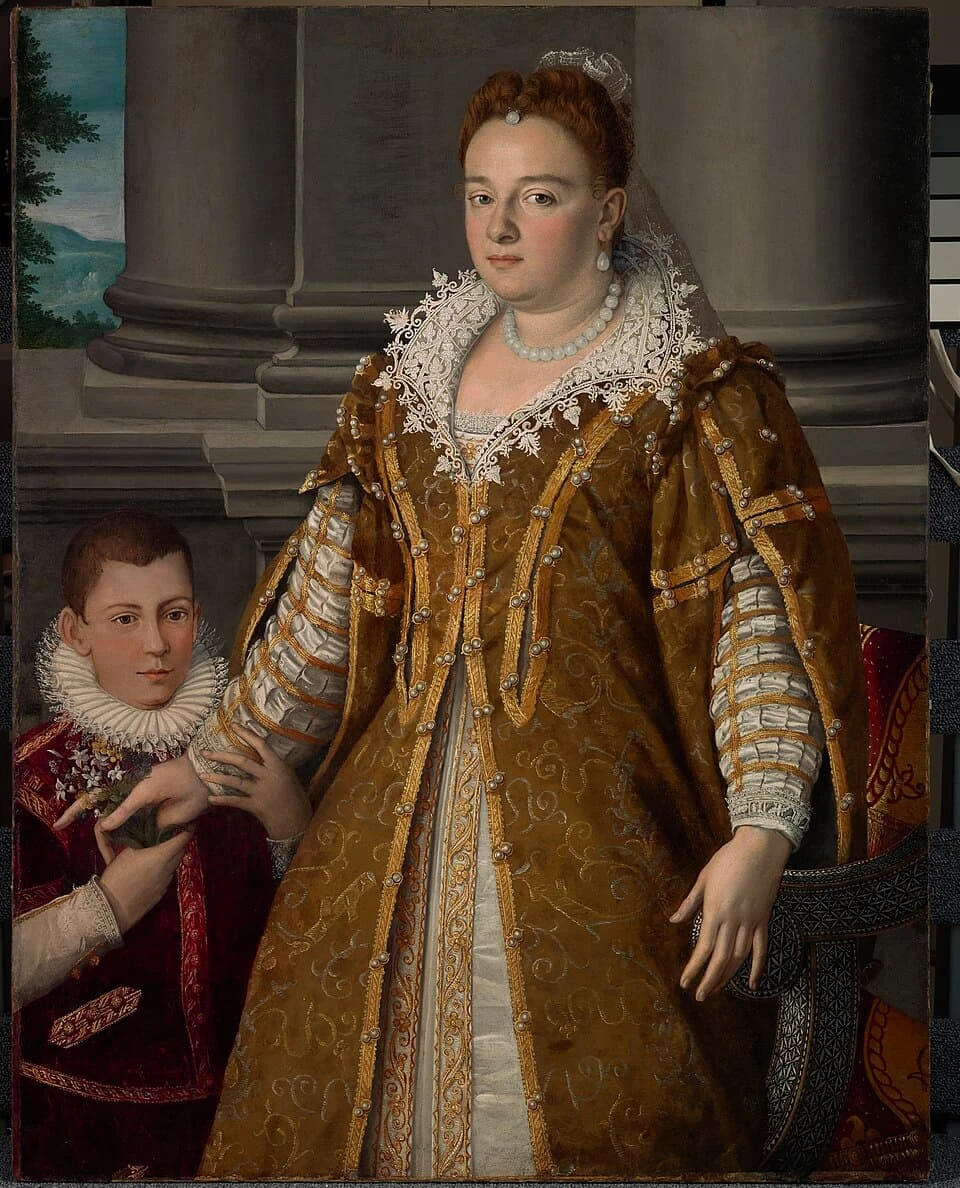
Bianca Capello with her son. Artist: Alessandro Allori.
The stakes rose sharply in 1577: Joanna gave birth to a legitimate son, Prince Philip. It seemed the end for Bianca: the Duke had a true heir. But the boy turned out to be sickly. He did not live to be five. 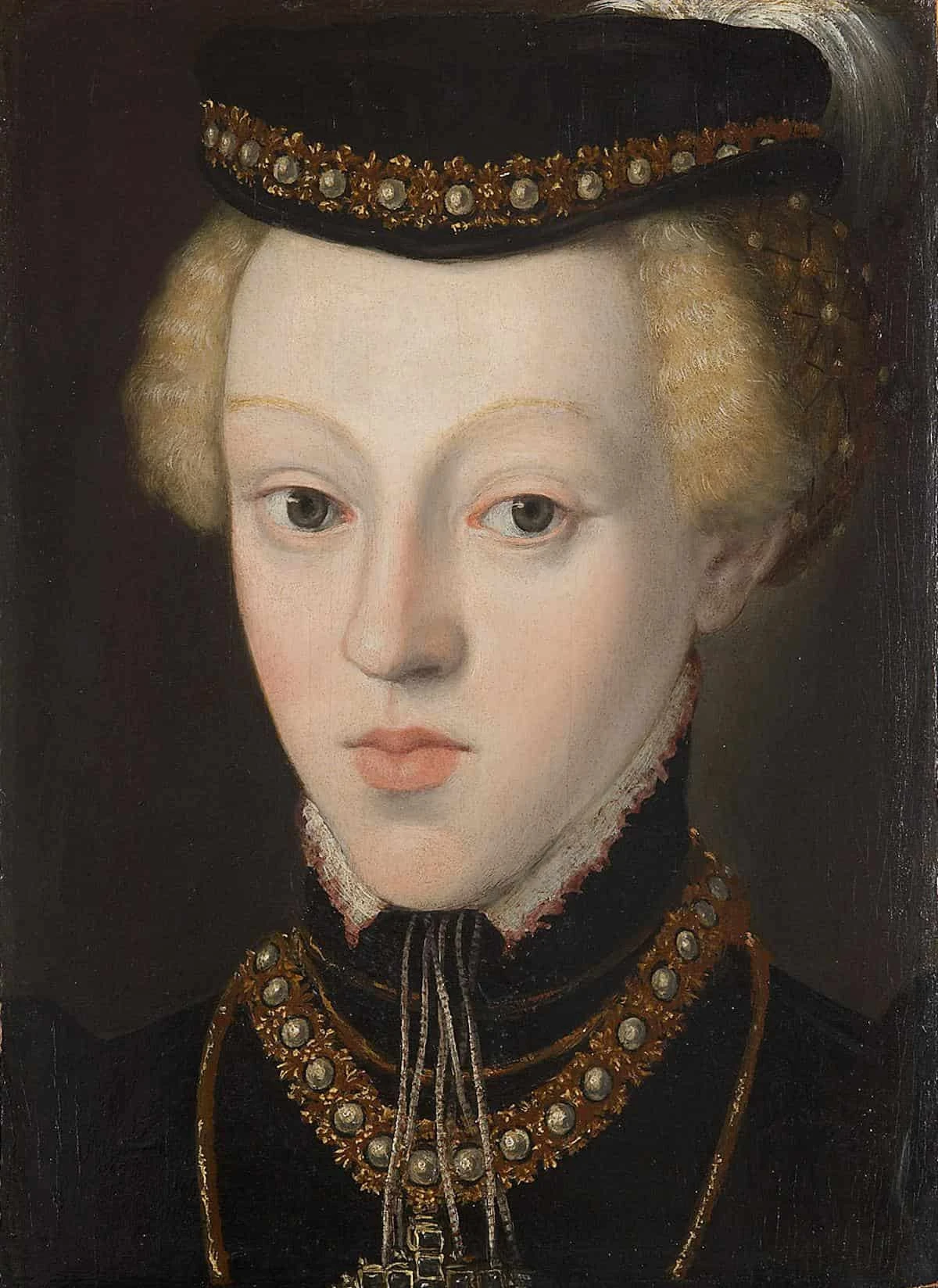
Joanna of Austria — Duke Francesco's first wife
Joanna did not have time to give birth to another heir. On April 10, 1578, she fell down the stairs in the Palazzo Vecchio while eight months pregnant. A few hours later, she gave birth to a stillborn boy. The baby was born foot first, and the uterus had ruptured. The following day, April 11, the Duchess died. A later examination of Joanna's remains revealed that she had severe scoliosis and a deformed pelvis, which made any birth life-threatening. There was no murder—only the tragedy of a sick woman. But the people whispered otherwise. This death proved too convenient for Bianca.
The "Witch of Venice" strives for the throne
The path to the throne was clear. Immediately after the end of the mourning period, on October 12, 1578, Francesco and Bianca were secretly married. On June 10, 1579, the marriage was announced publicly—and at the same time, little Antonio was recognized as the Duke's legitimate son. Bianca's coronation as Grand Duchess of Tuscany took place on June 12, 1579, in the Palazzo Vecchio in Florence. 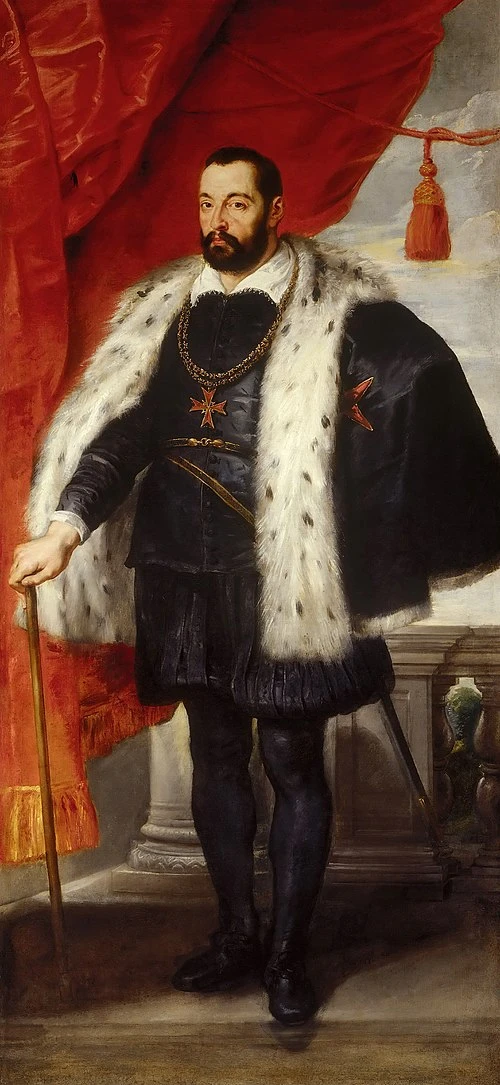
Duke Francesco de' Medici. Artist: Peter Paul Rubens. 1621–1625
On July 17, 1579, Venice—the very same city that had once sentenced Bianca to exile—at Francesco's request, awarded her the honorary title of "Daughter of St. Mark." This placed the fugitive among the Italian princesses. Bianca's father and brother were awarded the title of Knight of the Golden Star. Pope Sixtus V awarded the Duchess a golden rose. 
Portrait of Bianca Cappello in adulthood. Artist Scipione Pulzone. 1570s
Bianca's position was stronger than ever. In 1584, Francesco secured Antonio's legitimization and the tacit approval of Philip II of Spain, the overlord of Siena, which Francesco intended to hand over to his son for his rule. Bianca was now not just a duchess—she was the mother of an heir. If Francesco died before Antonio reached adulthood, she could claim the role of regent.
A fugitive, under police custody, became the Grand Duchess of Tuscany. Allori captured her like this—imperious and calm—in a 1585 portrait from the Uffizi Gallery. A piercing gaze, devoid of emotion. A woman who knew the value of every step.
A Grim Ending at Villa Poggio a Caiano
In the autumn of 1587, Francesco and Bianca were vacationing at Villa Poggio a Caiano, the Medici's favorite country residence. In early October, Cardinal Ferdinando, Francesco's younger brother, arrived. The brothers had long been at odds, and Ferdinando had good reason to want both of them dead: if Antonio had ascended to the throne, the cardinal would have lost his influence forever.
A few days after their shared dinner, they both fell ill. They died painfully in adjacent rooms. Francesco died on October 19, 1587, and Bianca on the 20th, just a few hours later. And all the while, Cardinal Ferdinando remained by their side. 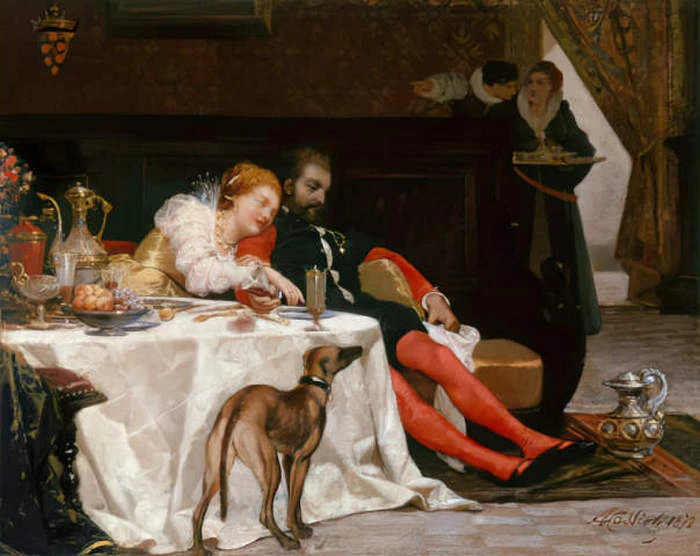
The Death of Bianca Cappello. Artist: Amos Cassioli. 1872
Ferdinando acted quickly. He announced the cause of death as marsh malaria. He ordered an autopsy—an unusual measure for a duchess, but convenient: ready-made "documentation" in case of future accusations. Francesco was buried with honors in the Basilica of San Lorenzo next to his first wife, Joanna. Bianca, according to legend, was buried in an unmarked grave for the poor. Ferdinando resigned his cardinalate and assumed the Tuscan throne. Immediately. 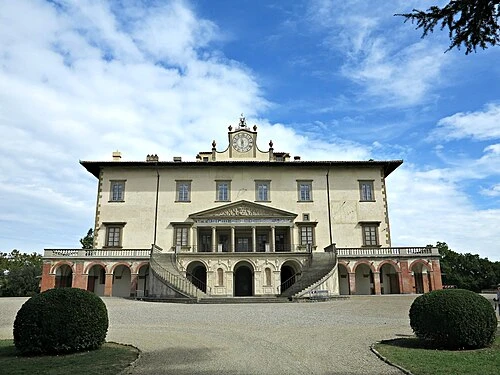
Villa Poggio a Caiano, where the tragedy occurred
The blow to Bianca's memory was complete. Ferdinando declared that Antonio's birth in 1576 was a fraud: allegedly, Bianca had feigned pregnancy, and the child had been switched. He had grounds for this – Bianca had indeed had a false pregnancy in 1586, a fact known at court. Now Ferdinando used this incident to cast doubt on Antonio's origins. The young man was not executed, but forced to join the Order of the Knights of Malta, which deprived him of the right to inherit and have children. All mention of Bianca disappeared from official records. It seemed the perfect crime had been committed, and the secret buried forever. 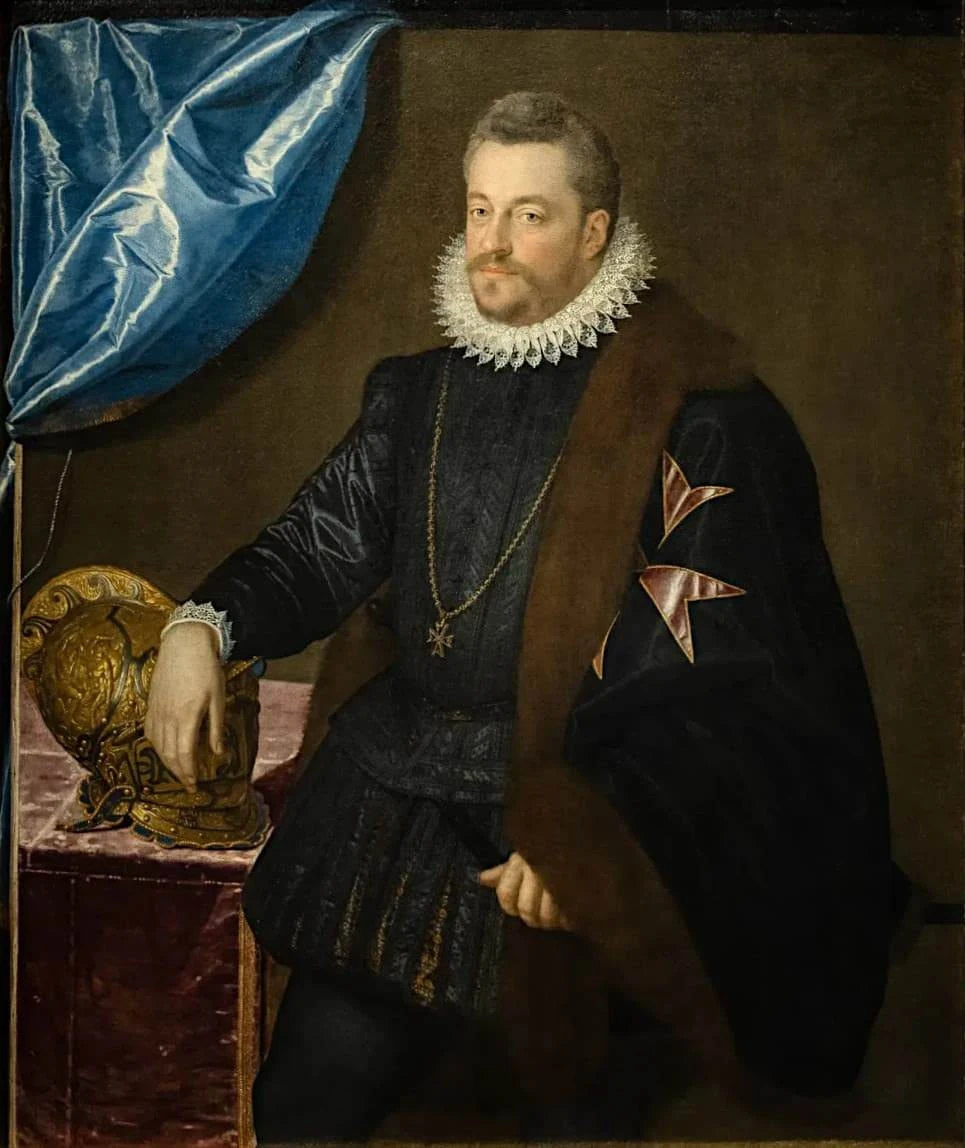
Cardinal Ferdinando de' Medici. Artist Scipione Pulzone. 1590
A Detective Story Spanning Four Centuries
The official theory—malaria—persisted for a long time. Malaria was common in 16th-century Tuscany: the Medici family hunted in marshy areas and regularly encountered it. Several members died from the disease.
In December 2006, scientists from the Department of Anatomy, Histology, and Forensic Medicine at the University of Florence published the results of a toxicological analysis in the British Medical Journal. They examined organic remains from clay jars beneath the floor of the church at Villa Poggio a Caiano. This is where, according to Medici tradition, the internal organs of the deceased were placed during embalming. A lethal concentration of arsenic was found in the tissues of both spouses. The poison acted slowly, allowing the killer to be away from the scene at the time of death. 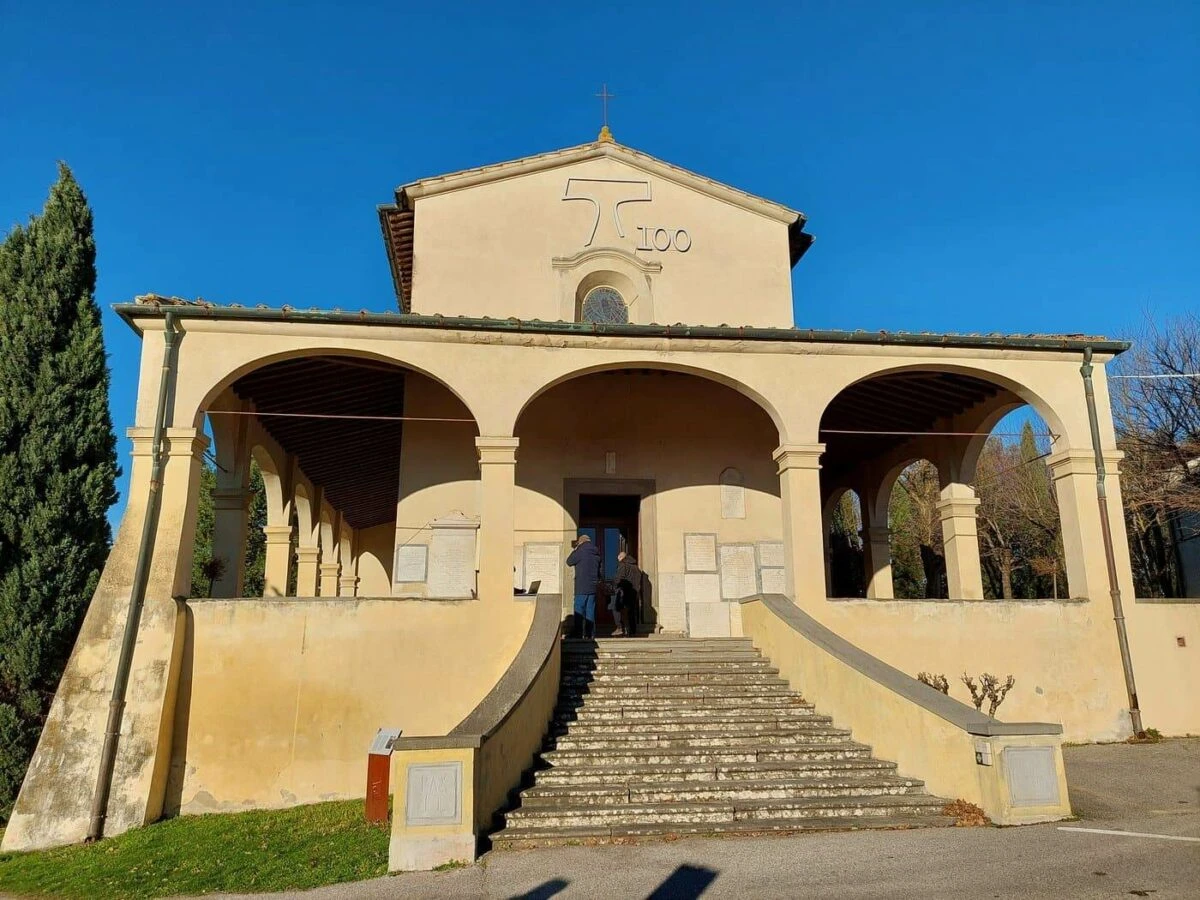
The Church of Santa Maria di Bonistallo, where some of the remains of the Duke and his wife were found
In 2010, scientists from the University of Pisa made an unexpected discovery: traces of the malaria parasite Plasmodium falciparum (the causative agent of tropical malaria) were found in Francesco's remains. This provided arguments for the supporters of the official version. The scientific debate continues to this day. Perhaps one doesn't exclude the other: a body weakened by malaria could have been more vulnerable to the poison.
Ferdinando was never convicted. He ruled Tuscany as Ferdinand I until his death in 1609. Later, his reports to the Pope were discovered in the Vatican Library—the cardinal was obliged to report his actions to the pontiff. In these documents, researchers found indirect evidence of his involvement in his brother's death. The mystery remains unsolved. 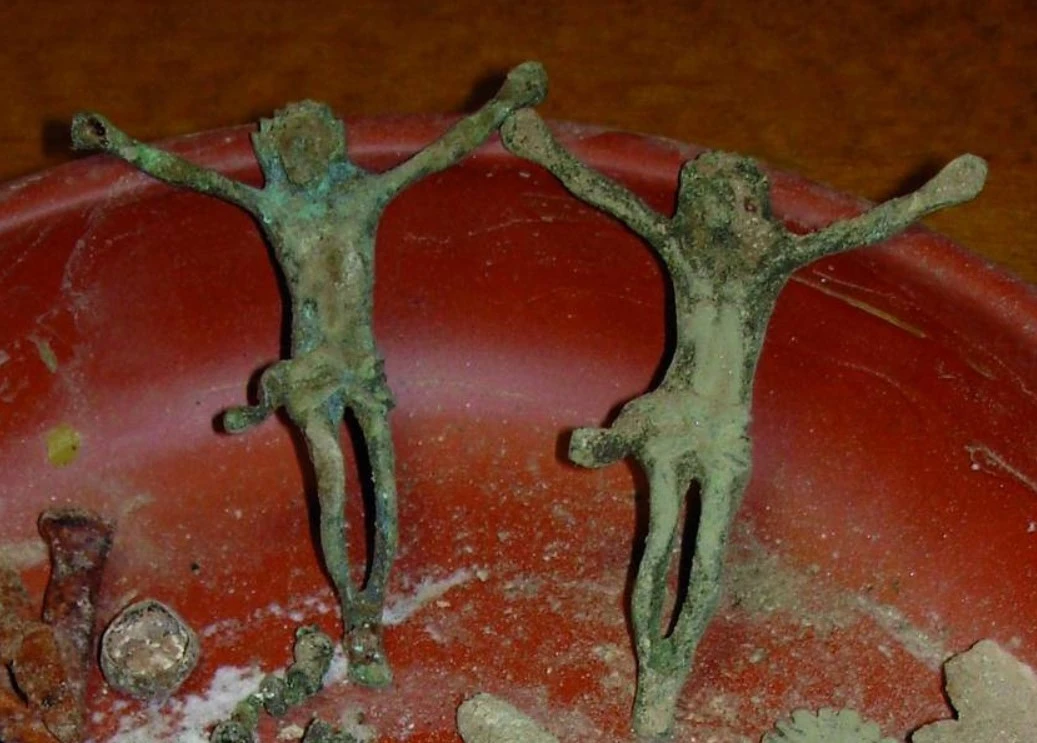
Two crucifixes found in containers containing the remains of the Duke and his wife
Today, the palace on Via Maggio stands in Florence—it is called the Palazzo Bianchi Capello. Villa Poggio a Caiano is open to visitors. Allori's portrait gazes out from the halls of the Uffizi. Behind this gaze—escape, poverty, twenty years of struggle, the crown, and poison. A woman who defied her era. And won—even if that victory cost her her life.
Do you think Bianca Capello forged her own destiny, or was she a victim of dynastic games beyond her control? Share your thoughts in the comments.