The Bessemer Steamship: Why a Project Capable of Relieving Seasickness Failed (8 photos)
Seasickness, also known as motion sickness, or kinesia, is a condition familiar to many. Millions of people experience it daily. Nausea, dizziness, vomiting, and general malaise occur during travel by water or air. Sometimes, car and even train passengers also experience it. People began searching for ways to combat seasickness as early as ancient times, not only using medications and self-hypnosis but also creating complex mechanisms. The most famous of these was the Bessemer steamship, patented in the 19th century. 
Seasickness isn't limited to those who spend most of their lives on land. It's well known that even Admiral Horatio Nelson, a victor of many naval battles, suffered from kinesia. His fellow Englishman, Sir Henry Bessemer, was a businessman who constantly traveled between England and mainland Europe. In the late 19th century, this could only be done by steamship. 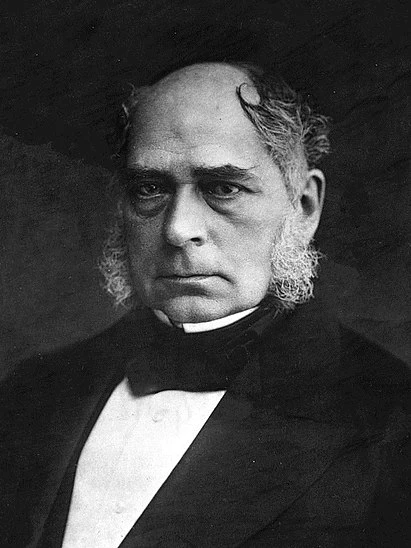
Sir Henry Bessemer
Despite regular business trips, Bessemer was never able to overcome his kinesia. Even a short sea voyage across the English Channel became torture for him. But Sir Henry was a skilled engineer and a worthy son of the Victorian era. So he sat down to draw up plans and invented a steamship whose passengers would be able to withstand even the most arduous seas.
Failure after failure
In December 1869, Bessemer patented his brainchild. It was a medium-sized steamboat with a steam engine and externally almost indistinguishable from its counterparts. Its unique feature was its passenger compartment, 21 meters long and 9 meters wide. It was a cylindrical capsule, fixed to a longitudinal axis and supported by hydraulic cylinders. 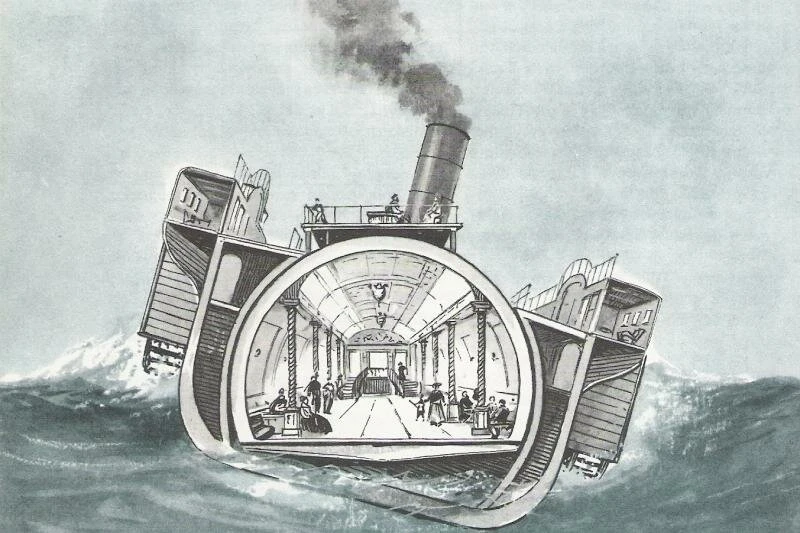
The mechanism was operated by a specially trained sailor. He sat in a cabin equipped with a spirit level and a system of levers. Using a tilt indicator, the operator activated hydraulic cylinders on the right and left sides, depending on the vessel's inclination. Additionally, rubber shock absorbers were positioned between the passenger compartment and the hull to absorb minor vibrations and wave impacts. 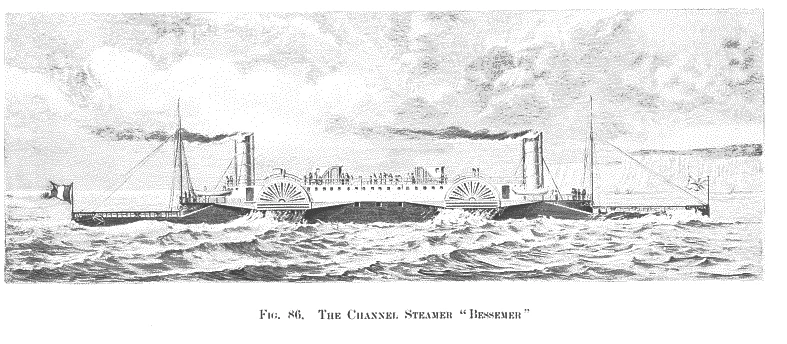
Sir Henry's invention was well received, and he easily found investors. The steamship, proudly named "SS Bessemer," successfully completed its trials. In April 1875, the vessel set out on its maiden voyage across the English Channel. Just after leaving the pier, the steamship behaved unpredictably and collided with the pier. Fortunately, everything was fine, and the ship safely reached the French coast. 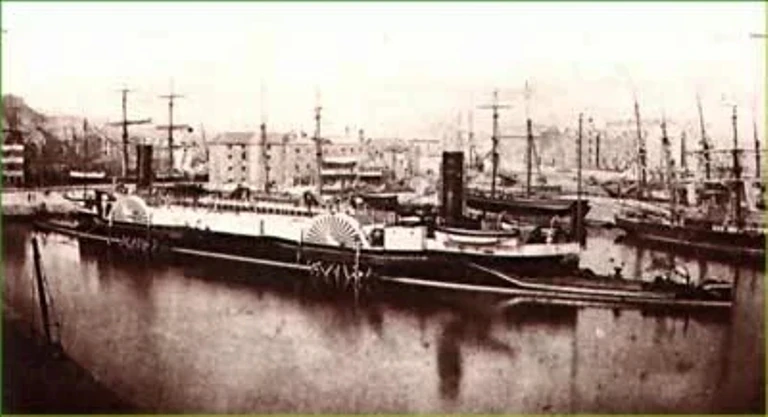
But on its next voyage, the steamship struck the pier again, this time on the French side. Four days later, a serious incident occurred: the Bessemer demolished 15 meters of one pier and collided with a neighboring one. An urgently convened commission determined that these were not unfortunate accidents. The steamship was sluggish at the helm. And this wasn't the only flaw in the innovative vessel.
How the steamship became part of the college
Because of the outboard saloon, the steamship's paddlewheels had to be moved forward and aft. This negatively impacted its speed. Instead of the expected 20 knots, the ship barely made 11, and that was in calm seas. As for the saloon itself, it completely failed to live up to expectations. It was supposed to be horizontal at all times, and in this regard, everything was relatively tolerable. A sweaty sailor, frantically tugging at the levers, nevertheless maintained balance, sparing passengers from rolling. 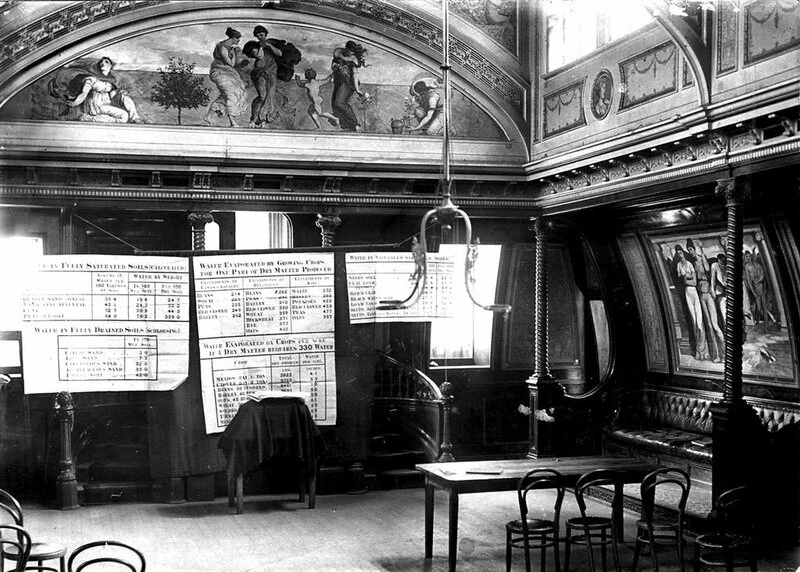
But the pitching motion, from bow to stern, persisted. Those in Bessemer's saloon continued to suffer from seasickness. Several brainstorming sessions by leading Admiralty engineers, led by Henry Bessemer, yielded no results. Compensating for pitching in both directions with the technical means of the time was impossible. 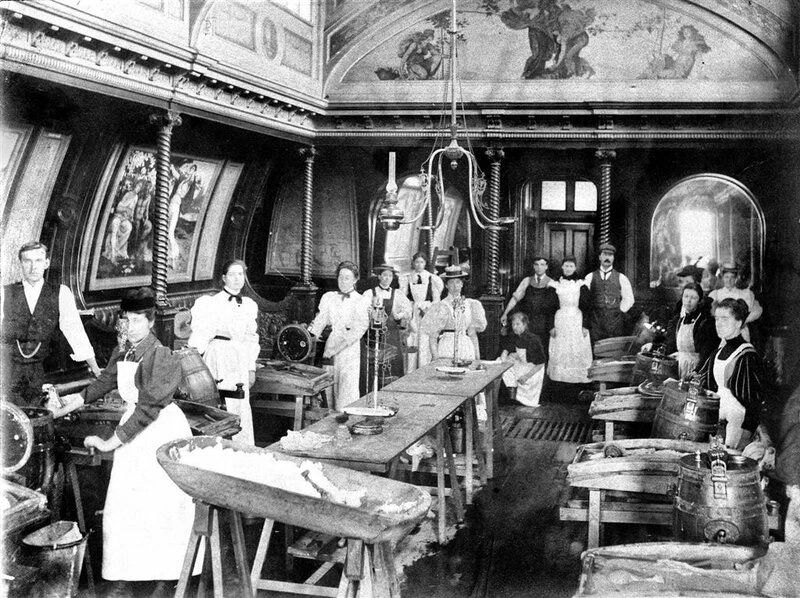
The shareholders became disillusioned with the steamship and sold it. The new owner was... a women's college. The vessel, designed to withstand the seas, was permanently moored at the pier. Its unique interior began to be used as a classroom for home economics classes. But the school found it difficult to maintain the steamship while it was moored. Over time, it sprang a leak and was abandoned. The Bessemer finally perished during World War I. A German incendiary bomb hit the ship and it burned.
Sir Henry's Only Failure
It's worth noting that Sir Henry Bessemer was far from a failure or an uneducated visionary. He held 120 patents, which found application in various fields. He invented a new steelmaking technology that is still used today. He also invented water-repellent fabric, a centrifugal pump, a sugarcane press, and a new type of artillery shell. 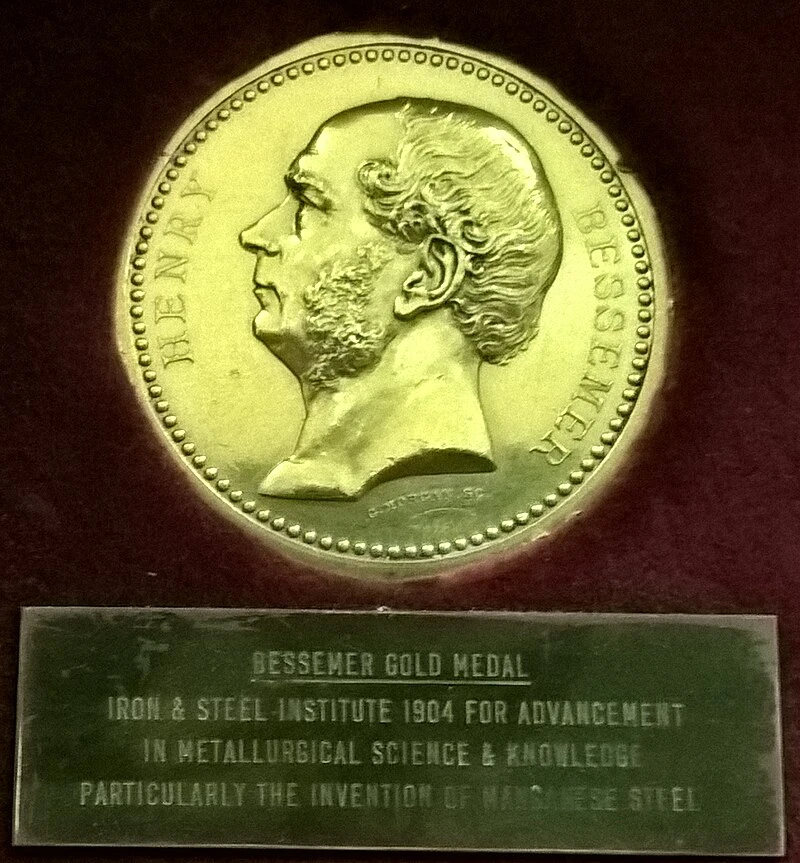
The Bessemer Gold Medal, awarded since 1904 for services to metallurgy.
In 1879, Queen Victoria knighted Henry Bessemer for his contributions to science. So, the steady steamboat became the only invention of the British genius to fail miserably.
Another amazing creation of the Victorian era, the "Daddy Long Legs" water tram, proved more useful than Bessemer's steamboat.