Pink Snowdrifts and the Smell of Watermelon: "Bloody" Snow Blooms in the Alps (4 photos)
If you thought pink snow only happened in cartoons or after spilling berry syrup, the Alps are ready to convince you otherwise. 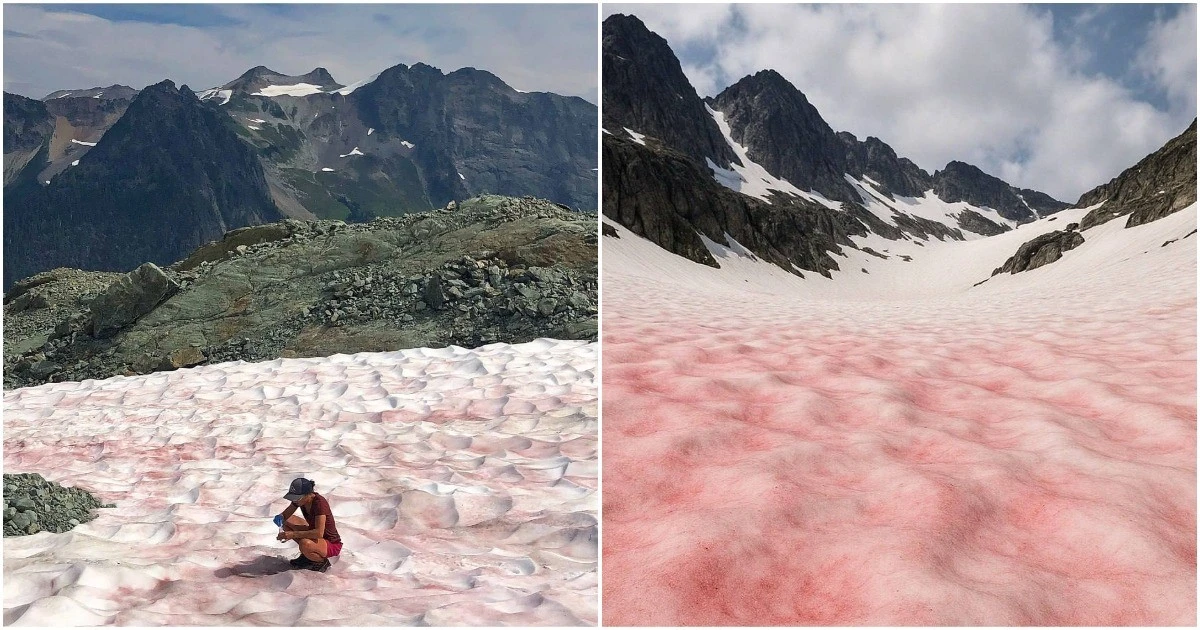
This season, high-altitude villagers and tourists have encountered a phenomenon dubbed "watermelon snow" on social media. Slopes at altitudes of over two thousand meters have suddenly turned soft pink and bright red, transforming the mountains into the backdrop of a sci-fi film. 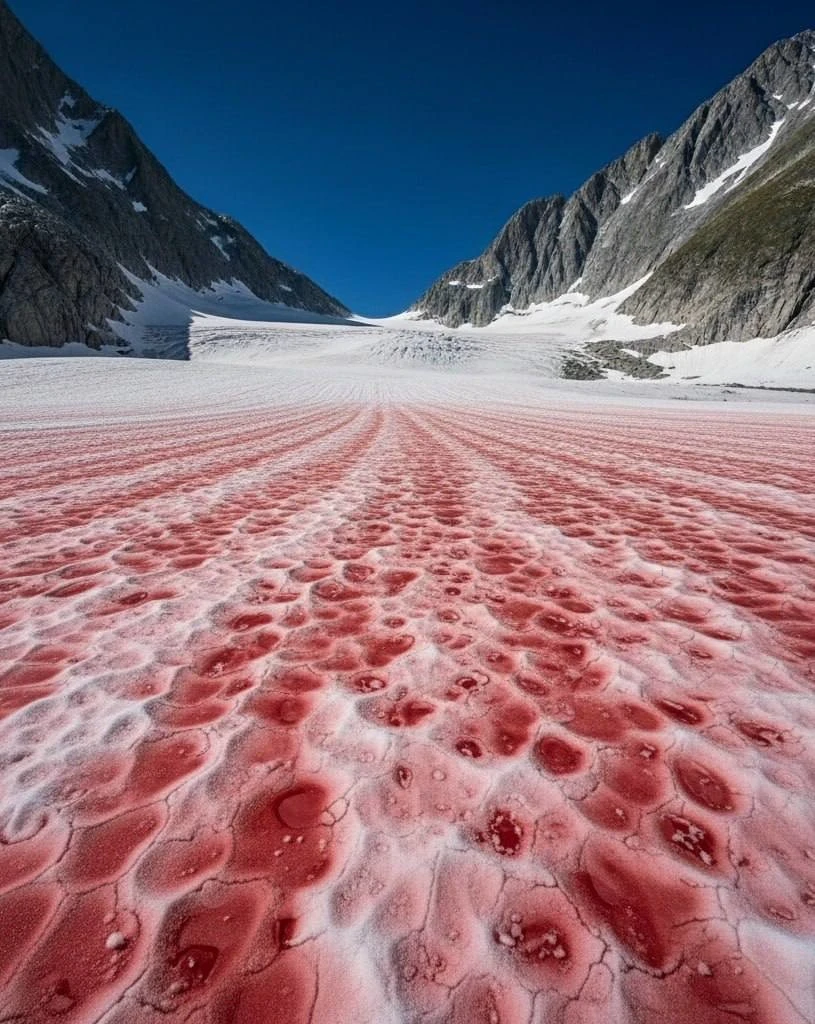
Despite the alluring appearance and distinctive smell (they say this snow actually smells faintly of fresh watermelon), the phenomenon is not magical, but rather a result of harsh biology. Scientists explain that the culprit of this "colorful mess" is the microscopic algae Chlamydomonas nivalis. These extreme plant creatures thrive in icy water and sleep in snowdrifts all winter. 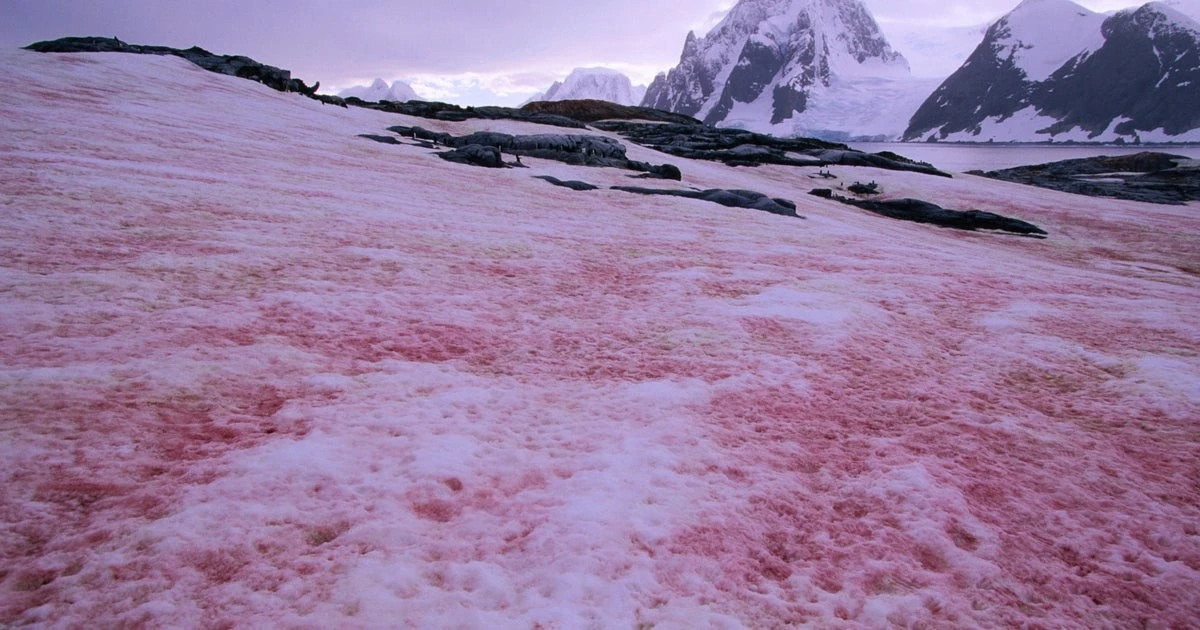
As soon as the spring sun begins to warm, the algae "wake up" and begin actively reproducing. To avoid being burned by the harsh high-altitude ultraviolet rays, they produce a special red pigment—a kind of natural sunscreen. This pigment turns the dazzling white peaks into pink plantations. 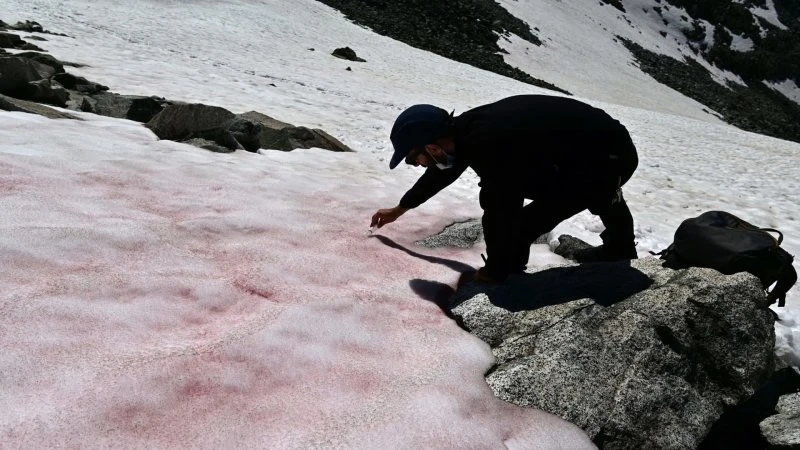
However, environmentalists don't share the tourists' enthusiasm. "Watermelon snow" isn't just beautiful, it's also dangerous for the glaciers. The dark pigment attracts more solar heat, causing the snow to melt much faster than usual. And yes, scientists strongly advise against trying this "dessert": the algae can cause serious stomach upset. But given human curiosity, we can expect news stories like "tourists caught an unknown virus and left all the snowdrifts dirty."