A selection of interesting and unusual photographs from the USA (21 photos)
A new collection of 20 images from everyday life in the United States has been compiled and colorized. These photographs reveal the real lives of Americans throughout the 20th century, allowing us to see the era through the eyes of its contemporaries. Enjoy! 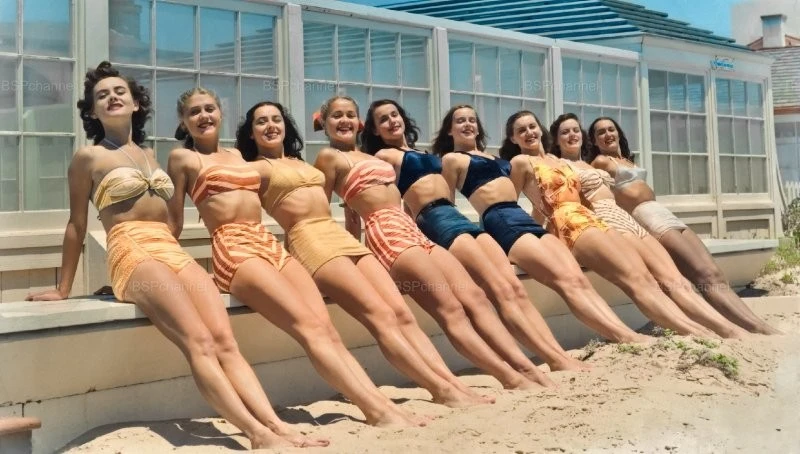
Cigarette vendor in New York, 1956. 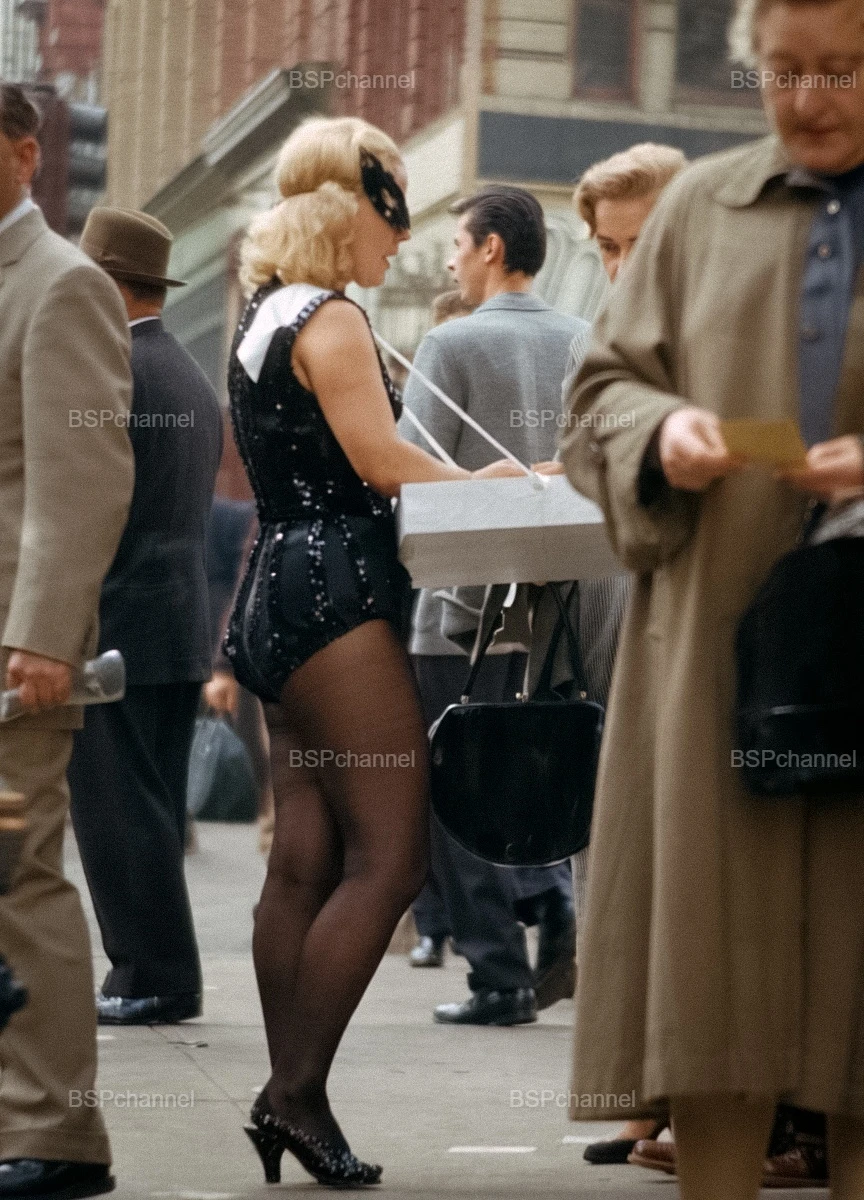
Photographer: Angelo Rizzuto
The largest cello, circa 1922. 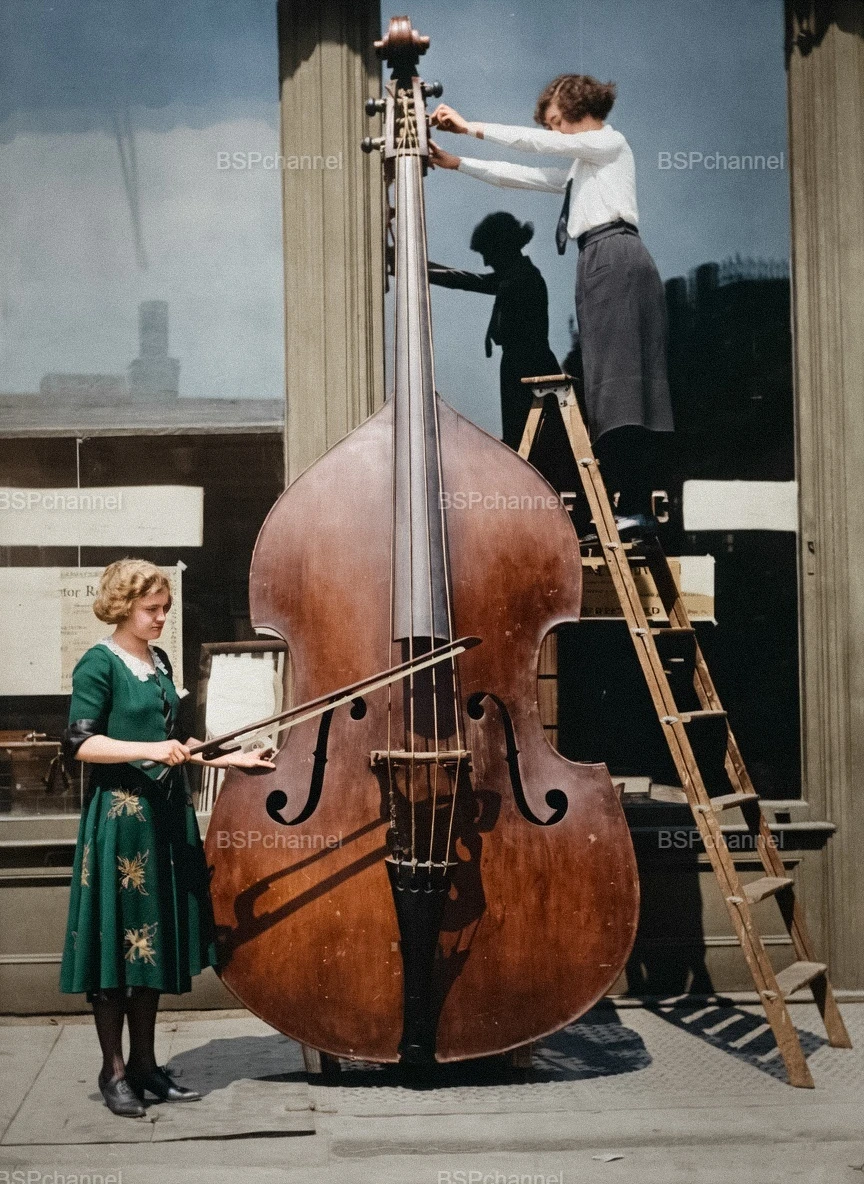
Photograph from the George Grantham Bain Collection
This unique instrument was presented at a historic music conference in New York City on June 12, 1922. The instrument stood approximately 3.5 meters high and was about 1.4 meters wide. Due to its enormous size, playing the instrument required two people: one to control the bow, and the other to tune and press the strings, standing on a ladder.
Baseball fans, Philadelphia, 1910. 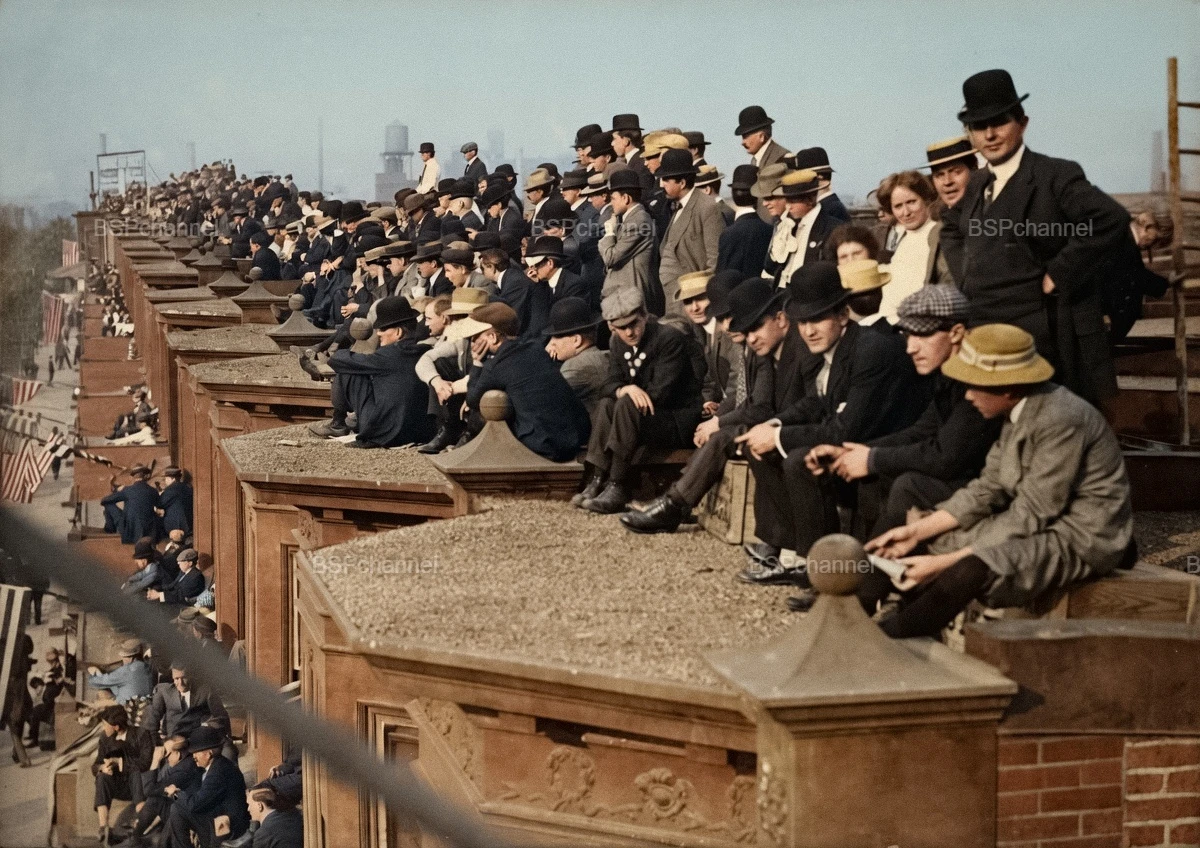
Photograph from the George Grantham Bain Collection
Baseball is one of the most popular sports in the United States, both in terms of players and spectators. It is considered the national sport and one of the symbols of American culture.
New York City, 1964. 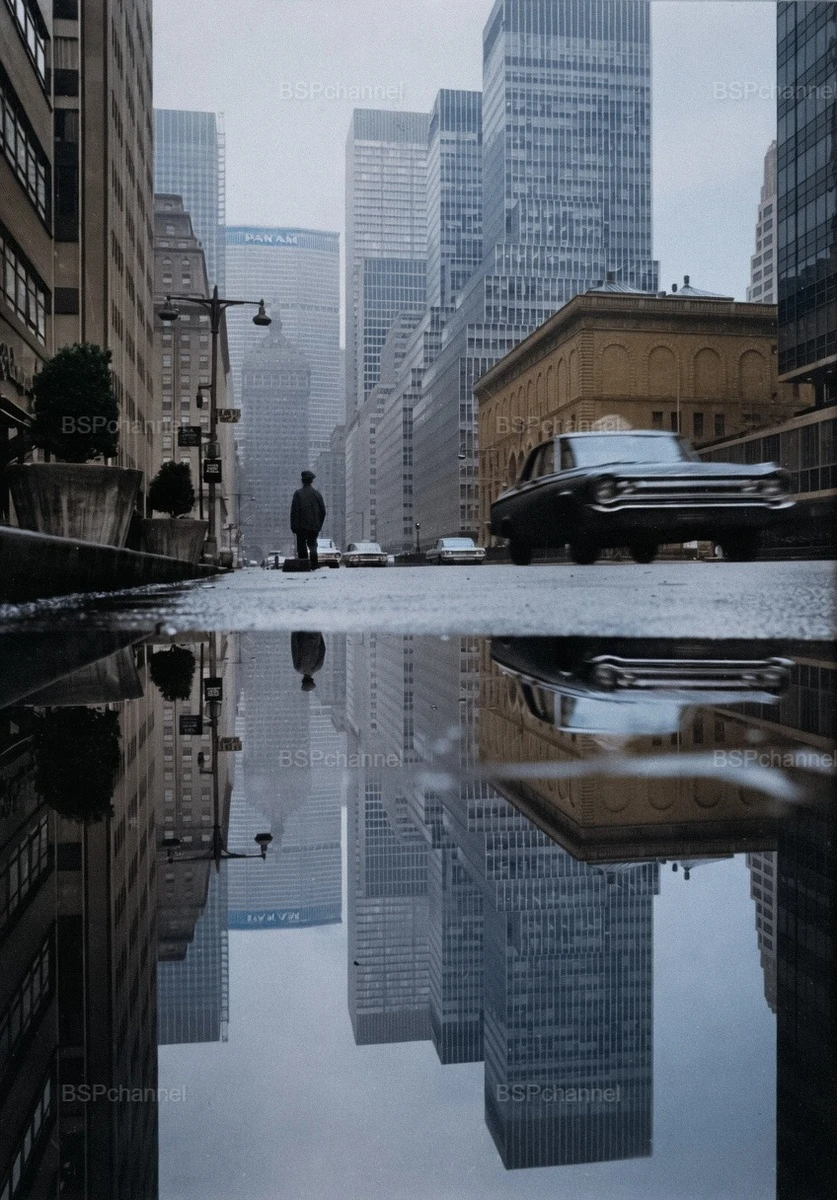
Photographer: Mario De Biasi
An employee testing Bazooka Bubble Gum. New York, 1949. 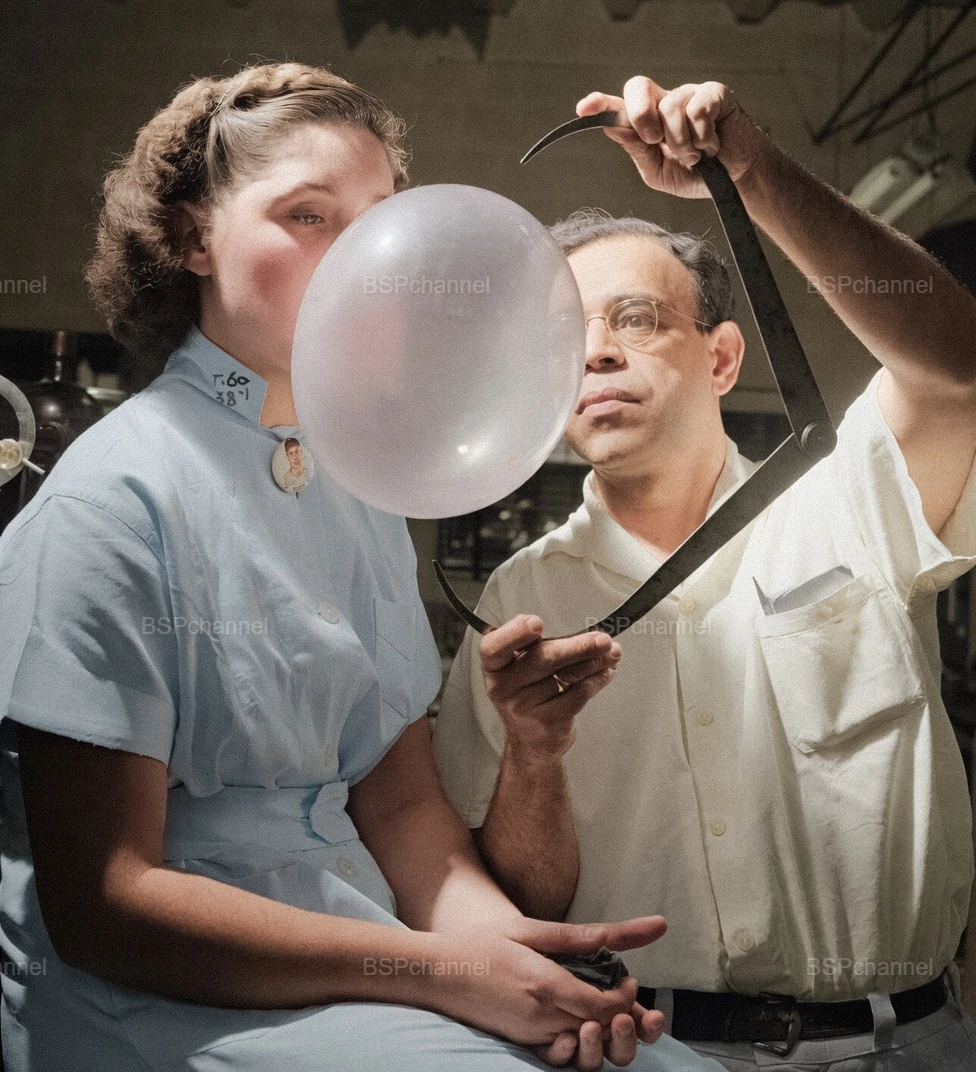
The history of bubble gum began in 1928, when American accountant Walter Diemer of the Fleer company accidentally invented the perfect formula. Before this, bubble gum either crumbled or didn't blow bubbles. Diemer named his product Dubble Bubble, and it quickly became a hit with children (especially during the Great Depression—it was inexpensive). The real boom came after World War II: in 1951, a pink Bazooka with comic books inside was introduced, followed by other brands. Since then, bubble gum has been associated with childhood, bright colors, sweet taste, and giant bubble-blowing competitions. This photo from 1949 captures the quality control process for Bazooka Bubble Gum in New York City. A company employee blows a bubble, while a specialist measures its diameter using special calipers. This testing was conducted to verify the elasticity and ability of the new gum formula to form large bubbles that didn't pop too quickly.
Photo from the Holland Tulip Festival, Michigan, USA, 1950. 
The festival has been held annually in early May since 1929. It celebrates the Dutch heritage of Holland. During this period, millions of tulips bloom in the city, planted in parks and along roadsides. The program includes parades, performances by clog dancers, and displays of traditional costumes.
NCR employees Randy Washington and a colleague use personal computers connected to a central unit called NCR Tower 1632 at NCR's research and development center in West Columbia, South Carolina, circa 1982. 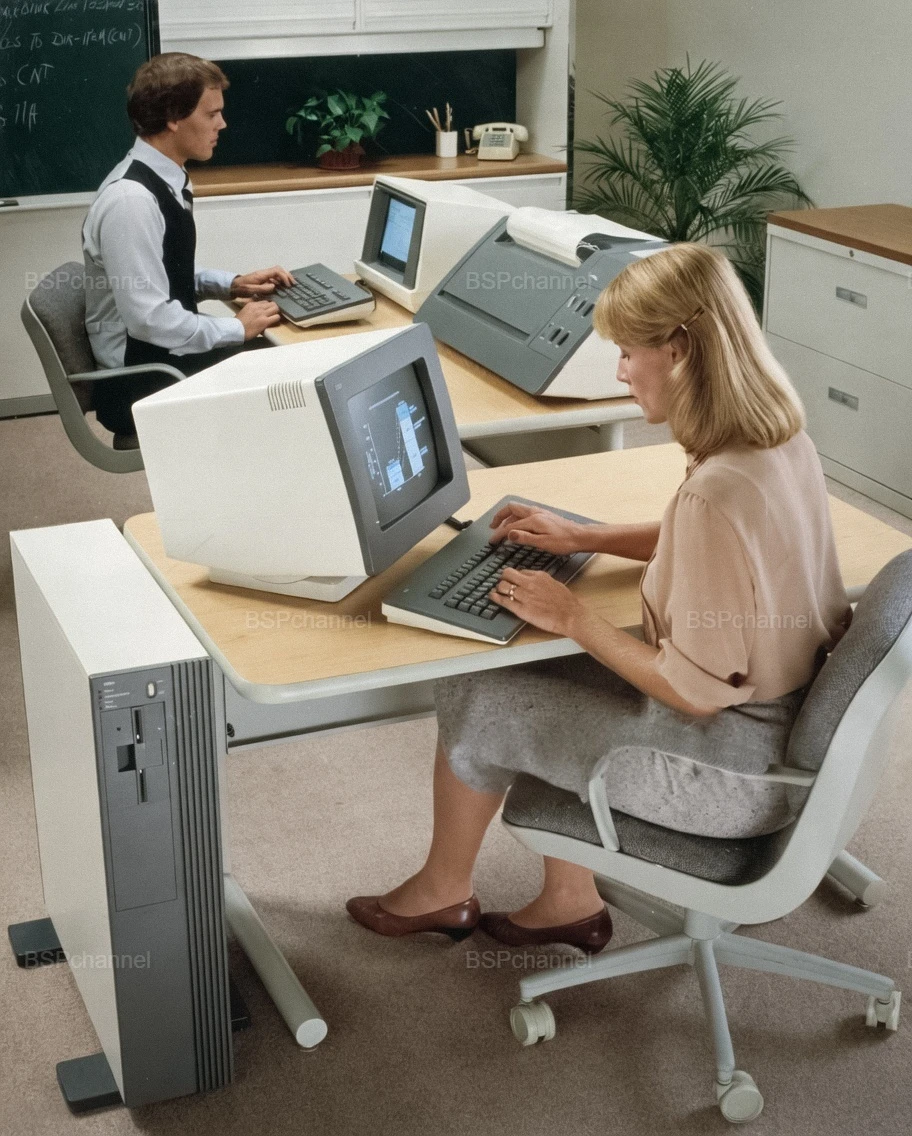
NCR Tower 1632 is a tall gray system unit standing on the floor next to a woman. It used a Motorola 68000 processor and was designed as a powerful multi-user workstation for offices, capable of handling multiple workstations (monitors) simultaneously.
Monument Street, Charlestown, Boston, Massachusetts, 1959. 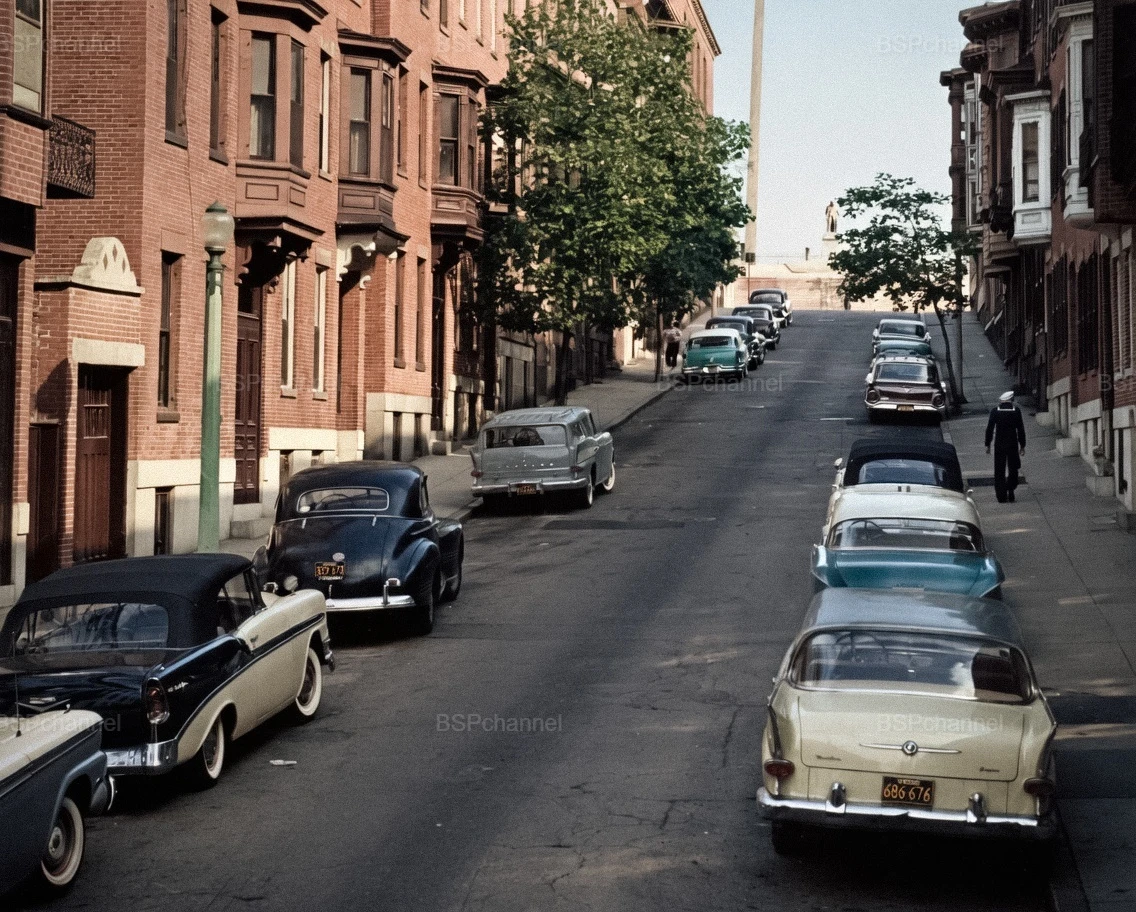
Photographer: Jack Zerth
Helen List and Jack O'Brien running with Elizabeth Darling, who runs on a treadmill, 1928. 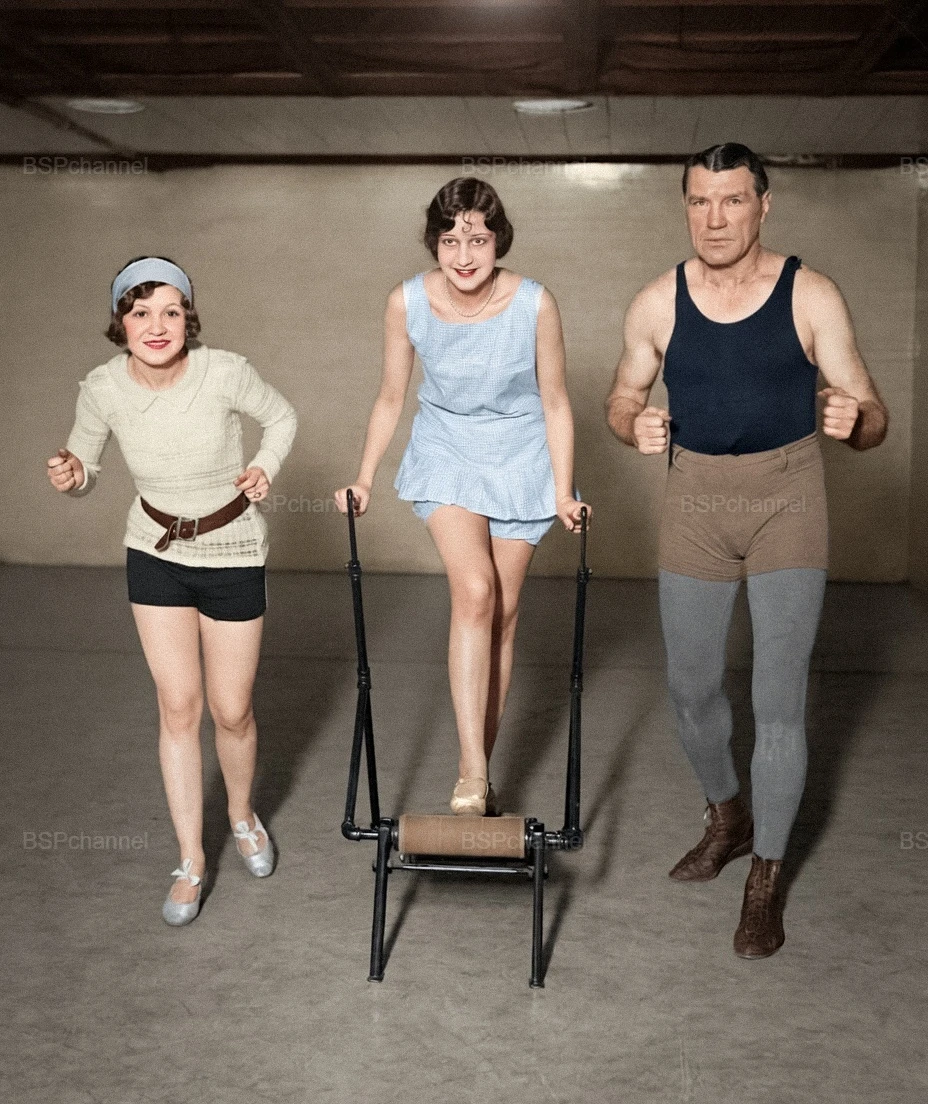
In the 1920s, these machines were often made of wooden slats and were entirely mechanical—the belt was driven by human effort. In the 1920s, fitness began to gain popularity, especially among women, amid a cultural wave of independence and empowerment. This period saw the emergence of a plethora of unusual, and sometimes bizarre, exercise equipment, such as vibrating belts for "melting" fat or cumbersome mechanical devices that today seem more like torture devices than exercise equipment.
A Swedish farmer's daughter. Near Norwich, Connecticut, 1942. 
Construction workers drink beer at the Soldier's Joy Cafe near Camp Blanding, Stark, Florida, 1940. 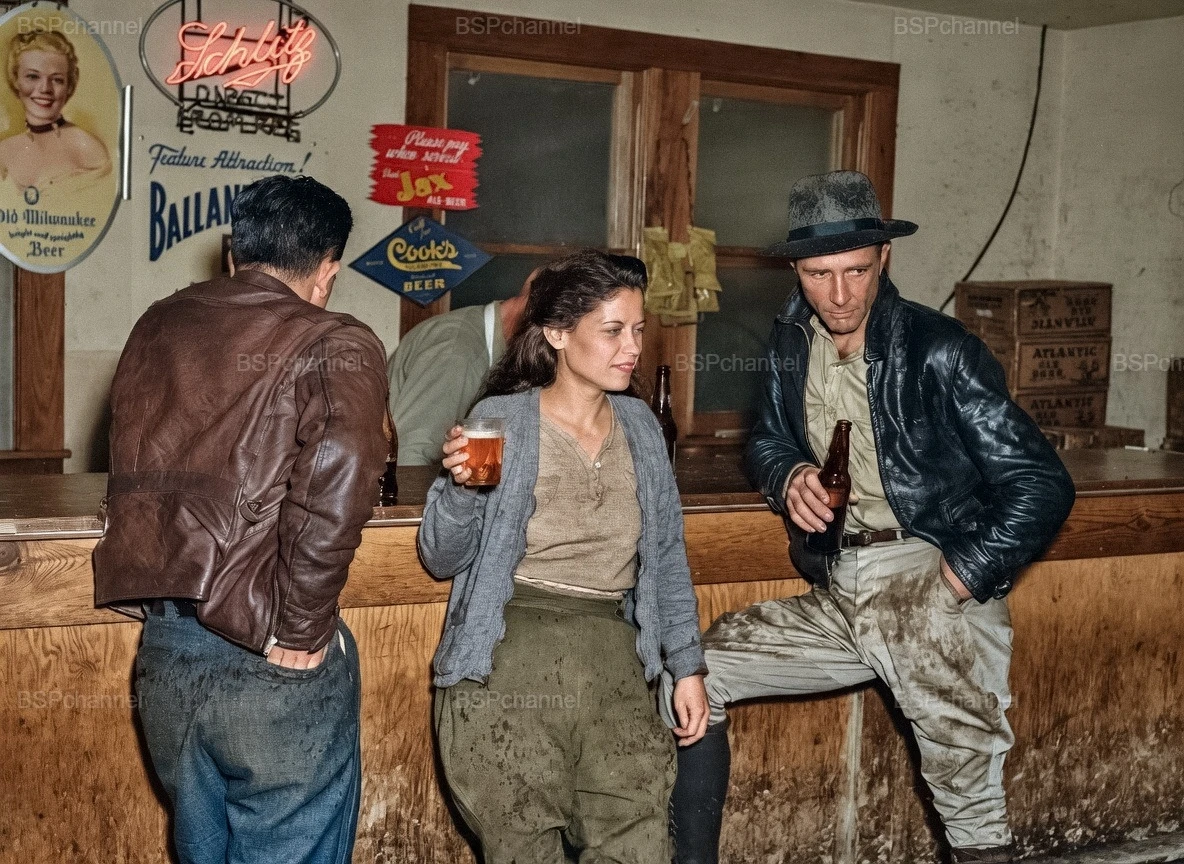
New York City. September 1942. 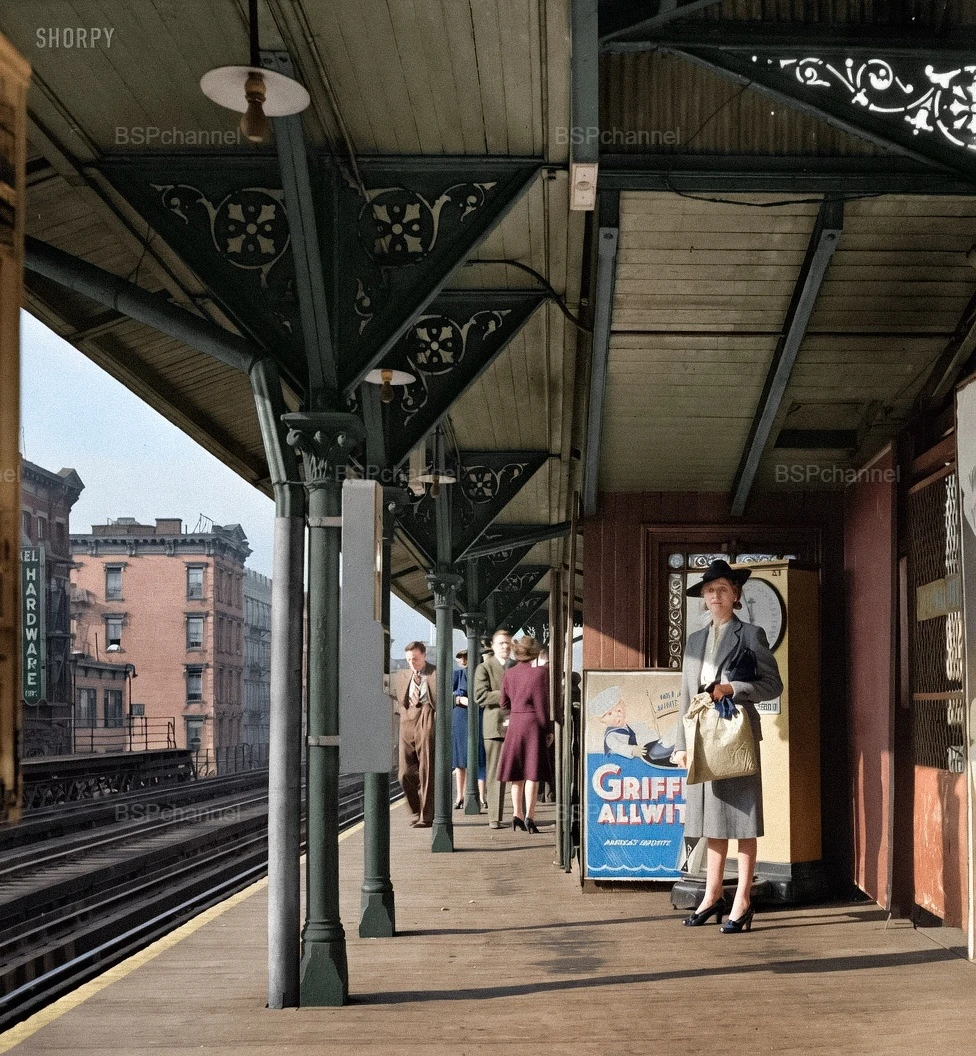
Photographer: Marjorie Collins
This is a station on the Third Avenue elevated line in Manhattan. At the time, elevated trains were the city's primary form of rapid transit before they were finally replaced by the modern subway (underground lines and stations).
An unemployed lumberjack with his wife in Oregon, USA, 1939. 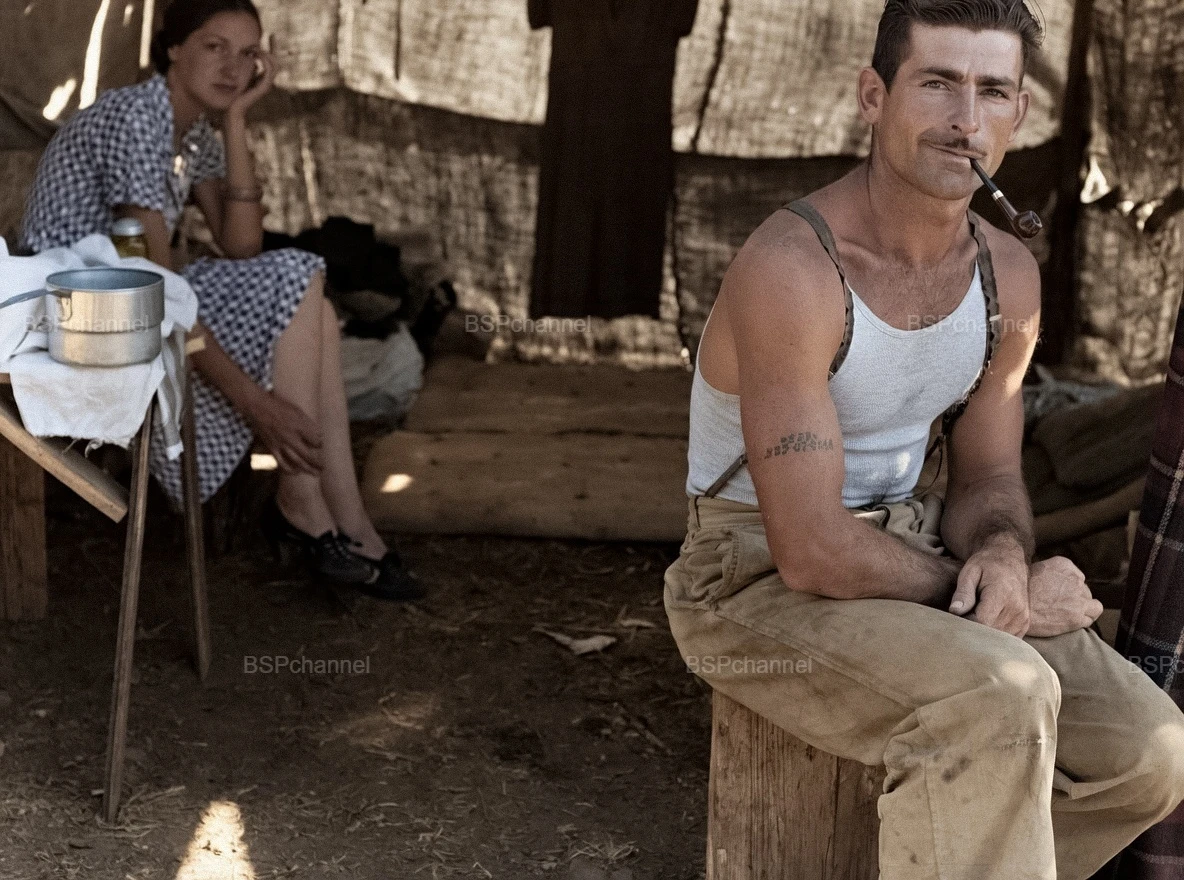
Photographer: Dorothea Lange.
A Social Security number is tattooed on the arm. Interestingly, Social Security number tattoos were popular at the time. This was because the number had to be on the owner's person at all times to receive benefits under Roosevelt's New Deal program, created to combat the effects of the Great Depression.
The ceremonial launch of the luxury paddle steamer Seeandbee, which took place on November 9, 1912, in Wyandotte, Michigan. 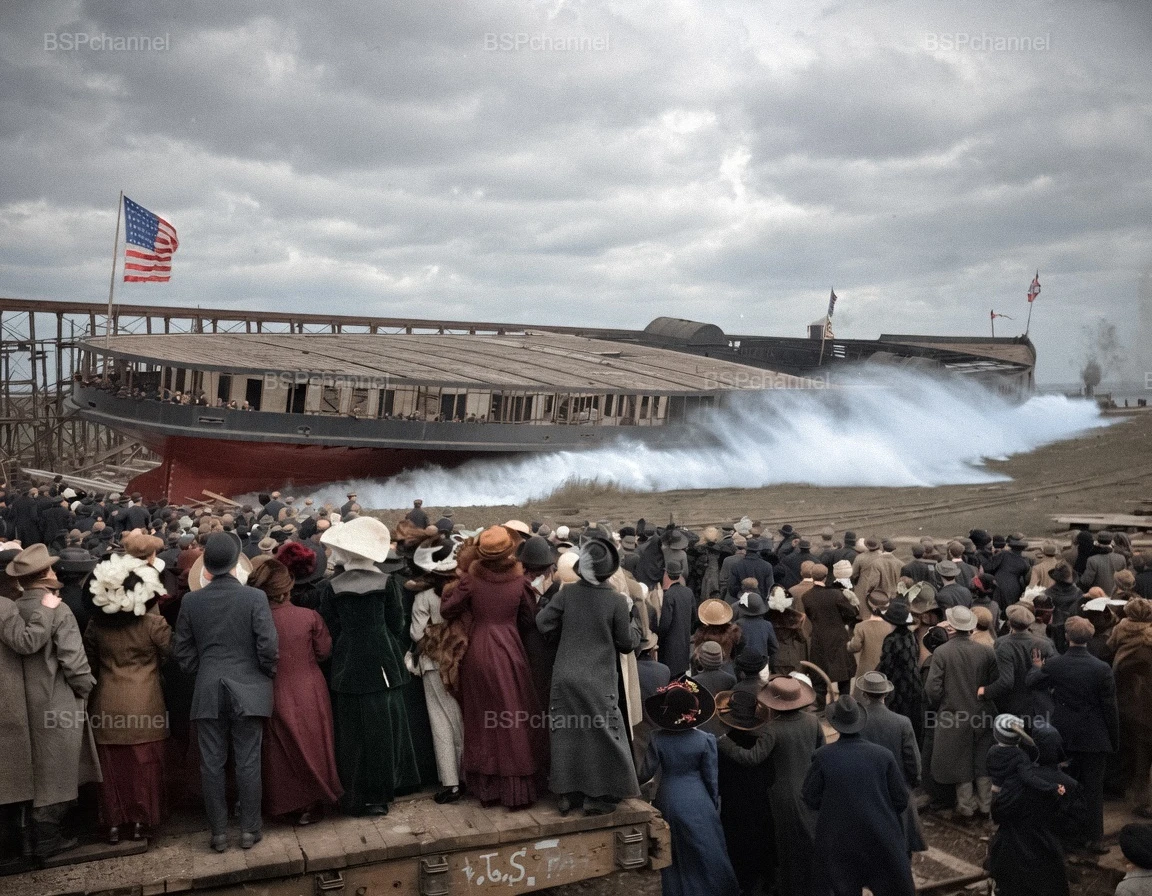
The ship was launched sideways—a traditional method for shipyards on the Great Lakes, where the rivers were often too narrow for the conventional stern-first launch. During World War II, the steamship was requisitioned by the US Navy and converted into a training aircraft carrier as the USS Wolverine (IX-64). Her luxurious superstructure was removed, a flight deck was installed, and she was used to train pilots in deck landings in the safe waters of Lake Michigan.
Dancer Rosemary Williams drinks coffee. New York City, USA, 1949. 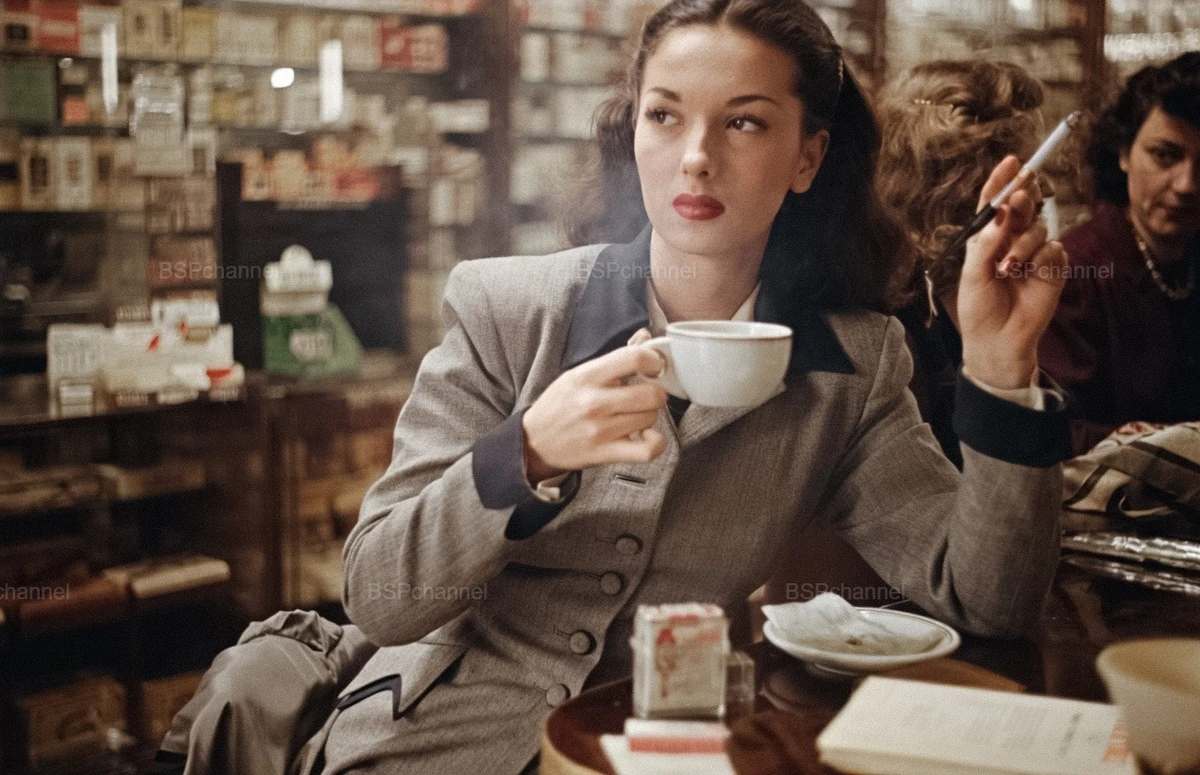
Photographer: Stanley Kubrick
The Hurricane ride, 1946. 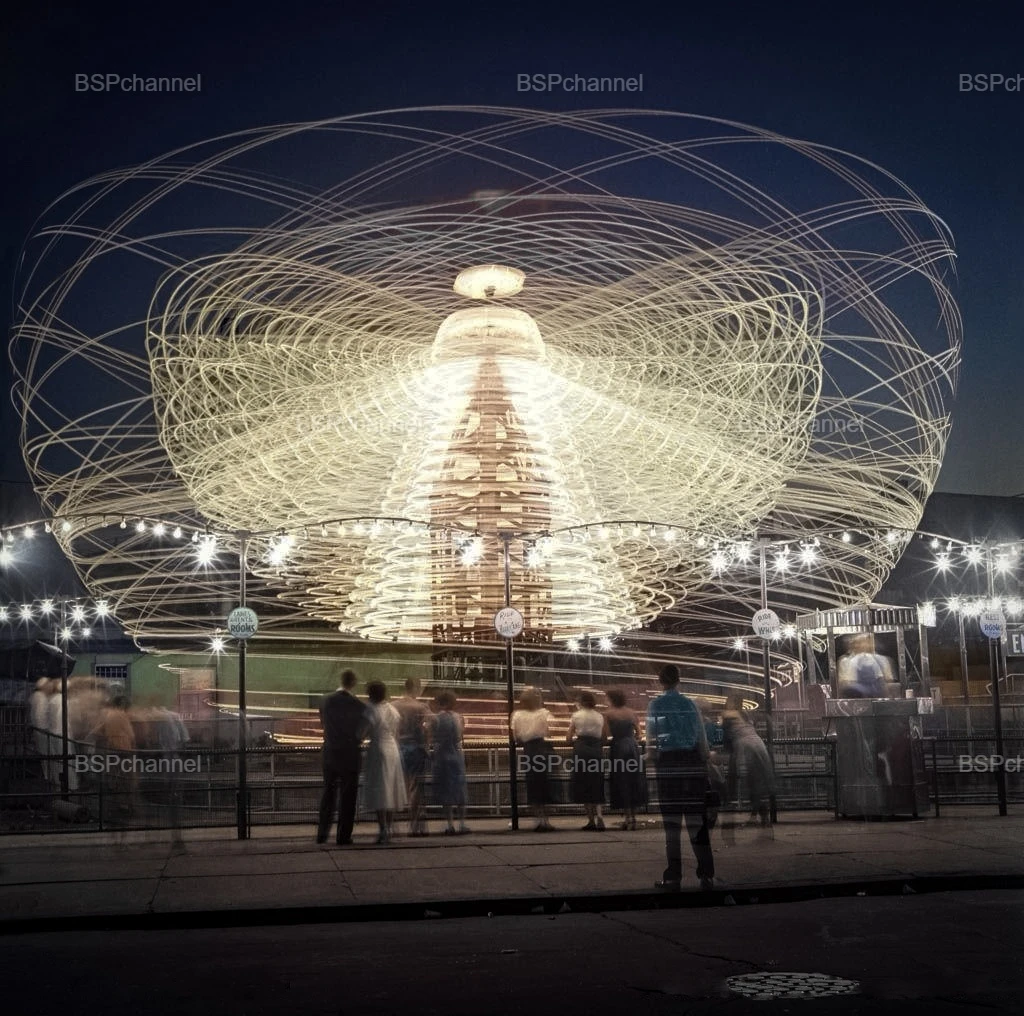
Photographer: Harold Feinstein
During the day, it was a bulky metal structure that simultaneously rotated and tilted passengers, but at night, thanks to the lighting, it transformed into a "fantastic tangle of filaments of light."
Sunday afternoon, Gansevoort Pier, New York City, 1948. 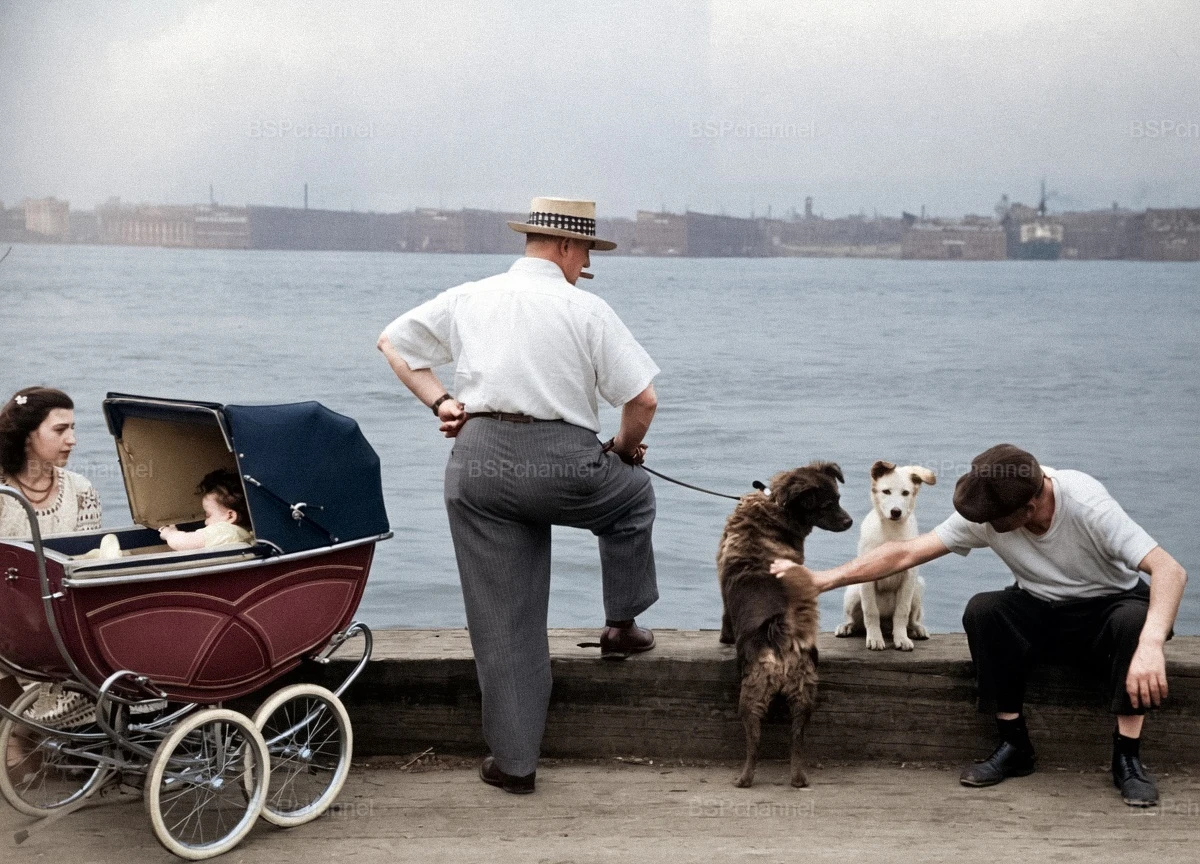
Photographer: Ruth Orkin
Famous baseball player Herman Schaefer tries his hand at the other side of the lens at a game between the Washington Senators and the New York Highlanders, 1911. 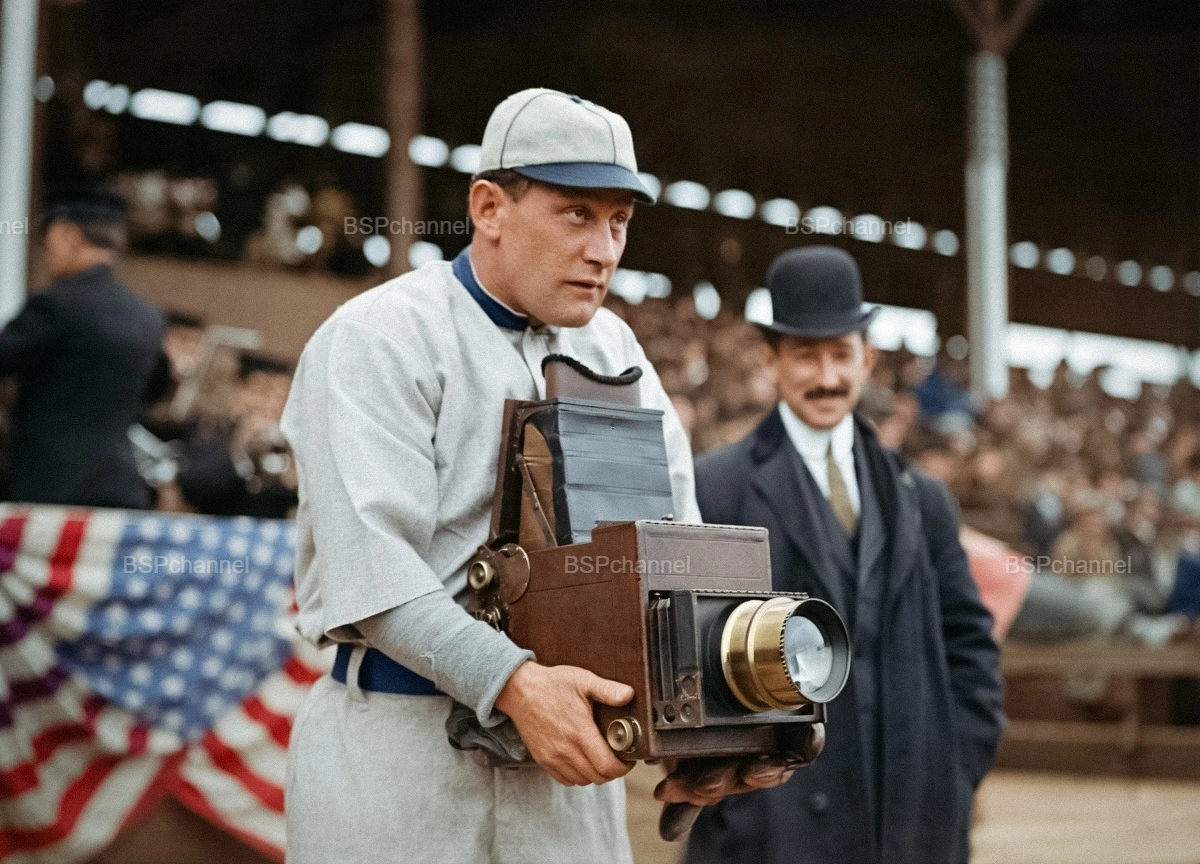
Photograph from the George Grantham Bain Collection
Figure skaters take a break from rehearsals for the "Ice Capades" ice show in October 1949. 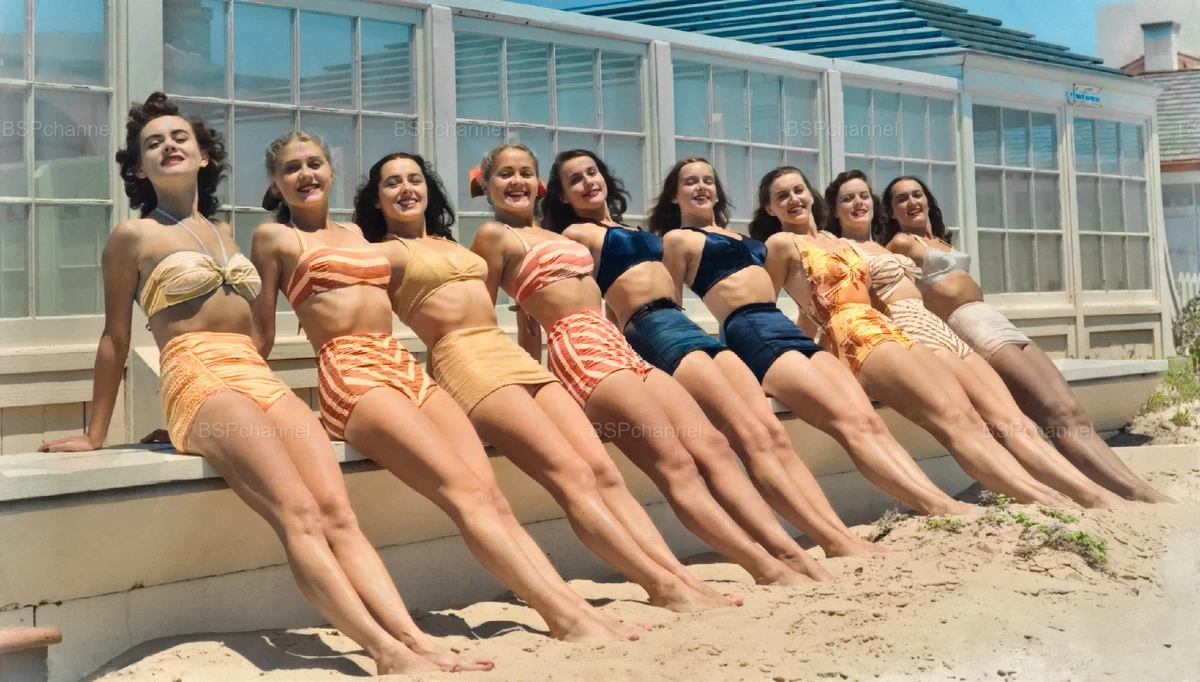
Carol Lynam, Marcia Drewry, Marjorie McChesney, Ann Drewry, Virginia Edmundson, Helen Emrick, Dolores Klein, Hilda Desmond, and Beatrice Lumley lined up on the beach. The Ice Caps were a traveling entertainment show featuring theatrical performances on ice. The show often featured retired Olympic and U.S. figure skaters. Launched in 1940, the Ice Caps show quickly gained popularity and flourished for 50 years. In the 1980s, interest in the show began to wane, and it ended around 1995.
San Francisco, California, USA, 1940s. 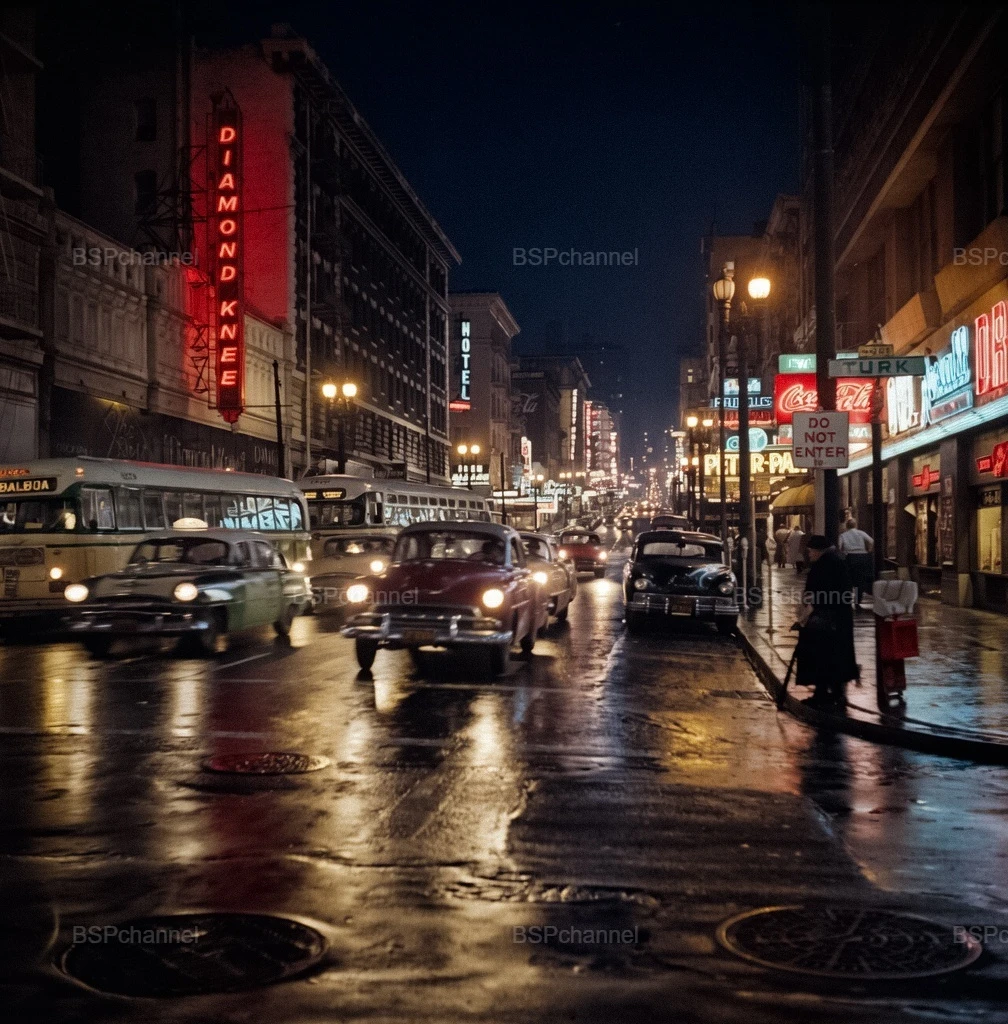
Photographer: Fred Lyon