Rajajil - Ancient Stone Guardians of the Desert (9 photos + 1 video)
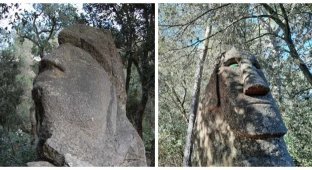
For 6,000 years, unusual stone sculptures have stood in northwestern Saudi Arabia. Locals call them Al-Rajajil, which translates as "standing men." 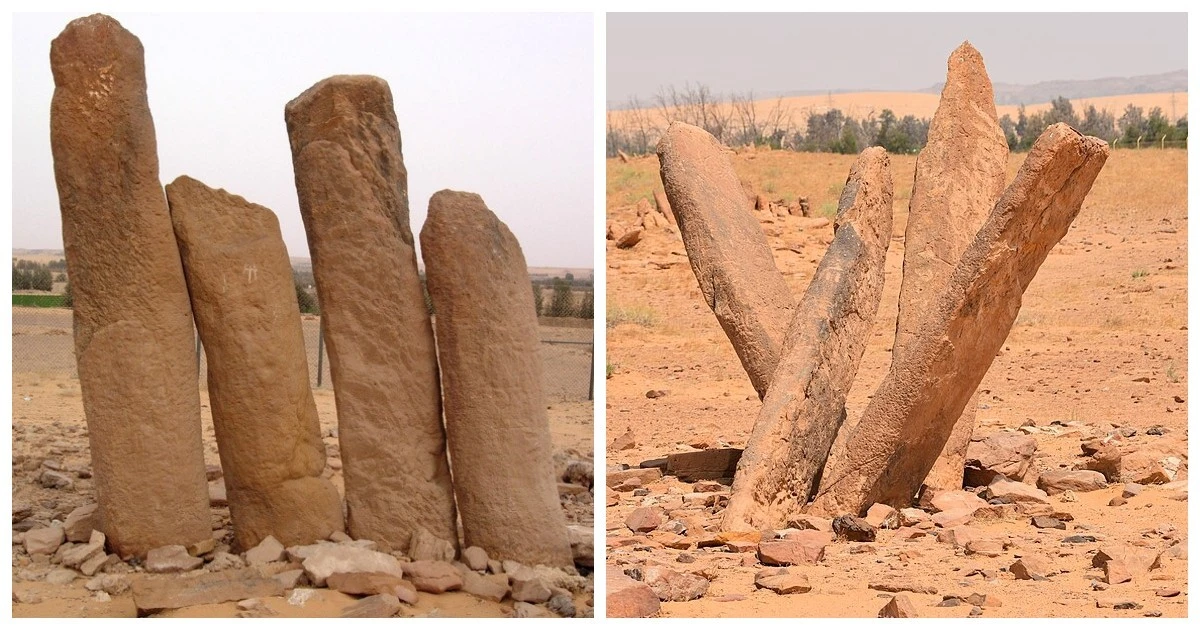
Indeed, when viewed from a distance, the groups of stone pillars resemble a gathering of people frozen in eternal silence. 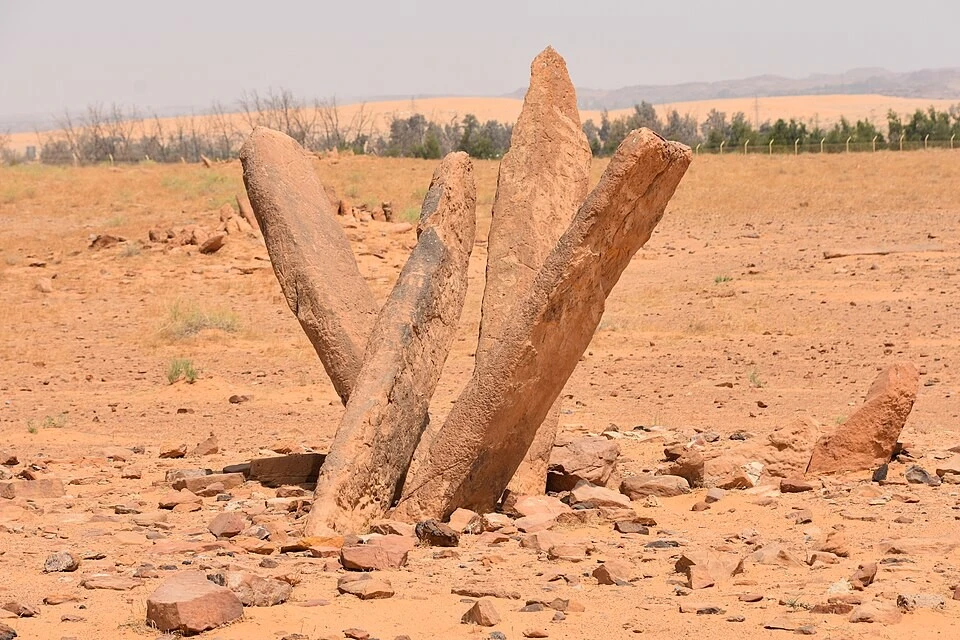
These megaliths are often compared to Stonehenge, but unlike the famous English monument, the mystery of these stone giants has only been partially solved. Scientists know one thing for sure: these pillars were erected over 6,000 years ago, during the Chalcolithic era, long before the construction of the pyramids at Giza. 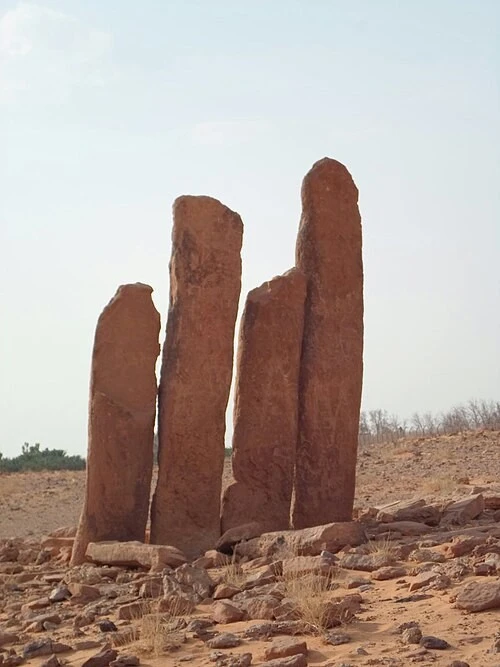
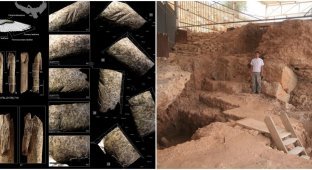
Everything we know about the site today was discovered literally bit by bit. Archaeologists have found flint scrapers, obsidian, ceramics, and even ancient wells up to 5 meters deep, used by people in the 5th millennium BC. But who exactly built these monuments remains a mystery. One thing is clear: these were not just nomads, but an organized society capable of large-scale and difficult labor. 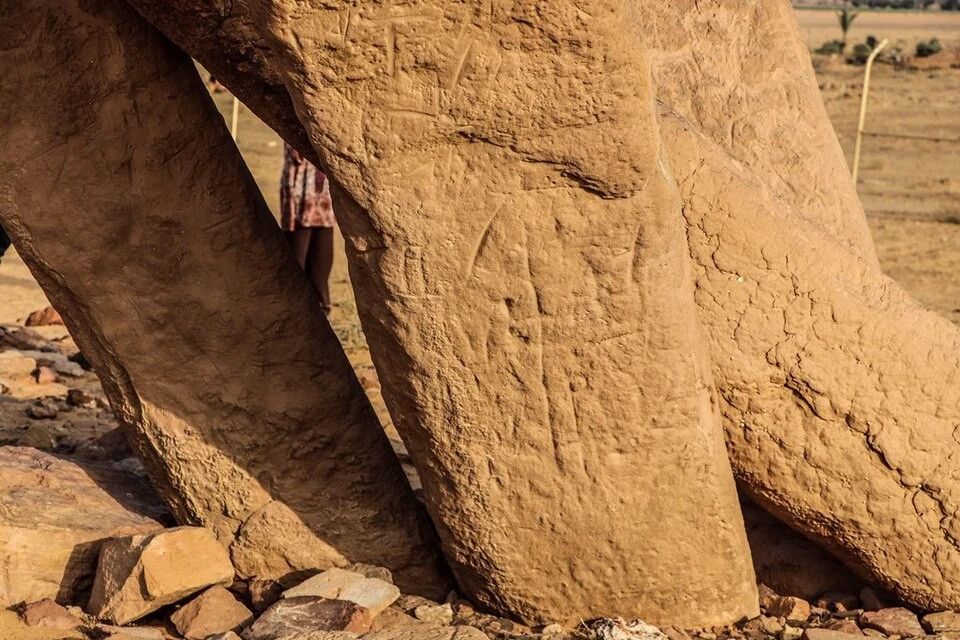
But the main question, which remains unanswered, is why? Why did people in the desert assemble these groups of four or more pillars, fastening them together at the base and tilting them outward? 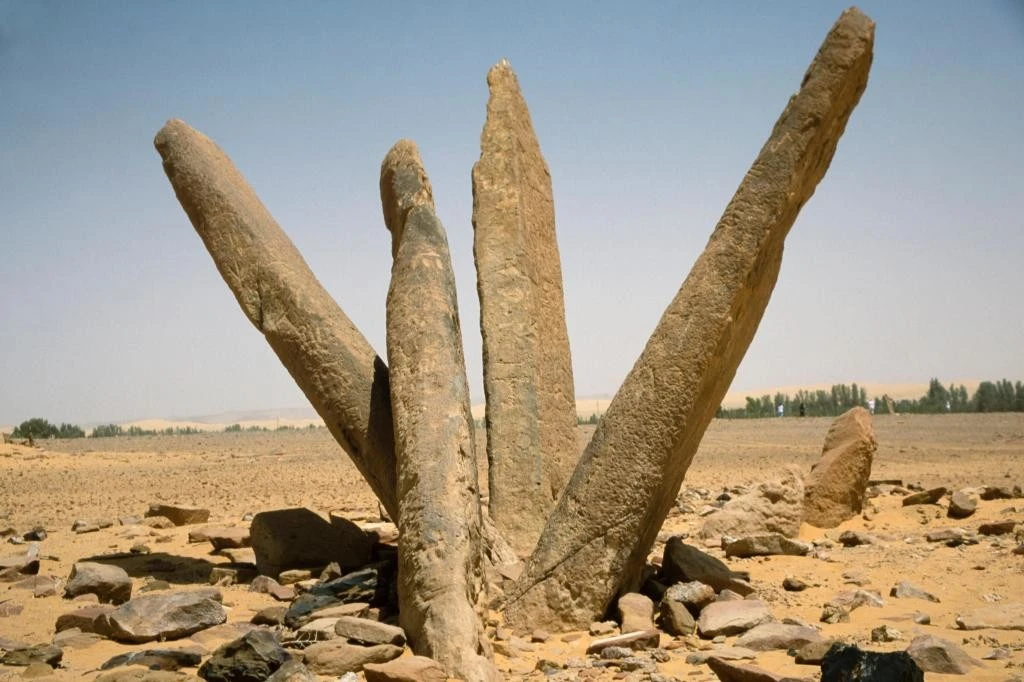
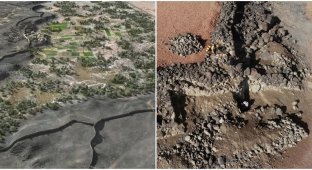
There are several theories. For a long time, it was believed that the pillars were not connected to religion. No human remains or sacrificial offerings were found nearby. However, research in recent years is beginning to change this picture. In 2024, an international team of scientists conducted the first large-scale geophysical survey of the area using magnetometry and ground-penetrating radar. The results were unexpected. 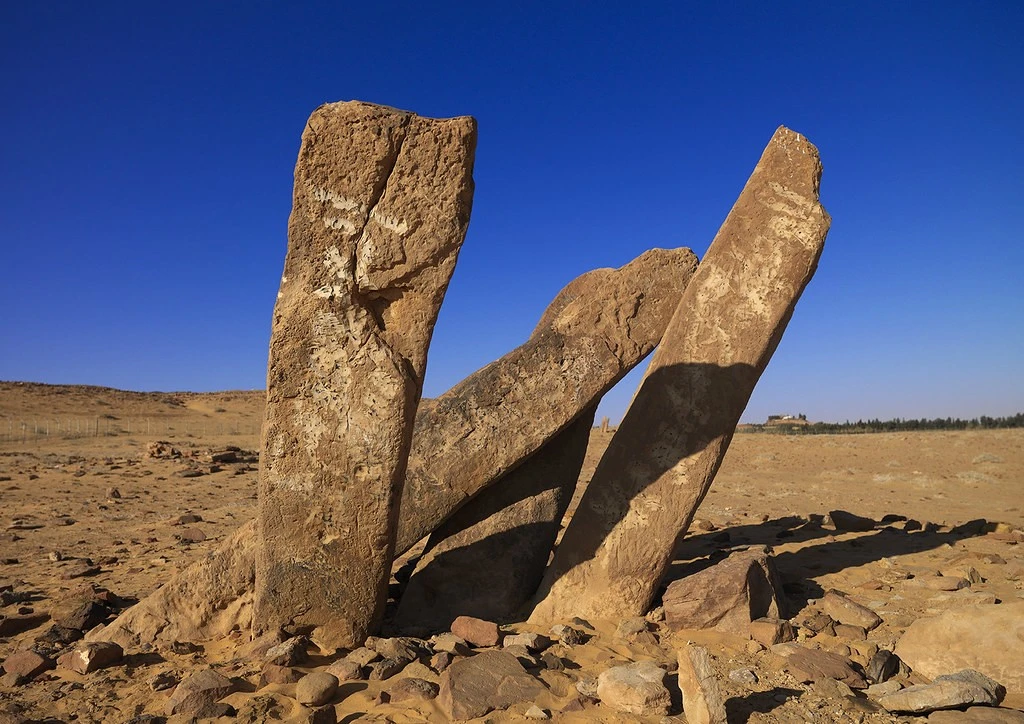
Underground, a clear rectangular magnetic anomaly was discovered around one of the pillar groups, as well as several pits with traces of low-temperature combustion, resembling the remains of ritual fires. These findings are consistent with findings from neighboring regions. In Jordan, archaeologists have found heavily fragmented and burnt human bones in similar megalithic tombs, dating to the 4th millennium BC. Perhaps this is a vast necropolis, where the bodies of the deceased passed through fire, and the stone pillars served as markers for collective burials for nomadic herding communities. 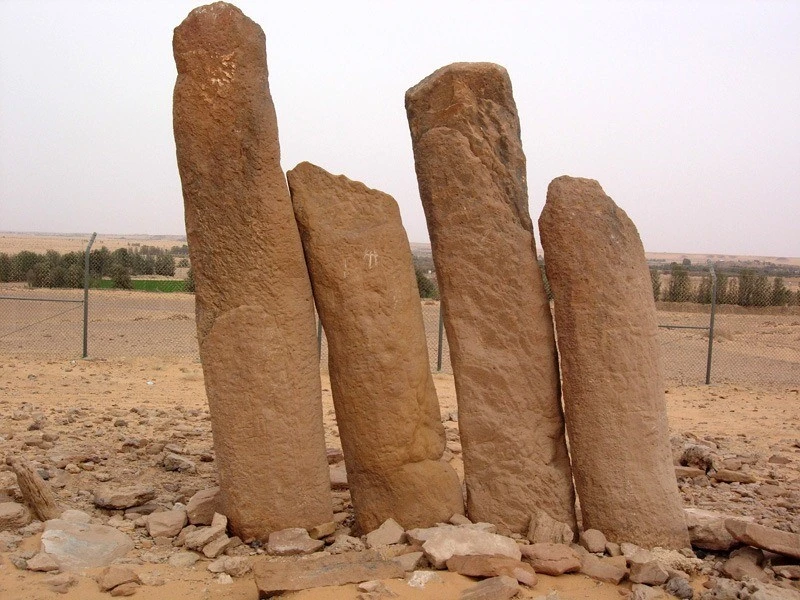
Another attractive theory is astronomical. From the ground, the chaotic scattering of the pillars appears random, but from the air, their placement is clearly tied to the sunrise and sunset points. This could have been a giant calendar or a site for rituals tied to the sun's movements. 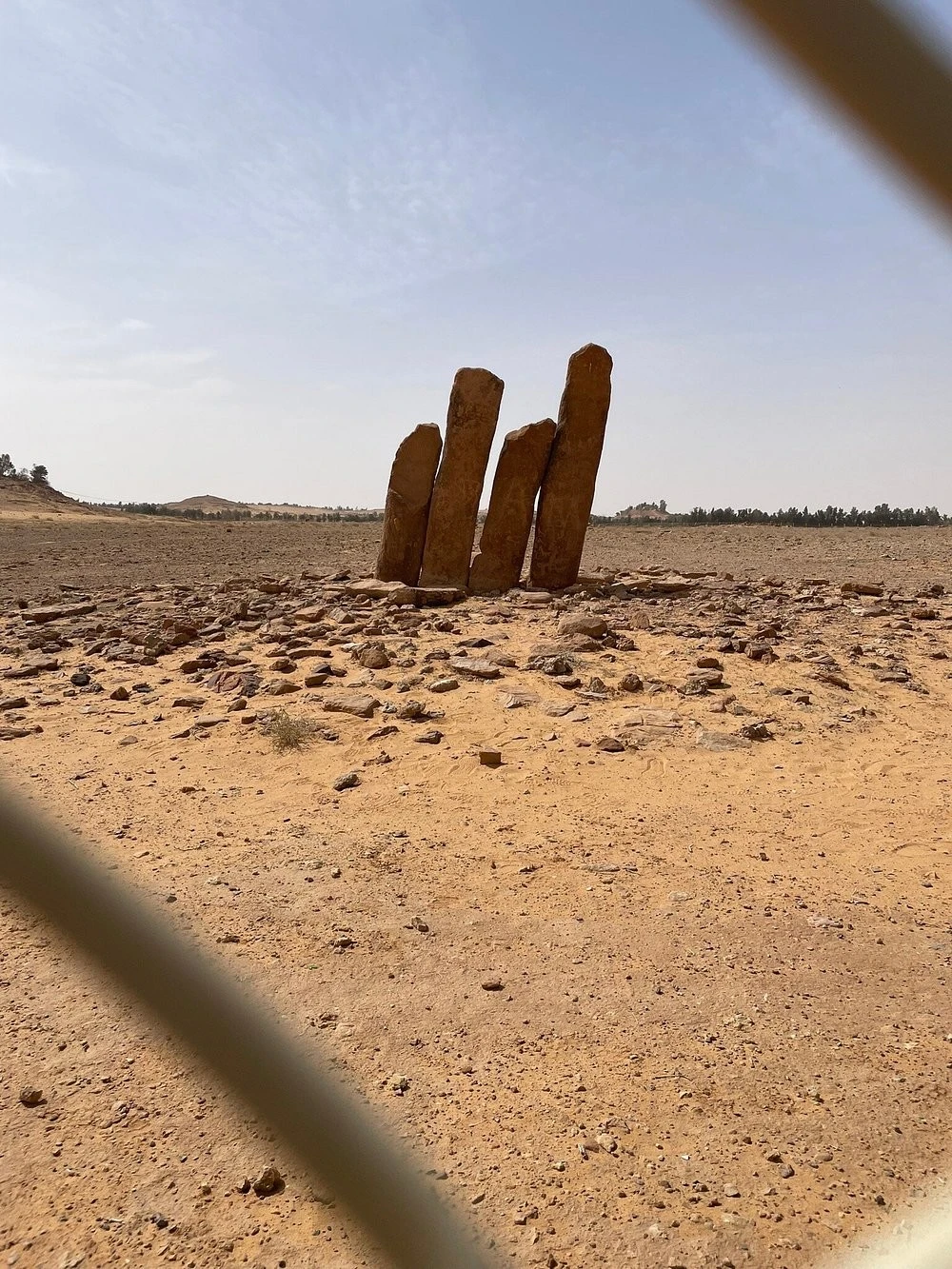
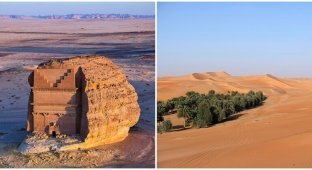
And finally, the most pragmatic hypothesis. The city of Al-Jawf was a crossroads of important trade routes for thousands of years. Incense caravans traveled from Yemen to the Mediterranean, turning north here, toward Damascus. The enormous stone guardians could have served as a beacon for camel drivers, indicating a safe route around the dangerous sands of the Greater Nafud. 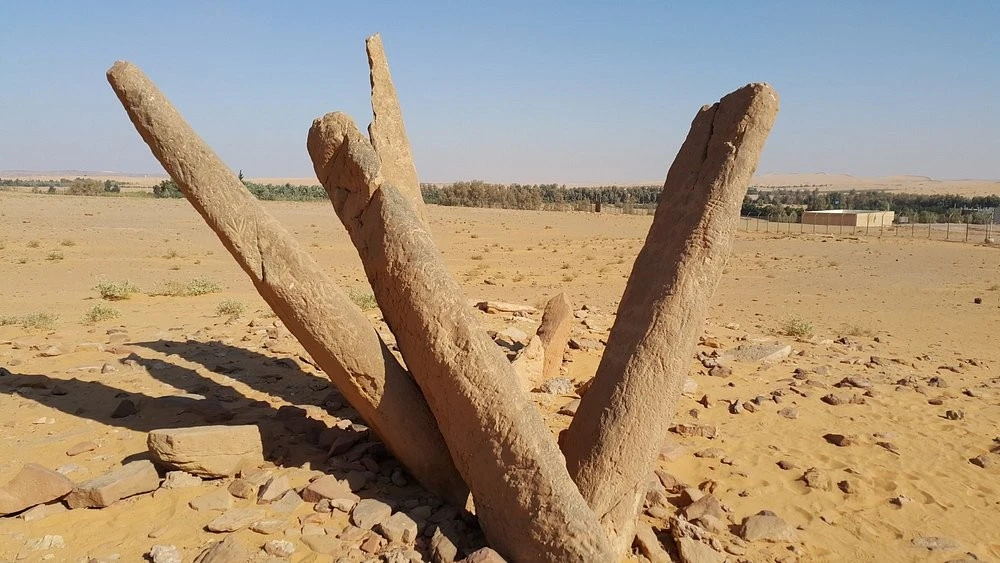
Regardless of the theories scholars choose, Rajajil remains a remarkable monument. It's a rare chance to touch an era that history has almost forgotten. Standing at the foot of these three-meter-tall sandstone giants under the scorching sun, you feel like a grain of sand in eternity, and their silence seems more eloquent than any book.