How a Madagascar Village Became the Sapphire Capital of the World and Couldn't Withstand the Burden (11 photos + 2 videos)
Ilakaka is a tiny town in southwestern Madagascar, right on National Route 7, which connects the capital, Antananarivo, with the port of Toliara. 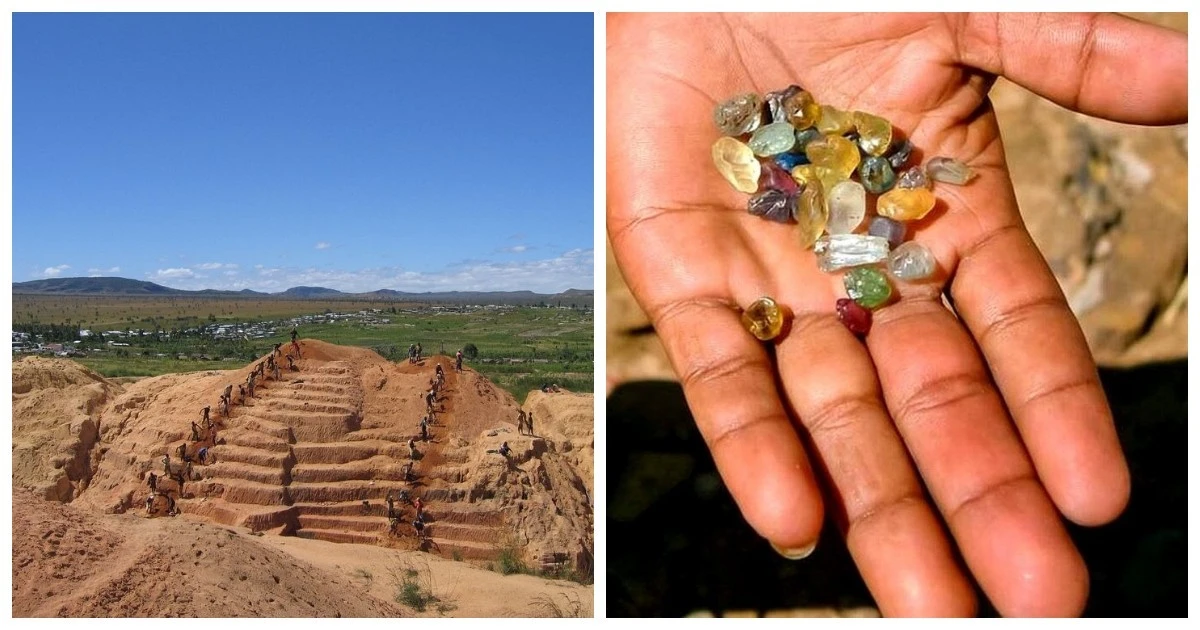
Until 1998, it was a tiny village: just 40 residents, a couple of huts, and a roadside truck stop. Less than 10 years later, the population soared to 60,000. People from all over the island flocked here in search of sapphires. 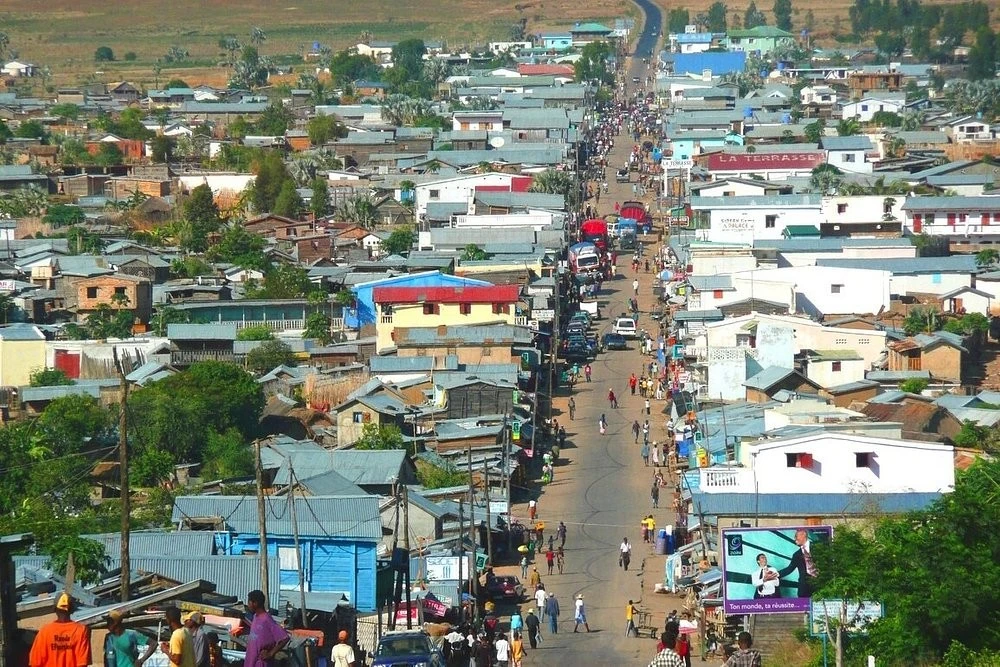
It all started in the late 1990s. Sapphires were found right in the Ilakaka Riverbed. Word spread instantly. The sleepy roadside village turned into a sapphire Klondike, supplying the global market with almost 50% of all sapphires on the planet. 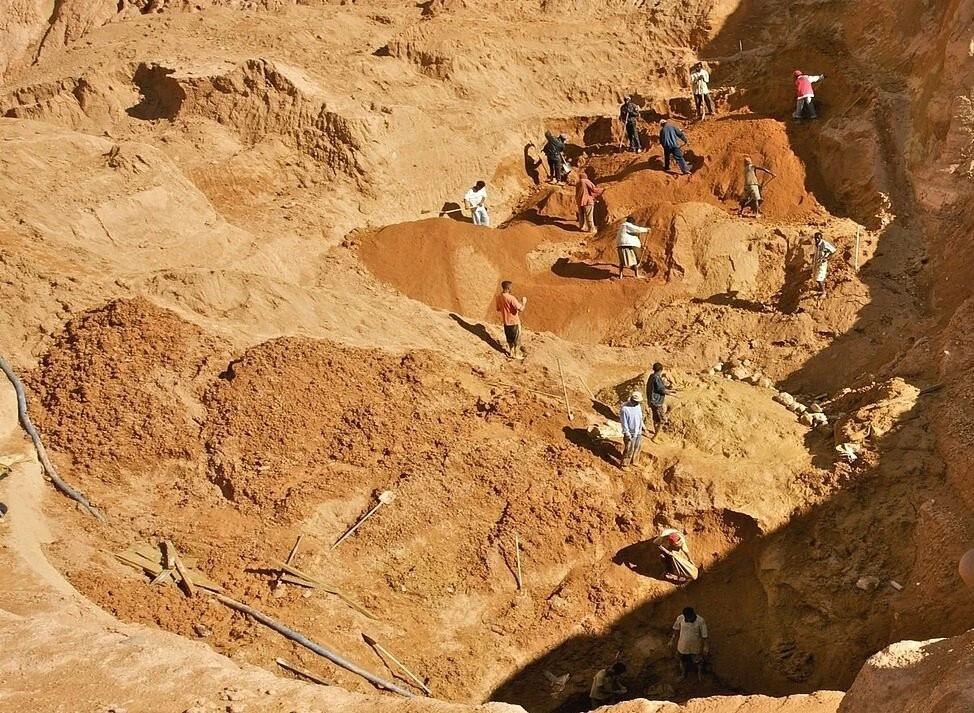
But the economic miracle turned into a slum. Ilakaka never grew beyond a camp of ramshackle wooden and iron shacks with no running water or electricity. 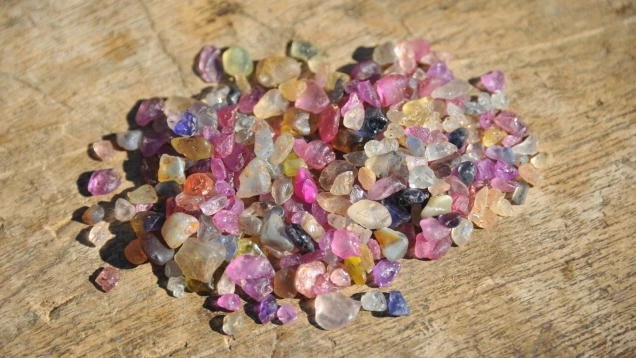
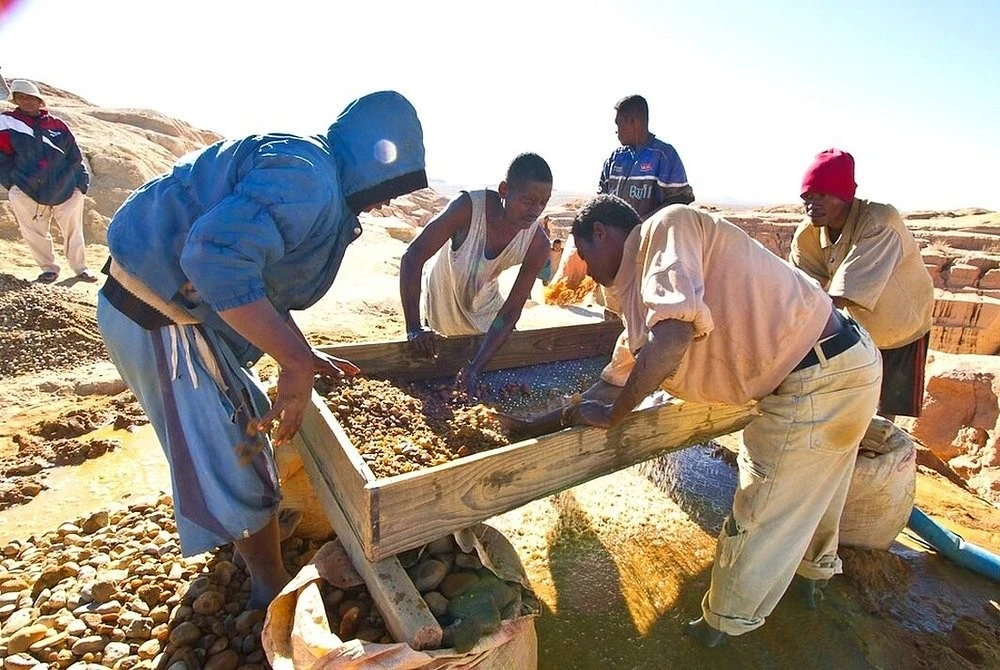
People came here hoping to get rich in a month and leave, but instead they stayed for years, falling into bondage to Thai and Sri Lankan traders. Local miners are exploited shamelessly: a day's work in a pit up to 25 meters deep earns less than two euros. 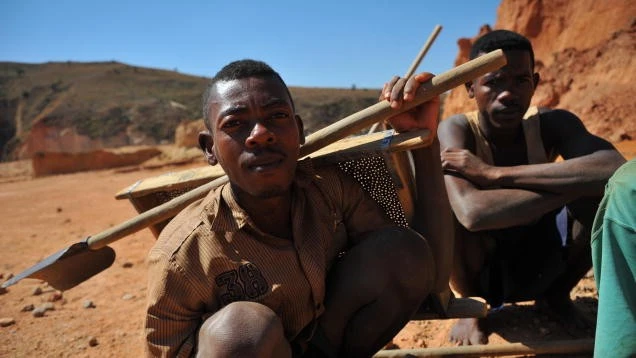
The law is practically nonexistent here. There are police, but they have no cars, no radios, or even proper weapons—the bandits are better armed. An estimated 20-30 people are killed annually in a city of approximately 20,000. 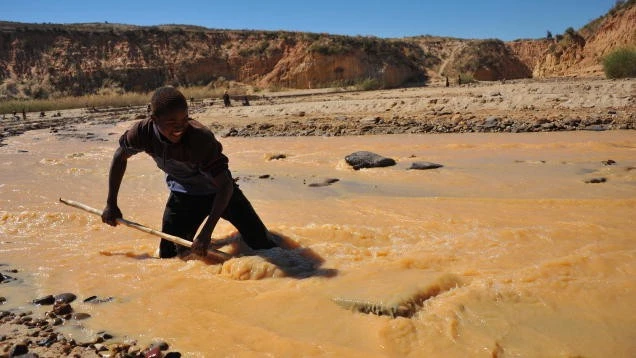
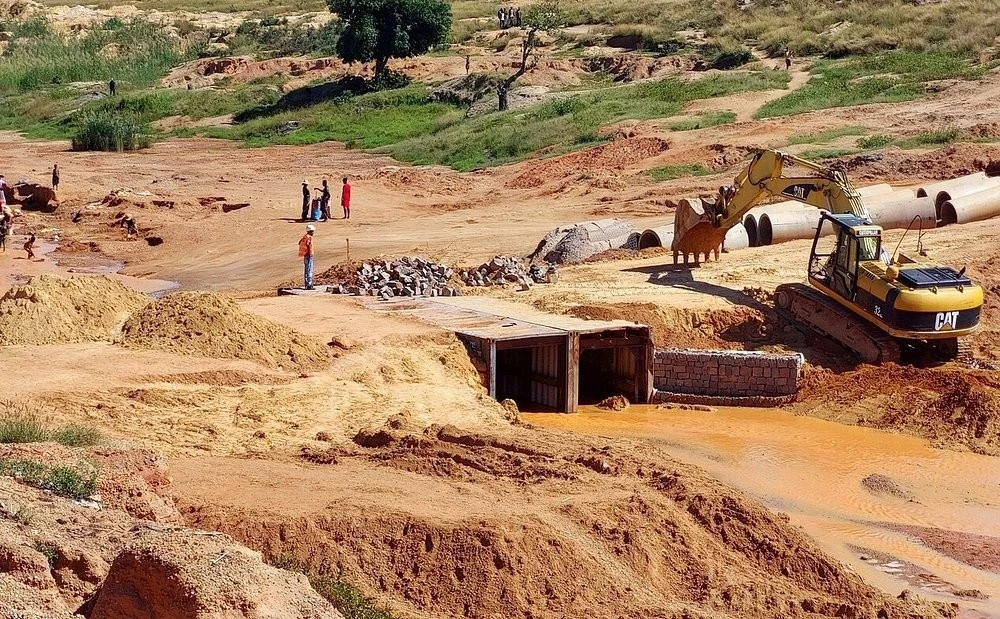
In recent years, the light sapphires have run out. What lay on the surface has long since been extracted. Now miners are digging ever deeper, going 30-50 meters underground, digging vertical shafts and horizontal tunnels without any support. 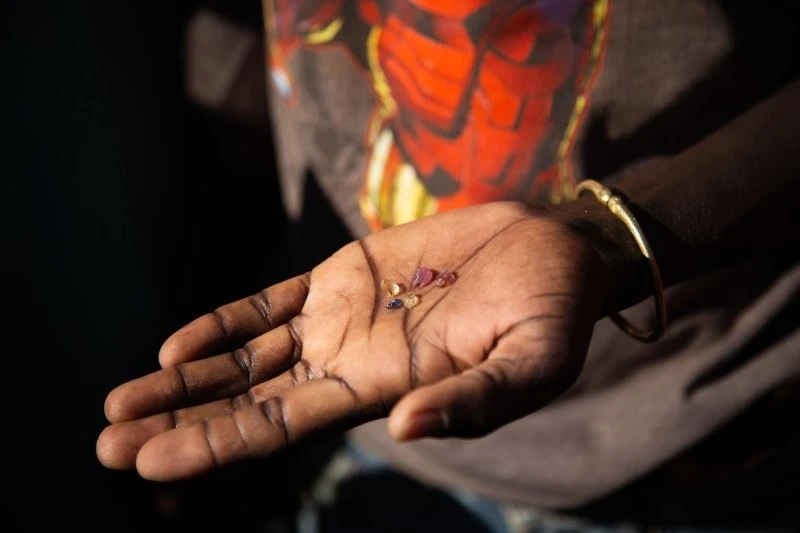
Cave-ins happen all the time. The dead are exhumed not so much for the bodies, but to prevent others from taking their place. Furthermore, artisanal mining devastates the landscape, leaving behind craters and polluting rivers, which is critical for this arid region. 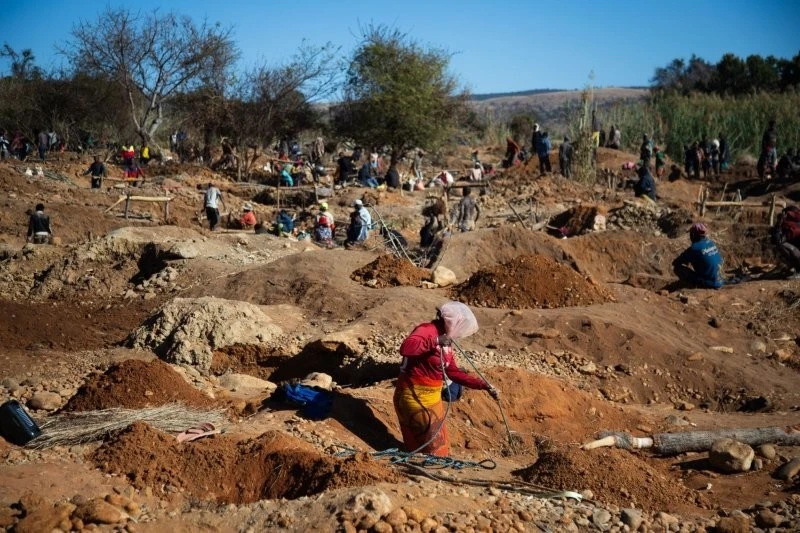
All mining activity in Madagascar is regulated by the updated Mining Code, which came into force in 2024. It is intended to make the industry more transparent and balance the interests of business, local communities, and the environment, but its actual impact on artisanal mining in Ilakaka is still difficult to assess. 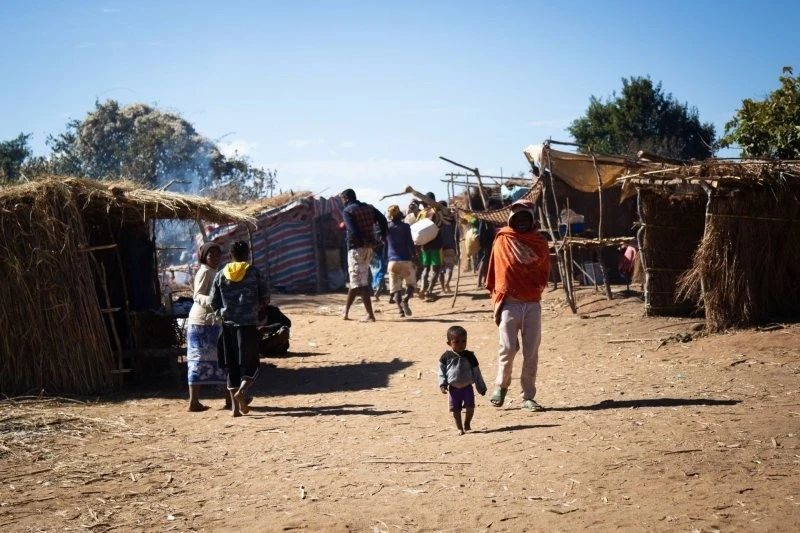
And yet people come. After all, the dream of a blue stone (blue, pink, yellow, and purple sapphires are also mined here) that will solve all problems is stronger than the fear of death.