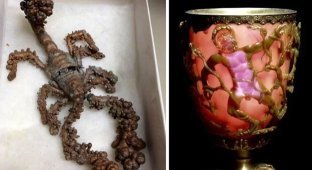
From a Disgruntled Resurrectionist to Pain-Relieving Stingrays: 8 Historical Facts That Are Hard to Believe, But They're True (9 photos)
Have you ever encountered something so absurd that your first thought was, "That couldn't be true"? Then you looked it up, say, on Wikipedia. And it turns out that yes, it was. And not just any old thing. 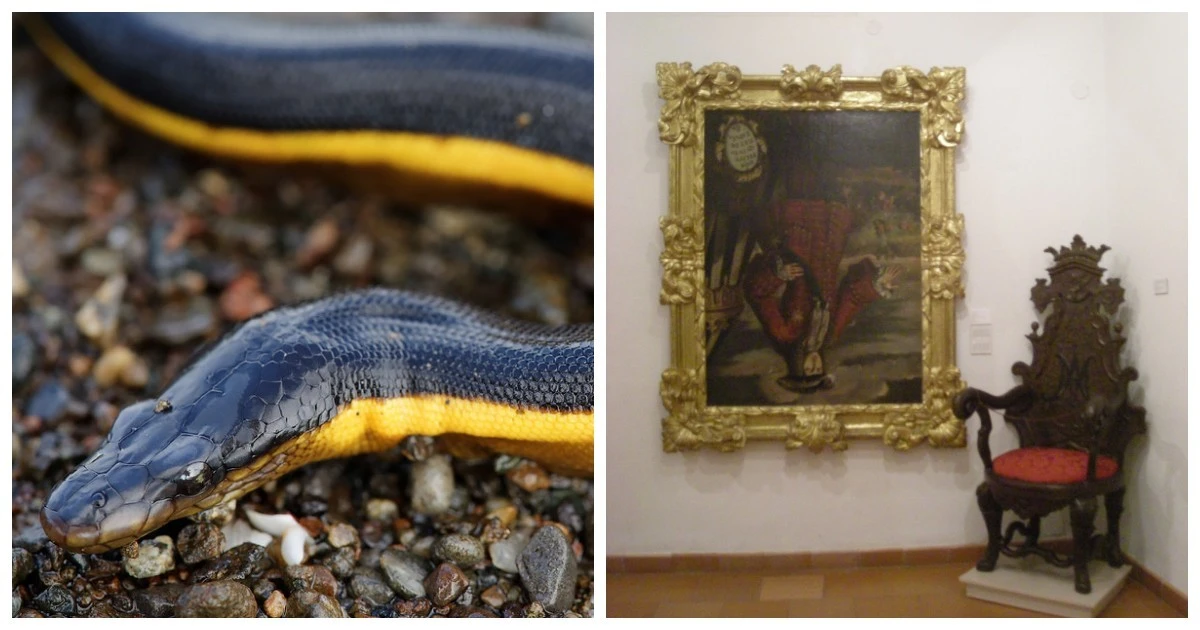
There was a fake corpse who staged his own funeral while he was still alive to see who would cry and who would laugh, and then beat his wife with a cane. There was Isaac Newton, a genius of physics and mathematics, who kept a list of his sins. These included: "hit his sister," "threatened to burn down his parents' house," and more. There was (and still is) a portrait of the Spanish king that has been hanging upside down for over 85 years in retaliation for burning down a city. And finally, there were the ancient Greeks who cured migraines... with a live electric stingray. There's not a single fake in this collection. Only documented facts that will make you wonder, smile, or say, "Wow."
1. Unexpected "Resurrection" 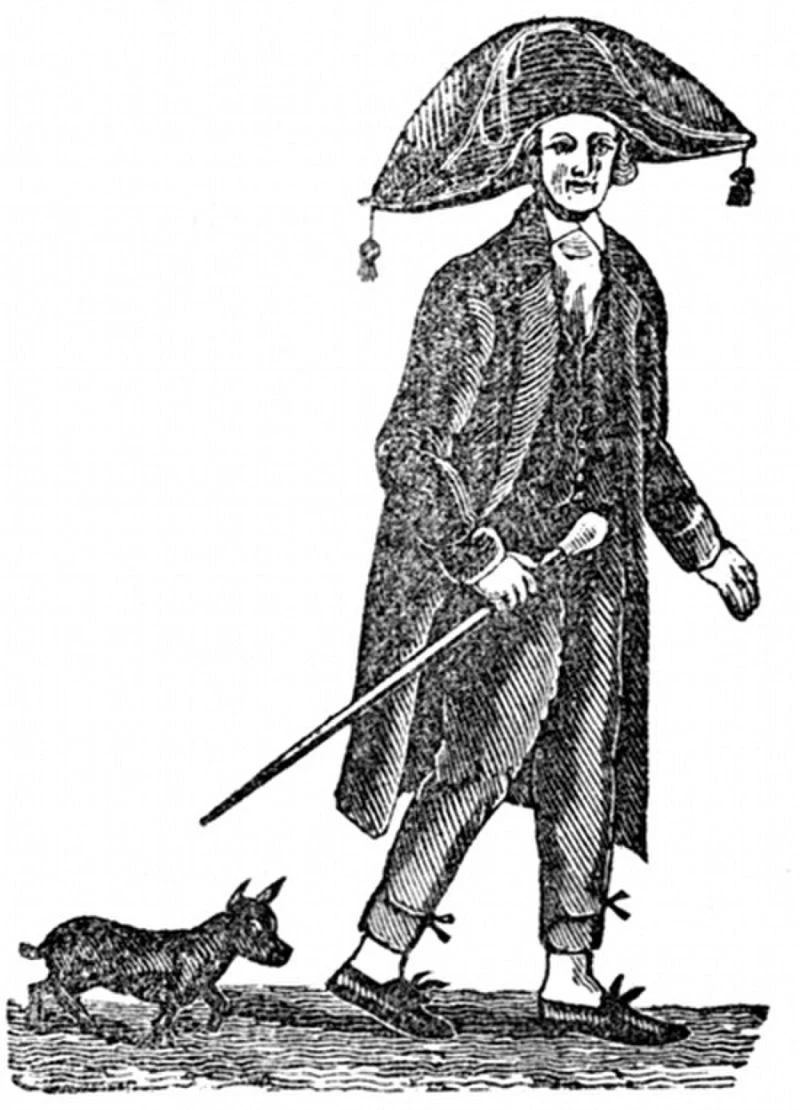
Timothy Dexter, an eccentric American businessman and self-proclaimed god, faked his own death with a lavish fake funeral, gathering 3,000 people to see their reactions. When he noticed his wife wasn't crying, he "resurrected" in a rage and beat her with his cane in full view of the crowd. Several other smiling attendees were also hit.
2. Yawning with Tears 
When a person yawns, tears flow because the facial muscles tense, compressing the tear glands and blocking the tear ducts. So the excess fluid has nowhere to go but out.
3. The Sins of a Genius's Youth 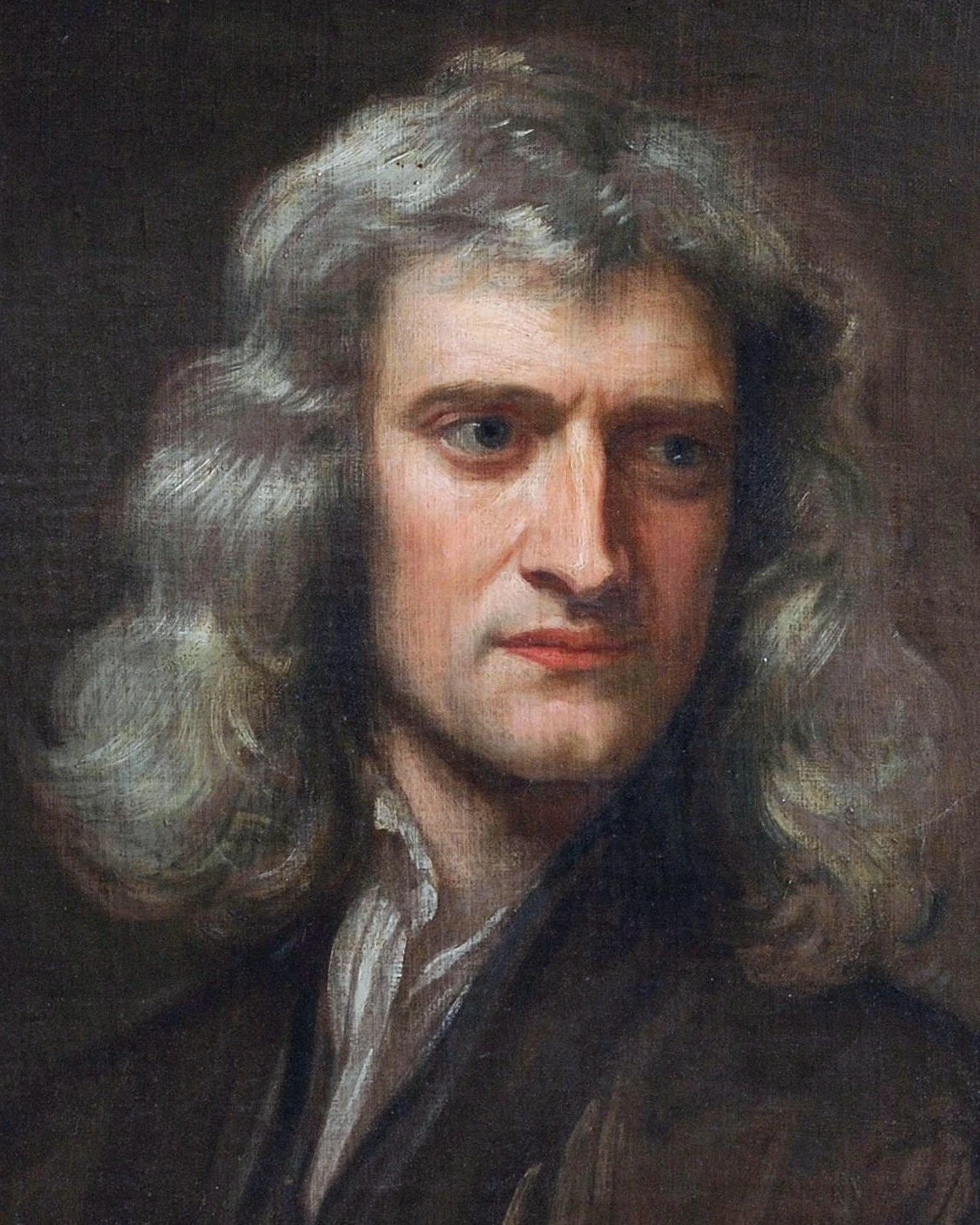
In his youth, Isaac Newton compiled a detailed list of his sins, which included: hitting his sister, beating many people, being irritable towards his mother, threatening to burn down his parents' house, and much more.
4. The Inverted King 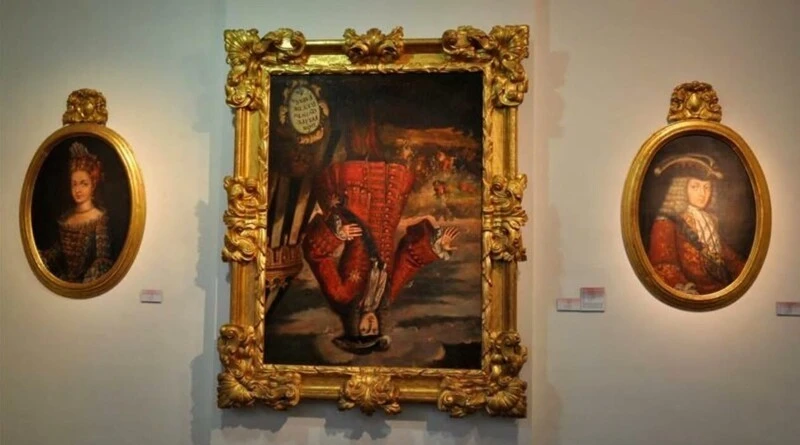
In the museum in the Spanish city of Xàtiva, a portrait of King Philip V has hung upside down for over 85 years. This is an act of symbolic revenge for the monarch's ordering the burning of the city during the War of the Spanish Succession in 1707. The portrait was turned upside down in 1940 by museum director Carlos Sartou:
I hung the portrait of Philip V upside down in the museum I direct because he ordered the burning of Villarreal and Xàtiva—my two Valencian homelands, my native and my adopted homeland.
5. Death in the Name of Science 
A renowned herpetologist was accidentally bitten by a young boiga in his laboratory. When he began to notice symptoms, he meticulously recorded everything that happened until he died. Schmidt, a world expert on snakes, underestimated the danger of the rear-slit snake, believing it was incapable of injecting a lethal dose of venom. The venom of young boigas is no less dangerous than that of adults.
6. A Lady's Escort 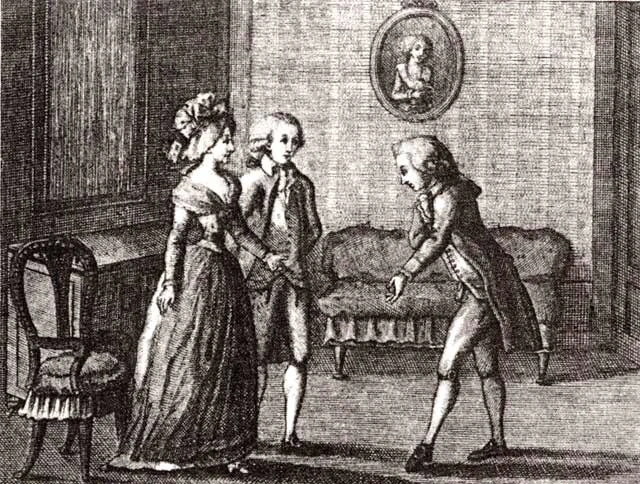
In France, Spain, and Italy, there was a common and socially acceptable paid position of a married woman's lover and companion—a cicisbeo. He was expected to accompany her whenever she left the house, carry her groceries or prayer book, help her into and out of a gondola, lend money, offer compliments, share gossip, and entertain. The cicisbeo was forbidden from public displays of affection (hugs, kisses). He usually stood behind the seated woman. The exact etymology of the word is unknown. It may derive from the Italian Bel cece ("handsome") or the onomatopoeia "whisper" (cici), as the chichisbeo would usually stand behind a seated woman and whisper in her ear. He was not allowed to meet other women, even during his free time.
7. Surprising Behavior 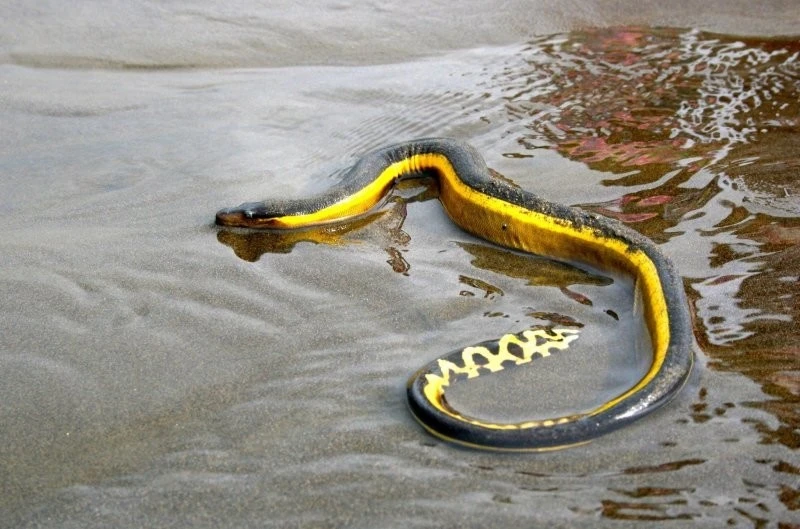
The highly venomous yellow-bellied sea snake (Hydrophis platurus) sometimes forms groups of thousands of individuals on the ocean surface. Scientists speculate that this is a "swim and wait" hunting strategy. The snakes congregate on ocean drift lines where plankton and small fish accumulate.
8. The Living Anesthesia of Antiquity 
The ability of electric rays to paralyze their victims with a discharge was used by the ancient Greeks for medical purposes—to relieve pain during surgery or childbirth. The ancient Roman physician Scribonius Largus also described the use of electric rays to treat headaches and gout.