Poseidon's wrath, which saved Greece from the Persians (12 photos)
In 480 BC, Xerxes the Great, the fourth king of the Achaemenid dynasty, marched against Greece with the largest army the ancient world had ever seen. 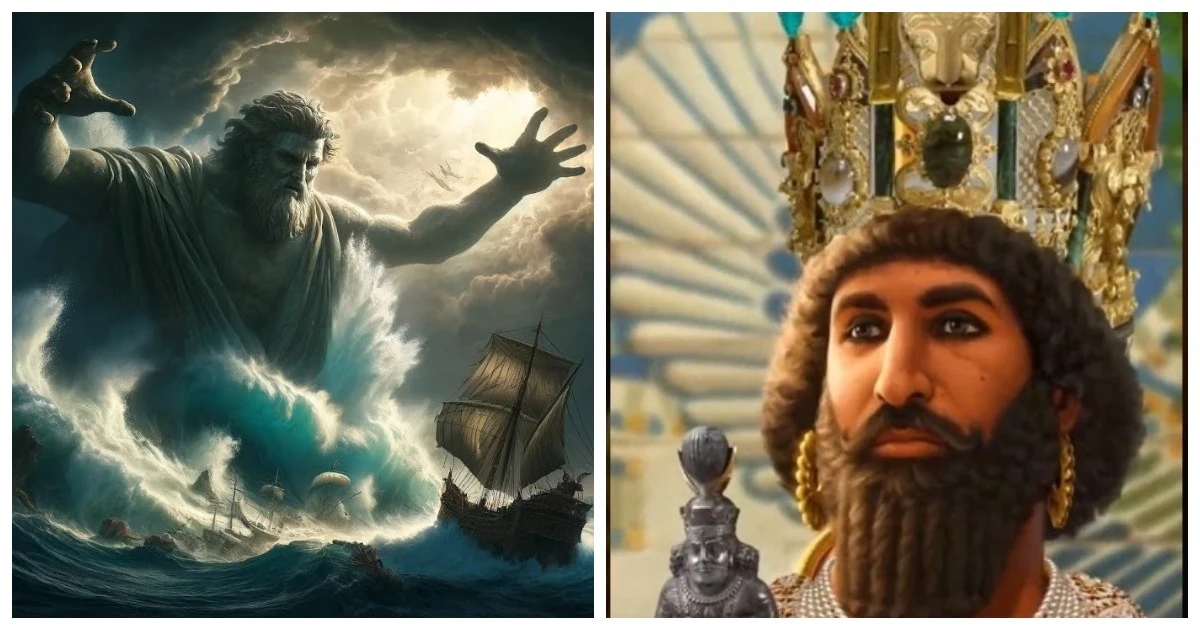
His father, Darius I, had already attempted to pacify the rebellious Greeks, but suffered a crushing defeat at Marathon 10 years earlier. Xerxes inherited not only a vast empire but also an unquenchable thirst for revenge. 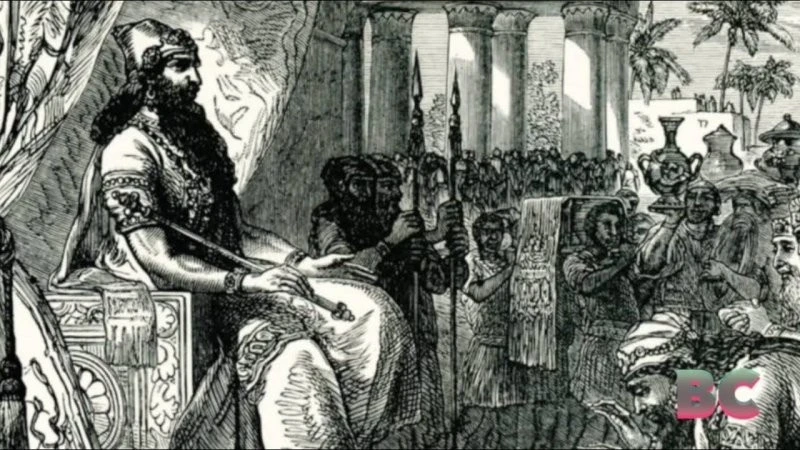
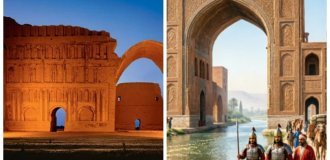
Xerxes
Having suppressed rebellions in Egypt and Babylon, the Persian ruler spent years preparing a monstrous expedition. To ferry his hordes across the Hellespont (today's Dardanelles), he ordered pontoon bridges constructed from boats fastened together. And to prevent the fleet from suffering the same fate as the previous squadron, destroyed by a storm off Cape Athos, the soldiers dug a canal directly across the peninsula's isthmus. 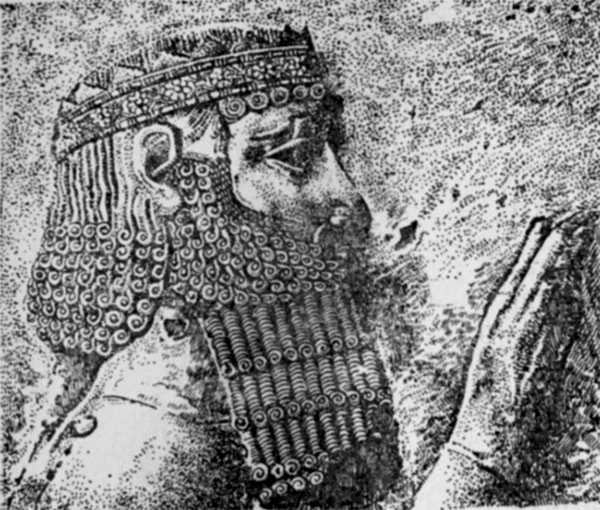
Darius I
In the spring of 480 BC, Xerxes crossed into Europe. Ancient sources describe his army as a motley crew, drawn from all corners of the vast Persian Empire. Many Greek city-states chose to submit without a fight. But not Athens or Sparta. These two cities formed a defensive alliance and decided to fight back. 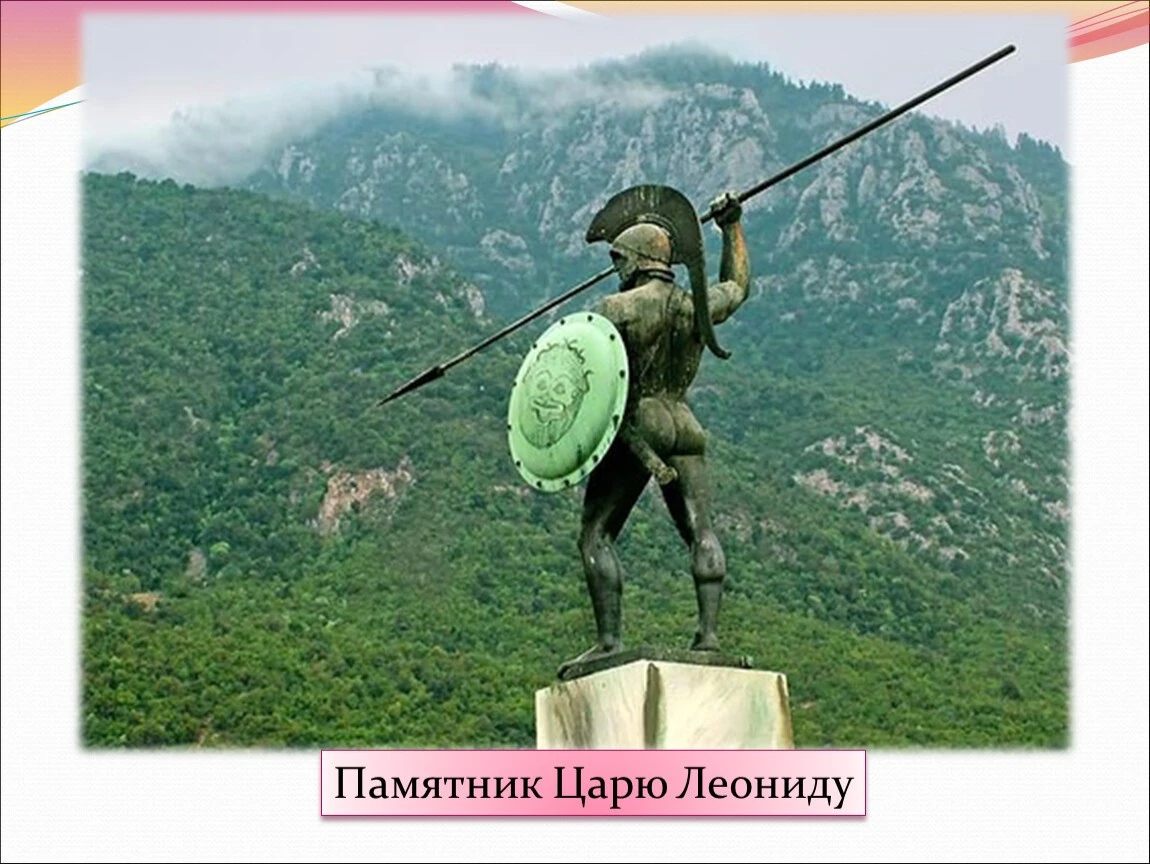
The first and most legendary attack was suffered by King Leonidas's detachment at the Thermopylae Gorge. A small Greek force attempted to block the path of Xerxes's hordes. The Greeks held the line for several days, but the enemy outflanked them. Almost simultaneously with this battle, the Persian fleet clashed with the Greek fleet at Cape Artemisium. 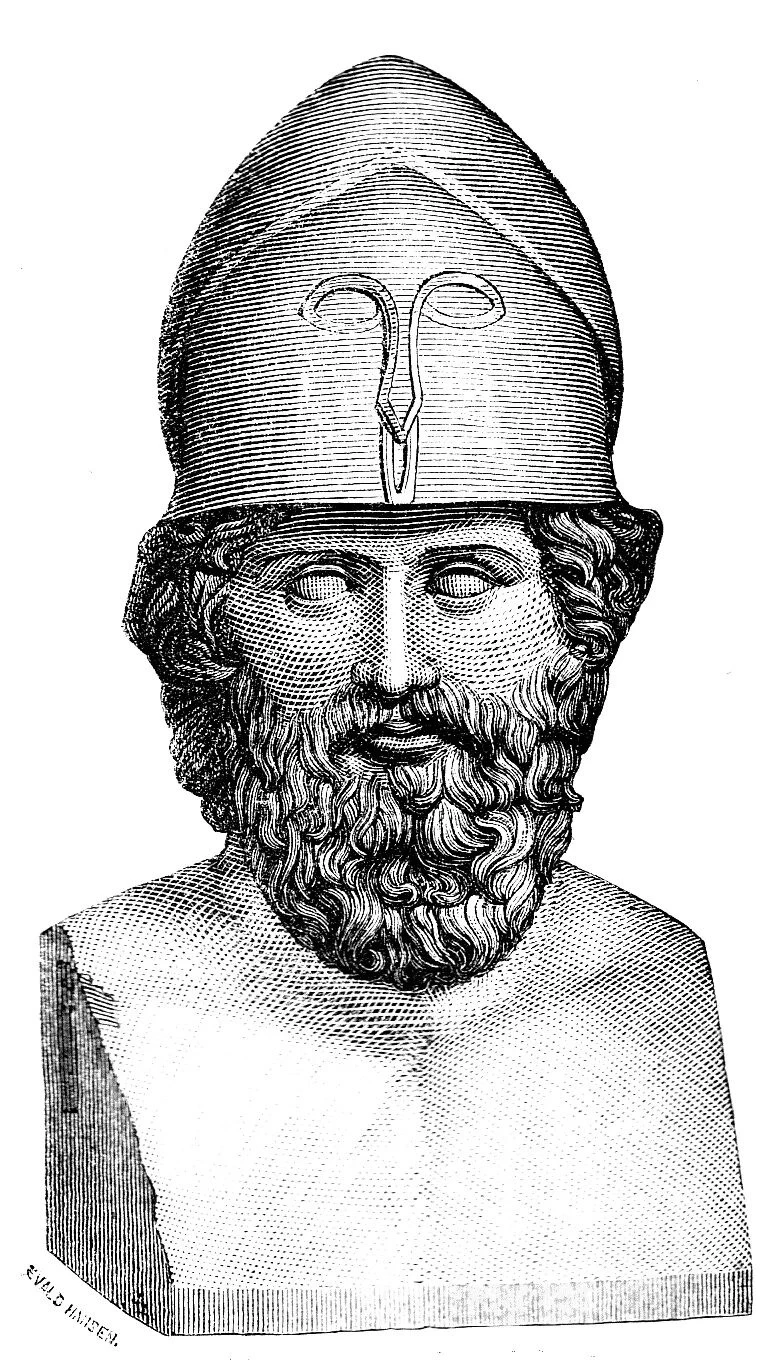
Themistocles
Central Greece was defenseless. Xerxes moved south and captured Athens. But despite his successes on land, the sea remained a stubborn obstacle for the king. The Greek fleet, under the command of the Athenian strategist Themistocles, lured the Persian armada into the narrow strait between Salamis and Piraeus. 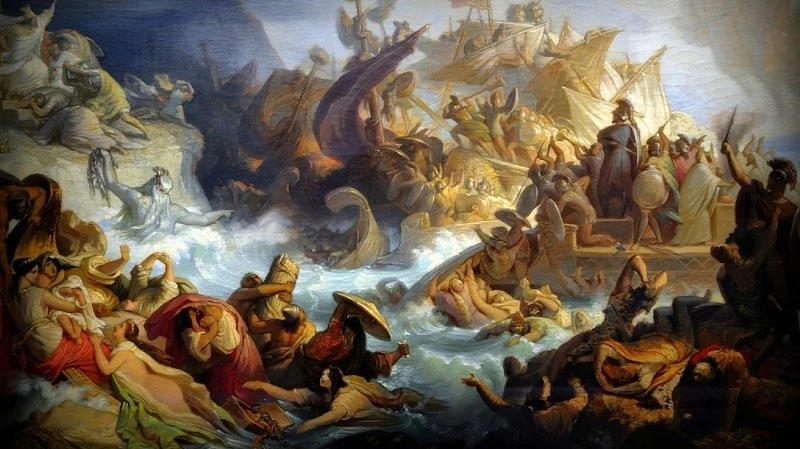
"The Battle of Salamis" by Wilhelm von Kaulbach (1804-1874)
At the Battle of Salamis, the Persians' more numerous but unwieldy ships were routed by the maneuverable Greek triremes. This defeat was a strategic disaster for Xerxes. Fearing for his bridges across the Hellespont and his supply routes, he hastily departed for Asia, leaving behind a huge army under the command of General Mardonius in Greece. 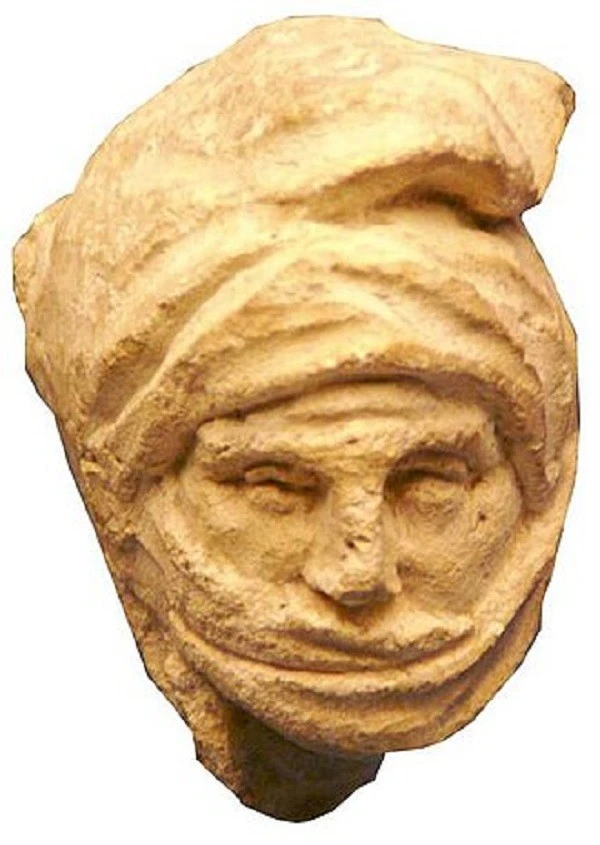
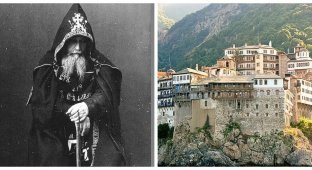
Artabazus I
Around the same time, in northern Greece, in Chalkidiki, another Persian commander, Artabazus, was operating with large forces. According to Herodotus, he had 60,000 soldiers, and his mission was to pacify the region, suppressing any pockets of resistance.
Many cities in Chalkidiki had already bowed to Persian might. But one city stubbornly refused to submit. This was Potidaea. 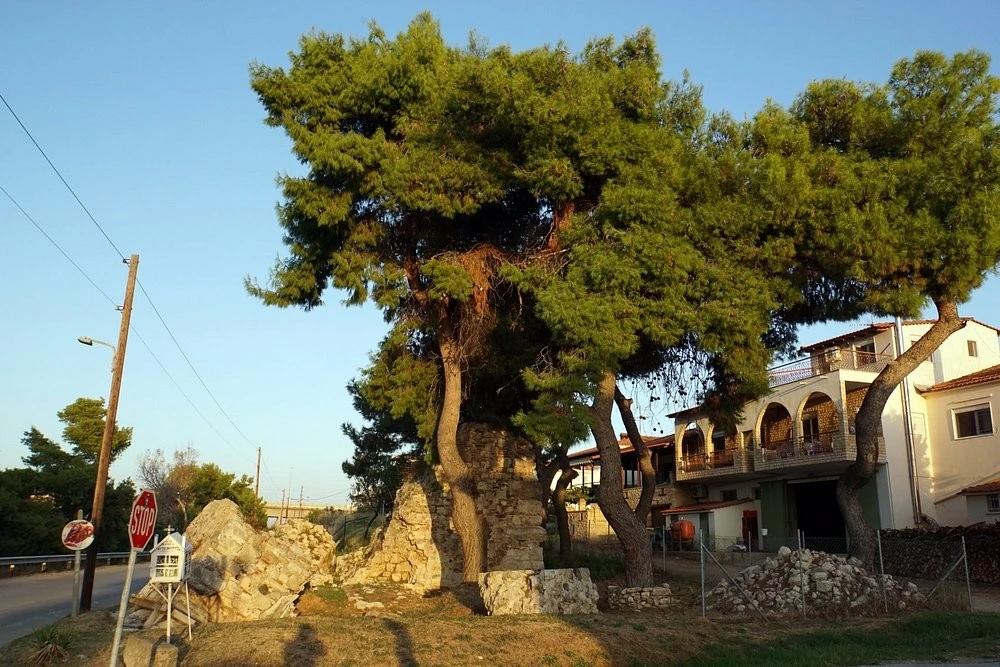
Potidaea - the city of Poseidon. Today, the site of Potidaea is occupied by the village of Nea Potidaea in the municipality of Nea Propontis in the Chalkidiki district of Central Macedonia.
Potidaea was located on the narrow isthmus of the Pallene Peninsula in Chalkidiki, controlling access to the fertile lands and sea routes of the northern Aegean Sea. The city was founded by people from Corinth, but later came under Athenian influence, making it a lucrative target for both warring parties.
Herodotus writes that the Persians suspected the inhabitants of Potidaea of plotting a rebellion. The pretext was clear signs of disloyalty and rumors of collusion between the Potidaeans and other Greeks.
Artabazus decided to play it safe and moved his troops to besiege the rebellious city. This occurred in 479 BC. The Persians set up camp at the walls of Potidaea, waiting for the besieged to either surrender or make a fatal mistake that would allow them to storm it. Then something happened that sealed the city's fate in the most incredible way.
The Persians noticed an unusually strong ebb tide. Herodotus specifically emphasizes: the sea had retreated much further than ever before. A huge swathe of seabed suddenly became exposed, revealing a dry path to the walls. 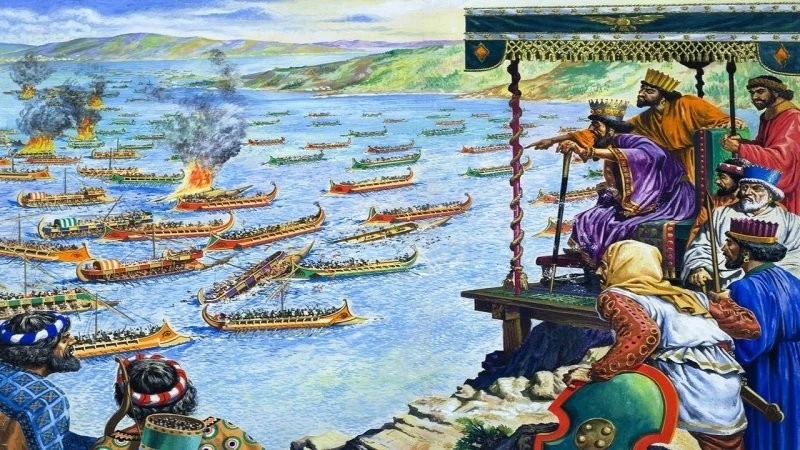
Thinking the gods would grant them an easy victory, the Persian warriors rushed across the newly exposed seabed to attack the city from an unexpected direction. And then, without warning, the sea returned. But this was no ordinary tide, but a monstrous wave of water that crashed onto the shore with furious force.
Herodotus describes it as a huge wave that washed over the exposed seabed and engulfed many Persian soldiers. Those who couldn't swim faced certain death. The fury of the water caused a monstrous crush and enormous losses. The assault was drowned, literally and figuratively, almost before it began. 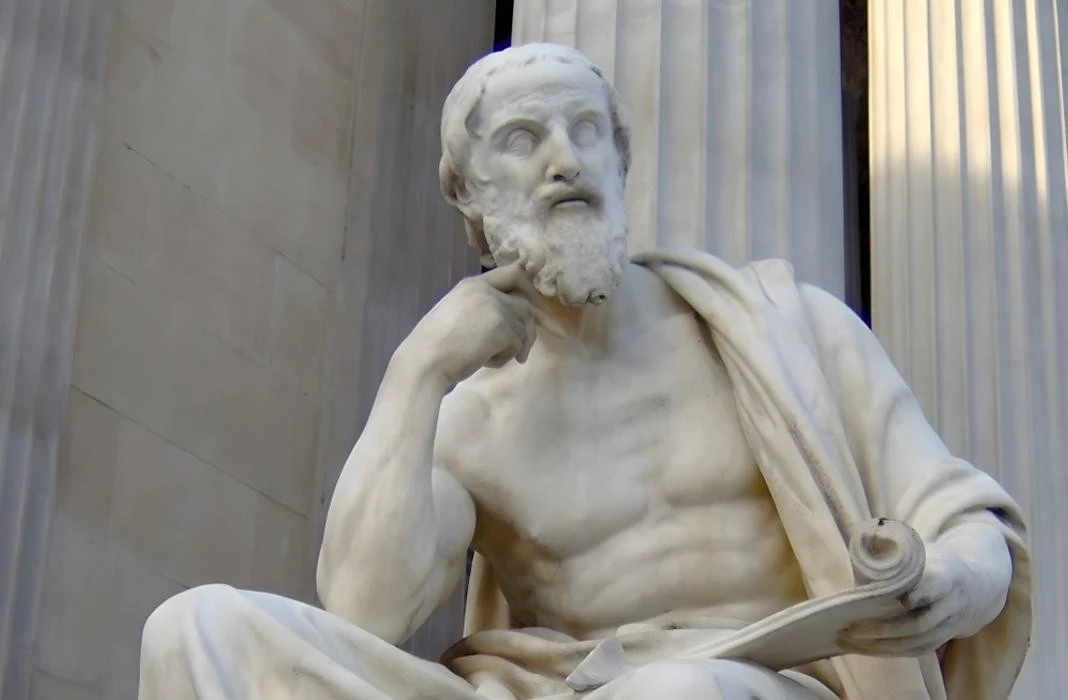
Herodotus
Herodotus' description perfectly matches the classic picture of a tsunami: first the sea retreats, then crashes onto the shore like a destructive wall. Of course, tsunamis have occurred before, but this is the earliest written evidence of such a phenomenon in human history.
Modern geological research confirms that a tsunami in those areas is quite possible. It could have been caused by an underwater earthquake in the Aegean Sea. This region is still seismically active today. The narrow coastline of the Thermaic Gulf and the Chalkidiki peninsulas could greatly amplify the power of such a wave. 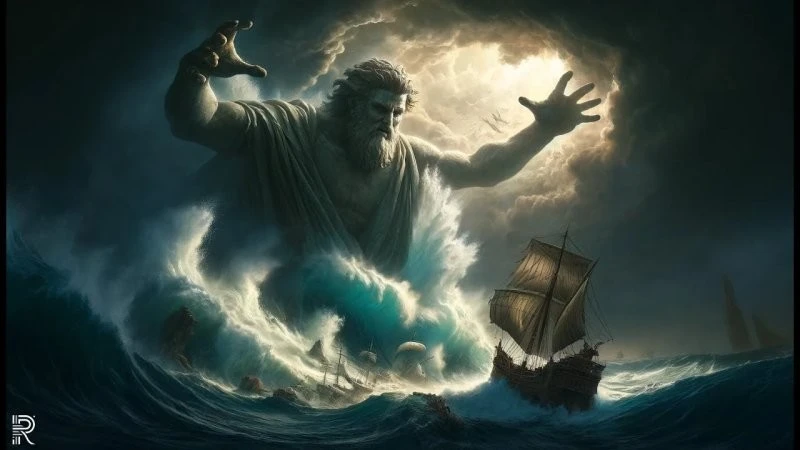
For the Greeks, however, what happened was no accident. Herodotus directly calls it divine retribution. Earlier in their campaign, the Persians had desecrated the temples and statues of Poseidon. And now the god of the seas and earthquakes, whose trident crushes rocks, unleashed his wrath on the sacrilegious deeds, revealing his power.
This story is astounding. A rare and catastrophic natural phenomenon struck at precisely the moment and place where the enemy was most vulnerable. The city, hanging by a thread from destruction, was saved not by reinforcements or military stratagem, but by a sudden and furious onslaught of the sea. 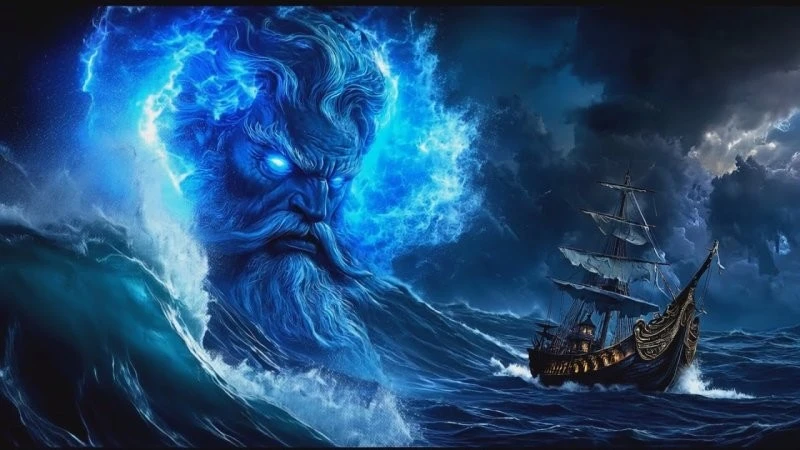
After the failure of the siege, Artabazus broke camp and retreated. Potidaea defended its freedom and even managed to send 300 of its soldiers to the army of the Greek Alliance, which soon clashed with the Persians at Plataea.
At the Battle of Plataea, Mardonius's land army was utterly routed by the combined Greek forces led by Sparta. That same day, the Persian fleet suffered a second crushing defeat at Cape Mycale in Asia Minor.
These two blows finally broke the Persian power on mainland Greece and put an end to the greatest invasion in ancient history.