How New Zealand Loggers Taught Rivers to Work for Them (10 photos + 1 video)
The Kaueranga Valley on New Zealand's North Island was once covered in centuries-old kauri forests. 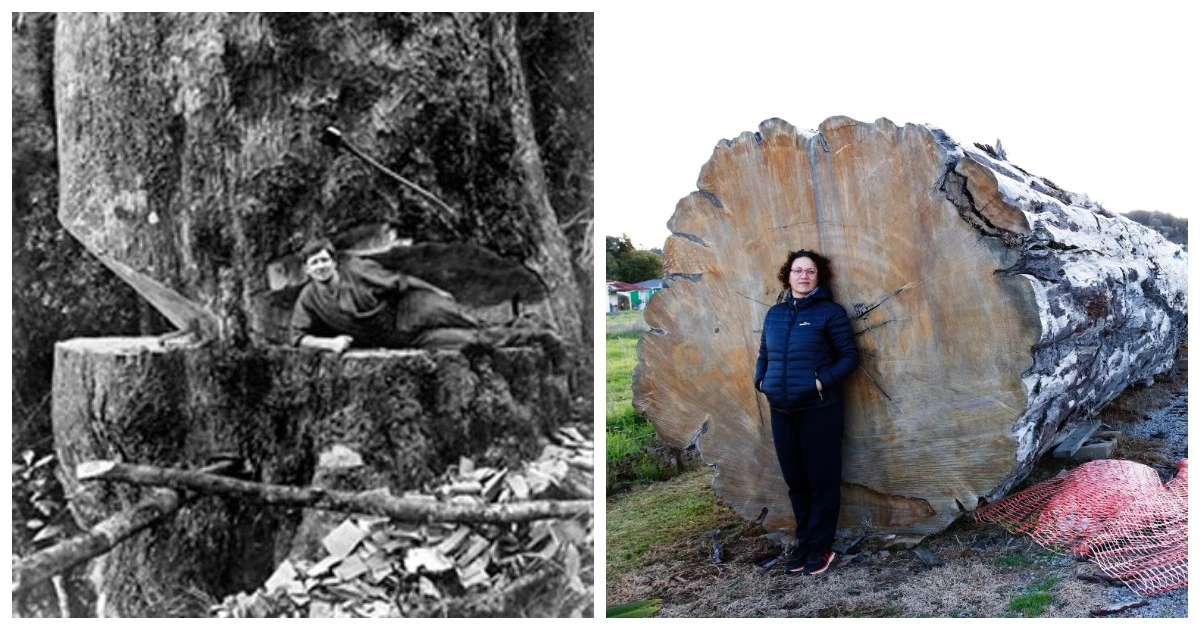
These trees were stunning: enormous, with arrow-straight trunks several meters thick. 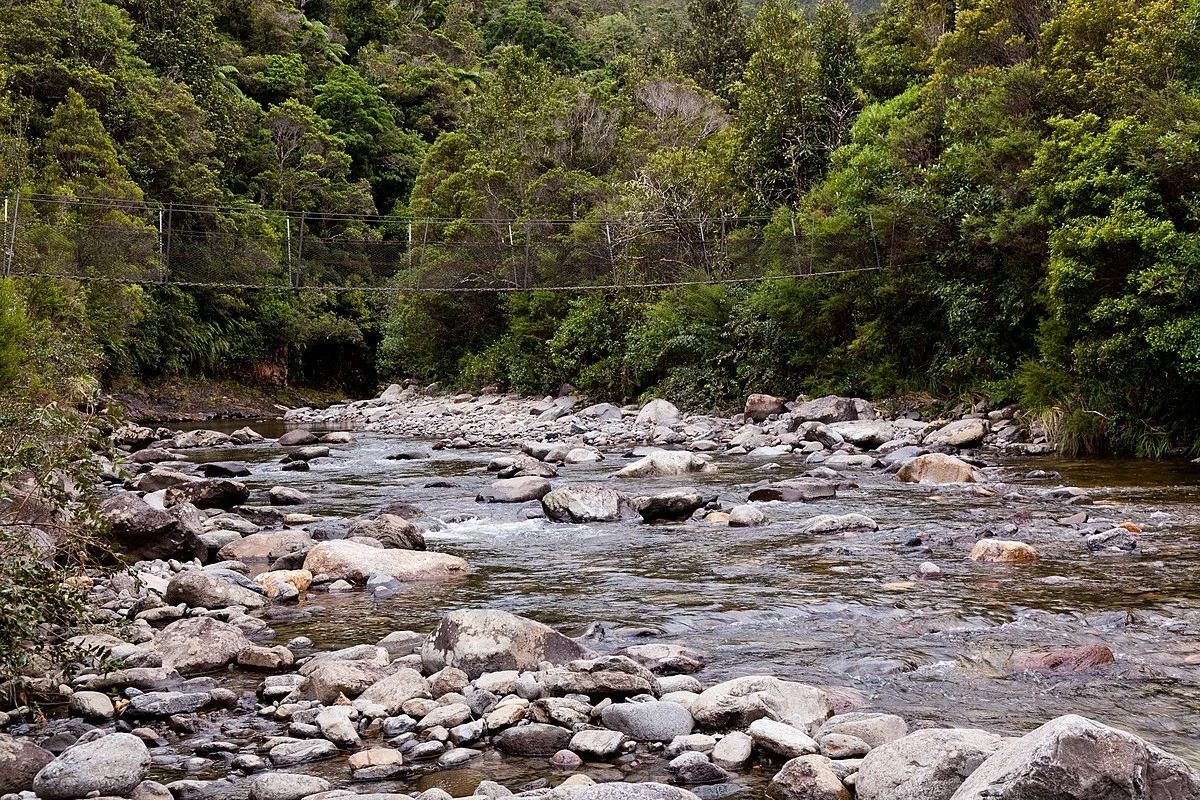
Kauaeranga Valley
The first Europeans to set foot on these shores quickly realized that kauri tree trunks made excellent masts and yards for sailboats. Carpenters and shipbuilders soon recognized the local wood as superior: strong, resinous, knot-free, easy to work, and resistant to nails. 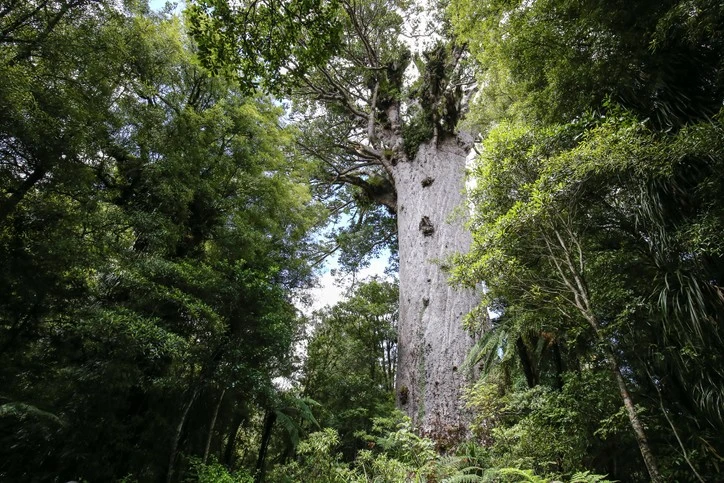
New Zealand kauri, or Agathis australis, is one of the oldest species of conifer.
At first, settlers felled the trees that grew singly near the sea. But as kauri's fame spread and demand skyrocketed, teams of loggers ventured deeper into the forests. There, they hand-sawed the giants into boards for local use and export. The first ship carrying kauri left New Zealand in November 1820. 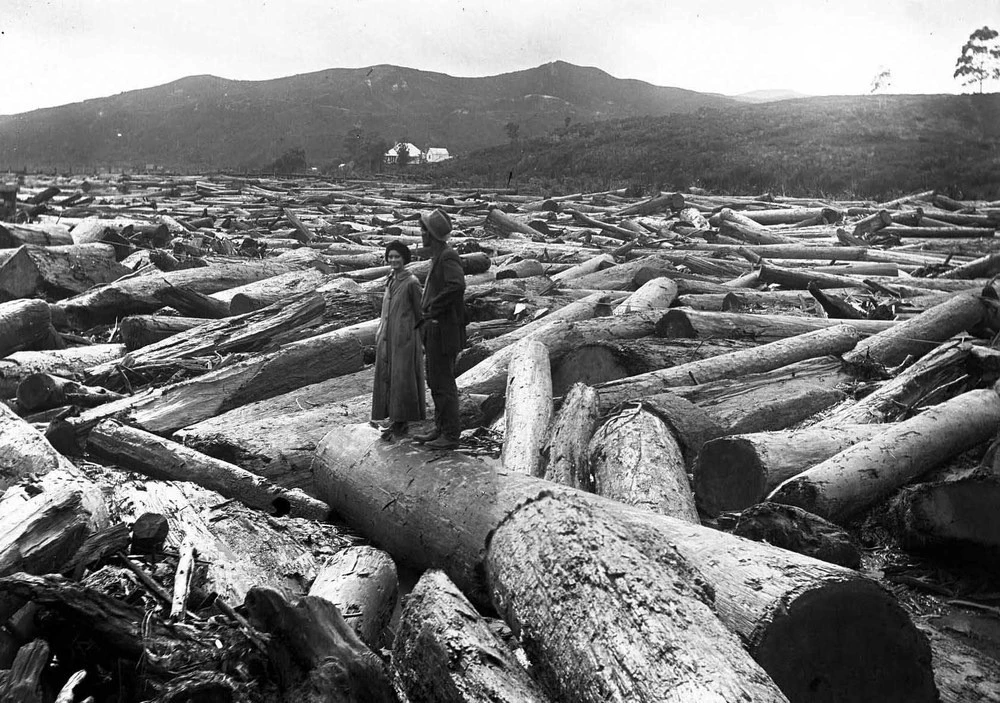
The virgin kauri forests then stretched for 1.6 million hectares, covering a good half of the North Island. But there was a snag: how to transport these colossi from a place with no roads, not even a decent trail? The nearest river was too shallow to move the multi-ton log. 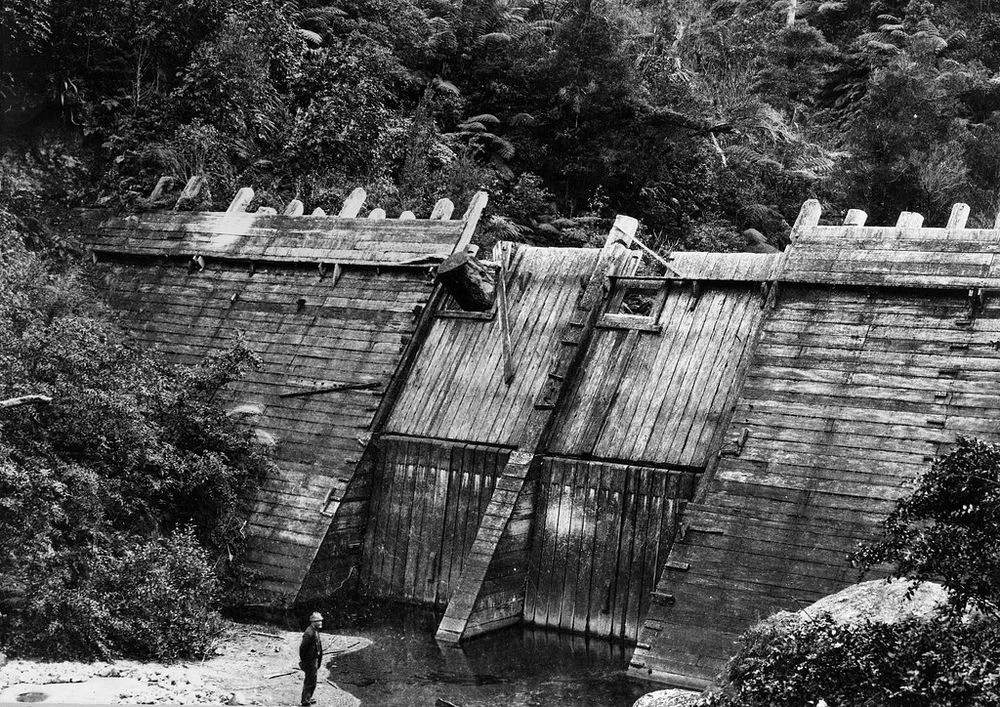
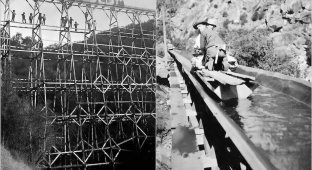
And then the loggers came up with a brilliant idea. They began building wooden dams on forest streams to store water. Filling such a reservoir could take a year or more. And when enough water had accumulated, and hundreds of fallen tree trunks lay in the riverbed below the dam, a special person would pull a rope. The gates would open, and millions of liters of water would cascade down with monstrous force, carrying the trees with them. One of the most powerful rafting events of the 1920s saw 28,000 tree trunks sent down the river at once. 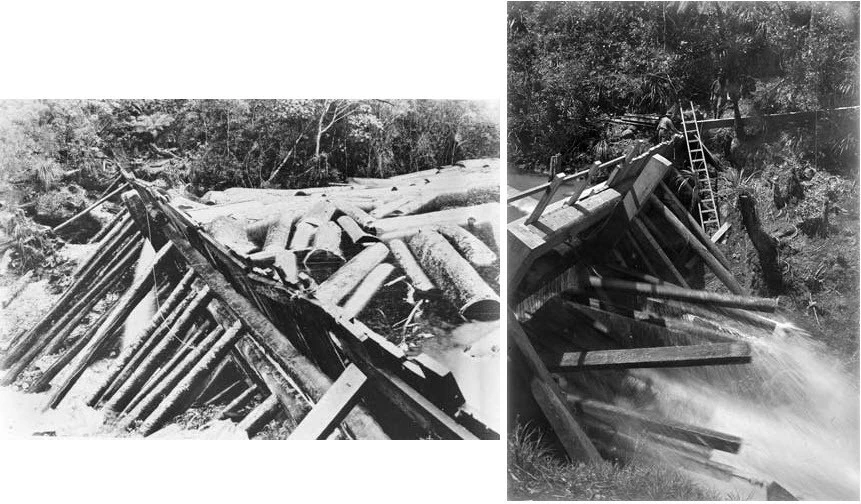
Often, several dams on adjacent tributaries would be opened simultaneously to combine their power into a single flow. It was an impressive and terrifying sight. The water and logs swept away everything in their path, turning the forest into a mess, but they also allowed access to timber in places where no machinery could reach. 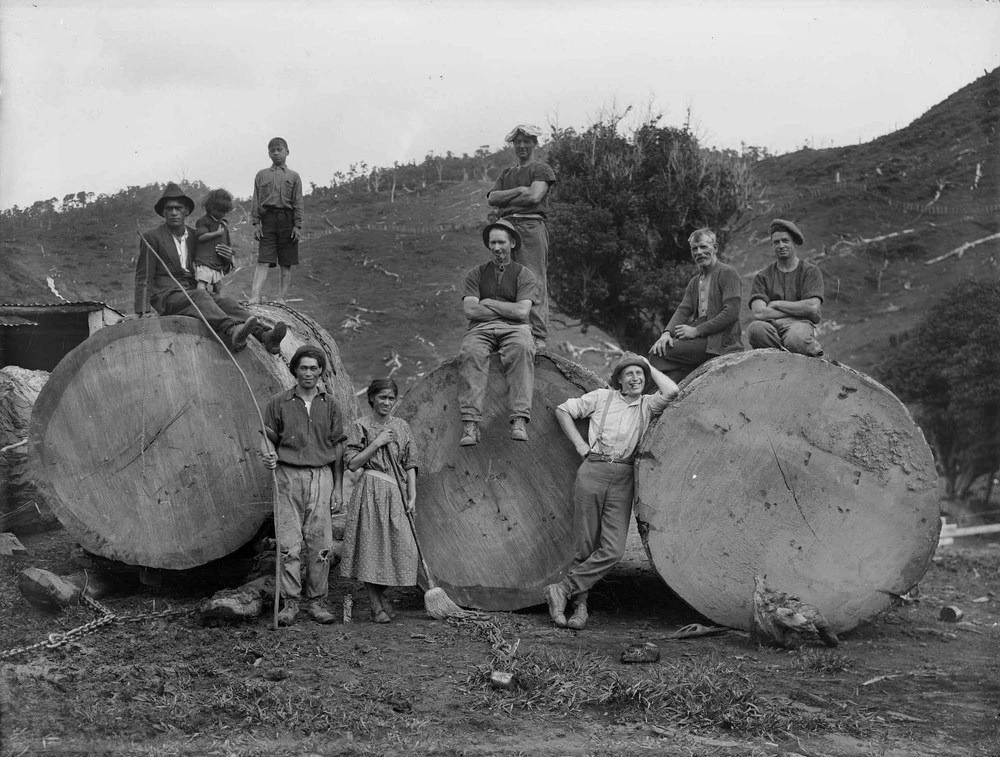
Kaurie logging crew, circa 1840
The engineering marvel of these dams is that they were built without a single blueprint or complex calculation, by eye and experience passed down from father to son. Nevertheless, they withstood the pressure of thousands of tons of water for years. Dam technology was brought to New Zealand by Canadian loggers as early as the 1850s, but local craftsmen perfected it, inventing a clever reusable gate design. 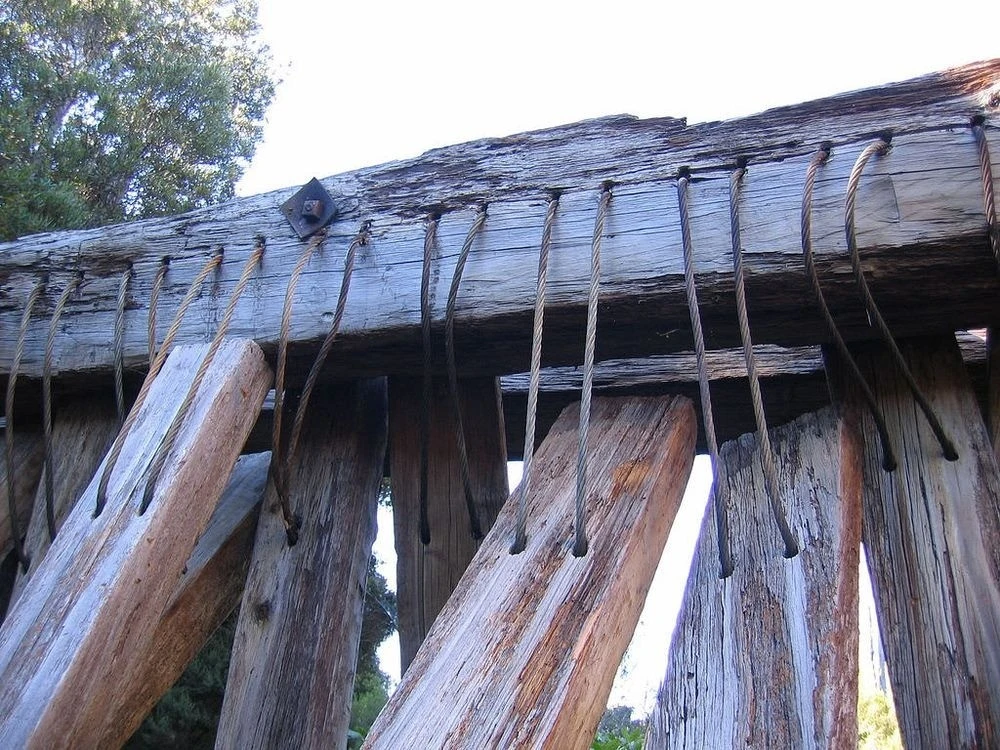
At one time, there were about three thousand such dams across the country. The last one was built in the late 1930s. Then the forestry industry declined, the dams rotted, collapsed, and disappeared. Now only a few remain: silent witnesses to the time when man declared war on the forest and almost won. 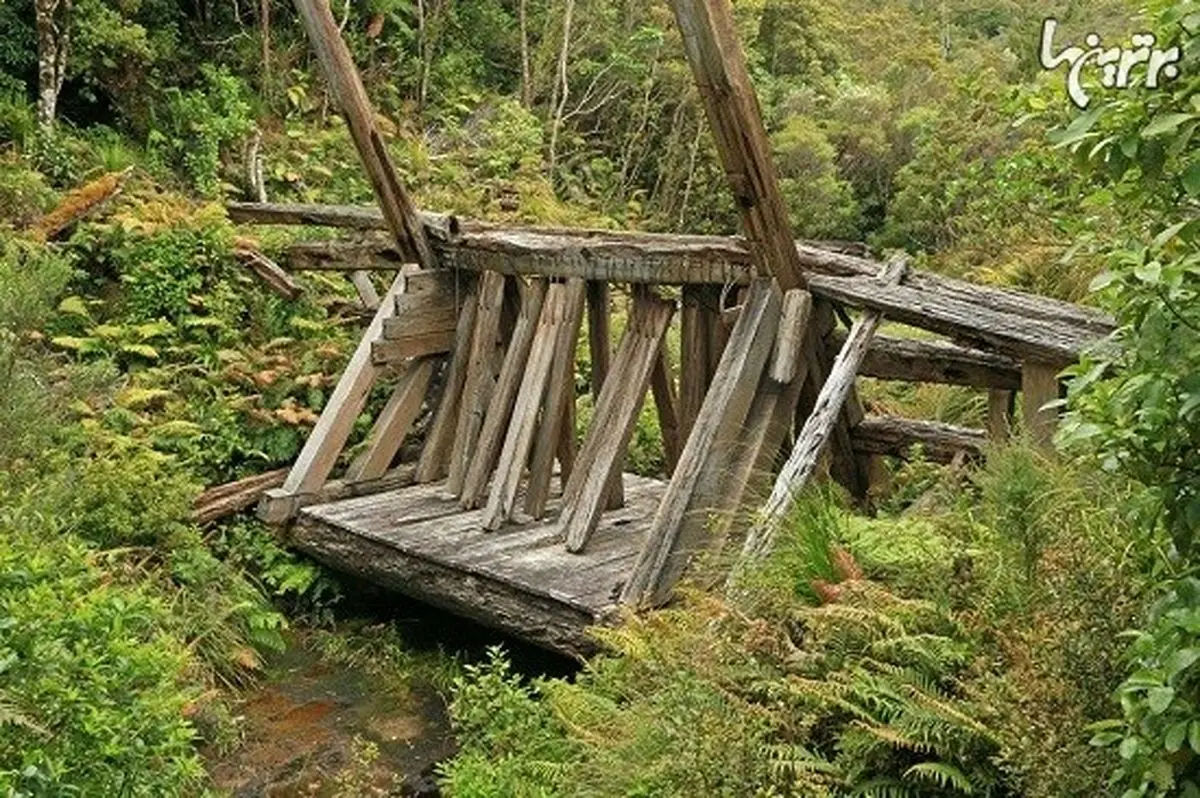
Dancing Camp Dam
Forests, fires, and clearing for grazing have taken their toll. Of the former 1.6 million hectares of virgin forest, barely 7,000 remain today. One of the last remaining dams is Dancing Camp, built in 1924. It stands in the Coromandel Forest Park and can still be reached by foot. More than 9,000 meters of kauri were used to build it. That's enough to build three three-bedroom houses. 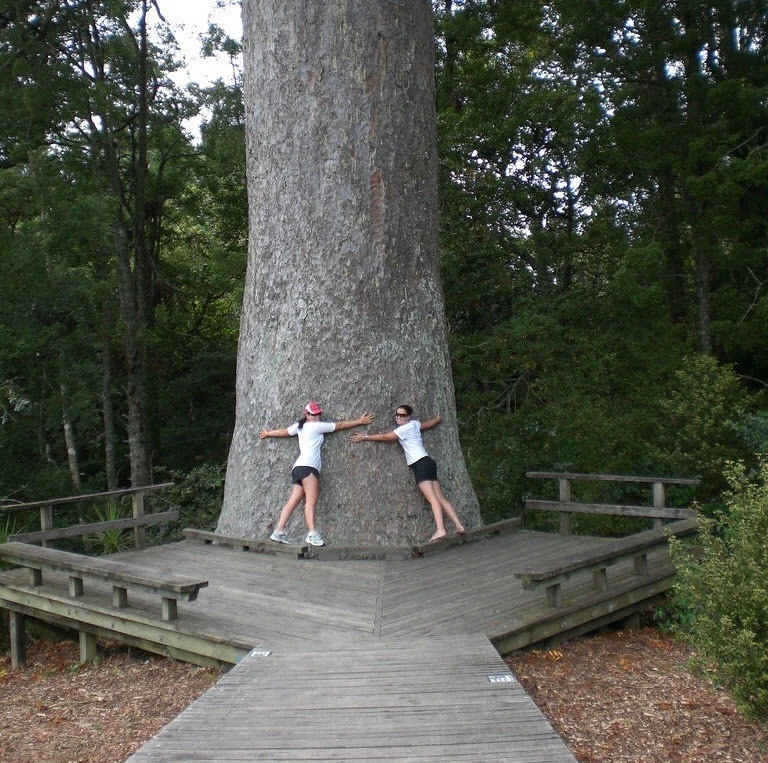
Giant kauri tree in Warkworth, New Zealand