All these mechanical/bionic prosthetics are complete crap, to be honest. They're expensive, heavy, incomplete, and energy-hungry. Biological prosthetics are a whole new ballgame—that's the future! And I'm not alone in thinking this; even fish agree. Their prosthetics are superior to human ones in every way, with only one drawback—they're just too persistent. 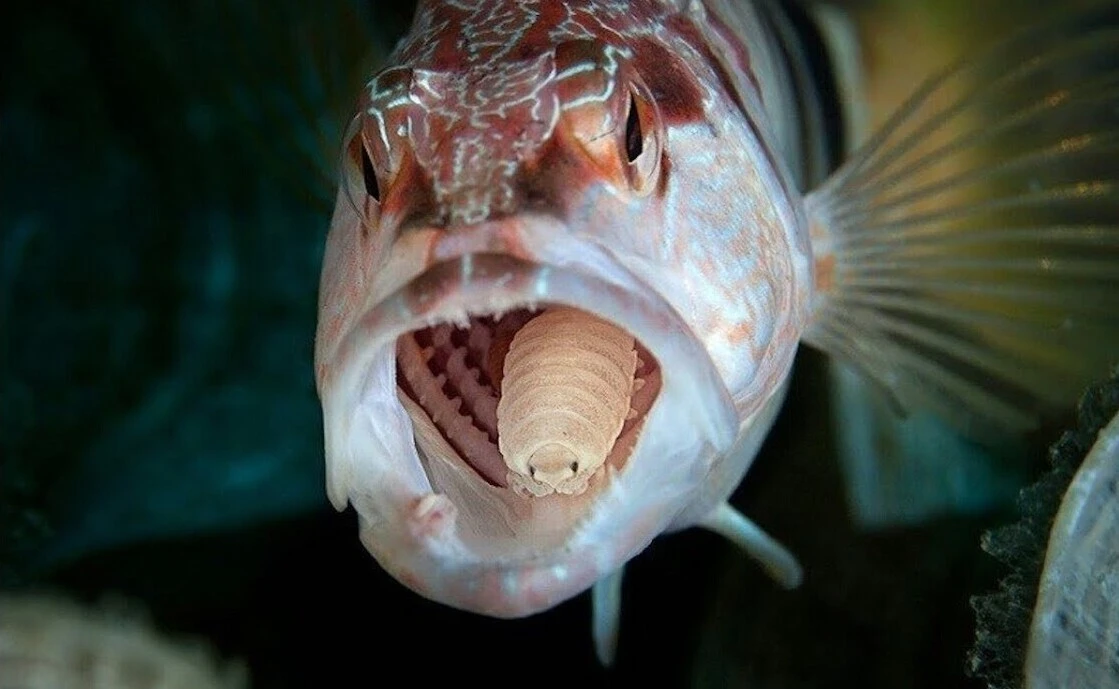
Here's an ordinary, average fish with a tongue swimming along the west coast of North America. And a tongue louse swims by. It realizes the fish has a tongue, so it crawls into its mouth and attaches itself. It might seem like a typical, nasty parasite, but it's not that simple. The real fun begins when the fish's tongue atrophies from lack of blood supply. 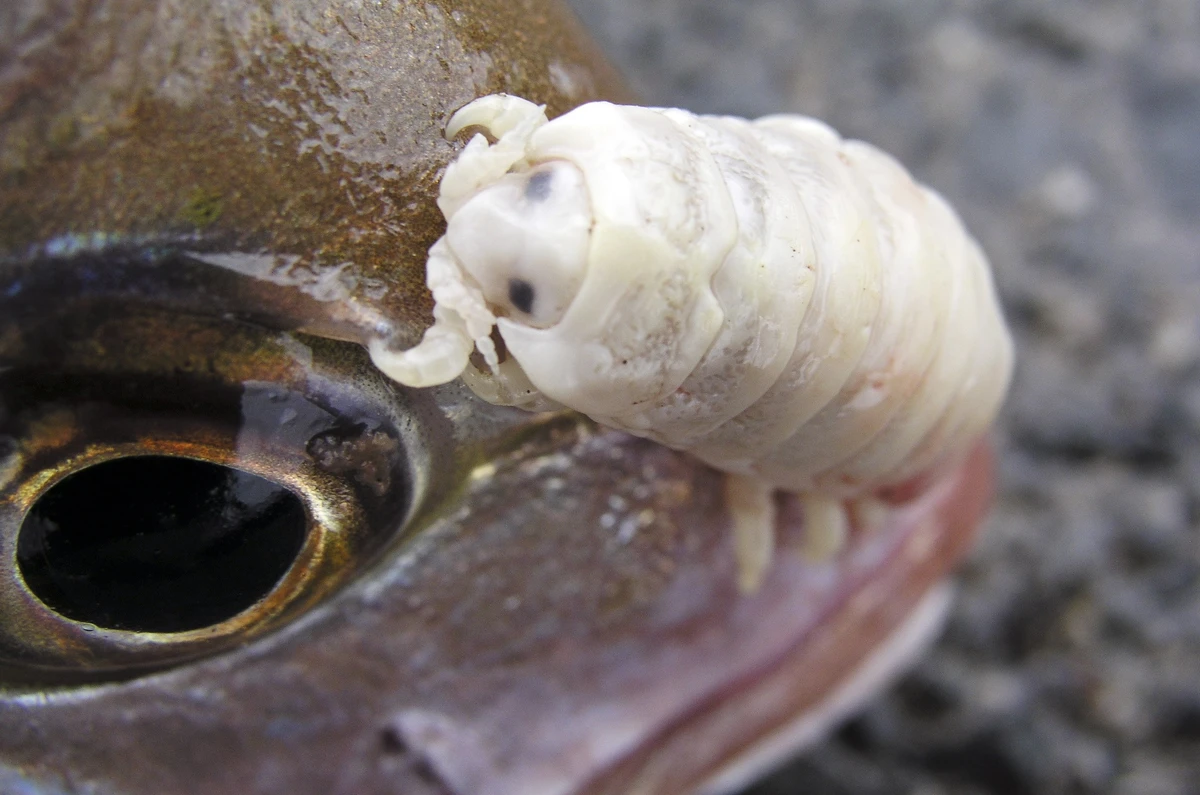
The woodlouse itself looks completely unpresentable, without the creepy claws or unpleasant growths typical of parasites.
Instead of escaping or dying, like any self-respecting parasite, the woodlouse takes the place of the withered tongue! Despite not fusing with the fish's nerve endings, the arthropod manages to mimic the movements of a real tongue with remarkable precision, completely taking over its functions. In exchange, it consumes some of the food and mucus from its host's mouth. No more blood! 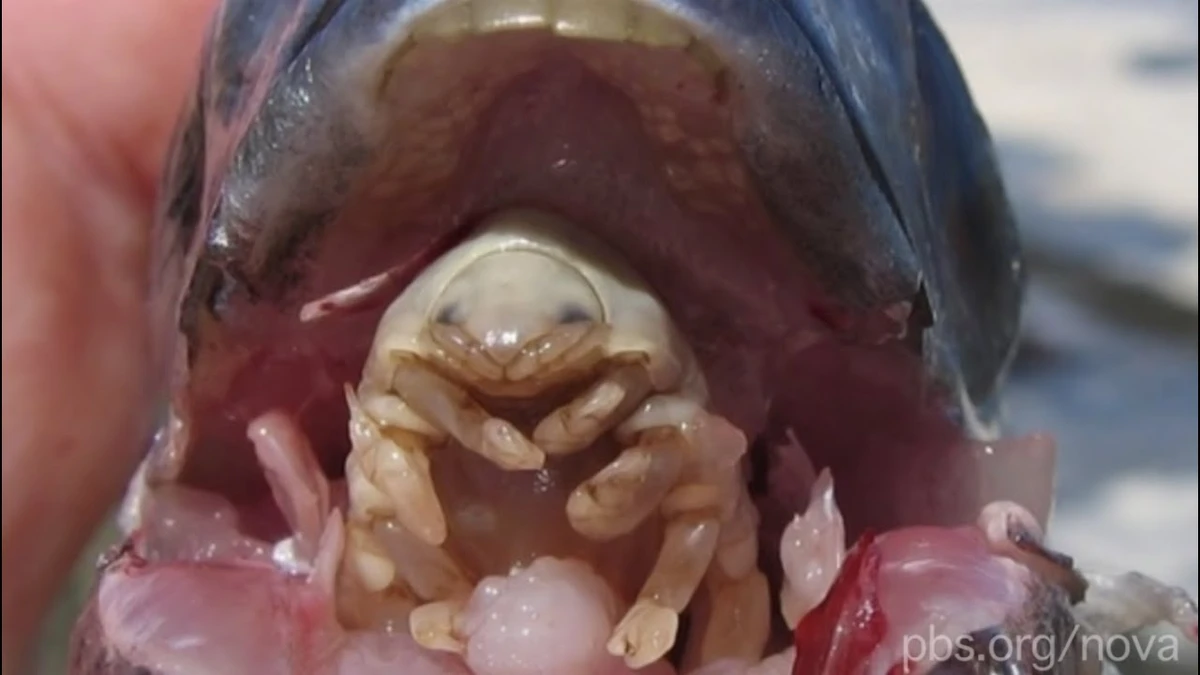
This is taken, find another tongue...
And you know what's most interesting? If the fish doesn't get an infection during the tongue replacement surgery, its lifespan and quality of life will remain unchanged AT ALL. For humans, with all our technology, this quality of prosthetics is an unattainable ideal. 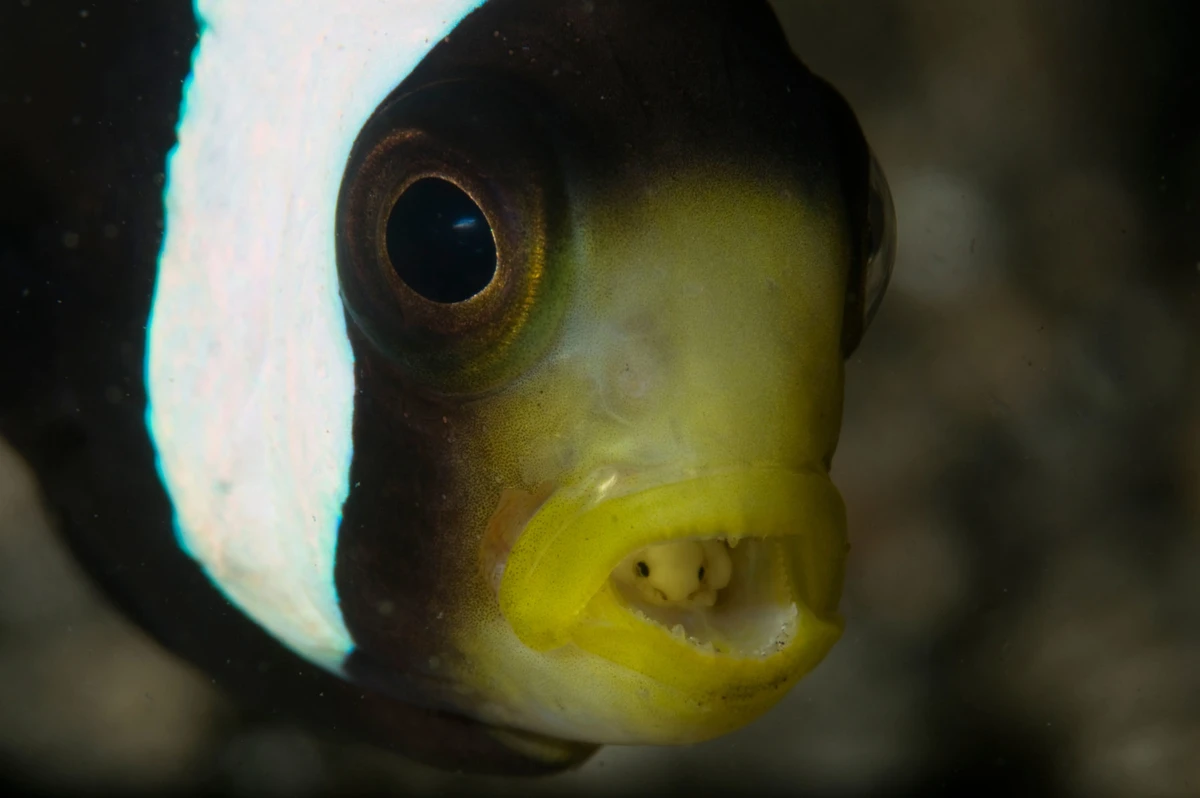
— Prosthesis, how are you doing, are you settling in? — Aha!
That's because the woodlouse is the perfect parasite. And the perfect parasite instinctively understands the cardinal rule of parasitism: the less harm you cause to your host, the higher your overall chances of survival and successful reproduction. And who knows, maybe in a dozen or so million years, the tongue louse will take the next step and become a symbiont?
Add your comment
You might be interested in:














20 Personal Photos of Celebrities That Ooze Vintage

Protective film Removing it with a power screwdriver

Global Sex Symbol: Rare Photos of Monica Bellucci (26
Animal Paws and Claws: 50 Photos That Will Surprise Even
Precision carpentry

America's Cheese Caves: How and Why the US Government
Fascinating Facts to Blow Your Mind (10 Photos)
Discover the Truly Unique: 27 One-of-a-Kind Items That
Straight Out of the '80s: Band Posters No One Would Ever
