Armored Catfish: Fish in Roman Legionnaire's Armor (7 photos)
You won't stumble upon armored catfish by accident, even if you live in South America. After all, they live in places no sane person would venture: large, stinking puddles, shallow, overgrown ponds, and the open waters of large swamps. 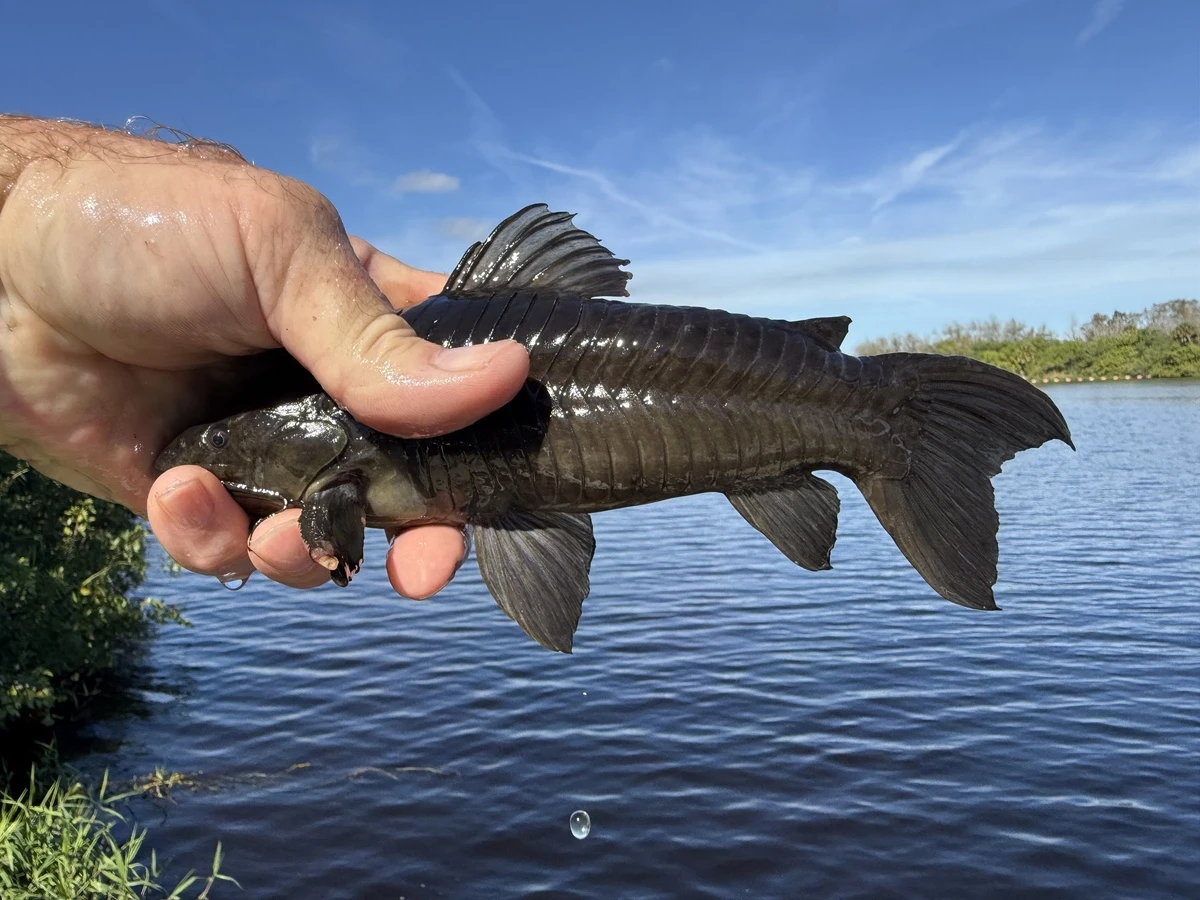
It's wonderful that you're writing. Can you let me go?
And even normal fish aren't thrilled by such beauty either – there's so much organic matter in these bodies of water that decomposing it takes up the lion's share of the oxygen – there's not much to breathe! But armored catfish have adapted: they swallow air bubbles, push them through their intestines, and breathe through their hindgut. It's effective, but I wouldn't want to repeat it. 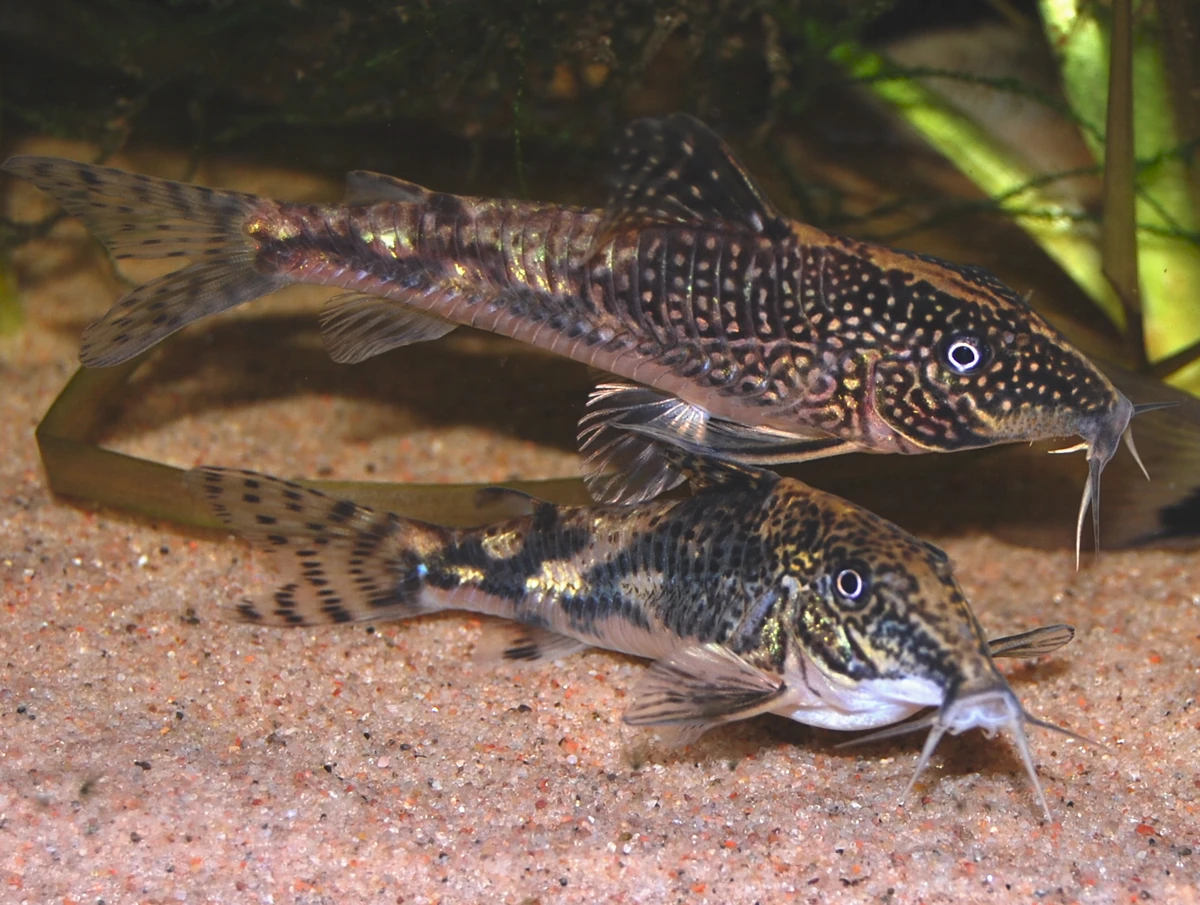
And we wouldn't want to breathe through our butts either. But life forces us to—it's not like we can stretch ourselves that way!
In such small, overgrown lakes, graceful forms and high speeds make no sense, so all the locals have become obsessed with camouflage or protection. Armored catfish, as you might have guessed, have chosen the latter approach. They abandoned small, flexible fish scales in favor of long, wide plates that, layered on top of each other, become plate armor, just like the Roman legionnaires. And it does its job perfectly. 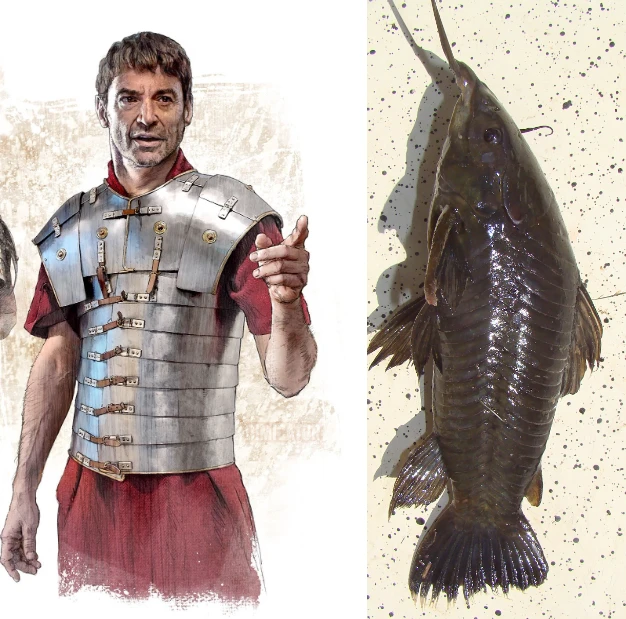
A pathetic copy and a unique original.
To survive and prosper, it's not enough to protect yourself—you also need to protect your offspring. That's why catfish have figured out how to build nests. They choose a spot with a sandy bottom, dig a hole in it, line it with seaweed, and then lay their eggs there. Not only are these eggs difficult for enemies to find and easy for the parents to protect, but they're also very easy to fertilize. The fertilized egg rate approaches 100%, which is comparable to human aquafarms, not wild fish populations. 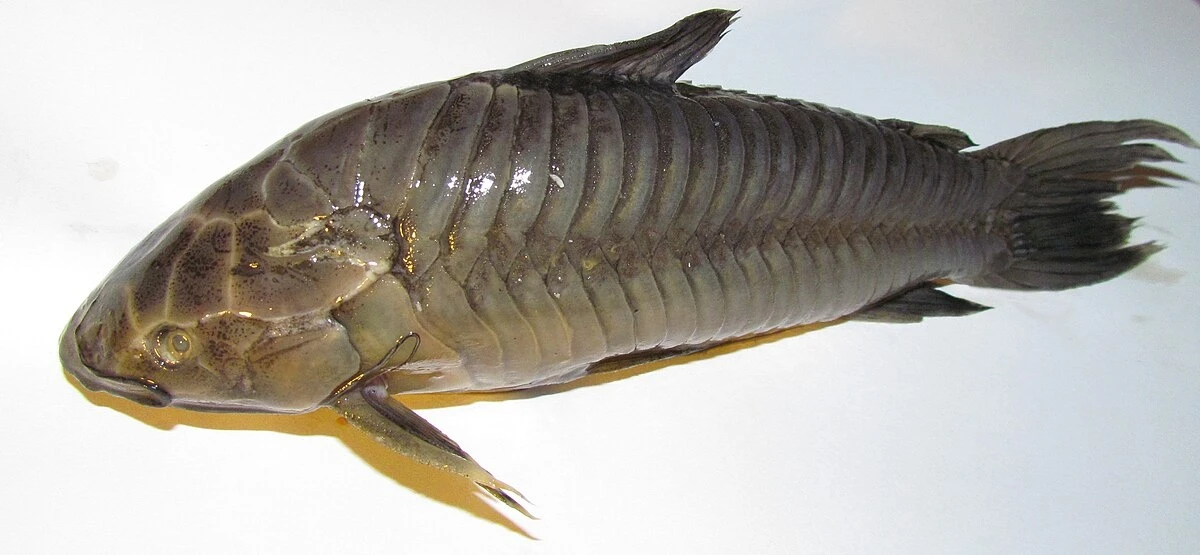
What are you going to do to me? I'm wearing heavy armor!
But for some, even such architectural excesses aren't enough. Armored catfish of the genus Hoplosternum have gone further, building true floating nests, perfectly camouflaged and invulnerable to bottom-dwelling predators. These nests are essentially spheres woven from aquatic plants, containing eggs and numerous air bubbles. These provide buoyancy to the nest and an additional oxygen supply to the eggs. 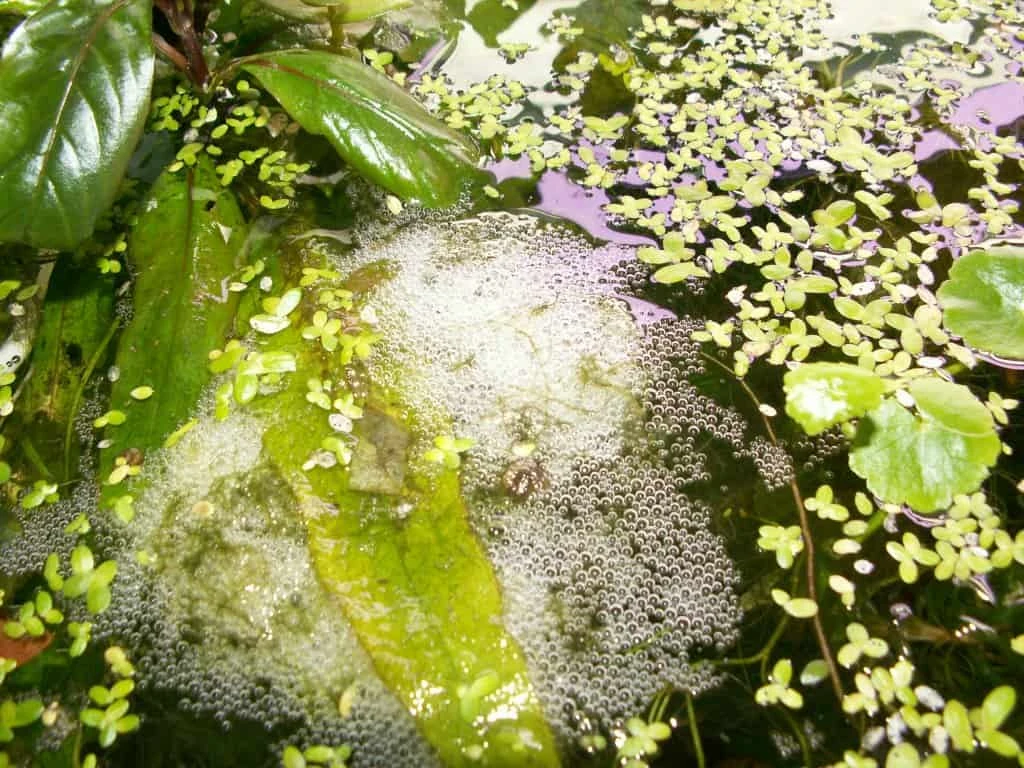
You'd never guess it was a fish nest if you saw one.
However, not all were able to adapt to the harsh conditions of the South American swamps. The Aspidoras genus, unable to withstand the competition for living space, fled to Brazilian caves. There, they freed themselves from predators and the need to hide their eggs, but paid for it with loss of pigmentation, food shortages, and a life in perpetual cold. These already small fish—no bigger than the palm of your hand—shrank to a measly 3-5 centimeters! 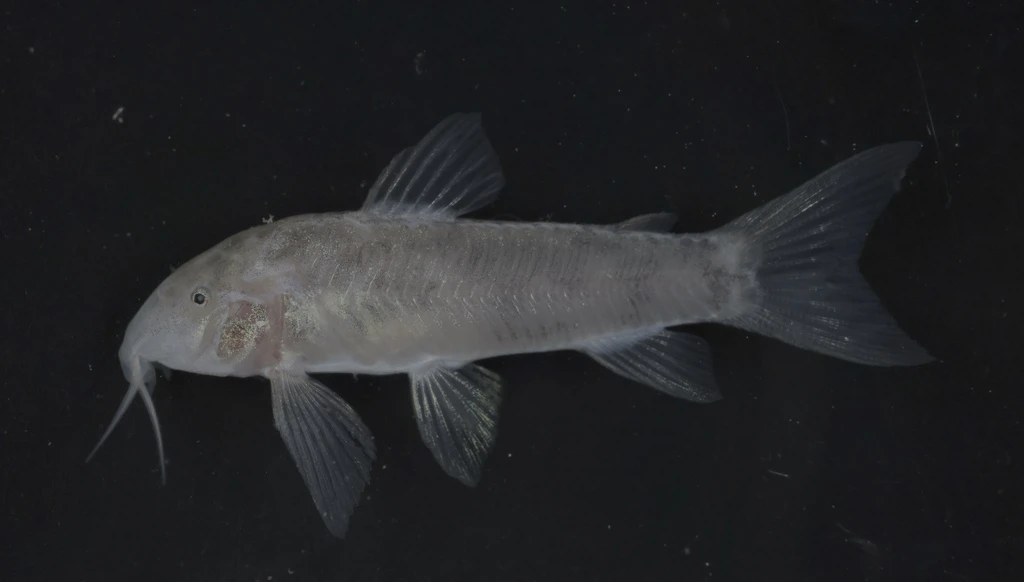
If I can't see, I can't be seen. Right?
And if, after looking at the photos and reading the articles, you've decided to buy yourself a couple of these armored fish, I have good news for you! Catfish are common in the aquarium hobby, come in a wide variety of scale colors, and are sold at very reasonable prices. You can buy representatives of almost any genera. Yes, even Aspidoras*! *But not cave aspidoras, alas. 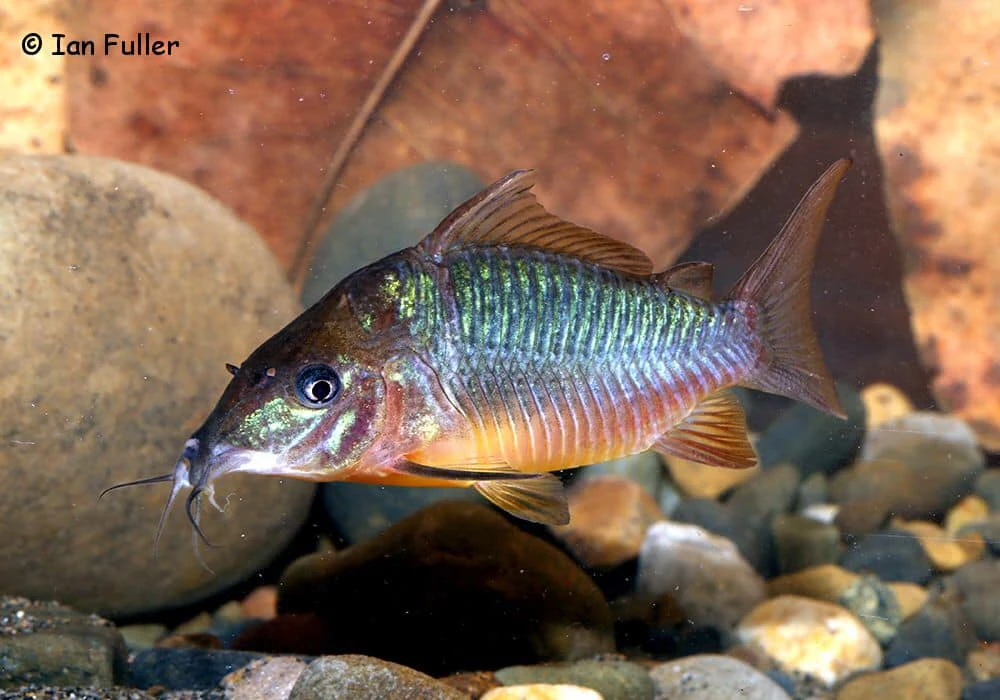
Would you like some metallic fish?