An invisible shrine on the Athenian Riviera (14 photos + 1 video)
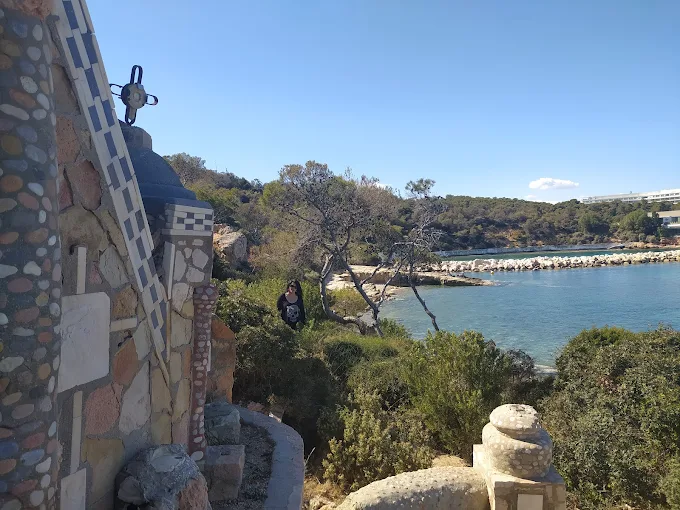
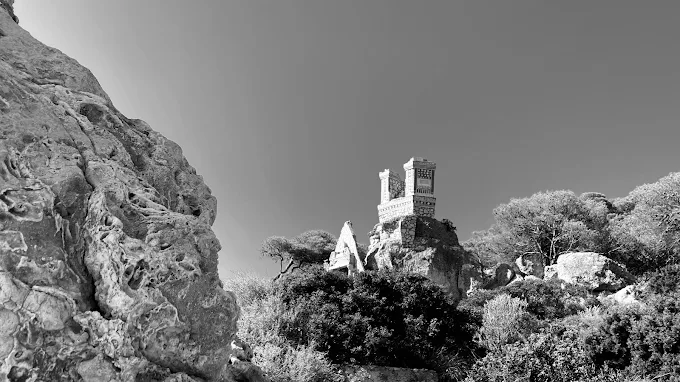
Nestled among the opulence of the prestigious Athenian suburb of Vouliagmeni lies a small chapel that's easy to miss. 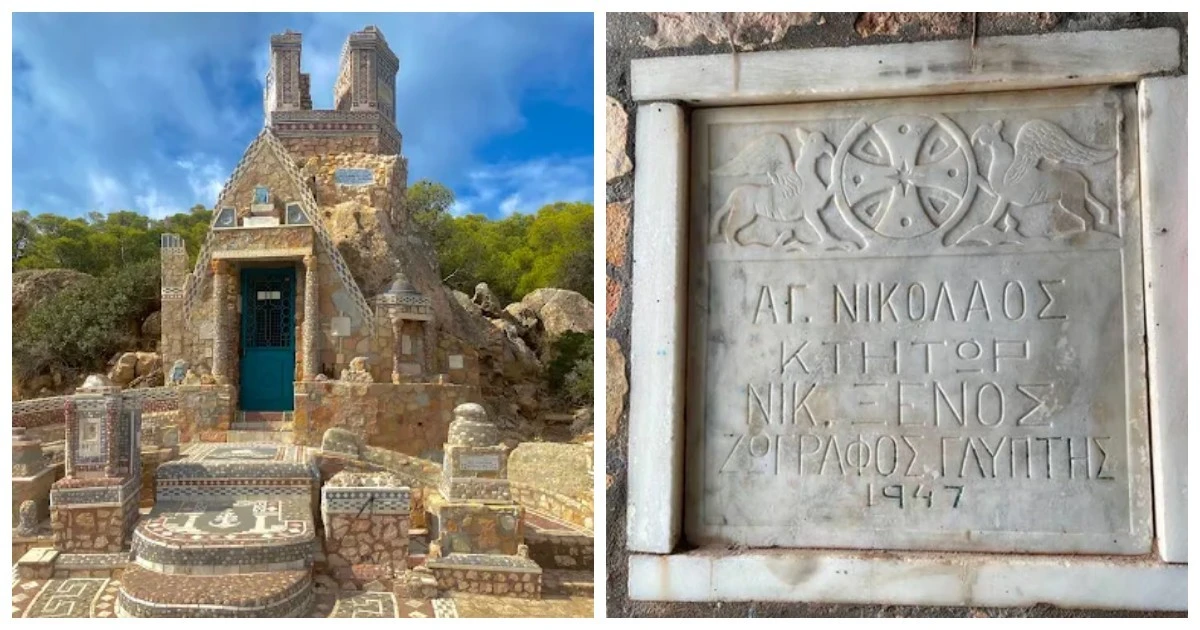
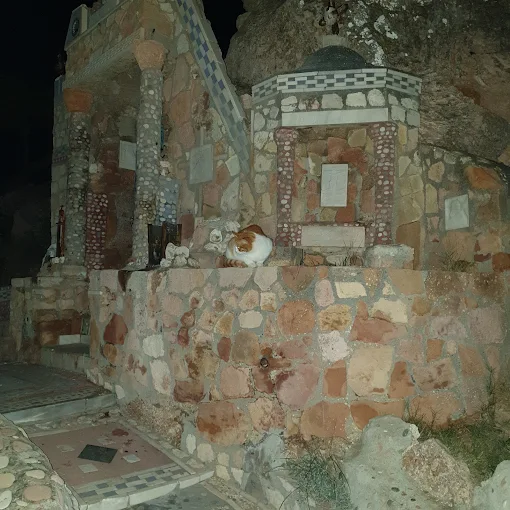
While most tourists flock to private beaches and luxury restaurants, this unique structure, lined with sea pebbles and adorned with hand-carved carvings, preserves a quiet history of faith and folk craftsmanship. 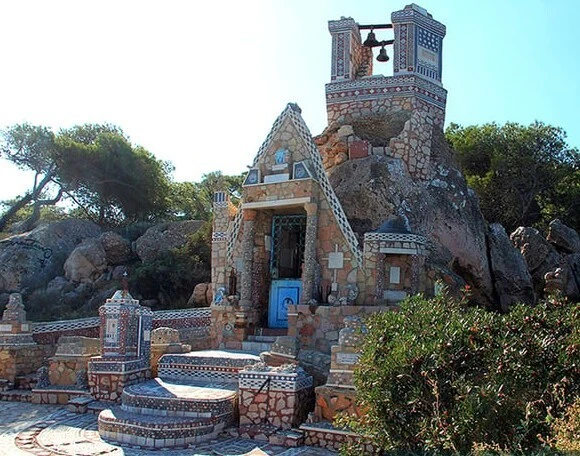
The Chapel of St. Nicholas was built between 1959 and 1962 by local resident Nikolaos Xenos, a mason and self-taught sculptor. According to local legend, he vowed to build the church in gratitude for the safe return of his son. 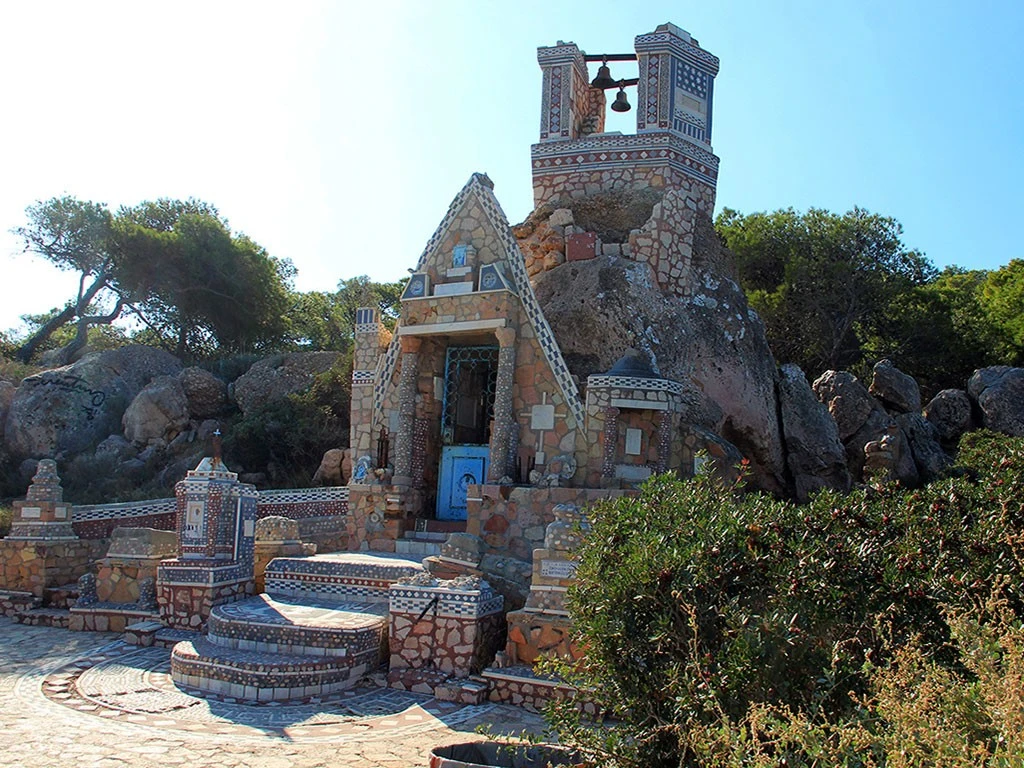
Materials, including pebbles and stone, were delivered by boat, and Xenos carried out the work almost single-handedly, creating a unique structure – a tiny but incredibly detailed temple, the interior of which is decorated with icons. 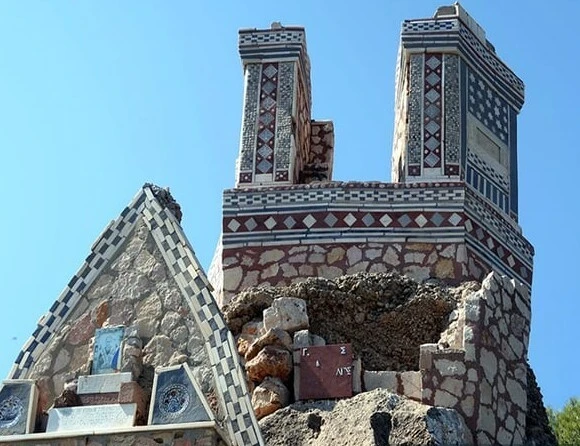
Its architecture is strikingly different from traditional Greek churches. The deliberately crude forms and naive frescoes with nautical motifs—anchors, fish, and boats—create the feeling of a folk tale. Like a lost artifact of the past, this chapel stands in stark contrast to the glossy world around it. 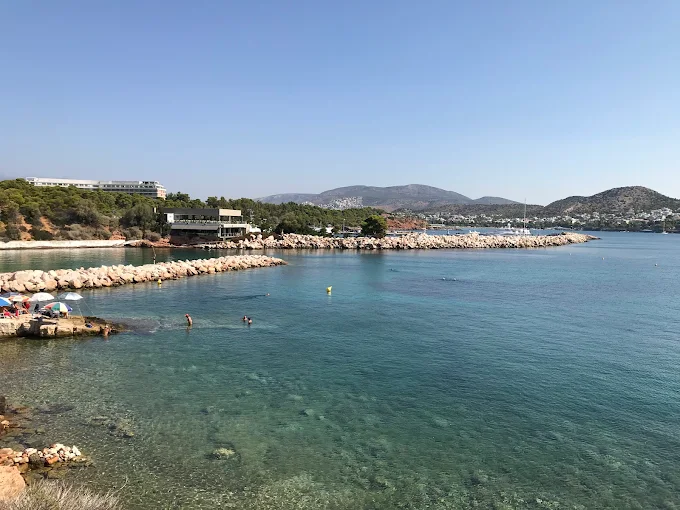
It's hidden at the end of a short path on Laimos Hill, at the very edge of the peninsula. Few people come here, as the main path leads further, to panoramic views of the Saronic Gulf and the islands. But those who take the turn will discover not just a chapel, but a monument to the perseverance of one man, who breathed soul into the stone and pebbles at the very edge of the sea. 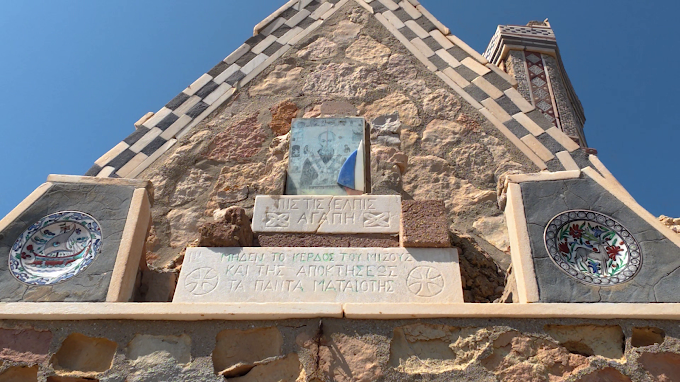
Inside and outside the chapel are several marble slabs with carved phrases:
ΕΡΓΟΝ ΚΑΙ ΑΓΑΠΗ ΠΛΗΣΙΟΝ ΔΙΑΓΓΕΛΙΑ ΤΟΥ ΧΡΙΣΤΟΥ ("Work and love for one's neighbor is the preaching of Christ");
GIORTES DIARKEIS APOGNOSEIS ("Idleness is constant disappointment" or, more accurately translated, "In idleness there is constant despair");
TIS MISIAS KAII TESI PEONEIAS KANIENA OPELOS OLAI MATAIOTIS ("There is no benefit from hatred and greed; everything is vanity"). 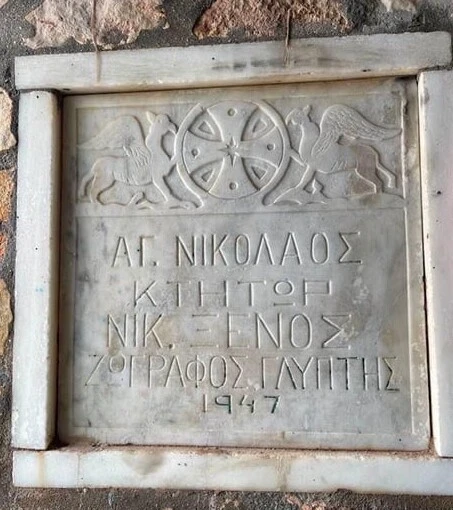
These inscriptions are key to understanding the personality of the creator, Nikolaos Xenos. They reveal his worldview as a deeply religious, hardworking man who saw physical creativity and active love as the highest form of service. The inscriptions serve as a kind of spiritual manifesto for his modest yet profoundly meaningful work. 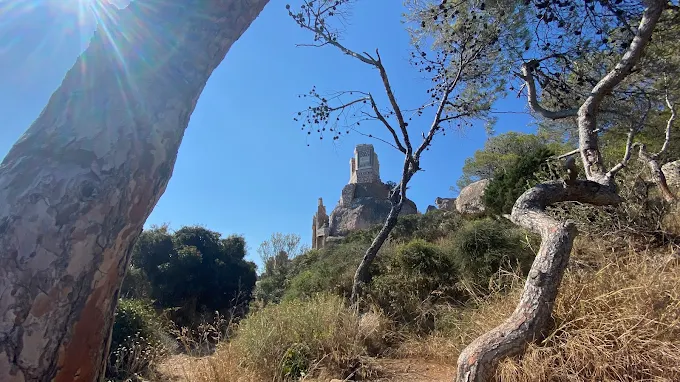
The chapel was first consecrated on December 5, 2021, followed by a service. The consecration was initiated by the Metropolitan of Glyfada. The chapel can now be used for weddings and baptisms. 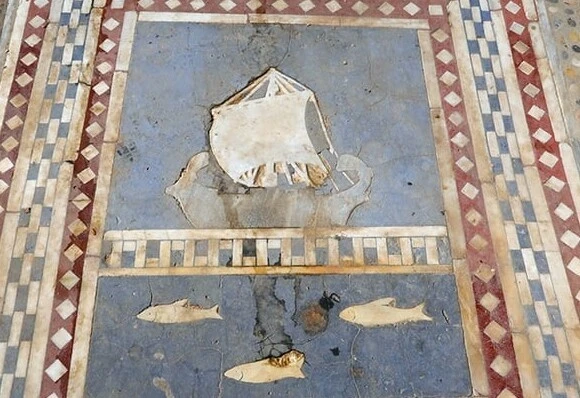
[thumb]https://cn22.nevsedoma.com.ua/p/29/2929/153_files/1_67b410c32dad4d5a155251a13ab89862.webp[/thumb ]
[thumb]https://cn22.nevsedoma.com.ua/p/29/2929/153_files/a25ad76cf72526575886efa7a3b03e4f.webp[/thumb]