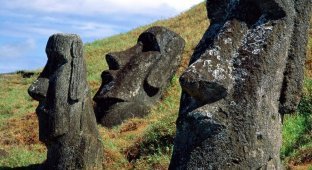
A Brief History of the Easter Island Apocalypse (5 photos)
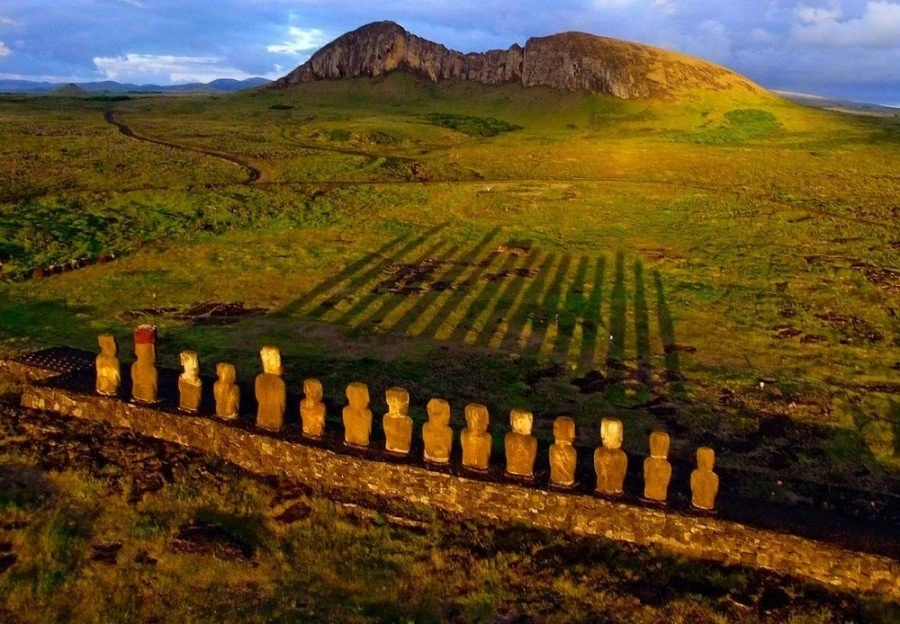
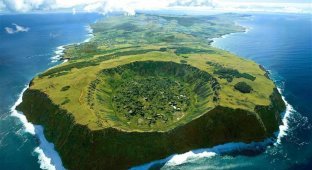
There's a beautiful and exotic place on our planet: Easter Island. Today, it's a virtually barren triangle of land in the middle of the Pacific Ocean, slightly larger than Kostroma. But it wasn't always this way, and about 500 years ago, this "backwater of the world" was the center of one of the most unusual civilizations in the world. 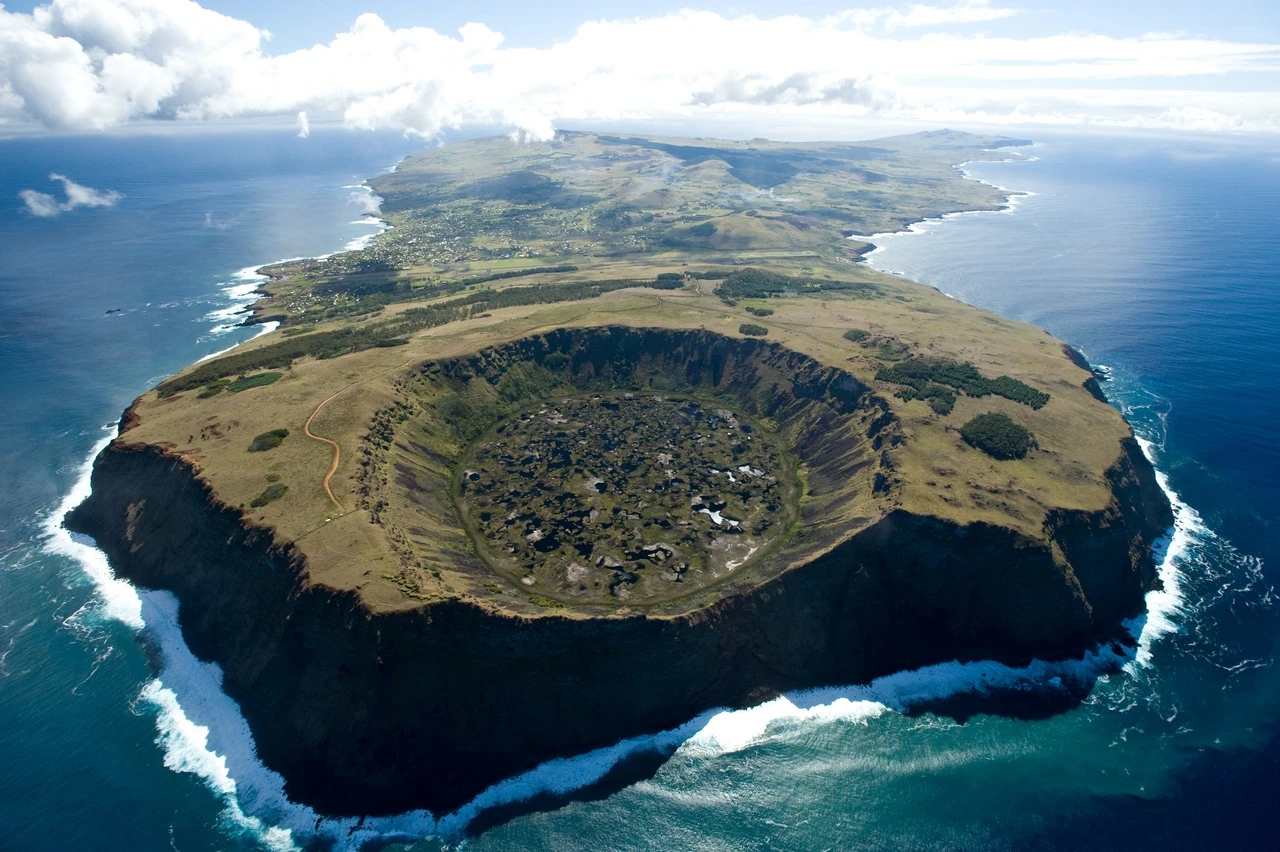
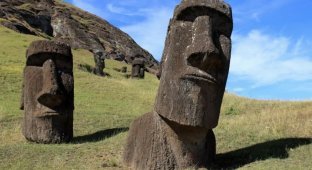
This civilization created its own pantheon, a unique writing system, and remarkable moai monuments, but then effectively self-destructed, and by the time Europeans arrived, only a couple thousand inhabitants remained on the island, having plunged back into the Stone Age.
How did this happen?
By the time the first settlers arrived, Easter Island was truly a paradise: palm trees, forests, birds, fish, small animals, fresh water—and all this happiness was completely free for everyone to settle, multiply, and develop. From the legendary hundred original settlers, the island's population grew to twenty thousand.
Their civilization was quite ordinary by human standards, but the island was quite far from its neighbors. 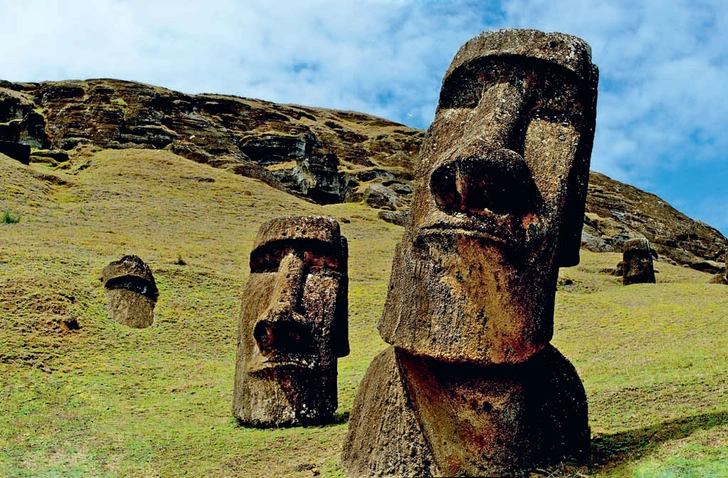
In short, these natives began to multiply, spread across the island, organizing into tribes under the leadership of chieftains and spiritual leaders.
If I remember correctly, their famous monuments had two purposes:
1. To beg the gods' favor in the form of good harvests. So, the worse the situation on the island, the more vigorously they built them.
2. To outshine their rival chieftains by demonstrating that their tribe was the richest and flourished under the wise leadership of its leader, favored by God. This, naturally, forced their competitors to build even larger and more impressive statues.
During their heyday, building statues, delivering them, and installing them at the customer's request was a profitable business, feeding individual groups of local residents. And all the timber reserves were used not for boring cooking, but for erecting such monuments.
By the time the islanders realized what they had done, there were no birds or wildlife left. The wind had blown the fertile soil into the ocean. The rapid reliance on seafood predictably led to the rapid depletion of the coastal waters. Sailing further in search of fish became impossible: there were no trees, and no new boats could be built! Leaving the island was also impossible, for the same reason. 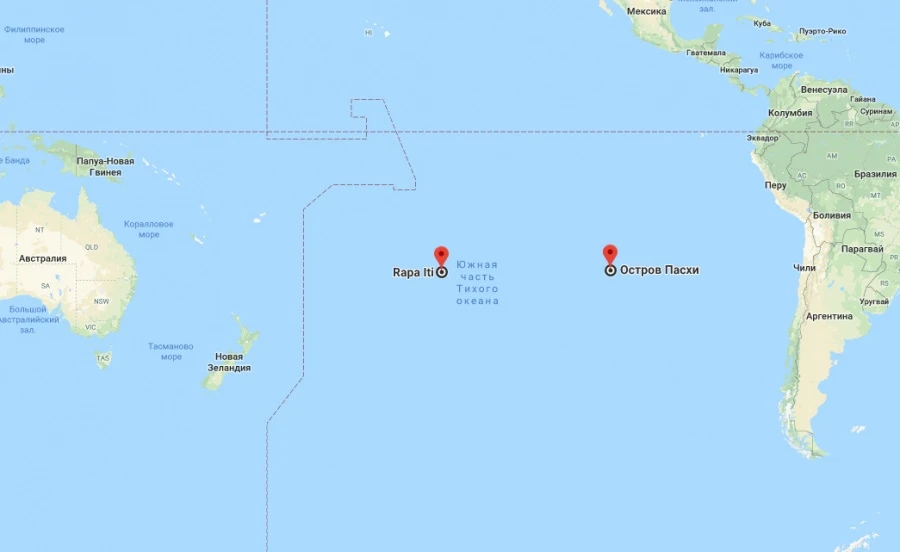
It was like in Hollywood movies: Earth's resources are running out and all efforts are thrown into the "last hope for humanity" project, only instead of a planet there's a small island, and instead of humanity, there are isolated tribes squabbling over the remaining resources. The situation is worsening: there's less and less land on which anything can grow, fewer fish and shellfish, and all the birds have been eaten. Neighboring tribes are, of course, to blame; foraging expeditions to neighboring lands end in much bloodshed but yield no results, save for a reduction in the number of hungry mouths and some reciprocal courtesy visits.
Young warriors, exploiting the general discontent, send the old chieftains and priests out on dry rations. The tribes disintegrate into smaller groups that happily wage war among themselves. The island had no external contact with its neighbors due to the lack of nearby islands. Migration and trade were therefore unable to remedy the situation. Fishing was ineffective due to the coastal features. 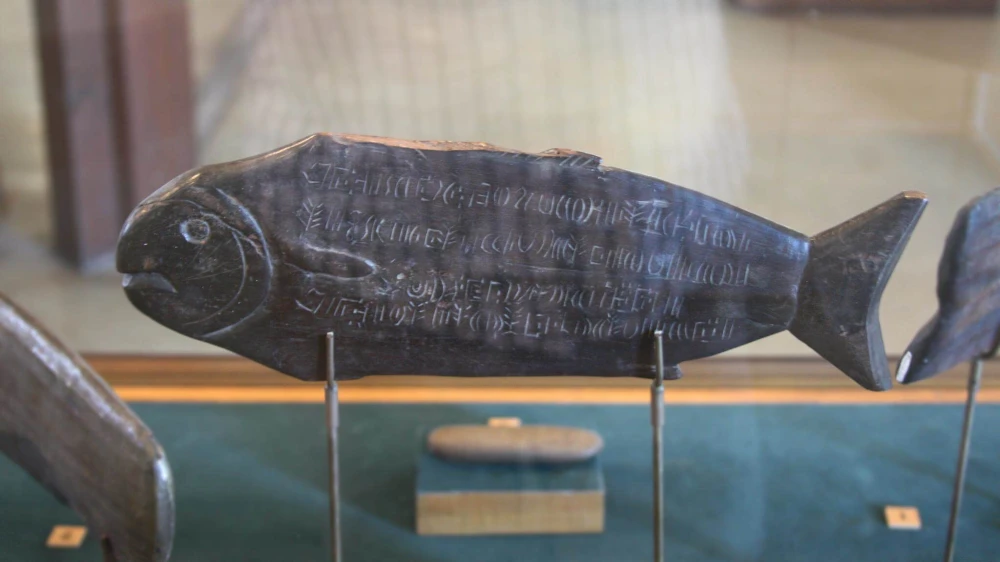
For the next two hundred years, the entire island's population engaged in warfare, cannibalism, and the redistribution of the remaining meager resources that could ensure survival. According to oral tradition, they first killed all the nobility, and then, settling in small bands along the coast, began a war of all against all, in the best traditions of Mad Max.
Ultimately, the colonizers discovered a deserted island with a completely savage population, which, however, could still tell something about its golden age and share rare artifacts.