The Architecture of Stubbornness: 7 European Houses That Have Been Trying to Fall for Centuries, But Don't (8 photos)
Ordinary buildings, no matter how well-built, look boring. But truly captivating are those structures that seem about to collapse, yet still stand and even serve people. 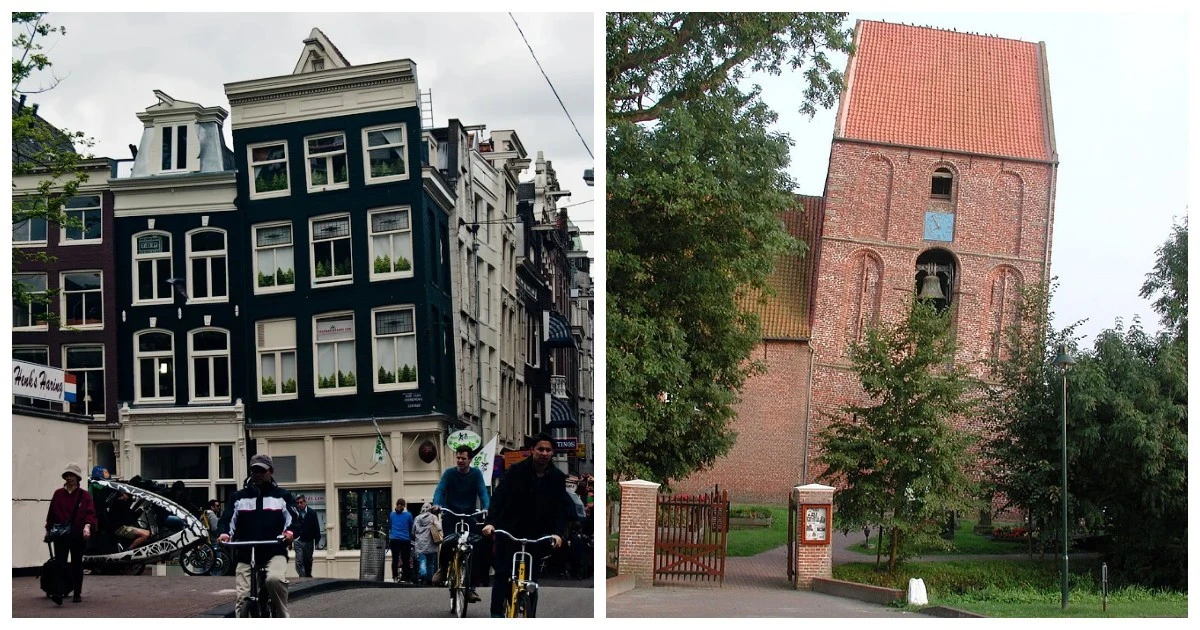
Yes, some bizarre tourist traps were intentionally built at odd angles. But far more captivating are those buildings that weren't supposed to lean, yet they do. The causes could be construction errors, soil movement, or simply the accumulated weight of years. But regardless of the cause, some buildings have become true, crooked masterpieces of architectural resilience.
1. Crooked House, Windsor, England 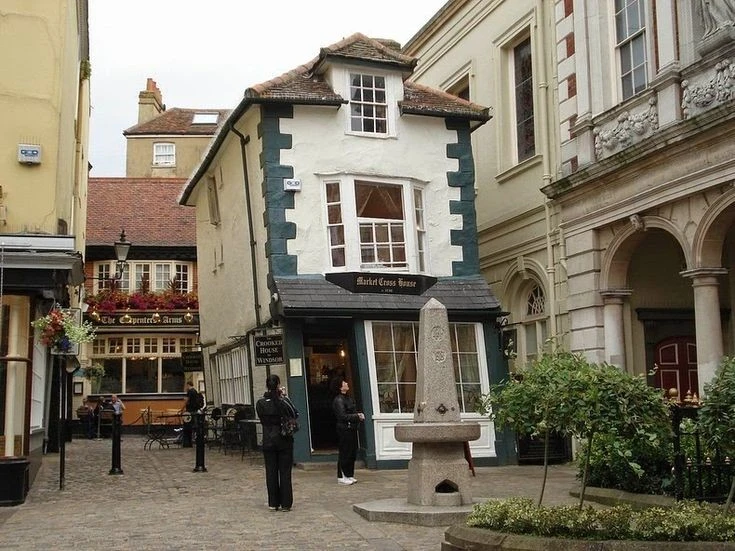
Built in the late 1500s, this picturesque English house leaned in the 18th century after being rebuilt using wood that subsequently withered. Despite concerns about its future, the building has been restored, and today it once again serves as a cozy coffee shop.
2. The Crooked House (pub), South Staffordshire, England 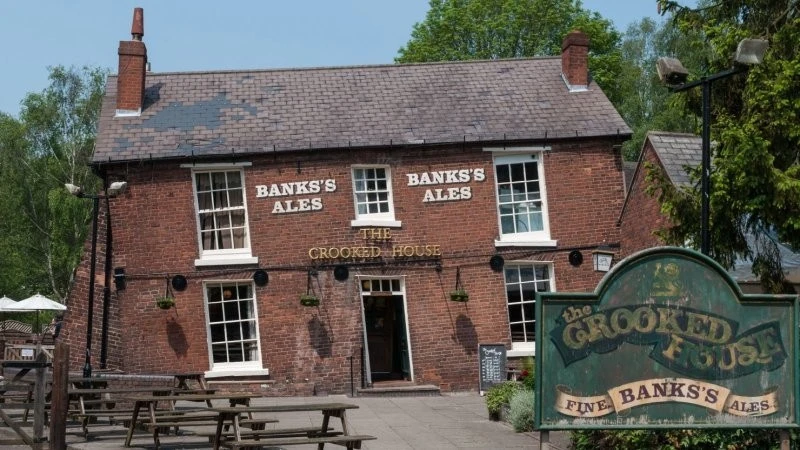
This story is a lesson in the fragility of heritage. The Crooked House began life as a farmhouse in the 1700s, but as coal mining expanded, the ground beneath the pub shifted, causing one side of the building to sink. It was reinforced, and the unfortunate subsidence was exploited, transforming it into a celebrated pub that dazzled guests with its unusual tilt for decades. Its tragic loss in 2023 to a fire was a blow to the culture. The new owners demolished the remains of the pub, but South Staffordshire District Council ordered them to restore the building to its pre-fire appearance.
3. The Crooked House, Lavenham, England 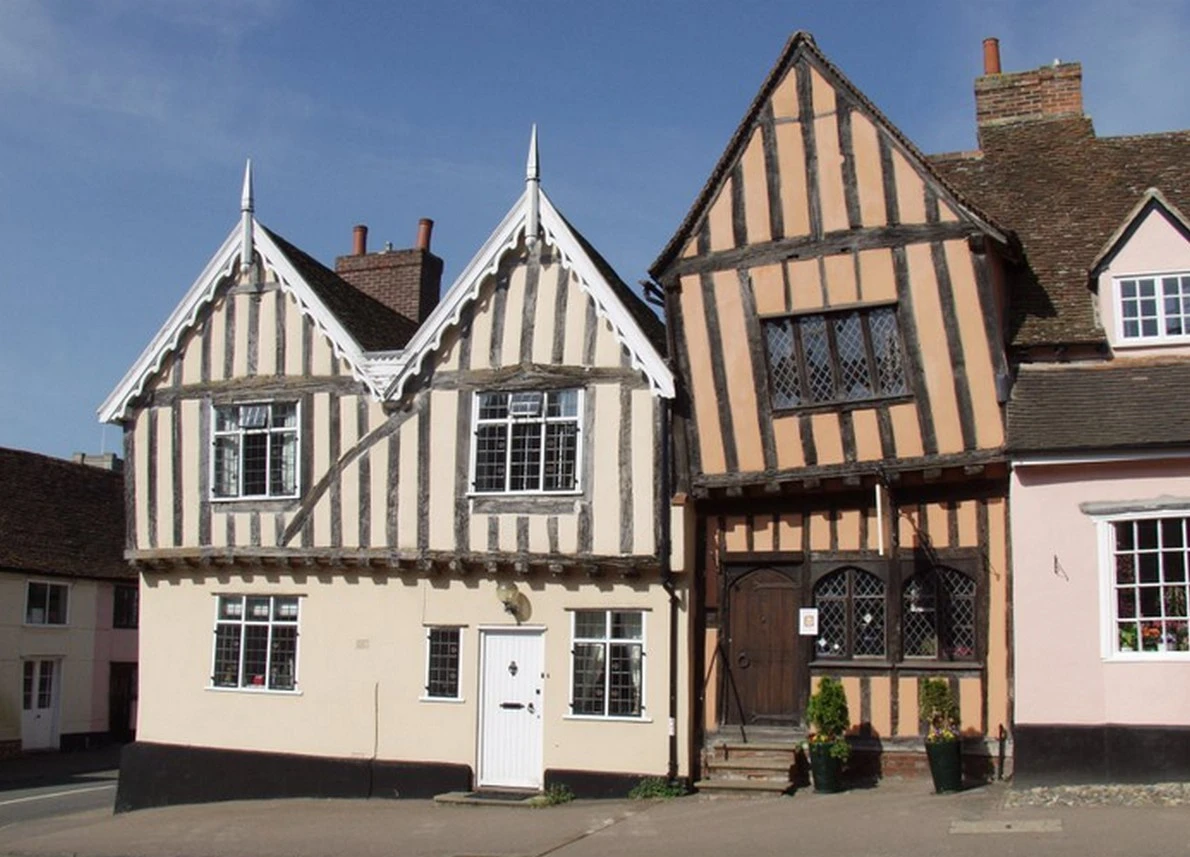
The medieval town of Lavenham is famous for its many crooked buildings, thanks to its rapid growth, which led many historic buildings to be constructed from timber that had not yet been fully seasoned. Over time, the beams warped and twisted, causing many of the houses to lean. The most photogenic of these is the Crooked House, with its overhanging second floor. Today, it houses a charming gift shop and tea shop.
4. Crooked House, Canterbury, England 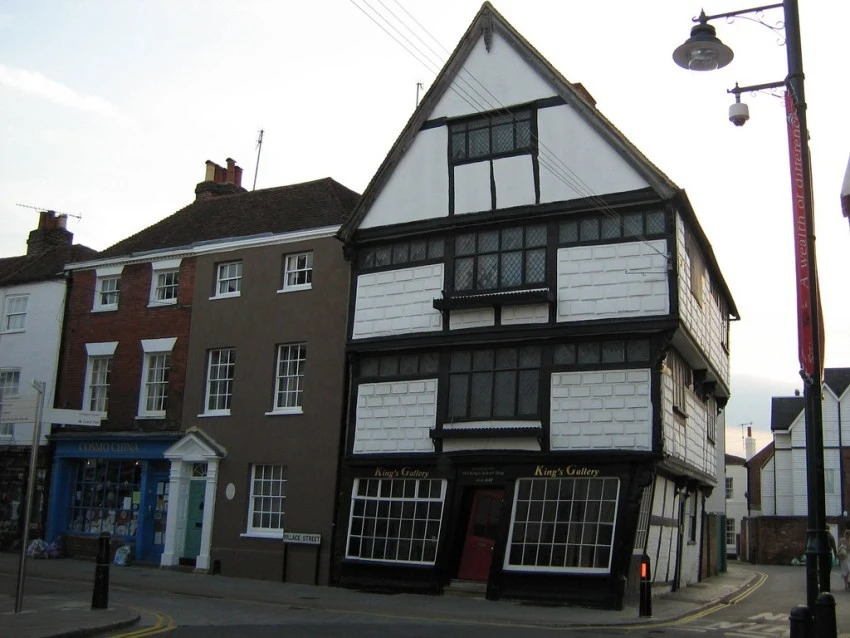
Another 17th-century wooden structure acquired its odd angle after renovations, which apparently involved the removal of a supporting chimney. When it became clear the building was leaning, it was saved by reinforcing it with a steel frame. It is no longer in danger of falling, despite its appearance, remaining a living example of engineering improvisation.
5. Church, Suurhusen, Germany 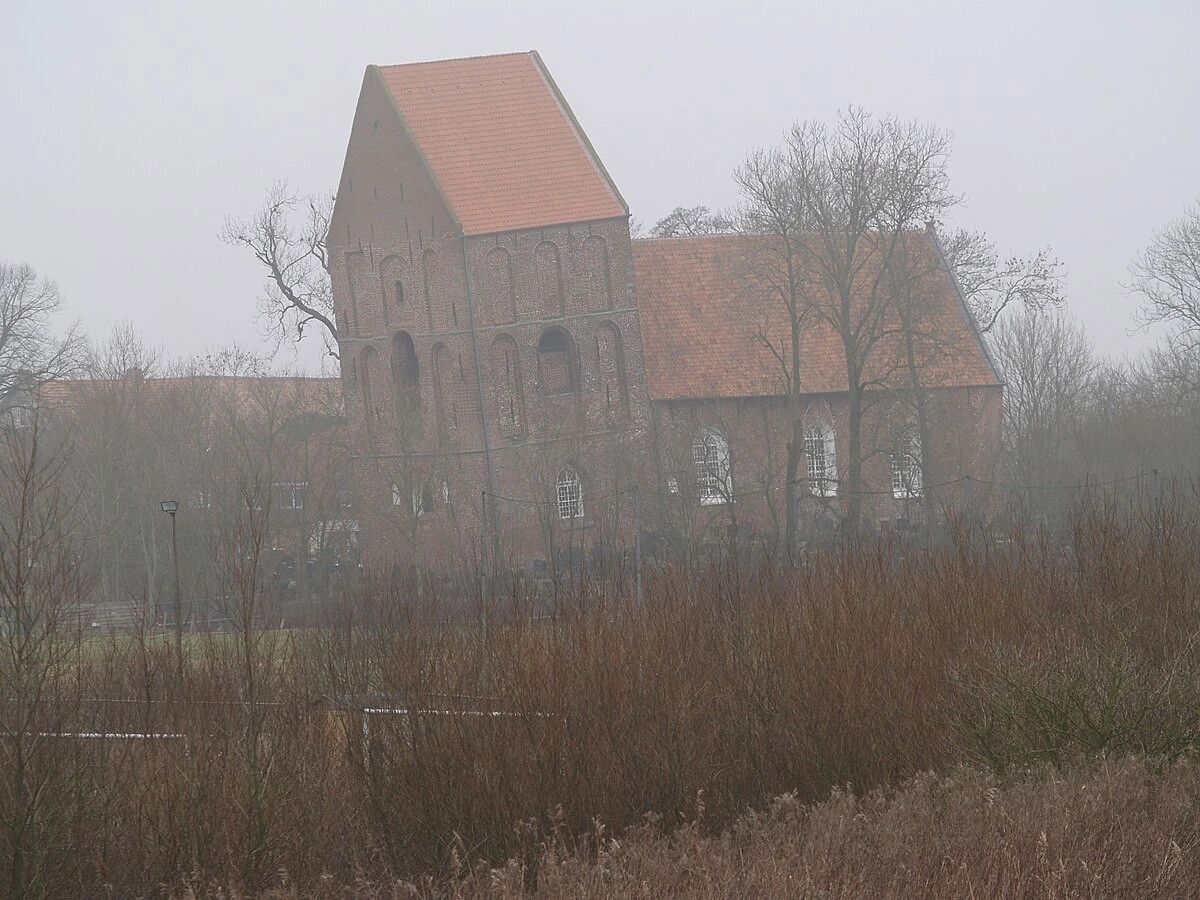
This historic site was built on a swamp, which is rarely a good idea. Unsurprisingly, the wooden foundation of the church tower rotted when the area was drained in the 19th century, causing the entire structure to tilt. The tower was stabilized, and for a long time it even held the world record for the most tilted building, surpassing even the Leaning Tower of Pisa. Anyone brave enough to venture inside can visit this impressive leaning landmark.
6. Little Morton Hall Manor, Cheshire, England 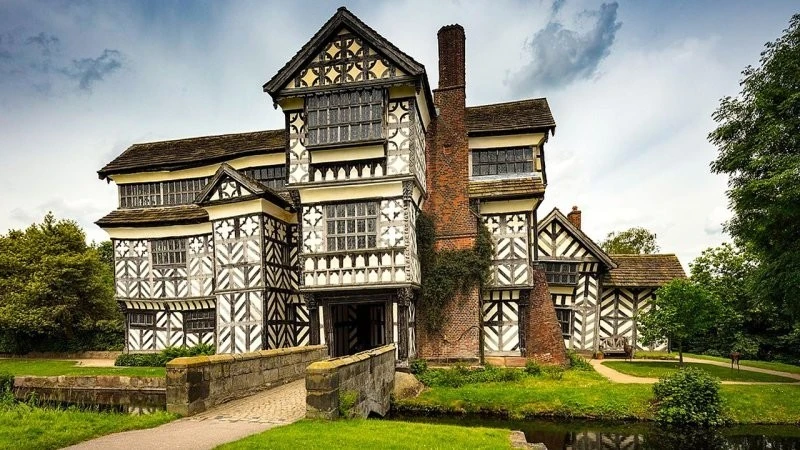
Foundations are usually the first to fail, but this ancient manor house is leaning and slanted on all sides. The building was constructed in the early 16th century, but over the next century, additions were made to it with little regard for symmetry, giving the whole place a rather wild appearance. Add to this centuries of shrinkage of the wood, and you have this oddly angular oddity, carefully preserved by the National Trust and open to the public.
7. Crooked Houses, Amsterdam, Netherlands 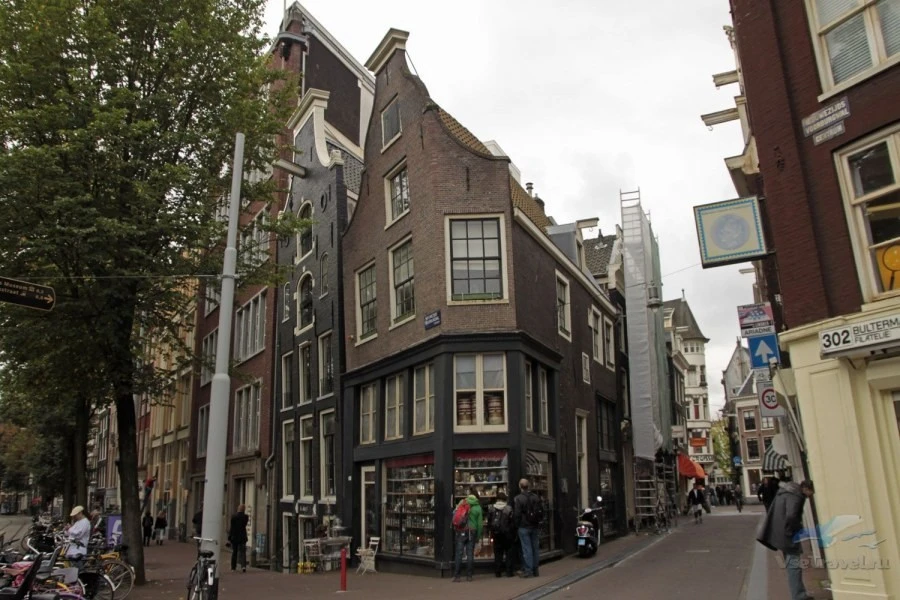
Amsterdam is home to numerous buildings that lean, lean to one side, or simply look like they're trying to escape their cramped neighbors. Many of the buildings lean outward because they were built specifically so that large objects could be lifted to the upper floors without damaging the facade. But many other crooked buildings in the city are at an angle due to weak foundations damaged by the canals, creating the city's recognizable, precarious silhouette.