The task of science is to seek the truth, whatever it may be. This week, the truth proved encouraging: Alzheimer's disease has been reversed for the first time, a way to "wake up" dormant HIV has been found to destroy it, and gut microbes undoubtedly influence brain development. 
Meanwhile, the interstellar object 3I/ATLAS disappointed alien hunters, and a long-term study revealed that about 12,800 years ago, a comet exploded above Earth, triggering a global catastrophe that wiped out megafauna from the face of the planet.
Alzheimer's Disease Reversed
For the first time in history, researchers from Case Western Reserve University (USA) have successfully restored 100% cognitive function in mice with advanced Alzheimer's disease. The results of this breakthrough study were published in the journal Cell Reports Medicine. 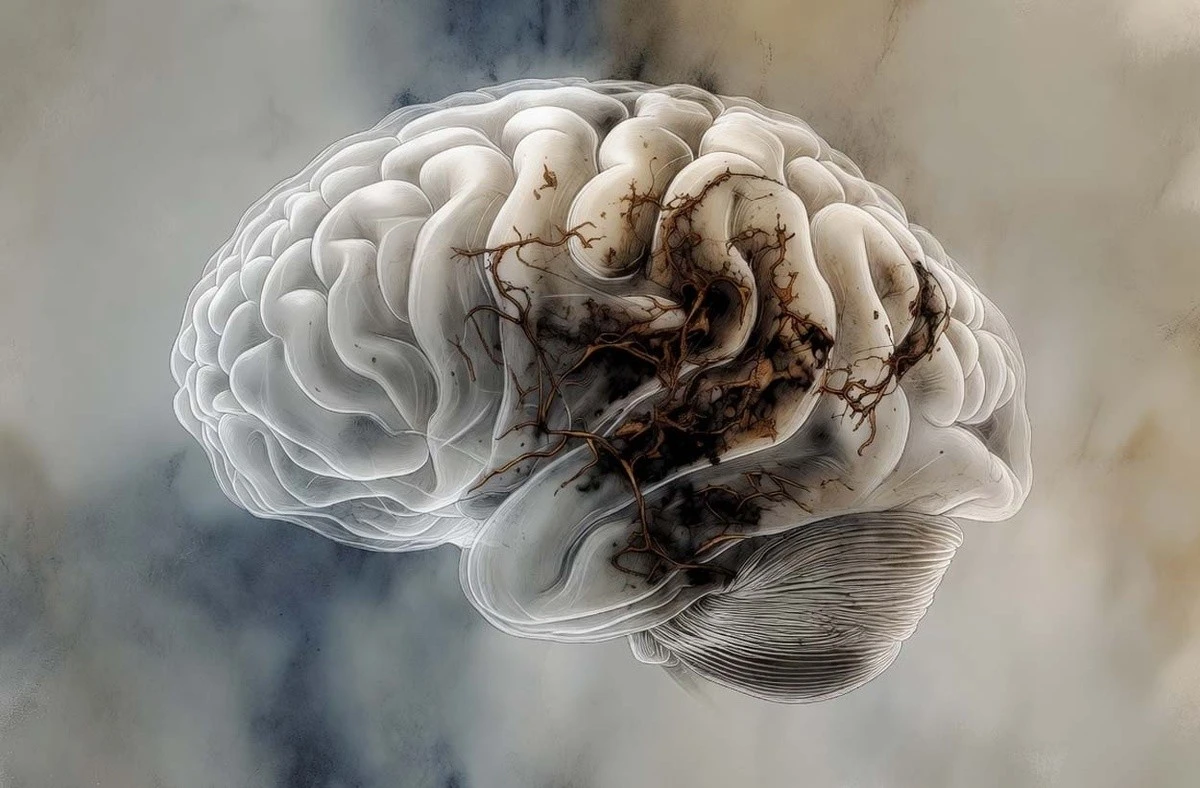
The study discovered that decreased levels of NAD+, a molecule responsible for cellular energy balance, play a key role in the development of the disease. When the brain experiences energy deficiency, neurons begin to die, leading to severe consequences that until recently were thought to be irreversible.
Researchers have developed an experimental drug, P7C3-A20, which helps cells maintain normal NAD+ levels despite age-related changes. Experiments on rodents have proven its effectiveness: mice with a severe stage of the disease showed complete cognitive recovery.
Human clinical trials are expected in the very near future, and if the drug proves effective, mass production will begin. Scientists hope that their development will help in the fight against other neurodegenerative diseases.
A way to destroy "dormant" HIV has been found
A key challenge in the fight against HIV is its ability to hide. The virus can hide in immune cells for years, allowing it to evade both the body's defense mechanisms and drug treatment. 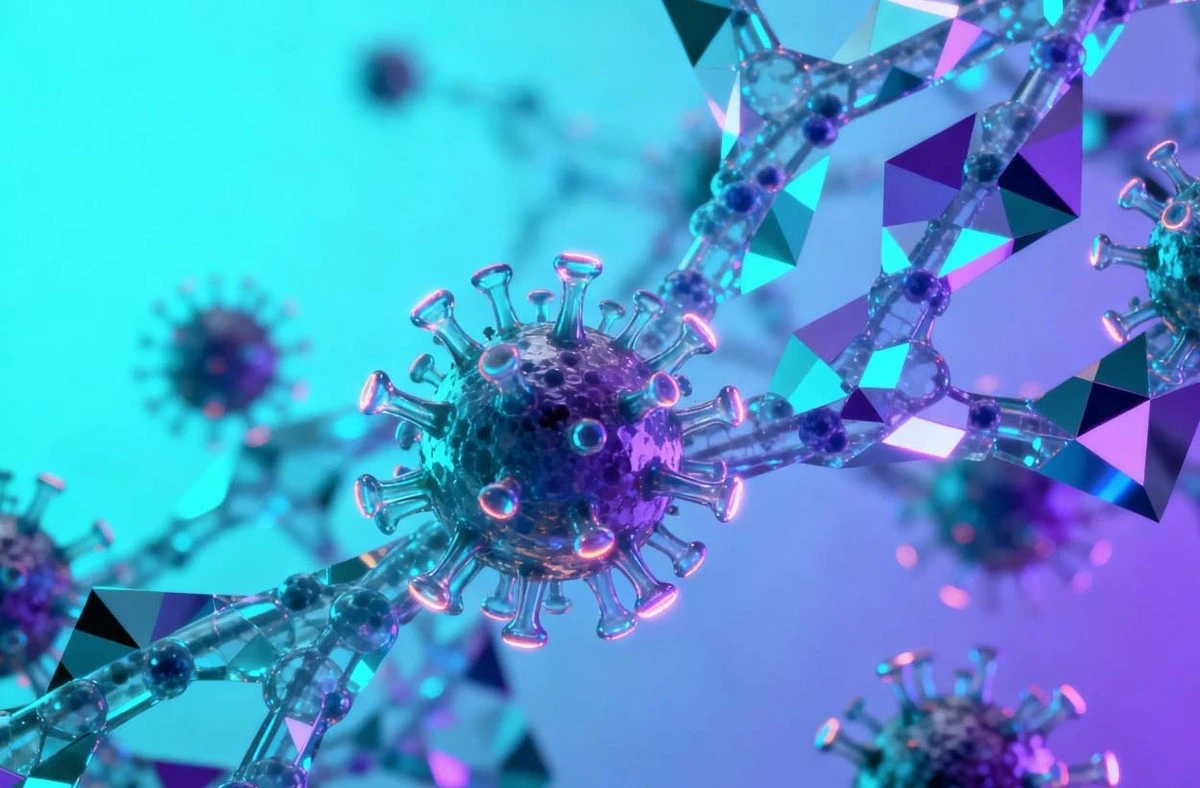
Researchers from the University Hospital of Ulm (Germany) have discovered a way to "awaken" a dormant virus so that it can be destroyed. It turns out that the natural human protein RBP4 (retinol-binding protein 4), known for its role in transporting vitamin A, can activate dormant HIV, making it vulnerable to the immune system and drugs.
As a result of extensive experiments, the scientists identified RBP4 as an agent capable of "awakening" HIV even at normal physiological concentrations. This could potentially allow for the complete destruction of the virus in the host's body.
It's worth noting that using natural factors instead of synthetic agents could make therapy more effective and safer.
Humanity is getting closer to defeating HIV.
Gut microbes influence brain development
A team of researchers from Northwestern University (USA) has provided experimental evidence that gut bacteria (gut microbiota) directly influence brain development and function.
The scientists conducted a series of experiments in which gut microbes from various primate species (including humans) were transplanted into germ-free mice. As a result, after just eight weeks, the rodents' brains began to exhibit characteristics of the species from which the microbes were collected. 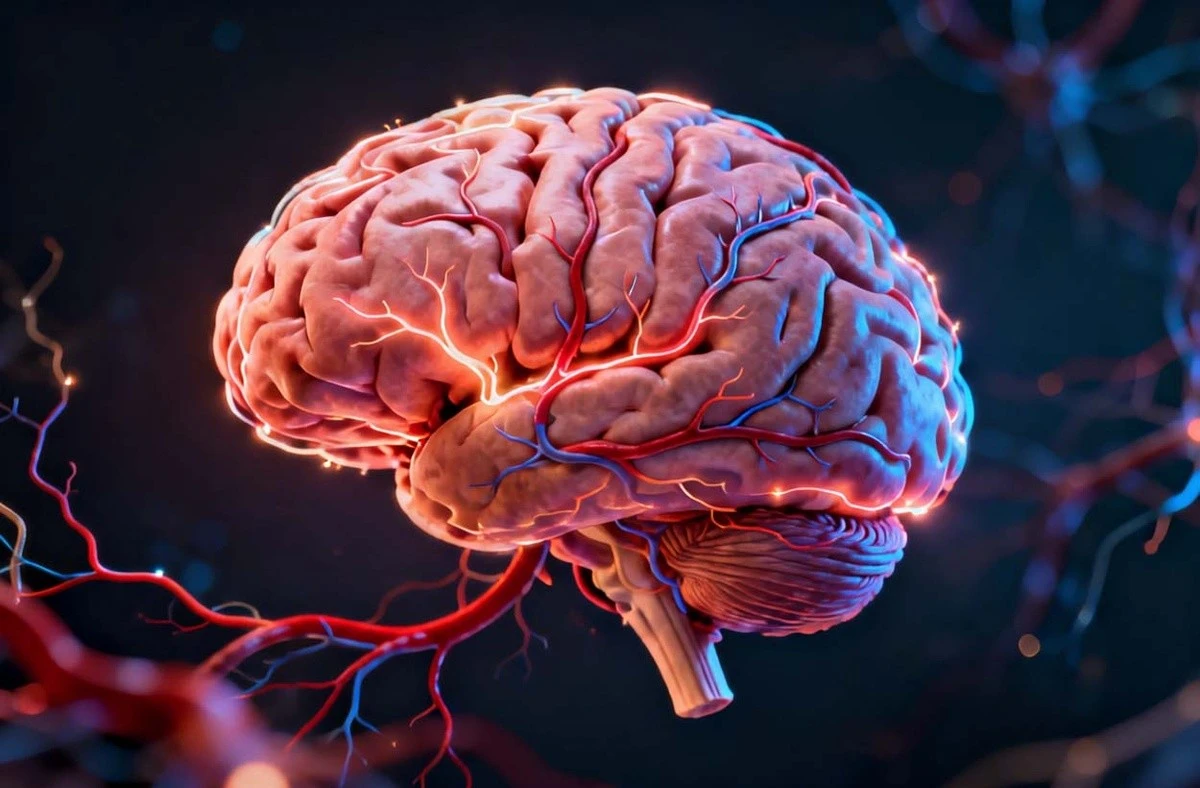
Mice that received microbiota from large-brained primates (humans and squirrel monkeys) showed increased expression of genes associated with energy production and synaptic plasticity—a process underlying learning and memory. In mice that received microbiota from small-brained primates (macaques), the activity of these pathways was reduced.
"We were able to engineer the brains of mice to functionally resemble the brains of the primates from which the microbes were collected," wrote Katie Amato, associate professor of biological anthropology at Northwestern University and lead author of the study.
This discovery brings us closer to understanding the evolution of the human brain and sheds light on the causes of certain neurodevelopmental disorders.
As the ancient Greek physician and philosopher Hippocrates said:
"We are what we eat."
No alien signals from 3I/ATLAS
On December 18, 2025, the day before 3I/ATLAS's closest approach to Earth, the 100-meter Green Bank Radio Telescope (USA) was pointed at the interstellar object, scanning it in the 1 to 12 GHz range. 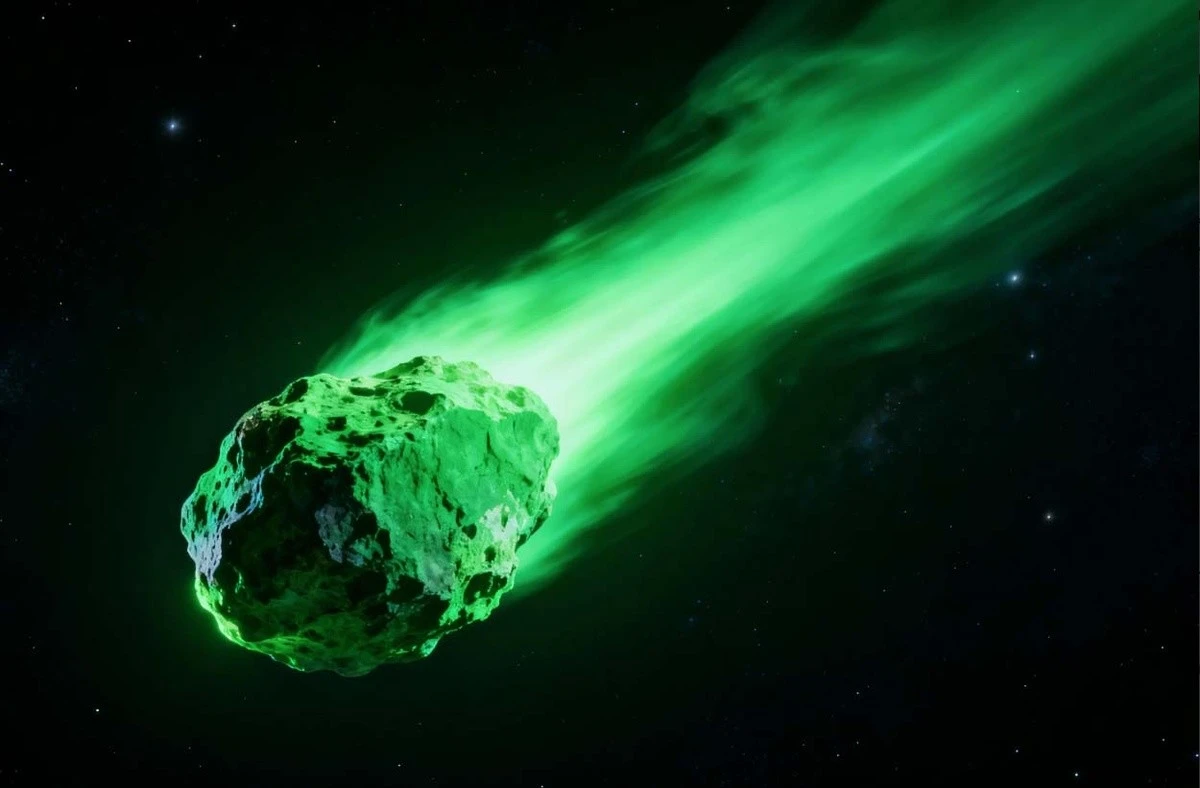
The data analysis was carried out by a team from the private project Breakthrough Listen, whose goal is to search for intelligent extraterrestrial life in the Universe. Initially, about half a million "suspicious signals" were detected, but after rigorous filtering of radio interference, only nine signals remained worthy of attention. However, even these turned out to be mere noise.
It's important to note that the sensitivity of this survey would have allowed it to detect a transmitter with the power of a mobile phone, not to mention sophisticated equipment, if 3I/ATLAS were a spacecraft.
Without a doubt, this is an object of natural origin.
Cometary Explosion and "Impact Winter"
According to the results of a multi-year study, approximately 12,800 years ago, a comet disintegrated over North America. Its fragments, exploding in the atmosphere, unleashed monstrous shock waves on the planet's surface, and then the apocalypse began.
Continental-scale fires engulfed the Earth, and the resulting blanket of dust and soot blocked sunlight, causing an "impact winter"—a sharp, millennia-long cold spell. This led to catastrophic changes, including the extinction of mammoths, mastodons, and other giants. The highly developed Clovis culture also suffered, its representatives disappearing from the archaeological record during this period. 
The key evidence came from microscopic crystals of shocked quartz discovered at ancient Clovis sites. Analysis of their internal structure revealed traces of extreme pressure and prolonged high-temperature exposure—characteristic cracks and inclusions of molten silicon dioxide, which form exclusively during the impact of celestial bodies. Neither volcanic activity nor, especially, the fires of ancient humans could create such deformations.
This ancient catastrophe reminds us how fragile Earth's climate is and how vulnerable life is to cosmic threats. And the saddest part of this story is that humanity still has no reliable defense against such events.
Add your comment
You might be interested in:














17 Photos That Will Stop You in Your Tracks (18 Photos)

Behind the Camera on 'Back to the Future' (45 Photos)

What Would Happen to a Human on Every Planet in the Solar
Stunning Views of the Martian Horizon from 400 Kilometers
20+ Fascinating Photos of Rare and Unusual Sightings (40

50 Incredible Treasures People Rescued From the Trash (51
22 Examples of Pure Design Genius That Deserve a Huge

Hard to Believe Your Eyes: 20 Unreal Photos With

The Sexual Customs of the Vikings: Why an Older Partner Was
