Familiar Strangers: 8 Architectural Masterpieces Whose Interiors Are Little Known (25 photos)
We instantly recognize their silhouettes; they have become symbols of entire eras and nations. But behind the familiar facades lie hidden, even secret spaces, rarely glimpsed by the average observer. 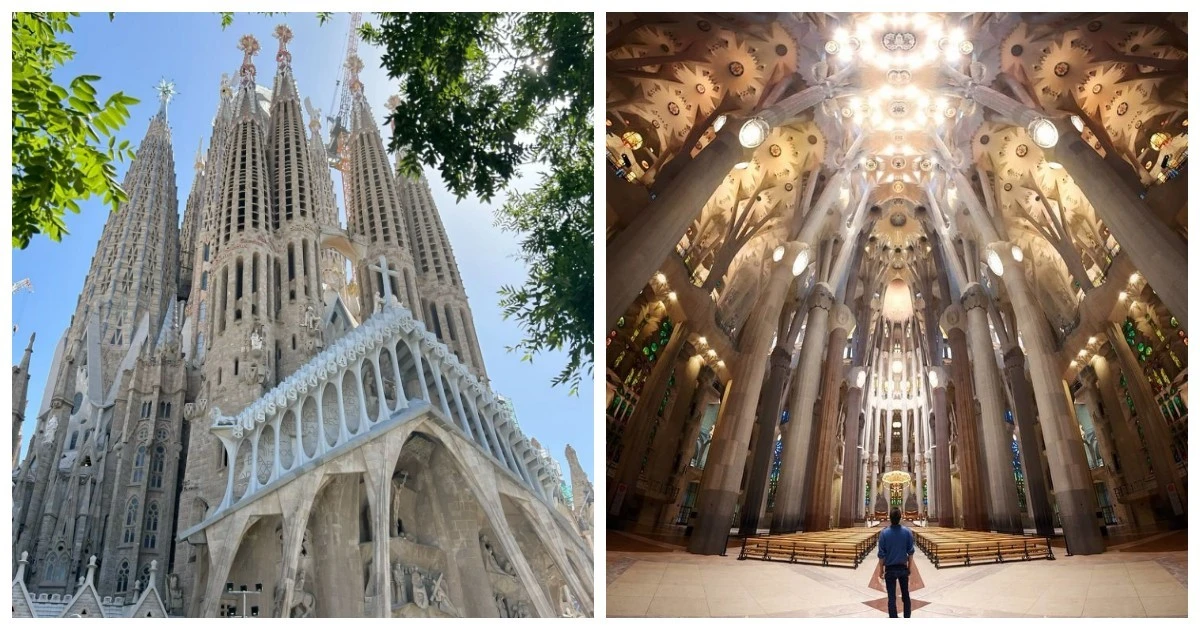
These interiors tell us about love, faith, power, and creative genius, sometimes more interestingly than any history textbook.
1. Taj Mahal, India 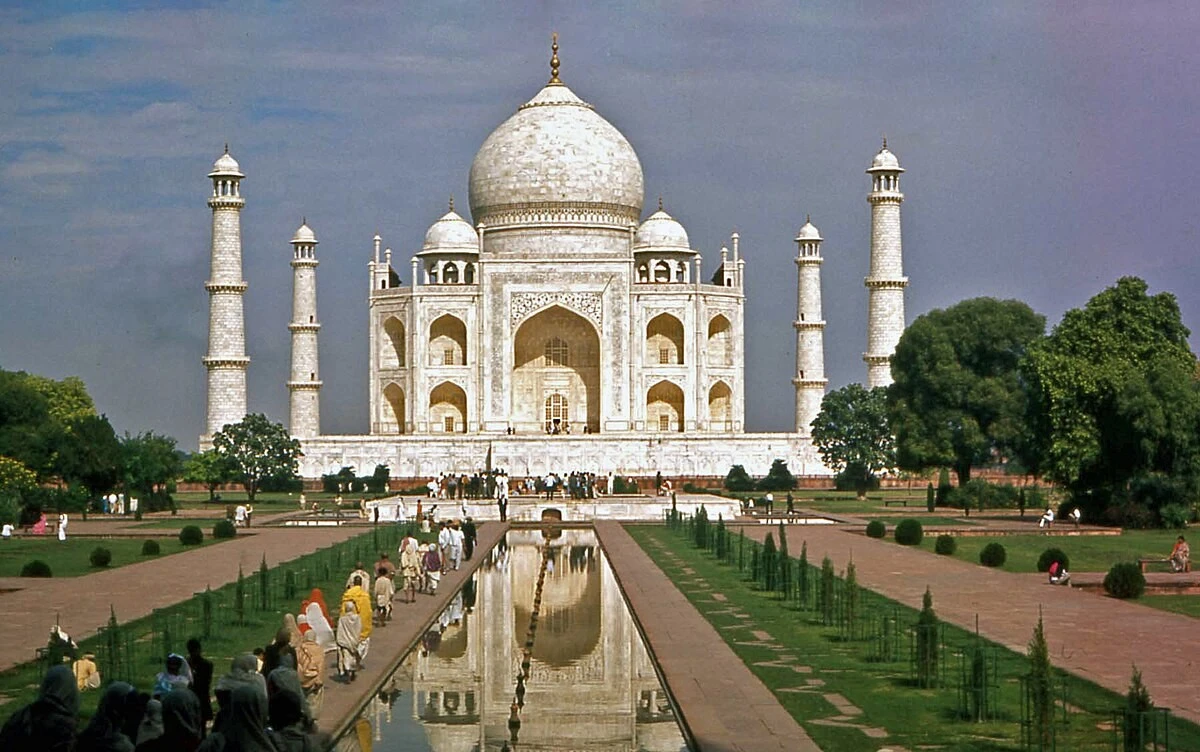
Behind the snow-white marble façade, built in 1653 as a mausoleum for the Sultan's beloved wife, lies a world of perfect symmetry. 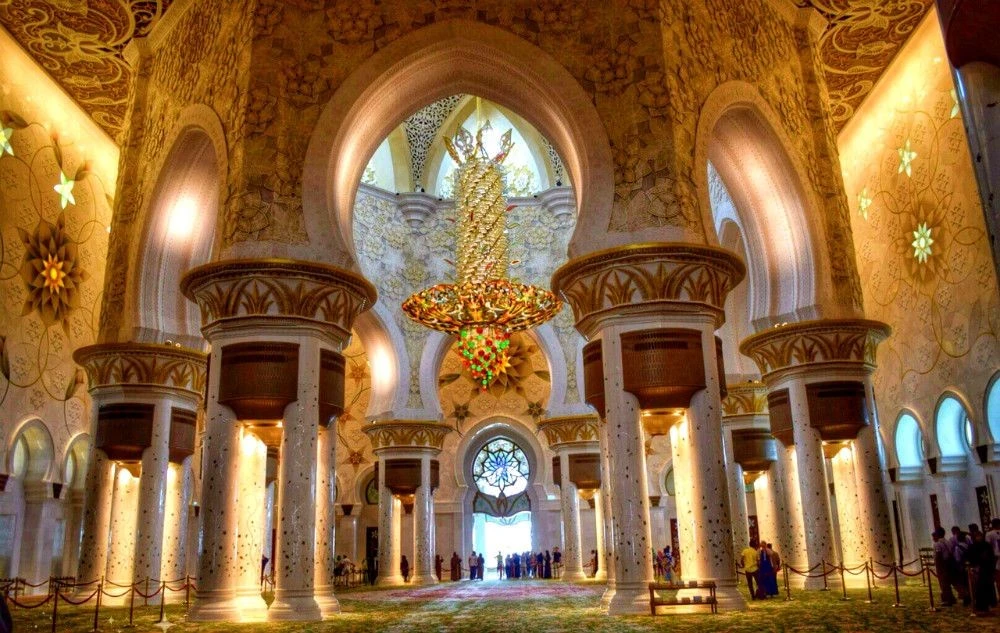
This architectural poem in stone is considered the pinnacle of Indo-Islamic style. Its inner chambers, where the play of light creates divine harmony, strive for the perfection that UNESCO has called "perfectly symmetrical design." 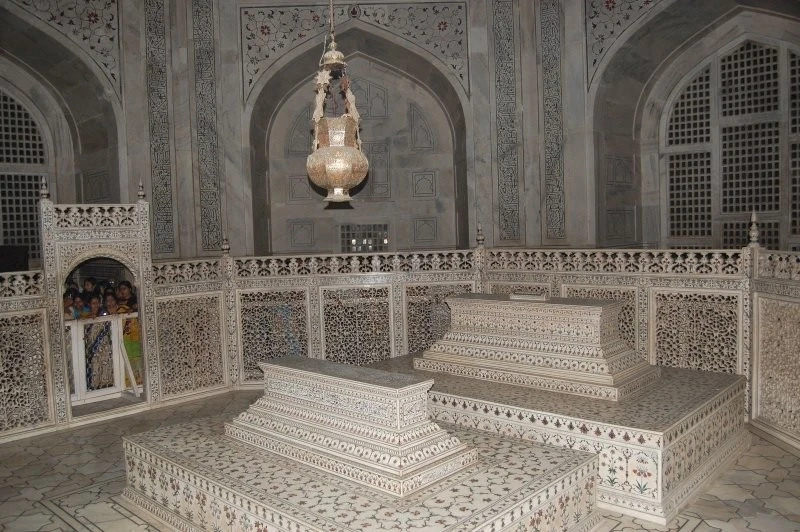
2. Pyramid of Djoser, Egypt 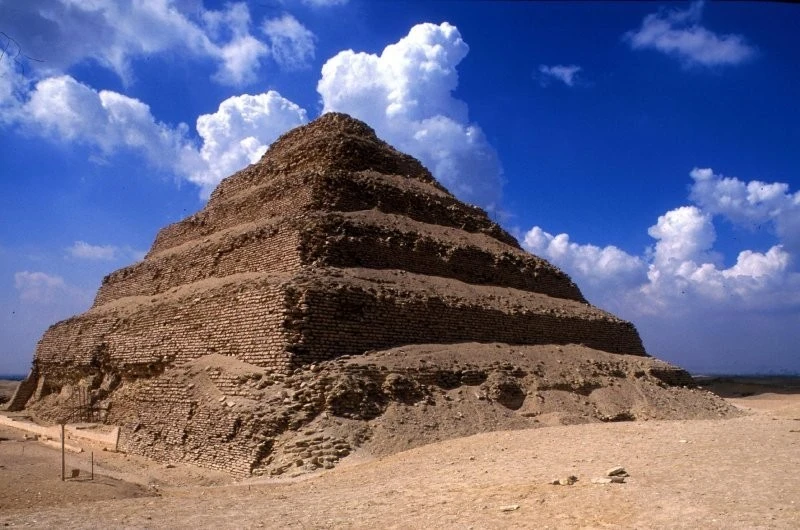
The world's first pyramid, built around 2630 BC for Pharaoh Djoser, conceals a labyrinth of tunnels nearly six kilometers long beneath its steps. 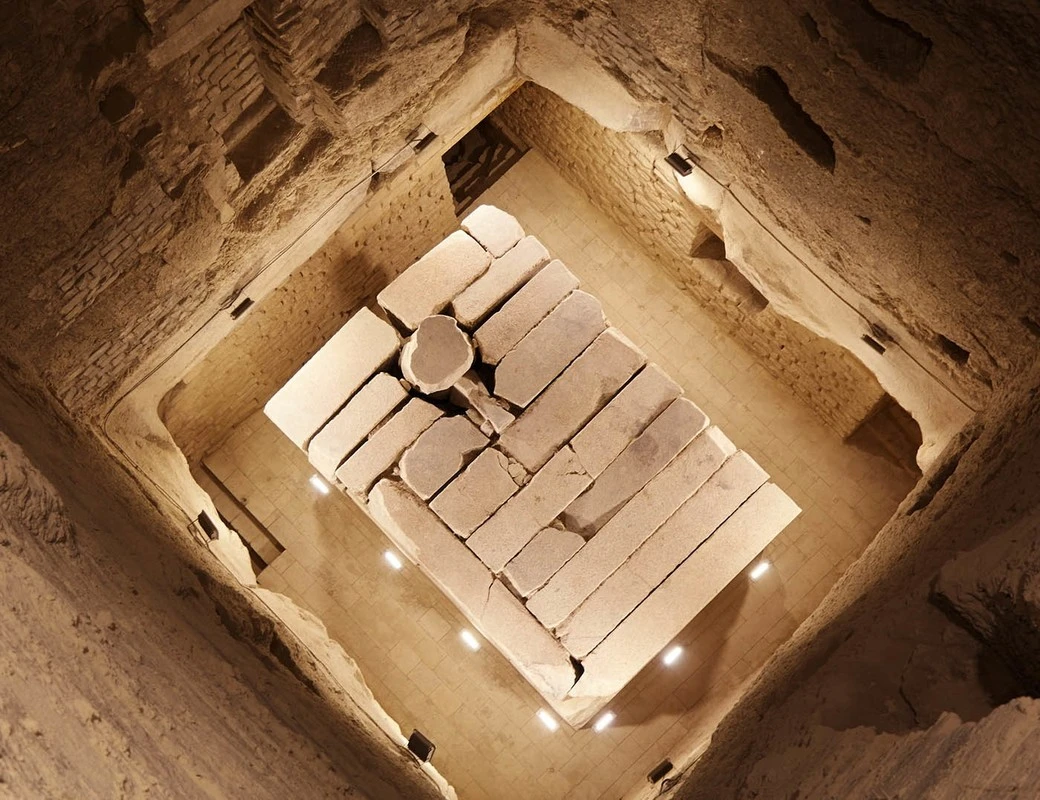
After fifteen years of restoration, its secret corridors, decorated with thousands of tiles imitating reed mats, have once again been revealed to the world. 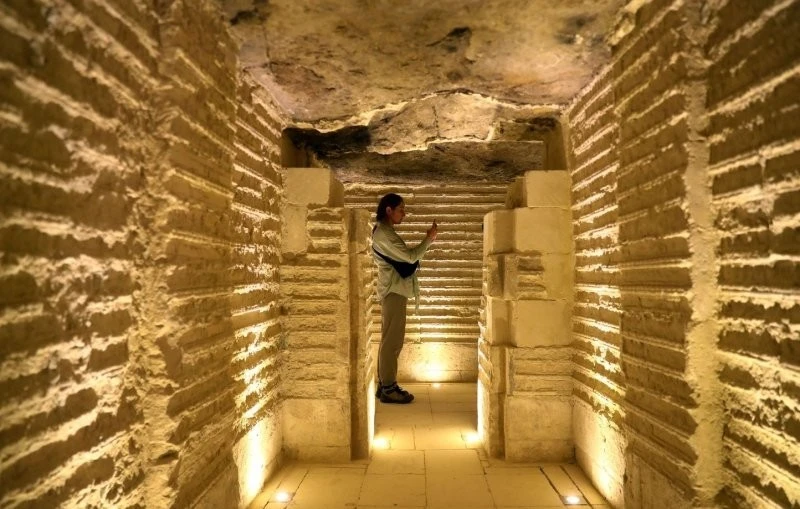
3. Sagrada Familia, Spain 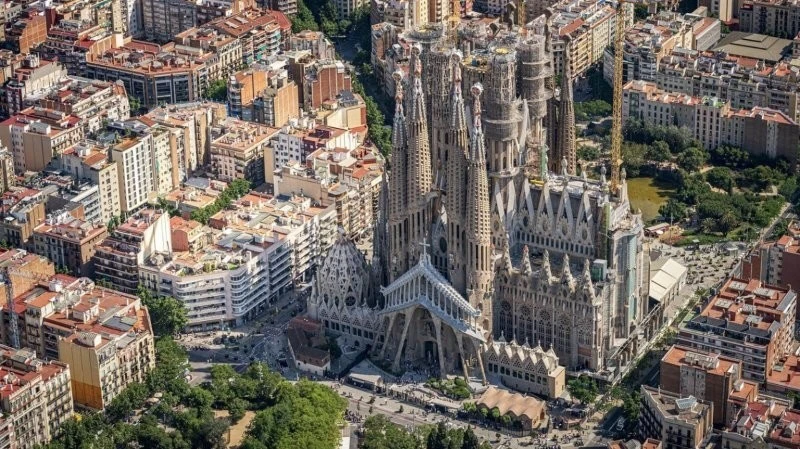
This majestic basilica in Barcelona, under construction since 1882, is a forest of stone inside. According to Antoni Gaudí's design, there are not a single right angle. 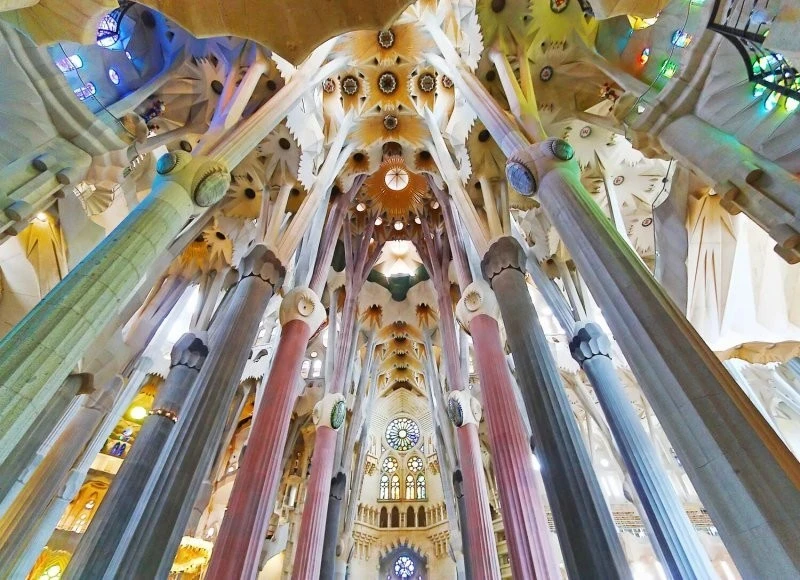
The pillars resemble trees, and the ceiling is studded with stars. Eighteen spires, symbolizing the apostles, evangelists, the Virgin Mary, and Christ, reach into the sky, and the interior is filled with light and complex Christian symbolism. 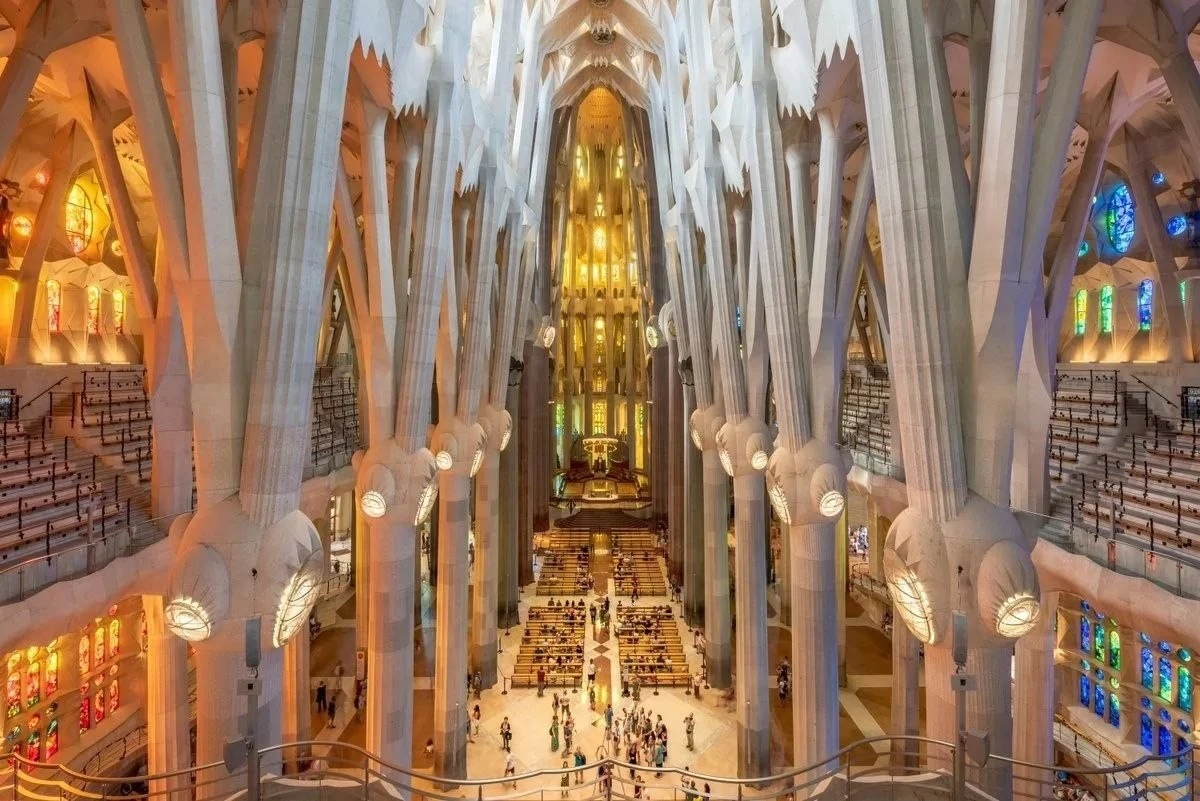
4. St. Basil's Cathedral 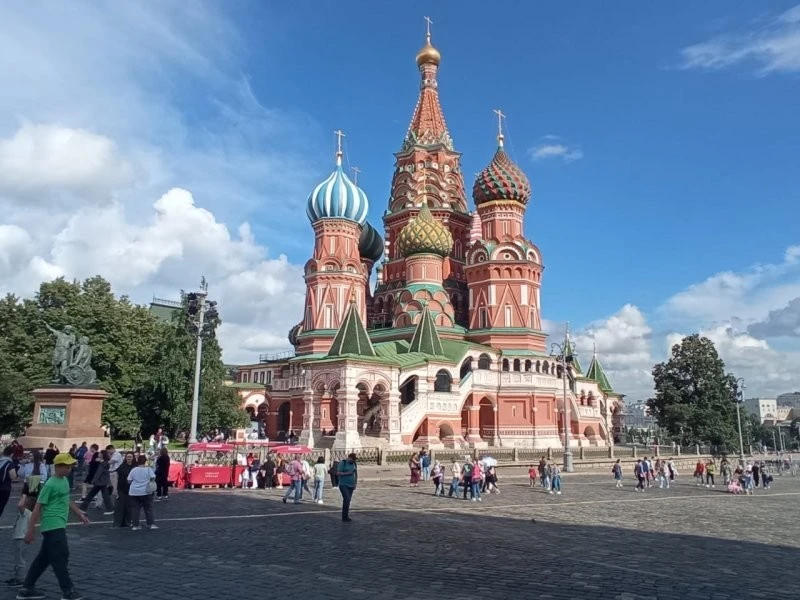
The vibrant onion domes of this cathedral on Red Square only foreshadow the riot of colors within. Built by order of Ivan the Terrible in 1555, the cathedral consists of nine churches under one roof. 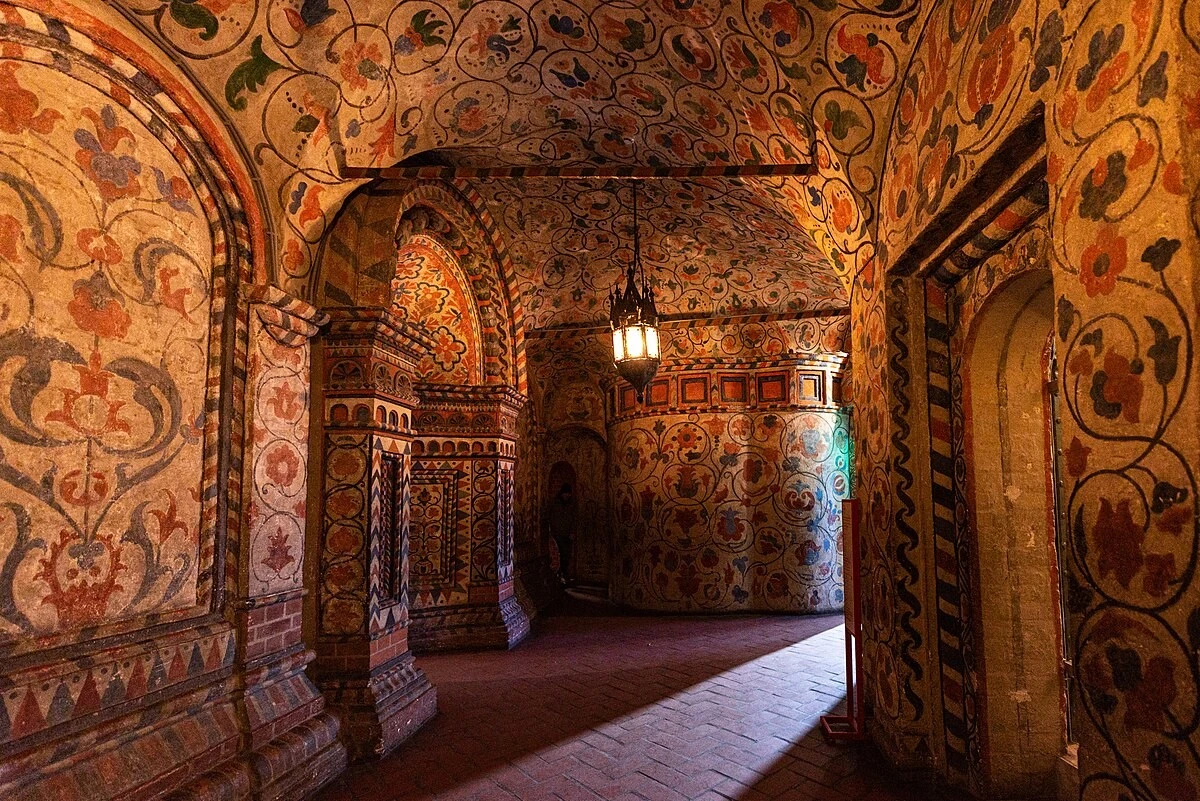
Its narrow galleries, low vaults, and ancient frescoes create the atmosphere of ancient, almost fairytale-like Rus'. Originally white, the cathedral acquired its famous colors in the 17th century, inspired by the image of Heavenly Jerusalem from the Book of Revelation. 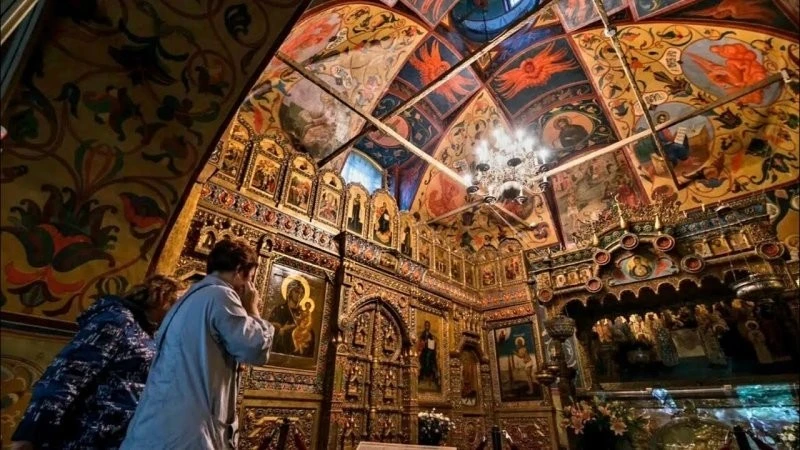
5. Statue of Liberty, USA 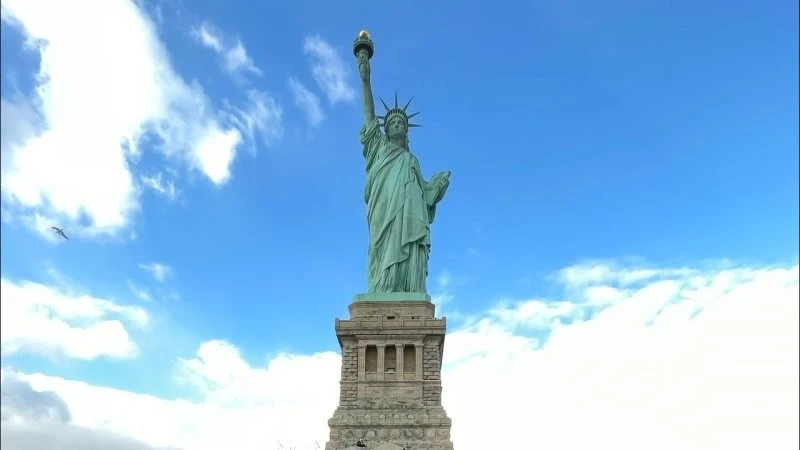
Within the copper shell of this New York City landmark lies a steel frame designed by Gustave Eiffel and a spiral staircase. 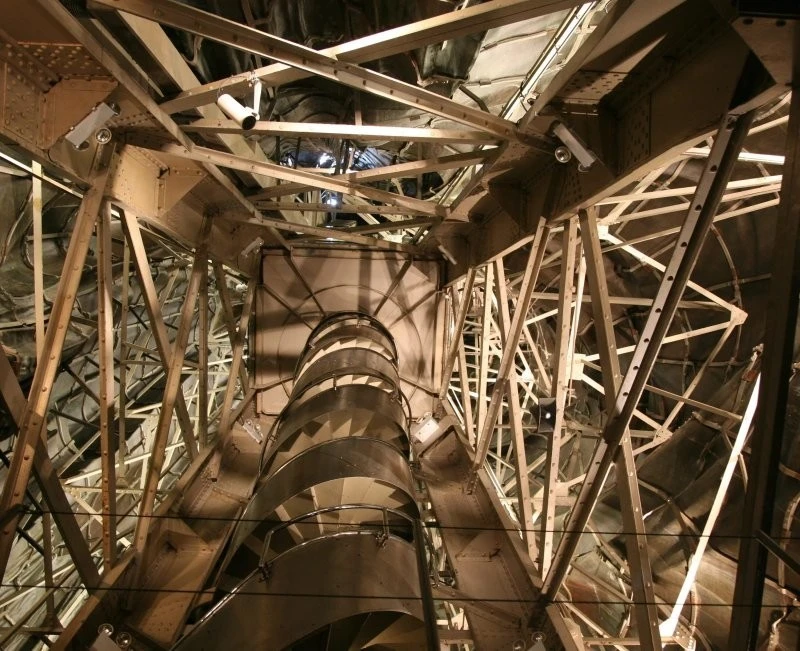
Until 1916, visitors could climb the torch, but an explosion on a nearby island put an end to this practice. Today, the path up only leads to the crown, which offers views of the harbor, but not the famous hand. 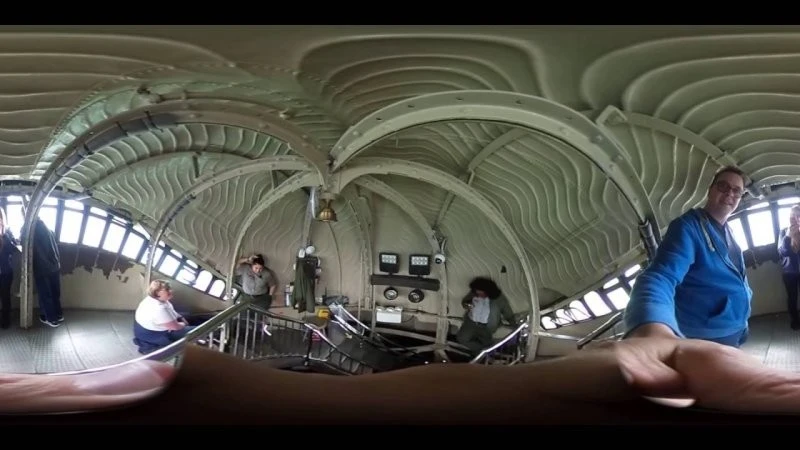
6. Forbidden City, China 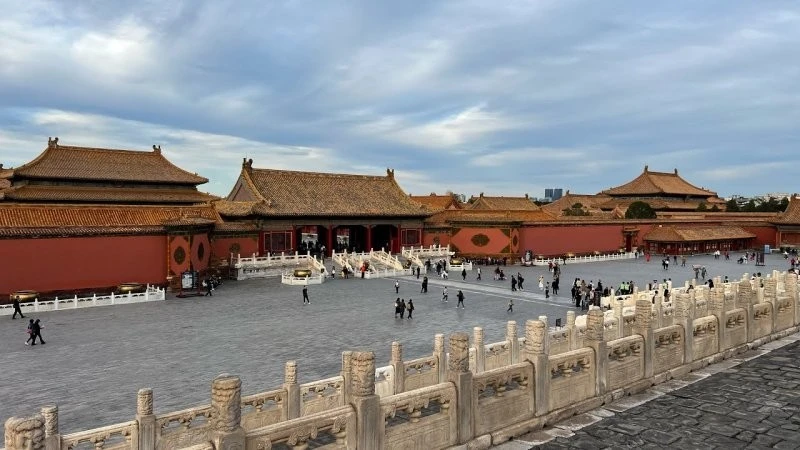
Behind the walls of the world's largest palace complex, comprising 980 buildings, lies a world of strict hierarchy and symbolism. Here, in the center of Beijing, the Chinese emperors lived and ruled from 1420 to 1924. 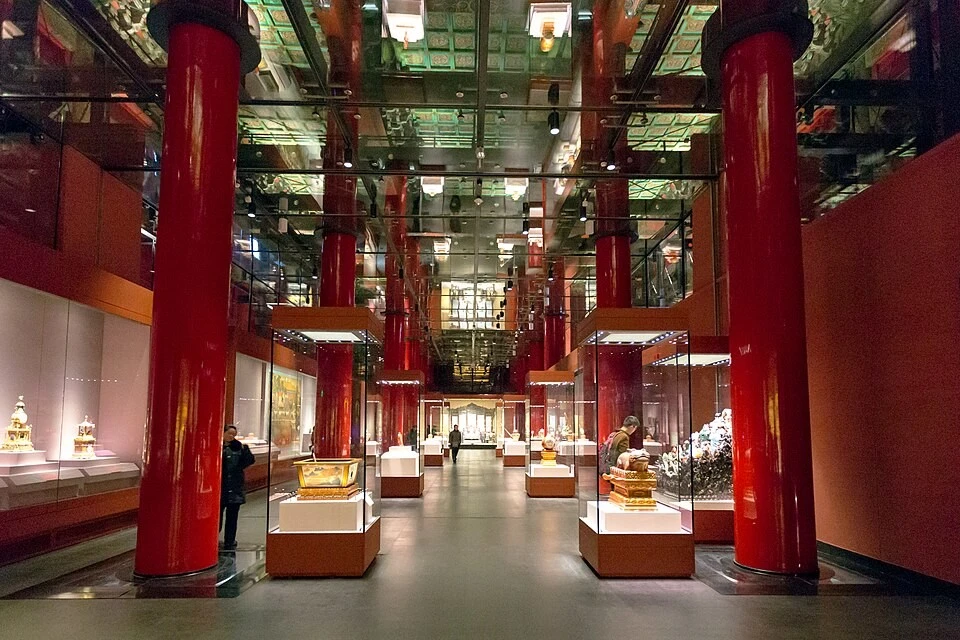
The interior halls, such as the Throne Room of Supreme Harmony, are striking in their scale, lacquer finish, and gold, affirming the absolute power of the Son of Heaven. 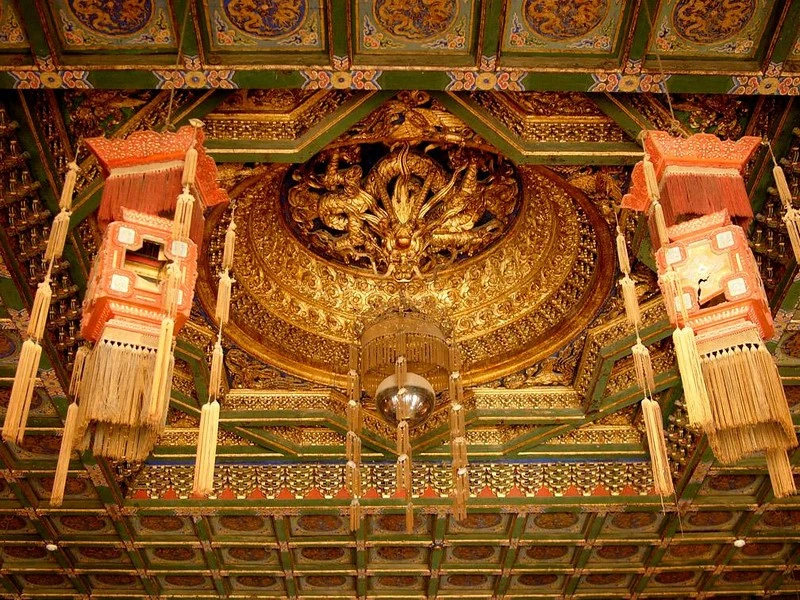
7. Petra, Jordan 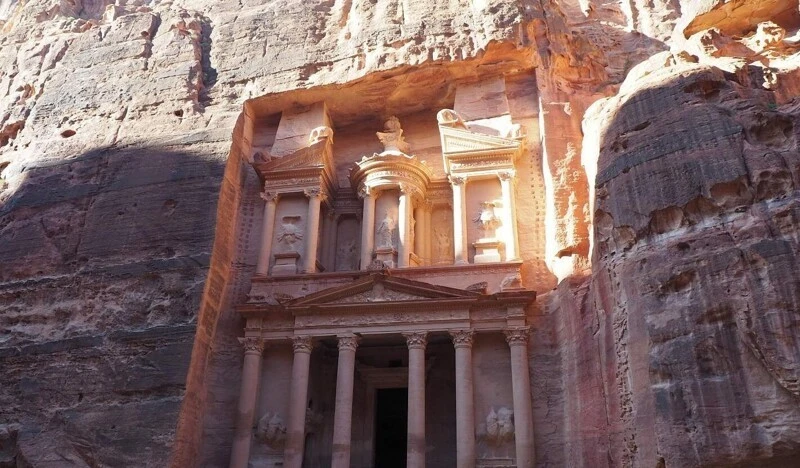
The Pink City, carved into the rock by the Nabataeans, hides more than just the famous Treasury. Inside the monastery of Ed-Deir, a colossal building carved into the mountain, it is cool and dim. 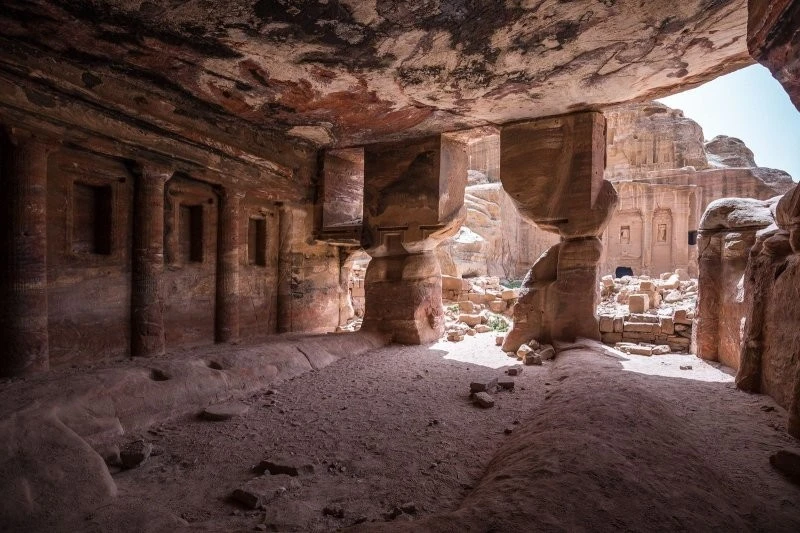
The vast, empty halls where prayers once resounded are now illuminated only by a shaft of light from the high entrance, creating a sense of solemn and timeless peace. 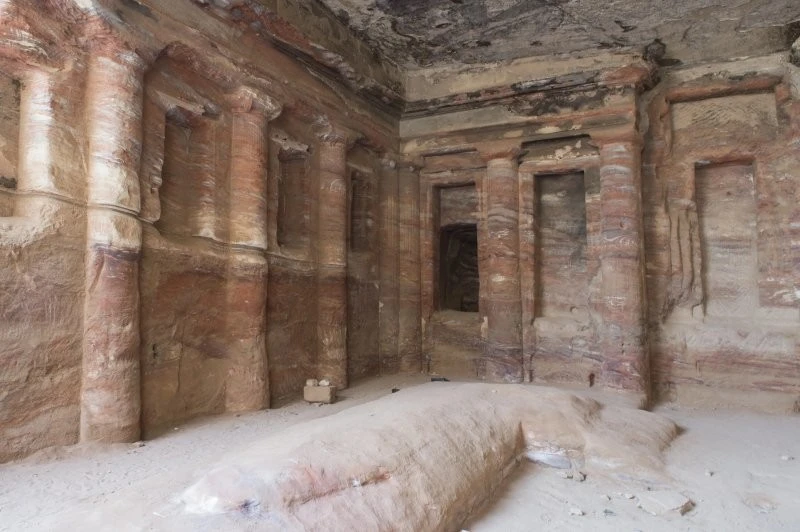
8. Meenakshi Temple, India 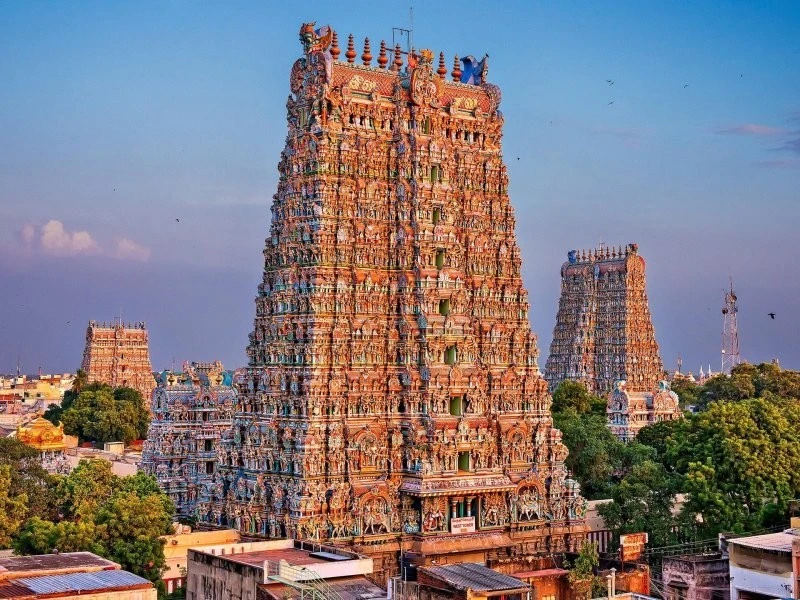
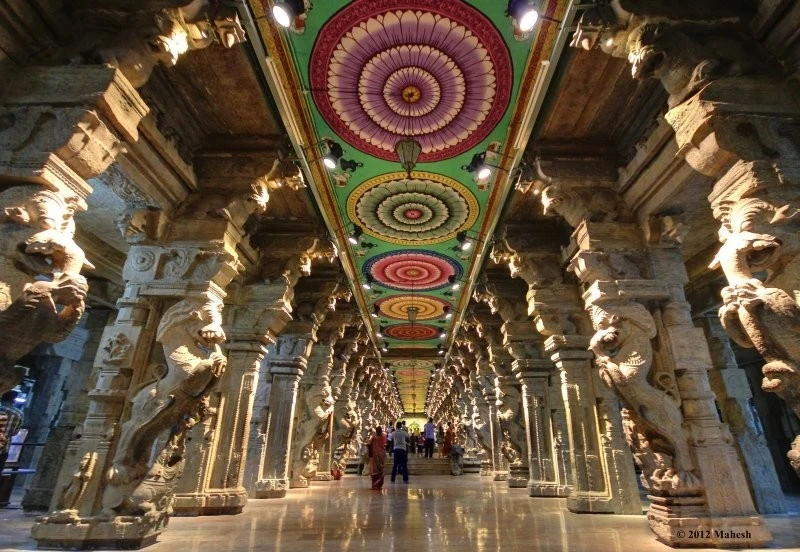
Under the shadow of fourteen gopuram towers covered in thousands of vibrant sculptures, the ancient temple city of Madurai bustles with life. Inside is the famous "Hall of a Thousand Pillars," which actually contains 985 intricately sculpted pillars. 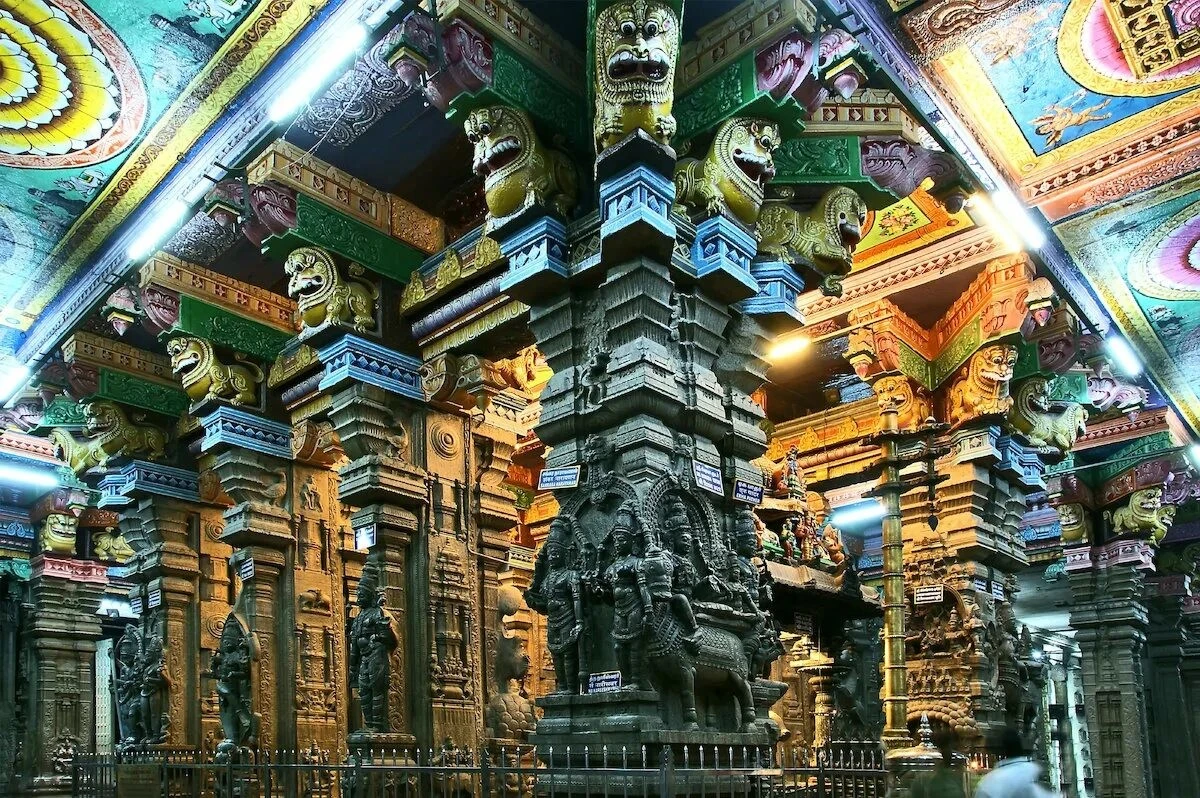
From above, the entire complex resembles a mandala, a sacred diagram of the universe, and its interiors are decorated with intricate patterns and images of gods.