Startup Distance: When Does an Animal Know It's Time to Run? (7 photos)
For every fox there's a wolf, for every fox there's a bear, and a bear can be killed by a pack of wolves. And although animals have devised countless ways to avoid being eaten, they all agree on one thing: at a certain distance, tricks stop working, and you just have to run as fast as you can. 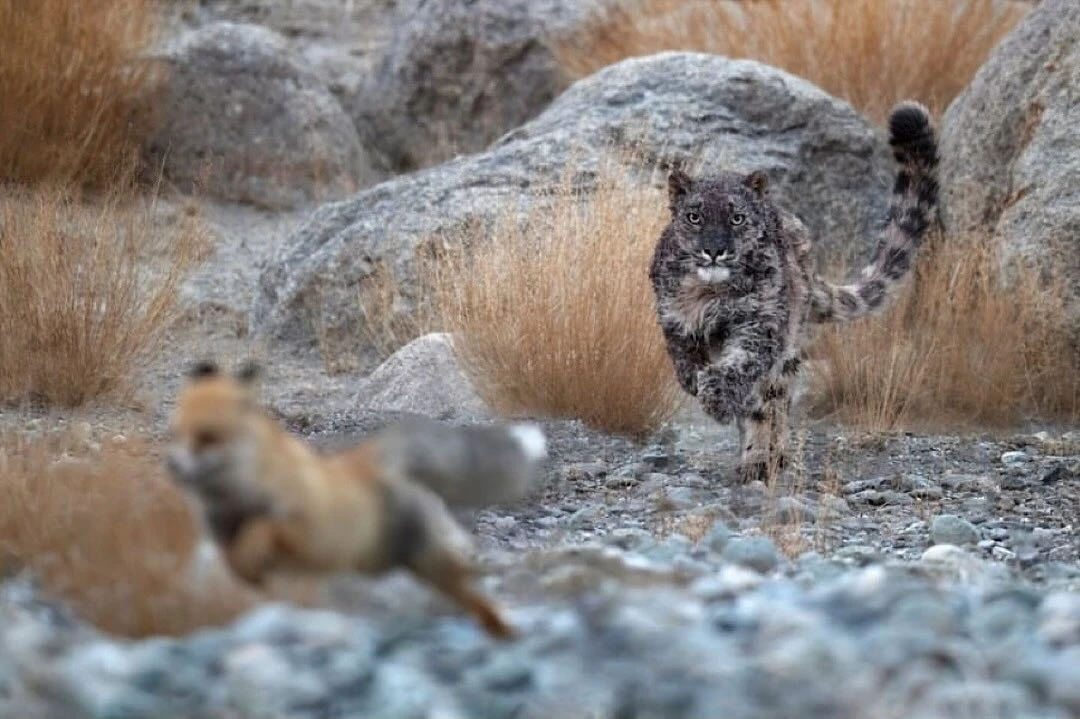
This phenomenon is so ubiquitous that ethologists—animal behaviorists—even have a special term for it: startle distance. This refers to the invisible boundary beyond which a potential source of danger ceases to be considered potential. At this point, the animal immediately jumps to its feet and tries to get away, while its adrenal glands pump cortisol and adrenaline—stress hormones that mobilize the body—into the bloodstream. 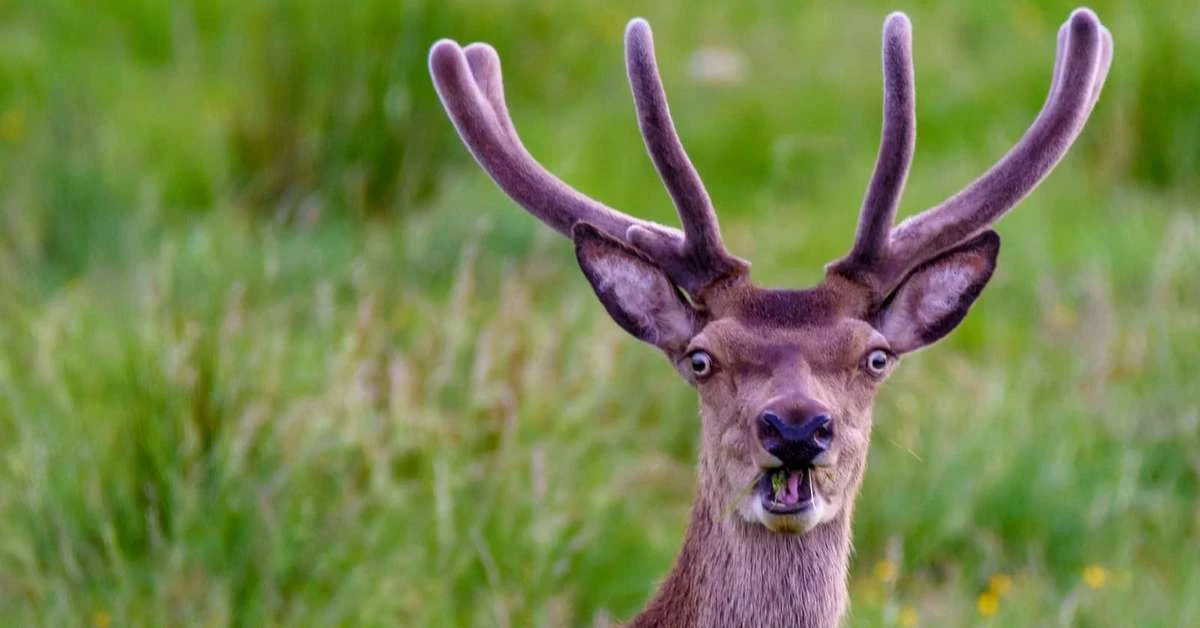
It's clearly startled by the photographer, but hasn't yet realized it's time to run!
Each species has its own unique startle distance, based on its physical capabilities. The logic is simple: the distance should be such that the predator can't reach you before you can get up or fly. However, this distance doesn't reflect the animal's personality. The startling range for a cowardly mouse, for example, is only 5-10 meters, while the rather bold and powerful bald eagle takes flight upon seeing danger 800 meters away. It's just that the mouse relies more on stealth, while the eagle is ready to meet the enemy fully armed. 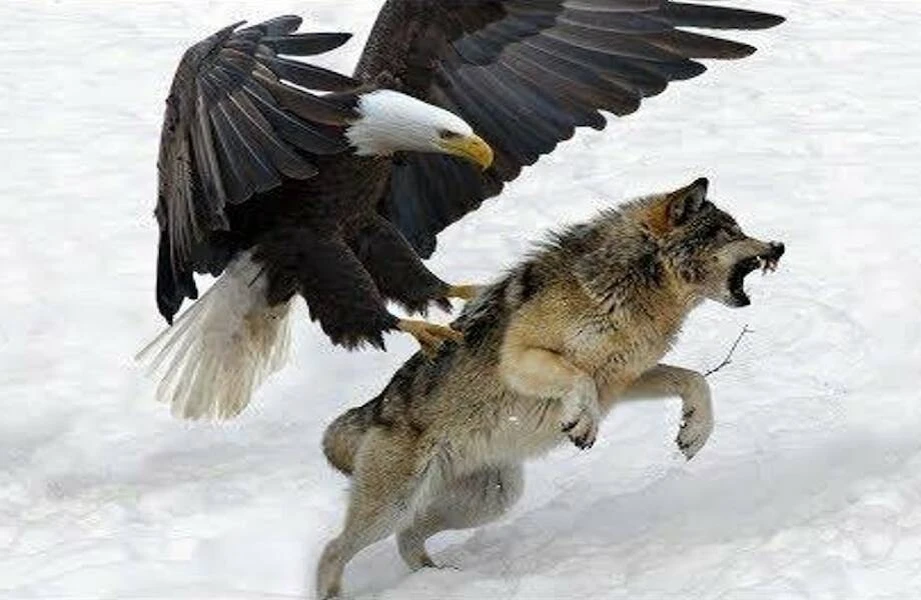
Are you trying to bite me in the side? I'll bite you in the side myself, you furry wolf!
While everyone's alarm threshold is unique, general patterns are easy to spot if you know where to look. Some are trivial: larger animals have a greater startle distance than smaller ones, and fish from murky lakes are less skittish than their ocean counterparts. 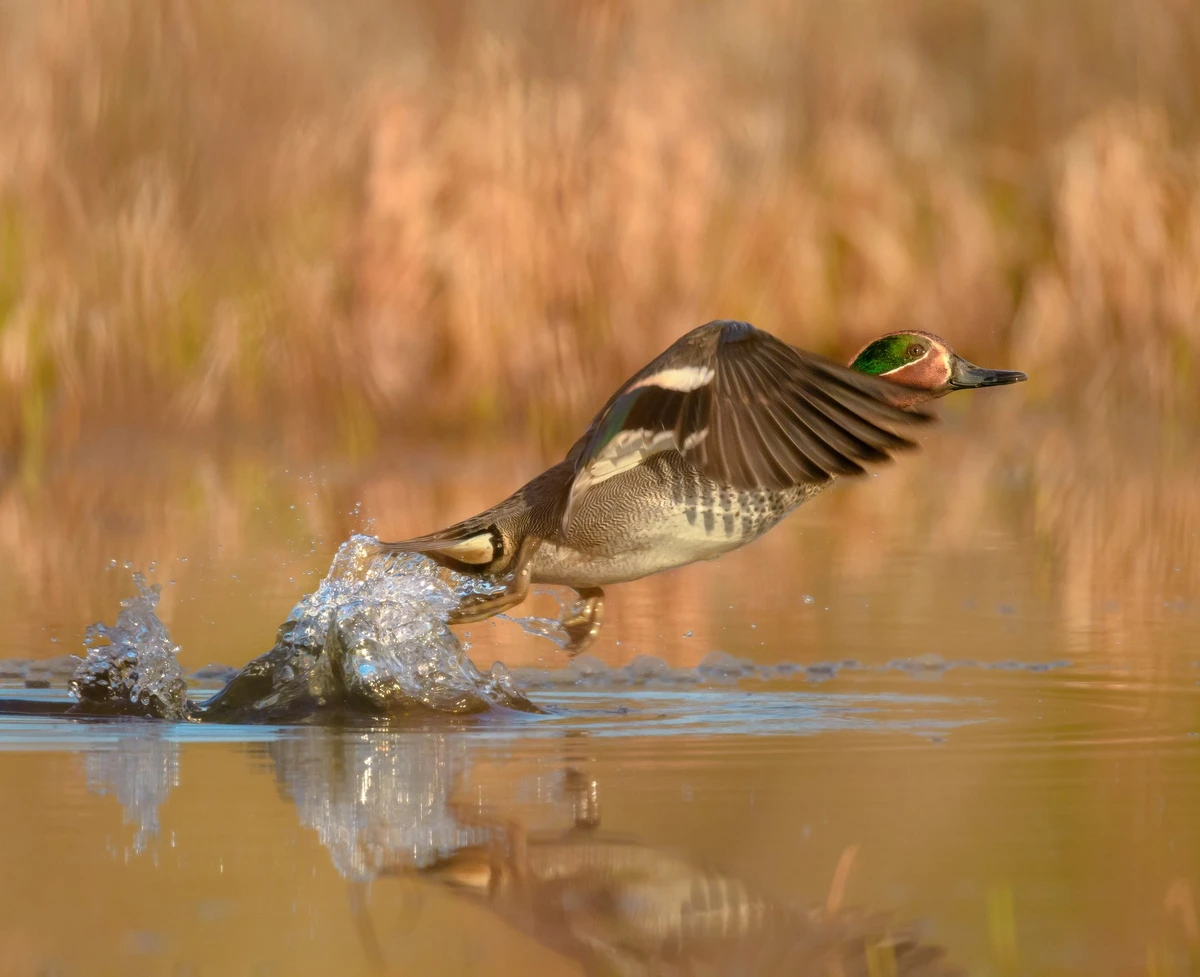
Birds have a greater startle distance than similarly sized mammals. After all, they need to spend a few precious seconds taking off and gaining speed!
Other patterns are quite intriguing. For example, it's known that the larger an animal's brain, the greater its startle distance. Conversely, the larger and more developed its eyes, the less anxious the animal. The first is associated with the innate caution of intelligent animals, the second with the ability of large-eyed animals to scrutinize a predator in detail, accurately assess its behavior, and the distance between you. 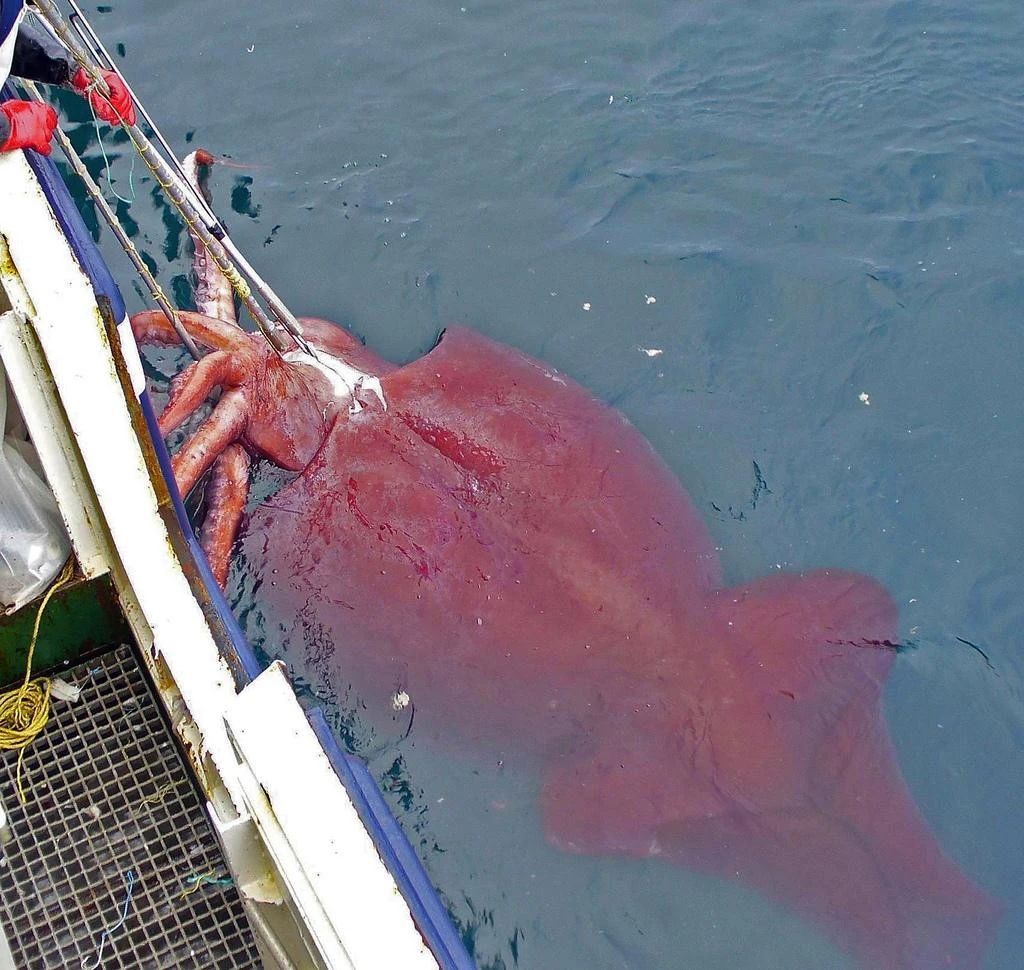
The largest-eyed animal on the planet is this marvel: the giant Antarctic squid, with eyes 40 centimeters in diameter. Unfortunately, almost nothing is known about its startle range. Like the squid itself, it stays in the deep waters, making it very difficult to observe.
It's worth noting, however, that for some animals, the startle range works... oddly. A frightened frilled lizard, for example, doesn't flee in panic, but rather menacingly spreads its crest, hisses, and lunges straight at a person. It's still frightened, but its fear manifests differently. 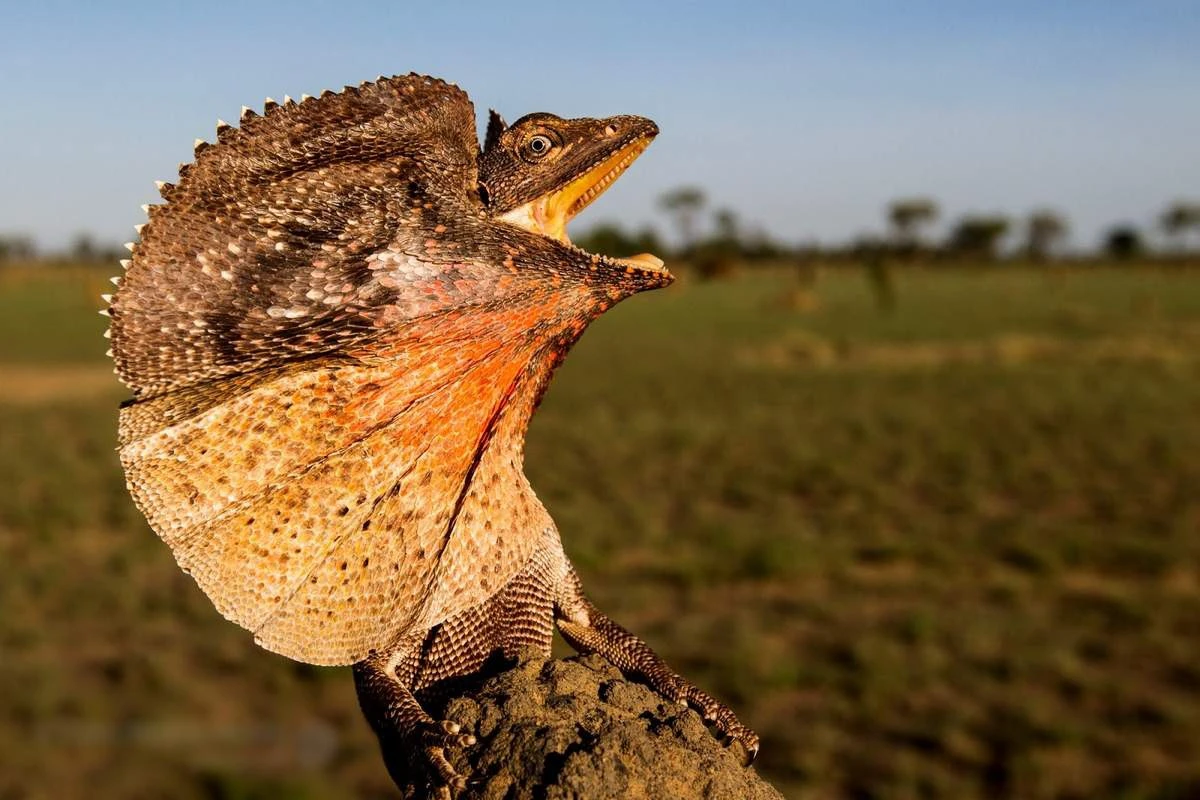
You've startled a frilled lizard. Now it will startle you!
In domesticated animals, this system malfunctions entirely. Sheep and cows may allow a predator or stranger to come within 5-10 meters, while their wild relatives try to stay at least 100 meters away from vicious wolfhounds. And some cats have no startle distance at all when it comes to people—anyone can approach them, anyone can pet them. The degradation of their self-preservation instinct is evident! 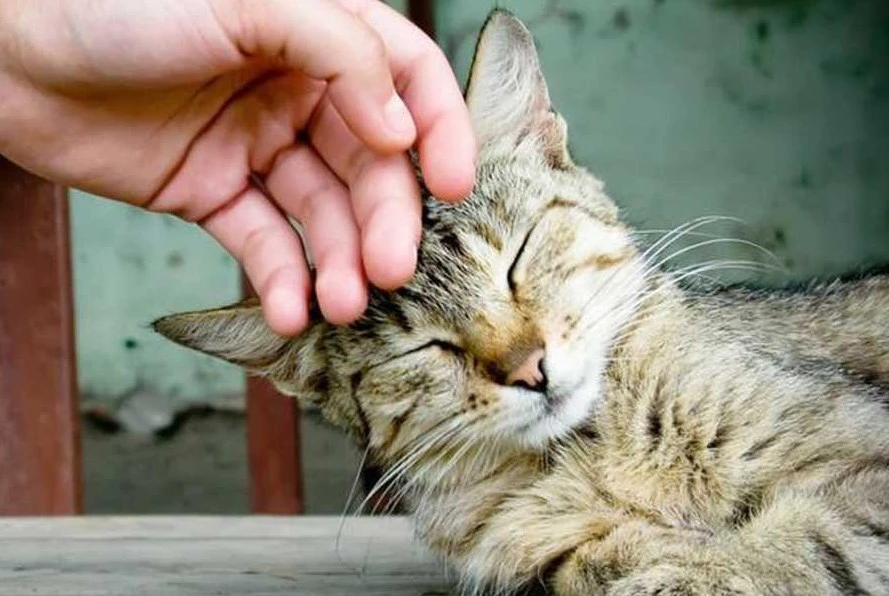
(They met 15 seconds ago)
But at least they still have it. Humans have no startle distance at all—it fell away along with half their instincts during the development of the mind. For us, personal boundaries are more a matter of upbringing and experience than strict biological boundaries. While one person gives a bear a wide berth, another can pick berries with it in the same clearing!