How The Egyptian desert has been transformed into a lunar landscape (26 photos + 1 video)
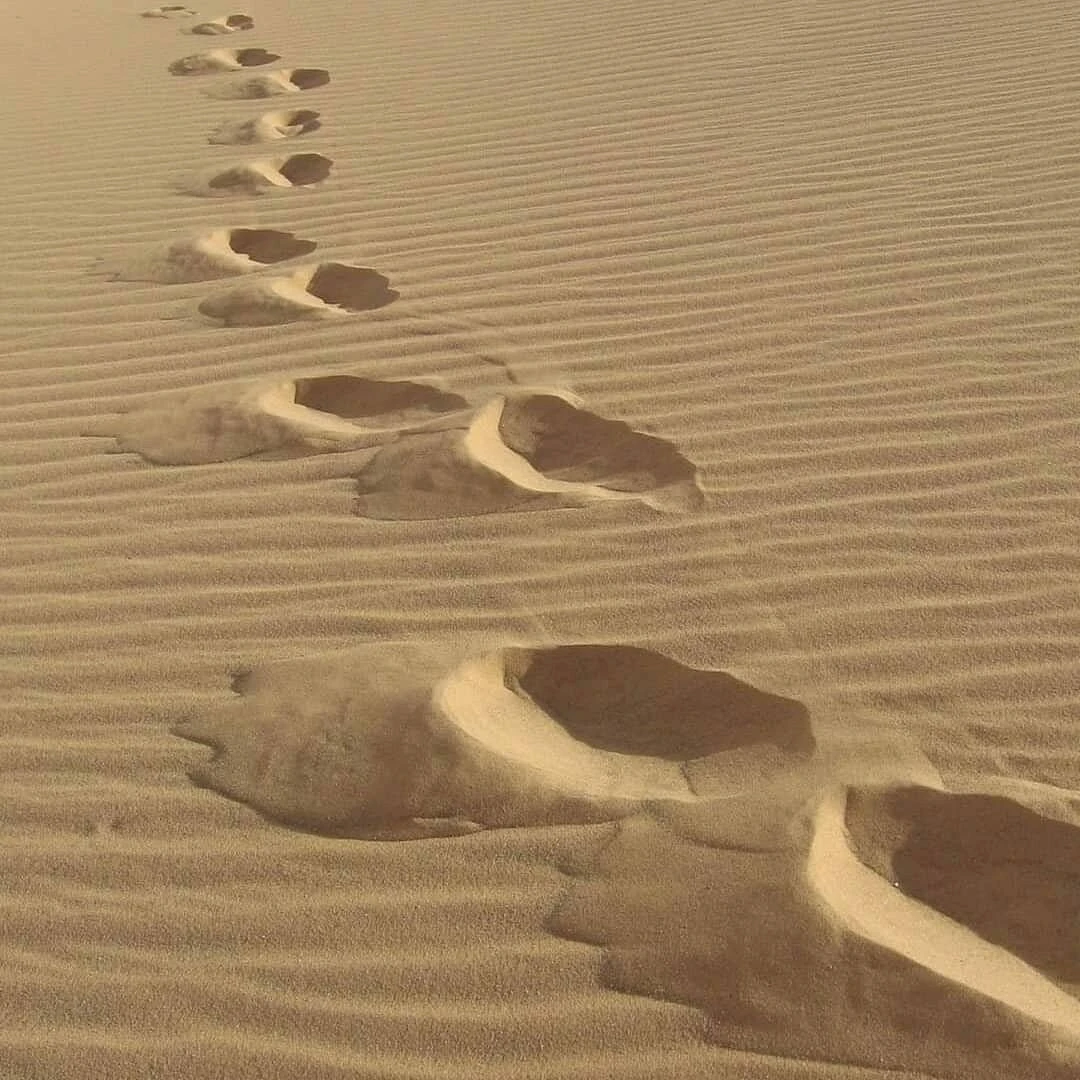
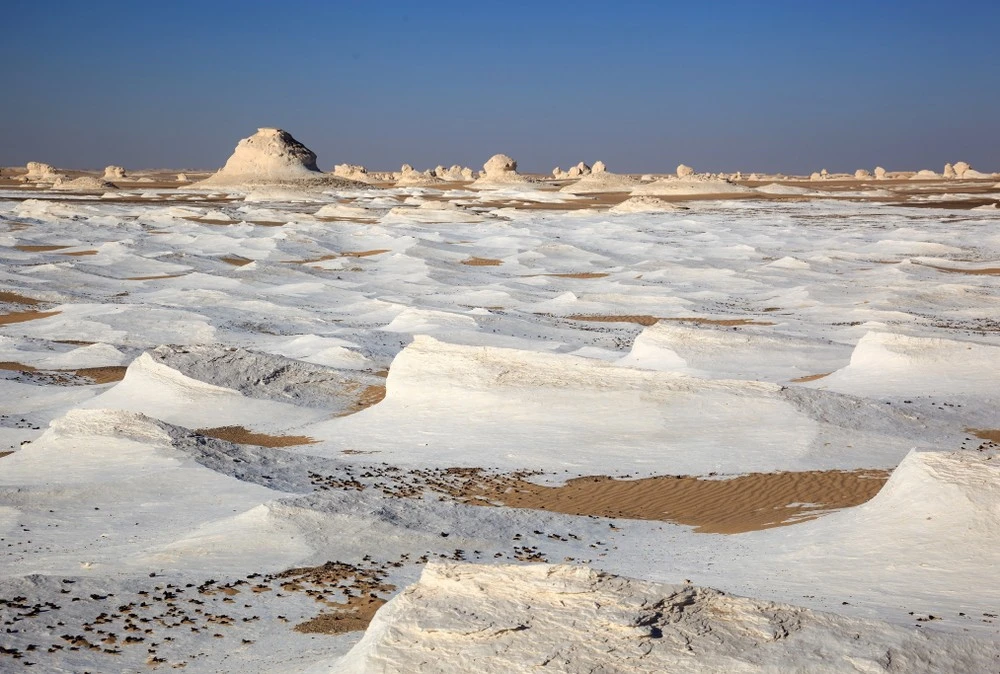
Just a few hours' drive from bustling Cairo lies a desert that's breathtaking, making you feel like you've stepped onto the surface of the moon. 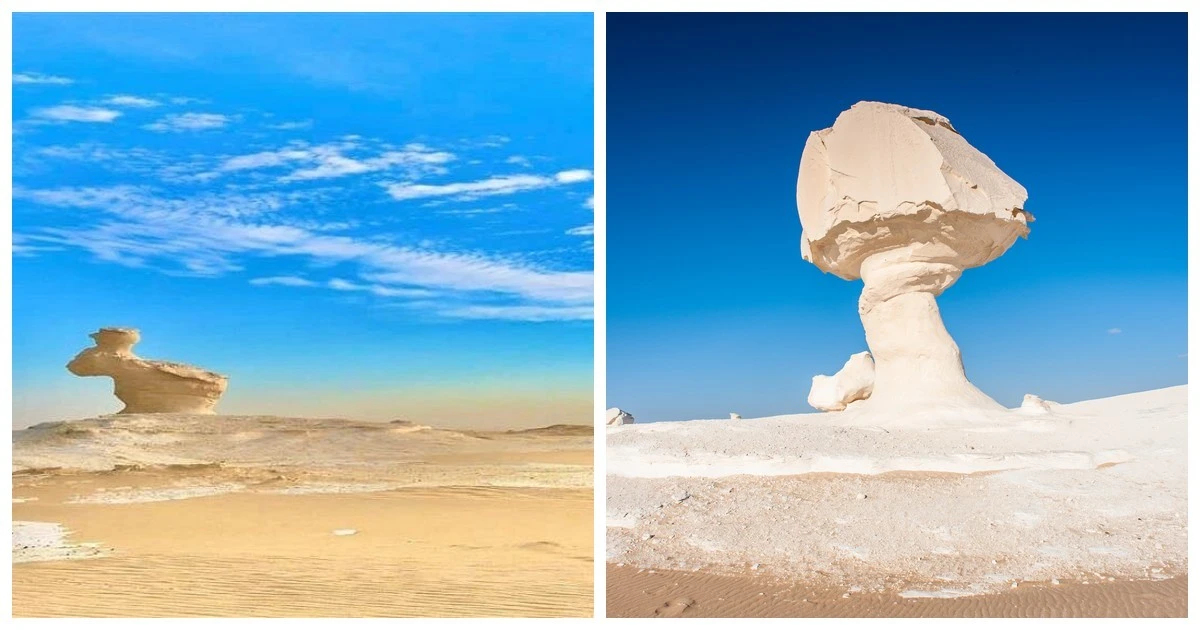
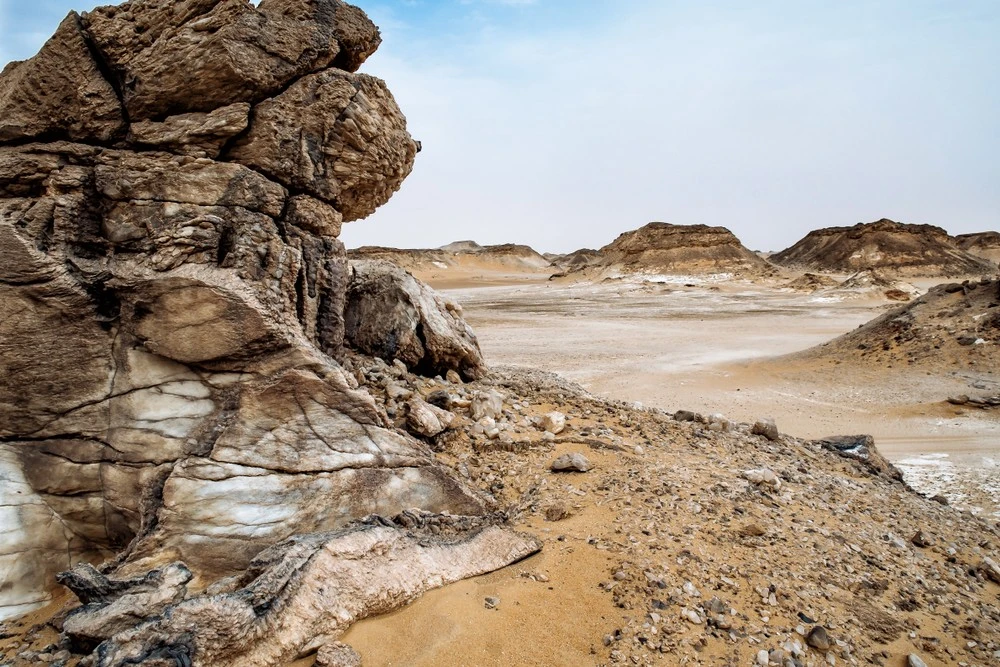
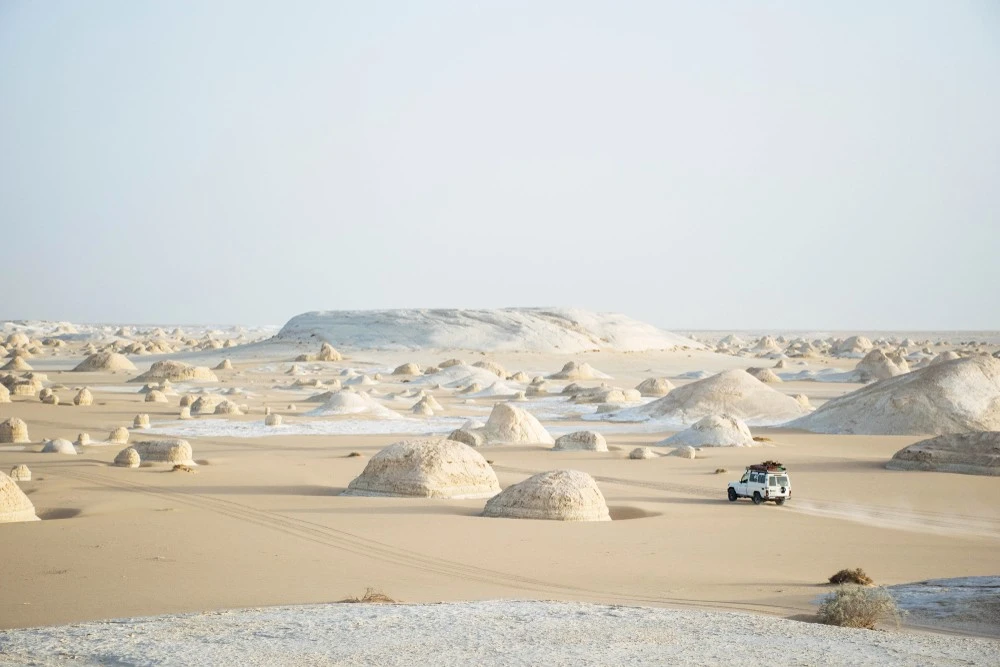
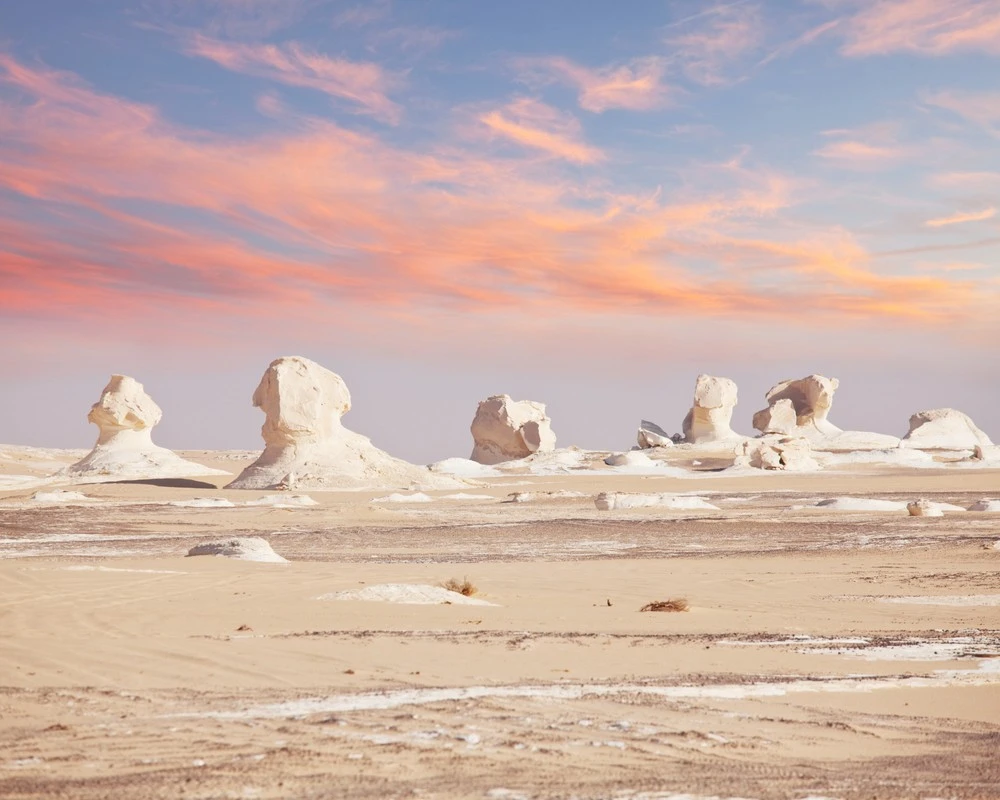
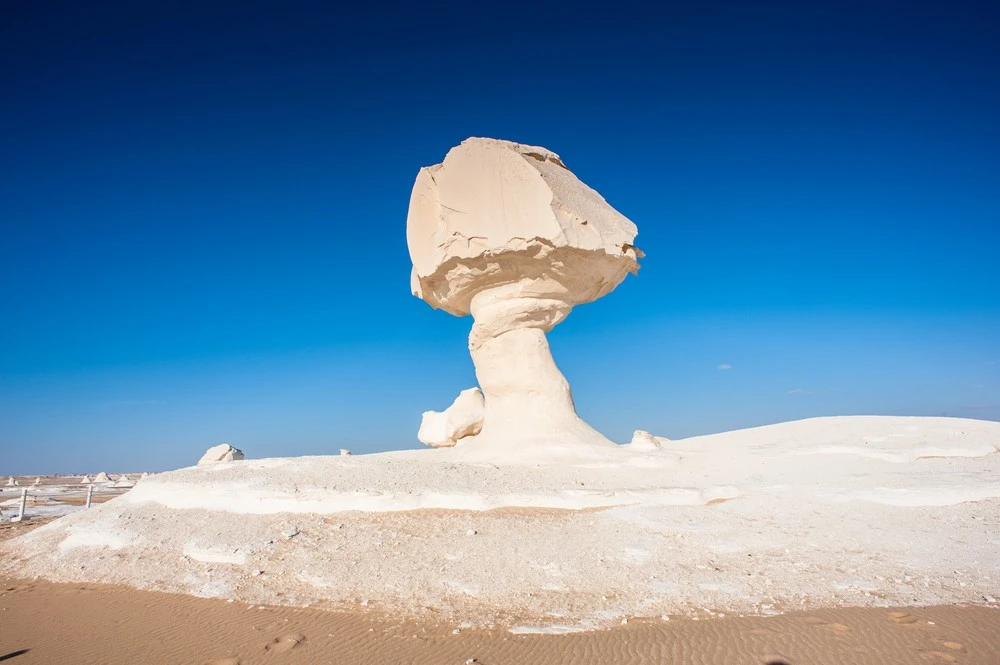
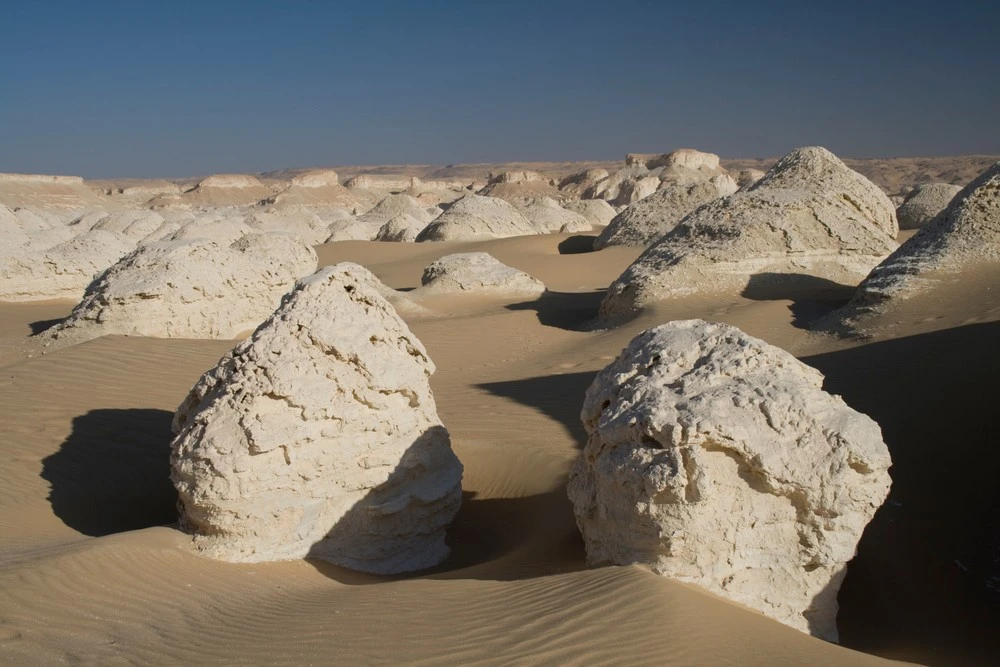
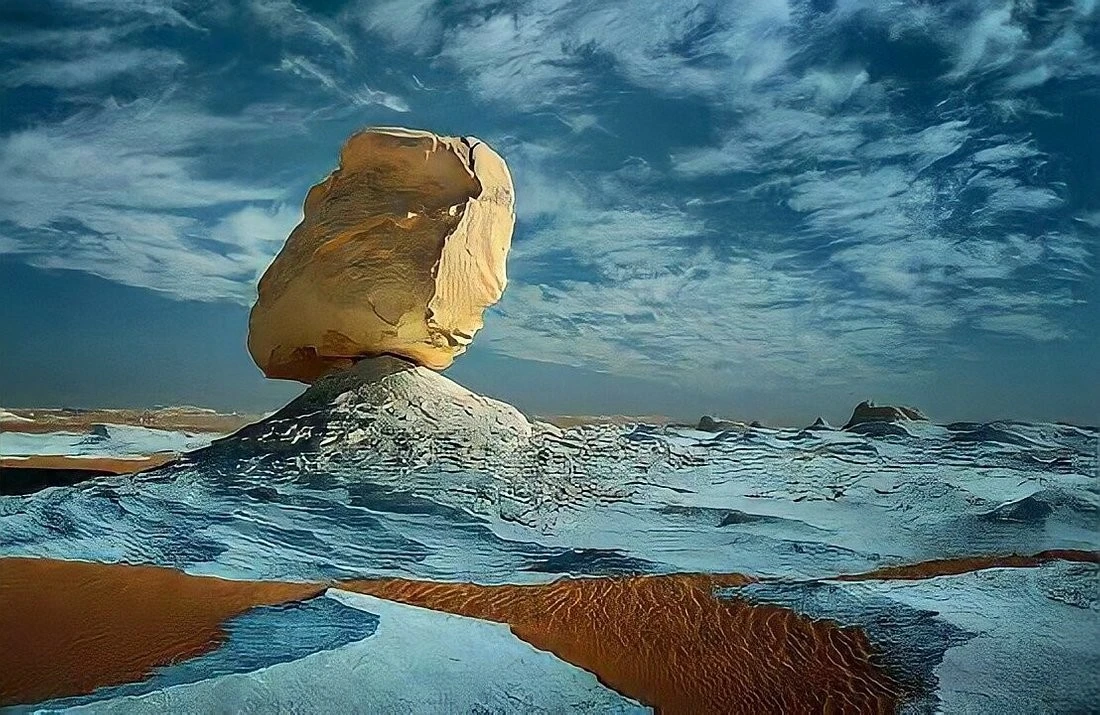
Crowned by centuries of erosion and sandstorms, these unique calcite rocks rise from the earth like majestic abstract sculptures. Some, reminiscent of food, have been nicknamed "mushroom" and "ice cream cone," while others have inspired grander names like "Monolith" and "Inselberg." 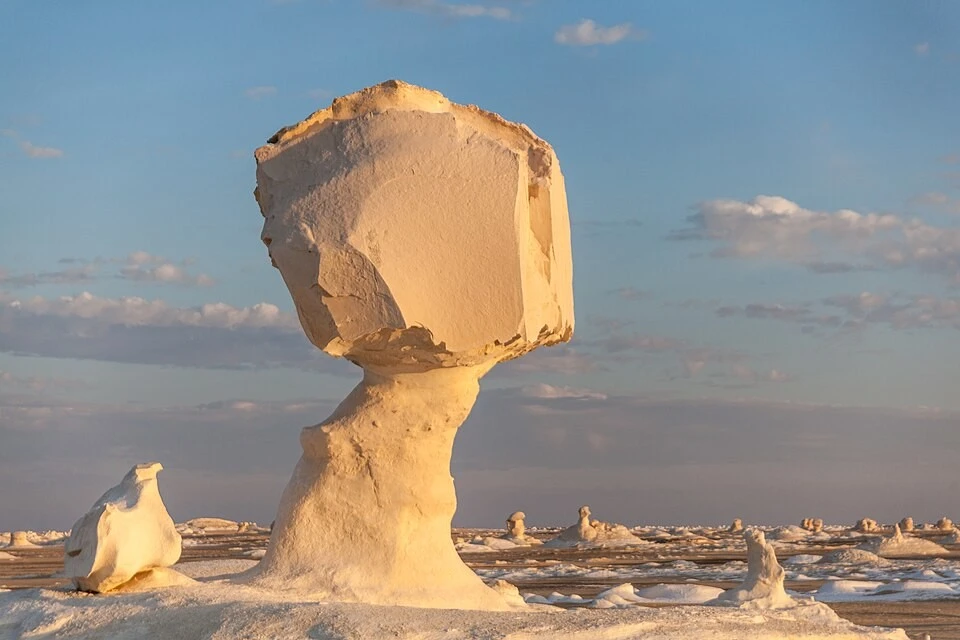
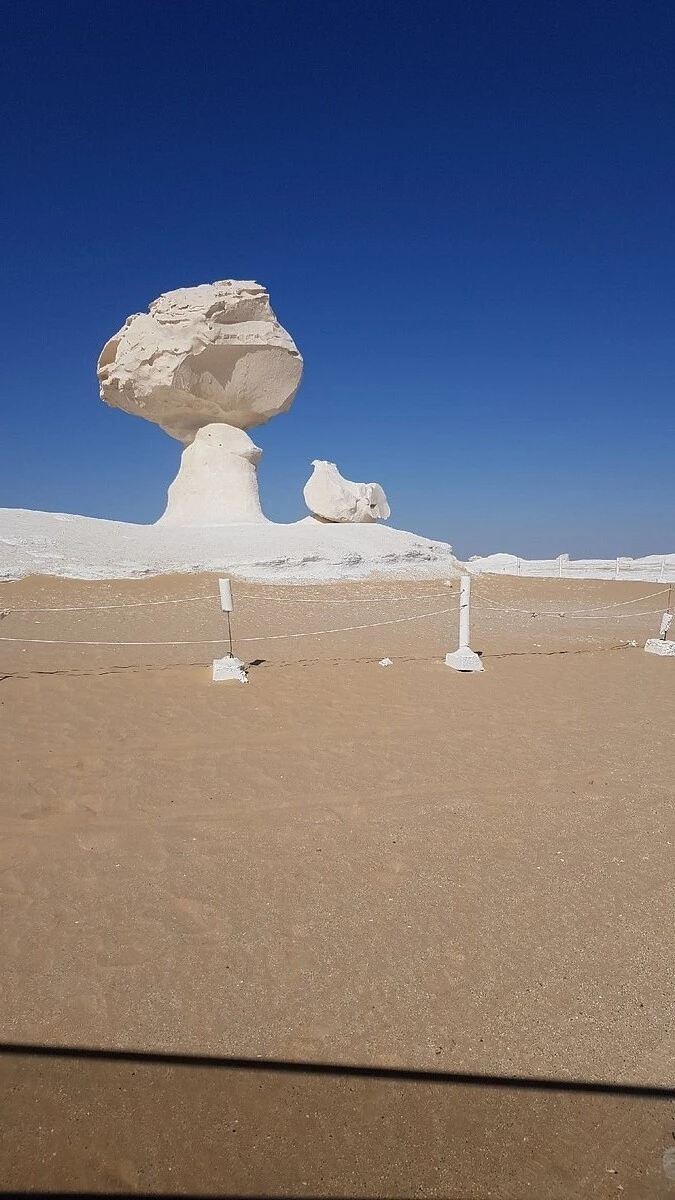
Perhaps the most characteristic of these bizarre natural formations is the famous "chicken and tree" formation, also known as "chicken and mushroom" or, even more evocatively, "chicken and atomic bomb." Only in the White Desert will you have the chance to see such a strange and breathtaking natural museum of chalk cliffs. 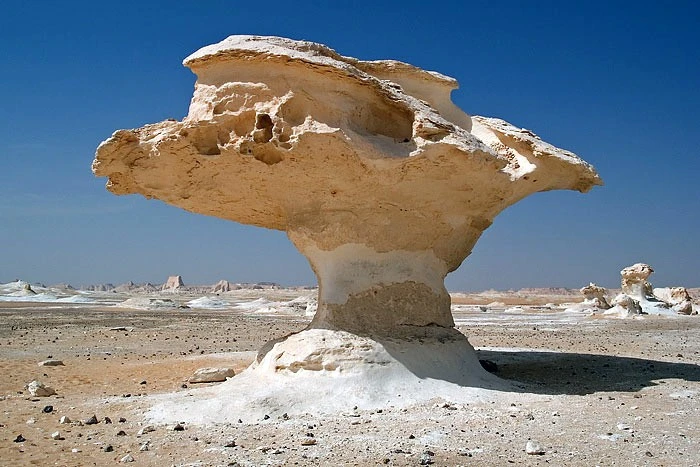
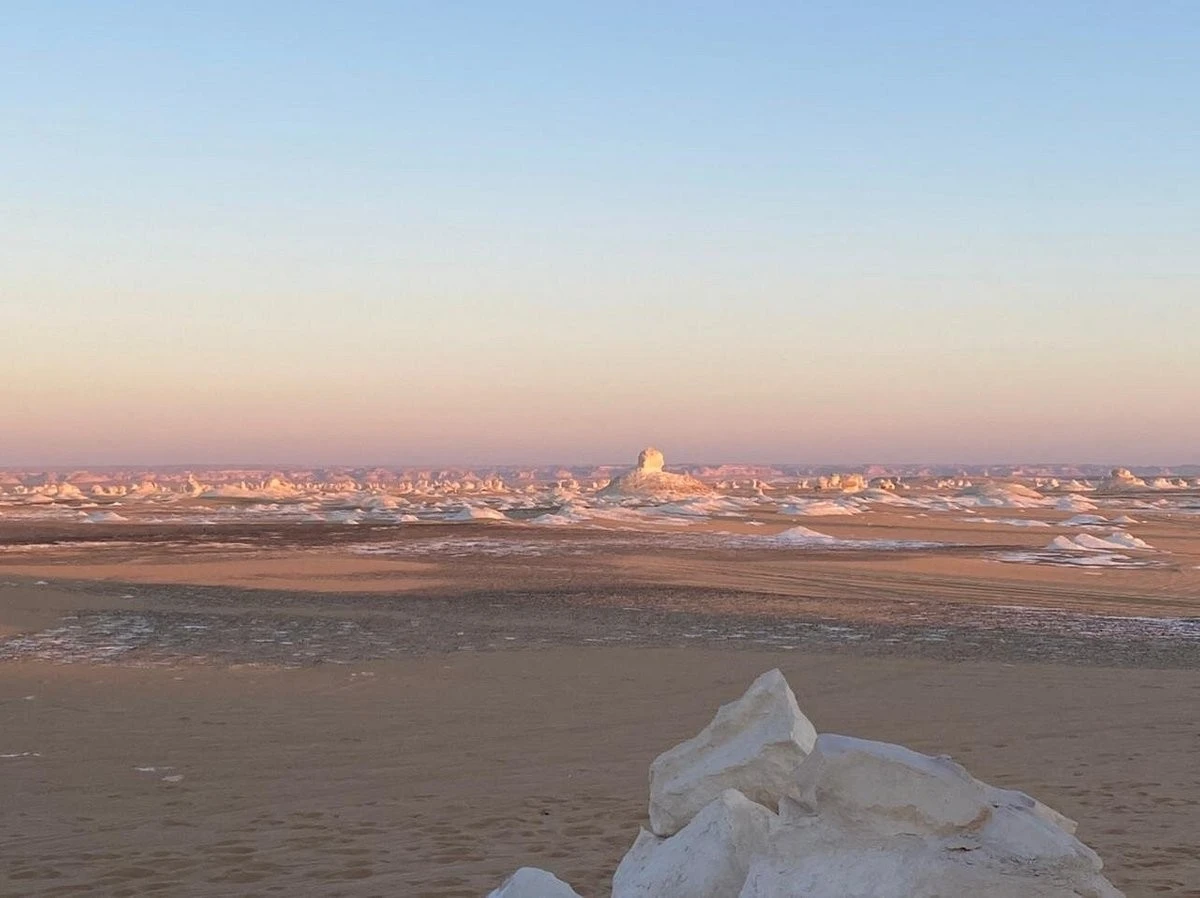
Many travelers choose to spend the night in the desert with Bedouin guides to watch the changing faces of stone chickens, mushrooms, and monoliths as the bright afternoon sun plunges into a mysterious twilight. At sunset, the sea of calcite reflects all the fuchsia and orange hues of the sky. And while any night under the desert stars is an unforgettable adventure in itself, those lucky enough to catch a full moon are treated to a truly fantastic spectacle: the desert radiates a ghostly, pearlescent glow. 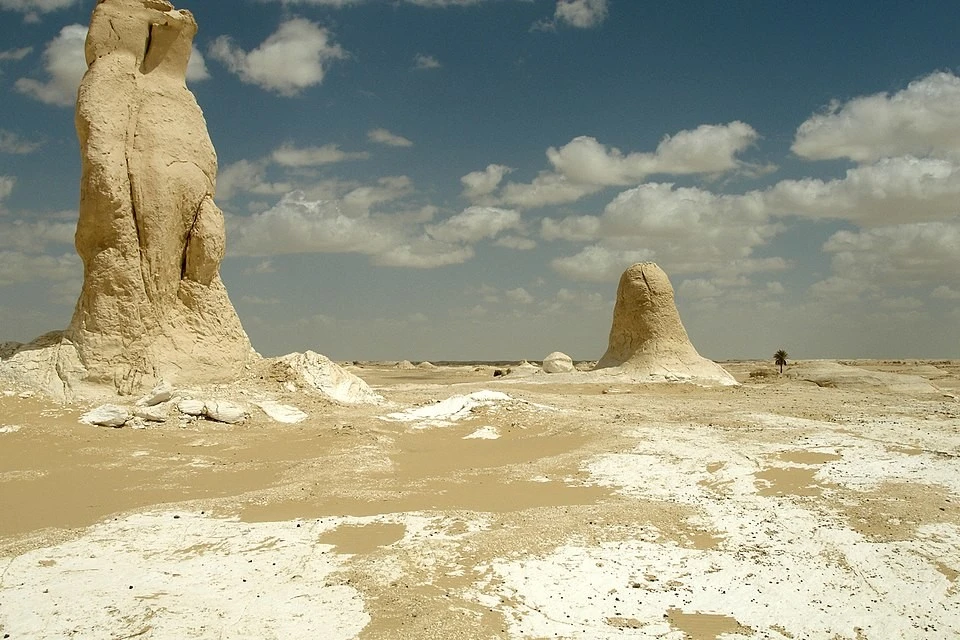
The White Desert National Park was created not only to preserve the fantastic chalk landscapes. Its most important mission is to protect the fragile ecosystem of the Sahara and the diversity of its unique fauna. Hidden behind the bizarre cliffs, reminiscent of an alien setting, desert life teems. 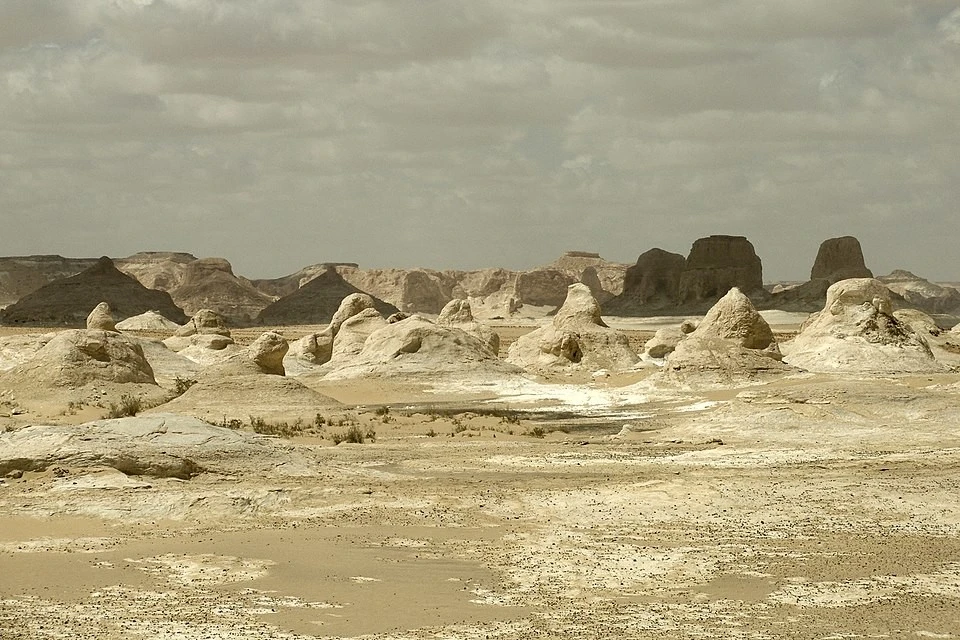
Rare African wildlife finds refuge and protection here. Among the sands and gorges, you can encounter graceful dorcas gazelles and slender-horned gazelles, capable of surviving for long periods without water. At dusk, predators large and small emerge to hunt: the long-eared fennec fox, the cunning jackal, the red fox, and the rarer Rüppell's fox. The elusive sand cat, ideally adapted to life in harsh conditions, is considered a true gem and symbol of the park. 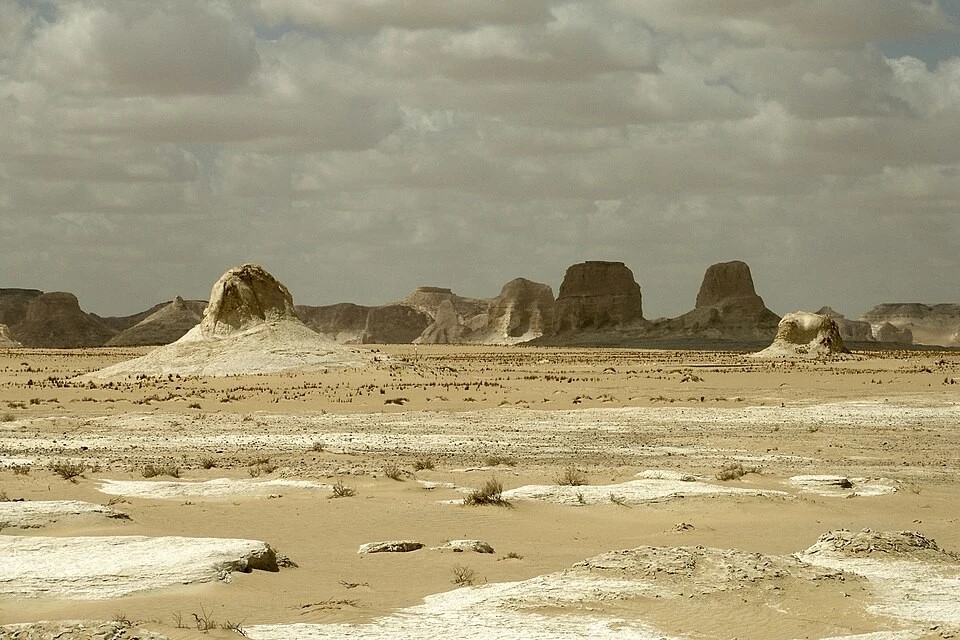
But the mighty Barbary sheep, whose impressive spiral horns have become a Saharan legend, is rightfully considered the proudest guardian of these lands. Each of these species forms an integral part of the complex and amazing natural fabric that the park carefully preserves for future generations. 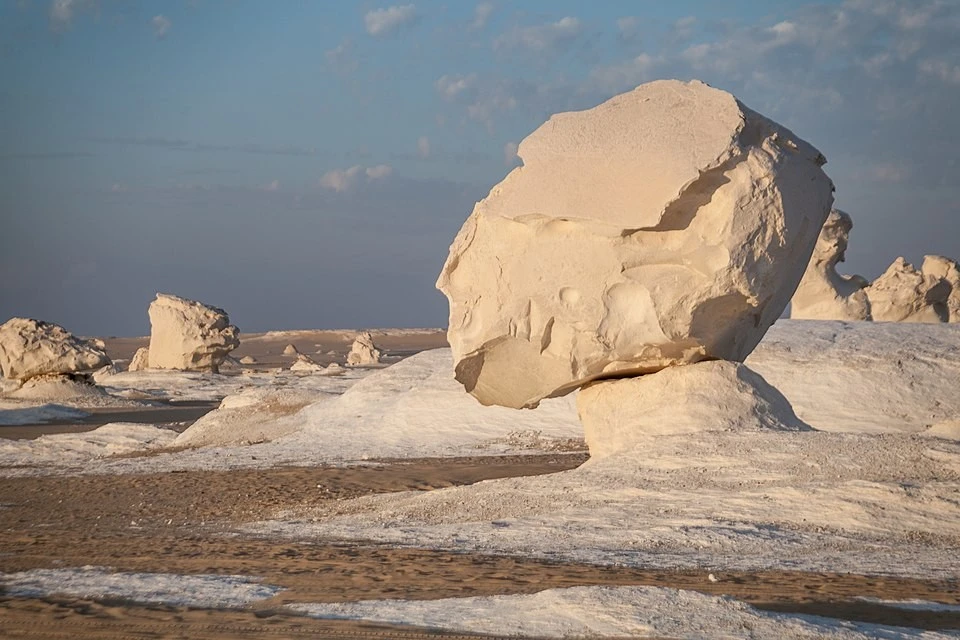
[thumb]https://cn22.nevsedoma.com.ua/p/29/2926/225_files/1919a4f72e 20cb2064f613af40fd4807.webp[/thumb] 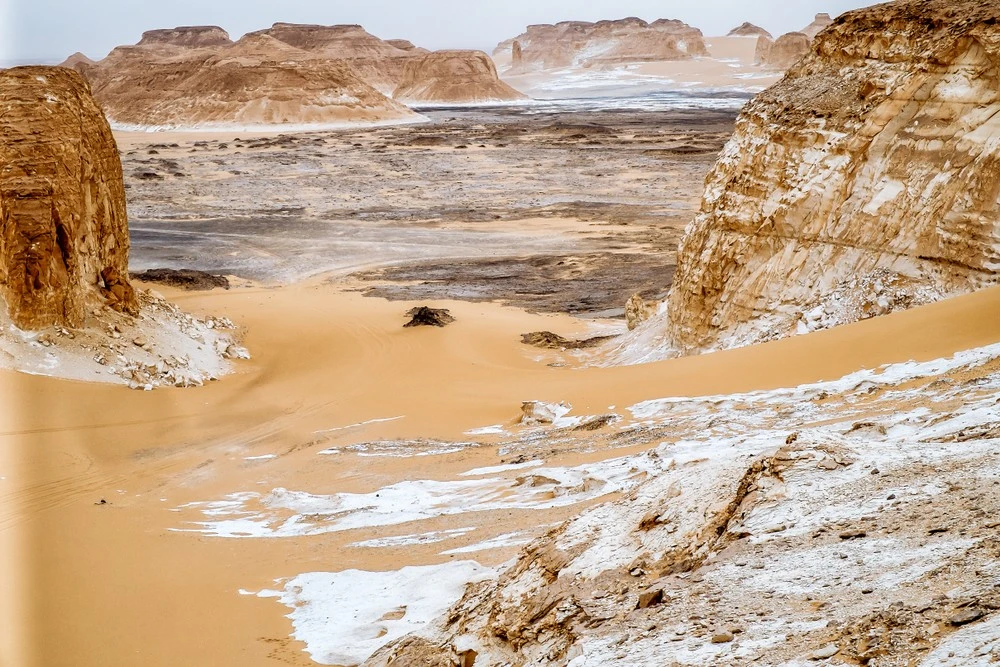
[thumb]https://cn22.nevsedoma.com.ua/p/29/2926/225_files/144113c171 8f4fb6423211b283d6b32e.webp[/thumb] 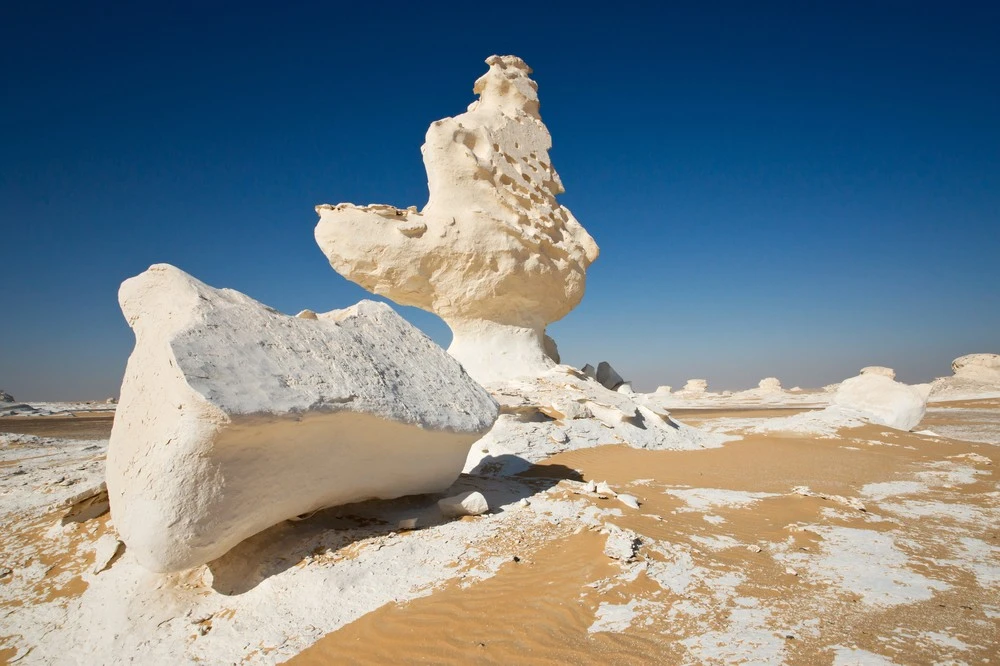

[thumb]https://cn22.nevsedoma.com.ua/p/29/2926/225_files/05d40e9fca 2008abfaacb5aa2850edd8.webp[/thumb] 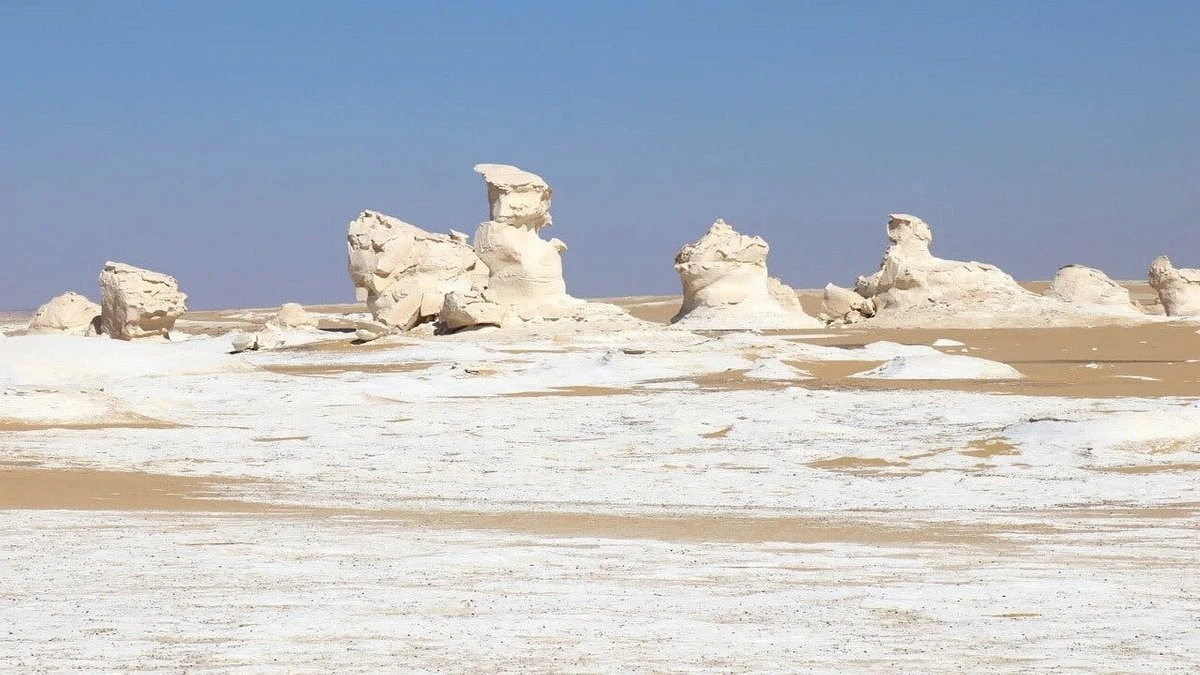
[thumb]https://cn22.nevsedoma.com.ua/p/29/2926/225_files/3d4716ba e8b72e41f44694f389a6afe6.webp[/thumb]