What's the Secret: Why Hasn't a Single Bridge Been Built Across the Amazon Yet? (8 photos)
The Amazon is the world's most voluminous river and the second longest after the Nile. It flows through nine South American countries, but most of it through Brazil. Yet, not a single bridge has been built across it. Why is that? It's due to natural conditions. 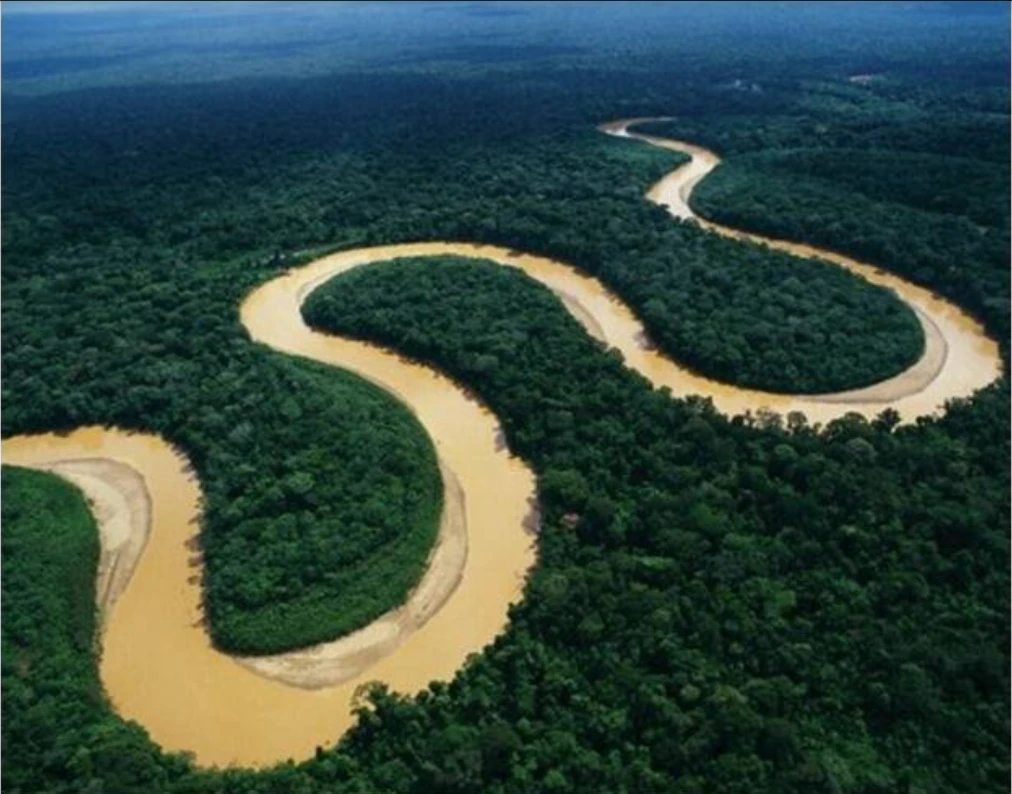
The Amazon is a very unpredictable river. It can branch into dozens of branches, only to reassemble again. The water can rise or change direction unexpectedly. Just imagine: if the river is approximately 11 km wide during the dry season, then during the rainy season it widens to 50-80 km! That's the width of 150 football fields! 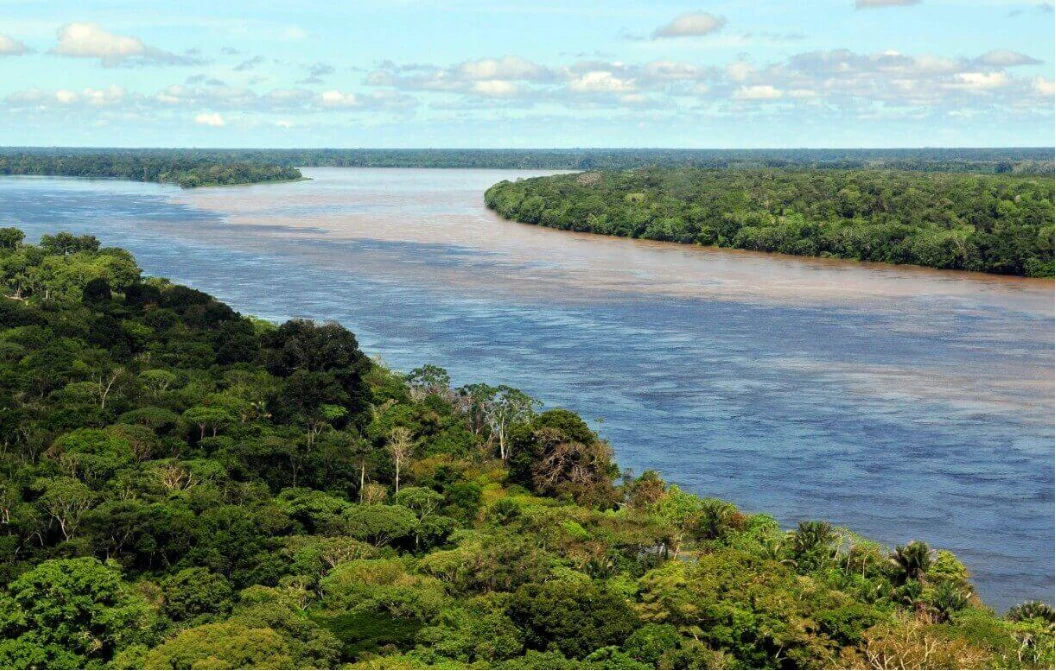
The riverbanks are swampy and covered with tropical forests. Construction here is extremely expensive, as equipment simply cannot operate on such unstable and wet soil. Furthermore, floods are common in these areas, which can quickly destroy any structure.
But one of the most unusual phenomena in the Amazon is the tidal wave known as the Pororoca. This enormous tide from the Atlantic Ocean rises up the river twice a year, sometimes for almost 800 kilometers! 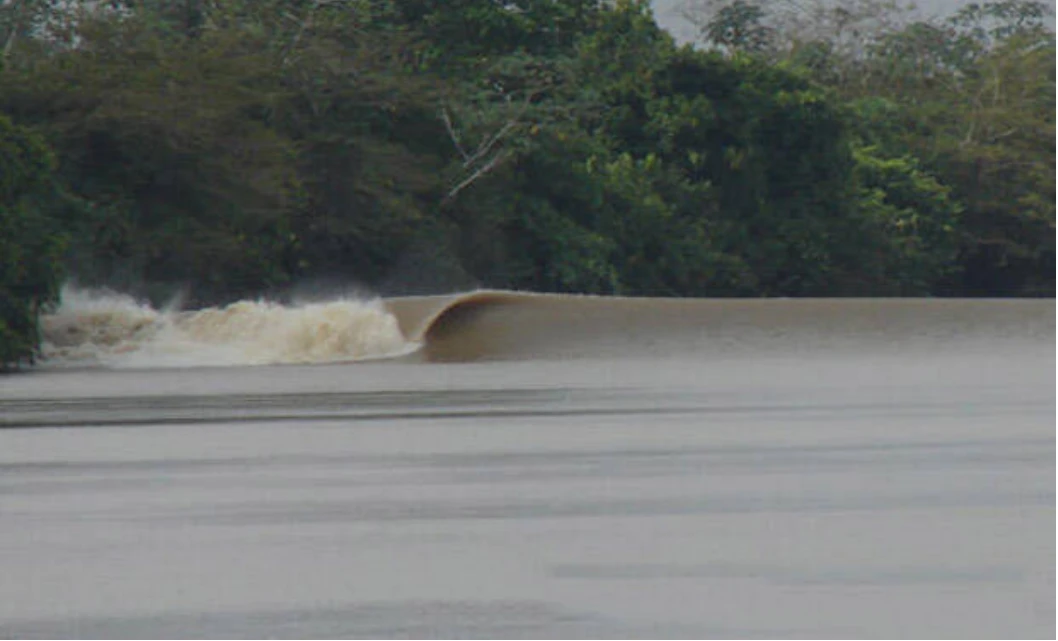
The wave is accompanied by a powerful roar, which can be heard half an hour before it appears, and can reach a height of 4-6 meters, moving at speeds of up to 27 km/h. It's truly incredible!
When the Pororoka passes, the river's current temporarily reverses. Imagine if a bridge were built across the river – its supports simply wouldn't withstand such water pressure. Furthermore, the water at this time becomes brackish, and the riverbed itself is dangerous even for shipping, let alone construction work. 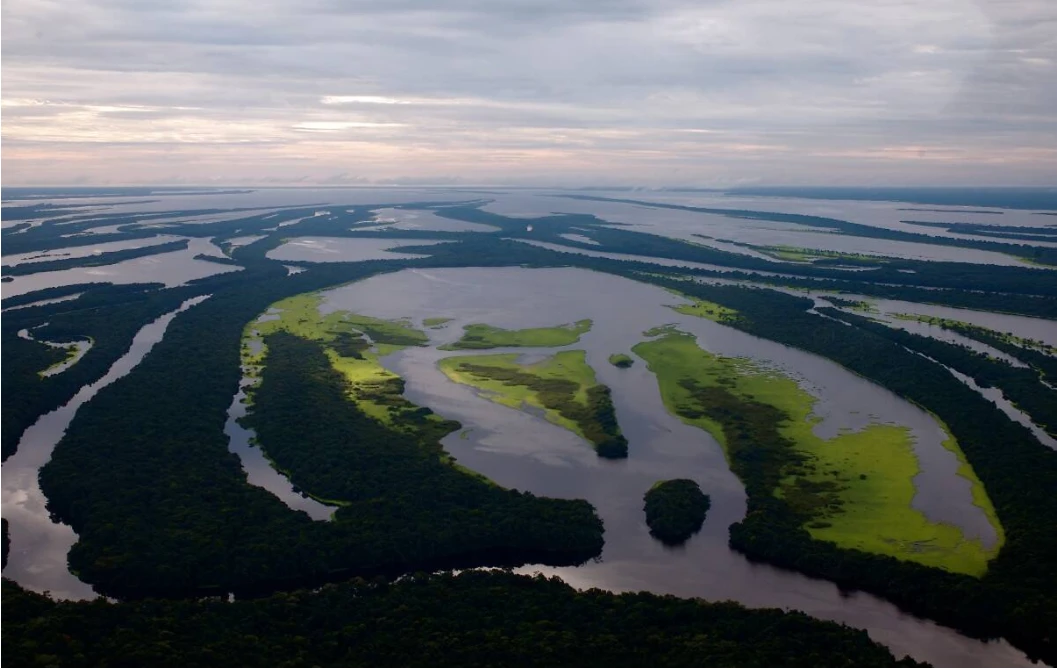
There's another caveat: scientists recently discovered another river, the Rio Hamza, beneath the Amazon. It flows approximately 4 km below the surface, exactly following the route of the Amazon. Unlike its "big sister," it is very wide (about 400 km) and flows slowly. Its waters are salty, and the origin of this underground river is still not fully understood.
This discovery makes engineers even more cautious: underground currents can cause soil movement, thereby affecting the stability of any structure above ground. A bridge built in such a location could collapse under the influence of internal forces that cannot be accurately calculated. 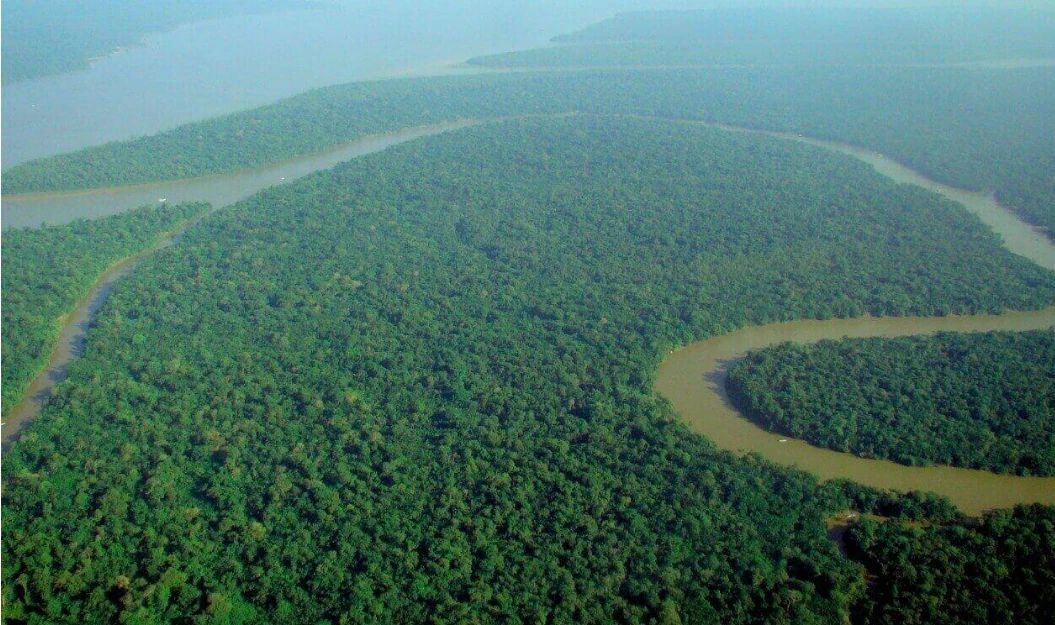
However, bridges are usually built where there is a need to connect important cities or create a convenient transportation route. However, along the Amazon, there is no such need. Most settlements are located far from each other, and there are almost no large cities on either side of the river.
Boats, motorboats, and small ferries have been used for transportation here since ancient times. They are cheap, convenient, and don't require expensive infrastructure. Even tourists coming to see the jungle enjoy traveling by water rather than waiting for bridges.
Interestingly, near Manaus (one of the largest cities on the Amazon), there is a bridge called "Manaus - Iranduba," but it doesn't span the Amazon itself, but rather one of its tributaries, the Rio Negro. It is the only such example in the region. 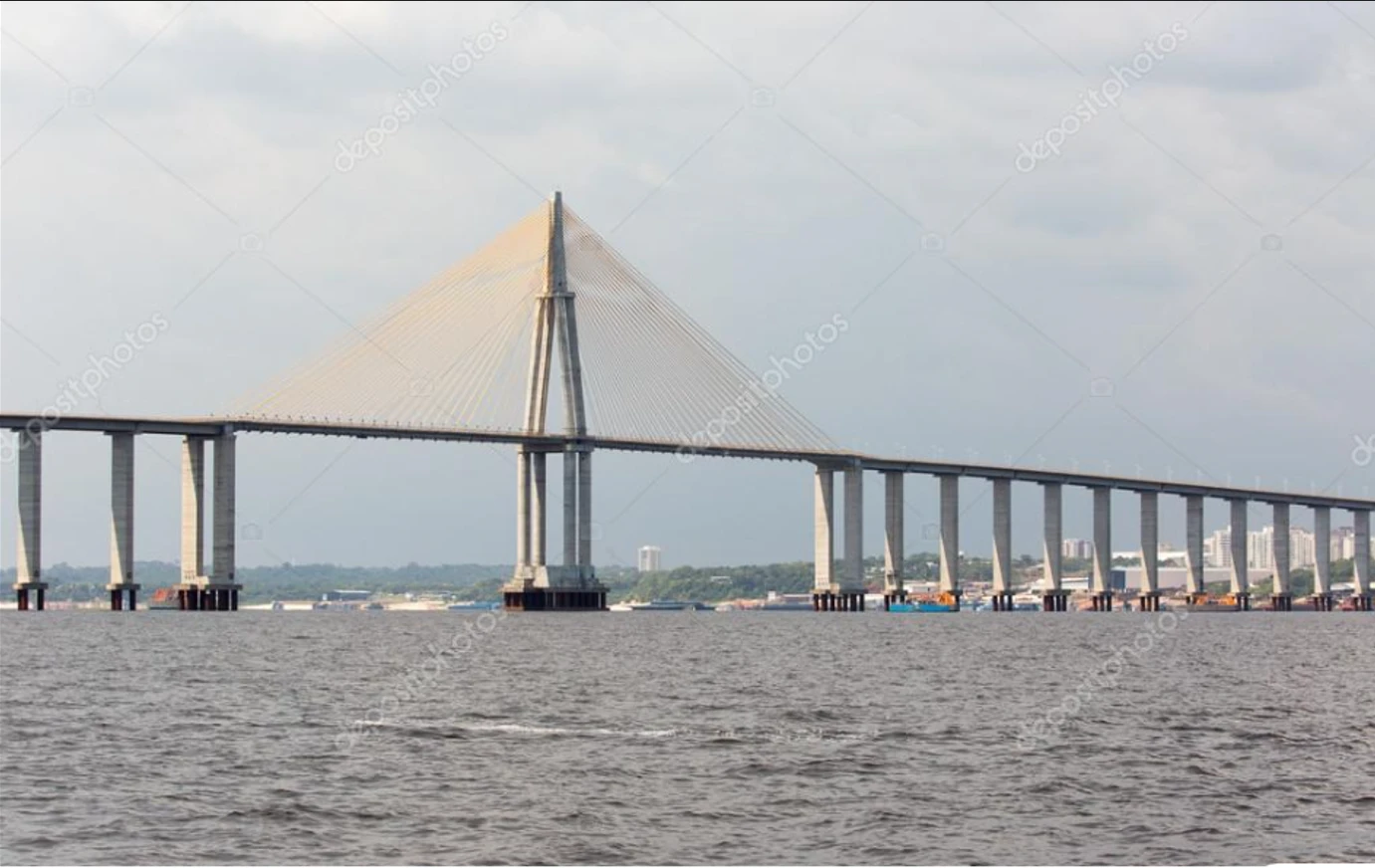
The Manaus-Iranduba Bridge (called Ponte Rio Negro in Brazil) is a 3,595-meter-long bridge across the Rio Negro, connecting the cities of Manaus and Iranduba. It opened on October 24, 2011. 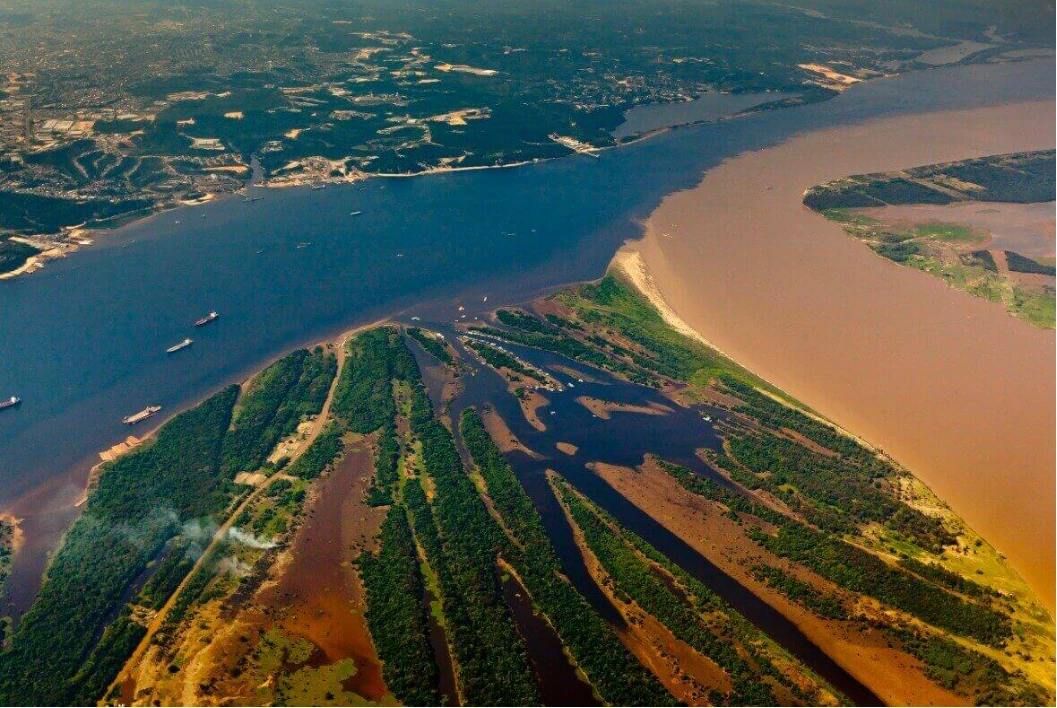
The Amazon is not only a river, but also the heart of the entire tropical rainforest ecosystem. It is home to a huge number of rare and unique animals found nowhere else on the planet. One of the most famous is the pink dolphin. Scientists believe it was once a marine species, but due to the Pororoki River and brackish water, it ended up in the river and adapted to life in freshwater.
Building a bridge in such a place will inevitably disrupt the natural balance. To protect the environment and preserve biodiversity, it is best not to interfere at all in areas where nature has already arranged everything its own way. 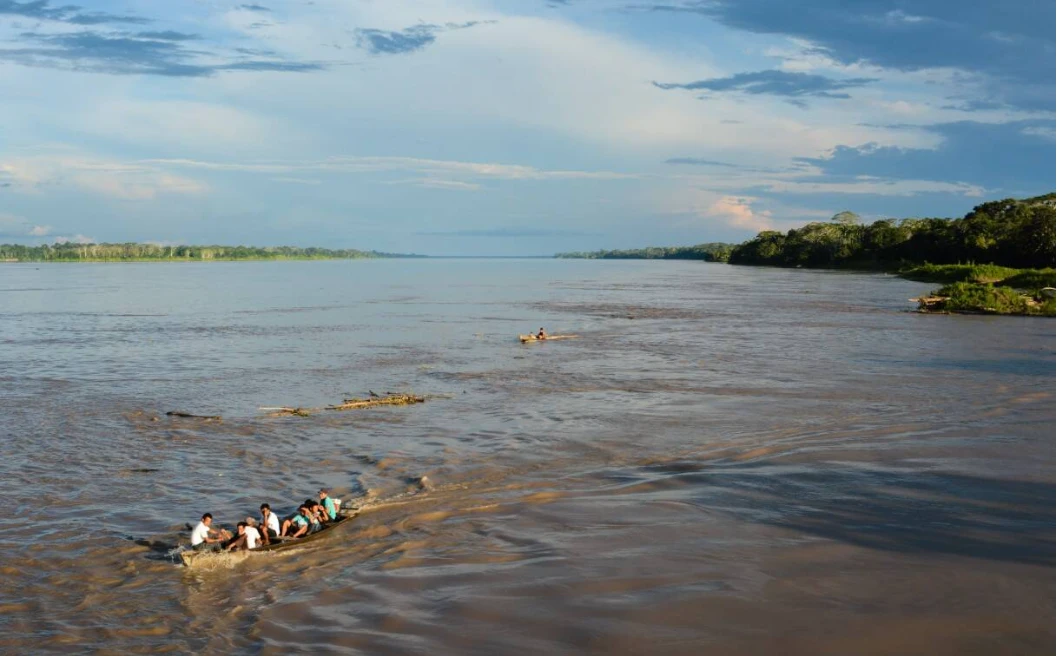
The Amazon is an example of how nature sets its own boundaries. Its unpredictable behavior, complex geography, ecological value, and lack of need for land crossings make building rivers pointless. People here long ago found a simple and effective way to live with the river, not in spite of it.