Did you know that not all bears that roam the forest in winter are cranks? Some bears deliberately avoid hibernation! Of course, when you encounter a potapych in the middle of the forest, your thoughts will be elsewhere. But your life could depend on this knowledge! It's simple: cranks are deadly, while non-cranks are quite cute and harmless by bear standards. 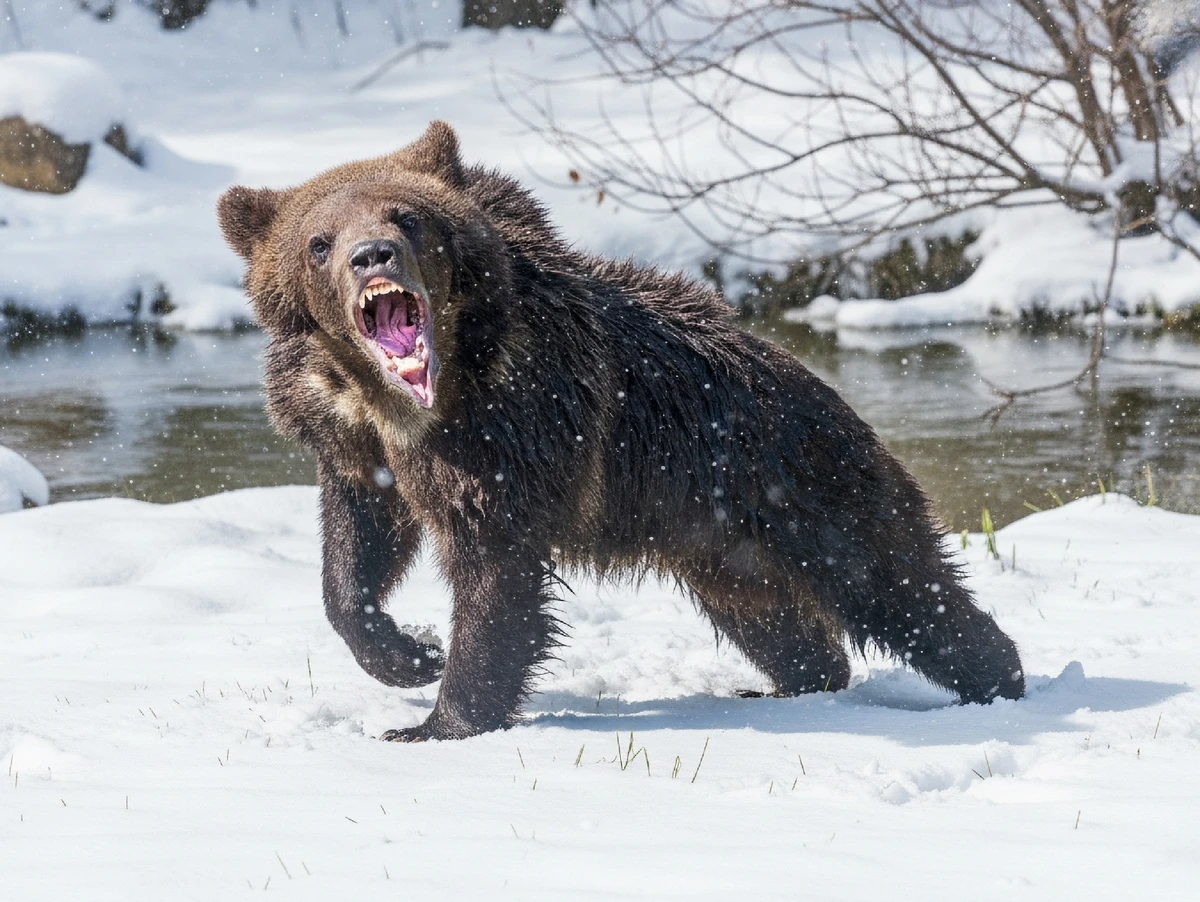
Crank or not, it's all the same.
So, first, let's figure out what a crank is and why they're so scary. A crank is a bear that CANNOT hibernate. He'd be happy to be basking in a quiet, cozy den, but alas, something went wrong. The main cause of winter insomnia is a lack of nutrients. For the entire 4-6 months underground, bears don't suck their paws, but intensively burn fat reserves. Reserves that the bear should have accumulated in advance. By the beginning of hibernation, the animals gain 20-35% of their weight: an adult male can weigh up to 600 kilograms at the beginning of autumn. Of this, about 180 kilograms will be fat, which will later become a reserve source of nutrition. 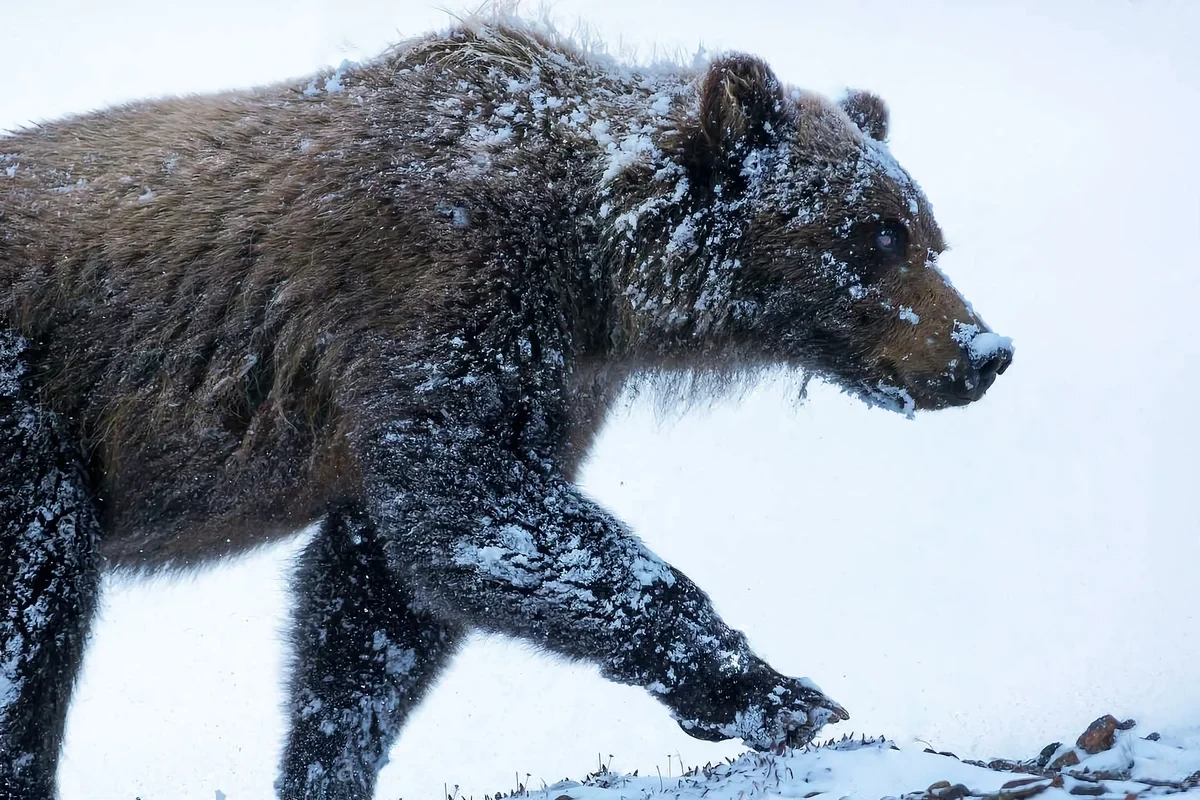
Is winter coming? No. Winter is already here.
Gaining this much weight is no easy task, considering that a bear's diet consists of approximately three-quarters vegetation. Therefore, in the fall, bears especially rely on nutritious nuts and fruits, honey, larvae, and insects. And, of course, they shamelessly snatch prey from predators. 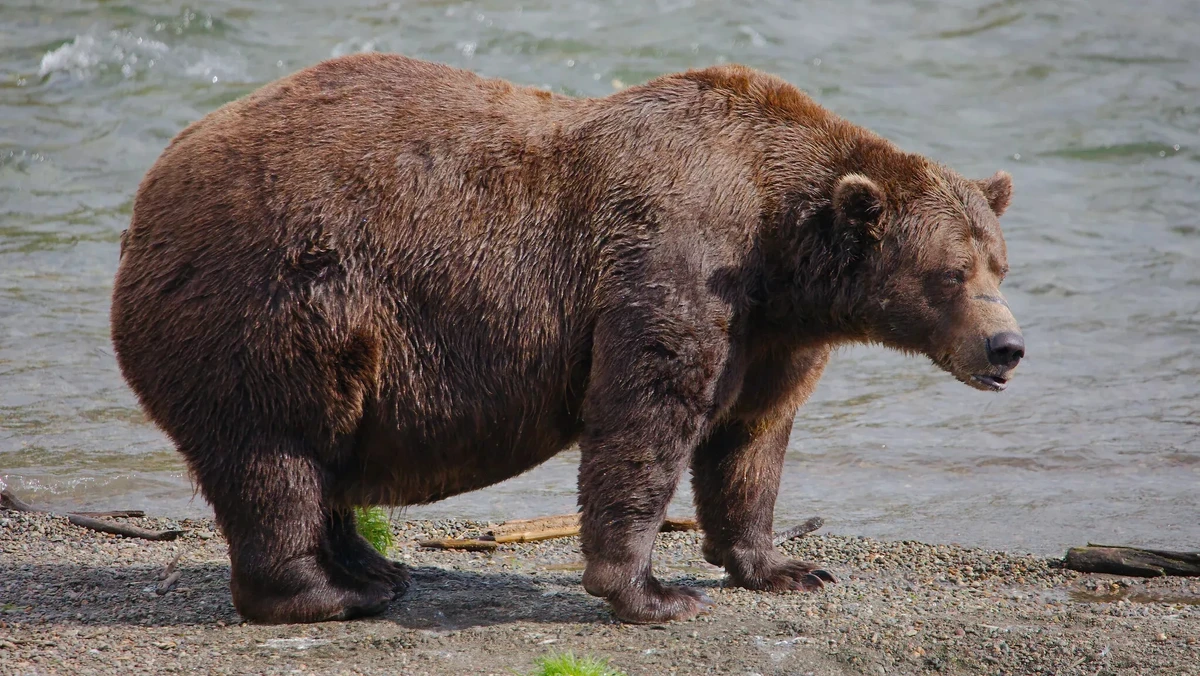
This is what a bear should look like before hibernation.
If a bear has wasted all summer and hasn't gained any weight, then winter will be tough. It would seem that hibernating for the entire winter would be far more beneficial than wandering around in the snow and starving. But that doesn't work with a bear's metabolism. If the animal doesn't gain at least 15-20% body fat, it can't hibernate. Its body simply won't be able to sustain itself for 4-6 months, and it will die. 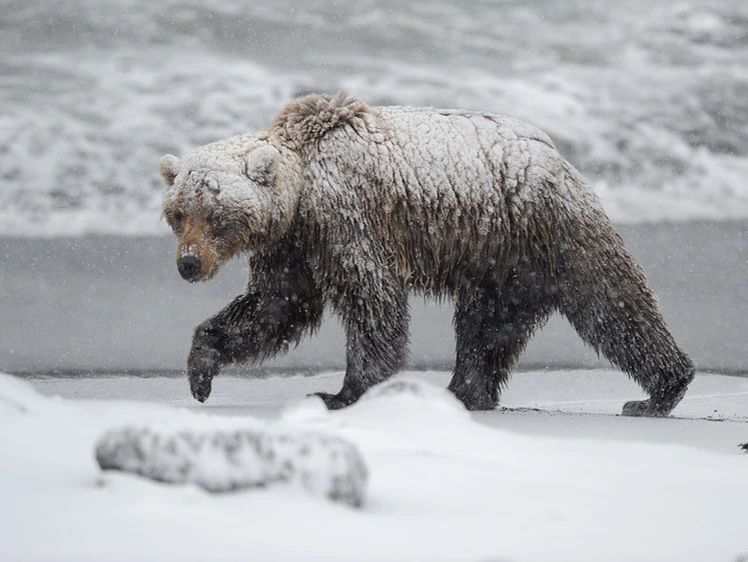
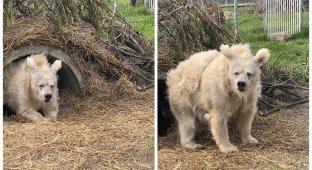
And this is what the connecting rods look like.
And here's the rub: the potapych is unable to find enough plant food under the snow. The skinny and weak clubfooted one also can't catch a deer. So, the animal has two options: die of starvation in the forest or in a den. Most choose the first option, hoping for a long autumn and a warm winter, but alas. 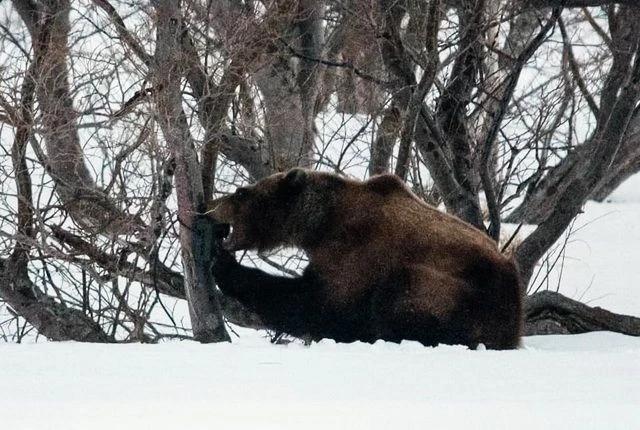
When you try to stick to a diet and eat "only the right food."
It's these bears that turn into shatuns—hungry, angry, exhausted animals that stagger through the forest in weakness and attack anything that moves. Encountering them is extremely dangerous. Shatuns are not afraid of humans; they come to villages, rummage through garbage, and kill dogs and livestock. Their behavior is impulsive and unpredictable, as they're already three paws deep in the grave. Under no circumstances should you approach such a bear, or allow dogs to approach them "to drive them away," and it's generally best not to attract attention and retreat slowly. You should also call the game service, as the crank poses a mortal threat to everyone around. 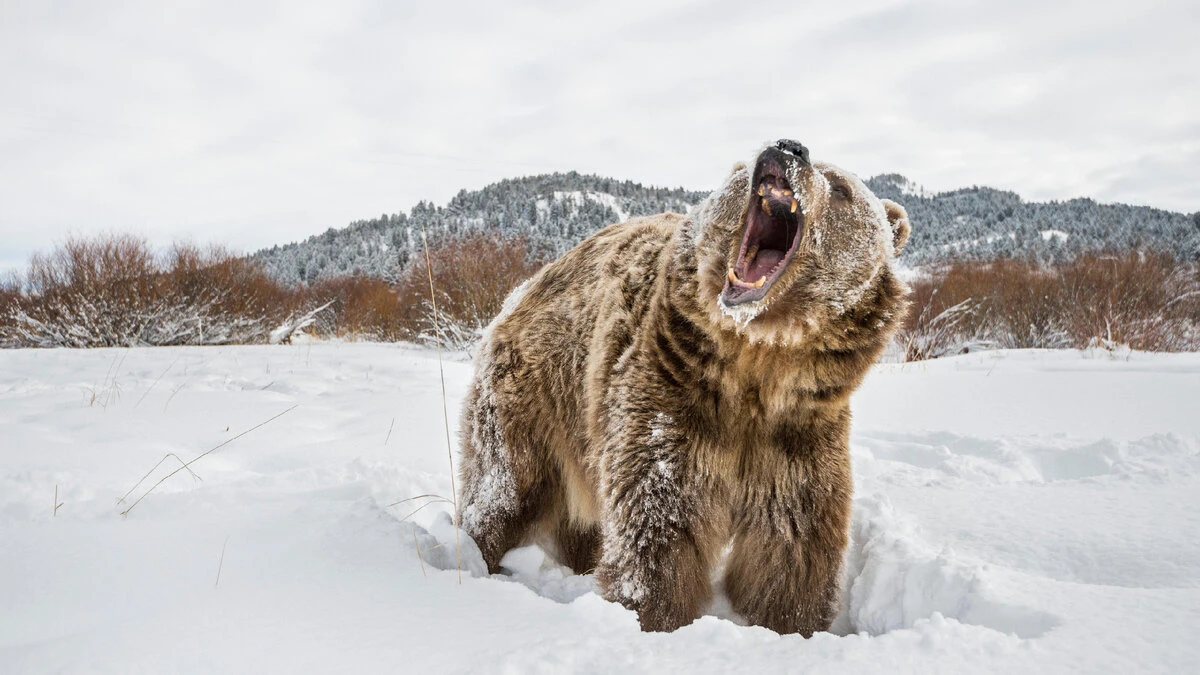
Put the photographer here! Camera included!
There's another category of bears, though. They also roam the winter forest, but they don't hibernate voluntarily. These clubfooted creatures have hacked their evolution and are seeking to occupy a new niche. In their habitat, food is available year-round. This means the need for hibernation simply disappears. 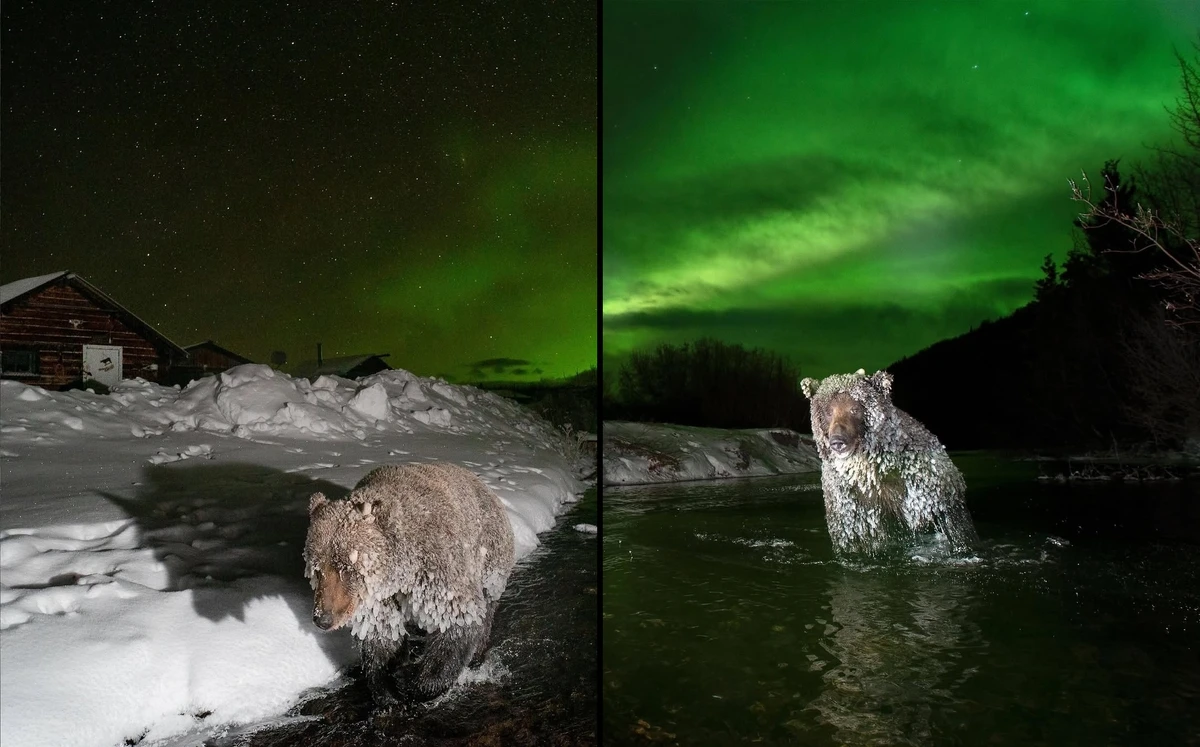
The paranormal atmosphere of the north.
What can feed an animal weighing several hundred kilograms? Fish. Lots of fish! Populations of "sleeping bears" are observed along the banks of large rivers, where salmon spawn. Not only are these fish fatty and nutritious, but there are also countless quantities! 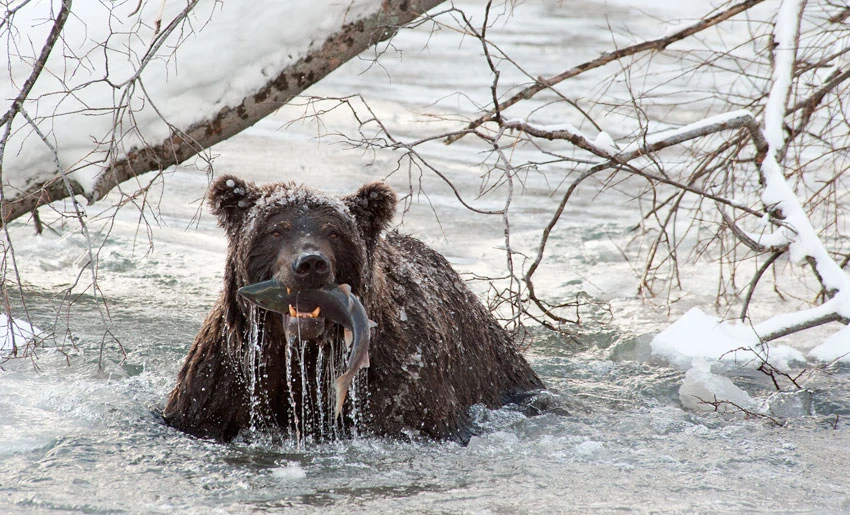
Bears are extremely picky eaters. They don't eat the whole fish, but select the fattiest parts: skin, head, roe, and milt.
For example, over 3 million sockeye salmon swim to spawn in Kamchatka. This entire biomass dies almost immediately after spawning. Such a huge amount of easy, fatty prey allows the local bears to barely hibernate—they only hibernate for 1-2 months instead of six months. 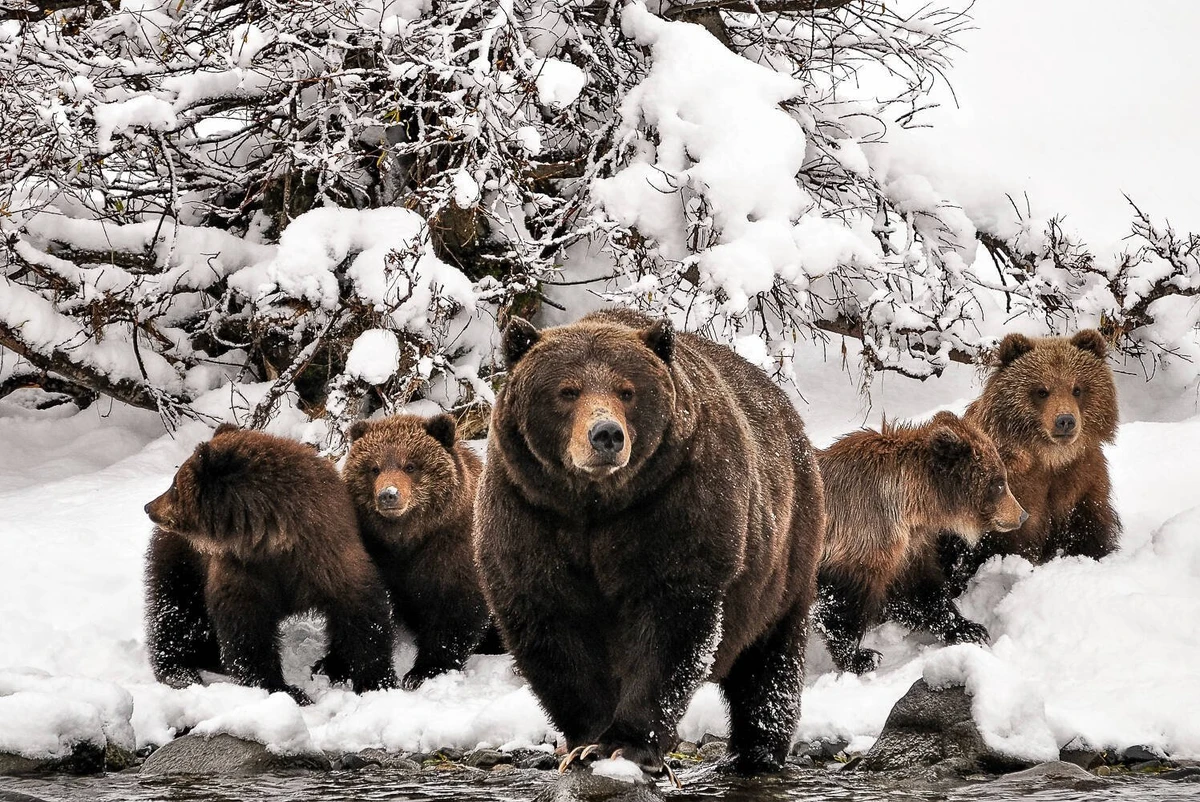
Where fish are plentiful, even mother bears with cubs don't hibernate early! After all, female bears need to feed not only themselves but also several hungry mouths!
The same story is happening on the coast of Alaska and Kodiak Island, where fish literally lie on the ground. The local bears are so fat that Kodiak bears have become the largest subspecies of brown bear in the world! 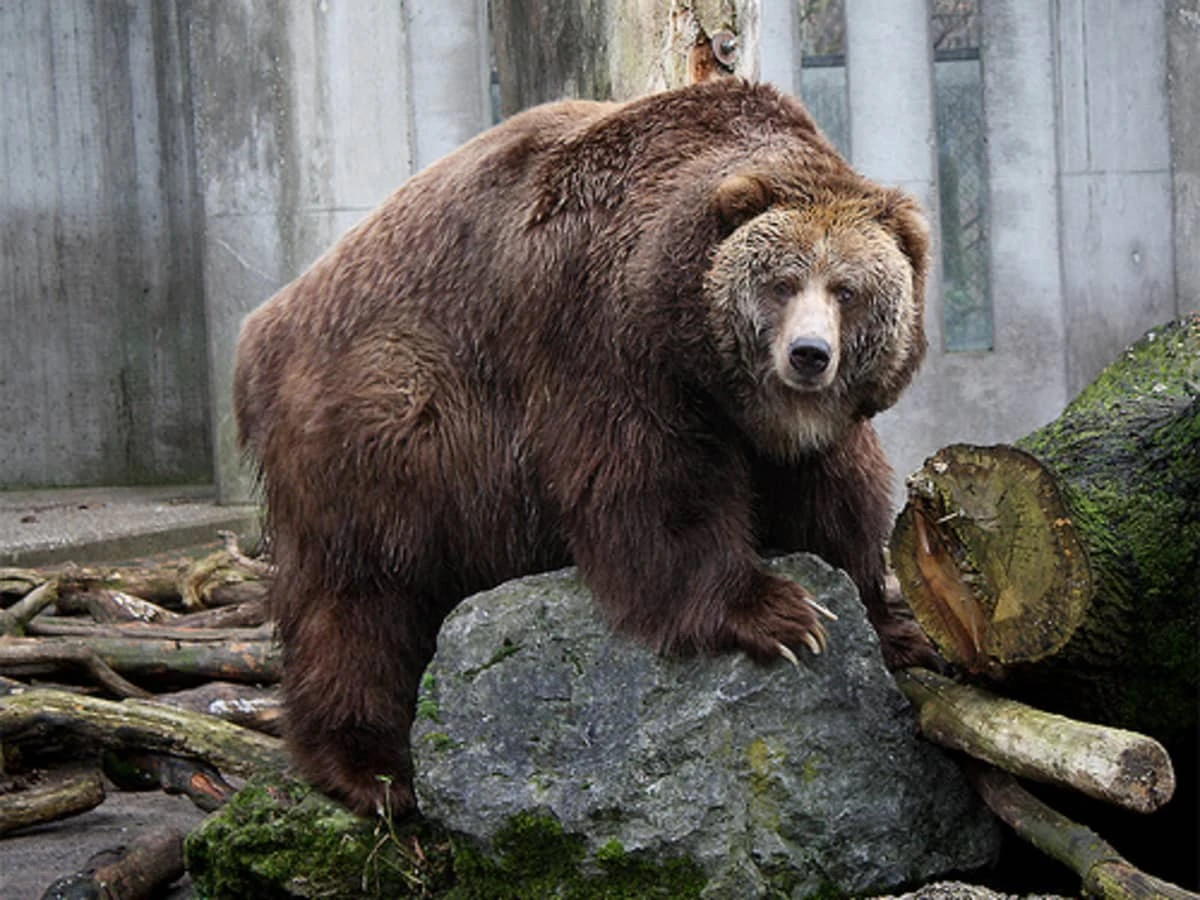
A Kodiak bear can weigh up to 1 ton during its fattening period! In size, it approaches the planet's largest land predator—the polar bear.
And another surprising fact: these animals are also more tolerant of each other than usual. Several dozen bears can fish at a single spawning site! In normal times, such a crush of bears would turn into a bloody massacre. But why waste energy on a fight when the prey is literally lying at your paws! 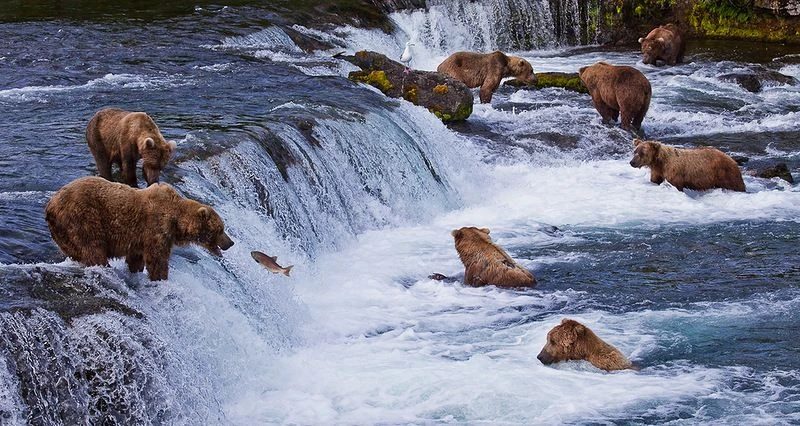
If your party isn't like this, don't even invite me!
Non-connecting bears are no more dangerous to people than any other bear encountered in the forest. Therefore, if you decide to go for a walk to a river rich in fish, take summer precautions: make noise, shout, and keep your eyes open. If you spot an animal, it's best to retreat and circle its location, but don't panic or call the hunters. 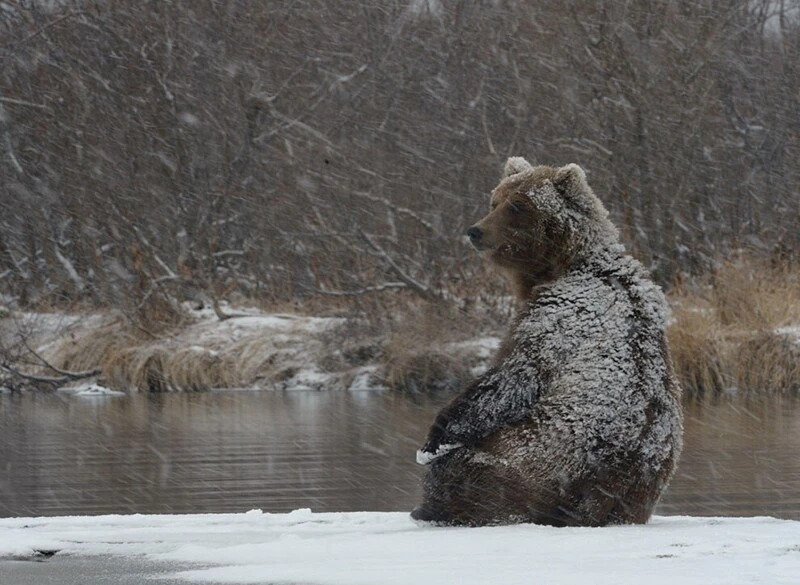
Well, what are you standing there for? Hand me a worm for bait!
Add your comment
You might be interested in:










Persistence in achieving a goal

A biker prevented a hit-and-run driver from escaping

Not everyone is having fun on the amusement ride

A race for a parking spot

An apology delivered with a running start

A steam locomotive for "big boys"

A dog sees itself on a phone screen

A visitor at a Bangkok zoo provoked a hippopotamus

A book titled "A Guide to Rebuilding
